

P0131 on 2014-2021 Mazda 6 SKYACTIV-G 2.5L: Upstream O2 Sensor Causes and Fixes
On a 2014-2021 Mazda 6, code P0131 almost always means the upstream air-fuel ratio sensor (Bank 1, Sensor 1) has failed. This sensor is a wear-and-tear item that eventually fails from heat and contamination. Replacing this sensor with a quality part from a brand like Denso or NGK/NTK is the most common fix. Expect to pay around $130-$180 for an OEM-quality aftermarket sensor, and ensure you are replacing the correct upstream sensor in the exhaust manifold, not the downstream sensor after the cat
- P0131 on your Mazda 6 points directly to a problem with the upstream Air/Fuel Ratio sensor (Bank 1, Sensor 1).
- The most likely fix is replacing the sensor itself. Before buying one, perform a quick visual inspection of the sensor's wiring for any obvious melting or damage.
- Use a high-quality replacement sensor from an OEM supplier like Denso or NGK/NTK. Cheaper, off-brand sensors may not perform correctly with the SKYACTIV engine management system.
- Do not ignore this code. Continued driving will result in poor fuel mileage and can lead to costly damage to the catalytic converter.
What's Unique About the 2014-2021 Mazda 6
The third-generation Mazda 6 with the SKYACTIV-G engine is generally reliable, but like many modern direct-injection engines, it is sensitive to the data from its air-fuel ratio sensor for maintaining efficiency. While there are no widespread, unique design flaws causing P0131 on this platform, the fix almost always comes down to replacing the sensor itself. Owners and mechanics strongly recommend using OEM or high-quality OEM-supplier parts (like Denso or NGK/NTK), as these engines can be finicky with off-brand sensors. The SKYACTIV-G uses a wideband A/F sensor upstream, which provides more precise readings (often in milliamps or a wider voltage range) than a traditional oxygen sensor.
Symptoms You May Notice
- Check Engine Light is on
- Decreased fuel economy
- Rough or unstable idle
- Engine hesitation or stumbling on acceleration
- Strong smell of gasoline or unburnt fuel from the exhaust (rotten egg smell)
- Black smoke from the tailpipe in some cases
- Engine misfires in some cases
- Replacing the downstream (Bank 1, Sensor 2) oxygen sensor. This sensor monitors the catalytic converter and will not fix a P0131 code, which is specific to Sensor 1. 🎬 Watch: Understanding the causes and fixes for the P0131 code.
- Replacing the Mass Airflow (MAF) sensor. While a dirty MAF sensor can cause lean code P0171, it is not the direct cause of a P0131 circuit low voltage code.
Most Likely Causes
- Failed Upstream Air/Fuel Ratio Sensor (Bank 1, Sensor 1) 🔴 High Probability → Shop Oxygen Sensor Oxygen sensors are wear-and-tear items that have a finite lifespan, typically 60,000 to 100,000 miles. Contamination from fuel, oil, and the heat cycles of the exhaust system eventually cause them to fail and lose their ability to generate a correct voltage signal.
How to confirm: Use an OBD-II scanner with live data to monitor the Bank 1 Sensor 1. On Mazda SKYACTIV engines, this is the 'O2S11' PID and reads in current (mA). A healthy sensor's reading should fluctuate rapidly. A sensor that is stuck at a very low voltage (e.g., under 0.2V) or a fixed low current reading, and does not respond to changes in engine RPM, is faulty. According to Mazda's diagnostic procedure, a healthy sensor should read approximately -39 µA at warm idle and jump to around 3.84 mA during deceleration fuel cut.
Typical fix: Replace the upstream air/fuel ratio sensor. It is located on the front of the engine in the exhaust manifold, making it relatively accessible.
Est. part cost: $130-$250 - Damaged Wiring or Connector 🟡 Medium Probability The sensor's wiring harness is exposed to high heat from the engine and exhaust, which can make the insulation brittle and prone to cracking over time. It can also be damaged by road debris or improper servicing, leading to a short or open circuit.
How to confirm: Visually inspect the entire wiring harness from the sensor to its connection point. Look for any signs of melting, chafing, corrosion in the connector pins, or broken wires. Use a multimeter to check for continuity and resistance on the signal wire if the visual inspection is inconclusive. Resistance should be below 1.0 Ω.
Typical fix: Repair the damaged section of the wire or replace the connector pigtail. Secure the harness away from heat sources or sharp edges.
Est. part cost: $10-$50 - Exhaust Leak ⚪ Low Probability Gaskets and welds in the exhaust system can fail over time due to corrosion and heat cycles, particularly in regions with harsh winters. A leak before the sensor can introduce extra oxygen into the exhaust stream, causing the sensor to read lean (low voltage) incorrectly.
How to confirm: Listen for a ticking or hissing sound from the engine bay, especially when the engine is cold. Visually inspect the exhaust manifold and the gasket between it and the cylinder head for black soot marks, which indicate a leak. A smoke test is the most definitive way to find a small leak.
Typical fix: Replace the faulty exhaust manifold gasket or repair the cracked component.
Est. part cost: $20-$100
Rare But Worth Checking
- Low Fuel Pressure: While uncommon, a failing fuel pump or clogged filter can cause a true lean condition that the O2 sensor correctly reports. This would typically be accompanied by other codes like P0171 (System Too Lean) and more severe drivability issues like stalling or lack of power.
- Faulty Powertrain Control Module (PCM): This is extremely rare and should be considered a last resort. Before condemning the PCM, all other possibilities, including the sensor, wiring, exhaust leaks, and fuel system, must be exhaustively ruled out. A failing PCM often presents with multiple, unrelated error codes.
Diagnosis Steps
- Confirm the code: Use an OBD-II scanner to verify that P0131 is the active code. Note any other codes present and check freeze frame data.
- Inspect the wiring: Carefully inspect the A/F sensor's wiring harness and connector for any visible damage, such as melting, chafing on brackets, or corrosion. Ensure the connector is securely plugged in.
- Check for exhaust leaks: With the engine cool, start it and listen for any ticking or puffing sounds near the exhaust manifold. Look for soot trails that would indicate a leak. A smoke test is the most reliable method.
- Analyze live data: Using a scan tool like the Mazda M-MDS, observe the 'O2S11' PID. A healthy sensor's current should be approximately -39 µA at warm idle and jump to around 3.84 mA during deceleration fuel cut from 4,000 RPM. 🎬 See what normal milliamp readings look like on a Mazda. A sensor that is stuck low and unresponsive is faulty.
- Test the sensor heater circuit: With a multimeter, check the resistance of the sensor's heater circuit (usually the two wires of the same color). A healthy heater should have a resistance between 2 and 50 Ohms. An open circuit (infinite resistance) indicates a failed heater, which warrants sensor replacement.
- Test Fuel Pressure: If other lean codes are present or the sensor appears to be reading correctly, verify that fuel pressure is within the manufacturer's specifications to rule out a fuel delivery issue.
- Replace the sensor: If the wiring, exhaust system, and fuel pressure are intact and the live data points to a lazy or dead sensor, replace the upstream Air/Fuel Ratio sensor.
Parts You'll Likely Need
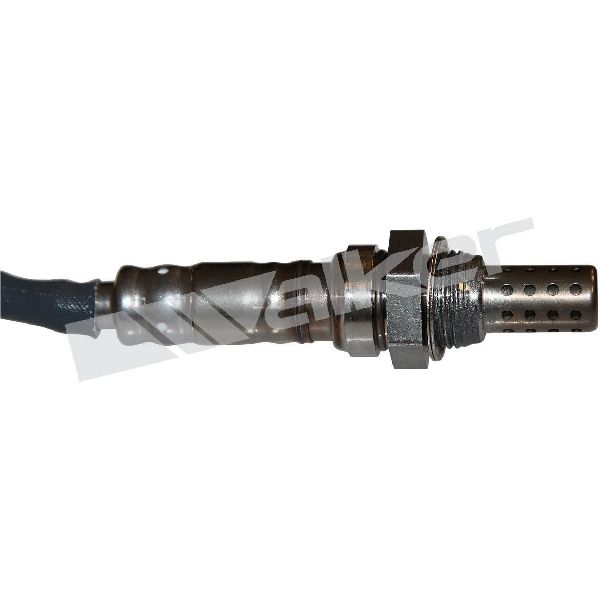
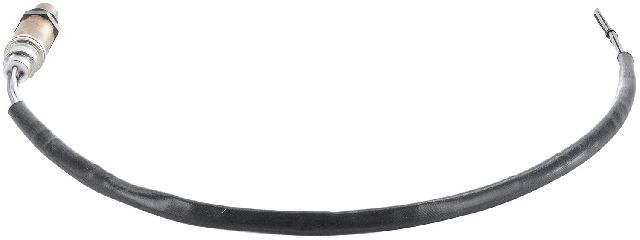
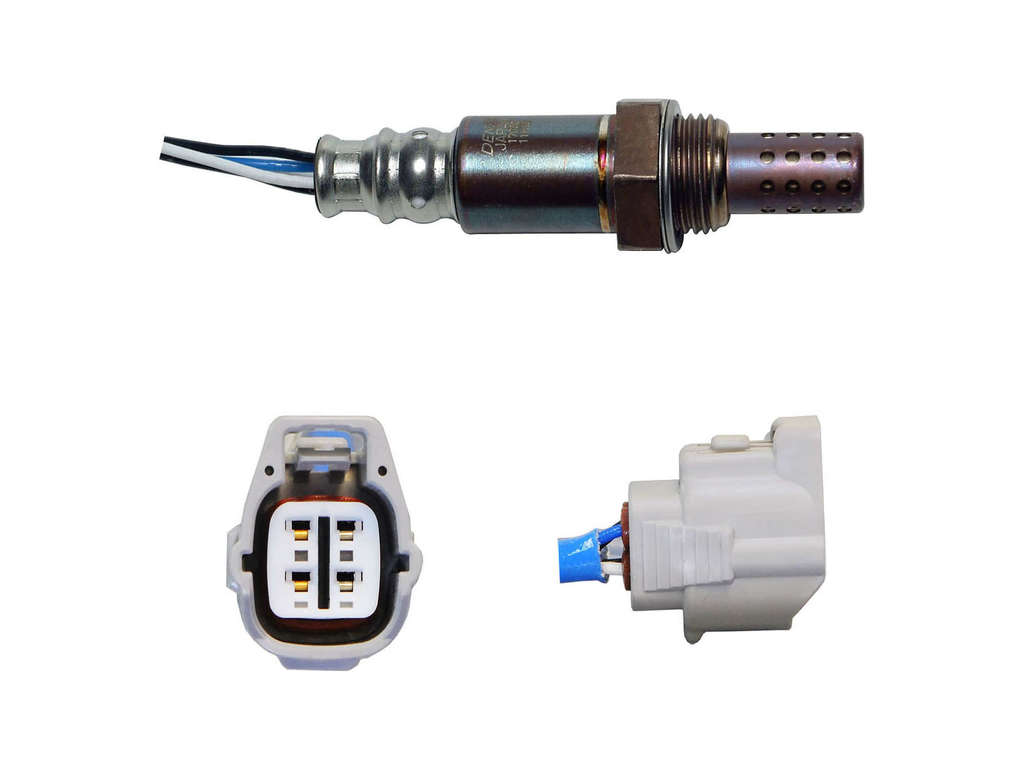
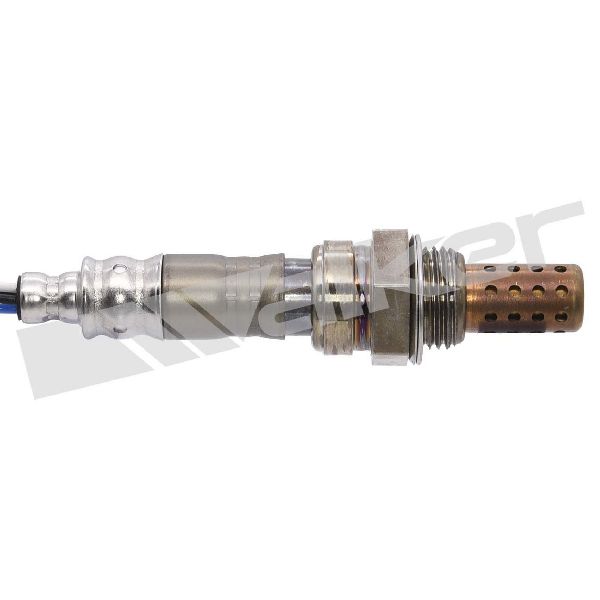
- Upstream Air/Fuel Ratio Sensor
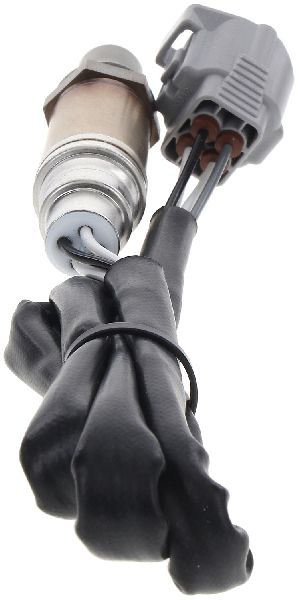
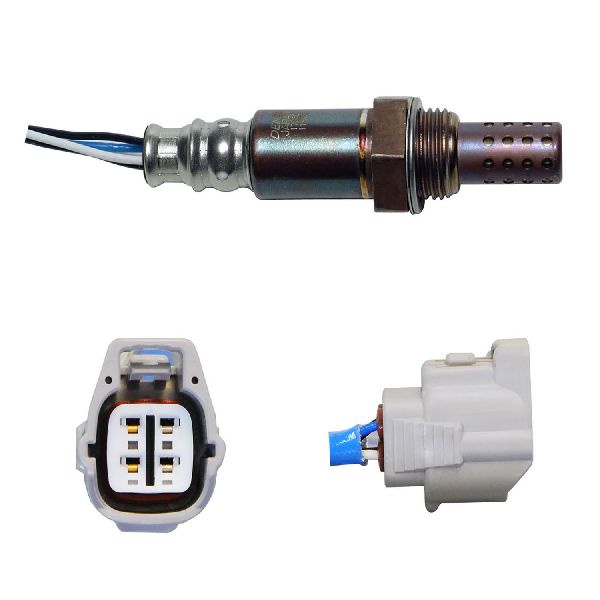
(OEM #PE01-18-8G1A (supersedes PE01-18-8G1, PEDD-18-8G1))— This is the component that directly measures the exhaust gas oxygen content and is the most common failure point for code P0131. Its signal is critical for fuel control.
Trusted brands: Denso (p/n: 234-5059), NGK/NTK (p/n: 24369), Bosch (p/n: 18098)
OEM price range: $190-$330
Aftermarket price range: $130-$180
Related Codes That Often Appear With This One
- P0171 — System Too Lean (Bank 1). This code is often triggered because the faulty P0131 sensor is incorrectly reporting a lean condition, causing the PCM to attempt to add fuel beyond its acceptable limits.
- P2251 — O2 Sensor Negative Current Control Circuit/Open. This is another circuit code for the same sensor and points directly to a wiring or internal sensor fault. A YouTube repair video for a Mazda 6 showed these codes appearing together.
- P0130 — O2 Sensor Circuit Malfunction (Bank 1, Sensor 1). This is a more general fault code for the same sensor, and P0131 is a more specific version of it.
Mechanic-Grade Diagnostic Values
- A/F Sensor Current (PID: O2S11) — expected: Approx. -39 µA at warm idle.. Failure: A static or unresponsive value that does not change with engine conditions.
- A/F Sensor Current (PID: O2S11) during Deceleration Fuel Cut — expected: Approx. 3.84 mA when decelerating from 4,000+ RPM.. Failure: Value does not increase significantly during fuel cut, indicating a lazy or failed sensor.
- A/F Sensor Heater Resistance — expected: Between 2 and 50 Ohms across the two same-colored heater wires on the disconnected sensor.. Failure: Infinite resistance (Open Loop) or a reading outside the specified range.
- A/F Sensor Heater Duty Cycle (PID: HTR11) — expected: Approximately 40% at a warm idle.. Failure: A value of 0% when the engine is warm can indicate a failure in the heater circuit or the sensor's heater element.
Scan Tool Commands That Help
- Mazda M-MDS (or equivalent advanced scanner): PID/DATA Monitor and Record — To capture and review the live data from the A/F sensor (O2S11) during a test drive, specifically to verify its response during idle, acceleration, and deceleration fuel-cut events.
- Mazda M-MDS: KOER (Key On Engine Running) Self Test — To be performed after a repair to verify that the P0131 pending code does not return, confirming the fix was successful.
Wiring & Ground Locations
- Main Engine Grounds — Key ground points include a location near the passenger side motor mount, a large ground by the starter, and a multi-wire ground point on the frame under the driver's side headlight area.. A poor engine or PCM ground can introduce electrical noise or voltage drops, potentially causing incorrect readings from sensitive components like the A/F sensor, leading to a P0131 code.
- A/F Sensor Connector — The connector for the upstream A/F sensor is located on the engine wiring harness, typically clipped to a bracket near the back of the engine to keep it away from the hot exhaust manifold.. This connector is a primary point of failure. Inspecting its terminals for corrosion, looseness, or damage is a critical diagnostic step before replacing the sensor itself.
Real Owner Repair Stories
- YouTube channel 'PINOY IN AUSTRALIA' (Mazda 6 (generation not specified, but consistent with GJ/GL)) — Check Engine Light with codes P0131 and P2251, along with a previous misfire issue.
❌ Tried (didn't work) The technician first fixed a misfire caused by water in a spark plug well.
✅ What actually fixed it After inspecting the wiring harness and finding no visible damage, the technician replaced the upstream A/F sensor (Bank 1, Sensor 1). This resolved both the P0131 and P2251 codes.
Diagnostic Flowchart
Other Known Issues on This Vehicle
Issues unrelated to this code that are worth knowing about as an owner of this generation:
- Infotainment Screen 'Ghost Touch' or Cracking 🟠 Medium — Common on 2014-2018 models, especially in hot climates. The touchscreen may operate itself ('ghost touch'), peel, or develop spiderweb cracks. (Ref: Mazda issued TSB 09-022/19 and a warranty extension (SSPB6) for some models, allowing for replacement of just the screen component instead of the whole unit.)
- Intake Valve Carbon Buildup 🟡 Low — A potential issue for all direct-injection engines, but Mazda's SKYACTIV-G seems less prone than many competitors. May cause misfires or poor performance after 80,000+ miles, especially with frequent short trips.
- Premature Wheel Bearing Failure 🟡 Low — Some owners report noisy wheel bearings requiring replacement at lower-than-expected mileage (e.g., 60,000-90,000 miles).
- Water Pump Failure/Leak 🟠 Medium — The water pump on the 2.5L engine is a known potential failure point, sometimes developing leaks before 100,000 miles.
- Faulty Ignition Coils (Early Models) 🟠 Medium — Some 2014-2016 models experienced premature ignition coil failure, leading to misfire codes (P0300-P0304). (Ref: TSB #01-014-16-3208A was issued for faulty 'YUMEBISHI'-brand coils on 2014-2016 models.)
Used vs. New Parts: Buying Guide for This Vehicle
When a used part is the smart pick: For this repair, using a used part is NOT recommended. The A/F sensor is a sensitive electronic component and a wear-and-tear item. Its remaining lifespan is unknown, and the risk of getting a faulty part from a junkyard is high, wasting time and money.
What to inspect on the donor part:
- Not applicable as used sensors are not advised.
OEM-only on this vehicle (don't cheap out):
- While not strictly 'OEM-only', the consensus among mechanics and forum users is to use either the genuine Mazda part or a direct-fit replacement from an OEM supplier.
Aftermarket brands forum-validated for this vehicle:
- Denso (often the original supplier)
- NGK / NTK
Brands owners have reported issues with on this vehicle:
- Generic, unbranded 'white-box' parts from online marketplaces are frequently reported to cause immediate or premature failure, or not meet the precise specifications required by the SKYACTIV-G engine.
Real Owner Stories
Aggregated from forums and TSBs cited above. Mileages and costs reflect what owners reported in those sources.
2015 Mazda 6 2.5L SKYACTIV-G — 110000 miles
Symptoms: Check engine light appeared.
What fixed it: Replacing the upstream O2 sensor with a Denso 234-5059. The repair took less than an hour and immediately cleared the light.
Source hint: Reddit r/mazda6: Repair Confirmation
Related OBD-II Codes
Frequently Asked Questions
Which specific brand of replacement sensor should I use for my Mazda 6 to avoid compatibility issues?
Is there a specific part number for the upstream Air/Fuel ratio sensor on the 2.5L SKYACTIV-G engine?
What are the specific live data values I should look for on my Mazda 6 to confirm the sensor is bad?
My 2015 Mazda 6 has a P0131 code and a misfire; could this be related to a known ignition coil issue?
Can an exhaust leak cause a P0131 code on my Mazda 6?
Is the P0131 code common at a specific mileage for the Mazda 6?
Helpful Videos

We Have This Part in Stock

The information in this article is provided for general reference and educational purposes only. Vehicle specifications, procedures, and part compatibility can vary by production date, trim level, and region. Always consult your vehicle's factory service manual and verify part numbers before purchasing or performing repairs. Safety-critical components such as airbags, seat belts, and braking systems should be installed by a qualified professional.
- Mazda 6:
- 🧭 Diagnostic Flowchart
- 🎬 Helpful Videos
- 🛍️ Shop This Part
- What's Unique About the 2014-2021 Mazda 6
- Symptoms You May Notice
- Most Likely Causes
- Rare But Worth Checking
- Diagnosis Steps
- Parts You'll Likely Need
- Related Codes That Often Appear With This One
- Mechanic-Grade Diagnostic Values
- Scan Tool Commands That Help
- Wiring & Ground Locations
- Real Owner Repair Stories
- Other Known Issues on This Vehicle
- Used vs. New Parts: Buying Guide for This Vehicle
- Real Owner Stories
- 2015 Mazda 6 2.5L SKYACTIV-G — 110000 miles
- Related OBD-II Codes
- Frequently Asked Questions
- 🎟️ Get 5% Off