

P0131 on 1999-2003 Mazda Protege: O2 Sensor Low Voltage Causes and Fixes
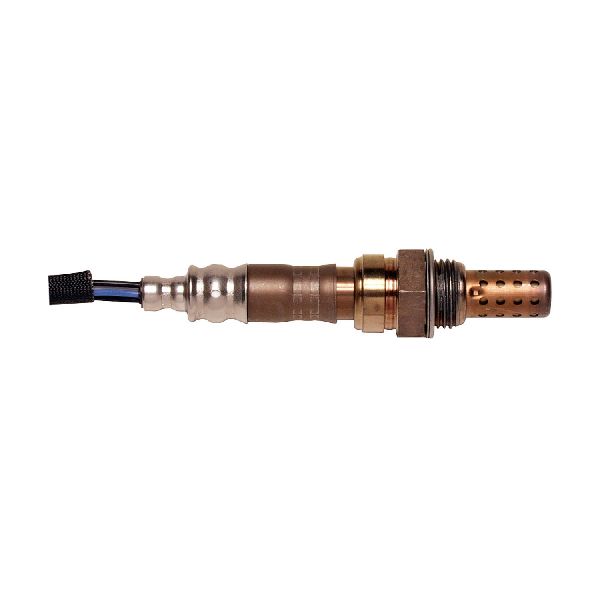
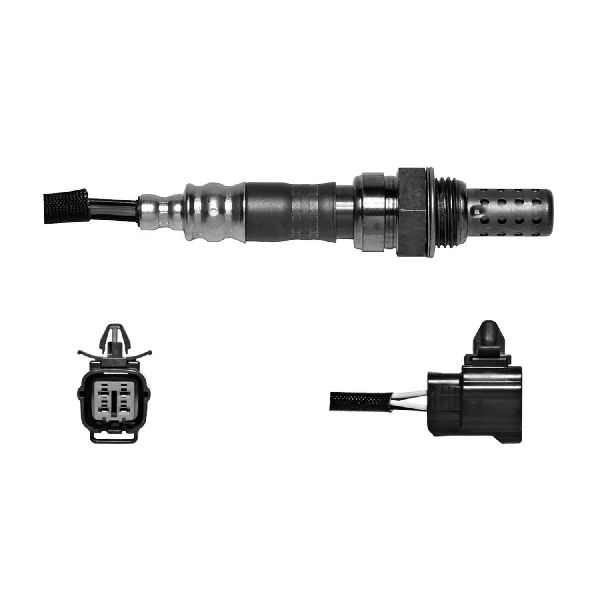
On a 1999-2003 Mazda Protege, code P0131 is most often caused by a failed upstream oxygen (O2) sensor. Before replacing it, check for cracked vacuum lines, a torn air intake hose, and exhaust leaks. A quality replacement sensor from a brand like Denso or NGK/NTK costs about $40-$90. For 2.0L engines, the Denso part is 234-4721; for 1.6L, it's 234-4722.
- P0131 on your Protege almost always points to the upstream O2 sensor (before the catalytic converter).
- The most likely fix is replacing the upstream O2 sensor, which is a standard wear item.
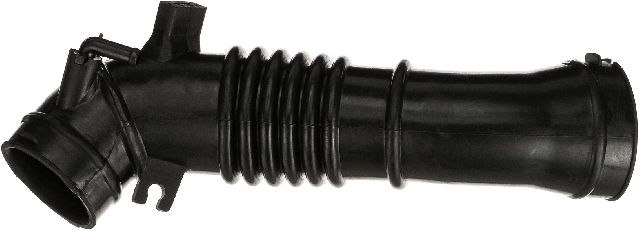
- Before buying a new sensor, thoroughly inspect the large, black accordion-style air intake hose for cracks, as this is a very common failure on these cars that will trigger this code.
- Also check for exhaust leaks between the engine and the sensor, and look for any melted or damaged wiring connected to the sensor.
- Ignoring this code will lead to poor gas mileage and can eventually damage your catalytic converter, a much more expensive repair.
What's Unique About the 1999-2003 Mazda Protege
For the Protege, especially models with the 2.0L engine (like the Protege5), a very common issue that can mimic a bad O2 sensor is a cracked or torn black accordion-style air intake hose. This allows unmetered air to enter the engine, creating a genuine lean condition that the O2 sensor correctly reports. Owners have described how the crack opens up under engine torque during acceleration, causing sudden jerking and stumbling. It is critical to inspect this hose carefully for cracks before spending money on a new sensor.
Symptoms You May Notice
- Check Engine Light is on
- Decreased fuel economy
- Rough or erratic idle
- Engine hesitation, bucking, or misfiring, especially at low RPMs (e.g., 2000-2500 RPM) on acceleration.
- Strong smell of gasoline or rich exhaust fumes.
- Loud ticking or hissing noise from the engine bay if caused by an exhaust leak.
- Replacing the catalytic converter. P0131 is an issue with the sensor *before* the converter; codes for the converter itself are different (e.g., P0420/P0421).
- Replacing the downstream (post-catalytic converter) O2 sensor. Sensor 1 is always the upstream sensor.
Most Likely Causes
- Failed Upstream Oxygen (O2) Sensor 🔴 High Probability → Shop Oxygen Sensor Oxygen sensors are wear-and-tear items that typically fail after 80,000-100,000 miles due to age, heat cycles, and contamination from fuel or oil.
How to confirm: Use an OBD-II scanner to watch the live data for the Bank 1 Sensor 1 voltage. A healthy sensor's voltage should fluctuate rapidly between approximately 0.1 and 0.9 volts. If the voltage is stuck low (e.g., below 0.2V) and doesn't change when the engine RPM is raised, the sensor has likely failed. You can also test the sensor's internal heater circuit with a multimeter; an open circuit (infinite resistance) confirms failure.
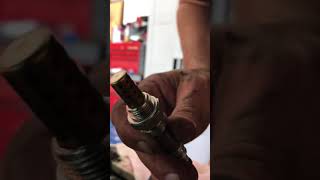
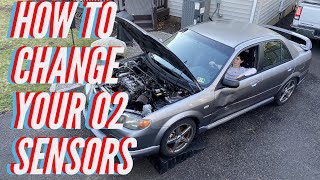
Typical fix: Replace the upstream (pre-catalytic converter) oxygen sensor. Apply anti-seize compound to the new sensor's threads before installation. Be aware that the electrical connector is located 🎬 See: Upstream O2 sensor replacement walkthrough in a tight spot under the intake manifold and can be difficult to access.
Est. part cost: $40-$90 - Exhaust Leak 🟡 Medium Probability Exhaust manifold gaskets and the flex pipe can develop leaks over time from rust and heat cycles. A leak before the O2 sensor allows outside air into the exhaust stream, which the sensor reads as a lean condition (low voltage).
How to confirm: Visually inspect the exhaust manifold and the gasket between the manifold and the front pipe for black soot trails or obvious cracks. You can also perform a smoke test or carefully use a shop rag to block the tailpipe for a moment while listening for hissing sounds. A common leak point is the manifold-to-pipe gasket, and you may find studs are broken off in the manifold, complicating the repair.
Typical fix: Replace the leaking gasket or repair the cracked pipe section. If studs are broken, they will need to be extracted and replaced. Some owners recommend using a copper spray-on gasket sealant for a better seal.
Est. part cost: $10-$50 for a gasket, $100+ for pipe repair or stud extraction - Damaged O2 Sensor Wiring or Connector 🟡 Medium Probability → Shop Oxygen Sensor
How to confirm: Visually inspect the wiring harness leading to the upstream O2 sensor. Look for any signs of melting, chafing, corrosion in the connector, or broken wires. The harness is routed close to hot exhaust components and can be easily damaged. Check for a secure connection at the plug, which is located under the intake manifold.
Typical fix: Repair the damaged section of the wiring harness or clean/replace the connector. Ensure the wiring is secured away from hot or moving parts.
Est. part cost: $5-$30 - Vacuum Leak (Cracked Intake Hose) 🟡 Medium Probability The rubber/plastic intake hose between the mass airflow sensor and the throttle body becomes brittle with age and can crack, which is a very well-documented issue on this platform, especially the 2.0L Protege5.
How to confirm: With the engine running, listen for a hissing sound around the engine bay. Carefully spray short bursts of brake cleaner or starting fluid around the intake manifold gaskets and vacuum hoses. If the engine RPM changes, you've found the leak. Pay extremely close attention to the accordion-style intake boot, flexing it by hand (with the engine off) to reveal hidden cracks.
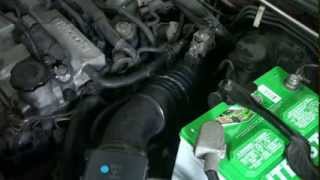
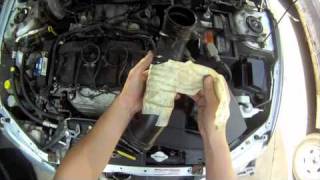
Typical fix: Replace the cracked vacuum line or intake hose. The Dorman 696-601 is a common aftermarket replacement 🎬 Watch: Step-by-step air intake hose installation guide for the 2.0L engine's intake hose.
Est. part cost: $20-$60
Rare But Worth Checking
- Low Fuel Pressure: If the engine is truly running lean, the O2 sensor is just doing its job. This can be caused by a weak fuel pump or a clogged fuel filter, preventing enough fuel from reaching the engine. This would typically be accompanied by other symptoms like difficulty starting or loss of power under load.
- Faulty Mass Airflow (MAF) Sensor: → Shop Fuel Injection Air Flow Meter A dirty or failing MAF sensor can under-report the amount of air entering the engine, causing the PCM to inject too little fuel, leading to a genuine lean condition that the O2 sensor reports. Cleaning the MAF sensor with a dedicated cleaner is a good first step.
- Blown O2 Sensor Heater Fuse: → Shop Oxygen Sensor The oxygen sensor has an internal heater to get it to operating temperature quickly. This heater circuit is protected by a fuse (often labeled 'ENGINE' or similar in the fuse box). If the fuse blows, the sensor may not operate correctly, potentially leading to a low voltage reading, though this more commonly sets a specific heater circuit code like P0135.
Diagnosis Steps
- Read the code with an OBD-II scanner and check for any other related codes, especially P0171 (System Too Lean).
- Thoroughly inspect the large accordion-style air intake hose for cracks. Flex the hose to reveal splits that may not be visible at rest. This is a top cause on this platform.
- Inspect all other vacuum lines connected to the intake manifold for cracks or disconnections.
- Inspect the O2 sensor wiring harness for any signs of melting, chafing, or corrosion at the connector. The connector is under the intake manifold.
- Inspect the exhaust manifold and front pipe for any signs of leaks (soot trails or audible hissing/ticking). Pay close attention to the gasket between the manifold and downpipe.
- Use the live data function on your scanner to monitor the 'O2S B1S1' voltage. At a warm idle, it should switch rapidly from below 0.2V to above 0.8V. If it is stuck low and unresponsive to RPM changes, it confirms the fault condition.
- If all inspections for vacuum leaks, exhaust leaks, and wiring issues pass, the upstream O2 sensor is the most likely culprit and should be replaced.
Parts You'll Likely Need
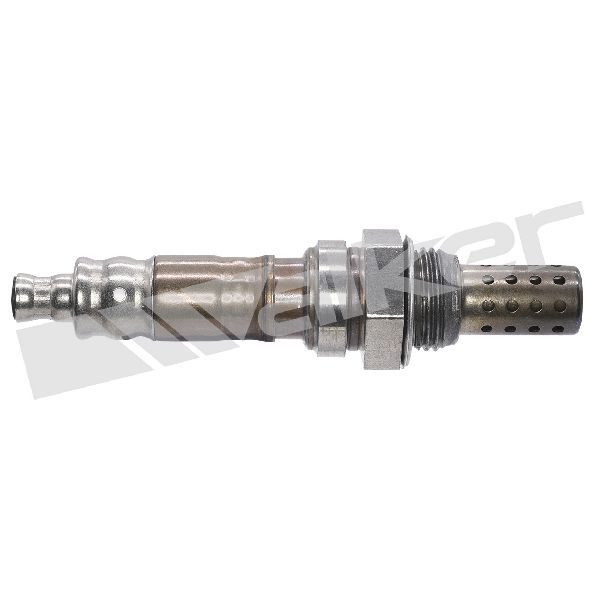
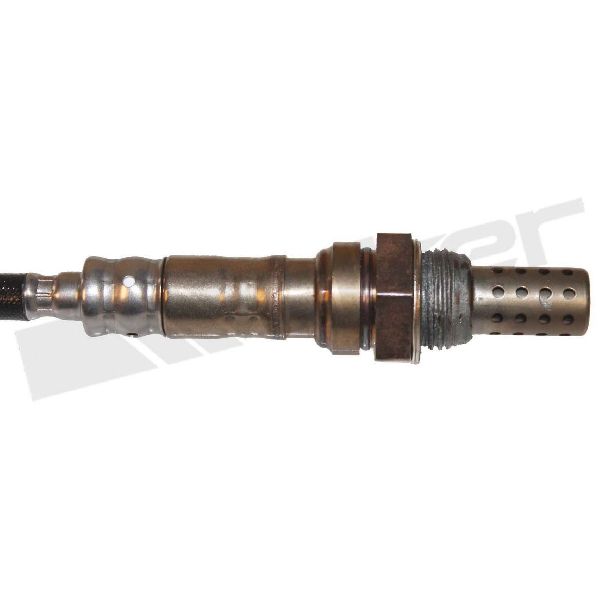
- Upstream Oxygen Sensor (Bank 1, Sensor 1)
(OEM #FS7N-18-861 / FSN5-18-861B (2.0L); ZL01-18-861A (1.6L))— This is the most common part to fail, causing the P0131 code directly.
Trusted brands: Denso (P/N: 234-4721 for 2.0L, 234-4722 for 1.6L), NGK/NTK, Bosch
OEM price range: $150-$200
Aftermarket price range: $40-$90 - Engine Air Intake Hose — This hose is a common failure point on the Protege platform that causes vacuum leaks, leading to lean codes like P0131.
Trusted brands: Dorman (P/N: 696-601 for 2.0L), MTC
OEM price range: $50-$80
Aftermarket price range: $20-$40 - Exhaust Manifold to Front Pipe Gasket — This gasket can fail from age and heat, causing an exhaust leak that triggers P0131.
Trusted brands: Fel-Pro, Walker, Bosal
OEM price range: $15-$30
Aftermarket price range: $5-$15
Related Codes That Often Appear With This One
- P0171 — P0171 means 'System Too Lean (Bank 1)'. This code often appears with P0131 because they both relate to a lean condition. If you have both codes, it is more likely 🎬 Watch: How to fix a P0171 lean code on a Protege you have a 'real' lean problem (like a vacuum/exhaust leak) rather than just a failed sensor.
Technical Service Bulletins (TSBs) & Recalls
- TSB 01-006/08: 'MULTI MODEL - OXYGEN SENSOR REMOVAL CAUTION' - A general bulletin advising caution during O2 sensor removal, likely due to the risk of thread damage or seizing.
- Emission Recall 3005C: '2003 Protege Intake Manifold Shutter and Variable Tumble Control Valves Emission Recall' - Addresses an issue where screws could loosen inside the intake manifold on 2.0L engines, causing symptoms (rough idle, MIL) that could be confused with a sensor issue.
Platform-Specific Known Issues
- A cracked or torn air intake hose is a very common cause of lean-related codes (like P0171 and P0131) on this platform, particularly on the Protege5 2.0L models. Always inspect this part carefully before replacing the O2 sensor.
- For 2003 models with the 2.0L engine, screws for the Variable Tumble Control System (VTCS) in the intake manifold could loosen and fall out, causing a rough idle and setting various codes. This was subject to recall 3005C.
Mechanic-Grade Diagnostic Values
- Upstream O2 Sensor Heater Circuit Resistance — expected: 2-4 Ohms at 68°F (20°C). Failure: An infinite reading (OL) indicates a failed open heater element; a zero ohm reading indicates a short.
- Fuel Line Pressure (Key On, Engine Off, Fuel Pump Jumpered) — expected: 39-45 psi (270-310 kPa). Failure: Pressure significantly below this range indicates a weak fuel pump or clogged filter. Pressure above this range may indicate a faulty fuel pressure regulator.
- Fuel Line Pressure (at idle, vacuum hose connected to regulator) — expected: 29-34 psi. Failure: Incorrect pressure can point to a faulty pressure regulator or blockages in the fuel line.
- Fuel Line Pressure (at idle, vacuum hose disconnected from regulator) — expected: 40-45 psi. Failure: If the pressure does not rise to this level when vacuum is removed, the fuel pressure regulator is likely faulty.
- PCM Trigger Threshold for P0131 — expected: The PCM sets the code if the sensor voltage is below a specific value (e.g., 0.4V on some models) for a continuous period (e.g., 3 seconds).. Failure: This is the direct trigger for the DTC being stored in memory.
Wiring & Ground Locations
- Upstream O2 Sensor Connector — Under the intake manifold. It is a gray connector that can be difficult to access. Some technicians find it helpful to twist the connector 180 degrees to access the release tab.. This is the primary connection point to inspect for corrosion, damage, or loose pins when diagnosing P0131. Its difficult location means it can be overlooked or not seated properly during repairs.
- Engine Ground Points — Key factory ground points include a connection from the passenger side body (near power steering reservoir) to the engine mount, from the valve cover to the intake manifold, and from the transmission to the negative battery terminal.. A poor ground connection for the engine or PCM can introduce electrical noise or voltage offsets, potentially causing the PCM to misinterpret the O2 sensor's low-voltage signal, leading to a false P0131 code.
Real Owner Repair Stories
- Mazdas247 Forum User (2003 Protege ES 5-speed) — Check Engine Light with P0131, engine bogging down and bucking in 1st and 2nd gear between 2000-2500 RPM.
❌ Tried (didn't work) Initial diagnosis pointed to the O2 sensor itself.
✅ What actually fixed it The user was advised by others that the symptoms strongly pointed to a faulty O2 sensor not sending correct information to the computer, causing the engine to run lean and bog down. The implied fix was replacing the upstream O2 sensor. - Mazdas247 Forum User (MazdaSpeed Protege 2003.5) — Intermittent Check Engine Light for P0131, strong smell of gasoline on and off.
❌ Tried (didn't work) Considering battery or other electrical issues.
✅ What actually fixed it The user replaced the primary O2 sensor in the exhaust manifold. Another user confirmed that a faulty sensor can cause the car to run rich, explaining the gas smell. A Mazda universal replacement sensor (P/N FSD7-18-861A) was suggested as a cheaper alternative to the specific Protege part.
OEM Part Supersession History
FP47-13-220A→Dorman 696-601 (Aftermarket)— This is a common aftermarket replacement for the OEM 2.0L engine air intake hose, which is prone to cracking.
Heads up: While a direct fit, some users note the aftermarket rubber may feel less pliable than OEM. Ensure all vacuum nipples and connections are transferred and secure.FS7N-18-861 / FSN5-18-861B→FSD7-18-861A (Mazda Universal)— A forum user reported that a Mazda parts employee recommended this universal OEM sensor as a less expensive, compatible alternative for the Protege-specific part.
Heads up: The wiring harness may be slightly longer than the original, requiring the use of zip ties to secure it away from the radiator fans. The wire colors may also differ from the original part.
Diagnostic Flowchart
Other Known Issues on This Vehicle
Issues unrelated to this code that are worth knowing about as an owner of this generation:
- Intake Manifold VTCS Shutter Screws Loosening (2.0L) 🔴 High → Shop Engine Intake Manifold — Common enough on 2003 models with the 2.0L FS-DE engine to warrant an emissions recall (3005C). Screws can fall into the engine, potentially causing severe damage. (Ref: Recall 3005C)
- Body Rust 🔴 High — Extremely common, especially in regions that use road salt. The rear wheel arches, rocker panels, and floor pans are notoriously prone to severe corrosion.
- Automatic Transmission Problems 🟠 Medium — A significant number of owner complaints mention issues with the automatic transmission, including jerky shifting, hesitation, and premature failure.
- Ignition Coil Failure (1.8L) 🟠 Medium — Affects 1999-2000 models with the 1.8L FP-DE engine, leading to misfires. An emissions recall was issued to address the problem. (Ref: Emission Recall Campaign #0702F)
- Noisy VTCS Actuator on Cold Starts (2.0L) 🟡 Low — The butterfly valves in the intake manifold can create a rattling noise during cold starts. While annoying, it is not typically a mechanical failure, though a TSB was issued to acknowledge it. (Ref: Yes (undisclosed number))
- Cracked Lower Intake Manifold Gaskets 🟠 Medium → Shop Engine Intake Manifold — These gaskets can fail, causing a vacuum leak that leads to rough idle, stalling when cold, and shaking. The issue disappears once the engine warms up and the metal expands.
Used vs. New Parts: Buying Guide for This Vehicle
When a used part is the smart pick: A used part is a reasonable choice for the 'Engine Air Intake Hose'. Since this part fails from age-related brittleness, a used one from a lower-mileage donor car can be a cost-effective fix. Structural components like exhaust manifolds without integrated catalysts are also good used candidates.
Donor-vehicle mileage cap: roughly under 80000 miles for the part to have meaningful remaining life.
What to inspect on the donor part:
- For an air intake hose, inspect it off the car and flex it by hand. Check the accordion ribs for any signs of cracking or hardening.
- Ensure all plastic nipples for vacuum lines are intact and not broken off.
- For an exhaust manifold, check for any visible cracks, especially around the collector and flange areas. Ensure mounting studs are not broken.
Aftermarket brands forum-validated for this vehicle:
- Denso or NGK/NTK for Oxygen Sensors.
- Dorman (P/N 696-601) for the 2.0L Air Intake Hose.
- Fel-Pro for gaskets (e.g., exhaust manifold, intake manifold).
Brands owners have reported issues with on this vehicle:
- Ultra-cheap, unbranded oxygen sensors from online marketplaces have a high rate of premature failure or incorrect readings out of the box.
Real Owner Stories
Aggregated from forums and TSBs cited above. Mileages and costs reflect what owners reported in those sources.
2003 Mazda Protege 2.0L (5-speed manual)
Symptoms: The car was bucking and bogging down between 2000-2500 RPM in 1st and 2nd gear while driving rough.
What fixed it: Traced the performance issues to the P0131 code and addressed the oxygen sensor circuit fault.
Source hint: Mazdas247.com - Thread '2003 protege drives rough and giving P0131 code'
2003 Mazdaspeed Protege
Symptoms: Check engine light for P0131 accompanied by a strong smell of gasoline/rich exhaust fumes.
What fixed it: Replaced the upstream oxygen sensor (suggested part FSD7-18-861A).
Source hint: Mazdas247.com - Thread 'P0131 Code...what to do?'
2002 Mazda Protege5 2.0L
Symptoms: Sudden jerking on acceleration, particularly in lower gears. The problem got worse under hard acceleration when the engine rocked forward.
What fixed it: Replaced the cracked accordion-style air intake hose (Dorman 696-601).
Source hint: Desertcart Review for Dorman 696-601
1999-2003 Mazda Protege
Symptoms: Visible black soot trails and audible hissing/ticking from the engine bay; found a leaking manifold-to-pipe connection.
What fixed it: Replaced the exhaust manifold-to-pipe gasket and extracted broken manifold studs.
Source hint: Reddit r/MazdaProtege - Thread 'Exhaust Gasket'
Related OBD-II Codes
Frequently Asked Questions
My 2003 Protege 2.0L has a rough idle and P0131; is there a recall for this?
I'm replacing the O2 sensor on my Protege; is there a specific part recommended by other owners?
Is there a common part that fails on the Protege5 2.0L causing lean codes like P0131?
Are there any special precautions I should take when removing the oxygen sensor on this Mazda?
Can an exhaust leak cause a P0131 code on my Protege?
Why does my Protege buck specifically between 2000-2500 RPM with this code?
Helpful Videos

We Have This Part in Stock


The information in this article is provided for general reference and educational purposes only. Vehicle specifications, procedures, and part compatibility can vary by production date, trim level, and region. Always consult your vehicle's factory service manual and verify part numbers before purchasing or performing repairs. Safety-critical components such as airbags, seat belts, and braking systems should be installed by a qualified professional.
- Mazda Protege:
- 🧭 Diagnostic Flowchart
- 🎬 Helpful Videos
- 🛍️ Shop This Part
- What's Unique About the 1999-2003 Mazda Protege
- Symptoms You May Notice
- Most Likely Causes
- Rare But Worth Checking
- Diagnosis Steps
- Parts You'll Likely Need
- Related Codes That Often Appear With This One
- Technical Service Bulletins (TSBs) & Recalls
- Platform-Specific Known Issues
- Mechanic-Grade Diagnostic Values
- Wiring & Ground Locations
- Real Owner Repair Stories
- OEM Part Supersession History
- Other Known Issues on This Vehicle
- Used vs. New Parts: Buying Guide for This Vehicle
- Real Owner Stories
- 2003 Mazda Protege 2.0L (5-speed manual)
- 2003 Mazdaspeed Protege
- 2002 Mazda Protege5 2.0L
- 1999-2003 Mazda Protege
- Related OBD-II Codes
- Frequently Asked Questions
- 🎟️ Get 5% Off