

P0131 on 2002-2006 MINI Cooper S (R53): Causes and Fixes for O2 Sensor Low Voltage
On a 2002-2006 (R53) MINI Cooper S, P0131 most often points to a failed upstream (pre-catalytic converter) oxygen sensor. However, exhaust leaks from the flex pipe and engine vacuum leaks are also very common causes on this specific platform and must be ruled out before replacing the sensor. In some cases, a failing harmonic balancer (crank pulley) can also trigger lean condition codes.
- Do not immediately replace the oxygen sensor for a P0131 code on an R53 MINI.
- Thoroughly inspect for exhaust leaks first, paying special attention to the woven flex pipe.
- Perform a smoke test to check for vacuum leaks, as they are a very common cause of lean conditions on this engine.
- If no leaks are found and wiring is intact, then the upstream O2 sensor is the likely culprit.
What's Unique About the 2002-2006 MINI Cooper S
The first-generation (R53) MINI Cooper S has a few well-documented weak points that directly lead to code P0131. While the O2 sensor itself can fail, these cars are notorious for exhaust leaks at the flex pipe, just before the sensor, which allows outside air to skew the readings. They are also prone to various vacuum leaks around the supercharger and intake system which create a genuine lean condition that the O2 sensor correctly reports. A less obvious but critical failure point is the rubber harmonic balancer on the crank pulley, which can degrade and slip, causing the supercharger to under-rotate, reducing boost and creating a lean condition that can trigger P0131. Owners often misdiagnose the issue by replacing the sensor when the root cause is a leak or mechanical fault elsewhere.
Symptoms You May Notice
- Check Engine Light is on
- Reduced fuel economy
- Rough or unstable idle
- Engine hesitation or bogging on acceleration
- Audible exhaust leak noise (ticking or hissing) from the front of the car
- Engine misfires, especially under load
- Smell of burning rubber, which can indicate a failing crank pulley.
- Black smoke from the exhaust if the ECU overcompensates with fuel.
- Replacing the oxygen sensor without first checking for exhaust and vacuum leaks. Many owners on forums like North American Motoring report replacing the sensor multiple times only to find the actual problem was a cracked flex pipe or a split vacuum hose.
- Using a non-NTK brand oxygen sensor. The R53 ECU is known to be finicky, and many owners have solved persistent P0131 codes by switching from a Bosch or other aftermarket sensor to an OEM NTK sensor.
Most Likely Causes
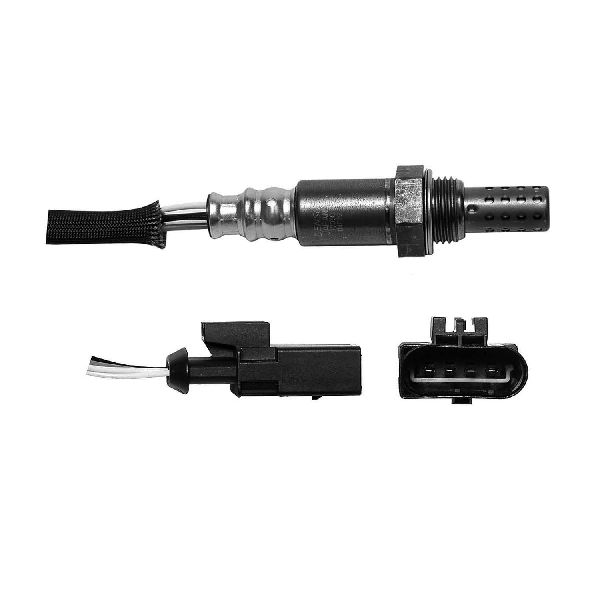
- Failed Upstream (Pre-Cat) Oxygen Sensor 🔴 High Probability → Shop Oxygen Sensor Oxygen sensors are wear items with a finite lifespan. On the R53, many owners and specialists report that the car is particularly sensitive to the brand of sensor used, with many experiencing persistent codes with aftermarket brands other than the original equipment manufacturer, NTK.
How to confirm: Use an OBD-II scanner with live data to monitor the voltage of Bank 1 Sensor 1. A healthy sensor should show rapidly fluctuating voltage between ~0.1V and ~0.9V. If the voltage is stuck low (typically below 0.2V) and does not respond to changes in engine RPM (e.g., revving the engine), the sensor is likely faulty.
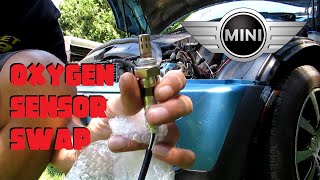
Typical fix: Replace the upstream oxygen sensor. The OEM manufacturer is NTK. A special 22mm oxygen sensor socket is required. 🎬 Watch: Step-by-step guide to swapping your upstream oxygen sensor. After replacement, it is often necessary to clear the code with a scanner for the light to go out.
Est. part cost: $120-$200 for an OEM-quality NTK sensor. - Exhaust Leak (Especially Flex Pipe) 🔴 High Probability The woven steel flex pipe section of the exhaust, located after the manifold but before the O2 sensor, is a very common failure point on the R53. It cracks from heat and vibration, allowing fresh air to be drawn into the exhaust stream, which causes the upstream O2 sensor to incorrectly read a lean condition.
How to confirm: Visually inspect the flex pipe for black soot marks, cracks, or complete separation. With the engine running, you may hear a loud ticking or hissing sound from this area. A definitive method is to have a helper briefly block the tailpipe with a rag while you listen for leaks from the flex pipe area. A professional smoke test will also pinpoint the leak.
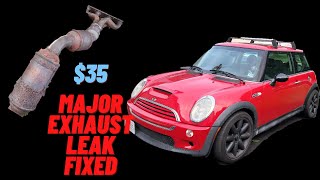
Typical fix: The leaking section of the exhaust must be repaired. This usually involves cutting out the old flex pipe and welding in a new one. 🎬 See how to identify and fix a bad flex pipe leak. Repair kits are widely available.
Est. part cost: $30-$80 for the flex pipe part, plus welding labor. - Vacuum Leak 🟡 Medium Probability The R53's supercharged engine has numerous vacuum lines and intake gaskets that crack and degrade with age and heat. A very common and often overlooked culprit is the small vacuum line running to the fuel pressure regulator, which can crack or become disconnected. Other frequent leak points include the intercooler boots, the green supercharger intake duct gasket, and the brake booster hose.
How to confirm: Perform a smoke test on the intake system. Smoke will escape from any cracked hoses, gaskets, or seals, revealing the source of the unmetered air. Pay close attention to the small vacuum line that connects to the fuel pressure regulator under the intercooler.
Typical fix: Replace the specific cracked hose, boot, or gasket. The fuel pressure regulator vacuum hose (OEM Part # 13517515137) is a common, inexpensive fix.
Est. part cost: $10-$100 depending on the specific hose or gasket. - Damaged Sensor Wiring or Connector ⚪ Low Probability The O2 sensor wiring is routed near hot exhaust components and can become brittle, melted, or chafed over time. This is especially true if an aftermarket exhaust header has been installed, which may position the wires closer to hot surfaces.
How to confirm: Visually inspect the wiring harness from the O2 sensor back to the main engine harness. Check for any signs of melting, corrosion in the connector, or physical damage. Use a multimeter to check for continuity and for shorts to ground between the sensor connector and the ECU connector.
Typical fix: Repair the damaged section of wiring or replace the connector pigtail.
Est. part cost: $15-$50
Rare But Worth Checking
- Failing Harmonic Balancer (Crank Pulley): The R53's stock crank pulley contains a rubber damper that fails with age, causing the outer ring (which drives the supercharger and alternator) to slip. This slippage means the supercharger doesn't spin as fast as the ECU expects, leading to less air entering the engine than calculated. The ECU interprets this as a lean condition, which can trigger P0131 and often the MINI-specific code P1688. Symptoms include a burning rubber smell, intermittent battery light, and visible wobble or separation of the pulley.
- Low Fuel Pressure: A failing fuel pump or clogged fuel filter can cause a lean condition across all cylinders, which the O2 sensor will report. This would likely be accompanied by other codes or more severe drivability issues under load.
- Faulty Mass Air Flow (MAF) Sensor: → Shop Fuel Injection Air Flow Meter The R53 Cooper S uses a MAP (Manifold Absolute Pressure) sensor, not a MAF sensor. However, a faulty MAP sensor can cause incorrect fuel calculations, potentially leading to a lean condition.
Diagnosis Steps
- Read all stored fault codes with an OBD-II scanner. Note any other codes besides P0131, especially P0171, P1498, or P1688.
- Perform a thorough visual and auditory inspection of the exhaust system from the manifold to the catalytic converter. Pay close attention to the woven flex pipe section for soot, cracks, or audible leaks.
- Perform a smoke test on the intake system to check for vacuum leaks. Key R53 leak points are the fuel pressure regulator vacuum line, intake duct gasket, intercooler boots, and brake booster hose.
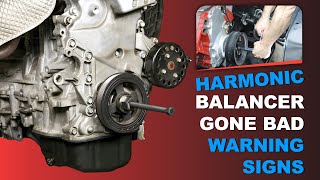
- Inspect the harmonic balancer (crank pulley). With the passenger front wheel and liner removed, look for rubber degradation, wobble while the engine is running, or signs the outer ring has shifted or is rubbing the timing case cover. 🎬 Watch: How to spot the signs of a failing harmonic balancer.
- With the engine cool, visually inspect the O2 sensor wiring and connector for any signs of melting, chafing, or corrosion.
- If no leaks or mechanical faults are found, use a scanner with live data to observe the Bank 1, Sensor 1 voltage. If it is stuck low and unresponsive, the sensor is the primary suspect.
- If replacing the sensor, ensure you use an OEM-quality NTK sensor, as many owners report issues with other brands.
- After any repair, clear the fault codes and reset the ECU's fuel adaptations with a capable scan tool to allow the system to relearn.
Parts You'll Likely Need
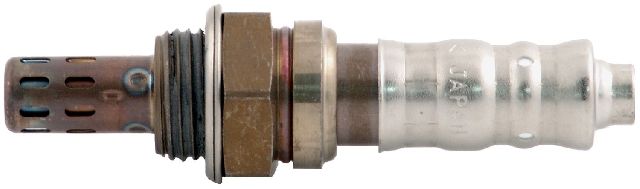
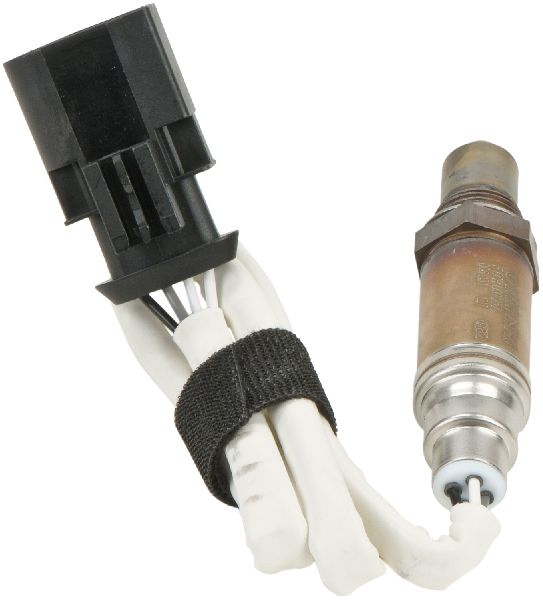
- Upstream Oxygen Sensor (Pre-Cat)
(OEM #11780872674)— This is the sensor that directly triggers the P0131 code. It is a common failure item, and the R53 is sensitive to the brand. NTK is the OEM supplier.
Trusted brands: NTK (OEM), Bosch (often reported by users to cause issues), Denso
OEM price range: $175-$250
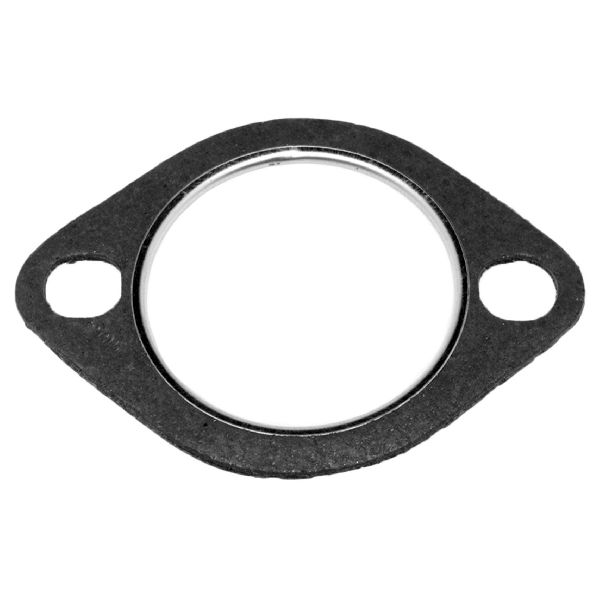
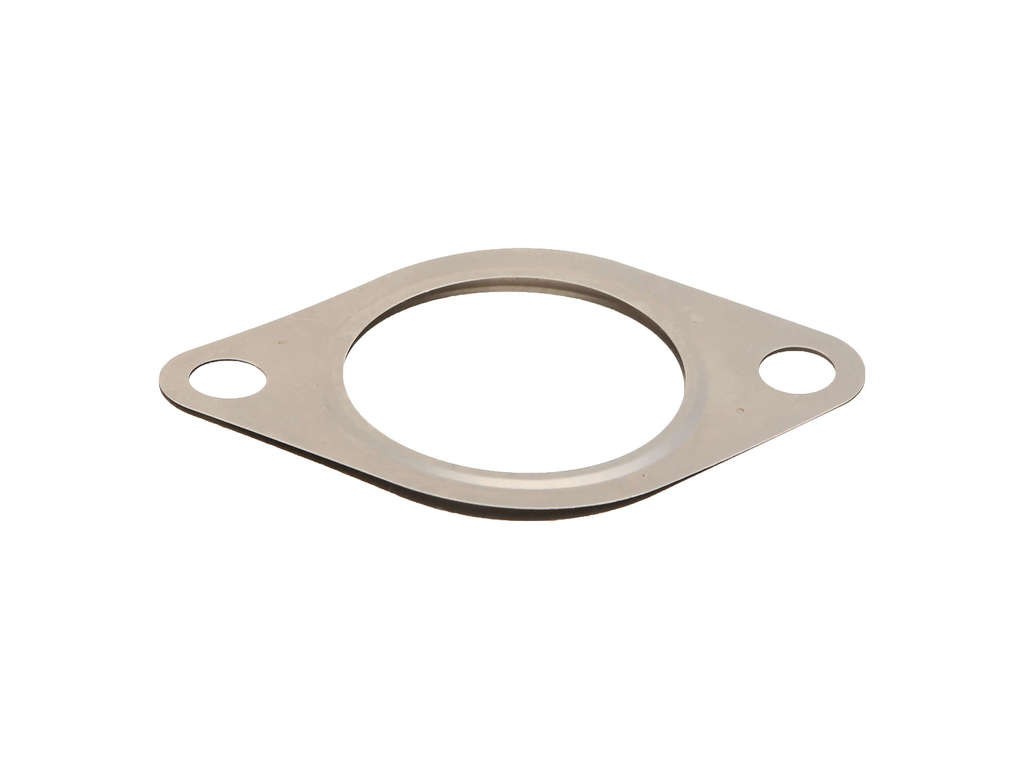
Aftermarket price range: $100-$180 - Exhaust Flex Pipe Repair Kit — The original flex pipe is a known weak point on the R53 exhaust and a frequent cause of leaks that trigger P0131.
Trusted brands: Walker, Miller CAT, Various aftermarket weld-in sections
OEM price range: N/A (part of full exhaust)
Aftermarket price range: $30-$80 - Fuel Pressure Regulator Vacuum Hose
(OEM #13517515137)— This small, pre-formed plastic hose becomes brittle and cracks, creating a significant vacuum leak that is a common cause of P0131 and P0171.
Trusted brands: Genuine MINI
OEM price range: $35-$45
Aftermarket price range: $10 (for bulk vacuum hose)
Related Codes That Often Appear With This One
- P0171 — System Too Lean (Bank 1). This code is often a companion to P0131, as both indicate a lean condition. P0131 points to the sensor's electrical circuit behavior, while P0171 confirms the ECU's long-term fuel trim has reached its limit trying to compensate for the lean mixture.
- P1498 — Unmetered Air After Compressor. This is a MINI-specific code that often points directly to a vacuum leak between the supercharger and the engine, a very common cause for the lean condition that triggers P0131.
- P1688 — Electronic Throttle Control Monitor Level 2/3 RPM Check. On an R53, this code often indicates a mismatch between expected and actual supercharger performance, frequently caused by a slipping crank pulley harmonic balancer. This can be a root cause for the lean condition reported by P0131.
Technical Service Bulletins (TSBs) & Recalls
- While no TSB is specific to P0131 on the R53, GM TSB 20-NA-065 provides general diagnostic guidance for finding small intake and exhaust leaks that cause various O2 sensor and fuel trim codes, which is highly relevant to diagnosing P0131 on any vehicle.
Platform-Specific Known Issues
- The exhaust flex pipe is known to fail, causing a leak right before the O2 sensors, leading to incorrect readings. This is one of the most common causes of P0131 on the R53.
- Vacuum leaks are common, especially from the rubber intercooler boots, the plastic supercharger intake duct (and its green gasket), and the small vacuum hose for the fuel pressure regulator.
- The stock harmonic balancer (crank pulley) is a wear item. Its rubber core deteriorates, causing it to slip or separate, which under-drives the supercharger and can lead to lean codes like P0131.
Mechanic-Grade Diagnostic Values
- Fuel Pressure at Fuel Rail — expected: Key On, Engine Off (KOEO): ~50-52 psi. At Idle: ~41-42 psi. Revving engine: Rises to 54-56 psi. Deceleration: Drops to ~38 psi.. Failure: Significantly lower pressure than specified at KOEO or idle suggests a weak pump or clogged filter. Pressure that doesn't rise with engine speed can also indicate a fuel delivery issue.
- Upstream O2 Sensor (Bank 1, Sensor 1) Voltage — expected: Rapidly fluctuating between approximately 0.1V and 0.9V on a live data scanner as the ECU adjusts the fuel mixture.. Failure: Voltage is stuck low (consistently below 0.4V, especially below 0.2V) and does not respond to engine RPM changes. This indicates the sensor is biased lean or has failed.
- Upstream O2 Sensor Heater Resistance — expected: Approximately 4-6 ohms when tested at room temperature. (Note: This is a general value; always consult the specific sensor manufacturer's data if available).. Failure: An infinite resistance (open circuit) or zero resistance (short circuit) reading across the two heater circuit wires on the sensor's connector indicates a failed heater element.
- Short-Term Fuel Trim (STFT) — expected: Fluctuating close to 0% (typically within +/- 10%) at idle and steady cruise on a fully warm engine.. Failure: Consistently high positive values (e.g., +10% to +25%) indicate the ECU is adding significant amounts of fuel to compensate for a perceived lean condition, which supports a P0131 fault.
Scan Tool Commands That Help
- Professional Scan Tool (e.g., ISTA, Autel, Snap-on): Reset Fuel Adaptations / Clear Adaptations — This is critical after replacing a component that affects the air/fuel mixture, such as an O2 sensor, fuel filter, or fixing a major vacuum leak. It forces the ECU to discard old learned values and start fresh, preventing the new part from being governed by faulty old data.
- Scan Tool with Live Data (e.g., ISTA, INPA, Foxwell, BlueDriver): Live Data Monitoring (O2 Sensor Voltage, Fuel Trims) — This is the primary diagnostic step to confirm a failed O2 sensor. Observing a flat-lined low voltage from Sensor 1 while Sensor 2 reads normally strongly points to a bad Sensor 1, whereas if both sensors read lean, the issue is more likely a vacuum/exhaust leak or fuel delivery problem.
Wiring & Ground Locations
- Main Engine Ground Strap — Typically runs from the passenger-side engine mount (near the crank pulley) to the chassis frame rail.. A corroded or loose main engine ground can create electrical noise and voltage drops throughout the engine's sensor network, potentially causing erratic or incorrect readings from sensitive components like O2 sensors.
- DME Connector X60004 — This is one of the main multi-pin connectors at the Engine Control Unit (DME), located in the electronics box in the engine bay plenum.. The signal and heater circuit wires for the upstream O2 sensor run to pins on this connector. Verifying continuity and checking for corrosion here is a key step in diagnosing a circuit fault vs. a failed sensor.
- Bulkhead Loom Ground Point — A common ground point for the front wiring loom is located on the bulkhead cross-member, often under a triangular stiffener plate on the driver's side (RHD reference).. Multiple sensors share common ground points. A failure at this single location can cause issues with several components simultaneously, mimicking multiple sensor failures.
Real Owner Repair Stories
- Reddit user in r/R53 (MINI Cooper S R53 (year not specified)) — P0131 and P0171 codes.
❌ Tried (didn't work) Replacing the oxygen sensors with new ones.
✅ What actually fixed it The user had an aftermarket exhaust header. The suggested root cause was that the O2 sensor bung was welded too deep into the exhaust stream, causing the sensor to overheat and give a false low voltage reading. The proposed fix was to install an O2 sensor spacer to pull the sensor slightly out of the direct flow. - North American Motoring forum user (2005 MINI Cooper S (R53)) — P0171 (System Too Lean), which is directly related to the conditions that cause P0131.
❌ Tried (didn't work) Initial diagnostics did not immediately pinpoint the cause.
✅ What actually fixed it The user found that the fuel pressure regulator (FPR) had been superseded by a new part number. After installing the new genuine MINI FPR, the Key On, Engine Off (KOEO) fuel pressure was 45 PSI, which differed from the Bentley manual's spec but resolved the issue. This highlights that part revisions can alter expected diagnostic values.
"I Checked Everything" — The Actual Cause
- A classic scenario for the R53 is a smoke test that comes back clean, yet the car still has a P0131/P0171 lean code. The root cause is often mechanical, not a simple vacuum leak. The most common culprit is a failing crank pulley (harmonic balancer). The rubber element degrades, causing the outer ring that drives the supercharger to slip. This under-drives the supercharger, providing less boost than the ECU expects for a given RPM, resulting in a lean condition that the O2 sensor correctly reports. No amount of smoke testing will find this issue.
- Another possibility is a failing supercharger bypass valve (BPV). If the internal diaphragm is torn or the spring is weak, the valve may not close fully under boost. This creates an internal recirculation of air that has already been metered, leading to incorrect air/fuel mixtures and lean conditions that a smoke test at atmospheric pressure may not reveal.
OEM Part Supersession History
Varies by production date→Varies (current is 11-78-0-872-674)— Standard part revisions.
Heads up: The MINI ECU is notoriously sensitive to the O2 sensor brand. The OEM sensor is NTK (part # 25648 is a common equivalent). Using Bosch or other 'universal' splice-in sensors is a very common cause of persistent P0131 codes even after replacement. Always use a direct-fit NTK sensor.Pre-2023 Fuel Pressure Regulator P/N→Post-2023 Fuel Pressure Regulator P/N— Part revision by MINI/BMW.
Heads up: A user reported that a newer genuine MINI regulator produced a KOEO fuel pressure of 45 PSI, which is outside the commonly cited Bentley manual spec of 51+/-4 PSI, but fixed their issue. This shows that diagnostic values may change with superseded parts.
Model Year Variations Within This Range
- 2005-2006 (Facelift models from July 2004): Facelift R53s received a revised ECU tune, resulting in a power increase from 163hp to 168hp. They also featured Teflon-coated supercharger rotors and changes to the exhaust system. While the P0131 code applies to all years, the ECU's sensitivity and the baseline parameters it expects may differ slightly. The fuel pump and tank assembly were also changed.
- 2002-2004 (Pre-facelift models): These models have the 163hp tune, non-coated supercharger rotors, and a rubber upper engine mount (changed to fluid-filled on facelift). The exhaust hangers also differ, which is relevant when diagnosing exhaust leaks or replacing exhaust components.
Diagnostic Flowchart
Used vs. New Parts: Buying Guide for This Vehicle
When a used part is the smart pick: For P0131-related repairs, used parts are a good option for non-wear items. This includes the exhaust manifold (inspect carefully for cracks), intercooler horns/boots, and wiring harness connectors/pigtails. A used supercharger bypass valve can be an option if its operation is verified to be smooth and snappy.
Donor-vehicle mileage cap: roughly under 80000 miles for the part to have meaningful remaining life.
What to inspect on the donor part:
- For exhaust parts, check for severe rust, cracks at welds, and integrity of the flex pipe.
- For rubber/plastic parts like intake boots, ensure they are still pliable and free of cracks.
- For wiring connectors, check for broken locking tabs, corrosion on pins, or melted plastic.
OEM-only on this vehicle (don't cheap out):
- Upstream Oxygen Sensor: The ECU is calibrated for the NTK sensor. Using other brands is a leading cause of repeat failures.
- Crank Pulley / Harmonic Balancer: Many aftermarket options are of poor quality and are known to fail prematurely. Stick with OEM or a reputable performance brand like ATI.
- Fuel Filter/Pump Assembly: Given its critical role in fuel pressure, using an OEM or OEM-supplier part is highly recommended to avoid introducing new variables.
Aftermarket brands forum-validated for this vehicle:
- NTK for Oxygen Sensors (OEM supplier)
- ATI for performance crank pulleys (if upgrading from stock)
Brands owners have reported issues with on this vehicle:
- Bosch 'universal' oxygen sensors (splice-in type)
- Unbranded, cheap eBay crank pulleys
Real Owner Stories
Aggregated from forums and TSBs cited above. Mileages and costs reflect what owners reported in those sources.
2002-2006 MINI Cooper S (R53)
Symptoms: The P0131 code persisted even after replacing the oxygen sensor with a new OE NTK part.
What fixed it: The code was successfully resolved only after it was manually cleared with a scan tool following the sensor replacement.
Source hint: North American Motoring: R50/R53 P0131 Code won't go away
2002-2006 MINI Cooper S (R53)
Symptoms: An intermittent check engine light appeared after installing a Bosch brand oxygen sensor.
What fixed it: The problem was fixed by replacing the Bosch sensor with the correct OEM-supplier NTK sensor.
Source hint: Reddit r/MINI: Which sensor do you guys recommend?
2002-2006 MINI Cooper S (R53)
Symptoms: Owner was troubleshooting a P1498 code, which can be related to lean conditions that also cause P0131.
What fixed it: The issue was traced to a cracked fuel pressure regulator vacuum line, which was then replaced.
Source hint: North American Motoring: R53 Fuel Pressure Regulator Vacuum Line
2002-2006 MINI Cooper S (R53)
Symptoms: Vehicle had a combination of lean codes (P0171, P0131, P0130) and an EVAP code (P0455).
What fixed it: The primary diagnostic suggestion was to verify that an NTK brand oxygen sensor was used, as other brands are a known cause of persistent lean codes on this vehicle.
Source hint: North American Motoring: r53 help (p0171, p0131, p0130, p0455)
Related OBD-II Codes
Frequently Asked Questions
I'm replacing the oxygen sensor for P0131 on my R53 MINI. Does the brand really matter?
I hear a ticking or hissing noise from the front of my Cooper S and have a P0131 code. Are these related?
Besides the O2 sensor and exhaust, what's a common but hard-to-find cause for P0131 on these cars?
My mechanic said my crank pulley could be causing the P0131 code. How is that possible?
I replaced the O2 sensor, but the Check Engine Light with P0131 came right back. What did I do wrong?
Are there any official MINI TSBs for code P0131 on the 2002-2006 Cooper S?
Helpful Videos
We Have This Part in Stock


The information in this article is provided for general reference and educational purposes only. Vehicle specifications, procedures, and part compatibility can vary by production date, trim level, and region. Always consult your vehicle's factory service manual and verify part numbers before purchasing or performing repairs. Safety-critical components such as airbags, seat belts, and braking systems should be installed by a qualified professional.
- MINI Cooper S:
- 🧭 Diagnostic Flowchart
- 🎬 Helpful Videos
- 🛍️ Shop This Part
- What's Unique About the 2002-2006 MINI Cooper S
- Symptoms You May Notice
- Most Likely Causes
- Rare But Worth Checking
- Diagnosis Steps
- Parts You'll Likely Need
- Related Codes That Often Appear With This One
- Technical Service Bulletins (TSBs) & Recalls
- Platform-Specific Known Issues
- Mechanic-Grade Diagnostic Values
- Scan Tool Commands That Help
- Wiring & Ground Locations
- Real Owner Repair Stories
- "I Checked Everything" — The Actual Cause
- OEM Part Supersession History
- Model Year Variations Within This Range
- Used vs. New Parts: Buying Guide for This Vehicle
- Real Owner Stories
- 2002-2006 MINI Cooper S (R53)
- 2002-2006 MINI Cooper S (R53)
- 2002-2006 MINI Cooper S (R53)
- 2002-2006 MINI Cooper S (R53)
- Related OBD-II Codes
- Frequently Asked Questions
- 🎟️ Get 5% Off