

P0131 on 2008-2017 Mitsubishi Lancer: Causes and Fixes for O2 Sensor Low Voltage
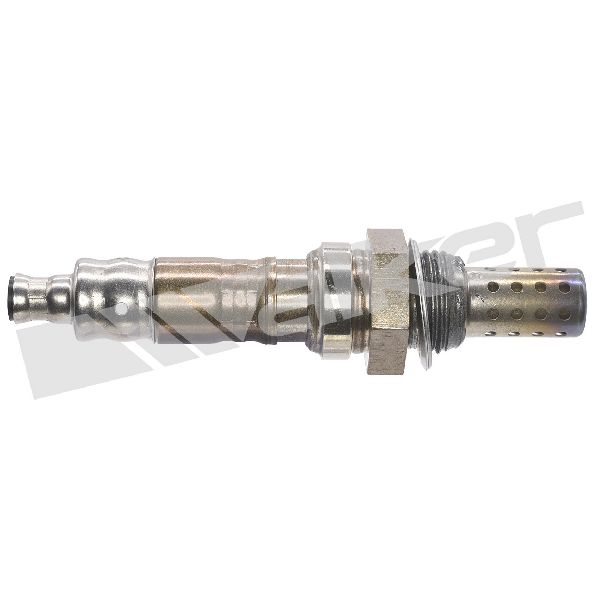
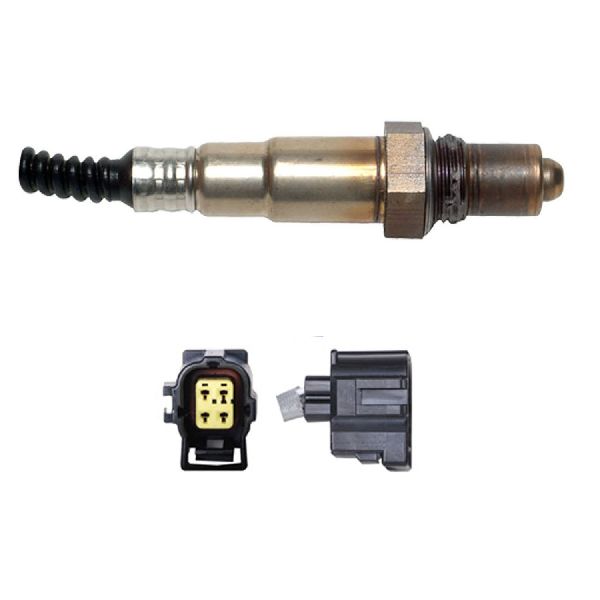
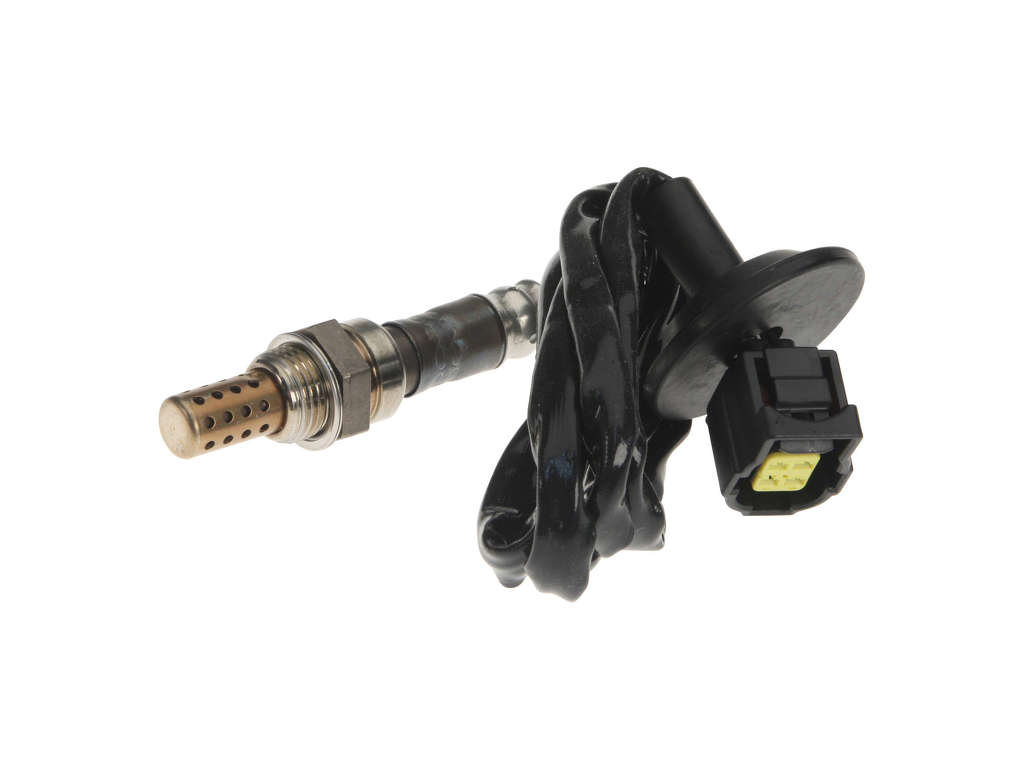
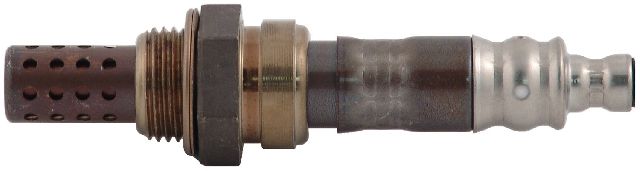
On a 2008-2017 Lancer, code P0131 almost always means the front oxygen sensor (Bank 1, Sensor 1) has failed. This sensor is technically an Air/Fuel Ratio (A/F) sensor. Expect to pay $50-$180 for a quality aftermarket sensor (Denso or NTK) or over $400 for an OEM part. It's a DIY-friendly fix with a difficulty of 2/5, requiring a special socket.
- P0131 on your Lancer points directly to an issue with the front oxygen sensor (Bank 1, Sensor 1).
- The most probable cause is a failed sensor, which is a common wear-and-tear item. A direct-fit Denso or NTK sensor is a reliable, cost-effective replacement.
- Before replacing the sensor, perform a quick visual check of the wiring for melting/fraying and the exhaust manifold for cracks/soot, as these are less common but possible causes.
- This is a manageable DIY repair for most home mechanics with the correct 22mm O2 sensor socket.
What's Unique About the 2008-2017 Mitsubishi Lancer
For the 2008-2017 Lancer with the 4B11 or 4B12 inline 4-cylinder engine, 'Bank 1' is the only bank, simplifying diagnosis. The front O2 sensor (also called an Air/Fuel Ratio sensor) is the primary culprit for P0131, often failing due to age and heat cycles. While the code's meaning is universal, Mitsubishi's service documentation points directly to a failed sensor, a wiring issue, or a faulty ECM as the most likely causes. Owner forums like EvolutionM.net overwhelmingly confirm that replacing the sensor itself is the most common and effective fix.
Symptoms You May Notice
- Check Engine Light is on
- Poor fuel economy
- Rough idling
- Engine hesitation or loss of power
- Failed emissions test
- Replacing the catalytic converter. P0131 points to the sensor *before* the converter. A bad sensor can eventually damage the converter, but the converter itself does not cause this specific code.
- Replacing the downstream (Sensor 2) oxygen sensor. P0131 is specific to the upstream sensor (Sensor 1).
- Using a cheap, universal-fit oxygen sensor. Owners on forums like EvolutionM.net often report that these sensors may not have the correct specifications or heater resistance, leading to persistent codes. A direct-fit sensor from a reputable brand like Denso or NTK is highly recommended.
Most Likely Causes
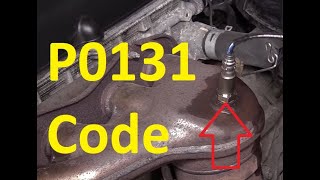
- Failed Front Oxygen Sensor (Bank 1, Sensor 1) 🔴 High Probability → Shop Oxygen Sensor Oxygen sensors are wear-and-tear items that degrade over time from heat and contaminants in the exhaust. This is the most common point of failure for P0131 on virtually all vehicles, including this Lancer. The sensor is located in a high-heat area on the exhaust manifold.
How to confirm: Use an OBD-II scanner with live data to monitor the 'O2S11' voltage. A healthy sensor will show voltage fluctuating rapidly between approximately 0.1V and 0.9V. 🎬 Watch this guide to understand O2 sensor voltage and common fixes. A failed sensor will often be stuck at a low voltage (e.g., below 0.2V) or show no activity.
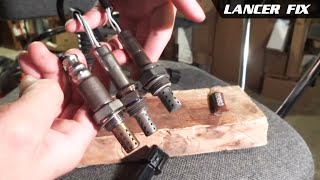
Typical fix: Replace the front (upstream) oxygen sensor. A special 22mm (7/8") O2 sensor socket is recomm 🎬 See how to replace the upstream sensor with a Denso unit.ended for removal. Soaking the old sensor threads with penetrating oil beforehand is highly advised.
Est. part cost: $50-$180 - Damaged Wiring or Connector 🟡 Medium Probability The sensor wiring is located in the hot engine bay, routed near the exhaust manifold's heat shield. Over time, the plastic loom and wire insulation can become brittle, melted, or frayed, leading to a short or open circuit. A common issue is oil leaking from a failed valve cover gasket onto the O2 sensor harness, contaminating and damaging it.
How to confirm: Visually inspect the entire wiring harness from the O2 sensor to the main engine harness. Check for melted plastic, chafed wires against the heat shield, or corrosion inside the connector pins. Use a multimeter to check for continuity and shorts to ground on the signal wire as per the service manual procedure.
Typical fix: Repair or replace the damaged section of the wiring harness or clean/replace the connector. Use high-temperature-rated wire and loom for repairs in this area.
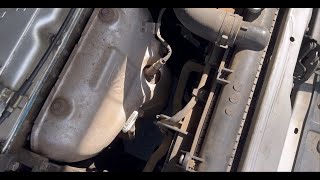
Est. part cost: $5-$50 - Exhaust Leak ⚪ Low Probability A leak in the exhaust manifold or the pipe before the O2 sensor can allow outside air to enter the exhaust stream. This extra oxygen will cause the sensor to read a lean condition (low voltage), triggering the P0131 code. The exhaust manifold can develop cracks over time.
How to confirm: Visually inspect the exhaust manifold for cracks or broken studs. Listen for a ticking or puffing sound from the engine bay, especially when the engine is cold. You may also see black soot around the leak. A smoke test is the most definitive way to find a small leak.
Typical fix: Replace the leaking gasket or repair/replace the cracked exhaust manifold.
Est. part cost: $20-$300
Rare But Worth Checking
- Failed Engine Control Module (ECM): This is very rare. The ECM should only be considered after all other possibilities, including the sensor, wiring, and exhaust leaks, have been thoroughly ruled out.
- Low Fuel Pressure: If the engine is genuinely running lean due to low fuel pressure, the O2 sensor will correctly report low voltage. This would typically be accompanied by other codes related to the fuel system (e.g., P0087) and more severe driveability issues.
- Blown Fuse: In some cases, a blown fuse that is shared with the O2 sensor heater circuit can cause low voltage codes. One user on EvolutionM.net reported that replacing fuses resolved both P0131 and P0137 codes.
Diagnosis Steps
- Connect an OBD-II scanner to confirm P0131 is present and check for any other codes.
- Using the scanner's live data, observe the voltage for 'O2S11' (Bank 1, Sensor 1). It should fluctuate rapidly. If it's stuck low (e.g., <0.2V), it points to a problem.
- Perform a thorough visual inspection of the front O2 sensor's wiring harness and connector. Look for any signs of melting, chafing, or corrosion, paying close attention to where it passes the exhaust heat shield. Also check for oil contamination from the valve cover gasket area.
- Inspect the exhaust manifold and downpipe for any cracks or black soot marks that would indicate an exhaust leak. Listen for an audible ticking noise when the engine is cold.
- Check fuses for the O2 sensor heater circuit in the engine bay fuse box.
- If wiring, fuses, and the exhaust system appear intact, the oxygen sensor itself is the most likely cause of the fault.
- Replace the Bank 1, Sensor 1 oxygen sensor using a proper O2 sensor socket.
- Clear the codes with the scanner and perform a drive cycle (a mix of city and highway driving) to ensure the repair was successful and the light does not return.
Parts You'll Likely Need
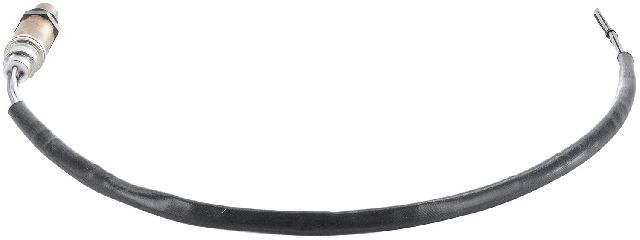
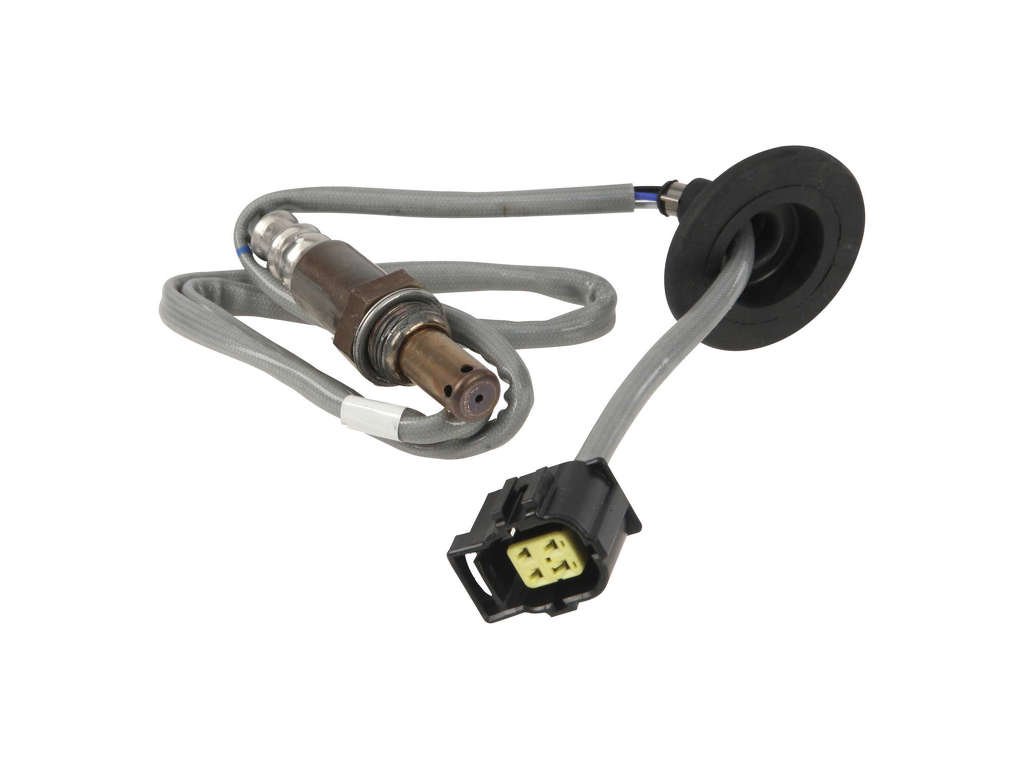
- Front Oxygen Sensor (Bank 1, Sensor 1)
(OEM #1588A140, superseded by 1588A242)— This is the primary component responsible for the measurement that triggers code P0131. It is a wear item and the most common cause of failure.
Trusted brands: Denso (OEM supplier), NGK/NTK
OEM price range: $415-$615
Aftermarket price range: $50-$180
Related Codes That Often Appear With This One
- P0031 — This code indicates a fault in the heater circuit of the same oxygen sensor. Damaged wiring or a failed sensor can often affect both the sensor signal and heater circuits simultaneously, causing both codes to appear.
- P0420 — A faulty O2 sensor reporting a false lean condition (P0131) can cause the ECM to run the engine rich for a prolonged period. This can eventually damage the catalytic converter, leading to a P0420 (Catalyst System Efficiency Below Threshold) code.
- P0137 — This code is for 'O2 Sensor Circuit Low Voltage (Bank 1, Sensor 2)'. While less common to see together, a systemic issue like a major exhaust leak, low fuel pressure, or a shared electrical ground problem could potentially cause both sensors to read low.
Platform-Specific Known Issues
- Owner Experience: Aftermarket Sensor Woes: A user on EvolutionM.net with a Lancer Evolution X (which uses a similar engine and sensor) reported getting a P0131 code. Another user advised against using non-factory units, as many aftermarket O2 sensors can cause issues, suggesting that a bad catalytic converter or an exhaust leak are other possibilities to investigate if a new OEM sensor doesn't fix it.
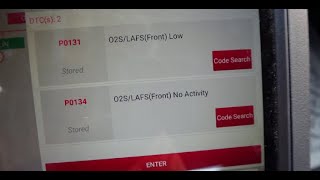
- Repair Story: Successful Denso Replacement: A YouTube video by 'Auto Purlieu' diagnosing a P0131 and P0134 on a 2008 Lancer GTS confirmed the fix by replacing the front O2 sensor. The creator specifically recommended and installed a Denso sensor (part number 234-4188), noting that cheaper alternatives are not always reliable. The repair successfully stabilized the fuel trims 🎬 Watch this diagnostic walkthrough using a professional scanner. and resolved the check engine light.
Mechanic-Grade Diagnostic Values
- Front Heated O2 Sensor Heater Resistance — expected: 4.5 - 8.0 Ω at 20°C (68°F). Failure: Resistance deviates significantly from the standard value, or is infinite (open circuit).
- Front Heated O2 Sensor Output Voltage (at ECM connector) — expected: When revving the engine at 2,500 r/min, the voltage should repeatedly alternate between 0.4V or less and 0.6V to 1.0V.. Failure: Voltage is stuck low (below 0.2V) or does not fluctuate as expected.
- Live Data - Short Term Fuel Trim (STFT) & Long Term Fuel Trim (LTFT) — expected: After a new sensor is installed and codes are cleared, both STFT and LTFT should stabilize and hover close to 0% at idle on a warm engine.. Failure: Before the fix, a P0131 condition often causes high positive fuel trims (e.g., +10% or more) as the ECM tries to compensate for the false lean reading. A YouTuber noted a pre-fix STFT of -13% and a post-fix reading that was stable and slightly positive.
Scan Tool Commands That Help
- Mitsubishi M.U.T.-III (or advanced generic scanner): Data List Item AC: Heated Oxygen Sensor (front) — This is the primary function to view the live voltage data from the front O2 sensor as the ECM sees it. It is used to confirm if the voltage is stuck low, which is the main criterion for a P0131 code.
- Mitsubishi M.U.T.-III (or advanced generic scanner): Forced Rich/Lean Command — Some advanced scan tools can command the ECM to temporarily run a rich or lean fuel mixture. When a rich command is active, a healthy O2 sensor's voltage should immediately rise above 0.6V. If it remains low, it confirms a sensor or wiring issue.
Wiring & Ground Locations
- ECM Connector B-108 (Terminal 38) — At the Engine Control Module (ECM), which is located in the left rear of the engine compartment.. This is the specific pin on the ECM that receives the signal voltage from the front O2 sensor. Probing this pin (using a harness adapter) is the most accurate way to test the voltage the ECM is actually seeing, ruling out issues within the ECM itself.
- ECM Connector B-108 (Terminal 39) — At the Engine Control Module (ECM) in the left rear of the engine compartment.. This is the specific pin that provides the ground for the O2 sensor circuit, controlled by the ECM. An open circuit on this wire will cause the sensor to malfunction and can trigger P0131.
- Ground Point G17 — Located in the left front of the engine compartment.. This is a major ground point for components in the engine compartment. While the O2 sensor itself is grounded through the ECM, a poor main engine ground can introduce electrical noise and voltage offsets that may affect sensor readings.
- Front O2 Sensor Connector (C-44) — On the wiring harness near the top rear of the engine, clipped to the firewall/heat shield area.. This is the main connection point for the sensor. It's a common failure point due to heat exposure and potential oil contamination from the valve cover. Terminal 3 is the signal wire and Terminal 4 is the ground wire.
Real Owner Repair Stories
- YouTube channel 'Auto Purlieu' (2008 Mitsubishi Lancer GTS) — Check Engine Light with codes P0131 and P0134. High negative and positive fuel trims.
❌ Tried (didn't work) Initial diagnosis pointed towards the sensor.
✅ What actually fixed it The technician noticed the O2 sensor wiring was wet with oil from a leaking valve cover gasket. The primary fix was replacing the contaminated front O2 sensor with a new Denso (part 234-4188). After replacement and clearing the codes, the fuel trims stabilized and the check engine light was resolved.
OEM Part Supersession History
1588A140→1588A242— Standard part revision by the manufacturer. No specific reason is publicly documented, but it usually involves minor improvements in materials or construction.
Heads up: The new part number (1588A242) is a direct replacement for the old one (1588A140). There are no known incompatibility issues when using the superseded part on an applicable vehicle.
Diagnostic Flowchart
Other Known Issues on This Vehicle
Issues unrelated to this code that are worth knowing about as an owner of this generation:
- CVT Transmission Overheating/Failure 🔴 High — Common, especially on earlier models (2008-2012) and can lead to shuddering, hesitation, or complete failure. Regular fluid changes with correct fluid (CVTF-J4) are critical. (Ref: TSB-20-23-001REV / SR-16-006)
- Clear Coat / Paint Peeling 🟠 Medium — Widespread issue, particularly on darker colors like red and blue. The clear coat fails, leading to a hazy appearance and eventually peeling, exposing the base coat.
- Fan Control Module Failure 🟠 Medium — The fan control module can fail, preventing the radiator fans from turning on. This leads to engine overheating, especially in stop-and-go traffic or hot weather.
- High Oil Consumption 🟠 Medium — Some 4B11/4B12 engines can develop high oil consumption at higher mileage (over 100,000 miles), often due to piston ring or valve seal wear.
- Front Subframe Corrosion 🔴 High — Primarily affects 2008 models in regions that use road salt. The front subframe can rust severely, potentially leading to structural failure. A recall was issued for this. (Ref: SR-20-003)
Used vs. New Parts: Buying Guide for This Vehicle
When a used part is the smart pick: A used part is generally not recommended for this repair. The primary cause of P0131 is a failed oxygen sensor, which is a wear-and-tear item with a finite lifespan. A used sensor from a junkyard has unknown remaining life and may fail shortly after installation.
Donor-vehicle mileage cap: roughly under 30000 miles for the part to have meaningful remaining life.
What to inspect on the donor part:
- If considering a used sensor, ensure the wiring is not brittle, melted, or oil-soaked.
- Check the sensor tip for heavy carbon deposits or white, chalky contamination, which indicates a poor-running donor engine.
- Avoid sensors from vehicles that show signs of a major oil leak near the exhaust manifold.
Aftermarket brands forum-validated for this vehicle:
- Denso (OEM supplier for many Japanese vehicles)
- NGK/NTK
Brands owners have reported issues with on this vehicle:
- Unnamed 'universal' or generic white-box sensors. Forum users and technicians frequently report that these cheaper sensors may have incorrect heater resistance or response rates, causing the P0131 code to return.
Real Owner Stories
Aggregated from forums and TSBs cited above. Mileages and costs reflect what owners reported in those sources.
2008 Mitsubishi Lancer GTS 2.0L
Symptoms: Check engine light on with codes P0131 and P0134.
What fixed it: Replacement of the front O2 sensor with a Denso unit (part number 234-4188), which stabilized fuel trims.
Source hint: YouTube video by 'Auto Purlieu' diagnosing a P0131 and P0134 on a 2008 Lancer GTS
Mitsubishi Lancer Evolution X 2.0L
Symptoms: P0131 code present; community discussion regarding the reliability of non-factory sensors.
What fixed it: Investigating for exhaust leaks or catalytic converter issues if an OEM sensor replacement fails.
Source hint: EvolutionM - Mitsubishi Lancer and Lancer Evolution Community
Mitsubishi Lancer Evolution X 2.0L
Symptoms: P0131 code appearing alongside a misfire code (P0302) and P0137 after a tune.
What fixed it: The issue was traced to a bad Mass Airflow (MAF) sensor.
Source hint: EvolutionM.net - Thread: 'Issue: P0302, P0137, P0131'
Related OBD-II Codes
Frequently Asked Questions
Which specific oxygen sensor should I buy for my 2008 Lancer GTS to avoid compatibility issues?
Can a valve cover gasket leak cause the P0131 code on my Lancer?
I replaced my O2 sensor but the P0131 code persists on my Evo X. What else should I check?
Is there a specific tool I need to remove the front O2 sensor on the 4B11/4B12 engine?
Does the P0131 code affect other Mitsubishi models with the same engine?
Helpful Videos
We Have This Part in Stock

The information in this article is provided for general reference and educational purposes only. Vehicle specifications, procedures, and part compatibility can vary by production date, trim level, and region. Always consult your vehicle's factory service manual and verify part numbers before purchasing or performing repairs. Safety-critical components such as airbags, seat belts, and braking systems should be installed by a qualified professional.
- Mitsubishi Lancer:
- 🧭 Diagnostic Flowchart
- 🎬 Helpful Videos
- 🛍️ Shop This Part
- What's Unique About the 2008-2017 Mitsubishi Lancer
- Symptoms You May Notice
- Most Likely Causes
- Rare But Worth Checking
- Diagnosis Steps
- Parts You'll Likely Need
- Related Codes That Often Appear With This One
- Platform-Specific Known Issues
- Mechanic-Grade Diagnostic Values
- Scan Tool Commands That Help
- Wiring & Ground Locations
- Real Owner Repair Stories
- OEM Part Supersession History
- Other Known Issues on This Vehicle
- Used vs. New Parts: Buying Guide for This Vehicle
- Real Owner Stories
- 2008 Mitsubishi Lancer GTS 2.0L
- Mitsubishi Lancer Evolution X 2.0L
- Mitsubishi Lancer Evolution X 2.0L
- Related OBD-II Codes
- Frequently Asked Questions
- 🎟️ Get 5% Off