

P0131 on 1995-1998 Porsche 911 (993): O2 Sensor Low Voltage Causes and Fixes
This code indicates low voltage from the upstream oxygen sensor on Bank 1 (cylinders 1-3). Most often, this is due to a failed O2 sensor. Replacing the sensor is the typical fix, costing around $100-$200 for the part. Before replacing, check for wiring damage, as the harness is prone to heat-related issues.
- P0131 on a 1996-1998 Porsche 993 points to a low voltage signal from the pre-catalytic converter O2 sensor on the left side of the engine.
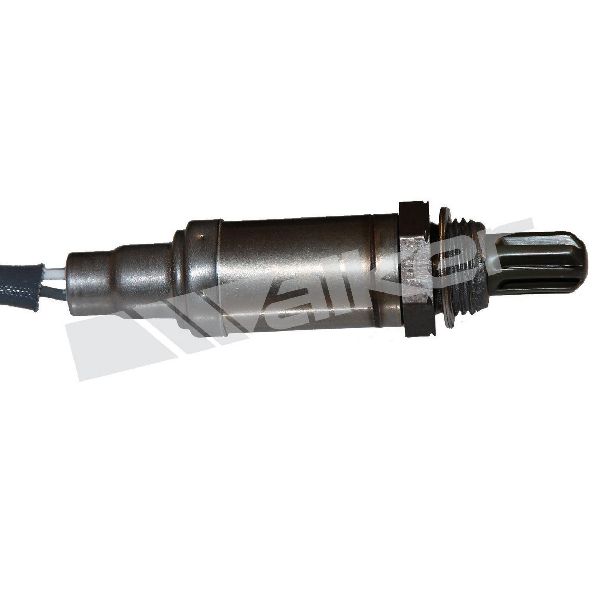
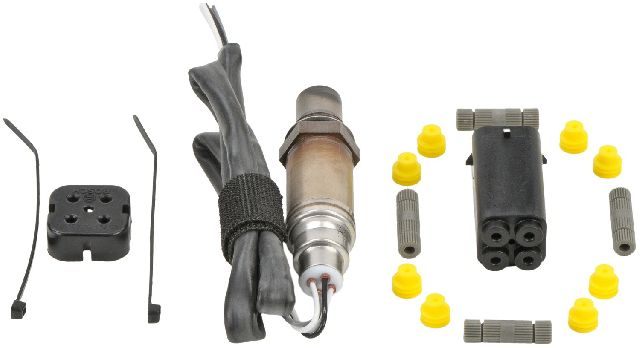
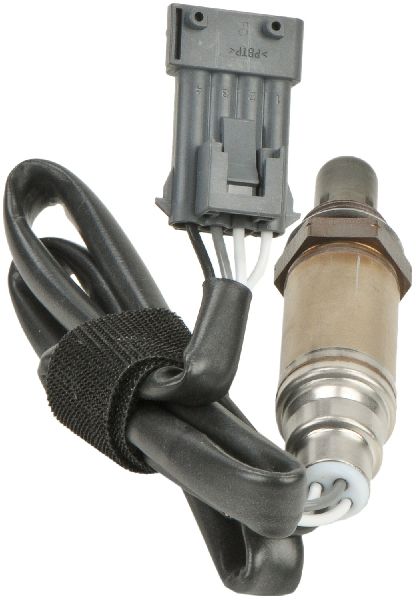
- The most probable cause is a failed oxygen sensor that needs replacement. The Bosch 13564 is a common direct-fit part.
- Before replacing the sensor, inspect its wiring and connector for heat damage or shorts, as this is a known possibility on the 993 platform.
- Be prepared for a difficult removal of the old sensor; use penetrating oil and the correct 22mm tool.
What's Unique About the 1995-1998 Porsche 911
The 1995-1998 Porsche 911 is from the 993 generation. A key difference within this year range is the switch from OBD-I to OBD-II. The 1995 models have a simpler OBD-I system with one or two O2 sensors, while the 1996-1998 models have a more complex OBD-II system with four sensors. This guide focuses on the OBD-II cars where P0131 is a standard code. On these air-cooled engines, the O2 sensors are known to fail from age and can be extremely difficult to remove due to heat cycling and rust. Furthermore, the engine wiring harness on 993s, particularly earlier models from 1995-1996, is known to become brittle and fail due to rapid degradation of the wire insulation, which can cause this code.
Symptoms You May Notice
- Check Engine Light is on
- Poor fuel economy, potentially a 10-20% increase in consumption
- Rough or unstable idle
- Engine hesitation or stumbling during acceleration
- Increased emissions, potentially failing an emissions test
- Strong exhaust smell or a "rotten egg" (sulfur) smell from an overworked catalytic converter
- Replacing the wrong oxygen sensor. P0131 is specific to Bank 1, Sensor 1. Bank 1 is the left side of the engine (cylinders 1-3), and Sensor 1 is upstream (before the catalytic converter).
- Replacing the O2 sensor without first checking the wiring. Given the known issues with 993 wiring harnesses, a visual inspection and continuity test is a critical first step.
Most Likely Causes
- Failed Oxygen Sensor (Bank 1, Sensor 1) 🔴 High Probability → Shop Oxygen Sensor Oxygen sensors are wear items that degrade over time due to heat and contaminants. On the 993, they are exposed to high exhaust temperatures from the air-cooled engine, and failure around 60,000-100,000 miles is common.
How to confirm: Use an OBD-II scanner with live data (like a Durametric tool for Porsches) to monitor the voltage from the Bank 1 Sensor 1 O2 sensor. If the voltage is stuck below 0.1V (100mV) and does not fluctuate rapidly between approximately 0.1V and 0.9V when the engine is warm, the sensor is likely bad.
Typical fix: Replace the Bank 1, Sensor 1 oxygen sensor. This is the sensor located before the catalytic converter on the side of the engine with cylinders 1-3 (left side of the car, or U.S. driver's side).
Est. part cost: $100 - $250 - Damaged Wiring or Connector 🟡 Medium Probability The engine bay is compact and wires are exposed to significant heat. The 993 engine wiring harness, especially on 1995-1996 models, is known for insulation becoming brittle and cracking over time, leading to shorts or open circuits. A short to ground on the signal wire is a specific cause for P0131.
How to confirm: Visually inspect the wiring harness from the O2 sensor to the main connector in the engine bay. Look for any signs of melting, chafing, or corrosion on the pins of the connector. Use a multimeter to check for continuity and for a short to ground on the signal wire as per Porsche's diagnostic procedure.
Typical fix: Repair the damaged section of the wiring harness or clean/replace the connector. In severe cases of harness degradation, a new engine harness may be required.
Est. part cost: $10 - $50 for a spot repair, $500+ for a new harness part. - Exhaust Leak ⚪ Low Probability Gaskets on the exhaust manifold or flanges can degrade over time, causing leaks. A leak before the O2 sensor allows outside air into the exhaust stream, which the sensor reads as a lean condition (low voltage).
How to confirm: Listen for a ticking or puffing sound from the engine bay, especially when the engine is cold. Visually inspect the exhaust manifolds and pipes leading to the O2 sensor for black soot marks, which indicate a leak. A smoke test is the most effective way to pinpoint the source of a leak.
Typical fix: Replace the leaking gasket or tighten the loose connection. Sometimes the pipe itself can crack or separate from a flange, requiring a weld repair.
Est. part cost: $20 - $100
Rare But Worth Checking
- Faulty Engine Control Module (ECM): This is very rare. Before condemning the ECM (also called DME in Porsche terminology), all other possibilities (sensor, wiring, leaks) must be exhaustively ruled out. The official Porsche diagnostic procedure only points to ECM replacement after wiring checks have been completed and no faults found.
- Low Fuel Pressure: Extremely low fuel pressure could cause a legitimate lean condition, but this would typically be accompanied by other codes (like P0171/P0174) and more severe drivability issues like misfires.
- Worn Valve Guides: In a Rennlist forum thread, one owner reported that a P0131 code on their '96 993 was ultimately traced to worn valve guides, which required a top-end engine rebuild to fix. This is an extreme and expensive edge case, but highlights the diagnostic complexity that can sometimes occur with OBD-II issues on these cars. Worn guides allow excess oil into the combustion chamber, which can foul the O2 sensor and also clog secondary air injection ports, another common 993 issue.
Diagnosis Steps
- Connect an OBD-II scanner (a Porsche-specific tool like Durametric is recommended) and confirm the presence of the P0131 code. Check for any other codes, especially P1115 or P1119.
- Using the scanner's live data function, monitor the voltage from 'O2 Sensor B1S1'.
- A healthy sensor will show voltage fluctuating rapidly between ~0.1V and ~0.9V. If the voltage is stuck low (e.g., below 0.15V), it points to a problem.
- Perform a thorough visual inspection of the Bank 1 Sensor 1 wiring harness and connector. Look for any signs of melting, chafing, corrosion, or loose connections. Pay close attention to where the harness may contact hot engine parts.
- Inspect the exhaust system from the manifold to the sensor for any signs of leaks (soot trails, audible ticking). A smoke test is highly effective.
- If wiring and exhaust appear okay, the most likely cause is a failed oxygen sensor.
- To be certain, you can test the wiring per the Porsche diagnostic manual. Disconnect the sensor and the ECM connector. Check the signal wire for a short to ground using a multimeter. Check for ~720 mV at the connector with the ignition on.
- If all wiring checks out, replace the oxygen sensor. Use a 22mm wrench or a specialized O2 sensor socket. Applying penetrating oil beforehand is highly recommended.
Parts You'll Likely Need
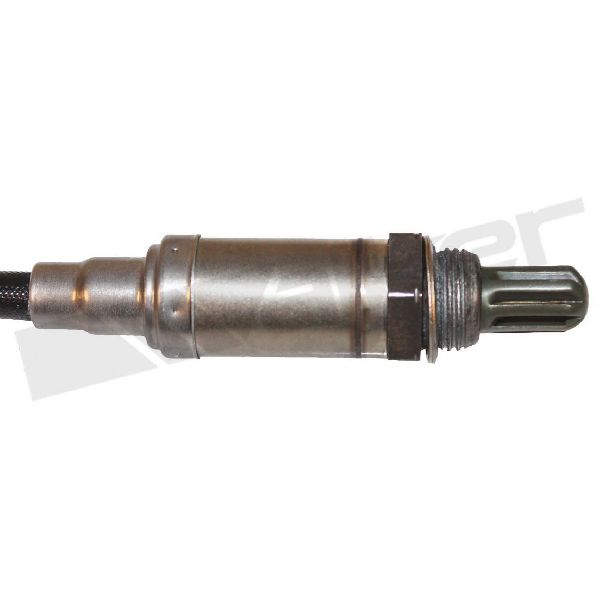
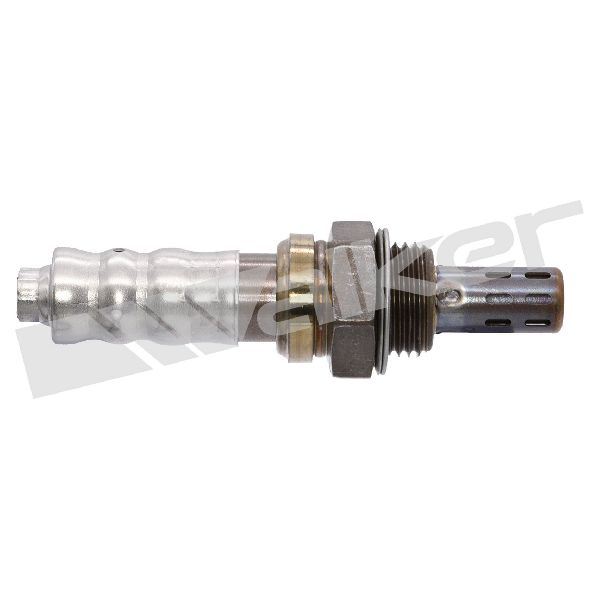
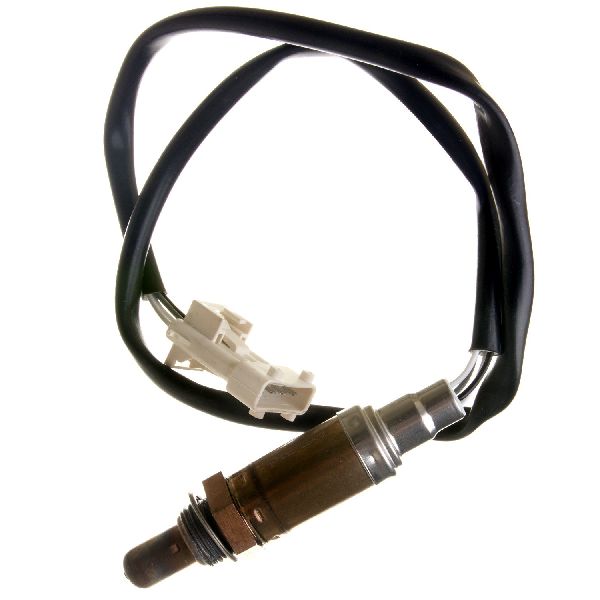
- Oxygen Sensor, Bank 1 Sensor 1 (Upstream)
(OEM #99360611601)— This is the most common failure point for code P0131. The sensor's ability to generate voltage degrades with age and exposure to exhaust gases.
Trusted brands: Bosch (OEM supplier), NTK
OEM price range: $200-$300
Aftermarket price range: $100-$200
Related Codes That Often Appear With This One
- P1115 — Porsche documentation notes that P1115 (Oxygen Sensor Heating, Bank 1, Sensor 1) may be stored along with P0131 due to a short circuit, even if the heater circuit itself is not the primary fault.
- P1119 — Similar to P1115, Porsche notes that P1119 (Oxygen Sensor Heating, Bank 2, Sensor 1) can sometimes appear with P0131 in the event of certain wiring shorts.
Technical Service Bulletins (TSBs) & Recalls
- W301 (replaces TSB 1a/02 9752) - Porsche issued a service action for 1995 and 1996 model year 993s due to rapid deterioration of the engine wiring harness insulation, which could lead to various electrical faults, including O2 sensor codes.
Platform-Specific Known Issues
- The sensors can be very difficult to remove due to rust-welding themselves into the exhaust pipe. Using penetrating oil beforehand and potentially a torch for heat is often necessary. A 22mm flare nut or specialized O2 sensor socket is required.
- Accessing the sensor and its connector in the engine bay can be tight. Some disassembly of heat shields may be required.
- The engine wiring harness is a known weak point on 993s, with insulation that degrades from heat. A P0131 code can be the first sign of a harness issue, which is a more involved repair than just the sensor.
Mechanic-Grade Diagnostic Values
- O2 Sensor Signal Voltage (Bank 1, Sensor 1) — expected: Rapidly fluctuating between ~0.1V and 0.9V when in closed-loop operation.. Failure: Stuck below 0.15V (150mV).
- O2 Sensor Signal Wire Voltage at Connector (Key On, Engine Off) — expected: Approximately 720 mV.. Failure: Significantly different voltage, indicating a wiring issue or faulty DME.
- O2 Sensor Heater Circuit Resistance — expected: Typically 2-10 ohms (vehicle specific).. Failure: Open circuit (infinite resistance) or shorted (near zero resistance).
Scan Tool Commands That Help
- Durametric: Actual Values — To monitor and graph the live voltage output of Bank 1 Sensor 1 and Bank 2 Sensor 1 simultaneously. This allows for direct comparison to see if the Bank 1 sensor is failing to switch or is biased low compared to the healthy sensor on the other bank.
Wiring & Ground Locations
- DME Connector Pin 28 — On the 55-pin DME/ECU connector located in the engine bay.. This is the specific pin for the O2 sensor signal (Bank 1, Sensor 1). Testing for a short to ground or continuity should be done at this pin.
- DME Connector Pin 10 — On the 55-pin DME/ECU connector.. This is the O2 sensor ground pin. A poor connection here can affect sensor readings.
- Ground Point XIV — Located in the engine compartment, rear right.. This is a primary engine bay ground point. Corrosion or a loose connection here can cause various electrical issues, including erratic sensor readings.
- Engine Grounding Lug — Located on the front of the left camshaft tower.. This lug serves as the main grounding point for the engine wiring harness. A compromised connection here can directly impact the O2 sensor circuit's ground reference.
Real Owner Repair Stories
- Pelican Parts Forum user (1981 Porsche 911 (with similar CIS injection and airbox design)) — Engine backfired and then would not start or idle. Would run for a few seconds on starting fluid.
❌ Tried (didn't work) Replaced fuel pump, WUR, plugs, cap, rotor, wires, filters., Cleaned fuel distributor plunger., Jumped fuel pump relay.
✅ What actually fixed it The backfire had cracked the plastic airbox, creating a massive unmetered air leak that prevented the engine from sustaining idle. The fix required either repairing the cracked airbox with a strong adhesive like plastic weld or replacing the airbox entirely.
OEM Part Supersession History
99360611600→99360611601— Standard part revision by the manufacturer.
Model Year Variations Within This Range
- 1995-1996: These model years were subject to a service action (W301) for a faulty engine wiring harness where the wire insulation would rapidly degrade, crack, and cause shorts. This makes P0131 more likely to be a wiring issue on these earlier 993s compared to 1997-1998 models, which used an improved harness.
- 1995: 1995 models are typically OBD-I and use a different diagnostic connector (round style) and have a simpler O2 sensor arrangement (one or two sensors total). While the causes are similar, the code would be a different, Porsche-specific fault, and a different scanner adapter is needed.
Diagnostic Flowchart
Used vs. New Parts: Buying Guide for This Vehicle
When a used part is the smart pick: A used engine wiring harness can be a cost-effective choice IF it is from a 1997-1998 model year car (which had the improved insulation) or if it is a verified replacement part with a production date of 2002 or later. A used airbox assembly is also a viable option if it is thoroughly inspected for cracks.
Donor-vehicle mileage cap: roughly under 80000 miles for the part to have meaningful remaining life.
What to inspect on the donor part:
- For a wiring harness, check the part label for a production date; later is better.
- Flex the harness in several places, especially near connectors and heat sources. If the insulation cracks or feels stiff and brittle, do not buy it.
- For an airbox, use a bright light to inspect all seams and corners for hairline cracks. Flex the box by hand to see if any cracks open up.
OEM-only on this vehicle (don't cheap out):
- Oxygen Sensor: While the OEM supplier is Bosch, it is critical to use the correct part number. Universal or generic sensors often cause persistent issues on these cars.
Aftermarket brands forum-validated for this vehicle:
- Bosch (for oxygen sensors - is the OEM supplier)
- NTK (for oxygen sensors)
Brands owners have reported issues with on this vehicle:
- Generic or 'universal' oxygen sensors that require splicing wires are not recommended.
Real Owner Stories
Aggregated from forums and TSBs cited above. Mileages and costs reflect what owners reported in those sources.
1996 Porsche 911 (993) C2
Symptoms: Owner received an oxygen sensor-related code. A mechanic suggested the cause could be worn valve guides, which is a major repair.
What fixed it: Another owner in the forum thread suggested that before considering a major repair like valve guides, the first step should be to replace the oxygen sensor itself, as it is a common failure item and a much cheaper and easier potential fix.
Source hint: Pelican Parts Forum - '96 993 C2 Oxygen Sensor Replacement? (https://forums.pelicanparts.com/porsche-911-technical-forum/432017-96-993-c2-oxygen-sensor-replacement.html)
1996-1998 Porsche 911 (993) Varioram
Symptoms: Owner experienced O2 sensor codes as a result of degrading insulation on the engine wiring harness.
What fixed it: The root cause was identified as the known wiring harness issue affecting 1995-1996 models, which was subject to Porsche service action W301. The fix involves repairing or replacing the affected engine wiring harness.
Source hint: Rennlist - Corroborated that the engine wiring harness for Varioram cars (993.607.016.15) was subject to a service action for degrading insulation.
Related OBD-II Codes
Frequently Asked Questions
My 911 is a 1995 model. Is there a known wiring issue that could cause a P0131 code?
Where exactly is the 'Bank 1, Sensor 1' oxygen sensor located on my 993?
What does it mean if my scanner's live data shows the O2 sensor voltage is stuck below 0.1V?
I'm replacing the O2 sensor myself. Any special tools or tips for the 993?
Can an exhaust leak cause the P0131 code on this car?
I need to buy a replacement oxygen sensor. Does the brand matter?
We Have This Part in Stock

The information in this article is provided for general reference and educational purposes only. Vehicle specifications, procedures, and part compatibility can vary by production date, trim level, and region. Always consult your vehicle's factory service manual and verify part numbers before purchasing or performing repairs. Safety-critical components such as airbags, seat belts, and braking systems should be installed by a qualified professional.
- Porsche 911:
- 🧭 Diagnostic Flowchart
- 🛍️ Shop This Part
- What's Unique About the 1995-1998 Porsche 911
- Symptoms You May Notice
- Most Likely Causes
- Rare But Worth Checking
- Diagnosis Steps
- Parts You'll Likely Need
- Related Codes That Often Appear With This One
- Technical Service Bulletins (TSBs) & Recalls
- Platform-Specific Known Issues
- Mechanic-Grade Diagnostic Values
- Scan Tool Commands That Help
- Wiring & Ground Locations
- Real Owner Repair Stories
- OEM Part Supersession History
- Model Year Variations Within This Range
- Used vs. New Parts: Buying Guide for This Vehicle
- Real Owner Stories
- 1996 Porsche 911 (993) C2
- 1996-1998 Porsche 911 (993) Varioram
- Related OBD-II Codes
- Frequently Asked Questions
- 🎟️ Get 5% Off