

P0131 on 2007-2009 Saturn Aura 3.6L: Causes and Fixes for O2 Sensor Low Voltage
This code means the upstream oxygen sensor on the rear cylinder bank (near the firewall) is sending a low voltage signal. The most common fix is to replace the sensor itself, but access is very difficult and may require removing the upper intake manifold, making it a challenging DIY job.
- P0131 on your Aura points to the upstream O2 sensor on the rear cylinder bank, near the firewall.
- The most likely cause is a failed O2 sensor, but always check for damaged wiring and exhaust leaks first.
- The repair is significantly more difficult than on most cars due to the sensor's location, often requiring removal of the upper intake manifold.
- Use a quality direct-fit replacement sensor from a brand like ACDelco, Denso, or NGK to ensure proper performance and avoid future issues.
- Driving with this code active will hurt your gas mileage and can eventually damage your catalytic converter, a much more expensive repair.
What's Unique About the 2007-2009 Saturn Aura
The primary challenge with a P0131 code on the Saturn Aura with the 3.6L LY7 engine is not the diagnosis, but the repair. The Bank 1, Sensor 1 O2 sensor is located on the rear cylinder bank, tucked against the firewall in a very tight space. Unlike many vehicles where O2 sensors are relatively accessible from under the car, replacing this specific sensor often requires the removal of the upper intake manifold to gain the necessary clearance, significantly increasing labor time and complexity. This difficult access is a common complaint on owner forums for the Aura and its platform-mates like the Pontiac G6 and Chevy Malibu.
Symptoms You May Notice
- Check Engine Light is on
- Reduced fuel economy
- Rough or unstable idle
- Hesitation or stumbling during acceleration.
- Replacing the wrong oxygen sensor. It is critical to correctly identify Bank 1 (rear bank, near firewall) 🎬 Watch: See exactly where the Bank 1 sensor is located. and Sensor 1 (upstream) before starting the repair.
- Replacing the O2 sensor when the actual problem is an exhaust leak before the sensor, causing a legitimate lean reading.
- Replacing the O2 sensor without first checking for a blown fuse or damaged wiring.
- Mistaking the common steering shaft clunk (TSB #06-02-32-007G) for an exhaust leak noise, leading to unnecessary exhaust system diagnosis.
Most Likely Causes
- Failed Bank 1, Sensor 1 Oxygen Sensor 🔴 High Probability → Shop Oxygen Sensor Oxygen sensors are wear-and-tear items that degrade over time, typically having a service life of 70,000-100,000 miles. The internal heating element can fail or the sensor can become contaminated, preventing it from generating a correct voltage signal.
How to confirm: Use an OBD-II scanner to monitor the live data for 'O2S B1S1'. The voltage should fluctuate rapidly between approximately 0.1V and 0.9V. If the voltage is stuck below 0.2V, the sensor is likely faulty. You can also test the sensor's heater element resistance with a multimeter; a good sensor typically reads between 2 and 30 Ohms.
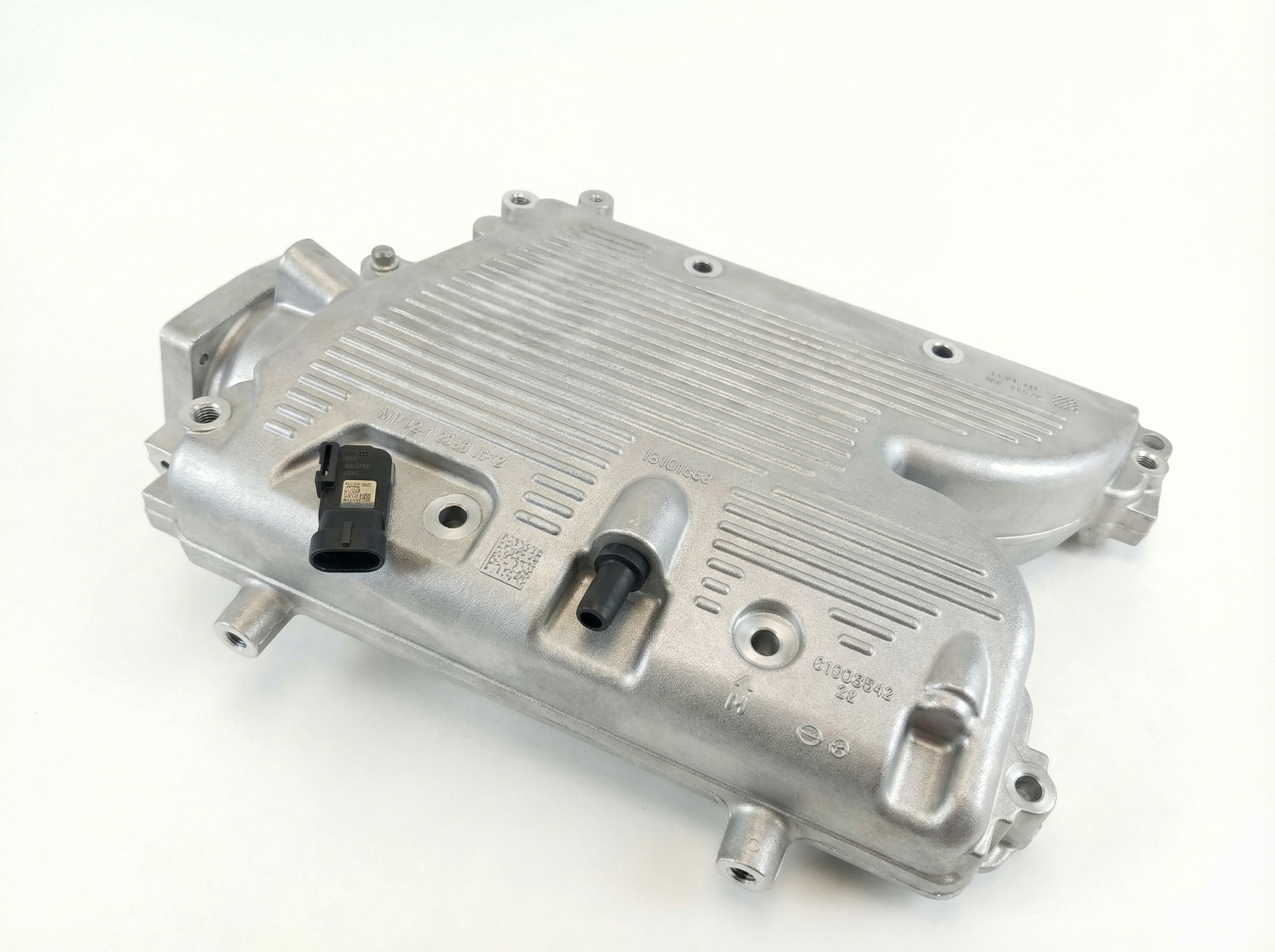
Typical fix: Replace the Bank 1, Sensor 1 oxygen sensor. This is a difficult job due to the sensor's location against the firewall. Many owners report that removing the upper intake manifold is the only practical way to get enough room to work. 🎬 See this walkthrough on how to remove the upper intake manifold.
Est. part cost: $40-$150 - Damaged Wiring or Connector 🟡 Medium Probability The wiring harness for the rear O2 sensor is in a high-heat area and can become brittle, melted, or corroded over time, causing a short or open circuit. Given the tight space, the wiring can also be damaged during other unrelated repairs near the firewall.
How to confirm: Visually inspect the wiring harness and connector leading to the Bank 1, Sensor 1 O2 sensor for any signs of melting, chafing, or corrosion. Check for a secure connection.
Typical fix: Repair the damaged section of the wiring harness or replace the connector pigtail.
Est. part cost: $15-$40 - Exhaust Leak ⚪ Low Probability Exhaust manifold gaskets can fail over time, creating a leak. Rust can also cause cracks or holes in the manifold or exhaust pipe. An exhaust leak before the sensor allows outside air to enter, which the sensor will read as a lean condition (low voltage).
How to confirm: Listen for a ticking or puffing noise from the rear of the engine, especially when cold. A mechanic can perform a smoke test on the exhaust system to pinpoint the location of any leaks before the O2 sensor.
Typical fix: Replace the leaking exhaust manifold gasket or repair the cracked exhaust component.
Est. part cost: $20-$100 - Blown O2 Sensor Heater Fuse ⚪ Low Probability → Shop Oxygen Sensor
How to confirm: A related code, P0031, for the same vehicle platform points to fuse #45 (15A) in the engine bay fuse box. Check this fuse to see if it's blown. If it blows again after replacement, it indicates a short in the sensor or wiring.
Typical fix: Replace the blown fuse. If it reoccurs, diagnose the short circuit.
Est. part cost: $1-$5
Rare But Worth Checking
- Low Fuel Pressure: If the engine is truly running lean due to a weak fuel pump or clogged filter, the O2 sensor will correctly report low voltage. This would typically be accompanied by other lean codes like P0171 or P0174.
- Intake Vacuum Leak: A leak in the intake manifold gaskets or vacuum hoses can allow unmetered air into the engine, causing a lean condition that the O2 sensor will detect. This is more likely if the intake manifold was recently serviced.
- Faulty Powertrain Control Module (PCM): This is extremely rare. The PCM should only be considered after all other possibilities, including the sensor, wiring, and other engine systems, have been thoroughly ruled out.
Diagnosis Steps
- Verify the code with an OBD-II scanner. Note any other codes present.
- Using the scanner's live data function, monitor the voltage for 'O2S B1S1'. It should fluctuate rapidly. If it is stuck below 0.2V, the issue is confirmed.
- Check fuse #45 (15A) in the underhood fuse block, labeled for O2 sensor heaters. Replace if blown.
- Perform a thorough visual inspection of the Bank 1 Sensor 1 wiring harness and connector. Look for signs of melting, chafing, or corrosion.
- Inspect the rear exhaust manifold for signs of leaks (black soot trails) and listen for ticking sounds that would indicate a leak.
- If the wiring, fuse, and exhaust system are confirmed to be in good condition, the oxygen sensor itself is the most likely culprit and should be replaced.
Parts You'll Likely Need
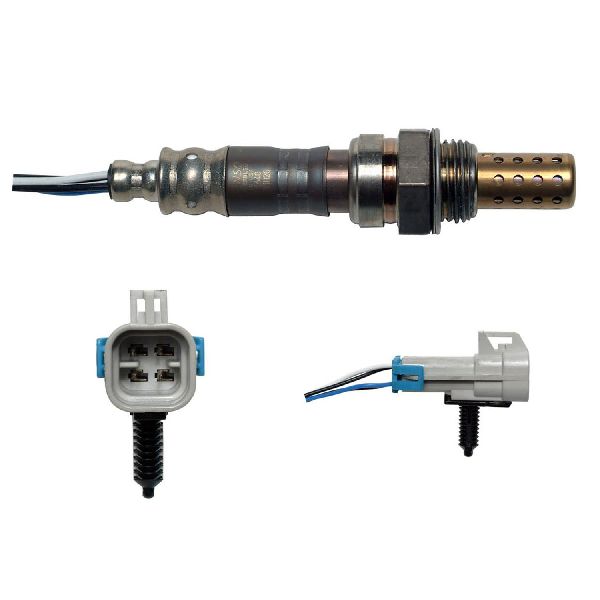
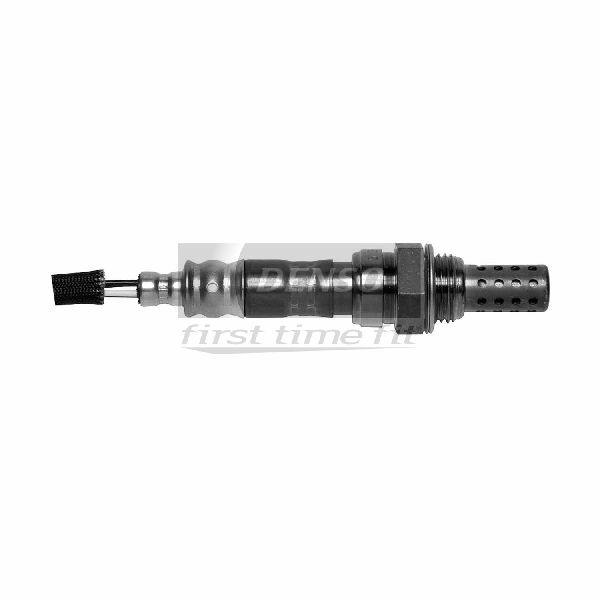
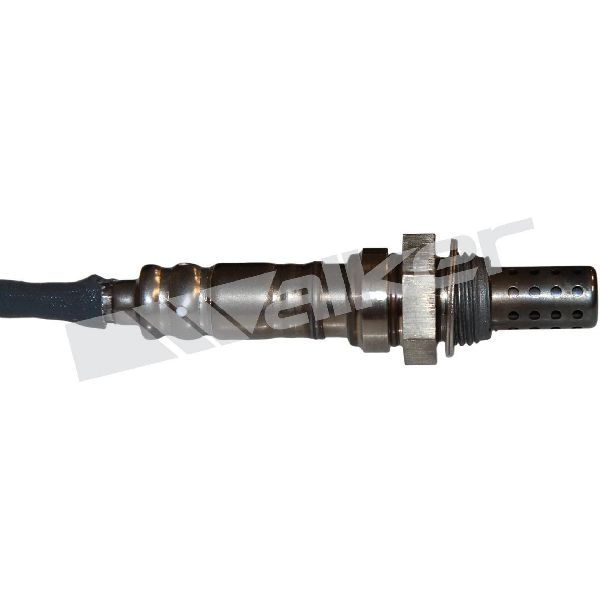
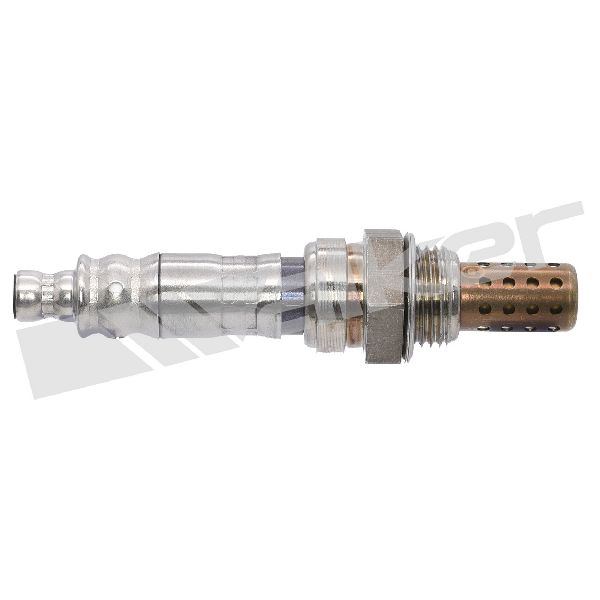
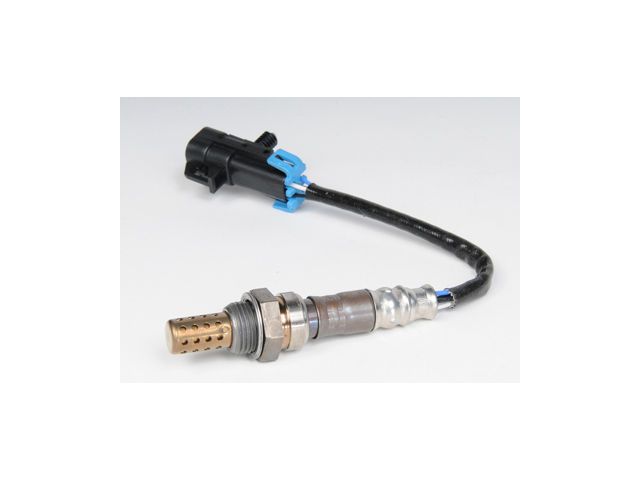
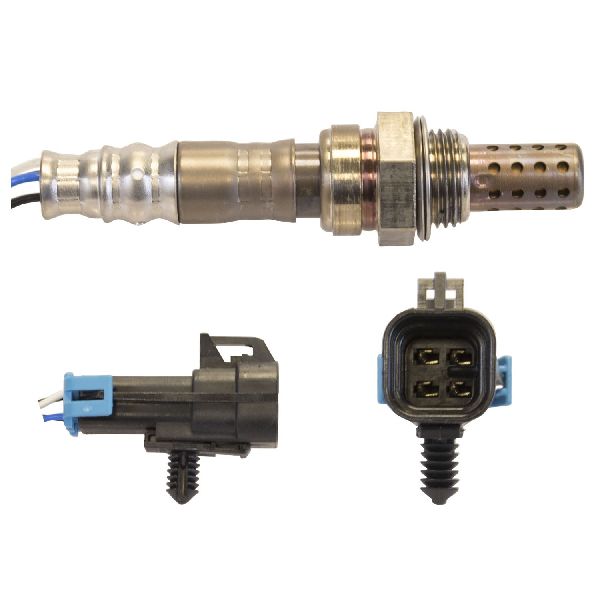
- Upstream Oxygen Sensor (Bank 1, Sensor 1)
(OEM #12597878)— This is the most common failure point for code P0131. The sensor's ability to generate voltage degrades with age and exposure to exhaust gases.
Trusted brands: ACDelco (GM Genuine Part #12597878, Service Part #213-3628), Denso, NGK/NTK, Bosch
OEM price range: $90-$150
Aftermarket price range: $40-$80 - Upper Intake Manifold Gaskets — If the upper intake manifold must be removed for access to the O2 sensor, these gaskets are single-use and must be replaced to prevent vacuum leaks upon reassembly.
Trusted brands: Fel-Pro, ACDelco, Mahle
OEM price range: $25-$50
Aftermarket price range: $15-$30
Related Codes That Often Appear With This One
- P0031 — This code is for the heater circuit of the same sensor. A failure in the heater can prevent the sensor from reaching operating temperature, causing it to output a false low voltage signal and triggering P0131.
- P0171 — This code means 'System Too Lean (Bank 1)'. P0131 can cause P0171 because the PCM interprets the low sensor voltage as a lean condition and tries to compensate by adding more fuel. If the PCM cannot add enough fuel to satisfy its programming, it will set P0171.
- P0300-P0306 — Misfire codes can be triggered because the incorrect air-fuel mixture caused by the faulty O2 sensor data can lead to incomplete combustion in one or more cylinders.
Technical Service Bulletins (TSBs) & Recalls
- TSB #06-02-32-007G: Details a common clunking noise from the intermediate steering shaft. While not directly related to P0131, the noise can be misdiagnosed as an exhaust leak, which is a potential cause of the code.
Platform-Specific Known Issues
- Real Owner Experience: Intake Removal is Key: A user on the SaturnFans.com forum described their experience tackling P0131 on a 2008 Aura XR 3.6L. After struggling to reach the sensor from below, they confirmed that removing the upper intake manifold was the only viable method. They noted that while it added time to the job, it made accessing the sensor straightforward and prevented further frustration. This approach is echoed in many similar threads for GM Epsilon platform vehicles.
Mechanic-Grade Diagnostic Values
- O2 Sensor Heater Element Resistance — expected: 2 - 30 Ohms at ambient temperature. Failure: A reading of infinite resistance (open circuit) or near-zero resistance (short circuit) indicates a failed heater element within the sensor.
- Long Term Fuel Trim (LTFT) for Bank 1 — expected: Typically between -10% and +10%. Failure: If P0131 is caused by a true lean condition (like a vacuum leak), LTFT will be highly positive, often exceeding +10% as the PCM tries to compensate. If LTFT is normal or negative while the O2 sensor voltage is stuck low, the sensor or its wiring is the likely fault.
- O2 Sensor Signal Voltage (Forced Rich) — expected: Should spike to >0.8V. Failure: If the sensor voltage does not rise above 0.8V when a rich condition is artificially created (e.g., by feeding unlit propane into the intake), the sensor is bad and not responding.
Hidden / Shadow Codes Worth Checking
- Mode $06, Monitor ID $01: This is not a specific code but a test result area in a generic OBD-II scanner. For GM, Monitor ID $01 relates to the O2 sensor tests. A failing value in the test for TID $01 (Rich to lean sensor switch time) or TID $02 (Lean to rich sensor switch time) for Bank 1 Sensor 1 can indicate a lazy or failing sensor before it fully sets a code like P0131. (see via An advanced OBD-II scan tool with Mode $06 (sometimes shown as Mode 6) capability. The data is presented as Test IDs (TID) or Monitor IDs (MID) and requires interpretation, as it shows raw test values against min/max thresholds.)
Wiring & Ground Locations
- G107 — On the right front of the engine block.. This is a key ground point for the Engine Control Module (ECM). A poor or corroded connection here can cause an unstable ground reference, leading to erratic sensor readings, including a false low voltage from the O2 sensor.
- G102 — Located at the left rear of the engine.. This ground serves the ignition coils and other components on the engine. While less direct than G107, a poor connection can introduce electrical noise that may affect sensitive sensor signals.
- B1S1 O2 Sensor Connector — Attached to the rear of the engine, near the exhaust manifold for Bank 1 (firewall side). Access often requires removal of the upper intake manifold.. This is the primary connection point for the sensor. The pins for the signal wire (typically tan) and low reference wire (typically purple) must be clean and secure. Voltage and resistance tests are performed at this connector.
OEM Part Supersession History
12597878→The part number 12597878 is still the primary GM Genuine part number. However, the associated ACDelco service part number has changed. It was previously 213-3627 and is now listed as 213-3628.— Likely a minor revision in manufacturing or supplier, but the parts remain functionally identical.
Heads up: No incompatibility is noted. GM Part #12597878 and ACDelco #213-3628 are the correct fit for this application.
Model Year Variations Within This Range
- 2007-2009: No significant variations related to the P0131 code have been documented for the 3.6L LY7 engine within this year range. The engine design, sensor location, and common causes remained consistent.
Diagnostic Flowchart
Other Known Issues on This Vehicle
Issues unrelated to this code that are worth knowing about as an owner of this generation:
- Premature Timing Chain Stretch 🔴 High — Very common, often appearing between 60,000 and 120,000 miles. Caused by a combination of weak original chain design and long oil change intervals. (Ref: TSB #12-06-01-009F (updated parts), Special Coverage Adjustment #11340C (expired warranty extension).)
- 3-5-R Transmission Wave Plate Failure 🔴 High — Widespread failure in the 6T70 transmission, leading to loss of 3rd, 5th, and Reverse gears, often without warning. (Ref: TSB #09-07-30-012F, Special Coverage Adjustment #14404A (expired 10yr/120k mile warranty).)
- Intermediate Steering Shaft Clunk/Noise 🟡 Low — Common issue causing a clunking or rattling noise felt in the steering wheel, especially at low speeds over bumps or when turning. (Ref: TSB #06-02-32-007G.)
- Excessive Oil Consumption 🟠 Medium — Some LY7 engines are prone to high oil consumption, which can exacerbate timing chain wear if the oil level is not maintained. (Ref: TSB #10-06-01-008 addresses oil consumption on some GM engines, though its primary focus is on V8s with AFM.)
Used vs. New Parts: Buying Guide for This Vehicle
When a used part is the smart pick: For this repair, sourcing used parts is generally not recommended for the sensor itself. However, if the cause is a damaged wiring pigtail or connector, a used pigtail from a junkyard vehicle is a viable and cost-effective option. A used exhaust manifold could also be considered if a crack is the root cause, provided it is thoroughly inspected for cracks and warping.
Donor-vehicle mileage cap: roughly under 80000 miles for the part to have meaningful remaining life.
What to inspect on the donor part:
- For a wiring pigtail: Ensure the plastic is not brittle, the locking tab is intact, and there is no visible corrosion on the pins.
- For an exhaust manifold: Check for any hairline cracks, especially around the flange and collector. Ensure the mounting surfaces are flat and not warped.
Aftermarket brands forum-validated for this vehicle:
- For O2 Sensors: Denso, NGK/NTK, and Bosch are widely regarded as reliable alternatives to ACDelco. Denso is often the original equipment manufacturer for GM.
Brands owners have reported issues with on this vehicle:
- Avoid unbranded, 'white-box' oxygen sensors from online marketplaces. These often have high failure rates, inaccurate readings, and can fail to meet the required switching frequency, causing the code to return quickly.
Real Owner Stories
Aggregated from forums and TSBs cited above. Mileages and costs reflect what owners reported in those sources.
2008 Saturn Aura XR 3.6L
Symptoms: Check engine light for P0131. Struggled to reach the sensor from below the vehicle due to the tight space against the firewall.
What fixed it: Removing the upper intake manifold to gain access to the Bank 1, Sensor 1 oxygen sensor.
Source hint: SaturnFans.com forum thread regarding Aura P0131 and 3.6L O2 sensor replacement
Related OBD-II Codes
Frequently Asked Questions
Is there a TSB for the clunking noise I hear while diagnosing my P0131 code on my Saturn Aura?
I'm seeing P0131 on my 2008 Aura XR 3.6L; do I really have to remove the intake manifold to fix it?
Could a blown fuse be causing the P0131 low voltage code on my 3.6L LY7 engine?
My Aura has high oil consumption; could this be related to my O2 sensor failure?
Does the 2008-2012 Chevrolet Malibu share this same P0131 sensor access issue?
Helpful Videos
Used OEM Parts in Stock
New Aftermarket Parts Available

The information in this article is provided for general reference and educational purposes only. Vehicle specifications, procedures, and part compatibility can vary by production date, trim level, and region. Always consult your vehicle's factory service manual and verify part numbers before purchasing or performing repairs. Safety-critical components such as airbags, seat belts, and braking systems should be installed by a qualified professional.
- Saturn Aura:
- 🧭 Diagnostic Flowchart
- 🎬 Helpful Videos
- 🛍️ Shop This Part
- What's Unique About the 2007-2009 Saturn Aura
- Symptoms You May Notice
- Most Likely Causes
- Rare But Worth Checking
- Diagnosis Steps
- Parts You'll Likely Need
- Related Codes That Often Appear With This One
- Technical Service Bulletins (TSBs) & Recalls
- Platform-Specific Known Issues
- Mechanic-Grade Diagnostic Values
- Hidden / Shadow Codes Worth Checking
- Wiring & Ground Locations
- OEM Part Supersession History
- Model Year Variations Within This Range
- Other Known Issues on This Vehicle
- Used vs. New Parts: Buying Guide for This Vehicle
- Real Owner Stories
- 2008 Saturn Aura XR 3.6L
- Related OBD-II Codes
- Frequently Asked Questions
- 🎟️ Get 5% Off