

P0131 on 2003-2008 Subaru Forester: Front O2 Sensor Low Voltage Causes and Fixes
This code almost always points to a failed front oxygen sensor, also known as an Air/Fuel (A/F) ratio sensor. Replacing it is the most common fix. However, exhaust leaks before the sensor are a very common underlying cause on this platform and can make the code return even with a new sensor. Expect to pay between $80 for a quality aftermarket part (Denso is OEM) and $180 for a genuine Subaru sensor. It's a DIY-friendly job for most home mechanics.
- P0131 on a 2003-2008 Forester means the front oxygen sensor (Bank 1, Sensor 1) is sending a low voltage signal.
- The most likely cause is a failed sensor. Replacing it with a Denso or OEM part is the most common and reliable fix.
- Before replacing the sensor, perform a quick visual inspection for obvious exhaust leaks (soot marks) or damaged wiring.
- Ignoring this code will lead to poor fuel mileage and can cause expensive damage to your catalytic converter over time.
- This is a manageable DIY repair for many, requiring a special O2 sensor socket but otherwise basic tools.
What's Unique About the 2003-2008 Subaru Forester
The 2003-2008 Subaru Forester (SG generation) uses a 'boxer' engine, which has two separate exhaust manifolds. 'Bank 1' refers to the side of the engine with cylinder #1, which on a Forester is the passenger side (for LHD vehicles). 'Sensor 1' is the upstream sensor before the catalytic converter. A key point is that Subaru uses a wideband Air/Fuel (A/F) ratio sensor in this position, not a traditional narrowband oxygen sensor. While the generic P0131 code refers to 'low voltage', the A/F sensor's operation is based on current. The ECU interprets this current to determine the exact air-to-fuel ratio, but reports a fault condition using the standardized voltage-based code. Using a cheap, generic, or incorrect type of O2 sensor that isn't a true wideband A/F sensor is a frequent cause of persistent issues.
Generation note: This guide covers the second generation (SG) Subaru Forester, which includes the pre-facelift (2003-2005) and post-facelift (2006-2008) models. The function of the P0131 code is the same across these years, but specific part numbers for the oxygen sensor vary between naturally aspirated (NA) and turbocharged (XT) models.
Symptoms You May Notice
- Check Engine Light is on
- Blinking cruise control light (a common Subaru trait when the Check Engine Light is on)
- Reduced fuel economy
- Rough or unstable idle
- Engine hesitation or loss of power during acceleration
- A strong smell of gasoline from the exhaust
- Difficulty starting, particularly in damp or rainy weather
- Replacing the rear (downstream) oxygen sensor. P0131 specifically refers to Sensor 1, which is the front/upstream sensor. The rear sensor (Sensor 2) has a different function and part number.
- Replacing the catalytic converter. While a bad O2 sensor can eventually damage the converter, the converter itself will not cause a P0131 code. A failing converter typically sets a P0420 code.
- Immediately replacing the O2 sensor without checking for exhaust leaks. Many owners replace the sensor only to have the P0131 code return because an upstream exhaust leak was the true root cause.
Most Likely Causes
- Failed Front Oxygen (A/F) Sensor 🔴 High Probability → Shop Oxygen Sensor Oxygen sensors are wear-and-tear items that degrade over time due to constant exposure to high heat and exhaust gases. After 100,000 miles, failure is common. Denso is the original equipment manufacturer (OEM), and using the Denso part or a genuine Subaru part is highly recommended to avoid compatibility problems.
How to confirm: Use a scan tool with live data capability to monitor the Bank 1, Sensor 1 voltage or A/F equivalence ratio. A healthy sensor's readings will fluctuate rapidly. If the voltage is stuck low (e.g., below 0.2V) and doesn't respond to changes in engine RPM, the sensor has likely failed.
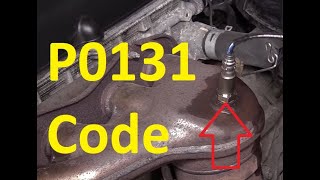
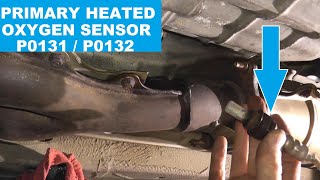
Typical fix: Replace the front oxygen sensor (Bank 1, Sensor 1). Soaking the sensor threads with penetrating oil beforehand is highly recommended as they are often seized in the exhaust manifold. A special O2 sensor socket is often required.
Est. part cost: $80-$180 - Exhaust Leak Before the Sensor 🔴 High Probability The gaskets on the exhaust manifold are a very common failure point on the EJ25 engine, as are cracks in the manifold itself. This allows outside air to enter the exhaust stream, which makes the A/F sensor read a false lean condition (low voltage), triggering the P0131 code. This is a very common reason for the code to return even after replacing the sensor.
How to confirm: Visually inspect the exhaust manifold and the gaskets between the manifold and the cylinder head for black soot marks, which indicate a leak. Listen for an audible ticking/hissing sound from the passenger side of the engine bay, especially when the engine is cold. A smoke test is the most definitive way to find a leak.
Typical fix: Replace the faulty exhaust manifold gasket or repair/replace the cracked manifold.
Est. part cost: $20-$100 for gaskets, more for manifold repair/replacement. - Damaged Wiring or Connector ⚪ Low Probability The sensor wiring is located in the hot engine bay and can become brittle, melted, or frayed over time. The connector itself can also get filled with water or debris, causing a poor connection.
How to confirm: Visually inspect the entire wiring harness for the front O2 sensor, from the sensor itself to the main engine harness connector near the back of the engine. Check for melted plastic, chafed wires, or corrosion inside the connector pins. Use a multimeter to check for continuity and voltage at the connector.
Typical fix: Repair the damaged section of the wire or replace the connector pigtail.
Est. part cost: $10-$40
Rare But Worth Checking
- Faulty Engine Control Unit (ECU): This is extremely rare. Before condemning the ECU, all other possibilities (sensor, wiring, exhaust leaks) must be exhaustively ruled out by a professional.
- Low Fuel Pressure: If the engine is genuinely running lean due to a weak fuel pump or clogged filter, the O2 sensor will correctly report a low voltage. This would typically be accompanied by other lean codes like P0171.
Diagnosis Steps
- Read the code with an OBD-II scanner to confirm P0131 is the primary code. Note any other codes present, like P0171 or P0031.
- Perform a cold engine inspection. Start the engine and listen carefully for any ticking or hissing sounds from the passenger side exhaust manifold, which would indicate a gasket leak.
- Visually inspect the exhaust system from the cylinder head to the catalytic converter for any signs of black soot, indicating a leak.
- Inspect the front oxygen sensor's wiring harness and connector for any signs of melting, chafing, or corrosion. Ensure the connector is securely plugged in.
- Use a scan tool to observe the live data for 'O2S B1S1' (Bank 1, Sensor 1). For this A/F sensor, you may see voltage or an equivalence ratio. If viewing voltage, it should be steady around a specific value (e.g. 2.2V-3.3V, depending on the tool) and change with throttle input, not fluctuate rapidly like a narrowband sensor. If it's stuck low (e.g., <0.2V), this points to a fault.
- If an exhaust leak is suspected, perform a smoke test to confirm its location before replacing any parts.
- If you have ruled out exhaust leaks and wiring issues, replace the Bank 1 Sensor 1 Air/Fuel ratio sensor. Use a Denso or genuine Subaru part.
- After replacement, clear the codes with the scanner and perform a test drive to ensure the code does not return.
Parts You'll Likely Need
- Front Air/Fuel Ratio Sensor (Oxygen Sensor)
(OEM #Naturally Aspirated: 22641AA272, 22641AA360; Turbo (XT): 22641AA211 (Varies by year, confirm with VIN))— This sensor is the most common failure point for a P0131 code. It directly measures the air/fuel ratio that the code reports as faulty.
Trusted brands: Denso (OEM Supplier), Subaru (Genuine), NTK
OEM price range: $150-$220
Aftermarket price range: $80-$150 - Exhaust Manifold Gasket
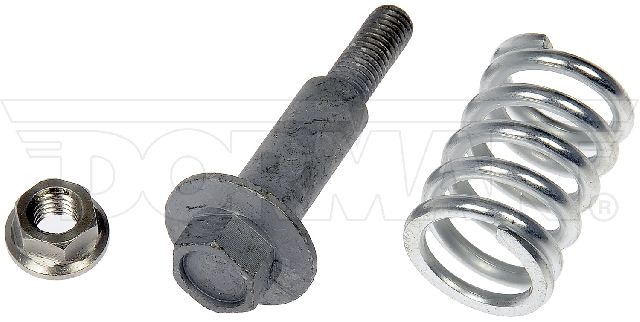
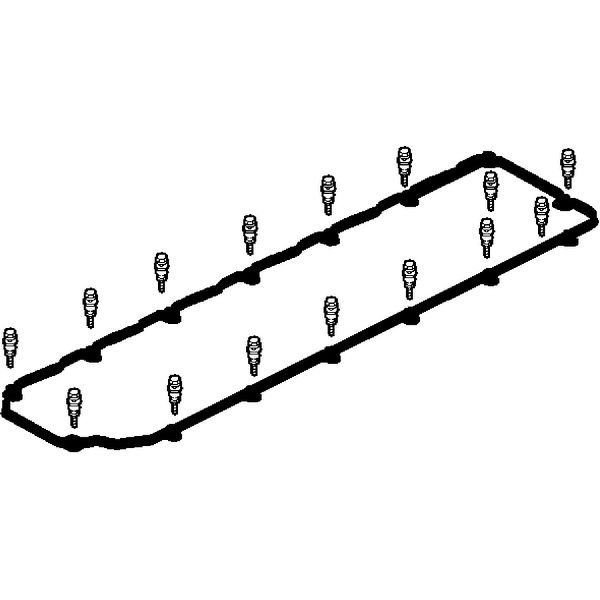
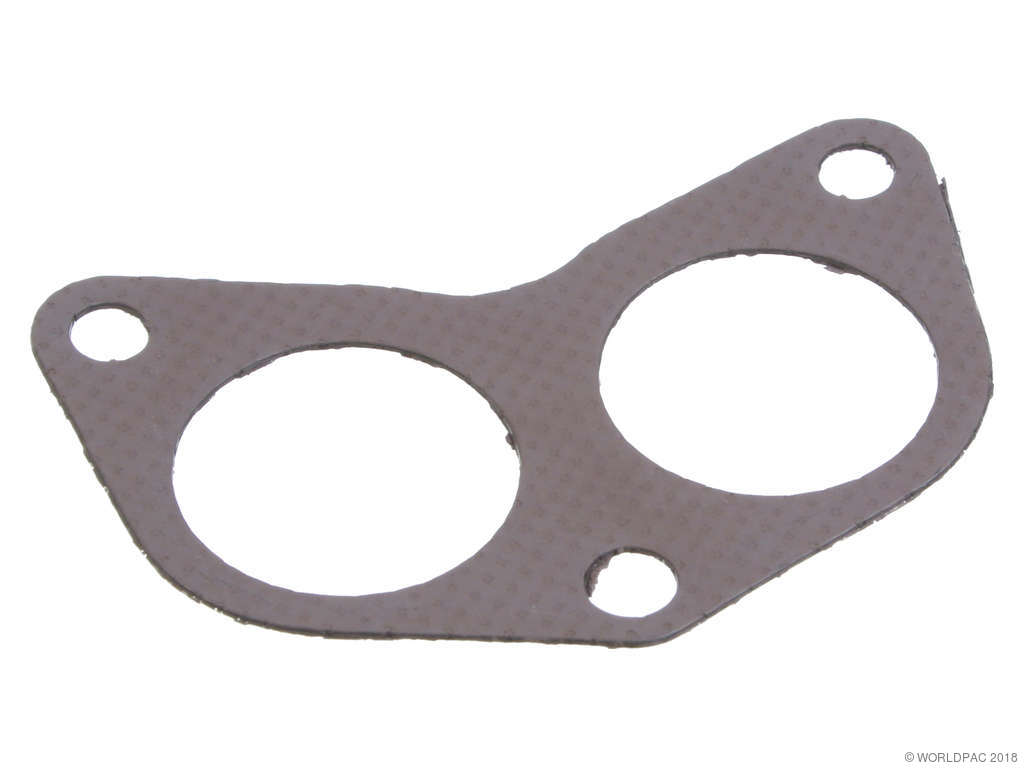
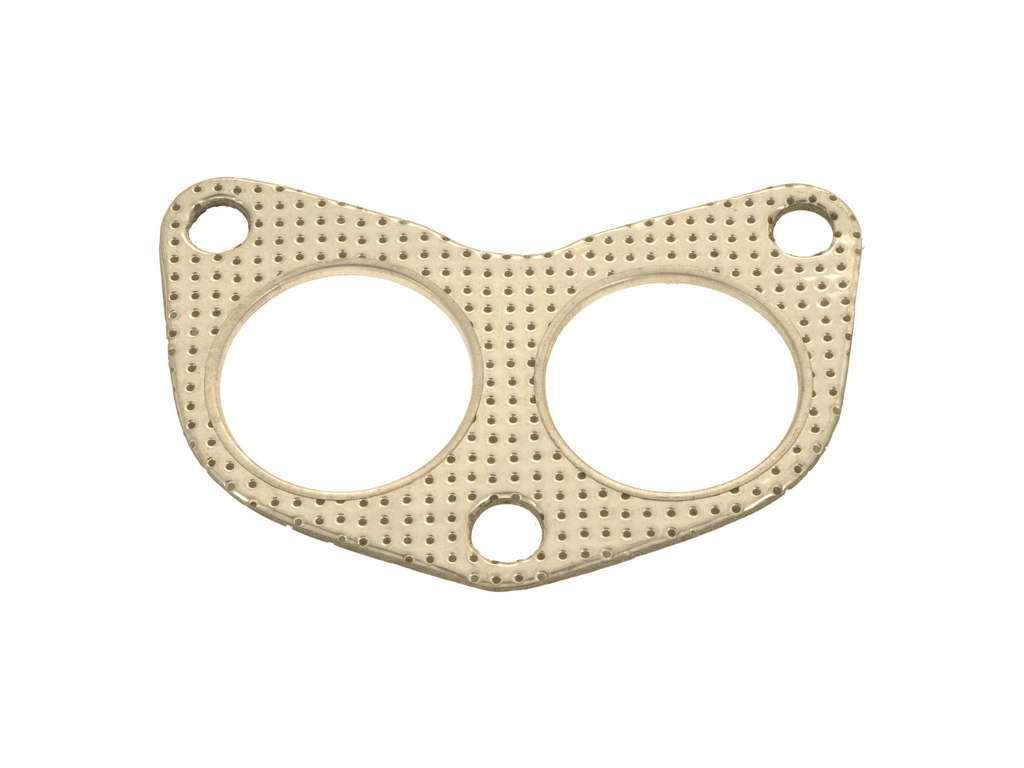
(OEM #14038AA000 (Varies by year/engine))— If an exhaust leak is found to be the cause, this gasket will be needed to seal the manifold to the cylinder head. These are a very common failure point.
Trusted brands: Fel-Pro, Subaru OE
OEM price range: $15-$30
Aftermarket price range: $10-$20
Related Codes That Often Appear With This One
- P0171 — System Too Lean (Bank 1). An exhaust leak or a failing O2 sensor can cause the ECU to perceive a lean condition, often triggering both codes.
- P0031 — O2 Sensor Heater Control Circuit Low (Bank 1, Sensor 1). This code points to a problem with the sensor's internal heater circuit, which often fails along with the sensing element itself. Getting both codes strongly suggests the sensor needs replacement.
- P0420 — Catalyst System Efficiency Below Threshold (Bank 1). A failing front A/F sensor can provide incorrect data to the ECU, leading it to misdiagnose the catalytic converter as inefficient. It's common to see P0420 appear alongside sensor codes.
Platform-Specific Known Issues
- Code Returns After Sensor Replacement: A very common complaint on forums like subaruforester.org and LegacyGT.com is that the P0131 code comes back shortly after replacing the front A/F sensor. In the vast majority of these cases, the root cause was an undiagnosed exhaust leak from a cracked manifold or a bad gasket, which was fooling the new sensor as well.
- Sensor Seizure and Removal: The front A/F sensor is notoriously difficult to remove after years of heat cycles. Owners report needing a 7/8" or 22mm oxygen sensor socket, a long breaker bar, and extensive use of penetrating oil (like PB Blaster) applied over several heat cycles to successfully remove the original sensor.
Mechanic-Grade Diagnostic Values
- A/F Sensor #1 Heater Circuit Resistance — expected: 3.8Ω - 4.5Ω at 68°F (20°C). Some sources state a wider range of 5-20 ohms is acceptable.. Failure: Infinite resistance (open circuit) or zero resistance (short circuit).
- A/F Sensor #1 Current (Live Data) — expected: Should fluctuate around 0 mA at stoichiometric (ideal) air/fuel ratio. Will go positive for lean and negative for rich conditions.. Failure: A static or unresponsive current reading, especially one that doesn't change with throttle input.
- A/F Sensor #1 Resistance (Live Data) — expected: Should be stable and within a specific range once the sensor is at operating temperature (e.g., 20-80 ohms, varies by condition).. Failure: Extremely high or low resistance values, or values that fluctuate erratically.
- Short Term Fuel Trim (A/F Correction #1) — expected: Should hover close to 0%, typically within +/- 10%.. Failure: Consistently high positive values (e.g., +25%) indicate the ECU is adding fuel to compensate for a perceived lean condition, which could be caused by an exhaust leak or a failing sensor giving a false low voltage reading.
Scan Tool Commands That Help
- Subaru Select Monitor (SSM): Current Data Display & Save — To monitor manufacturer-specific PIDs like 'A/F Sensor #1 Current' and 'A/F Sensor #1 Resistance' which provide more detailed diagnostic information than generic OBD-II voltage readings. This helps differentiate a bad sensor from a wiring issue or an actual lean condition.
- Subaru Select Monitor (SSM): All Systems Diagnosis Check — At the beginning of a diagnosis to perform a comprehensive circuitry test of all systems' input and output values, which can sometimes uncover related issues that don't set their own DTCs.
Wiring & Ground Locations
- Engine Ground Points (GE1, GE2) — On the top center of the engine block, near the firewall. These are two ring terminals bolted directly to the block.. The ECU and its sensors rely on a clean ground path. The main ECU ground is on the intake manifold, which is grounded through the engine block. Corrosion or looseness at these primary block grounds can introduce noise and voltage offsets, potentially causing incorrect sensor readings and triggering a P0131.
- Chassis Ground (Battery Negative) — The main negative battery cable bolts to the chassis on the passenger side fender, near the battery.. This is the master ground for the entire vehicle. Verifying this connection is clean and tight is a fundamental step. A poor connection here can cause widespread, unpredictable electrical issues, including sensor faults.
- Front A/F Sensor Connector (E23) — On the passenger side of the transmission bellhousing, clipped to a bracket. The harness runs down from the top rear of the engine.. This is the primary connection point to inspect for corrosion, water intrusion, or pushed-out pins. All voltage and resistance checks of the sensor and harness are performed at this connector.
Real Owner Repair Stories
- Reddit user on r/MechanicAdvice (2006 Subaru Liberty (Legacy) with EZ30 engine (similar architecture)) — P0131 code appeared immediately after replacing all O2 sensors to address a P0420 code. The P0131 would set within 50 meters of driving.
❌ Tried (didn't work) Replacing all O2 sensors with new ones., Swapping the new sensors side-to-side to rule out a faulty new sensor.
✅ What actually fixed it The user had removed the air intake and vacuum hoses to perform other work. The final diagnosis pointed towards an unmetered air (vacuum) leak from a hose that was not re-installed correctly. An unmetered air leak after the MAF sensor causes a lean condition, which the A/F sensor correctly reports as low voltage, triggering P0131.
"I Checked Everything" — The Actual Cause
- In cases where a smoke test of the exhaust system reveals no leaks, the root cause can be an intake vacuum leak occurring after the Mass Airflow (MAF) sensor. A cracked intake tube, loose hose clamp, or a leaking intake manifold gasket can introduce unmetered air, causing the engine to run lean. The A/F sensor will correctly detect this lean condition and report low voltage (triggering P0131), even though the sensor and exhaust system are perfectly fine.
OEM Part Supersession History
22641AA272→22641AA360, 22641AA510— Standard part revision and supplier updates.
Heads up: Always confirm the part number with the vehicle's VIN. The most critical distinction is between Naturally Aspirated (NA) and Turbo (XT) models. The Denso 234-9123 is for NA models, while the Denso 234-9120 is for Turbo models within this generation. They are not interchangeable.
Model Year Variations Within This Range
- 2003-2008: The primary variation is between the Naturally Aspirated (NA) models (X, XS trims) and the Turbocharged (XT) models. They use different front A/F sensors with different part numbers (e.g., Denso 234-9123 for NA, 234-9120 for XT). The physical location and diagnostic principles are the same, but the parts are not cross-compatible.
- 2003-2005 vs 2006-2008: The 2006 model year marked a significant facelift for the Forester. While the core engine architecture (EJ25) remained, there were minor changes to wiring harnesses and ECU software. While the P0131 cause and fix are largely identical, it is critical to use a VIN-based parts lookup to ensure the correct sensor revision is purchased, as connector details or calibration may have changed.
Diagnostic Flowchart
Other Known Issues on This Vehicle
Issues unrelated to this code that are worth knowing about as an owner of this generation:
- Head Gasket Failure (Naturally Aspirated EJ25 engines) 🔴 High — Very common after 100,000 miles. The second generation design improved over the first but is still a significant failure point. The turbo EJ255 engine uses a more robust multi-layer steel (MLS) head gasket and is far less prone to this issue.
- Excessive Oil Consumption 🟠 Medium — Common across the service life of the vehicle, with some owners needing to add a quart of oil between changes. It is often caused by oil seeping past piston rings or worn valve cover and spark plug tube seals.
- Rear Wheel Bearing Failure 🟠 Medium — A humming or grinding noise from the rear of the vehicle that increases with speed is a classic sign of a failing wheel bearing, a common issue on this platform.
- Front Lower Control Arm Corrosion/Failure 🔴 High — Common in regions that use road salt. The control arm hanger brackets can rust through, leading to a potential failure. (Ref: NHTSA Campaign ID: 11V464000)
- Heat Shield Rattle 🟡 Low — Extremely common. The thin metal heat shields on the exhaust system rust at their mounting points, causing a metallic rattling sound at idle or certain RPMs.
- Clogged Banjo Bolt Filter (Turbo XT Models) 🔴 High — The oil feed line to the turbocharger contains a small filter in the banjo bolt that can clog with debris, starving the turbo of oil and leading to catastrophic failure. Many owners proactively remove this filter.
Used vs. New Parts: Buying Guide for This Vehicle
When a used part is the smart pick: A used exhaust manifold from a low-mileage, rust-free donor vehicle can be an excellent value, especially if yours is cracked. Since it is a simple cast iron or steel part with no moving components, its condition is easy to assess visually.
Donor-vehicle mileage cap: roughly under 80000 miles for the part to have meaningful remaining life.
What to inspect on the donor part:
- For an exhaust manifold, check for hairline cracks, especially around the welds and flanges.
- Ensure all mounting studs are intact and not stripped.
- Look for a part from a vehicle in a dry climate to minimize rust and seizure issues.
OEM-only on this vehicle (don't cheap out):
- Air/Fuel Ratio Sensor
Aftermarket brands forum-validated for this vehicle:
- Denso (for the A/F sensor - they are the OEM supplier)
- NTK (for the A/F sensor)
- Fel-Pro (for exhaust gaskets)
Brands owners have reported issues with on this vehicle:
- Generic, unbranded, or 'universal' oxygen sensors. Forum consensus is strong that using anything other than Denso, NTK, or a genuine Subaru part for the front A/F sensor on this vehicle is likely to cause persistent codes, poor performance, or premature failure.
Real Owner Stories
Aggregated from forums and TSBs cited above. Mileages and costs reflect what owners reported in those sources.
2007 Subaru Forester
Symptoms: Check engine light on and the cruise control light is disabled/blinking.
What fixed it: Purchased and installed a Denso 234-9123 sensor.
Source hint: Reddit r/subaru - '07 Subaru Forester P0131 O2 Circuit Low Voltage (Bank 1, Sensor 1)'
2005 Subaru Outback EJ25
Symptoms: The P0131 code returned even after the owner replaced the front O2 sensor with a new Denso part.
What fixed it: The context suggests checking for wiring issues or exhaust leaks, as these frequently cause the code to return on this platform.
Source hint: LegacyGT.com - 'P031 sensor code?'
Related OBD-II Codes
Frequently Asked Questions
Why is my cruise control light blinking on my 2003-2008 Subaru Forester along with the Check Engine Light?
Should I buy a generic oxygen sensor or a specific brand for my Forester?
I replaced the front A/F sensor but P0131 came back. What is the most likely cause on this vehicle?
Where is the Bank 1, Sensor 1 oxygen sensor located on my 2007 Forester?
What tools do I need to remove a seized O2 sensor on an older Forester?
Is the P0131 code related to the common head gasket issues on the naturally aspirated EJ25 engine?
Helpful Videos
![How to Fix SUBARU P0131 Engine Code in 4 Minutes [3 DIY Methods / Only $9.65]](https://img.youtube.com/vi/sYlEpYTbrsw/mqdefault.jpg)
We Have This Part in Stock


The information in this article is provided for general reference and educational purposes only. Vehicle specifications, procedures, and part compatibility can vary by production date, trim level, and region. Always consult your vehicle's factory service manual and verify part numbers before purchasing or performing repairs. Safety-critical components such as airbags, seat belts, and braking systems should be installed by a qualified professional.
- Subaru Forester:
- 🧭 Diagnostic Flowchart
- 🎬 Helpful Videos
- 🛍️ Shop This Part
- What's Unique About the 2003-2008 Subaru Forester
- Symptoms You May Notice
- Most Likely Causes
- Rare But Worth Checking
- Diagnosis Steps
- Parts You'll Likely Need
- Related Codes That Often Appear With This One
- Platform-Specific Known Issues
- Mechanic-Grade Diagnostic Values
- Scan Tool Commands That Help
- Wiring & Ground Locations
- Real Owner Repair Stories
- "I Checked Everything" — The Actual Cause
- OEM Part Supersession History
- Model Year Variations Within This Range
- Other Known Issues on This Vehicle
- Used vs. New Parts: Buying Guide for This Vehicle
- Real Owner Stories
- 2007 Subaru Forester
- 2005 Subaru Outback EJ25
- Related OBD-II Codes
- Frequently Asked Questions
- 🎟️ Get 5% Off