

P0131 on 2009-2013 Subaru Forester 2.5L: Causes and Fixes for O2 Sensor Low Voltage
On a 2009-2013 Subaru Forester, code P0131 is most often caused by a failed front oxygen (A/F) sensor or an exhaust leak before the sensor. Replacing the sensor is the most common fix. Before buying parts, inspect for exhaust leaks at the manifold gaskets. Expect to pay $80-$150 for a quality aftermarket sensor (Denso/NTK) and $180-$250 for an OEM part. DIY difficulty is 2/5.
- P0131 on your Forester means the front oxygen sensor on the passenger side is reporting a constant low voltage (lean) signal.
- Before replacing the sensor, thoroughly check for exhaust leaks between the engine and the sensor, as this is a very common issue on Subarus.
- The most likely fix is replacing the front Air/Fuel Ratio sensor. It is highly recommended to use an OEM or Denso/NTK branded sensor for reliability.
- Ignoring this code will lead to poor fuel mileage and can cause damage to your catalytic converter over time.
What's Unique About the 2009-2013 Subaru Forester
On the Subaru EJ253 engine, P0131 is very commonly caused by one of two things: either the front A/F sensor has simply failed from age, or there is an exhaust leak upstream of the sensor. The boxer engine's horizontal layout can cause fluids to pool near gaskets, and the single-layer head gaskets used on the EJ253 are a known failure point that can leak externally. This makes exhaust manifold and head-to-manifold gasket leaks a frequent cause of P0131. Many owners mistakenly replace the sensor when an exhaust leak is the true culprit, so a thorough inspection for leaks before buying parts is critical on these vehicles.
Symptoms You May Notice
- Check Engine Light is on
- Cruise control light flashing (a standard Subaru feature when the Check Engine Light is active)
- Reduced fuel economy
- Rough or unstable idle
- Engine hesitation or stumbling during acceleration
- A sulfur or "rotten egg" smell from the exhaust
- Audible ticking or hissing noise from the passenger side of the engine bay, especially when cold, indicating an exhaust leak
- Replacing the oxygen sensor without first checking for exhaust leaks. An exhaust leak will cause the new sensor to report the same low voltage, and the P0131 code will return.
- Replacing the rear oxygen sensor (Sensor 2) instead of the front one (Sensor 1). P0131 specifically refers to the upstream sensor.
Most Likely Causes
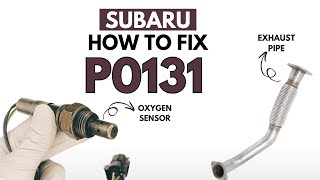
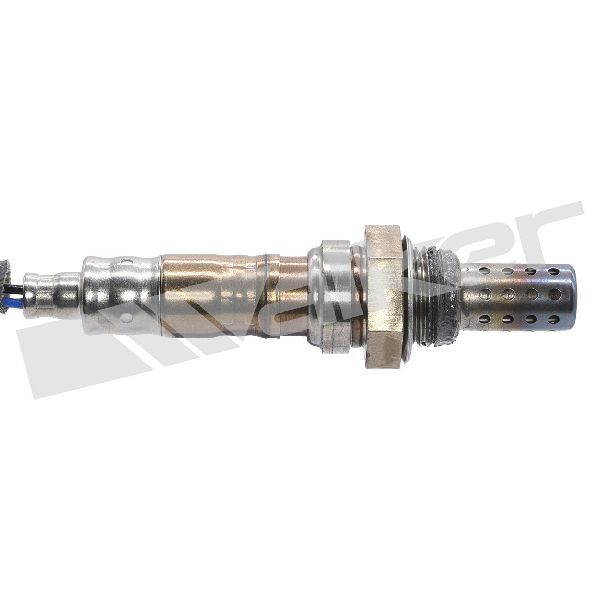
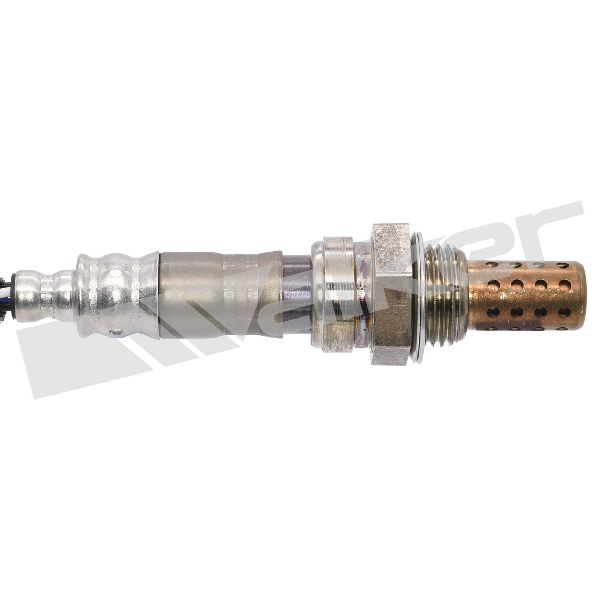
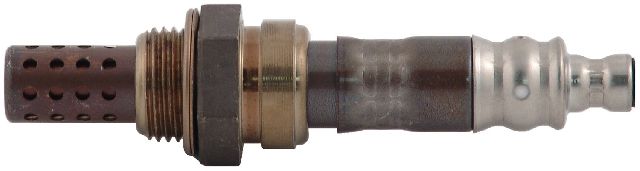
- Failed Front Oxygen (A/F) Sensor 🔴 High Probability → Shop Oxygen Sensor Oxygen sensors are wear items that live in a harsh exhaust environment and fail over time. Denso is the OEM supplier, and using off-brand sensors is known to cause issues on Subarus. These wideband A/F sensors are sensitive and can fail with age.
How to confirm: Use a scan tool to monitor live data for Bank 1, Sensor 1. A healthy wideband A/F sensor's voltage should hold relatively steady and change with throttle input, not fluctuate rapidly like a traditional O2 sensor. If the voltage is stuck low (e.g., <0.2V) and unresponsive, the sensor is likely bad.
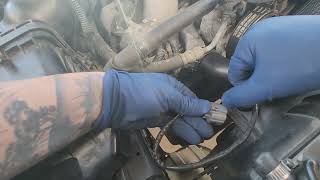
Typical fix: Replace the front oxygen sensor (Bank 1, Sensor 1). An O2 sensor socket is often required for removal. 🎬 Watch: How to replace the front oxygen sensor
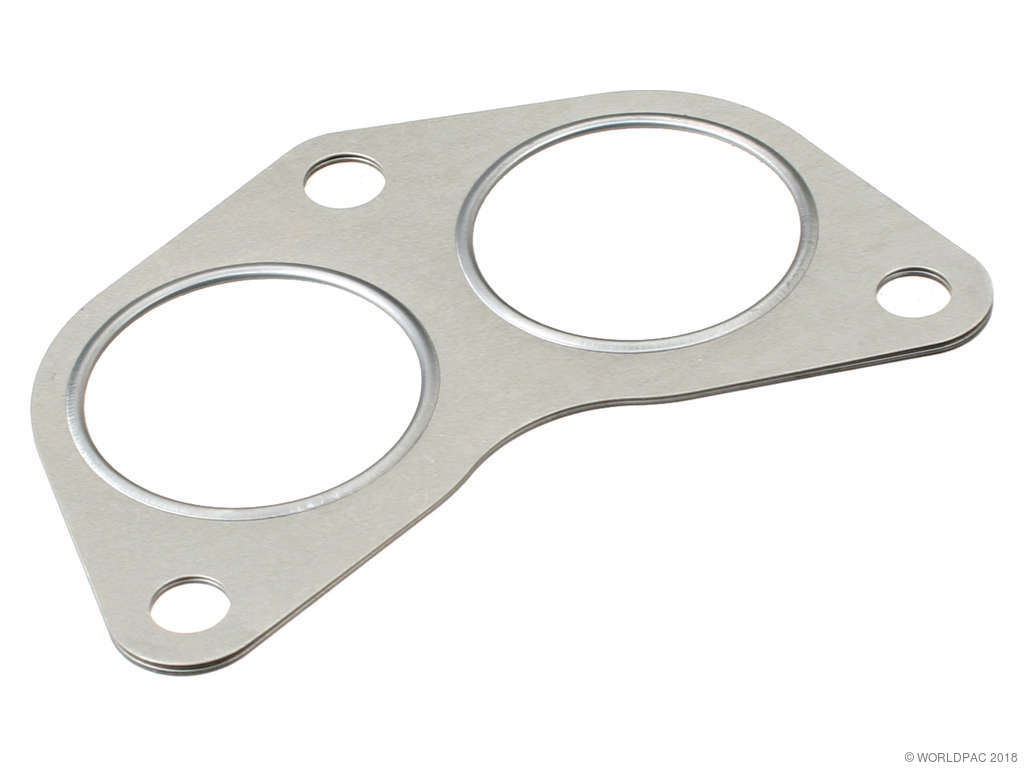
Est. part cost: $80-$250 - Exhaust Leak (Upstream of Sensor) 🟡 Medium Probability The gaskets on the boxer engine's exhaust manifold or the donut gasket connecting to the catalytic converter can fail, allowing fresh air to be sucked into the exhaust. This fools the sensor into reading a false lean condition (low voltage).
How to confirm: Visually inspect the exhaust manifold and gaskets for black soot trails indicating a leak. A smoke test is the most definitive way to find small leaks. A louder-than-usual exhaust noise, especially when cold, is also a strong indicator.
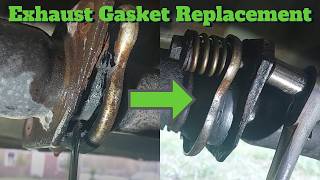
Typical fix: Replace the leaking exhaust gasket(s). In some cases, the manifold itself may be cracked and require replacement.
Est. part cost: $20-$200 - Damaged Wiring or Connector ⚪ Low Probability The sensor harness is located in the engine bay and can be susceptible to heat damage, corrosion, or physical damage from road debris or improper servicing. The wires can become brittle and break over time.
How to confirm: Visually inspect the entire wiring harness from the sensor to the main engine harness. Check the connector for corrosion, moisture, or pushed-out pins. Use a multimeter to check for continuity and shorts in the circuit.
Typical fix: Repair the damaged section of wiring or replace the connector pigtail.
Est. part cost: $15-$50
Rare But Worth Checking
- Low Fuel Pressure: A weak fuel pump or clogged fuel filter can cause a genuine lean condition, which the O2 sensor will correctly report as low voltage. This would typically be accompanied by other codes like P0171 (System Too Lean).
- Engine Vacuum Leak: A significant vacuum leak from a cracked hose or bad intake gasket can let unmetered air into the engine, causing a lean condition. This would also likely trigger a P0171 code.
- Faulty Engine Control Module (ECM): This is extremely rare and should only be considered after all other possibilities (sensor, wiring, exhaust leaks) have been definitively ruled out.
Diagnosis Steps
- Read the code with an OBD-II scanner and check for any other stored codes. Note the freeze frame data to see the conditions when the code was set.
- With the engine cold, start the car and listen for any abnormal exhaust noise (ticking, hissing) that could indicate a leak. Visually inspect the exhaust manifolds and gaskets for black soot trails.
- Inspect the oxygen sensor's wiring harness and connector for any signs of melting, chafing, or corrosion. Ensure the connector is secure.
- Use a scan tool to observe the live voltage data from Bank 1, Sensor 1. A healthy wideband A/F sensor's voltage should be relatively stable (e.g., 2.2V-3.3V depending on the tool) and respond to throttle changes. A sensor that is stuck below 0.4V is a strong indicator of a fault.
- If an exhaust leak is suspected, perform a smoke test to confirm its location and severity before replacing parts.
- If the wiring is good and there are no exhaust leaks, 🎬 Watch: Three methods to diagnose and fix P0131 the front oxygen sensor is the most likely culprit and should be replaced. Use a quality Denso or OEM part.
- After replacement, clear the codes and perform a test drive to ensure the code does not return.
- If the problem persists, check for vacuum leaks and verify fuel pressure is within specification. As a final, unlikely step, the ECM circuit for the sensor may need to be tested.
Parts You'll Likely Need
- Front Air/Fuel Ratio Sensor (Oxygen Sensor)
(OEM #22641AA480)— This sensor is the most common point of failure for a P0131 code due to age and wear. The original part for the EJ253 is 22641AA480.
Trusted brands: Denso (OEM), NTK
OEM price range: $180-$250
Aftermarket price range: $80-$150 - Exhaust Manifold Gasket
(OEM #14038AA000)— If an exhaust leak is the cause, this gasket between the cylinder head and the exhaust manifold is a common failure point.
Trusted brands: Fel-Pro, Subaru OE
OEM price range: $15-$30
Aftermarket price range: $10-$20
Related Codes That Often Appear With This One
- P0171 — System Too Lean (Bank 1). This code is often a direct result of the same root causes as P0131, such as a vacuum leak, exhaust leak, or low fuel pressure that creates a genuine lean condition.
- P0420 — Catalyst System Efficiency Below Threshold (Bank 1). A failing front O2 sensor can provide incorrect data to the ECM, causing an improper air/fuel mixture that can, over time, damage the catalytic converter and trigger a P0420 code.
Platform-Specific Known Issues
- Owner Experience: P0131 Fixed by Sensor Replacement: A user on Reddit with a 2007 Forester experienced the P0131 code causing the check engine light to stay on and disable cruise control. After confirming the code, they purchased a Denso Exact Fit Oxygen Sensor (234-9123) and successfully identified the correct Bank 1, Sensor 1 on the passenger side for replacement, which resolved the issue.
Mechanic-Grade Diagnostic Values
- Front A/F Sensor Heater Circuit Resistance — expected: 2.0 to 4.0 Ohms at 68°F (20°C).. Failure: A reading of OL (Open Loop/infinite resistance) or very high resistance indicates a failed internal heater element.
- A/F Sensor Lambda Value (Live Data) — expected: Should hover very close to 1.0 at steady idle on a warm engine.. Failure: A value stuck significantly lean (greater than 1.0) or rich (less than 1.0) that doesn't respond to throttle changes points to a sensor or system fault.
- A/F Sensor Signal Wire Voltage (at sensor connector) — expected: On many scan tools, this will read around 2.2V - 3.3V at idle, not the 0-1V of a traditional O2 sensor.. Failure: A voltage stuck near 0V or otherwise unresponsive indicates a sensor or wiring fault.
Scan Tool Commands That Help
- OBD-II Scanner or Subaru Select Monitor: Clear Memory / ECU Reset — After replacing the A/F sensor, performing an ECU reset forces the computer to clear its old learned fuel trim values and start fresh with the data from the new sensor. This can prevent the code from returning due to the ECU trying to apply old adjustments.
Wiring & Ground Locations
- Engine Ground Straps (GE1, GE2) — Bolted to the top center of the engine block, on the intake manifold. There are typically two main ground points side-by-side.. These are the primary grounds for the engine control system, including the ignition coils and multiple sensors. Corrosion or looseness here can create high resistance, causing erratic sensor readings and triggering codes like P0131 that mimic sensor failure.
- Front A/F Sensor Connector (E23) — On the passenger side of the engine bay, typically mounted to a bracket on or near the strut tower.. This is the main connection point for the sensor. It's crucial to inspect for corrosion, moisture, or pushed-out pins. The heater circuit (two black wires) and signal wires (blue and white) can be tested here.
Real Owner Repair Stories
- The Factory Five Forum user (Subaru with EJ-series engine) — Persistent P0031 (Heater Circuit Fault), but logic applies to P0131. Accessport scan tool showed incorrect voltage.
❌ Tried (didn't work) Initial troubleshooting focused only on the sensor and its direct wiring.
✅ What actually fixed it The root cause was a bad ground. Tracing the ECU grounds revealed high resistance (5 ohms) on the main control system ground. Cleaning the E3 engine connector and applying dielectric grease brought resistance down to 0.2 ohms and permanently fixed the code. - subaruforester.org user reports (2009-2013 Subaru Forester) — P0131 code returned shortly after replacing the front A/F sensor.
❌ Tried (didn't work) Replacing the front A/F sensor with a new part.
✅ What actually fixed it In many documented cases, the actual cause was a small, hard-to-see crack in the exhaust manifold or a failed manifold gasket. A smoke test confirmed the leak, and replacing the gasket or manifold resolved the issue.
"I Checked Everything" — The Actual Cause
- A known edge case for P0131 is a corroded or loose main engine ground strap on the intake manifold. This introduces electrical resistance into the sensor's circuit, causing the ECU to see a low voltage signal that perfectly mimics a lean condition or a failed sensor. A smoke test will come back clean because there is no physical air leak; the problem is purely electrical. Technicians often miss this because they focus on the exhaust system and the sensor itself, not the primary engine grounding points.
Model Year Variations Within This Range
- 2009-2010: These models use the EJ253 engine. The correct OEM front A/F sensor is part number 22641AA480.
- 2011-2013: These non-turbo models use the FB25 engine. The front A/F sensor is a different part, with OEM number 22641AA610. The sensors are not interchangeable.
Diagnostic Flowchart
Other Known Issues on This Vehicle
Issues unrelated to this code that are worth knowing about as an owner of this generation:
- Head Gasket Failure 🔴 High — Common on EJ253 engines, typically between 80,000 and 150,000 miles. The single-layer composite gasket is prone to external oil and coolant leaks.
- Excessive Oil Consumption 🟠 Medium — More prevalent in the 2011-2013 models with the newer FB25 engine, but the late-model EJ253 can also consume oil. Issues are often linked to piston rings. (Ref: TSB 02-157-14R addresses oil consumption in FB engines.)
- Catalytic Converter Failure 🟠 Medium → Shop Catalytic Converter — Often occurs at higher mileage and can be precipitated by unresolved engine issues like a bad A/F sensor running the engine rich or lean.
- Airbag System Recalls 🔴 High — Multiple recalls were issued for faulty Takata airbag inflators across this generation, which could rupture during deployment. (Ref: Multiple NHTSA recalls)
Used vs. New Parts: Buying Guide for This Vehicle
When a used part is the smart pick: A used exhaust manifold from a junkyard can be a cost-effective choice if yours is cracked, provided the donor part is inspected carefully.
Donor-vehicle mileage cap: roughly under 100000 miles for the part to have meaningful remaining life.
What to inspect on the donor part:
- For an exhaust manifold, check for hairline cracks, especially around the collector welds and flanges.
- Ensure all mounting studs are intact and not broken off.
- Look for a vehicle from a dry, salt-free climate to minimize rust and corrosion.
OEM-only on this vehicle (don't cheap out):
- Air/Fuel Ratio Sensor. It is strongly recommended to use either a genuine Subaru part or one from the OEM supplier (Denso or NTK).
Aftermarket brands forum-validated for this vehicle:
- Denso (for A/F Sensor)
- NTK (for A/F Sensor)
- Fel-Pro (for exhaust gaskets)
Brands owners have reported issues with on this vehicle:
- Bosch: While a reputable brand for many applications, their oxygen sensors are widely reported on Subaru forums to cause compatibility issues, incorrect readings, and persistent check engine lights on this platform.
Real Owner Stories
Aggregated from forums and TSBs cited above. Mileages and costs reflect what owners reported in those sources.
2010 Forester X Limited
Symptoms: CHECK ENGINE, slippery conditions, and flashing CRUISE lights.
What fixed it: The issue was linked to a crack in one of the exhaust pipes, likely following recent exhaust work.
Source hint: r/SubaruForester thread: 2010 Forester X Limited, CEL, et Al. More info in comments
2007 Forester 2.5L
Symptoms: Check engine light stayed on and disabled the cruise control.
What fixed it: Replacement of the Bank 1, Sensor 1 oxygen sensor with a Denso Exact Fit Oxygen Sensor (234-9123).
Source hint: Reddit r/subaruforester thread: '07 Subaru Forester P0131 O2 Circuit Low Voltage (Bank 1, Sensor 1)'
2005-2009 Legacy 2.5L
Symptoms: Code reader pulled codes P1153 and P0131; the second one indicated the O2 sensor circuit was low.
What fixed it: Replacing the front A/F sensor with a Denso part after checking for leaks.
Source hint: LegacyGT.com forum citation
Related OBD-II Codes
Frequently Asked Questions
Why is my cruise control light flashing along with the Check Engine Light on my Forester?
Which specific sensor do I need to replace for a P0131 code on my 2.5L EJ253 engine?
Where is the Bank 1, Sensor 1 located on my Subaru Forester?
Can an exhaust leak cause a P0131 code even if the sensor is good?
Is there a TSB for oil consumption that might be related to my 2011-2013 Forester?
What does a ticking noise from the passenger side engine bay mean in relation to P0131?
Helpful Videos
We Have This Part in Stock


The information in this article is provided for general reference and educational purposes only. Vehicle specifications, procedures, and part compatibility can vary by production date, trim level, and region. Always consult your vehicle's factory service manual and verify part numbers before purchasing or performing repairs. Safety-critical components such as airbags, seat belts, and braking systems should be installed by a qualified professional.
- Subaru Forester:
- 🧭 Diagnostic Flowchart
- 🎬 Helpful Videos
- 🛍️ Shop This Part
- What's Unique About the 2009-2013 Subaru Forester
- Symptoms You May Notice
- Most Likely Causes
- Rare But Worth Checking
- Diagnosis Steps
- Parts You'll Likely Need
- Related Codes That Often Appear With This One
- Platform-Specific Known Issues
- Mechanic-Grade Diagnostic Values
- Scan Tool Commands That Help
- Wiring & Ground Locations
- Real Owner Repair Stories
- "I Checked Everything" — The Actual Cause
- Model Year Variations Within This Range
- Other Known Issues on This Vehicle
- Used vs. New Parts: Buying Guide for This Vehicle
- Real Owner Stories
- 2010 Forester X Limited
- 2007 Forester 2.5L
- 2005-2009 Legacy 2.5L
- Related OBD-II Codes
- Frequently Asked Questions
- 🎟️ Get 5% Off