

P0131 on 2008-2011 Subaru Impreza 2.5L: Causes and Fixes for O2 Sensor Low Voltage
This code is most often caused by a failed front oxygen (A/F) sensor or an exhaust leak before the sensor. On this Subaru, always inspect for exhaust leaks at the manifold gaskets and the 'donut' gasket before replacing the sensor. A quality replacement sensor from a brand like Denso (OEM) costs around $70-$120. Using off-brand sensors is known to cause issues.
- P0131 on your Impreza means the front oxygen sensor is sending a low voltage signal.
- Before buying any parts, thoroughly inspect the exhaust manifolds for cracks or gasket leaks. A ticking noise when cold is a strong clue.
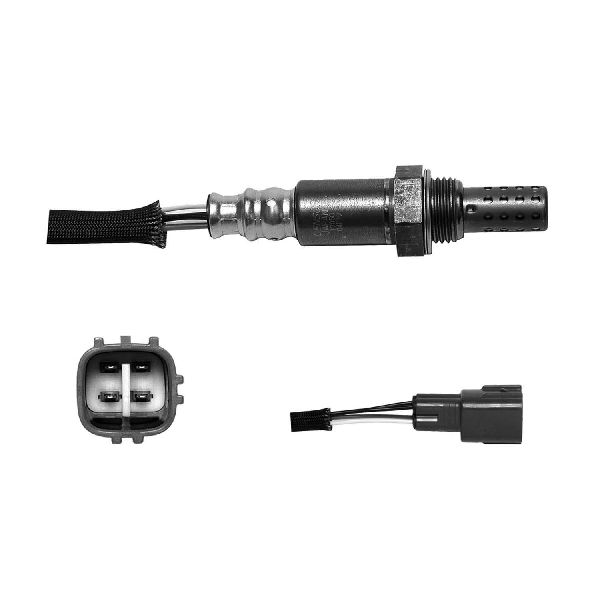
- If you replace the sensor, use a high-quality brand like Denso (likely part #234-9123 for the 2.5L non-turbo) or NTK. Cheaper sensors may not work correctly with the Subaru computer.
- The old sensor is often seized. Be prepared with penetrating oil and a proper O2 sensor socket (22mm or 7/8").
What's Unique About the 2008-2011 Subaru Impreza
On Subaru models with the EJ253 engine, the P0131 code is very frequently caused by one of two issues: a failed front A/F sensor or an exhaust leak. Common leak points are the gaskets between the cylinder head and exhaust manifold, or the donut gasket where the manifold collector meets the mid-pipe. Many owners mistakenly replace the oxygen sensor first, only to have the code return because an underlying exhaust leak was the true culprit. The Subaru ECU is also known to be sensitive to the brand of sensor used, making it critical to use high-quality replacements from brands like Denso (the original equipment manufacturer) or NTK to avoid compatibility issues.
Symptoms You May Notice
- Check Engine Light is on
- Cruise control is disabled (a common Subaru feature when a CEL is active)
- Reduced fuel economy
- Rough or unstable idle
- Engine hesitation or stumbling during acceleration
- Noticeable exhaust smell or ticking/puffing sound from the engine bay, especially when cold
- Replacing the oxygen sensor without first checking for exhaust leaks. An exhaust leak before the sensor is a very common cause of P0131 on this platform and will cause the code to return even with a new sensor.
- Replacing the rear (downstream) oxygen sensor. P0131 specifically refers to Bank 1, Sensor 1, which is the front/upstream sensor.
Most Likely Causes
- Failed Front Air/Fuel (O2) Sensor 🔴 High Probability The front A/F sensors on these vehicles are a common failure item due to age and constant exposure to extreme heat cycles. The vehicle's computer is also sensitive and often rejects cheaper, non-OEM equivalent sensors, leading to repeat failures.
How to confirm: Use a scan tool to monitor the live data for Bank 1, Sensor 1. A healthy sensor's voltage should fluctuate rapidly. If the voltage is stuck low (e.g., below 0.2V) and does not respond to changes in engine RPM, the sensor has likely failed. You can also test the sensor's internal heater circuit with a multimeter; a reading of 2-4 ohms is typical for a good sensor.
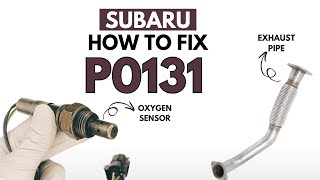
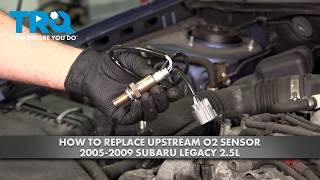
Typical fix: Replace the front (upstream) Air/Fuel ratio sensor. It is strongly recommended to use a quality brand like Denso or NTK. The genuine Subaru part number is 22641AA480. 🎬 Watch: Step-by-step diagnostic methods for fixing code P0131 The sensor is often seized in the exhaust and may require 🎬 See this upstream O2 sensor replacement walkthrough significant penetrating oil and a specialized 22mm (or 7/8") O2 sensor socket for removal.
Est. part cost: $70-$150 - Exhaust Leak (Manifold or Gasket) 🔴 High Probability The boxer engine design and heat cycles can lead to failure of the gaskets between the cylinder head and manifold, or the donut gasket after the collector. This is a well-documented issue on EJ-series engines. The leak introduces unmetered oxygen, causing a false lean reading.
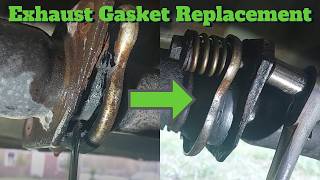
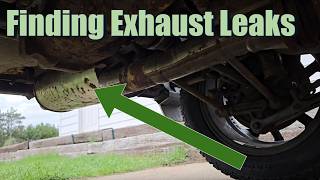
How to confirm: Visually inspect the exhaust manifolds and gaskets for black soot trails, which indicate a leak. Listen for a distinct 'ticking' or 'puffing' sound from the engine bay, especially when the engine is cold. A smoke test is the most definitive way to confirm and pinpoint a leak. 🎬 Watch: How to find and diagnose exhaust gasket leaks
Typical fix: If a crack is found in the manifold, it must be replaced. If a gasket is leaking, replace it. The manifold-to-head gasket is part number 14038AA000. The donut gasket between the collector and mid-pipe is part number 44022AA123.
Est. part cost: $15-$50 for gaskets, $150-$400+ for a new manifold - Damaged Wiring or Connector ⚪ Low Probability The sensor wiring is located in the engine bay near hot exhaust components and moving axle shafts, making it susceptible to melting, chafing, or corrosion over time.
How to confirm: Visually inspect the entire wiring harness from the sensor to the main engine harness. Check for melted or brittle insulation, frayed wires, or corrosion inside the connector. Use a multimeter to check for continuity and for shorts to ground on the signal wire.
Typical fix: Repair the damaged section of wire with a new connector or by splicing in a new wire using heat-shrink butt connectors. Replace the sensor pigtail if necessary.
Est. part cost: $10-$30
Rare But Worth Checking
- Low Fuel Pressure: A failing fuel pump or clogged filter can cause a true lean condition, which the sensor will accurately report as low voltage. This would typically be accompanied by other symptoms like hesitation under load or difficulty starting.
- Blown A/F Sensor Fuse: The sensor's internal heater circuit is powered by a fuse. If this fuse blows, the sensor may not heat up correctly and can fail to produce a proper voltage signal, triggering this code.
- Faulty Engine Control Module (ECM): This is extremely rare. The ECM itself can fail, but all other possibilities (sensor, wiring, exhaust leaks) must be exhaustively ruled out before considering ECM replacement.
Diagnosis Steps
- Read the code with an OBD-II scanner and check for any other pending or active codes.
- Start the engine when it is cold and listen for any ticking or puffing sounds from the engine bay that would indicate an exhaust leak.
- Visually inspect the exhaust manifolds (both sides) and the collector pipe for cracks or signs of black soot near the gaskets.
- Inspect the A/F sensor's wiring harness and connector for any signs of melting, chafing, corrosion, or loose pins.
- Use a scan tool to observe the live data for 'Bank 1 Sensor 1 Voltage'. At operating temperature and steady idle, the voltage for this A/F sensor should ideally be around 2.2-3.3V and respond to throttle changes. If it is stuck at a very low voltage (e.g., under 1.0V), it confirms the fault condition.
- If an exhaust leak is suspected, perform a smoke test to pinpoint its exact location.
- If no exhaust leaks or wiring issues are found, the front A/F sensor is the most likely culprit and should be replaced with a Denso or genuine Subaru part.
Parts You'll Likely Need
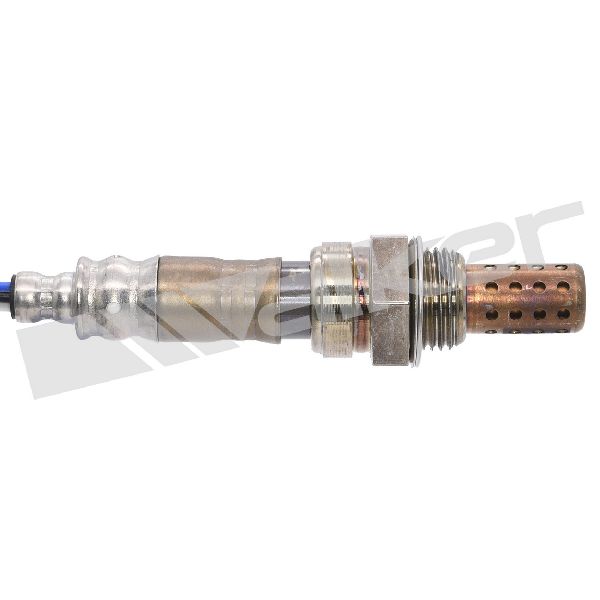
- Front Air/Fuel Ratio Sensor (Bank 1, Sensor 1)
(OEM #22641AA480)— This is the most common part to fail and directly cause the P0131 code on this vehicle.
Trusted brands: Denso (Part #234-9123 is the direct OEM equivalent), NTK, Genuine Subaru
OEM price range: $180-$250
Aftermarket price range: $70-$150 - Exhaust Manifold Gasket
(OEM #14038AA000)— If an exhaust leak is found at the manifold-to-head connection, this gasket will need to be replaced. There are two, one for each side.
Trusted brands: Fel-Pro, Mahle, Genuine Subaru
OEM price range: $15-$25
Aftermarket price range: $5-$15 - Exhaust 'Donut' Gasket
(OEM #44022AA123)— This crush gasket seals the connection between the exhaust manifold assembly and the next section of the exhaust pipe. It is a very common leak point.
Related Codes That Often Appear With This One
- P0171 — System Too Lean (Bank 1). An exhaust leak or a failing O2 sensor can cause the system to believe it is running lean, triggering both codes.
- P0031 — O2 Sensor Heater Control Circuit Low (Bank 1, Sensor 1). This code points to a failure in the sensor's internal heater element, often indicating a complete sensor failure that requires replacement.
- P0420 — Catalyst System Efficiency Below Threshold. A faulty front O2 sensor providing incorrect data to the ECM can lead to an inaccurate assessment of catalytic converter performance, triggering P0420.
Platform-Specific Known Issues
- Owner Experience: Code Returns After Sensor Replacement: A user on LegacyGT.com with a similar platform (2005 Outback, EJ25 engine) reported getting a P0131 code, replacing the front O2 sensor with a new Denso part, and having the code return almost immediately. This highlights the importance of diagnosing beyond just the sensor itself, as an underlying exhaust leak, wiring problem, or even vacuum leak was the likely culprit.
Mechanic-Grade Diagnostic Values
- Front A/F Sensor Heater Circuit Resistance — expected: 2 to 5 ohms when cold. Failure: An open circuit (infinite resistance) or a value significantly outside the expected range indicates a failed heater element.
- Front A/F Sensor Live Data Voltage (Scan Tool) — expected: Fluctuating around a central point, typically 2.2V - 3.3V at idle on a warm engine.. Failure: Voltage is stuck low (e.g., below 1.0V) and does not respond to throttle input.
- A/F Sensor #1 Resistance (Subaru Select Monitor) — expected: Approximately 32 Ω. Failure: A significantly different reading suggests a sensor fault.
- A/F Sensor #1 Current (Subaru Select Monitor) — expected: Fluctuating around 0 mA at stoichiometric (ideal) air/fuel ratio.. Failure: A persistent positive or negative current indicates a constant lean or rich condition, or a sensor/circuit fault.
Scan Tool Commands That Help
- Subaru Select Monitor (or equivalent high-end scanner): Current Data Display / Data Display — This function allows a technician to view live data parameters like 'A/F Sensor #1 Current', 'A/F Sensor #1 Resistance', and 'A/F Correction #1' (short-term fuel trim) to get a complete picture of sensor performance beyond just voltage.
- Subaru Select Monitor (or equivalent high-end scanner): Clear Memory Mode — After a repair, this function must be used to clear the DTC. Following the memory clear, the idle air control solenoid valve must be re-initialized by turning the ignition to 'ON' for at least 3 seconds before starting the engine.
Wiring & Ground Locations
- GE-1 and GE-2 — On the top center of the engine block, near the firewall. These are ring terminals bolted directly to the block.. The ECM and its sensors, including the front A/F sensor, rely on a clean engine ground path. Corrosion or looseness at these primary block grounds can introduce voltage offsets and electrical noise, leading to incorrect sensor readings and potentially triggering a P0131 code.
- Front A/F Sensor Connector (E23/E24) — The connector for the front A/F sensor is typically located on a bracket near the top rear of the engine, close to the firewall and transmission bellhousing.. This is the primary connection point for the sensor. It should be checked for corrosion, pushed-out pins, or damage from heat. A poor connection here will directly interrupt the signal to the ECM.
- ECM Connector B135 — The Engine Control Module (ECM) is located behind the glove box on the right side of the dash. B135 is one of the main connectors to it.. The A/F sensor signal and heater circuit wires terminate at this connector. Advanced diagnostics may require checking for voltage and continuity at the specific pins on this connector to rule out a wiring break between the sensor and the ECM.
Real Owner Repair Stories
- Reddit user in r/subaru (2006 Subaru Liberty (Australian Legacy) with EZ30 engine (similar A/F sensor system)) — P0131 code appeared immediately after performing other engine work that involved removing and reinstalling intake and vacuum hoses.
❌ Tried (didn't work) Replacing all O2 sensors with new parts., Swapping the new upstream and downstream sensors to see if the code followed (it did not).
✅ What actually fixed it The user suspected an unmetered air leak from a vacuum hose that was not re-installed correctly or from old intake O-rings that were disturbed during the prior repair. The community feedback strongly suggested this was the likely cause, as a vacuum leak introduces unmetered air, causing a lean condition that the A/F sensor correctly reports as low voltage.
"I Checked Everything" — The Actual Cause
- In some cases reported on forums, a smoke test of the exhaust system comes back clean, but the P0131 code persists. The eventual cause was found to be a significant vacuum leak on the intake side of the engine (e.g., a cracked intake hose, bad intake manifold gasket, or faulty PCV hose). The unmetered air entering the engine creates a genuine lean condition, which the A/F sensor accurately reports as low voltage. Technicians focused only on the exhaust side may miss this.
OEM Part Supersession History
22641AA381→22641AA480— Standard part revision and update by the manufacturer.
Heads up: Using the older part number, even if it physically fits, may lead to incorrect readings as there could be minor calibration differences. It is critical to use the specified part for the vehicle's model year.
Model Year Variations Within This Range
- 2008-2011: The 2008-2011 Impreza uses the EJ253 2.5L SOHC engine. The subsequent generation, starting in 2012, switched to the new FB20 2.0L DOHC engine. Parts, including the A/F sensor and engine management systems, are completely different and not interchangeable between these generations.
- 2008-2011: Within this range, there may be differences between PZEV (Partial Zero-Emission Vehicle) and non-PZEV models, which can sometimes use different sensors or have slightly different ECU logic. Always verify the correct part number using the vehicle's VIN.
Diagnostic Flowchart
Other Known Issues on This Vehicle
Issues unrelated to this code that are worth knowing about as an owner of this generation:
- Head Gasket Failure 🔴 High — Very common, typically between 80,000 and 150,000 miles. The SOHC EJ253 engine is known for external oil and/or coolant leaks from the head gaskets.
- Timing Belt Tensioner Failure 🔴 High — The hydraulic tensioner can fail, losing its ability to keep the timing belt taut. This can cause a rattling noise at startup and may lead to the belt skipping time or breaking, causing catastrophic engine damage.
- Excessive Oil Consumption 🟠 Medium — Some owners report higher-than-normal oil consumption, which can be related to piston rings or valve seals, and is sometimes a precursor or symptom of head gasket issues.
- Brake Light Switch Malfunction 🟡 Low — A recall was issued because exposure to contaminants could cause the brake light switch to fail, preventing brake lights from illuminating and potentially preventing the vehicle from starting or shifting out of park. (Ref: Subaru Recall WTV-81)
- Passenger Airbag Inflator Recall (Takata) 🔴 High — Part of the massive Takata airbag recall. The inflator could rupture in a crash, sending metal fragments into the cabin. (Ref: NHTSA Campaign Number: 19V009000)
Used vs. New Parts: Buying Guide for This Vehicle
When a used part is the smart pick: A used exhaust manifold from a junkyard can be a cost-effective solution if the original is cracked, as they are simple cast iron or steel parts with no electronic components. Ensure the used part is not also cracked and that the mating surfaces are flat.
Donor-vehicle mileage cap: roughly under 80000 miles for the part to have meaningful remaining life.
What to inspect on the donor part:
- For an exhaust manifold, check for hairline cracks, especially near the collector and flange welds.
- Ensure all studs are intact and not broken off.
- Verify the mating surfaces for the gaskets are not heavily pitted or warped.
OEM-only on this vehicle (don't cheap out):
- Front Air/Fuel (O2) Sensor
Aftermarket brands forum-validated for this vehicle:
- Denso (for A/F sensor, is the OEM supplier)
- NTK (for A/F sensor)
- Fel-Pro (for exhaust gaskets)
- Mahle (for exhaust gaskets)
Brands owners have reported issues with on this vehicle:
- Universal or unbranded, 'no-name' oxygen sensors are notorious for causing immediate or recurring codes on Subarus.
Real Owner Stories
Aggregated from forums and TSBs cited above. Mileages and costs reflect what owners reported in those sources.
2007 Subaru Legacy 2.5i — 50000 miles
Symptoms: Check Engine Light with code P0131. Attempted to clean the sensor which only cleared the light for a day or two.
What fixed it: The owner planned to replace O2 Sensor 1, Bank 1 after cleaning failed.
Source hint: LegacyGT.com owner report in article context
2005 Subaru Outback EJ25
Symptoms: P0131 code returned almost immediately after the front O2 sensor was replaced with a new Denso part.
What fixed it: The report highlights that the fix requires looking beyond the sensor to underlying issues like exhaust leaks, wiring problems, or vacuum leaks.
Source hint: LegacyGT.com - Thread 'P031 sensor code?'
2006 Subaru Liberty (Legacy)
Symptoms: Error code P0131 persisting after sensor replacement.
What fixed it: Diagnosis of low voltage for the upstream A/F sensor.
Source hint: Reddit r/subaru - '2006 Subaru liberty error code p0131'
Related OBD-II Codes
Frequently Asked Questions
Which specific brand of front A/F sensor should I use for my 2008-2011 Subaru Impreza to avoid the code returning?
Why does my cruise control stop working when the P0131 code is active?
I hear a ticking sound from the engine bay when it's cold; could this be related to P0131?
What are the specific gasket part numbers I might need if I have an exhaust leak?
Are there any recalls for the 2008-2011 Impreza that I should be aware of while fixing this?
What voltage should I see on my scan tool for a healthy front A/F sensor on this EJ253 engine?
Helpful Videos
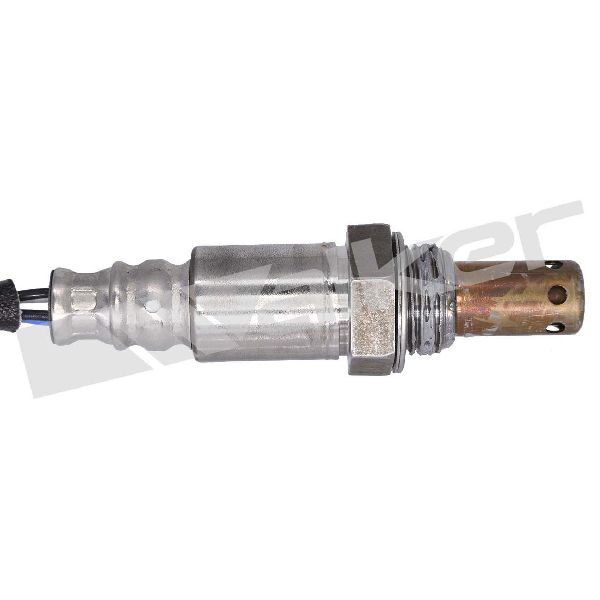
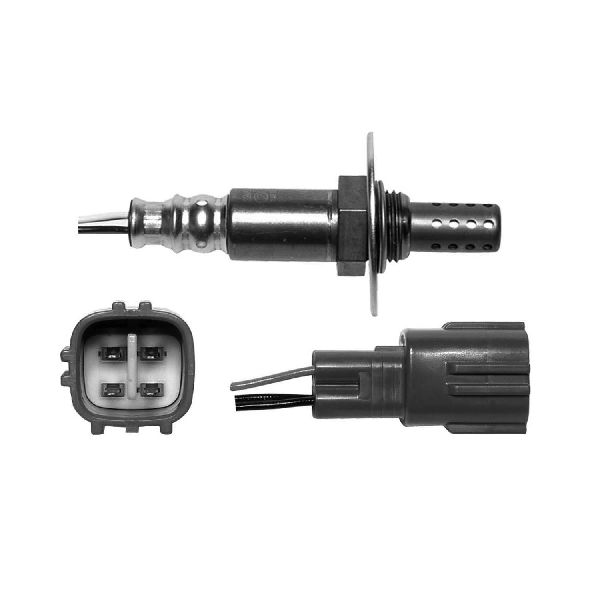
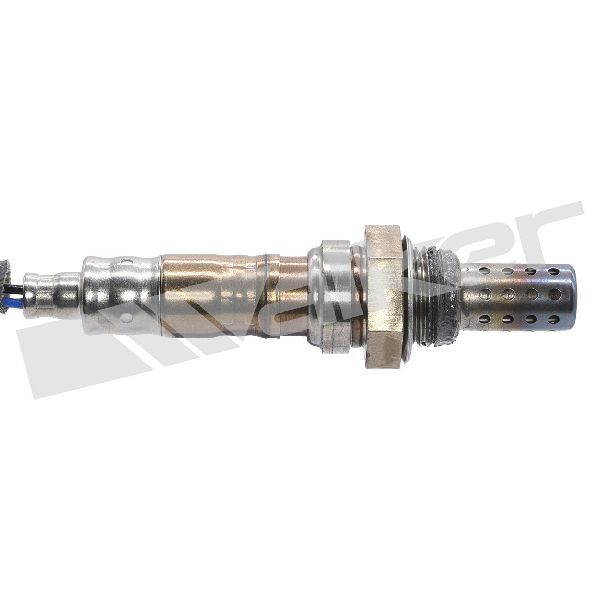
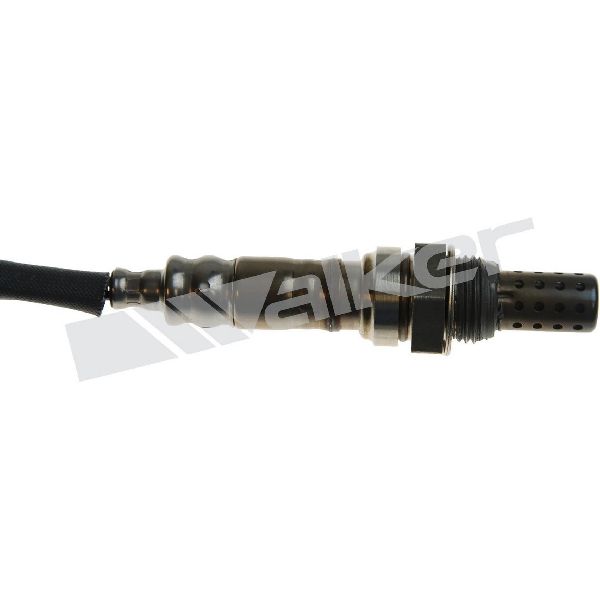
We Have This Part in Stock

The information in this article is provided for general reference and educational purposes only. Vehicle specifications, procedures, and part compatibility can vary by production date, trim level, and region. Always consult your vehicle's factory service manual and verify part numbers before purchasing or performing repairs. Safety-critical components such as airbags, seat belts, and braking systems should be installed by a qualified professional.
- Subaru Impreza:
- 🧭 Diagnostic Flowchart
- 🎬 Helpful Videos
- 🛍️ Shop This Part
- What's Unique About the 2008-2011 Subaru Impreza
- Symptoms You May Notice
- Most Likely Causes
- Rare But Worth Checking
- Diagnosis Steps
- Parts You'll Likely Need
- Related Codes That Often Appear With This One
- Platform-Specific Known Issues
- Mechanic-Grade Diagnostic Values
- Scan Tool Commands That Help
- Wiring & Ground Locations
- Real Owner Repair Stories
- "I Checked Everything" — The Actual Cause
- OEM Part Supersession History
- Model Year Variations Within This Range
- Other Known Issues on This Vehicle
- Used vs. New Parts: Buying Guide for This Vehicle
- Real Owner Stories
- 2007 Subaru Legacy 2.5i — 50000 miles
- 2005 Subaru Outback EJ25
- 2006 Subaru Liberty (Legacy)
- Related OBD-II Codes
- Frequently Asked Questions
- 🎟️ Get 5% Off