

P0131 on 2005-2009 Subaru Legacy 2.5L: Causes and Fixes for O2 Sensor Low Voltage
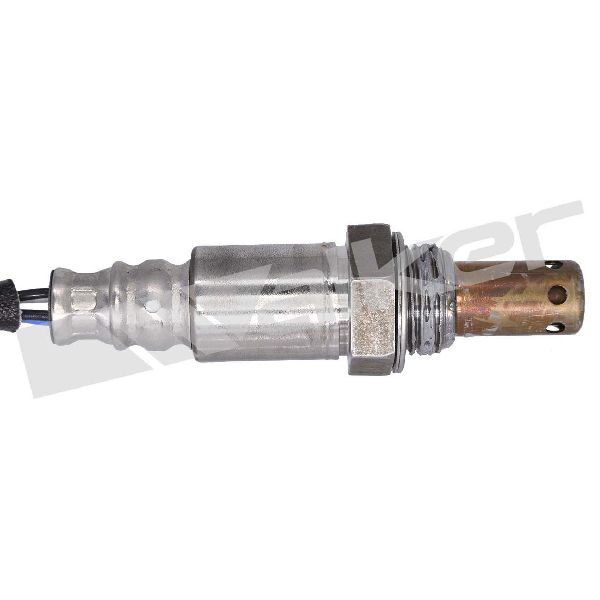
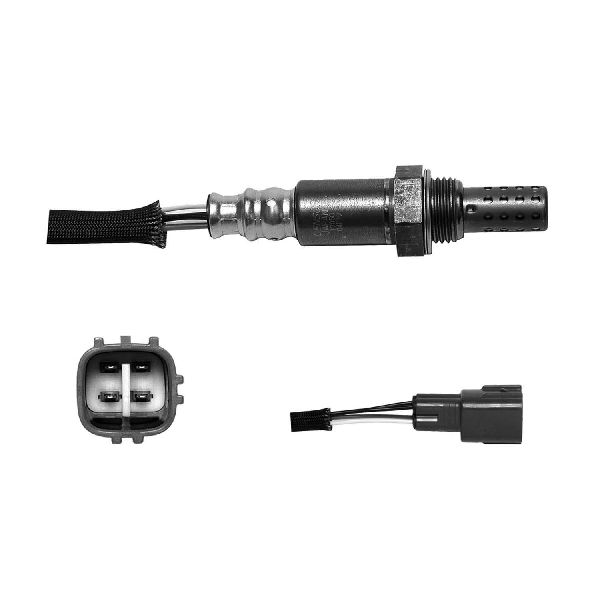
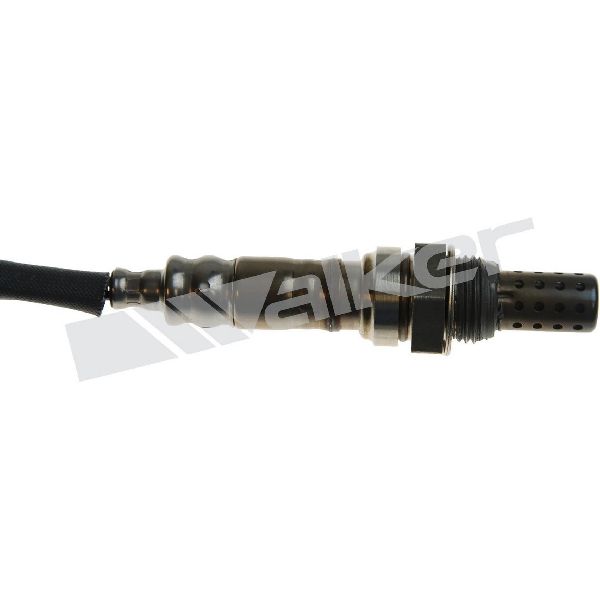
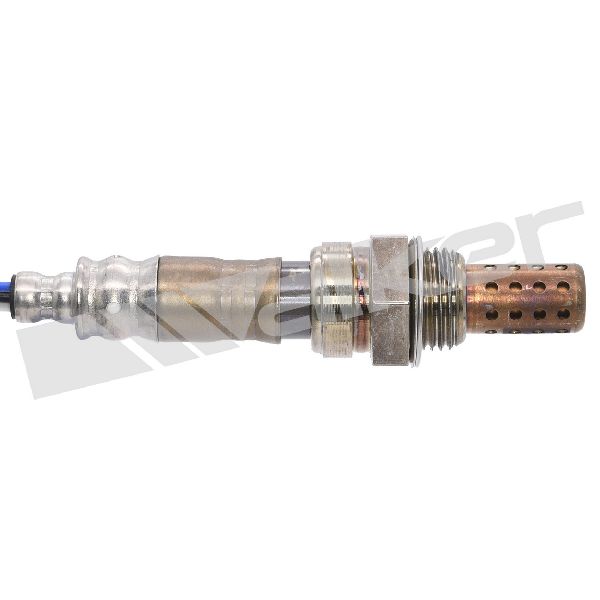
On a 2005-2009 Subaru Legacy with the 2.5L EJ253 engine, code P0131 is most often caused by a failed front oxygen (A/F) sensor or an exhaust leak before the sensor. Always inspect for exhaust leaks at the manifold gaskets before replacing the sensor. If replacing, use only an OEM or Denso (part #234-9123) sensor, which costs about $80-$160, as other brands are known to cause issues.
- On your 2005-2009 Legacy, P0131 is most likely an exhaust leak or a bad front A/F sensor.
- ALWAYS inspect for exhaust leaks at the manifolds before spending money on a new sensor.
- If you replace the sensor, ONLY use a Denso (OEM) or genuine Subaru part to avoid further issues.
- Driving with this code on will disable cruise control, hurt gas mileage, and can damage your catalytic converter over time.
What's Unique About the 2005-2009 Subaru Legacy
On this specific generation of Subaru Legacy with the EJ253 engine, P0131 is very frequently caused by an exhaust leak from a cracked exhaust manifold or, more commonly, a failed gasket between the cylinder head and the manifold. This allows unmetered outside air to enter the exhaust stream, fooling the A/F sensor into sending a false 'lean' signal (low voltage). Many owners mistakenly replace the sensor first, only for the code to return because the underlying exhaust leak was the real problem. Therefore, a thorough inspection for exhaust leaks is the critical first diagnostic step for this vehicle. Another common issue is the rotting of the ground straps that connect the exhaust manifold to the vehicle's frame, which can cause electrical issues for the sensor.
Symptoms You May Notice
- Check Engine Light is on
- Flashing cruise control light (a standard Subaru behavior with any CEL)
- Reduced fuel economy
- Rough or unstable idle
- Engine hesitation on acceleration
- A ticking or exhaust leak sound, especially when the engine is cold, that may quiet down as the metal expands with heat.
- Replacing the oxygen sensor without first checking for exhaust leaks. An exhaust leak will cause the new sensor to report the same low voltage, and the code will return, as documented by many owners in forums.
- Replacing the sensor with a non-Denso or non-OEM part, which is known to cause immediate or premature failure and repeat codes on this platform.
Most Likely Causes
- Failed Front Air/Fuel Ratio Sensor 🔴 High Probability → Shop Oxygen Sensor The front A/F sensor is a common wear item and typically fails after 100,000 miles. Using non-OEM or cheap aftermarket sensors (especially Bosch) is a known cause of repeat failures or incorrect readings on Subarus. Denso is the original equipment manufacturer.
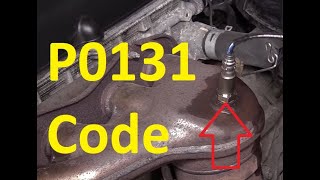
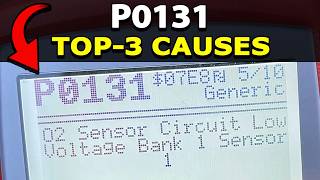
How to confirm: Use a scan tool to monitor live data for Bank 1, Sensor 1. If the voltage is stuck low (e.g., below 0.2V) and does not fluctuate during engine operation, 🎬 See how to diagnose and fix a P0131 engine code. the sensor is likely bad. You can also test the sensor's internal heater circuit for resistance; a reading of 2-4 ohms is typical for a good sensor, while a very high or open reading indicates a failed sensor.
Typical fix: Replace the front A/F ratio sensor. It is highly recommended to use a Denso-branded sensor (Part #234-9123 for 2006-2009 models) or a genuine Subaru part. The 2005 model year uses a different sensor.
Est. part cost: $80-$160 - Exhaust Leak (Upstream of Sensor) 🔴 High Probability The EJ25 engine family is known for developing leaks at the exhaust manifold gaskets where they meet the cylinder heads. The constant expansion and contraction can cause the gaskets to fail over time.
How to confirm: Visually inspect the exhaust manifolds and gaskets for black soot trails indicating a leak. Listen for a distinct ticking noise from the engine bay, which may be louder when the engine is cold and quiet down as it warms up. A shop can perform a smoke test to definitively pinpoint the leak's location.
Typical fix: Replace the leaking gasket or the cracked exhaust manifold section.
Est. part cost: $20-$200 - Damaged Wiring or Connector 🟡 Medium Probability
How to confirm: Visually inspect the wiring harness and connector for the front A/F sensor. Look for any signs of melting from contact with the exhaust, chafing against engine components, corrosion in the connector, or broken wires. Check for pushed-out pins inside the connector. A common failure point is the ground straps from the exhaust manifold to the frame, which can rot and break.
Typical fix: Repair the damaged section of the wiring harness or replace the connector pigtail. Replace rotted ground straps. 🎬 Watch: Why ground straps are critical for your exhaust sensors.
Est. part cost: $15-$50
Rare But Worth Checking
- Low Fuel Pressure: A failing fuel pump or clogged fuel filter can cause a genuinely lean condition, which the sensor will accurately report as low voltage. This is less common than a sensor or exhaust issue and would likely present other driveability symptoms.
- Intake Vacuum Leak: A significant vacuum leak after the MAF sensor can introduce unmetered air and cause a lean condition, sometimes triggering P0131 along with P0171 (System Too Lean).
- Blown Fuse: The A/F sensor's heater circuit is often protected by a fuse. If this fuse blows, the sensor may not heat up correctly, leading to incorrect voltage readings and triggering a code.
Diagnosis Steps
- Scan the ECM for any other stored trouble codes. Address other codes, especially heater circuit (P0031) or system lean (P0171) codes, first.
- Perform a thorough visual and auditory inspection for exhaust leaks between the cylinder head and the front A/F sensor. Listen for ticking noises when the engine is cold. Look for black soot around the manifold gaskets.
- Inspect the A/F sensor's wiring harness and connector for any signs of damage, melting, or corrosion. Ensure the connector is securely plugged in and check for a blown fuse for the heater circuit.
- Specifically inspect the braided ground straps that connect from the exhaust manifolds to the vehicle frame; these are known to rot and break, causing sensor circuit issues.
- Using a scan tool with live data capability, monitor the voltage for Bank 1, Sensor 1. A healthy, warm A/F sensor on this car should show voltage fluctuating around a central point (often 2.2V-3.3V depending on the scan tool's interpretation), not switching high-to-low like a narrowband sensor. A sensor stuck at a very low voltage (under 0.5V) or a lambda value stuck high (e.g., >1.2) indicates a problem.
- If no exhaust leaks are found and the wiring is intact, but the sensor data is abnormal, the front A/F sensor is the most likely cause and should be replaced.
- If the sensor and exhaust system are confirmed to be good, investigate other potential causes like low fuel pressure or vacuum leaks.
Parts You'll Likely Need
- Front Air/Fuel Ratio Sensor
(OEM #22641AA32A (for 06-09, verify by VIN))— This is the most common part to fail and cause a P0131 code, assuming no exhaust leaks are present.
Trusted brands: Denso (OEM supplier, #234-9123), NTK
OEM price range: $180-$250
Aftermarket price range: $80-$160 - Exhaust Manifold Gasket
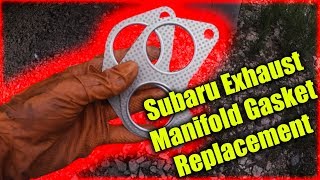
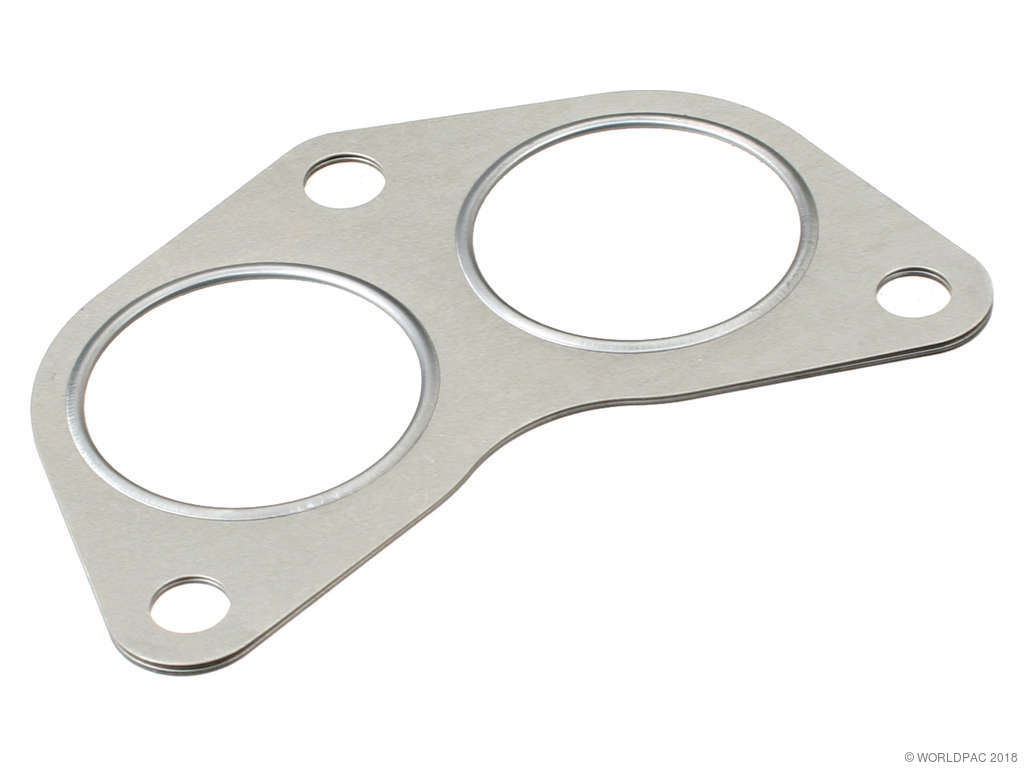
(OEM #14038AA000)— If an exhaust leak is found at the manifold-to-head connection, this gasket 🎬 Watch: Step-by-step guide to replacing your exhaust manifold gaskets. will need to be replaced. It is a very common failure point.
Trusted brands: Subaru (OEM), Fel-Pro
OEM price range: $10-$20
Aftermarket price range: $5-$15
Related Codes That Often Appear With This One
- P0171 — System Too Lean. This code is often caused by the exact same issues that trigger P0131, such as an exhaust leak or a vacuum leak, which create a true lean condition.
- P0420 — Catalyst System Efficiency Below Threshold. A faulty front A/F sensor provides incorrect data to the ECM about the air-fuel mixture, which can cause the engine to run improperly and lead to a false (or even a real) P0420 code. It's always recommended to resolve P0131 before addressing a P0420.
- P0031 — O2 Sensor Heater Control Circuit Low. This code points specifically to a failure in the sensor's internal heating element. If you see this code alongside P0131, it's a definitive confirmation that the A/F sensor assembly itself has failed and needs replacement.
Technical Service Bulletins (TSBs) & Recalls
- No TSBs were found that directly address the P0131 code for this specific vehicle and year range. A search for Subaru TSBs related to P0131 did not yield a specific document for the 2005-2009 Legacy.
Platform-Specific Known Issues
- Owner Experience: Code Returns After Sensor Replacement: A user on LegacyGT.com with a 2005 Outback (platform mate) reported getting a P0131 code at 58,000 miles. They replaced the front A/F sensor with a new Denso part for $120, but the code came back. Their mechanic confirmed the new sensor was working, but could not identify the root cause. This highlights the common pitfall of replacing the sensor when an underlying issue, like a small exhaust leak or wiring problem, is the true cause.
Mechanic-Grade Diagnostic Values
- Front A/F Sensor Heater Circuit Resistance — expected: 2 to 4 ohms when cold.. Failure: An open circuit (infinite resistance) or a value significantly outside the 2-4 ohm range indicates a failed heater element within the sensor.
- Front A/F Sensor Live Data (Subaru Select Monitor) — expected: A/F Sensor #1 Resistance should be around 32 Ω. A/F Sensor #1 Current should fluctuate around 0 mA (e.g., -0.2 to +0.2 mA) at idle. A/F sensor output lambda should be near 1.0 at idle.. Failure: A resistance value far from the specification or a current/lambda value that is fixed and unresponsive indicates a sensor or circuit fault.
- Front A/F Sensor Signal Voltage (Scan Tool) — expected: On many scan tools, the voltage will be interpreted to hover around 2.2V or 3.3V at idle.. Failure: A voltage stuck low (e.g., below 0.5V) indicates a fault condition triggering P0131.
Scan Tool Commands That Help
- Subaru Select Monitor (SSM) or equivalent professional scan tool: Current Data Display for Engine Control System — This function should be used to monitor live data parameters like 'A/F Sensor #1 Resistance', 'A/F Sensor #1 Current', and 'A/F Sensor #1 Lambda' to determine if the sensor is responding correctly to changing engine conditions.
Wiring & Ground Locations
- Exhaust Manifold Ground Straps — On both the driver and passenger sides, a braided ground strap connects from the exhaust manifold (or its heat shield) to the vehicle's frame rail in the engine bay.. These straps are critical for a stable ground reference for the A/F sensor. They are notoriously prone to rotting and breaking due to heat and environmental exposure. A broken strap can cause erratic or incorrect sensor readings, leading directly to a P0131 code even if the sensor itself is good.
- Main Engine Bay Ground — A key ground point is located on the front of the passenger-side strut tower, behind the main fuse box.. While not specific to the O2 sensor, a poor main engine ground can cause a variety of electrical issues, including sensor voltage problems. It should be inspected for corrosion and tightness as part of any electrical diagnosis.
Real Owner Repair Stories
- Reddit user in r/subaru (2006 Subaru Liberty (Australian equivalent of Legacy) with EZ30 engine) — P0131 code appeared immediately after a separate repair where intake hoses were removed and reinstalled.
❌ Tried (didn't work) Swapping the upstream and downstream O2 sensors (which are not interchangeable and did not resolve the code).
✅ What actually fixed it The user had installed non-OEM/Denso sensors to address a previous P0420 code. The advice given, and implied fix, was that cheap aftermarket sensors are a common cause of an immediate P0131 code on Subarus and that they must be replaced with OEM or Denso parts to resolve the issue. - LegacyGT.com forum user (2005 Legacy GT Wagon 5MT) — Not specified, but related to grounding issues.
✅ What actually fixed it The user discovered both of their exhaust manifold-to-frame ground straps had rotted through. The fix was to replace the broken straps. This is a common failure point noted by multiple users in the thread.
OEM Part Supersession History
22641AA140→22641AA280— Standard part update/revision.
Heads up: Part 22641AA280 is specified for the 2005 Legacy 2.5L non-turbo. It is NOT compatible with 2006-2009 models, which use a different part (like 22641AA32A for turbo models, and a different one for non-turbo). Using the wrong year's sensor will cause issues.
Model Year Variations Within This Range
- 2005: The 2005 model year uses a different front A/F sensor (OEM PN: 22641AA280) than the 2006-2009 models. The engines are both designated EJ253, but there were wiring and ECU differences between these years, making the sensors non-interchangeable.
- 2006-2009: Uses a different front A/F sensor than the 2005 model. The correct Denso part is typically #234-9123 for these years. The OEM part number cited in Pass 2 (22641AA32A) is for the 2.5L TURBO engine in these years, not the non-turbo EJ253. Verifying the correct part by VIN is critical.
Diagnostic Flowchart
Other Known Issues on This Vehicle
Issues unrelated to this code that are worth knowing about as an owner of this generation:
- External Head Gasket Leaks 🔴 High — Very common, typically occurs between 100,000 and 150,000 miles. The EJ253 uses a single-layer composite gasket prone to failure. The leak is usually external (oil or coolant weeping from between the cylinder head and block), unlike the more catastrophic internal leaks of the older EJ25D engine.
- Leaking Oil Pressure Switch 🟠 Medium — A common and often misdiagnosed oil leak. The switch, located near the oil filter, can leak oil which then drips onto the hot exhaust manifold, causing a burning oil smell. This is often mistaken for a more serious head gasket or valve cover gasket leak.
- Failing Catalytic Converter 🟠 Medium → Shop Catalytic Converter — The catalytic converters can become inefficient over time, triggering a P0420 code. This can sometimes be caused by a long-term unresolved issue with the front A/F sensor running the engine too rich or lean.
- Wheel Bearing Failure 🟠 Medium — Front and rear wheel bearings are a relatively common failure item, causing a humming or grinding noise that changes with vehicle speed.
Used vs. New Parts: Buying Guide for This Vehicle
When a used part is the smart pick: A used exhaust manifold from a junkyard can be a smart choice if yours is cracked, as it is a simple piece of cast iron. A used sensor wiring harness pigtail is also a good option if only your connector is damaged.
Donor-vehicle mileage cap: roughly under 80000 miles for the part to have meaningful remaining life.
What to inspect on the donor part:
- For an exhaust manifold, inspect thoroughly for hairline cracks, especially near the flanges and collector.
- Ensure the flange surfaces are not severely warped by checking with a straight edge.
- For a wiring pigtail, ensure the plastic isn't brittle and the locking tab is intact. Check for any corrosion on the pins.
OEM-only on this vehicle (don't cheap out):
- Front Air/Fuel Ratio Sensor: This is the most critical part to buy new from a specific brand. Using used or off-brand sensors is a well-documented cause of immediate P0131 or other running issues on this platform.
Aftermarket brands forum-validated for this vehicle:
- Denso (for the A/F Sensor - they are the Original Equipment Manufacturer)
- NTK (for the A/F Sensor)
- Fel-Pro (for exhaust gaskets)
Brands owners have reported issues with on this vehicle:
- Bosch (for sensors on this specific vehicle, as reported by owners)
- Unbranded or 'universal' oxygen sensors
Real Owner Stories
Aggregated from forums and TSBs cited above. Mileages and costs reflect what owners reported in those sources.
2005 Subaru Outback 2.5L — 58000 miles
Symptoms: Flashing CEL and cruise light, P0131 oxygen sensor low voltage code.
What fixed it: The owner replaced the sensor with a Denso part, but the code returned, suggesting an underlying issue like a small exhaust leak or wiring problem remained.
Cost: $120-$120
Source hint: LegacyGT.com
2005 Subaru Legacy GT
Symptoms: Audible leak from the passenger side manifold area.
What fixed it: Addressing the exhaust leak (classic symptom leading to A/F sensor codes).
Source hint: LegacyGT.com
Subaru Legacy/Outback 2.5L
Symptoms: P0131 code and failed attempts with other parts.
What fixed it: Replacing the front sensor with a specific Denso part.
Source hint: Legacy/Outback Forum (German)
Related OBD-II Codes
Frequently Asked Questions
Is there a specific Subaru TSB for P0131 on the 2005-2009 Legacy?
Which brand of replacement A/F sensor is recommended for the EJ253 engine?
Why is my cruise control light flashing along with the Check Engine Light?
Could a ticking sound when the engine is cold be related to my P0131 code?
Are there specific wiring issues I should check on my Legacy's exhaust system?
What should the voltage look like for a healthy Bank 1 Sensor 1 on this car?
Helpful Videos
We Have This Part in Stock


The information in this article is provided for general reference and educational purposes only. Vehicle specifications, procedures, and part compatibility can vary by production date, trim level, and region. Always consult your vehicle's factory service manual and verify part numbers before purchasing or performing repairs. Safety-critical components such as airbags, seat belts, and braking systems should be installed by a qualified professional.
- Subaru Legacy:
- 🧭 Diagnostic Flowchart
- 🎬 Helpful Videos
- 🛍️ Shop This Part
- What's Unique About the 2005-2009 Subaru Legacy
- Symptoms You May Notice
- Most Likely Causes
- Rare But Worth Checking
- Diagnosis Steps
- Parts You'll Likely Need
- Related Codes That Often Appear With This One
- Technical Service Bulletins (TSBs) & Recalls
- Platform-Specific Known Issues
- Mechanic-Grade Diagnostic Values
- Scan Tool Commands That Help
- Wiring & Ground Locations
- Real Owner Repair Stories
- OEM Part Supersession History
- Model Year Variations Within This Range
- Other Known Issues on This Vehicle
- Used vs. New Parts: Buying Guide for This Vehicle
- Real Owner Stories
- 2005 Subaru Outback 2.5L — 58000 miles
- 2005 Subaru Legacy GT
- Subaru Legacy/Outback 2.5L
- Related OBD-II Codes
- Frequently Asked Questions
- 🎟️ Get 5% Off