

P0131 on 2004-2009 Subaru Outback 2.5L: Exhaust Leak or Bad O2 Sensor?
P0131 on a 2.5L Subaru Outback is most often caused by either a cracked exhaust manifold/leaking gasket before the sensor, or a failed front oxygen (A/F) sensor. Always check for exhaust leaks before replacing the sensor. A quality Denso replacement sensor costs about $60-$150, and using OEM or Denso is strongly recommended by enthusiasts to avoid repeat failures.
- Before buying any parts, thoroughly inspect for exhaust leaks between the engine and the front O2 sensor. This is a very common cause of P0131 on these Subarus.
- If you must replace the sensor, use a high-quality brand like Denso (the OEM supplier) or NTK. Avoid generic or Bosch sensors, as they are known to cause issues.
- The vehicle range spans two generations (2004 and 2005-2009), so double-check you are buying the correct part number for your specific year.
- Symptoms like a louder engine noise, especially when cold, strongly point towards an exhaust leak rather than a sensor failure.
What's Unique About the 2004-2009 Subaru Outback
On this specific generation of Subaru Outback with the EJ25 engine, the P0131 code is very frequently caused by an exhaust leak from a cracked exhaust manifold or a failed gasket between the engine and the sensor. This allows outside air to enter the exhaust stream, fooling the sensor into sending a false 'lean' signal (low voltage). Many owners mistakenly replace the oxygen sensor first, only for the code to return because the underlying exhaust leak was the real problem. Therefore, a thorough inspection for exhaust leaks is the critical first diagnostic step for this vehicle. The issue is common enough that temporary fixes using exhaust putty or wraps are sometimes used.
Generation note: This range covers two Outback generations: the 2nd Gen (2004 model year) and the 3rd Gen (2005-2009), both primarily using versions of the EJ25 2.5L engine. While the causes are similar, the exact OEM part number for the front oxygen sensor may differ. Always verify the part number with your vehicle's specific year and VIN before purchasing. For example, the sensor for a 2005 model may differ from a 2007.
Symptoms You May Notice
- Check Engine Light is on
- Flashing cruise control light (a common Subaru trait when the Check Engine Light is on)
- Reduced fuel economy
- Rough or unstable idle
- Engine hesitation or stumbling during acceleration
- Audible ticking or hissing sound from the engine bay, especially when cold (indicates an exhaust leak)
- Smell of exhaust fumes in the cabin or engine bay
- Replacing the front oxygen sensor without first checking for exhaust leaks. This is the most common mistake on this platform, leading to the code returning and wasted money.
- Using a cheap, generic, or incorrect brand (e.g., Bosch) of oxygen sensor. Subarus of this era are notoriously sensitive to the brand of A/F sensor, and using anything other than OEM or Denso often results in immediate or premature failure.
Most Likely Causes
- Exhaust Leak (Manifold or Gasket) 🔴 High Probability Subaru's boxer engine design and the materials of the exhaust manifold from this era are known to develop cracks or gasket leaks over time, especially at the flanges where the manifold bolts to the cylinder head or where the y-pipe connects.
How to confirm: Visually inspect the exhaust manifold and all gasketed connections for black soot trails or visible cracks. A common method is to start the engine when it is cold and listen for a distinct ticking or puffing sound that may quiet down as the metal heats up and expands. A smoke machine can also be used to pressurize the exhaust and reveal leaks. Some owners use a shop-vac in reverse (blower mode) connected to the tailpipe to force air through the system, making leaks easier to feel by hand.
Typical fix: Replace the cracked exhaust manifold or the leaking gaskets. This may involve new gaskets, bolts, and potentially replacing the manifold itself. For minor leaks, some have used high-temperature exhaust putty or wraps as a temporary solution.
Est. part cost: $20-$50 for gaskets, $150-$400 for an aftermarket manifold. - Failed Front Air/Fuel (Oxygen) Sensor 🔴 High Probability Oxygen sensors are consumable parts that degrade over time, typically lasting 80,000-100,000 miles. It is the most commonly replaced part for this code after leaks are ruled out. Using non-OEM or non-Denso brands is a frequent cause of repeat failures.
How to confirm: After confirming there are no exhaust leaks, use a scan tool to monitor live data for 'Bank 1 Sensor 1'. If the voltage is stuck below 0.2V and does not fluctuate rapidly, the sensor is likely bad. You can also test the sensor's internal heater circuit with a multimeter set to ohms; a good heater should have a resistance between 5-20 ohms, while an open circuit (infinite resistance) indicates failure.
Typical fix: Replace the front (upstream) oxygen sensor. An O2 sensor socket (often 22mm or 7/8") is highly recommended for removal. 🎬 Watch: Pro tips for removing a stuck Subaru O2 sensor Applying penetrating oil and warming the engine slightly can help loosen a stuck sensor.
Est. part cost: $60-$150 for a quality Denso/NTK part. - Damaged Wiring or Connector 🟡 Medium Probability The sensor wiring is close to hot exhaust components and can become brittle, melted, or frayed. Rodents are also known to chew on these wires, causing an open or short in the circuit.
How to confirm: Visually inspect the entire wiring harness from the O2 sensor to where it connects to the main engine harness near the passenger-side strut tower. Look for melted plastic, frayed wires, or corrosion in the connector pins. Check for continuity on the signal and heater circuit wires using a multimeter.
Typical fix: Repair the damaged section of wire or replace the connector pigtail. In severe cases, the sensor itself may need to be replaced if the damage is integral to the sensor's own wiring.
Est. part cost: $5-$30 for wiring repair supplies. - Engine Vacuum Leak ⚪ Low Probability Aging rubber vacuum hoses and intake gaskets can crack and leak, creating a true lean condition that the O2 sensor correctly reports. This can be a source of confusion if not properly diagnosed.
How to confirm: Listen for a hissing sound at idle. A smoke test on the intake system is the most effective way to find a vacuum leak. You can also carefully spray brake cleaner or a propane torch (unlit) around vacuum lines and listen for a change in engine idle, but this should be done with extreme caution.
Typical fix: Replace the leaking vacuum hose or intake gasket.
Est. part cost: $10-$100
Rare But Worth Checking
- Low Fuel Pressure: A failing fuel pump or clogged fuel filter can starve the engine of fuel, creating a lean condition that triggers P0131. This would typically be accompanied by other symptoms like difficulty starting or loss of power under load.
- Faulty Powertrain Control Module (PCM): This is extremely rare. The PCM itself can fail, but all other potential causes should be exhaustively ruled out before considering PCM replacement.
- Blown A/F Sensor Fuse or Relay: The oxygen sensor's heater circuit is powered by a fuse and sometimes a relay. If this fuse blows, the sensor cannot heat up to its proper operating temperature, which can lead to low voltage readings and trigger a P0131 code, often accompanied by a heater circuit code like P0031.
Diagnosis Steps
- Read the code with an OBD-II scanner. Note any other codes present, such as P0171 or P0031, as they provide valuable clues.
- Start the engine from cold and listen carefully for any ticking or puffing sounds from the exhaust manifolds. This is a strong sign of a gasket leak.
- Visually inspect the exhaust manifolds, gaskets, and the pipe leading to the front O2 sensor for cracks or black soot marks indicating a leak.
- If no obvious leaks are found, inspect the O2 sensor wiring harness for any signs of melting, chafing, rodent damage, or corrosion at the connector.
- Use a scan tool to observe the live data for 'B1S1 O2 Sensor Voltage'. If it is stuck below 0.2V and does not fluctuate, it points towards a bad sensor or a significant leak.
- If you have access to a smoke machine, perform a smoke test on the exhaust system (with the engine off) to definitively identify any leaks.
- Test the sensor's heater circuit. Disconnect the sensor and use a multimeter to measure resistance between the two heater wires (often the same color). A reading between 5-20 ohms is typical; infinite resistance means the heater is broken.
- If all leaks and wiring issues have been ruled out, the front A/F sensor is the primary suspect and should be replaced with a Denso or OEM part.
- After the repair, clear the codes and perform a test drive to ensure the issue is resolved.
Parts You'll Likely Need
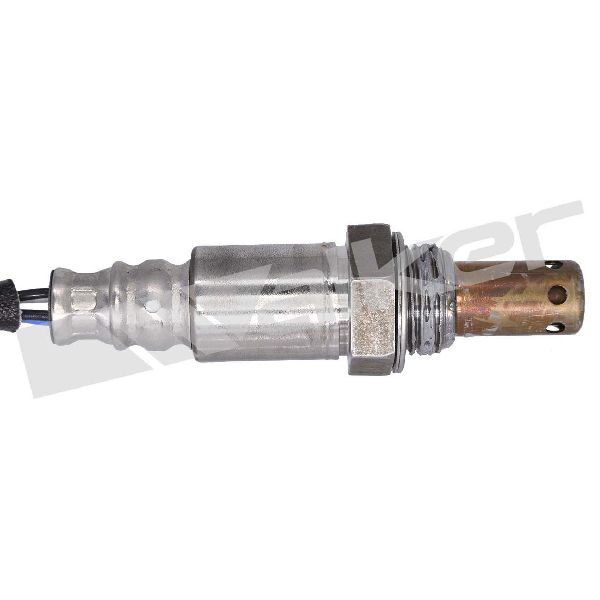
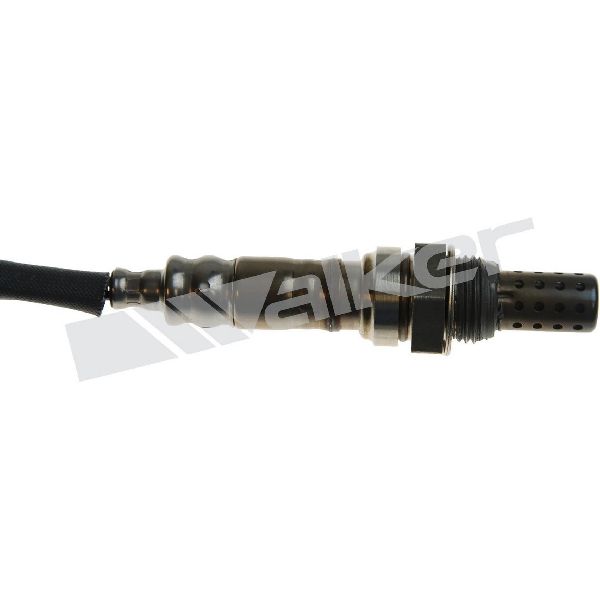
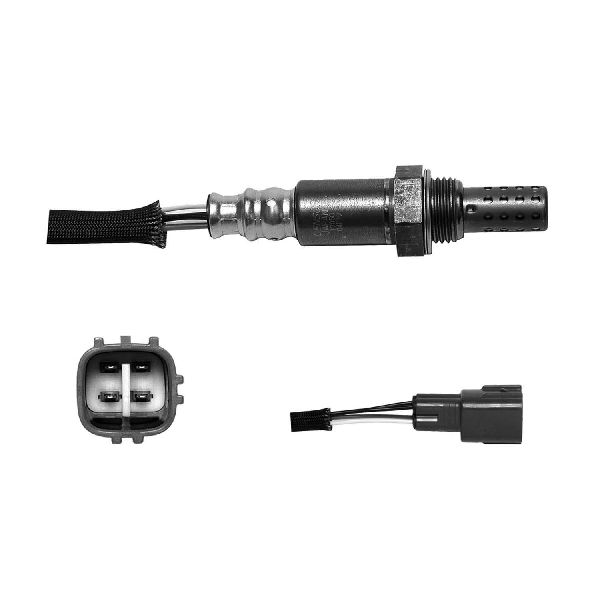
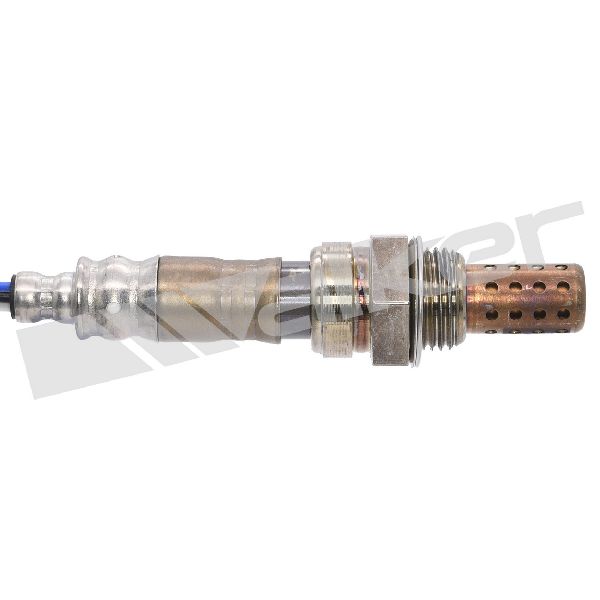
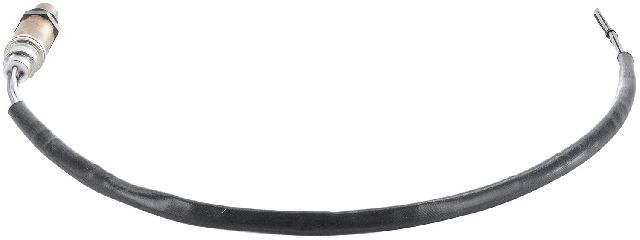
- Front Air/Fuel Ratio Sensor (Upstream Oxygen Sensor)
(OEM #22641AA32A (2006-2009 N/A), 22690AA53B (2004 N/A Auto), 22641AA272 (2005 N/A). Denso aftermarket equivalent for 22641AA32A is often 234-9120. Part numbers vary significantly by year and transmission, so VIN verification is essential.)
Related Codes That Often Appear With This One
- P0171 — System Too Lean (Bank 1). This code indicates the engine is running lean. P0131 can cause P0171, or a vacuum/exhaust leak can cause both codes to appear simultaneously.
- P0420 — Catalyst System Efficiency Below Threshold (Bank 1). While often indicating a bad catalytic converter, a faulty front O2 sensor providing incorrect data can also trigger this code. It's common for owners to have both codes appear.
- P0031 — O2 Sensor Heater Control Circuit Low (Bank 1, Sensor 1). This code points to a problem with the sensor's internal heater. Since a cold sensor can't produce proper voltage, it's very common to see P0031 and P0131 together, strongly indicating a failed sensor unit.
Technical Service Bulletins (TSBs) & Recalls
- While no TSB was found specifically for P0131 on this model range, Subaru has issued TSBs for later models (e.g., 09-115-24 for 2017+ vehicles) regarding updated oxygen sensor designs to prevent internal cracking and short circuits that cause similar codes (P0137, P0138, etc.). This highlights the sensitivity and evolution of these components.
Platform-Specific Known Issues
- Code Persists After Sensor Replacement: A common complaint on forums is replacing the front O2 sensor only to have the P0131 code return. In almost all cases, this is due to an un-diagnosed exhaust leak upstream of the sensor, a wiring issue, or the use of an incompatible off-brand sensor.
- Accessing the Sensor: On the 2.5L engine, the front A/F sensor is located on the passenger side of the exhaust manifold. Access can be tight. Some owners find it easier to access from underneath after removing the plastic splash shield, while others work from above. Removing the passenger-side front wheel can also improve access.
Mechanic-Grade Diagnostic Values
- Front Air/Fuel (A/F) Sensor Voltage at Idle — expected: 2.2V to 2.7V. Failure: A voltage stuck low (below 2.0V) or high, or not responding to changes in engine load. Note: This is an A/F sensor, not a traditional O2 sensor, so it does not fluctuate between 0.1V-0.9V.
- Short-Term Fuel Trim (STFT) at Idle — expected: Between -10% and +10%. Failure: A consistently high positive value (e.g., > +15%) indicates the ECU is adding a large amount of fuel to compensate for a perceived lean condition, which P0131 can cause.
- Long-Term Fuel Trim (LTFT) at Idle — expected: Close to 0%. Failure: A high positive value that has 'learned' from STFT indicates a persistent lean problem that the ECU has been compensating for over time.
- A/F Sensor Heater Circuit Resistance — expected: Typically 2-4 ohms when cold.. Failure: Infinite resistance (open circuit) or zero resistance (short circuit) indicates a failed heater, which will prevent the sensor from reaching operating temperature and can cause low voltage readings.
Wiring & Ground Locations
- Main Engine Ground Points — The primary ECU grounds are located on top of the intake manifold, bolted directly to it. Another critical ground strap runs from the engine block (often near the starter) to the chassis/frame.. The ECU receives its ground reference from the intake manifold. A poor ground here can cause erratic sensor readings, including a false low voltage from the A/F sensor. Corrosion on these grounds is common and cleaning them is a key diagnostic step for unexplained electrical issues.
- Front A/F Sensor Connector (E22) — On the 2.5L engine, the connector for the front A/F sensor is typically located near the passenger side strut tower, to the left of the upper radiator hose, clipped to a bracket.. This is the primary point for testing the sensor's wiring harness for continuity, shorts, or checking for voltage from the ECU without having to access the sensor itself. The pins can sometimes back out of the connector, causing a poor connection.
- A/F Sensor Harness Pinout (Example) — On a 2003 Legacy harness connector (similar to Outback), wire colors were: Yellow/Red (12V heater power), Green (heater ground), White (sensor bias voltage), and Red (sensor bias voltage). Pinouts can vary by year, so verifying with a model-specific diagram is crucial.. Knowing the pinout allows a technician to test for correct power and ground to the sensor's heater circuit and to check the bias voltage from the ECU on the signal wires, helping to differentiate a sensor failure from a wiring or ECU issue.
Real Owner Repair Stories
- Reddit user in r/MechanicAdvice (2006 Subaru Liberty (Outback equivalent) with EZ30 engine) — P0131 code appeared immediately after replacing all O2 sensors to address a P0420 code.
❌ Tried (didn't work) Swapping the upstream and downstream sensors (which are not interchangeable).
✅ What actually fixed it The user was advised that using non-OEM or non-Denso sensors is a very common cause of immediate P0131 codes on Subarus. The final fix was implied to be replacing the cheap sensors with proper Denso or OEM parts and checking the wiring harness for pushed-out pins from the recent installation.
OEM Part Supersession History
Varies by year→Varies by year— Standard part evolution and supplier changes.
Heads up: Subarus of this era are extremely sensitive to the brand of front A/F sensor. Using brands other than OEM (Subaru) or the original supplier (Denso/NTK) frequently leads to immediate or premature failure, even if the part is listed as compatible. For example, a Denso 234-9120 is often the correct aftermarket part for OEM 22641AA32A.
Model Year Variations Within This Range
- 2004 vs 2005-2009: The 2004 model year was the last of the 2nd generation Outback, while 2005-2009 was the 3rd generation. While both used a 2.5L EJ-series engine, there were wiring and component differences. The front A/F sensor part number is different for 2004 (e.g., 22690AA53B) versus 2005 (22641AA272) and 2006-2009 (22641AA32A). Always confirm with VIN.
- General EJ25 variations: The ECU grounding points on the intake manifold can be affected by modifications like phenolic spacers (TGV deletes). These spacers can isolate the upper manifold from its ground path through the engine block, leading to bizarre electrical issues, including A/F sensor codes, if a supplementary ground wire is not added.
Diagnostic Flowchart
Real Owner Stories
Aggregated from forums and TSBs cited above. Mileages and costs reflect what owners reported in those sources.
2005 Subaru Outback
Symptoms: Replaced the front O2 sensor with a Denso part, but the P0131 code returned shortly after.
What fixed it: The forum advised that sensor replacement isn't always the final fix and recommended diagnosing beyond the sensor by checking wiring connections and looking for vacuum leaks.
Source hint: LegacyGT.com - 'P031 sensor code?'
2005 Subaru Impreza 2.5L
Symptoms: Triggered a P0131 code on the EJ25 engine.
What fixed it: Replaced the front O2 sensor. The owner noted that warming the exhaust first and using a 7/8" box end wrench made removing the sensor from the passenger side much easier.
Source hint: Ultimate Subaru Message Board
Related OBD-II Codes
Frequently Asked Questions
Why is my cruise control light flashing along with the Check Engine Light for P0131?
I replaced the front oxygen sensor on my 2.5L Outback, but the P0131 code came back. What else could it be?
Are Bosch oxygen sensors okay to use in my 2004-2009 Outback?
Where is the front A/F sensor located on the 2.5L engine, and how do I access it?
Is there a specific TSB for the P0131 code on the 2004-2009 Outback?
How can I tell if an exhaust leak is causing my P0131 code instead of a bad sensor?
Helpful Videos

We Have This Part in Stock


The information in this article is provided for general reference and educational purposes only. Vehicle specifications, procedures, and part compatibility can vary by production date, trim level, and region. Always consult your vehicle's factory service manual and verify part numbers before purchasing or performing repairs. Safety-critical components such as airbags, seat belts, and braking systems should be installed by a qualified professional.
- Subaru Outback:
- 🧭 Diagnostic Flowchart
- 🎬 Helpful Videos
- 🛍️ Shop This Part
- What's Unique About the 2004-2009 Subaru Outback
- Symptoms You May Notice
- Most Likely Causes
- Rare But Worth Checking
- Diagnosis Steps
- Parts You'll Likely Need
- Related Codes That Often Appear With This One
- Technical Service Bulletins (TSBs) & Recalls
- Platform-Specific Known Issues
- Mechanic-Grade Diagnostic Values
- Wiring & Ground Locations
- Real Owner Repair Stories
- OEM Part Supersession History
- Model Year Variations Within This Range
- Real Owner Stories
- 2005 Subaru Outback
- 2005 Subaru Impreza 2.5L
- Related OBD-II Codes
- Frequently Asked Questions
- 🎟️ Get 5% Off