

P0131 on 2000-2004 Volvo S40 1.9T: O2 Sensor Low Voltage Causes and Fixes
On the 2000-2004 Volvo S40, code P0131 is most often caused by the plastic engine cover rubbing through the front O2 sensor's wiring harness. Before replacing the sensor, inspect the wiring for damage, specifically a severed yellow wire with a red stripe. If the wiring is intact, the sensor itself has likely failed.
- Before buying any parts, remove the engine cover and inspect the front O2 sensor's wiring harness for damage. This is the most likely cause of P0131 on this specific car.
- If the wiring is fine, the next most likely cause is a failed front O2 sensor. Use a quality brand like Bosch for replacement.
- This code is often accompanied by P0171 (System Too Lean). If you have both codes, the likelihood of a vacuum leak or a dirty MAF sensor increases.
- Do not immediately assume the O2 sensor is bad. A proper diagnosis that checks the wiring and for vacuum/intake leaks will save you time and money.
What's Unique About the 2000-2004 Volvo S40
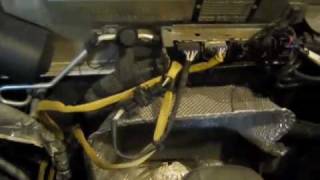
The first-generation Volvo S40 has a well-documented, specific vulnerability for this code. The wiring harness for the front oxygen sensor is routed in a way that the decorative plastic engine cover can rub against it over time. This chafing can sever the sensor's signal wire (a yellow wire with a red stripe), causing a complete loss of signal to the ECM, which reads as 0.00 volts and immediately triggers the P0131 code. 🎬 Watch this guide to diagnosing O2 sensor circuit low voltage. Many owners mistakenly replace the O2 sensor when the actual problem is this simple, repairable wiring fault. One owner on volvoXC.com confirmed that after finding the severed wire, a simple repair and trimming the edge of the cover resolved the issue permanently.
Symptoms You May Notice
- Check Engine Light is on
- Reduced fuel economy
- Rough or unstable idle
- Engine hesitation or stumbling on acceleration
- Strong, rotten egg smell from the exhaust due to an overly rich mixture commanded by the ECM in a failed attempt to compensate
- Stalling, particularly when the engine is hot
- Replacing the oxygen sensor without first inspecting the wiring harness for chafing caused by the engine cover.
- Replacing the oxygen sensor when the true cause is a vacuum leak or a contaminated MAF sensor.
- Replacing the wrong O2 sensor (Sensor 2, downstream) instead of the correct one (Sensor 1, upstream/front).
Most Likely Causes
- Chafed/Severed O2 Sensor Wiring Harness 🔴 High Probability → Shop Oxygen Sensor The routing of the harness under the plastic engine cover creates a friction point. Over time, engine vibration causes the cover to rub through the wire's insulation, leading to a short or a complete break.
How to confirm: Remove the plastic engine cover. Carefully inspect the entire length of the front O2 sensor's wiring harness, paying close attention to the area where the cover makes contact. Look for a severed yellow wire with a red stripe. A live data scanner may show 0.00 volts from the sensor, indicating a complete signal loss.
Typical fix: Repair the broken wire(s) using a butt connector or by soldering and sealing with heat-shrink tubing. Trim or modify the edge of the engine cover to prevent it from rubbing in the same spot again.
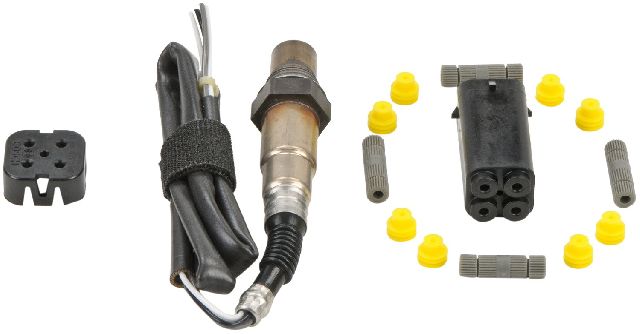
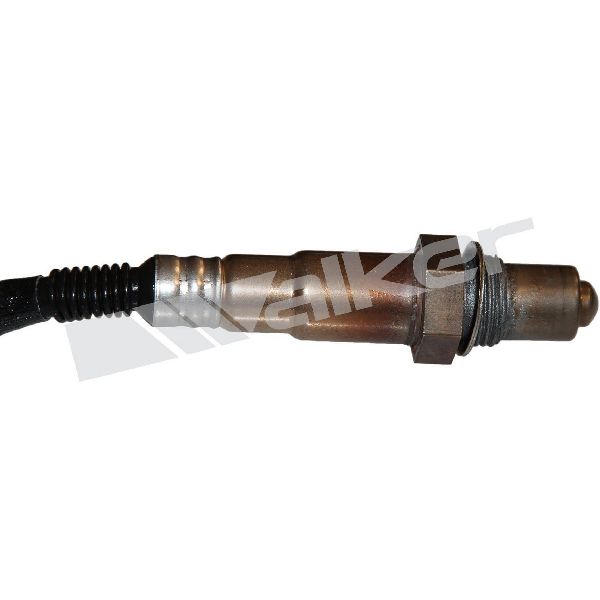
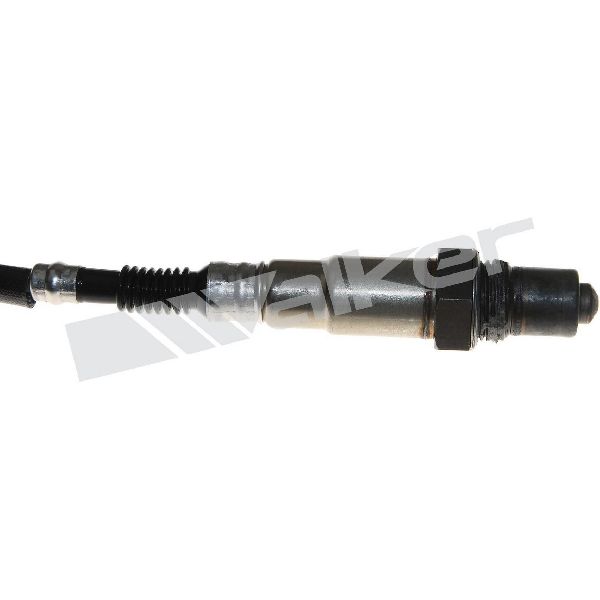
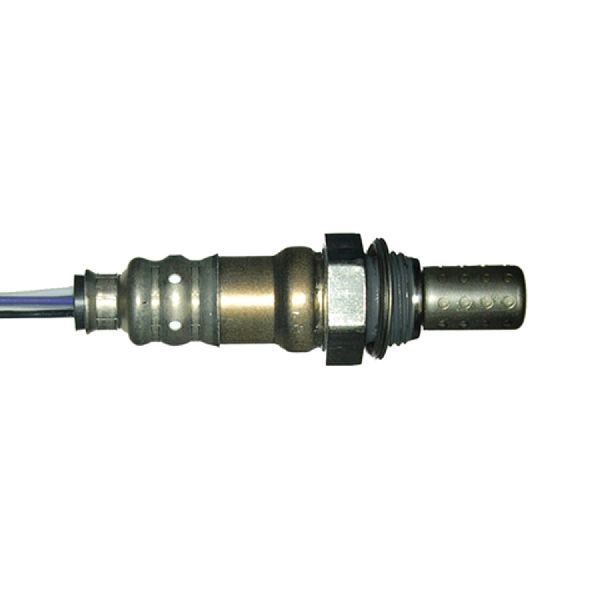
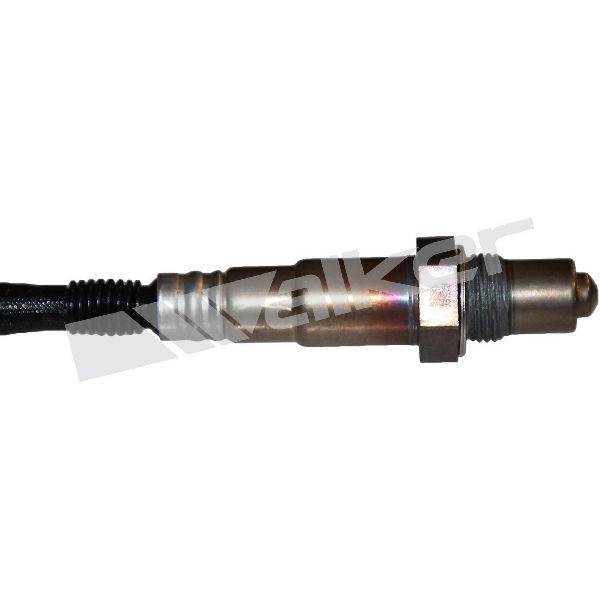
Est. part cost: $1-$10 - Failed Front (Upstream) Oxygen Sensor 🔴 High Probability → Shop Oxygen Sensor Oxygen sensors are wear items and typically have a finite lifespan. Contamination from oil, carbon, or coolant can cause them to fail and read incorrectly.
How to confirm: After confirming the wiring is intact, use an OBD-II scanner with live data to monitor the Bank 1 Sensor 1 voltage. If the voltage is stuck low (e.g., below 0.2V) and doesn't fluctuate with engine RPM changes, the sensor is likely bad.
Typical fix: Replace the front oxygen sensor. 🎬 See this walkthrough for replacing the front oxygen sensor. An O2 sensor socket is recommended for removal and installation. One owner on VolvoForums.com replaced the sensor with an OEM Bosch part to resolve the code after verifying wiring was intact.
Est. part cost: $60-$150 - Vacuum Leak 🟡 Medium Probability With age, rubber vacuum hoses can become brittle, crack, or split, allowing unmetered air into the engine and creating a lean condition. Common leak points include injector seals, the fuel pressure regulator vacuum line, and other hoses connected to the intake manifold.
How to confirm: Visually inspect all vacuum lines for cracks. A more effective method is to have a smoke test performed, which will reveal the location of any leaks in the intake system. Some owners also report success by carefully spraying starter fluid or water around suspected leak points while listening for a change in engine idle.
Typical fix: Replace the cracked or broken vacuum hose(s).
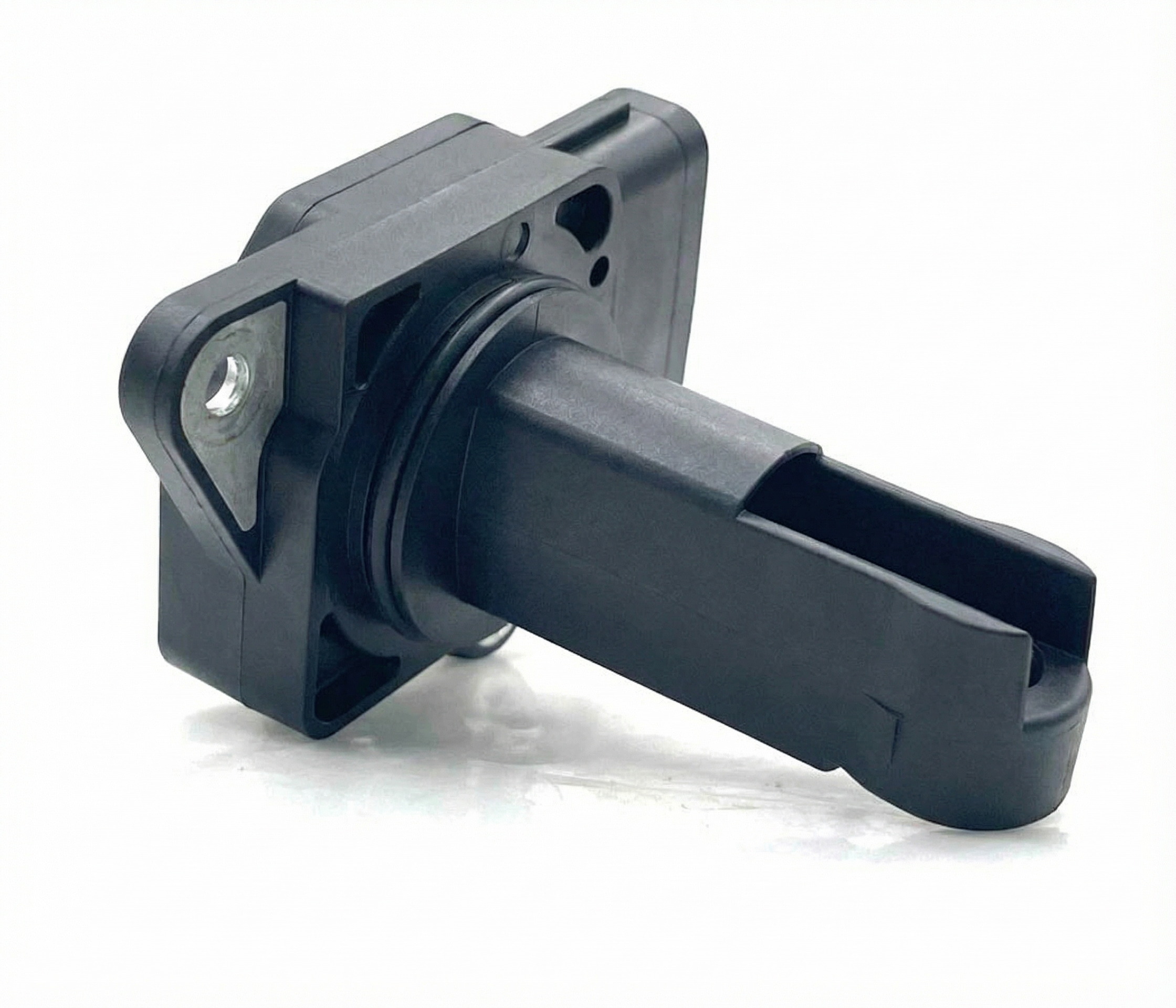
Est. part cost: $5-$30 - Dirty or Faulty Mass Airflow (MAF) Sensor ⚪ Low Probability → Shop Fuel Injection Air Flow Meter Oiled aftermarket air filters (like K&N) can deposit a thin layer of oil on the MAF sensor's hot wire, causing it to under-report the amount of air entering the engine. This leads the ECM to inject too little fuel, creating a lean condition.
How to confirm: Inspect the MAF sensor element. If it appears dirty or oily, it needs cleaning. This is a very common cause if the P0131 code appears with a P0171 code. A user on CarTalk forums confirmed cleaning the MAF resolved their P0131 and P0171 codes after using a K&N filter.
Typical fix: Clean the MAF sensor element using only dedicated MAF sensor cleaner spray. Do not touch the sensor element. If cleaning doesn't resolve the issue, the sensor may need to be replaced.
Est. part cost: $10-$15 for cleaner
Rare But Worth Checking
- Low Fuel Pressure: A failing fuel pressure regulator or fuel pump can cause a lean condition that triggers P0131. These S40 models have known issues with the fuel pressure regulator leading to hard starts. Check fuel pressure with a gauge if other causes are ruled out.
- Exhaust Leak: A crack in the exhaust manifold or a leak in the exhaust pipe before the O2 sensor can allow outside air to enter the exhaust stream, causing the sensor to read a false lean condition. Check for audible ticking noises on a cold start or use a smoke machine on the exhaust.
Diagnosis Steps
- Read the trouble codes with an OBD-II scanner.
- Remove the plastic engine cover and meticulously inspect the front O2 sensor wiring harness for any signs of rubbing, chafing, or broken wires, particularly where the cover makes contact. The signal wire is typically yellow with a red stripe.
- If wiring is damaged, repair it, clear the codes, and test drive. Consider trimming the plastic cover to create clearance.
- If wiring is intact, inspect all vacuum hoses connected to the intake manifold for cracks, splits, or loose connections. Pay attention to the small lines for the fuel pressure regulator and turbo control valve.
- Inspect the air intake tube between the MAF sensor and the throttle body for cracks or leaks.
- If an oiled air filter is used, remove and clean the MAF sensor with dedicated MAF cleaner.
- Check for exhaust leaks between the engine and the front O2 sensor. Listen for ticking noises on a cold start.
- Using a scanner with live data, observe the voltage for Bank 1 Sensor 1. It should fluctuate rapidly between approximately 0.1V and 0.9V on a warm, running engine. If it is stuck low (e.g., <0.2V), it confirms the low voltage condition.
- If all other possibilities are exhausted, replace the front (upstream) O2 sensor. An OEM-quality sensor (e.g., Bosch, Denso) is recommended.
Parts You'll Likely Need
- Front (Upstream) Oxygen Sensor
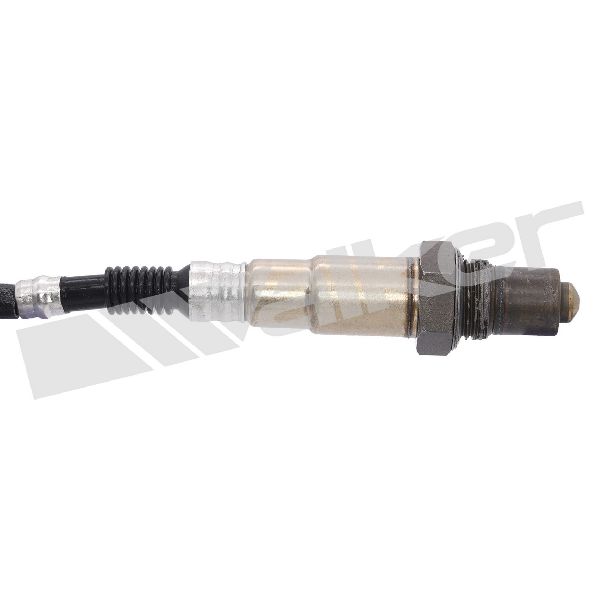
(OEM #Volvo 8670276 (check fitment by VIN))— This is the sensor that measures the air-fuel ratio for the ECM. It is a common wear item and the primary part associated with code P0131 if the wiring is intact.
Trusted brands: Bosch (OEM), Denso
OEM price range: $120-$180
Aftermarket price range: $60-$120 - MAF Sensor Cleaner — If a contaminated MAF sensor is causing a lean condition, cleaning it is a cheap and effective diagnostic and repair step.
Trusted brands: CRC, WD-40 Specialist
Aftermarket price range: $10-$15 - Butt Connectors / Solder and Heat Shrink — Needed to repair the commonly chafed wiring harness from the engine cover.
Trusted brands: 3M
Aftermarket price range: $5-$15
Related Codes That Often Appear With This One
- P0171 — System Too Lean. This code is frequently paired with P0131 because they both point to the same underlying issue: too much air or not enough fuel. Causes like vacuum leaks, MAF sensor issues, or low fuel pressure will often trigger both codes.
- P0420 — Catalyst System Efficiency Below Threshold. A faulty front O2 sensor provides incorrect data to the ECM about the air-fuel mixture, which can lead the computer to misjudge the performance of the catalytic converter, triggering P0420.
- P0102 — Mass or Volume Air Flow Circuit Low Input. This may appear with P0131 if the MAF sensor is faulty or its wiring is compromised, as seen in a forum post where a brake fluid spill damaged multiple sensor connectors.
Platform-Specific Known Issues
- The wiring harness for the front O2 sensor is prone to being damaged by the edge of the plastic engine cover, causing a short or open circuit that triggers P0131. This should always be the first thing you check.
Mechanic-Grade Diagnostic Values
- Fuel Pressure at Idle — expected: ~28 PSI (approx. 1.9 Bar). Failure: Significantly lower pressure indicates a potential fuel delivery issue (pump, filter, regulator).
- Fuel Pressure when Revved — expected: Jumps to ~45 PSI (approx. 3.1 Bar). Failure: Pressure not increasing under load points to a faulty fuel pressure regulator or weak pump.
- Mass Airflow (MAF) Sensor at Idle — expected: ~2.5 g/s (grams per second) on a fully warm engine. Failure: Readings significantly higher or lower can indicate a dirty or faulty MAF sensor, contributing to incorrect fuel trims.
- O2 Sensor Signal Voltage (Live Data) — expected: Fluctuating rapidly between ~0.1V and ~0.9V. Failure: Stuck below 0.15V - 0.2V, or at 0.00V. A reading of 0.00V strongly suggests a wiring issue like an open circuit.
Hidden / Shadow Codes Worth Checking
- ECM-2120: Front heated oxygen sensor (HO2S) - Signal too low / Signal missing. This is the Volvo-specific equivalent of the generic P0131 code. (see via Volvo's diagnostic software (VIDA) or a compatible advanced scan tool will display this code.)
Wiring & Ground Locations
- Front O2 Sensor Signal Wire — In the harness running over the valve cover, under the plastic engine cover.. This specific wire, often yellow with a red stripe, is the one that carries the voltage signal from the O2 sensor to the ECM. It is notoriously prone to being severed by the engine cover, causing a 0.00V reading and a P0131 code.
- Engine Bay Ground Points — On the inner fender next to the headlights on both the driver and passenger sides. Additional grounds are located on the strut towers.. A poor ground connection for the engine sensor harness can introduce resistance or voltage drops, potentially causing the ECM to see a lower-than-actual voltage from the O2 sensor, triggering a P0131 code.
Real Owner Repair Stories
- VolvoForums.com user (2001 Volvo S40) — Check Engine Light with codes P0131 and P0130 after self-installing a new O2 sensor.
❌ Tried (didn't work) Replacing the front O2 sensor with a new OEM Bosch part., Clearing the codes (they returned)., Temporarily removing a 12-inch wiring adapter harness that was present on the original sensor.
✅ What actually fixed it The issue was related to a factory-installed 12-inch 'swap harness' or adapter on the O2 sensor connector. The user had removed it, causing the code, and then reinstalled it with the new sensor, but the codes persisted. The underlying issue was likely the need to reset the adaptive fuel trims with a capable scanner after the sensor replacement, as the ECM had adapted to a faulty sensor signal.
"I Checked Everything" — The Actual Cause
- In one documented case for a similar lean code (P0171), a smoke test for vacuum leaks came back negative. The owner noted fuel pressure was low at idle (~28 psi). The most likely cause in such a scenario, after ruling out vacuum leaks, becomes a fuel delivery problem, such as a clogged fuel filter or a failing fuel pressure regulator, which would not be found by a smoke test.
Model Year Variations Within This Range
- 2001 (and potentially others): Some vehicles may have a factory-installed 12-inch adapter harness (a 'swap harness') between the main engine harness and the O2 sensor connector. This was apparently a factory solution to a wiring pinout mismatch. If replacing the sensor, this adapter must be retained and used with the new sensor.
Diagnostic Flowchart
Other Known Issues on This Vehicle
Issues unrelated to this code that are worth knowing about as an owner of this generation:
- Variable Valve Timing (VVT) Solenoid/Gear Failure 🟠 Medium — Common as the vehicle ages, often presenting after 100,000 miles. Can be caused by sludged oil or simple wear.
- Worn Engine Mounts 🟠 Medium — The front, right-side (passenger side in LHD) engine mount is fluid-filled and prone to collapsing, causing excessive vibration at idle and clunking noises.
- Leaking Fuel Pressure Regulator 🟡 Low → Shop Fuel Injection Pressure Regulator — A known issue that can cause hard starting conditions, especially when the engine is warm, and hesitation.
- Automatic Transmission Shift Issues 🔴 High — While more prevalent on the second-generation S40, the first generation can also suffer from hard shifting, slipping, or failure to engage gears, which may be related to solenoids, the valve body, or internal wear.
- Leaking Turbo Oil Return Line Seal 🟠 Medium — The seal at the base of the turbo oil return pipe can degrade and cause significant oil leaks onto the subframe.
Used vs. New Parts: Buying Guide for This Vehicle
When a used part is the smart pick: For this specific repair, used parts are generally not recommended for the core components. However, if the plastic engine cover (the part that causes the chafing) is missing or broken, a used one from a salvage yard is a perfectly acceptable and cost-effective replacement.
Donor-vehicle mileage cap: roughly under 150000 miles for the part to have meaningful remaining life.
What to inspect on the donor part:
- For a used engine cover, ensure all mounting points are intact and there are no large cracks.
- Inspect the underside for any previous modifications or cuts made by the prior owner to prevent wire chafing.
OEM-only on this vehicle (don't cheap out):
- While not strictly 'OEM-only', using a high-quality OEM supplier like Bosch for the oxygen sensor is highly recommended. Cheap, no-name sensors are known to have high failure rates or incorrect calibration, leading to persistent codes.
Aftermarket brands forum-validated for this vehicle:
- Bosch (OEM supplier)
- Denso
Brands owners have reported issues with on this vehicle:
- Generic, unbranded 'universal' oxygen sensors that require splicing wires are often a source of future problems due to poor connections or incorrect resistance.
Real Owner Stories
Aggregated from forums and TSBs cited above. Mileages and costs reflect what owners reported in those sources.
2001 Volvo S40
Symptoms: Check engine light with P0131 and P0171; the car drives fine but occasionally has trouble starting.
What fixed it: Replacement of the front O2 sensor with an OEM Bosch part after verifying wiring was intact.
Source hint: VolvoForums report cited in 'Failed Front (Upstream) Oxygen Sensor' and 'owner_reports'
2000-2004 Volvo S40
Symptoms: P0131 fault code; live data scanner showing 0.00 volts from the front sensor indicating complete signal loss.
What fixed it: Repairing a severed yellow wire with a red stripe in the O2 sensor harness and trimming the edge of the plastic engine cover to prevent future rubbing.
Source hint: volvoXC.com - Thread: 'P0131 fault code upstream oxygen sensor fix particular to this model'
2000-2004 Volvo S40
Symptoms: P0131 and P0171 codes appearing after using a K&N oiled air filter.
What fixed it: Cleaning the Mass Airflow (MAF) sensor element using dedicated MAF sensor cleaner spray.
Source hint: CarTalk forums confirmed cleaning the MAF resolved their P0131 and P0171 codes
Related OBD-II Codes
Frequently Asked Questions
Why is the plastic engine cover mentioned as a common cause for P0131 on my S40?
I have a P0131 and a P0171 code together; should I replace the O2 sensor first?
Does the Volvo V40 share this same O2 sensor wiring issue?
Can a vacuum leak cause a P0131 code on this vehicle?
What specific wire color should I look for when inspecting the O2 sensor harness?
Is there a specific brand of O2 sensor recommended for the S40?
Helpful Videos
Used OEM Parts in Stock
New Aftermarket Parts Available

The information in this article is provided for general reference and educational purposes only. Vehicle specifications, procedures, and part compatibility can vary by production date, trim level, and region. Always consult your vehicle's factory service manual and verify part numbers before purchasing or performing repairs. Safety-critical components such as airbags, seat belts, and braking systems should be installed by a qualified professional.
- Volvo S40:
- 🧭 Diagnostic Flowchart
- 🎬 Helpful Videos
- 🛍️ Shop This Part
- What's Unique About the 2000-2004 Volvo S40
- Symptoms You May Notice
- Most Likely Causes
- Rare But Worth Checking
- Diagnosis Steps
- Parts You'll Likely Need
- Related Codes That Often Appear With This One
- Platform-Specific Known Issues
- Mechanic-Grade Diagnostic Values
- Hidden / Shadow Codes Worth Checking
- Wiring & Ground Locations
- Real Owner Repair Stories
- "I Checked Everything" — The Actual Cause
- Model Year Variations Within This Range
- Other Known Issues on This Vehicle
- Used vs. New Parts: Buying Guide for This Vehicle
- Real Owner Stories
- 2001 Volvo S40
- 2000-2004 Volvo S40
- 2000-2004 Volvo S40
- Related OBD-II Codes
- Frequently Asked Questions
- 🎟️ Get 5% Off