

P0131 on 2008-2016 Volvo XC70: O2 Sensor Low Voltage Causes and Fixes
This code almost always points to a failed front (upstream) oxygen sensor. Before replacing, check the wiring harness for chafing against the plastic engine cover. Expect to pay between $70-$150 for a quality aftermarket sensor (Bosch/Denso) and $250-$350 for an OEM part. It's a common DIY repair with an O2 sensor socket.
- P0131 on a 2008-2016 XC70 almost always means the front (upstream) oxygen sensor has failed.
- Before buying a new sensor, remove the plastic engine cover and perform a thorough visual inspection of the wiring harness for obvious damage, especially chafing.
- Use a quality aftermarket brand like Bosch or Denso for the best results without paying the high price for a genuine Volvo part.
- You will need a special slotted socket (an O2 sensor socket, 22mm or 7/8") to remove and install the sensor, which can be rented from most auto parts stores.
What's Unique About the 2008-2016 Volvo XC70
The 2008-2016 Volvo XC70 (P3 platform) uses reliable inline six-cylinder engines (3.2L naturally aspirated or 3.0L T6 turbo). Unlike V-type engines, these inline engines have only one cylinder bank, so "Bank 1" refers to the entire engine. Sensor 1 is the upstream sensor, located in the exhaust manifold or just after it, before the catalytic converter. While the sensors themselves are a common failure point, a noteworthy issue on this platform is wiring harness damage. A specific, documented failure point is the harness rubbing against the edge of the large plastic engine cover, which can sever the sensor's signal wire.
Symptoms You May Notice
- Check Engine Light is on
- Reduced fuel economy
- Rough or unstable idle
- Hesitation during acceleration
- A strong smell of exhaust or fuel
- Possible engine misfires under load
- Replacing the rear (downstream) oxygen sensor instead of the front (upstream) one. P0131 specifically refers to Sensor 1, which is before the catalytic converter.
Most Likely Causes
- Failed Front Oxygen Sensor (Bank 1, Sensor 1) 🔴 High Probability → Shop Oxygen Sensor Oxygen sensors are wear-and-tear items with a finite lifespan, typically 60,000 to 90,000 miles. Contamination from engine byproducts and heat cycling eventually degrades their ability to produce an accurate voltage signal.
How to confirm: Use an OBD-II scanner to monitor the live voltage data for Bank 1, Sensor 1 ('O2S11'). A healthy sensor's voltage should fluctuate rapidly between approximately 0.1 and 0.9 volts. If the voltage is stuck low (e.g., below 0.2V) and does not respond to changes in engine RPM, the sensor is almost certainly faulty.
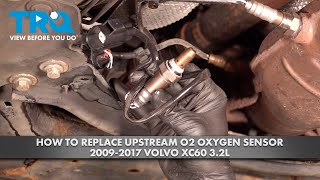
Typical fix: Replace the front (upstream) oxygen sensor. 🎬 Watch: This step-by-step guide shows how to replace the upstream sensor. Use a quality brand like Bosch or Denso for reliability.
Est. part cost: $70-$350 - Damaged Wiring or Connector 🟡 Medium Probability The wiring harness for the O2 sensor is located in the engine bay and can be susceptible to heat damage, chafing, or rodent damage. A well-documented issue on this platform is the plastic engine cover rubbing through the harness where it passes over the right side of the engine, severing the signal wire (often yellow with a red stripe).
How to confirm: Visually inspect the entire length of the sensor's wiring harness. Pay close attention to the area where the harness runs near the edge of the plastic engine cover. If live data shows 0.00V, but the sensor produces voltage when tested directly at its connector, it confirms a break in the wiring between the connector and the ECM.
Typical fix: Repair the damaged section of the wiring harness or replace the connector pigtail. If chafing from the engine cover is the cause, trim the edge of the cover to prevent recurrence.
Est. part cost: $10-$50 - Exhaust Leak ⚪ Low Probability Leaks at the exhaust manifold gasket or a crack in the manifold itself, before the O2 sensor, can allow fresh, unmetered air to be drawn into the exhaust stream. This extra oxygen will cause the sensor to correctly read a lean condition (low voltage).
How to confirm: Perform a visual inspection of the exhaust manifold for cracks or black soot marks indicating a leak. A smoke test, where smoke is injected into the exhaust system, is the most effective way to pinpoint small leaks.
Typical fix: Replace the leaking exhaust manifold gasket or repair/replace the cracked manifold.
Est. part cost: $20-$500
Rare But Worth Checking
- Low Fuel Pressure: If the engine is genuinely running lean due to a weak fuel pump or clogged filter, the O2 sensor will correctly report a low voltage. This is less common than a sensor failure but should be considered if other lean codes (like P0171) are also present.
- Faulty Engine Control Module (ECM): This is extremely rare. The ECM itself can fail, but all other possibilities, especially sensor and wiring issues, should be exhaustively ruled out before considering ECM replacement.
Diagnosis Steps
- Connect an OBD-II scanner to confirm the P0131 code and check for any other stored codes.
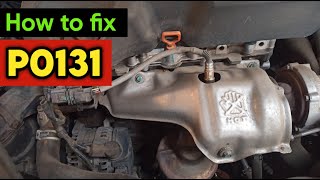
- Use the scanner's live data function to observe the voltage from 'O2S11' (Oxygen Sensor Bank 1 Sensor 1). A healthy sensor will show voltage fluctuating rapidly. A reading stuck below 0.2V points towards the issue. 🎬 Watch: Three simple DIY methods to fix the P0131 code.
- Turn off the engine and allow the exhaust to cool. Locate Bank 1, Sensor 1. On these inline-6 engines, it will be the sensor in the exhaust manifold, closest to the engine, before the catalytic converter.
- Remove the plastic engine cover. Carefully inspect the O2 sensor's wiring harness for any signs of melting, chafing, or rodent damage, paying special attention to where the harness runs along the edge of the cover.
- Inspect the exhaust manifold and the area around the sensor for black soot trails, which indicate an exhaust leak.
- If the wiring looks good and no leaks are apparent, the most likely cause is the sensor itself.
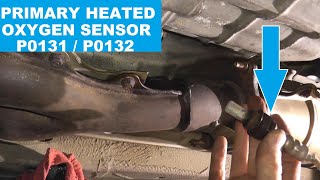
- For advanced diagnosis, use a multimeter to check the sensor's heater circuit for resistance and verify power and ground at the connector. 🎬 See how to test and replace a heated oxygen sensor. A wiring diagram is helpful for this step.
Parts You'll Likely Need
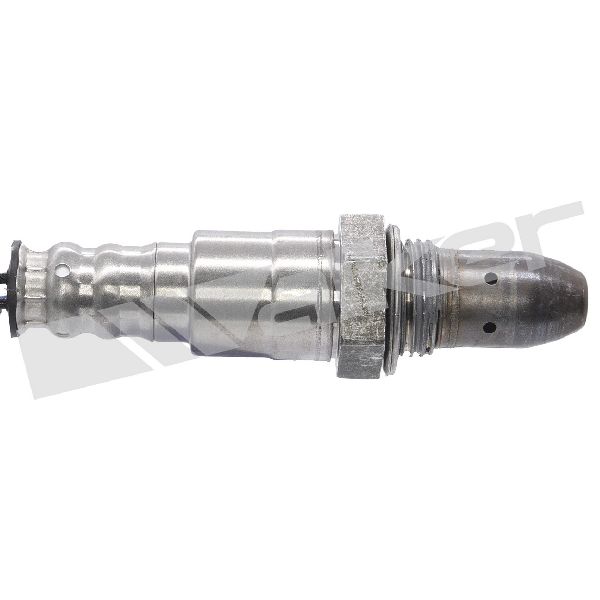
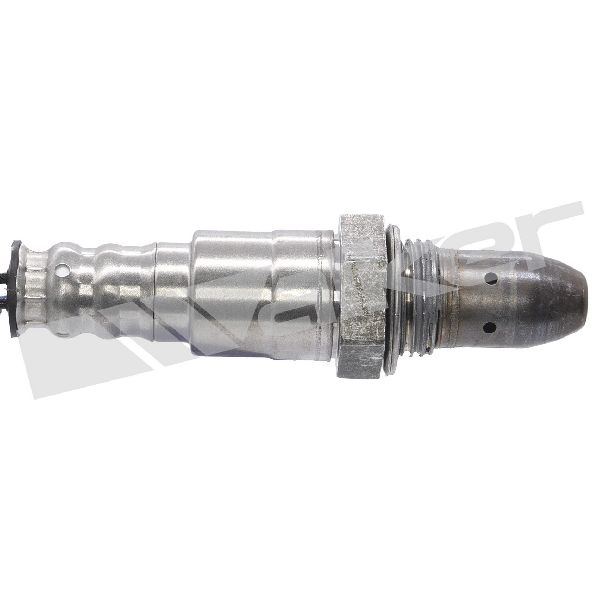
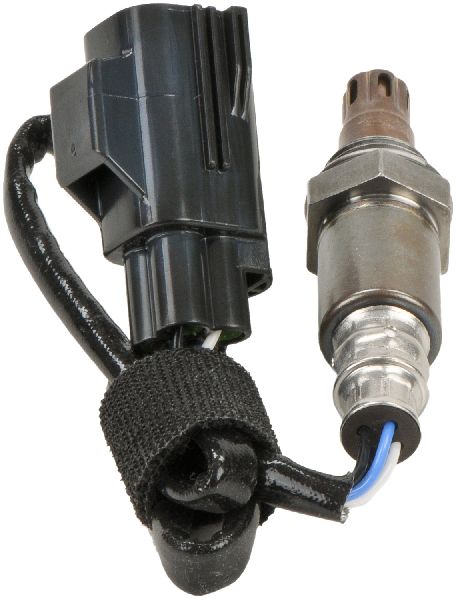
- Front Oxygen Sensor (Bank 1, Sensor 1)
(OEM #30756121 (For 3.2L Engine) / 30774563 (For 3.0L T6 Engine))— This is the primary component responsible for the signal that triggers code P0131. It is a common wear item that fails over time.
Trusted brands: Bosch (e.g., 17137), Denso (e.g., 234-9151 for 3.2L)
OEM price range: $250-$350
Aftermarket price range: $70-$150
Related Codes That Often Appear With This One
- P0171 — P0171 (System Too Lean, Bank 1) can appear with P0131 if there is a legitimate lean condition (like a vacuum or exhaust leak) causing the O2 sensor to read low voltage, rather than a faulty sensor itself.
Platform-Specific Known Issues
- A user on volvoXC.com with P0131 found their live data read 0.00V at the ECU, but the sensor itself was producing voltage. The cause was the plastic engine cover rubbing through the wiring harness and severing the yellow/red signal wire. The fix was to repair the wire and trim the edge of the plastic cover.
Mechanic-Grade Diagnostic Values
- Front O2 Sensor Heater Resistance — expected: A new, cold sensor should measure very low resistance, close to 0 Ohms. An old sensor may show an open circuit (infinite resistance).. Failure: An open circuit reading on the multimeter indicates a failed heater element.
- O2 Sensor Signal Voltage (at ECU) — expected: Should fluctuate rapidly between ~0.1V and ~0.9V on a healthy, warm engine.. Failure: A reading of exactly 0.00V on a live data scanner, especially if the sensor shows voltage at its connector, points to a severed signal wire.
Hidden / Shadow Codes Worth Checking
- ECM-2110: This is the Volvo-specific diagnostic trouble code that corresponds to the generic P0131. It can have several sub-definitions, including 'Front heated oxygen sensor (HO2S), heating. For low signal' or '...signal too low'. (see via A Volvo-specific scanner like VIDA is required to see these manufacturer-specific codes. Standard OBD-II readers will only show P0131.)
Scan Tool Commands That Help
- VIDA (Volvo Information & Diagnostics for Aftersales) or advanced aftermarket scanner (e.g., YOUCANIC): Resetting adaptation of fuel and air mixture / Air-Fuel Adaptation Reset — This function should be used after replacing an O2 sensor, MAF sensor, or fuel injectors. It clears the long-term fuel trim values that the ECM has 'learned' with the old, faulty part, allowing it to adapt more quickly to the new component and restore proper performance.
Wiring & Ground Locations
- Engine Bay Strut Tower Grounds — Located on both the driver and passenger side strut towers in the engine bay.. While not the direct ground for the O2 sensor circuit, corroded or loose main engine bay grounds can cause a host of intermittent electrical problems and voltage irregularities that can affect sensor readings across the system. Ensuring these are clean and tight is a crucial step in any electrical diagnosis.
- Engine Ground Strap — There is a primary ground strap from the engine block to the chassis. On some models, this is located near the top of the engine, bolting to the chassis frame rail near the bulkhead.. A poor engine-to-chassis ground can force sensor circuits to find alternative, higher-resistance ground paths, leading to incorrect voltage readings. This is a common source of difficult-to-diagnose electrical issues.
- O2 Sensor Signal Wire — In the harness running over the right side of the engine, under the plastic engine cover. The specific wire is often yellow with a red stripe.. This is the specific wire that carries the voltage signal from the O2 sensor to the ECM. It is known to be severed by chafing from the engine cover, which will cause a P0131 code with a live data reading of 0.00V.
Real Owner Repair Stories
- volvoXC.com forum user (2008-2016 Volvo XC70 (P3 Platform)) — P0131 fault code.
❌ Tried (didn't work) Initially suspecting a bad sensor.
✅ What actually fixed it The user checked live data and saw 0.00V at the ECU, but testing at the sensor connector showed it was producing voltage. The cause was the plastic engine cover rubbing through the wiring harness and severing the yellow wire with a red stripe (the signal wire). The fix was to repair the wire and trim the edge of the plastic cover to prevent it from happening again.
When the Usual Fixes Don't Work
- In one forum case, a user with a persistent P0131 replaced both O2 sensors and the temperature sensor, and had a shop confirm no vacuum leaks via a smoke test, yet the code remained. This highlights that while a bad sensor or wiring is the most common cause, in rare instances, the issue can be more complex and may even lead to (incorrectly) suspecting the ECM.
OEM Part Supersession History
30713864→30756121— Standard part revision/update by Volvo.
Heads up: The new part number (30756121) is the correct replacement for the original and is backward compatible for 3.2L engines in this range.
Diagnostic Flowchart
Other Known Issues on This Vehicle
Issues unrelated to this code that are worth knowing about as an owner of this generation:
- PCV System / Oil Trap Clogging 🔴 High — Common after 80,000-100,000 miles. A clogged PCV can cause oil leaks from main seals and a distinct whistling or howling noise at idle.
- Accessory Belt / Tensioner Failure 🔴 High — The serpentine belt tensioner and idler pulley can fail, causing loss of power steering and alternator function. Recommended for preventative replacement around 90,000-120,000 miles.
- Transmission Issues (Early Models) 🟠 Medium — Some 2008-2010 models can experience harsh shifting or hesitation. Fluid changes are critical.
- Upper Engine Mount (Torque Mount) Wear 🟡 Low — The upper engine mount can wear out, leading to increased vibration in the cabin at idle. It's a relatively easy and inexpensive part to replace.
Used vs. New Parts: Buying Guide for This Vehicle
When a used part is the smart pick: For this repair, a used part is only recommended for the O2 sensor's electrical connector pigtail if it needs to be replaced. A used plastic engine cover could also be a viable replacement if the original is missing or damaged beyond repair.
Donor-vehicle mileage cap: roughly under 100000 miles for the part to have meaningful remaining life.
What to inspect on the donor part:
- For a wiring pigtail, ensure the wires have sufficient length and the insulation is not brittle, cracked, or melted.
- Check the locking tab on the connector to ensure it's intact and functional.
- For an engine cover, check that all mounting points are intact and there are no large cracks.
OEM-only on this vehicle (don't cheap out):
- While not strictly 'OEM-only', it is highly recommended to use either a genuine Volvo O2 sensor or a sensor from the original equipment manufacturer (OEM), which is typically Bosch or Denso for this vehicle. Cheap, unbranded sensors are notorious for failing prematurely or having incorrect voltage ranges, leading to persistent codes.
Aftermarket brands forum-validated for this vehicle:
- Bosch
- Denso
Brands owners have reported issues with on this vehicle:
- Ultra-cheap, no-name brands found on online marketplaces should be avoided as they often lead to repeat repairs.
Real Owner Stories
Aggregated from forums and TSBs cited above. Mileages and costs reflect what owners reported in those sources.
2008-2016 Volvo XC70
Symptoms: The OBD code reader watching live data showed 0.00 volts were getting to the ECU, even though the sensor itself was producing output voltage at the connector.
What fixed it: Repaired the yellow wire with a red stripe that had been severed by the plastic engine cover rubbing on the wiring harness, and trimmed the edge of the cover to prevent it from happening again.
Source hint: volvoXC.com: P0131 fault code upstream oxygen sensor fix particular to this model
Volvo V70
Symptoms: Poor running conditions and a P0131 fault code.
What fixed it: Replacing the front oxygen sensor with a new genuine Volvo sensor.
Source hint: Volvo Owners Club Forum: Oxygen sensor problems
Volvo XC70 T6
Symptoms: P0131 code present; noted that the job is more involved on turbo models.
What fixed it: Replacement of the upstream O2 sensor, which required removing the cowl for access.
Source hint: Reddit r/Volvo: Changing upstream o2 sensor
Related OBD-II Codes
Frequently Asked Questions
I'm seeing 0.00V for my O2 sensor on my XC70's live data; does this mean the sensor is definitely dead?
Which brand of replacement oxygen sensor is recommended for the 2008-2016 Volvo XC70?
Where is the Bank 1, Sensor 1 located on the XC70's inline-6 engine?
Could a whistling noise at idle be related to my P0131 code?
How can I confirm if an exhaust leak is causing the low voltage reading on my XC70?
Helpful Videos
![How to Fix P0131 Engine Code in 4 Minutes [3 DIY Methods / Only $9.65]](https://img.youtube.com/vi/5a64xpdcVY0/mqdefault.jpg)
We Have This Part in Stock

The information in this article is provided for general reference and educational purposes only. Vehicle specifications, procedures, and part compatibility can vary by production date, trim level, and region. Always consult your vehicle's factory service manual and verify part numbers before purchasing or performing repairs. Safety-critical components such as airbags, seat belts, and braking systems should be installed by a qualified professional.
- Volvo XC70:
- 🧭 Diagnostic Flowchart
- 🎬 Helpful Videos
- 🛍️ Shop This Part
- What's Unique About the 2008-2016 Volvo XC70
- Symptoms You May Notice
- Most Likely Causes
- Rare But Worth Checking
- Diagnosis Steps
- Parts You'll Likely Need
- Related Codes That Often Appear With This One
- Platform-Specific Known Issues
- Mechanic-Grade Diagnostic Values
- Hidden / Shadow Codes Worth Checking
- Scan Tool Commands That Help
- Wiring & Ground Locations
- Real Owner Repair Stories
- When the Usual Fixes Don't Work
- OEM Part Supersession History
- Other Known Issues on This Vehicle
- Used vs. New Parts: Buying Guide for This Vehicle
- Real Owner Stories
- 2008-2016 Volvo XC70
- Volvo V70
- Volvo XC70 T6
- Related OBD-II Codes
- Frequently Asked Questions
- 🎟️ Get 5% Off