

P0132 on 2006-2013 Chevrolet Impala 3.5L: High Voltage O2 Sensor Causes and Fixes
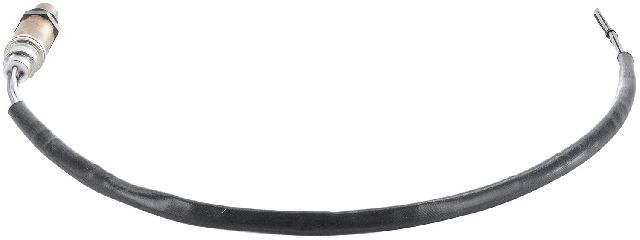
This code almost always means the Bank 1, Sensor 1 oxygen sensor has failed. This is the upstream sensor on the firewall side of the engine. A common contributing factor is the wiring harness melting on the exhaust. Replacing the sensor is a common DIY fix, with parts costing between $45 and $90.
- P0132 means the upstream O2 sensor on the firewall side of the engine is stuck reporting a high voltage.
- The two most likely causes are a failed O2 sensor itself OR a melted/shorted wiring harness where it passes over the exhaust.
- Before replacing the sensor, always perform a close visual inspection of the wiring harness for obvious signs of melting or damage.
- Do not replace any other O2 sensor; the code is specific to Bank 1, Sensor 1.
- Driving with this code active will hurt your fuel economy and can eventually damage the catalytic converter, a much more expensive repair.
What's Unique About the 2006-2013 Chevrolet Impala
On the front-wheel-drive Impala with the transverse 3.5L V6 engine, 'Bank 1' is the cylinder bank located closer to the firewall, making it significantly harder to access than Bank 2, which is near the radiator. 'Sensor 1' is the upstream sensor located in the exhaust manifold before the catalytic converter. The key vehicle-specific issue is the routing of the wiring harness for this sensor. It is frequently found to have rested against the exhaust crossover pipe or manifold, causing the loom and wires to melt and short circuit, which is a direct cause of the high voltage reading.
Generation note: The 2006-2013 model years cover the entire ninth generation of the Chevrolet Impala. The 3.5L LZE V6 was a common engine option during this time, and the diagnosis for P0132 is consistent across these years. The LZE engine is a flex-fuel variant of the LZ4 V6.
Symptoms You May Notice
- Check Engine Light is on
- Decreased fuel economy
- Rough or hesitant engine operation
- Rough idling
- Engine stalling at low speeds
- Black smoke from the exhaust
- Strong fuel smell from the exhaust 🎬 Watch: A quick guide to P0132 meaning and causes
- Replacing the wrong oxygen sensor (e.g., Bank 2 or the downstream sensor). The code is specific to Bank 1, Sensor 1.
- Replacing the catalytic converter. A P0132 code points to a sensor or circuit issue, not the converter itself. However, ignoring P0132 can eventually damage the converter.
- Replacing the Mass Air Flow (MAF) sensor without proper diagnosis.
Most Likely Causes
- Failed Bank 1, Sensor 1 Oxygen Sensor 🔴 High Probability → Shop Oxygen Sensor Oxygen sensors are wear-and-tear items that operate in a harsh exhaust environment. They have a finite lifespan (typically 60k-90k miles) and are the most common failure point for this code. Contamination from coolant or oil leaks can also cause premature failure.
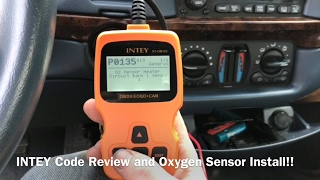
How to confirm: Use an OBD-II scanner to monitor live data for the 'O2S B1S1' voltage. If the voltage is stuck high (e.g., >0.9V) and does not fluctuate on a warm engine, the sensor has likely failed. You can also perform a '60-second unplug test': with the engine running, unplug the sensor and watch the live data. If the voltage drops to a default bias value (around 450mV), the sensor is bad. If it stays high, you have a wiring problem.
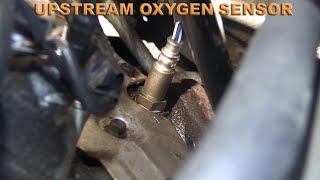
Typical fix: Replace the Bank 1, Sensor 1 oxygen sensor. It is located on the rear exhaust manifold (firewall side). Access is tight, and an O2 sensor socket is highly recommended. 🎬 Watch: Step-by-step upstream oxygen sensor replacement walkthrough
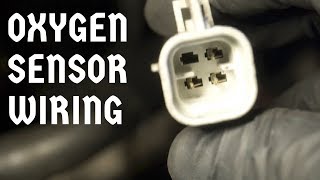
Est. part cost: $45-$90 - Damaged Wiring or Connector 🔴 High Probability This is a very common issue on this platform. The wiring harness for the rear O2 sensor is often routed too close to the exhaust manifold or crossover pipe. The protective loom melts away, and the wires inside can short to each other or to ground, causing the P0132 code. 🎬 See how to fix an O2 sensor wiring short GM issued a preliminary bulletin for some 2012-2013 models about engine harness chafing on the transmission, which can cause various electrical issues.
How to confirm: Visually inspect the entire wiring harness from the O2 sensor to the main engine harness. Pay extremely close attention to the area where the harness passes over the exhaust. Look for any signs of melting, chafing, or broken wires. Check the connector for corrosion, bent pins, or moisture.
Typical fix: Repair the damaged section of the wiring harness by splicing in new wire and using heat-shrink tubing. Re-route the repaired harness away from the exhaust source using zip ties. If the connector is damaged, a new pigtail connector (like ACDelco PT1373) can be spliced in.
Est. part cost: $10-$50 - High Fuel Pressure / Rich Running Condition ⚪ Low Probability Less common, but issues like a leaking fuel injector or a faulty fuel pressure regulator can cause the engine to run excessively rich. The O2 sensor will then accurately report a high voltage, but the sensor itself is not the problem.
How to confirm: Check fuel trims with a scanner. If long-term fuel trims are significantly negative (e.g., -15% or more), the computer is trying to compensate for a rich condition. Test fuel pressure to see if it is above the manufacturer's specification. Pull spark plugs to check for signs of richness (black, sooty deposits).
Typical fix: Diagnose and repair the root cause of the rich condition, such as replacing a leaking fuel injector.
Est. part cost: $50-$200+
Rare But Worth Checking
- Exhaust Leak: An exhaust leak before the O2 sensor can sometimes disrupt sensor readings. While more common for lean codes, a significant leak can alter exhaust gas composition and potentially contribute to erratic or high voltage readings.
- Faulty Powertrain Control Module (PCM): → Shop Engine Control Module (ECM) This is extremely rare. A fault in the PCM's internal voltage regulation could theoretically cause a high voltage reading. The PCM should only be considered after all other possibilities, including the sensor and wiring, have been exhaustively ruled out.
Diagnosis Steps
- Connect an OBD-II scanner and confirm P0132 is the active code. Check for any other codes, especially P0172.
- View live data. Observe the voltage for 'O2S B1S1' (Bank 1, Sensor 1). It should fluctuate rapidly between approximately 0.1V and 0.9V on a healthy, warm engine. If it's stuck high (above 0.9V), proceed with diagnosis.
- Perform a thorough visual inspection of the O2 sensor's wiring harness and connector. Pay special attention to the area above the exhaust crossover pipe for signs of melting or chafing. This is a very common failure point.
- If wiring is damaged, repair it. Solder and heat-shrink the affected wires and secure the harness away from the heat source.
- If the wiring looks good, the sensor is the most likely culprit. Replace the Bank 1, Sensor 1 oxygen sensor. Using a proper O2 sensor socket will make the job much easier due to tight access.
- If replacing the sensor and verifying the wiring does not fix the issue, further electrical testing is needed to check for a short-to-voltage in the signal wire between the sensor and the PCM.
- If wiring and the sensor are confirmed good, investigate other potential causes for a rich running condition, such as testing fuel pressure or checking for leaking injectors.
Parts You'll Likely Need
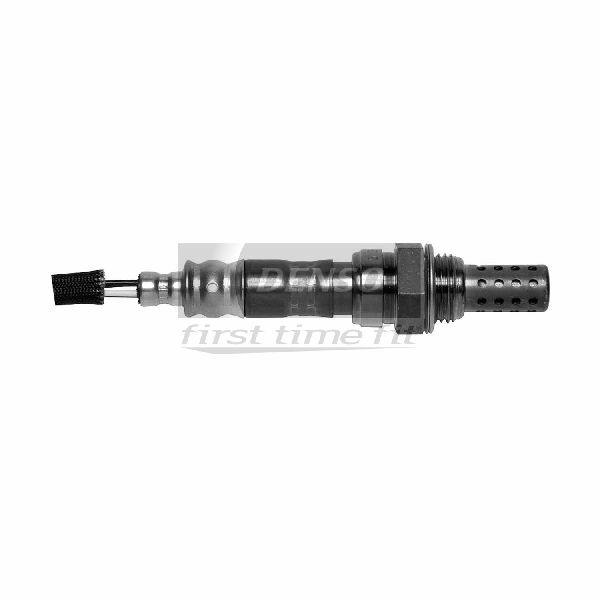
- Upstream Oxygen Sensor (Bank 1, Sensor 1)
(OEM #12609457)— This is the primary sensor responsible for the signal that triggers code P0132. It is a common wear item and the most frequent cause of the code.
Trusted brands: ACDelco (GM Genuine), Denso, NGK/NTK, Bosch
OEM price range: $70-$100
Aftermarket price range: $45-$80 - Oxygen Sensor Connector Pigtail
(OEM #ACDelco PT1373)— If the wiring harness connector has melted due to contact with the exhaust, the connector itself will need to be replaced by splicing in a new pigtail.
Trusted brands: ACDelco, Dorman, Standard Motor Products
OEM price range: $40-$50
Aftermarket price range: $20-$40
Related Codes That Often Appear With This One
- P0172 — System Too Rich (Bank 1). This code can appear with P0132 if the engine is genuinely running rich from an issue like a leaking fuel injector, causing the O2 sensor to report high voltage.
Technical Service Bulletins (TSBs) & Recalls
- GM Preliminary Information Bulletin #PI0781A (April 2013): While not for P0132 specifically, this bulletin addresses various DTCs and electrical issues on 2012-2013 Impalas caused by the engine wiring harness chafing on the transmission case. This highlights a known issue with harness routing and durability in the same general area as the O2 sensor wiring.
Platform-Specific Known Issues
- A very common failure pattern discussed in forums involves the Bank 1 Sensor 1 wiring harness resting on the hot exhaust crossover pipe. The heat melts the plastic conduit and then the insulation on the wires, causing a short circuit that results in the P0132 high voltage reading. Repairing and properly securing the harness is a critical step.
- Accessing the Bank 1 (rear, firewall side) sensor is difficult. Many DIY repair videos show that while it can be done from the top, it requires reaching far behind the engine block. Using a proper O2 sensor socket with a swivel and extension is almost mandatory.
Mechanic-Grade Diagnostic Values
- O2 Sensor Heater Circuit Resistance — expected: 1.5-2.5 Ohms for GM OE sensors. General aftermarket range is 3-15 Ohms.. Failure: An open circuit (infinite resistance/OL on multimeter) or a reading significantly outside the specified range.
- Fuel Pressure (KOEO - Key On, Engine Off) — expected: 50-60 PSI. Failure: Pressure significantly above 60 PSI could indicate a faulty fuel pressure regulator, causing a rich condition that the O2 sensor correctly reports as high voltage.
- B1S1 O2 Sensor Voltage (Live Data) — expected: Rapidly fluctuating between ~0.1V (lean) and ~0.9V (rich) on a warm, closed-loop engine.. Failure: Voltage is stuck consistently above 0.9V for more than 20 seconds.
- O2 Sensor Signal Wire Voltage (Sensor Unplugged, KOEO) — expected: ~450 millivolts (0.45V). Failure: If the voltage remains high (near or above 0.9V) with the sensor unplugged, a short-to-voltage exists in the wiring harness between the connector and the PCM. If it drops to 0.45V, the wiring is likely good and the sensor is faulty.
Scan Tool Commands That Help
- Tech2 / GDS2: O2 Sensor Data / Fuel Trim Reset — After replacing an O2 sensor or repairing a fuel system issue, resetting fuel trims forces the PCM to relearn the new sensor's characteristics and fuel delivery parameters immediately, rather than waiting for a full drive cycle. This can help confirm the fix more quickly.
Wiring & Ground Locations
- G111 — Located on the engine block, below or above the starter motor.. This is a primary engine ground. A poor connection here can cause erratic sensor readings and introduce electrical noise into sensitive circuits like the O2 sensor signal, potentially leading to incorrect voltage readings by the PCM.
- G113 — Located on the left side of the automatic transaxle.. Another critical ground for the engine and transmission assembly. A loose or corroded G113 can cause a variety of seemingly unrelated electrical issues, including sensor data problems.
- ECM C1 Connector, Pin 62 (DK BLU/WHT) — At the Powertrain Control Module (PCM), which is located inside the air cleaner assembly on this vehicle.. This is the HO2S Bank 1 Sensor 1 Low Signal wire on some GM wiring diagrams for this platform. Verifying continuity and checking for shorts on this specific pin is a key step in advanced wiring diagnostics after a visual inspection finds no obvious damage.
- ECM C1 Connector, Pin 28 (PPL) — At the Powertrain Control Module (PCM).. This is the HO2S Bank 1 Sensor 1 High Signal wire. A short-to-voltage on this wire (e.g., from touching a 12V power source in a melted harness) is the direct cause of a P0132 code when the sensor itself is good.
Real Owner Repair Stories
- Reddit r/MechanicAdvice (2016 Nissan Versa Note SV (Illustrates the same failure pattern)) — P0130 and P0132 codes present.
❌ Tried (didn't work) Replacing the upstream oxygen sensor.
✅ What actually fixed it The user discovered the wiring harness for the new sensor had melted against a hot component after installation, causing the same codes to reappear. The final fix required repairing the melted wires.
OEM Part Supersession History
Not specified, but multiple revisions existed.→12609457 (ACDelco 213-4229)— Consolidation and updates to sensor design and materials over the years.
Heads up: While aftermarket brands like Denso and NTK are reputable, some forum users report that using the specific GM OE / ACDelco sensor can be critical. The internal resistance and element design are precisely calibrated for the GM engine software, and some aftermarket sensors, while functional, may not have the exact same response characteristics, potentially leading to subtle performance issues or a quicker return of fault codes.
Model Year Variations Within This Range
- 2006-2011: The 3.5L LZE V6 engine was the primary V6 option and remained largely unchanged in ways that would affect the P0132 diagnosis. The 2012-2013 Impala models primarily shifted to the 3.6L LFX V6, though the LZE was still available, particularly in fleet vehicles. The diagnosis for P0132 on an LZE engine is consistent across all years it was offered in the Impala.
Diagnostic Flowchart
Other Known Issues on This Vehicle
Issues unrelated to this code that are worth knowing about as an owner of this generation:
- 4T65-E Transmission Pressure Control (EPC) Solenoid Failure 🔴 High — Very common, especially in 2006-2011 models. Leads to harsh shifting, slipping, and shuddering.
- Intake Manifold Gasket Leaks 🔴 High — Extremely common on the 3.5L V6 due to the original plastic-framed gaskets degrading from Dex-Cool antifreeze, causing coolant leaks and vacuum leaks (which can trigger lean or misfire codes).
- Power Steering Leaks 🟠 Medium — Leaks from the power steering pump, lines, or rack are common. A leaking pump can drip onto and destroy the camshaft position sensor located below it.
- HVAC Blend Door Actuator Failure 🟠 Medium — Extremely common failure causing a clicking/ticking noise from the dashboard and inability to control air temperature or direction.
- GM Passlock Anti-Theft System Fault 🟠 Medium — Widespread issue where the sensor in the ignition lock cylinder fails, causing a no-start condition with a flashing 'Security' light.
- Coolant Crossover Pipe Gasket Leaks 🟡 Low — The gaskets on the coolant crossover pipes at the end of the cylinder heads can fail, causing external coolant leaks.
Used vs. New Parts: Buying Guide for This Vehicle
When a used part is the smart pick: For repairing wiring damage, a used connector pigtail or a section of wiring harness from a junkyard vehicle is a perfectly acceptable and cost-effective choice. It is almost never a good idea to buy a used oxygen sensor.
Donor-vehicle mileage cap: roughly under 100000 miles for the part to have meaningful remaining life.
What to inspect on the donor part:
- For a wiring pigtail, ensure the connector body is not cracked or brittle.
- Check that the locking tab on the connector is intact and functional.
- Inspect the wires for any signs of insulation damage, melting, or previous repairs.
- Ensure there is enough wire length (at least 4-6 inches) to comfortably splice it into the vehicle's harness.
OEM-only on this vehicle (don't cheap out):
- While not strictly 'OEM-only', using the ACDelco Genuine GM Parts oxygen sensor (12609457) is highly recommended for this specific repair to avoid potential compatibility or calibration issues that can arise with some aftermarket sensors on this platform.
Aftermarket brands forum-validated for this vehicle:
- Denso
- NGK / NTK
- Bosch
Brands owners have reported issues with on this vehicle:
- Unbranded, 'white-box' sensors from online marketplaces often have high failure rates and may not meet OE specifications for heater resistance or response time.
Real Owner Stories
Aggregated from forums and TSBs cited above. Mileages and costs reflect what owners reported in those sources.
2006 Chevrolet Impala 3.5L V6
Symptoms: Persistent P0172 (System Too Rich) code that multiple shop visits failed to resolve, illustrating complex underlying rich conditions.
What fixed it: The source describes the difficulty of diagnosing the root cause of the rich condition, which can involve investigating leaking injectors or fuel pressure.
Source hint: Reddit r/Chevy thread titled 'P0172 code unsolvable'
2012 Chevrolet Impala 3.5L V6
Symptoms: Various DTCs and electrical issues caused by harness durability problems.
What fixed it: Addressing engine wiring harness chafing on the transmission case.
Source hint: GM Preliminary Information Bulletin #PI0781A
2008 Chevrolet Impala 3.5L V6 — ~85000 miles
Symptoms: High voltage reading on Bank 1 Sensor 1; plastic conduit and wire insulation melted.
What fixed it: Repairing the wiring harness where it was resting on the hot exhaust crossover pipe and properly securing it.
Source hint: vehicle_specific_issues
Related OBD-II Codes
Frequently Asked Questions
Where is the Bank 1, Sensor 1 oxygen sensor located on my 3.5L Impala?
I have a 2012 Impala; is there a known wiring issue that causes electrical codes like P0132?
Can I test the O2 sensor on my 3.5L LZE engine before buying a new one?
What specific replacement parts are recommended for a wiring repair on this vehicle?
How long do the oxygen sensors typically last on the 2006-2013 Impala?
Could a fuel system problem be causing my P0132 code instead of the sensor?
Helpful Videos

We Have This Part in Stock

The information in this article is provided for general reference and educational purposes only. Vehicle specifications, procedures, and part compatibility can vary by production date, trim level, and region. Always consult your vehicle's factory service manual and verify part numbers before purchasing or performing repairs. Safety-critical components such as airbags, seat belts, and braking systems should be installed by a qualified professional.
- Chevrolet Impala:
- 🧭 Diagnostic Flowchart
- 🎬 Helpful Videos
- 🛍️ Shop This Part
- What's Unique About the 2006-2013 Chevrolet Impala
- Symptoms You May Notice
- Most Likely Causes
- Rare But Worth Checking
- Diagnosis Steps
- Parts You'll Likely Need
- Related Codes That Often Appear With This One
- Technical Service Bulletins (TSBs) & Recalls
- Platform-Specific Known Issues
- Mechanic-Grade Diagnostic Values
- Scan Tool Commands That Help
- Wiring & Ground Locations
- Real Owner Repair Stories
- OEM Part Supersession History
- Model Year Variations Within This Range
- Other Known Issues on This Vehicle
- Used vs. New Parts: Buying Guide for This Vehicle
- Real Owner Stories
- 2006 Chevrolet Impala 3.5L V6
- 2012 Chevrolet Impala 3.5L V6
- 2008 Chevrolet Impala 3.5L V6 — ~85000 miles
- Related OBD-II Codes
- Frequently Asked Questions
- 🎟️ Get 5% Off