

P0132 on 2003-2005 Dodge Neon SRT-4: O2 Sensor High Voltage Causes and Fixes
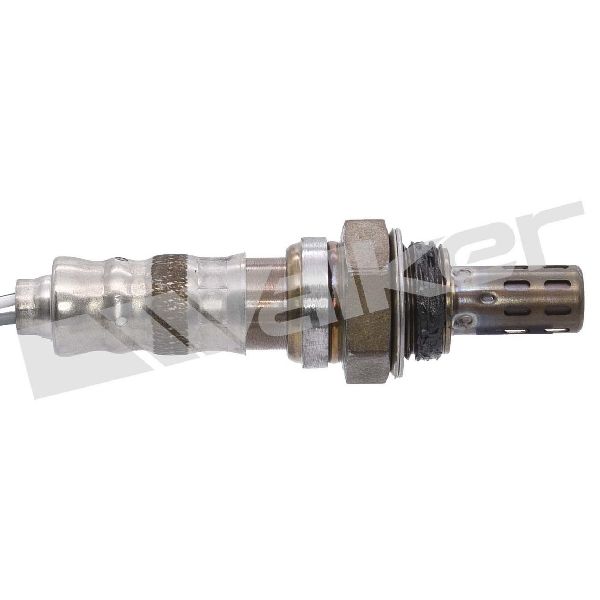
On a 2003-2005 Neon SRT-4, P0132 is most often a failed upstream O2 sensor, but it can also be caused by a leaking oil pressure switch contaminating the wiring. Before replacing the O2 sensor, inspect the oil pressure switch (P/N 05149062AA) for leaks. An O2 sensor costs about $40-$90 for a quality aftermarket part like an NTK 23159.
- Before buying any parts for a P0132 code on a Neon SRT-4, you MUST inspect the oil pressure switch for leaks and the O2 sensor connector for oil contamination.
- A faulty O2 sensor is the most likely direct cause, but the leaking oil pressure switch is a very common root cause specific to this engine.
- Ignoring this code will result in poor fuel mileage, failed emissions tests, and can eventually damage the catalytic converter, a much more expensive repair.
- When replacing the O2 sensor, use a quality OEM-equivalent brand like Mopar, NGK/NTK, or Denso to avoid compatibility issues.
- The oil pressure switch is difficult to access; its replacement may be challenging for a novice DIYer.
What's Unique About the 2003-2005 Dodge Neon
While a bad O2 sensor is a common cause on any car, the 2.4L engine in the Neon SRT-4 shares a critical quirk with its sibling in the PT Cruiser GT. The oil pressure switch is notoriously prone to leaking oil internally. This oil can travel, or 'wick,' up through the copper strands of the wiring harness and contaminate the O2 sensor's electrical connector, and in some cases, the PCM connector itself. This causes a short that triggers a false P0132 code. Owners often replace the O2 sensor multiple times before realizing the oil leak is the true root cause, a scenario frequently discussed in owner forums.
Symptoms You May Notice
- Check Engine Light (MIL) is illuminated
- Decreased fuel economy
- Rough or unstable idle
- Engine hesitation or stumbling on acceleration
- Black smoke from the exhaust
- Strong exhaust smell
- Replacing the O2 sensor without checking for oil contamination from the oil pressure switch. This often leads to the P0132 code returning shortly after the repair.
Most Likely Causes
- Failed Upstream O2 Sensor (Bank 1, Sensor 1) 🔴 High Probability → Shop Oxygen Sensor O2 sensors are wear items that are exposed to extreme heat and exhaust gases, leading to eventual failure or contamination. The location on the SRT-4's turbo manifold makes it subject to intense heat cycles.
How to confirm: Use an OBD-II scanner with live data to monitor the Bank 1 Sensor 1 voltage. If the voltage is stuck high (e.g., >0.9V) and does not fluctuate rapidly, the sensor is likely bad. Unplugging the sensor should cause the voltage to drop to a baseline value (around 450mV); if it does, the sensor is the culprit. If the voltage stays high, a wiring short is present.
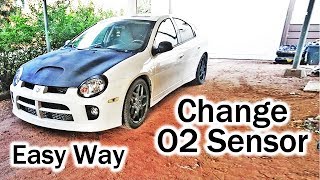
Typical fix: Replace the upstream oxygen sensor. This requires a 7/8" or 22mm oxygen sensor socket or wrench. Access is tight due to the turbo heat shield. 🎬 Watch this step-by-step upstream O2 sensor replacement video.
Est. part cost: $40 - $90 - Leaking Oil Pressure Switch Contaminating Wiring 🟡 Medium Probability The oil pressure switch on the 2.4L engine is a known common failure point, leaking oil internally into the wiring harness. This issue is shared with other Chrysler 2.4L platforms.
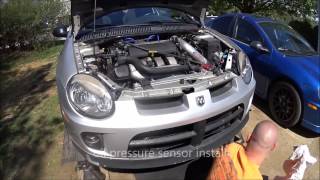
How to confirm: Visually inspect the oil pressure switch, located on the back of the engine block in a very tight space near the heater hoses and shift cable bracket. 🎬 See how to access and replace this hard-to-reach switch. Disconnect the O2 sensor wiring harness and check for engine oil inside the connector. If oil is present, the pressure switch is the root cause.
Typical fix: Replace the oil pressure switch and thoroughly clean the oil out of the wiring harness connectors with electrical contact cleaner and compressed air. The O2 sensor may also need replacement if it has been saturated with oil.
Est. part cost: $20 - $50 for the switch - Damaged Wiring or Short Circuit ⚪ Low Probability The wiring for the O2 sensor runs close to hot exhaust components and can become brittle, melt, or get damaged over time. The harness can also chafe against the engine or chassis.
How to confirm: Visually inspect the O2 sensor wiring harness from the sensor to the PCM for any signs of melting, chafing, or breaks. Use a multimeter to check for a short to power on the signal wire.
Typical fix: Repair or replace the damaged section of the wiring harness. Manufacturer service bulletins such as TSB Bulletin #25-002-14 explicitly define P0132 as a condition where the 1/1 O2 sensor is shorted to voltage.
Est. part cost: $10 - $100 depending on the extent of damage
Rare But Worth Checking
- Engine Running Rich: A legitimate rich condition from issues like leaking fuel injectors or a faulty fuel pressure regulator can cause the O2 sensor to read high voltage. This will usually be accompanied by other codes, like P0172 (System Too Rich).
- Exhaust Leak: An exhaust leak before the O2 sensor can sometimes, though less commonly for this code, disrupt sensor readings by allowing outside air into the exhaust stream. You will typically hear a ticking or hissing sound from the engine bay.
- Faulty Powertrain Control Module (PCM): → Shop Engine Control Module (ECM) This is very rare. The PCM itself can fail, but all other possibilities, especially oil contamination reaching the PCM connectors, should be exhausted before considering PCM replacement.
Diagnosis Steps
- Scan for Codes: Use an OBD-II scanner to confirm P0132 is the primary code. Note any other codes present, especially P0172 or P0138.
- Inspect for Oil Leaks: This is the most critical first step on this vehicle. Visually inspect the oil pressure switch on the rear of the engine block for leaks. This is difficult to access. Disconnect the upstream O2 sensor harness connector (a grey plug hanging off the back of the timing belt cover) and check for oil inside the connector pins. If oil is found, the oil pressure switch is the culprit.
- Clean or Replace Leaking Switch: If oil is found, replace the oil pressure switch (P/N 05149062AA or superseded 5149062AB) and thoroughly clean all affected connectors with electrical contact cleaner before proceeding. The O2 sensor itself may be too contaminated and require replacement as well.
- Analyze Live Data: If no oil is found, use a scanner to view live data for the 'O2 Bank 1 Sensor 1' voltage. At operating temperature, it should fluctuate rapidly between approximately 0.1 and 0.9 volts. If it is stuck high (e.g., >0.9V), proceed to the next step.
- Test the Sensor Circuit: Unplug the upstream O2 sensor. The scanner's voltage reading should drop to a mid-range bias voltage (around 0.45V). If it does, the wiring is likely okay and the sensor itself has failed. If the voltage stays high, there is a short to power in the wiring harness that needs to be traced and repaired. Manufacturer documentation in TSB Bulletin #25-003-13 confirms that P0132 specifically indicates the 1/1 O2 sensor is shorted to voltage.
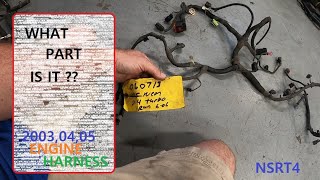
- Inspect Wiring: If a wiring fault is suspected, visually inspect the entire harness for melting, chafing, or corrosion, especially near the exhaust manifold and turbo. 🎬 Watch this quick clip of a melted O2 sensor harness.
- Replace the O2 Sensor: If the sensor is confirmed to be the fault, replace it with a quality part. This requires a 7/8" (22mm) O2 sensor socket or wrench. Penetrating oil may be needed. Access from below is possible but putting the new one in can be easier from above.
- Clear Codes and Test Drive: After any repair, clear the DTCs and perform a test drive to ensure the fault does not return.
Parts You'll Likely Need
- Upstream Oxygen Sensor
(OEM #56029050AA)— This is the most common direct cause of P0132 when it's not caused by an external factor like an oil leak.
Trusted brands: Mopar, NTK (NGK) - Part #23159 is a widely recommended direct-fit replacement., Denso, Bosch
OEM price range: $70-$120
Aftermarket price range: $40-$90 - Oil Pressure Switch/Sensor
(OEM #05149062AA)— A very common failure on the 2.4L engine that can leak oil into the wiring harness, causing a false P0132 code. The original part is often superseded.
Trusted brands: Mopar (Superseded by 5149062AB)
OEM price range: $30-$50
Aftermarket price range: $15-$30
Related Codes That Often Appear With This One
- P0138 — This is 'O2 Sensor Circuit High Voltage (Bank 1, Sensor 2)'. If both upstream and downstream sensors show high voltage, it could point to a widespread wiring issue, such as oil contamination from the pressure switch affecting both sensor circuits.
- P0172 — This is 'System Too Rich (Bank 1)'. This code indicates the engine is genuinely running rich, which would cause the upstream O2 sensor to report a high voltage, triggering P0132 as a symptom of the rich condition.
Technical Service Bulletins (TSBs) & Recalls
- While no TSB was found specifically for P0132 on the Neon, Chrysler TSB 18-034-14 REV. A was issued for the 2.4L Tigershark engine in newer vehicles for an almost identical issue: an oil pressure sensor leaking internally and contaminating the electrical connector. This demonstrates a history of this specific failure mode on Chrysler 2.4L engines.
- Manufacturer TSB Bulletin #25-004-12 identifies P0132 as a "1/1 O2 Sensor Shorted To Voltage" condition, emphasizing that the code is triggered by an electrical short rather than just a lazy sensor.
Platform-Specific Known Issues
- The oil pressure switch is known to fail and leak oil internally into the main engine wiring harness. This oil contamination can 'wick' through the copper wire and short out the oxygen sensor circuit, causing a P0132 code even if the oxygen sensor itself is functional. This is a well-documented issue in owner forums and videos for the SRT-4.
Mechanic-Grade Diagnostic Values
- Upstream O2 Sensor Heater Circuit Resistance — expected: 4 to 10 Ohms at ambient temperature.. Failure: A reading of 0 Ohms (short circuit) or OL/infinity (open circuit) indicates a failed heater element within the sensor.
- Upstream O2 Sensor Signal Wire Voltage (Sensor Unplugged, KOEO) — expected: ~0.45V (450mV). Failure: If the voltage remains high (approaching 1.0V or higher) with the sensor disconnected, it confirms a short-to-power in the engine wiring harness between the PCM and the sensor connector. If the voltage is 0V, it could indicate an open signal wire or a bad PCM driver.
- Upstream O2 Sensor Signal Wire to Ground (Continuity Check) — expected: OL / Infinite Resistance (No continuity). Failure: A reading of low resistance or continuity indicates the signal wire is shorted to ground somewhere in the harness.
Scan Tool Commands That Help
- DRB III / wiTECH: O2 Heater Test — This is a bidirectional control that allows the technician to command the O2 sensor's internal heater on and off. It can be used to verify the integrity of the heater control circuit from the PCM and the heater element itself without having to physically access the sensor for resistance checks.
- DRB III / wiTECH: Reset Downstream O2 Sensor Monitor — While primarily for the downstream sensor after catalyst replacement, this function resets the learning parameters. In rare cases of complex fuel trim issues that could contribute to a P0132, resetting learned values can be a useful diagnostic step after a repair.
Wiring & Ground Locations
- Upstream O2 Sensor Connector (C104) — A 4-pin grey plug, typically found hanging from a bracket on the back of the timing belt cover, near the top of the engine.. This is the primary point for testing the sensor and harness. It's where oil contamination from a leaking oil pressure switch will be most evident. Pin 4 (Dark Green/Dark Blue) is the O2 1/1 Signal, Pin 3 (Black/Light Blue) is the Sensor Ground, Pin 2 (Dark Green/Orange) is the Heater Control, and Pin 1 (Dark Green/White) is the fused ASD relay output.
- G104 — A ground point located near the starter motor.. This is a major engine ground. While not directly for the O2 sensor's dedicated ground wire (which is a sensor return circuit to the PCM), a poor main engine ground can introduce electrical noise and voltage offsets that can affect sensor readings.
- G102 — Located at the left front of the engine compartment, sometimes on the frame rail or near the battery tray area.. This is a primary chassis and PCM ground point. Corrosion or looseness here can cause a wide range of bizarre electrical issues, including incorrect sensor readings and false codes.
- Oil Pressure Switch Connector — On the back of the engine block, below the intake manifold, in a very tight space. A video guide shows it is one of the lower connectors on the main engine harness branch that runs down the back of the block.. This is the source of the oil leak that wicks into the main harness. The oil travels from this connector up the harness loom and contaminates other connectors, including the O2 sensor connector.
Real Owner Repair Stories
- Chrysler Forum user 'momzilla' (2005 Chrysler Pacifica 3.5L (Note: Different vehicle but same Chrysler-family issue and code)) — Car would intermittently run very poorly, stall but not die, and the gas pedal would become unresponsive. Check Engine Light was on.
❌ Tried (didn't work) Replacing the upstream O2 sensor with a Bosch aftermarket part. This made the running condition worse and immediately triggered P0132.
✅ What actually fixed it The user was advised by a Chrysler technician on the forum that Bosch sensors often do not work well in Chrysler products and to use an OEM, NTK, or Denso sensor. After replacing the Bosch sensor with an OEM Mopar sensor, the car ran fine, but the P0132 code still returned, indicating a potential underlying wiring or PCM issue that was not resolved in the thread. This story highlights the platform's sensitivity to aftermarket sensor brands.
Documented NHTSA Reports
- An owner reported in NHTSA ODI #10424604 that a failure of the oxygen sensor, indicated by code P0132, nearly resulted in an accident due to the engine performance issues it caused.
- NHTSA ODI #11151379 describes a situation where a vehicle triggered P0132 and later a P0300 misfire code, and the owner struggled to get the dealership to address the recurring fault.
OEM Part Supersession History
05149062AA→5149062AB— Standard part revision, likely for improved durability or to address the known internal leaking issue.
Model Year Variations Within This Range
- 2004-2005 vs 2003: The 2004 and 2005 models received larger fuel injectors and a revised engine management software (NGC3 module calibration) compared to the 2003 model. While this doesn't directly change the P0132 diagnosis, it's a key difference in the fuel system. A rich condition causing P0132 on a 2004/2005 could be related to these different injectors. The 2003 model produced 215 hp, while the 2004-2005 models produced 230 hp.
Diagnostic Flowchart
Other Known Issues on This Vehicle
Issues unrelated to this code that are worth knowing about as an owner of this generation:
- Clutch Pivot Fork & Ball Failure 🔴 High — Commonly occurs before or around 100,000 miles, leading to poor clutch engagement, grinding gears, or inability to shift.
- T-850 Transmission 3rd Gear Synchro Wear 🟠 Medium — A widely known issue, often accelerated by aggressive shifting, causing grinding when shifting into 3rd gear. Proper clutch adjustment is critical to synchro life.
- Motor Mount Failure 🟠 Medium — The factory motor mounts, particularly the upper and lower torque struts, are prone to wear and failure, causing excessive engine movement, clunking noises, and vibration.
- Shift Selector Breakage 🔴 High — The factory cast shift selector inside the transmission is brittle and known to break, especially under hard shifting, resulting in a loss of shifting ability.
- Axle Failure / Wheel Hop 🟠 Medium — The car is known for significant wheel hop from the factory, which, especially on modified cars, can lead to broken axles.
Used vs. New Parts: Buying Guide for This Vehicle
When a used part is the smart pick: For this repair, obtaining a used engine wiring harness from a junkyard could be a cost-effective solution if the original harness is heavily contaminated with oil or has significant heat damage that is difficult to repair. A used PCM is also a possibility if the original is confirmed faulty, but it may require programming.
Donor-vehicle mileage cap: roughly under 100000 miles for the part to have meaningful remaining life.
What to inspect on the donor part:
- For a wiring harness, inspect the donor vehicle for signs of the same oil pressure switch leak. Peel back the loom near the O2 sensor and oil pressure switch connectors to check for oil residue.
- Check all connectors for broken locking tabs or corroded pins.
- Inspect the harness sheathing for brittleness, melting, or chafing, especially in areas that were near the turbo and exhaust manifold.
OEM-only on this vehicle (don't cheap out):
- Oil Pressure Switch: Given the low cost of a new OEM part and the high probability of failure, using a used switch is not recommended.
- Oxygen Sensor: O2 sensors are wear items with a finite lifespan. A used sensor has unknown life remaining and is not a wise investment. Always buy new.
Aftermarket brands forum-validated for this vehicle:
- NTK (NGK): Widely regarded as the OEM supplier or equivalent for many Chrysler vehicles. Part #23159 is a commonly cited good replacement.
- Denso: Another high-quality Japanese supplier known for excellent sensor performance and compatibility.
Brands owners have reported issues with on this vehicle:
- Bosch: While a major OEM supplier for European cars, forum wisdom suggests that universal or even some direct-fit Bosch sensors can cause issues on this specific Chrysler platform, sometimes triggering codes immediately after installation.
Real Owner Stories
Aggregated from forums and TSBs cited above. Mileages and costs reflect what owners reported in those sources.
2003 Dodge Neon 2.0L/2.4L
Symptoms: The owner experienced a returning P0132 code even after the oxygen sensors had already been replaced.
What fixed it: The source highlights the need for deeper diagnosis of the circuit and harness beyond just sensor replacement.
Source hint: dodgeforum.com: A user with a 2003 Neon experienced a returning P0132 after replacing O2 sensors
2003-2005 Dodge Neon SRT-4 2.4L Turbo
Symptoms: Oil leaking and contaminating the main engine wiring harness, leading to oxygen sensor circuit shorts.
What fixed it: Replace the oil pressure switch and thoroughly clean the oil out of the wiring harness connectors with electrical contact cleaner and compressed air.
Source hint: srtforums.com: Thread titled 'Oil Leaking...'
Related OBD-II Codes
Frequently Asked Questions
Why is my 2003-2005 Dodge Neon SRT-4 throwing a P0132 code even after I replaced the oxygen sensor?
Is there a TSB for the oil pressure switch leak on my 2004 Dodge Neon?
Where is the oil pressure switch located on the A853 2.4L Turbo engine?
What specific part number do I need to fix the oil leak contaminating my O2 sensor wiring?
Can I use a standard wrench to replace the upstream O2 sensor on my SRT-4?
Does the PT Cruiser GT share this P0132-related oil leak issue?
Helpful Videos
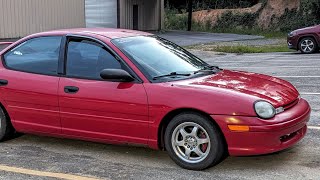
We Have This Part in Stock

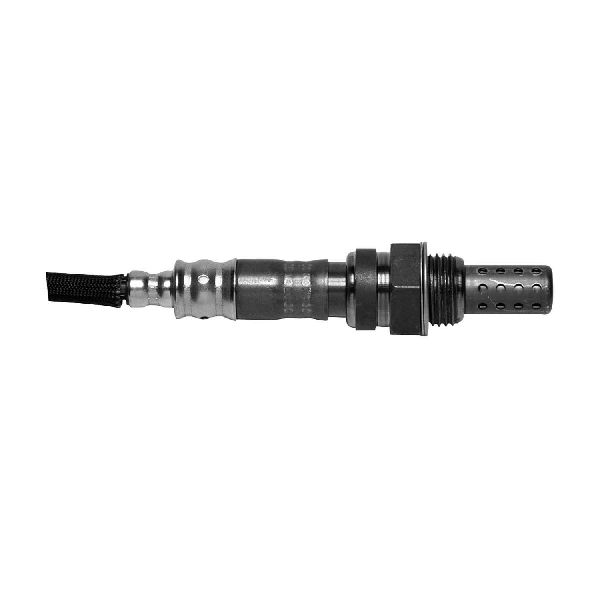
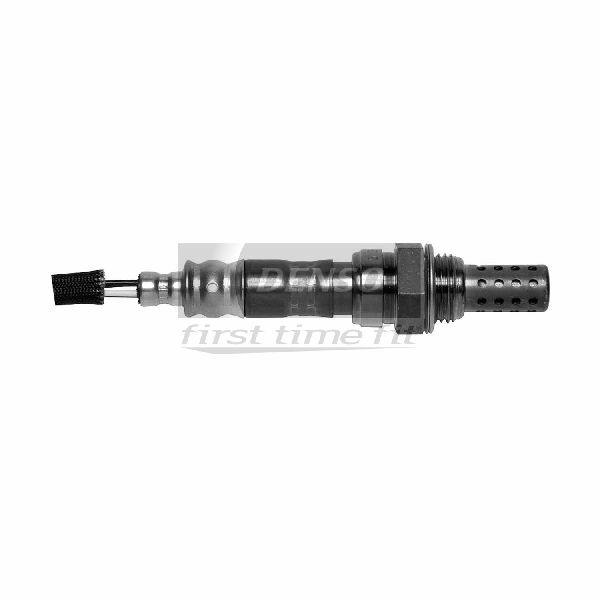
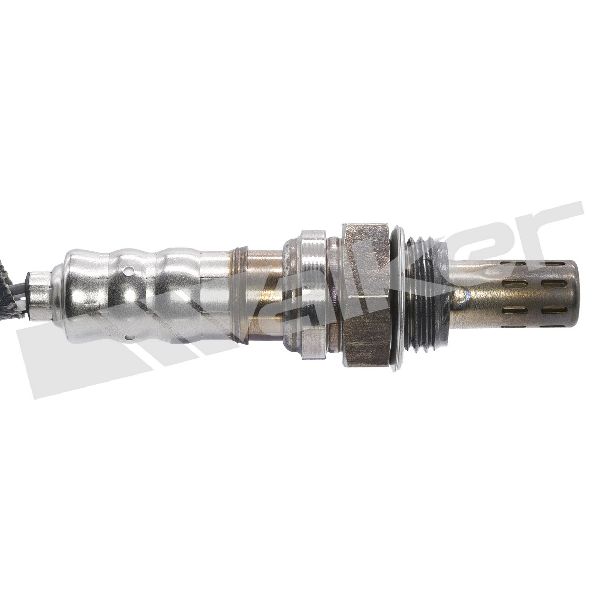

The information in this article is provided for general reference and educational purposes only. Vehicle specifications, procedures, and part compatibility can vary by production date, trim level, and region. Always consult your vehicle's factory service manual and verify part numbers before purchasing or performing repairs. Safety-critical components such as airbags, seat belts, and braking systems should be installed by a qualified professional.
- Dodge Neon:
- 🧭 Diagnostic Flowchart
- 🎬 Helpful Videos
- 🛍️ Shop This Part
- What's Unique About the 2003-2005 Dodge Neon
- Symptoms You May Notice
- Most Likely Causes
- Rare But Worth Checking
- Diagnosis Steps
- Parts You'll Likely Need
- Related Codes That Often Appear With This One
- Technical Service Bulletins (TSBs) & Recalls
- Platform-Specific Known Issues
- Mechanic-Grade Diagnostic Values
- Scan Tool Commands That Help
- Wiring & Ground Locations
- Real Owner Repair Stories
- Documented NHTSA Reports
- OEM Part Supersession History
- Model Year Variations Within This Range
- Other Known Issues on This Vehicle
- Used vs. New Parts: Buying Guide for This Vehicle
- Real Owner Stories
- 2003 Dodge Neon 2.0L/2.4L
- 2003-2005 Dodge Neon SRT-4 2.4L Turbo
- Related OBD-II Codes
- Frequently Asked Questions
- 🎟️ Get 5% Off