

P0132 on 2013-2018 Ford Focus 2.0L EcoBoost: High Voltage O2 Sensor Causes and Fixes
On a 2013-2018 Ford Focus with the 2.0L EcoBoost (primarily the ST model), code P0132 is almost always caused by a failed upstream oxygen sensor (Bank 1, Sensor 1). Owners strongly recommend using an OEM Motorcraft or a quality aftermarket Bosch sensor. Expect to pay between $50 for an aftermarket part and $120 for an OEM Motorcraft sensor. It is a DIY-friendly job for those with the correct 22mm (or 7/8") O2 sensor socket.
- P0132 on a 2013-2018 Focus almost always means the upstream oxygen sensor (Bank 1, Sensor 1) has failed.
- Confirm the failure by checking for a stuck high voltage reading (above 0.9V) using a scanner's live data.
- A Ford Technical Service Bulletin (TSB 14-0189) exists for the 2013 model year, acknowledging this as a known issue.
- The correct OEM part number is 8F9Z-9F472-H.
- While you can drive with the light on, fixing it promptly will restore fuel economy and prevent potential damage to the catalytic converter.
What's Unique About the 2013-2018 Ford Focus
For the 2013 Ford Focus specifically, Ford issued a Technical Service Bulletin (TSB 14-0189) for DTC P0132, indicating a known issue with the original factory-installed oxygen sensors. The bulletin recommends replacing the Bank 1, Sensor 1 heated oxygen sensor (HO2S) to resolve the issue. This suggests that the sensors themselves were a weak point on early models within this year range, making a faulty sensor the most probable cause. Furthermore, on the Focus ST model, which is the primary user of this engine, owners report that the installation of aftermarket parts, such as a catless or high-flow downpipe, can sometimes trigger this code if the sensor is old or not functioning perfectly.
Symptoms You May Notice
- Check Engine Light is on
- Reduced fuel economy
- Engine may run rough, hesitate, or stall, especially during initial acceleration.
- Smell of raw fuel from the exhaust
- Black smoke from the exhaust in severe cases
- Hesitation or stumbling under acceleration.
- Replacing the catalytic converter. The P0132 code points to a problem with the upstream sensor, not the converter. A failing converter typically sets codes like P0420.
- Replacing the downstream O2 sensor (Sensor 2). This code is specific to Sensor 1, which is located before the catalytic converter.
Most Likely Causes
- Faulty Upstream Oxygen Sensor (Bank 1, Sensor 1) 🔴 High Probability → Shop Oxygen Sensor Ford issued a TSB (14-0189) for the 2013 model year specifically for this code, recommending the replacement of the O2 sensor, indicating a known weakness in the original part. Forum users across many threads confirm this is the most common fix and strongly recommend using OEM Motorcraft or Bosch sensors, as cheap generic sensors are reported to fail quickly.
How to confirm: Use an OBD-II scanner to view live data for the 'O2S11' sensor. If the voltage is stuck high (e.g., above 0.9V) and is not switching rapidly between high and low values (approx. 0.1V to 0.9V) when the engine is warm, the sensor has likely failed.
Typical fix: Replace the Bank 1, Sensor 1 heated oxygen sensor. This sensor is located on the exhaust manifold/downpipe, accessible from the top of the engine bay.
Est. part cost: $50-$120 - Engine Running Rich (due to other components) 🟡 Medium Probability A stuck-open EVAP purge valve is a very common failure on this platform that allows un-metered fuel vapor into the engine, creating a rich condition. The O2 sensor will accurately report this rich condition with a high voltage, triggering P0132 or P2196. This often leads to misdiagnosis where the O2 sensor is replaced, but the code returns.
How to confirm: If you have other codes like P0172 (System Too Rich) or P1450 (Unable to Bleed Up Fuel Tank Vacuum), the O2 sensor is likely not the root cause. Investigate the EVAP purge valve first. Other causes include leaking fuel injectors or a faulty fuel pressure regulator.
Typical fix: Diagnose and replace the component causing the rich condition. Most commonly, this involves replacing the EVAP purge valve and its associated hose assembly.
Est. part cost: $40-$300 - Wiring or Connector Issue ⚪ Low Probability The wiring harness to the O2 sensor is exposed to high heat from the exhaust manifold and turbo. Over time, wires can become brittle and melt or chafe against a heat shield, causing a short to voltage.
How to confirm: Visually inspect the wiring and connector leading to the upstream O2 sensor for any signs of damage, melting, or corrosion. Check for a blown fuse for the sensor's heater circuit (often labeled 'HTR'). Use a multimeter to check for a short to voltage on the signal wire.
Typical fix: Repair or replace the damaged section of the wiring harness or the connector. Replace any blown fuses.
Est. part cost: $10-$50
Rare But Worth Checking
- Aftermarket Downpipe Installation: On Focus ST forums, owners frequently report P0132 appearing after installing an aftermarket downpipe. The change in exhaust flow and heat characteristics can sometimes cause an older, borderline-functional O2 sensor to fail or read incorrectly. Often, a new OEM sensor resolves the code.
- Exhaust Leak Before the O2 Sensor: → Shop Oxygen Sensor An exhaust leak from a cracked manifold or bad gasket can disrupt sensor readings, though it more commonly causes a lean code (P0131). It's worth a quick inspection of the manifold.
- Faulty Powertrain Control Module (PCM): → Shop Engine Control Module (ECM) This is extremely rare. The PCM should only be considered after all other possibilities, including the sensor, its entire circuit, and any components causing a true rich condition, have been exhaustively tested and ruled out.
Diagnosis Steps
- Connect an OBD-II scanner and confirm P0132 is the primary code. Check for any other codes, especially P0172, P2196, or P1450.
- Using the scanner's live data function, monitor the voltage for 'O2S11' (Bank 1, Sensor 1) with the engine fully warmed up.
- Observe the voltage. It should fluctuate rapidly between approximately 0.1V and 0.9V. If it is stuck high (e.g., >0.9V) and does not switch, the sensor is the most likely culprit.
- Check long-term and short-term fuel trim values. If they are highly negative (e.g., -25%), the PCM is trying to compensate for a rich condition that the sensor is reporting. This could point to a faulty EVAP purge valve or fuel injector.
- If the sensor appears faulty, turn off the engine and allow the exhaust to cool completely.
- Inspect the O2 sensor's wiring harness and connector for any visible damage, melting, or corrosion, paying close attention to where it runs near the exhaust manifold.
- If the wiring is intact and the sensor voltage was stuck high, proceed with replacing the Bank 1, Sensor 1 oxygen sensor.
- If the vehicle has an aftermarket downpipe, be aware that this can sometimes cause sensor issues. Ensure a high-quality sensor is used.
- If the cause is still unclear, test for a true rich condition by inspecting the EVAP purge valve for being stuck open.
Parts You'll Likely Need
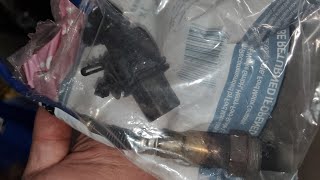
- Upstream Heated Oxygen Sensor (Bank 1, Sensor 1)
(OEM #8F9Z-9F472-H (Motorcraft DY1181))— This is the most common failure part for P0132 on this vehicle, a fact supported by a Ford TSB and numerous owner accounts.
Trusted brands: Motorcraft, Bosch (p/n 17258 or 0258017357), Denso, NGK
OEM price range: $90-$120
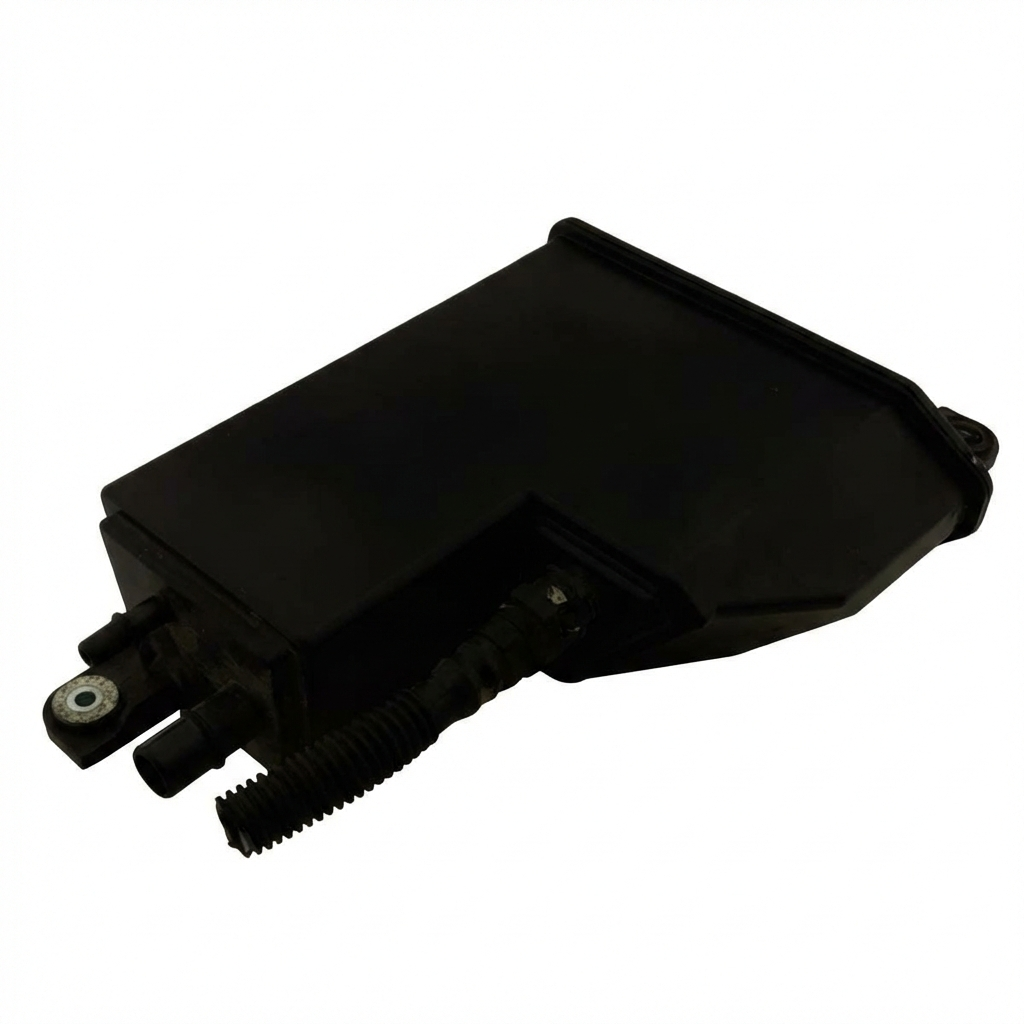
Aftermarket price range: $50-$80 - Canister Purge Valve / Vapor Management Valve
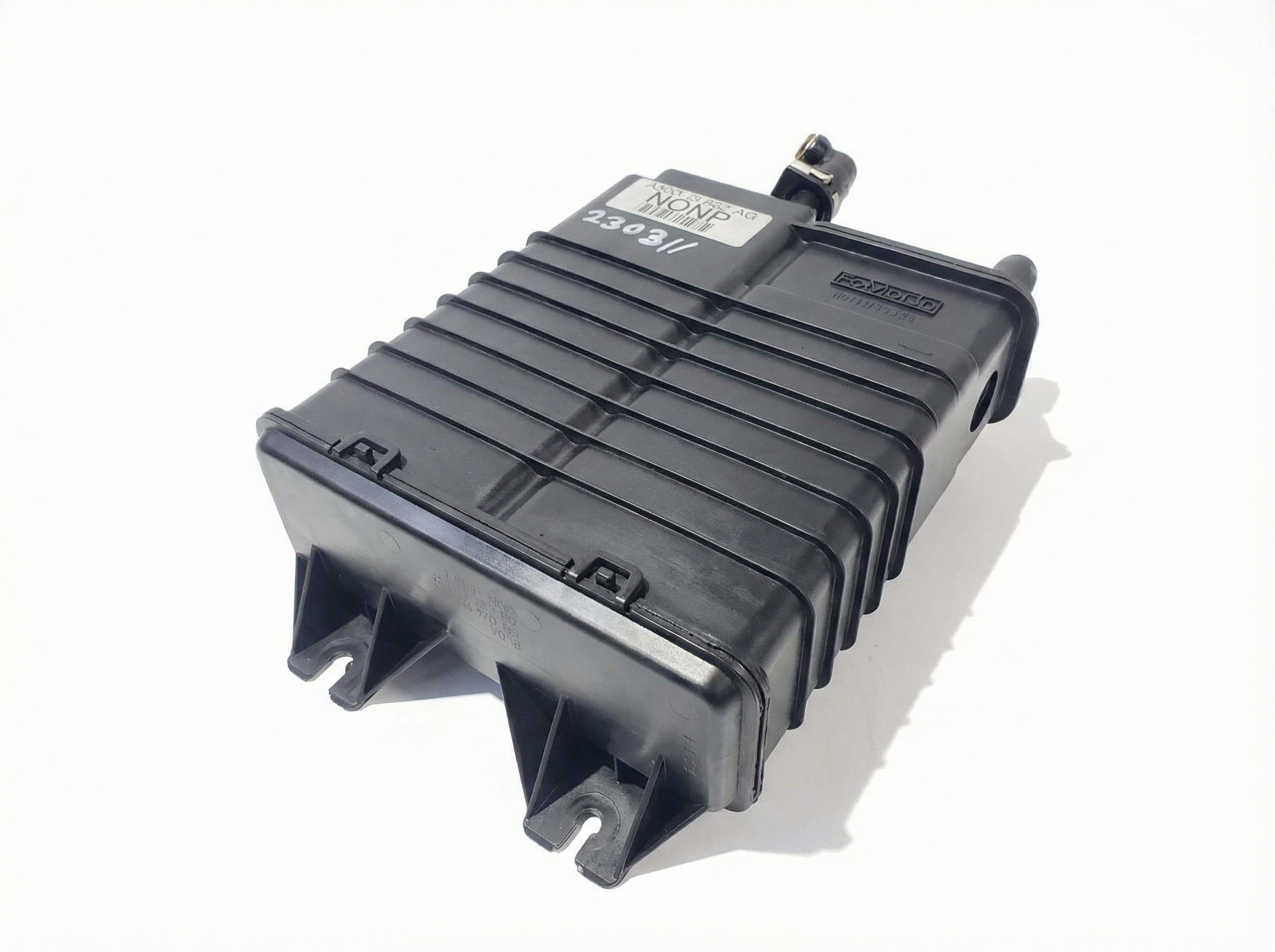
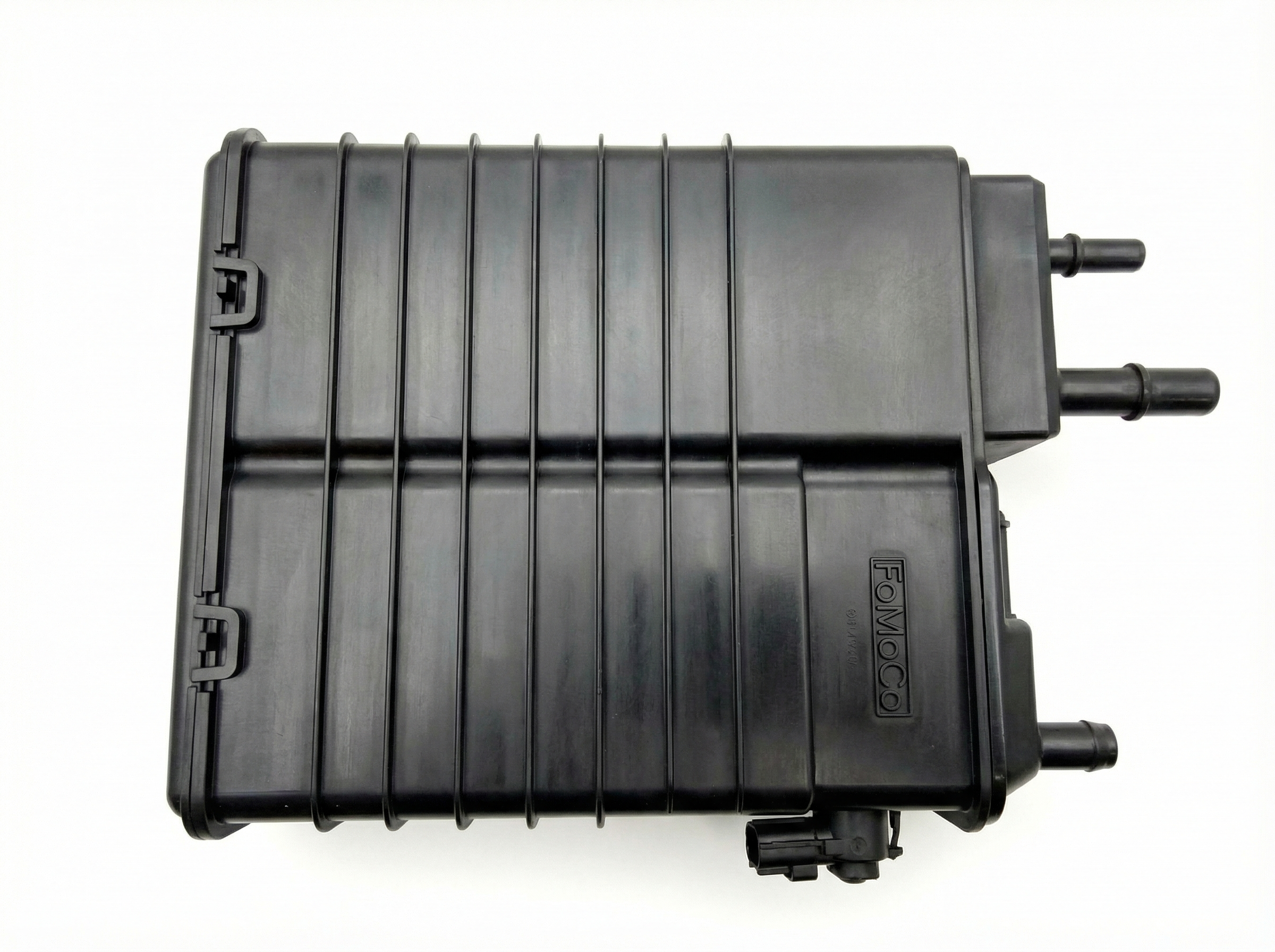
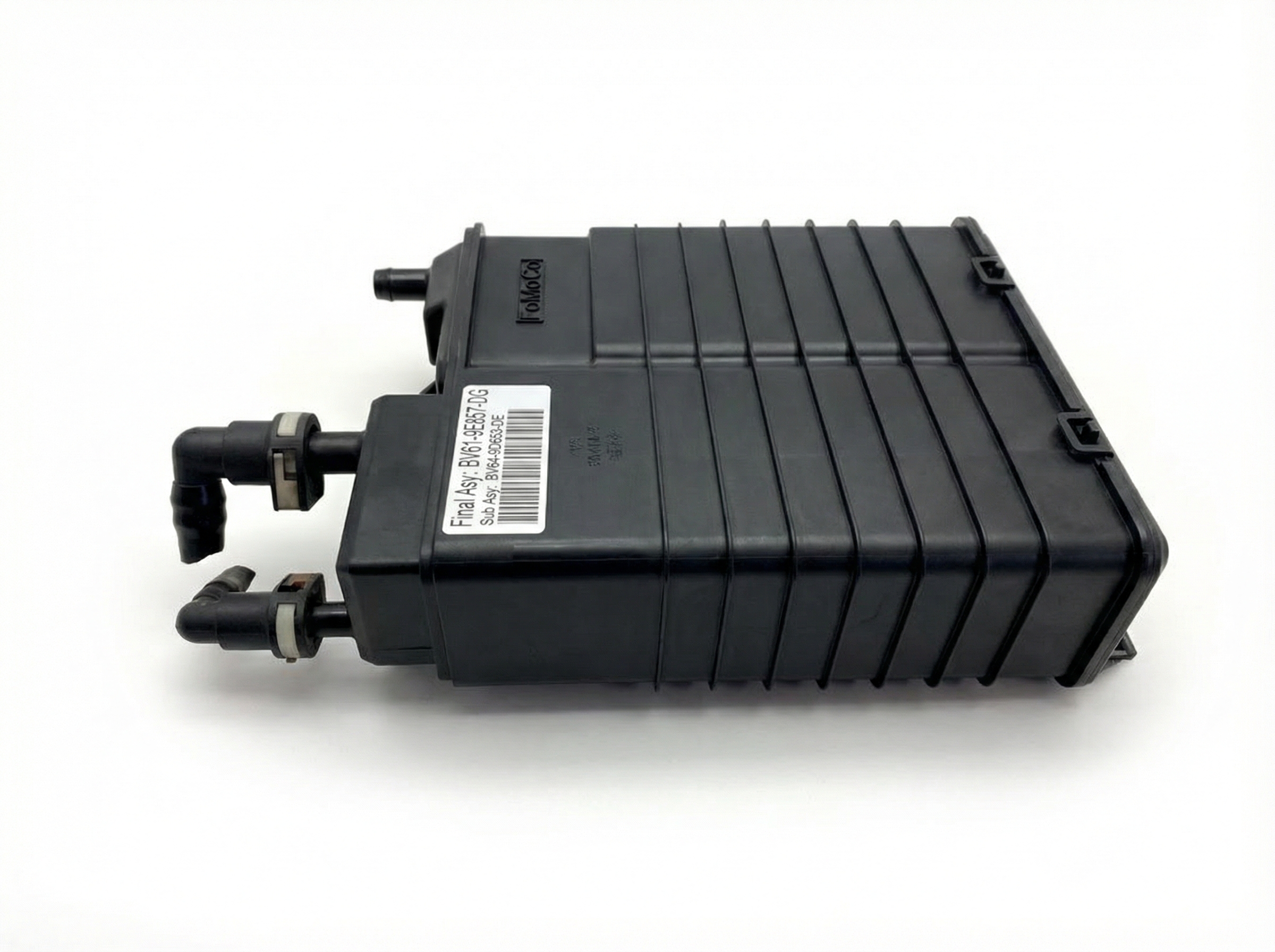
(OEM #BV6Z-9D289-E (or assembly BV6Z-9D653-B))— A very common failure on this platform that causes a rich condition, which can trigger P0132. If P0172 is also present, this part is highly suspect.
Trusted brands: Motorcraft (CX2349), Dorman
OEM price range: $40-$60
Aftermarket price range: $25-$45
Related Codes That Often Appear With This One
- P0172 — Stands for 'System Too Rich (Bank 1)'. If seen with P0132, it strongly suggests the O2 sensor is correctly reporting a rich condition. The root cause is very likely a fuel delivery issue, such as a stuck EVAP purge valve, not the sensor itself.
- P2196 — Stands for 'O2 Sensor Signal Stuck Rich (Bank 1, Sensor 1)'. This is a very similar code to P0132 and points to the same set of causes, often a failed sensor or a true rich condition.
- P0135 — Stands for 'O2 Sensor Heater Circuit Malfunction (Bank 1, Sensor 1)'. If this code appears with P0132, it almost certainly confirms an internal failure of the O2 sensor assembly, as the heater element is part of the sensor.
Technical Service Bulletins (TSBs) & Recalls
- TSB 14-0189: For some 2013 Focus vehicles, this TSB addresses an illuminated MIL with DTC P0132 (among others) and advises replacing the Bank 1, Sensor 1 heated oxygen sensor.
Platform-Specific Known Issues
- TSB 14-0189 was issued for 2013 Ford Focus models (among others) built between 6/1/2012 and 5/1/2013 for DTCs including P0132, P0152, P2196, P2270, and P2272, recommending the replacement of the upstream HO2S.
- The upstream O2 sensor can be extremely difficult to remove due to being seized in the exhaust manifold from heat cycles. Soaking it in penetrating oil (like PB Blaster or Kroil) for several hours or overnight is highly recommended. Using a proper 22mm or 7/8" slotted O2 sensor socket with a long breaker bar is essential for removal.
Mechanic-Grade Diagnostic Values
- Upstream O2 Sensor (HO2S11) Live Data Voltage — expected: Rapidly fluctuating between ~0.1V (lean) and ~0.9V (rich) in closed loop.. Failure: Voltage is stuck consistently above 0.8V - 0.9V for an extended period.
- Upstream O2 Sensor (O2S11) Current PID (on some scan tools) — expected: The current value should be actively switching and bouncing back and forth at hot idle.. Failure: The current PID is stuck at a fixed value (e.g., 66mA) and does not change.
- High-Pressure Fuel Rail Pressure (GDI System) — expected: Approximately 280-350 PSI at idle, and can range from 2,000 to 2,800 PSI under load.. Failure: Significantly lower pressure at idle could indicate a failing high-pressure fuel pump (HPFP), which could potentially cause rich conditions, though this is less common for P0132.
- Low-Side Fuel Pressure (supplying the HPFP) — expected: 35 - 65 PSI.. Failure: Low pressure from the in-tank pump is more likely to cause lean conditions, but is a key health indicator for the overall fuel system.
Hidden / Shadow Codes Worth Checking
- Mode $06, TID:$01, CID:$11: This is the On-Board Diagnostic Test ID for the Upstream Oxygen Sensor (HO2S11). It monitors the sensor's response rate and switching characteristics. A failing result here can indicate a degraded sensor even before a constant DTC like P0132 is set. (see via A professional scan tool or software like FORScan that can display Mode $06 data. The raw data may need to be converted to be human-readable.)
Scan Tool Commands That Help
- FORScan: O2 Sensor Heater Actuation Test — If a heater circuit code (like P0135) is present alongside P0132, this bidirectional command allows you to manually turn the sensor's heater on and off to verify the circuit's integrity, helping to distinguish between a bad sensor and a wiring problem.
- FORScan / Professional Scan Tool: Live Data Graphing (O2S11 Voltage) — This is the primary diagnostic step. Graphing the voltage allows for easy visualization of a stuck (flat-lined high) sensor versus a properly functioning (oscillating) sensor.
Wiring & Ground Locations
- O2 Sensor Ground Path — The oxygen sensor typically receives its ground through its metal body, which is threaded into the exhaust manifold. The manifold is then grounded to the engine block, which is grounded to the chassis and battery.. A poor ground connection due to corrosion on the exhaust manifold threads or a faulty engine ground strap can cause erratic or incorrect voltage readings. When testing a new sensor before full installation, its body must be grounded to the engine to get a correct reading.
- HO2S11 Connector — The connector for the upstream O2 sensor is located near the back of the engine, accessible from the top. Following the wire from the sensor in the exhaust manifold will lead directly to it.. This connector and the nearby wiring are highly susceptible to heat damage from the turbocharger and exhaust manifold. A visual inspection for melted plastic, brittle wires, or corrosion is a critical diagnostic step.
Real Owner Repair Stories
- YouTube / Go-Parts article (2013 Ford Focus ST (2.0L Turbo)) — Check Engine Light with code P2196 (O2 Sensor Stuck Rich), which is functionally similar to P0132.
❌ Tried (didn't work) Replacing the upstream O2 sensor
✅ What actually fixed it The actual cause was a failed EVAP purge valve. Replacing the purge valve resolved the stuck rich code. - Ford Owners Club forum user 'Bar72' (Ford Focus (details not specified but context implies Mk3)) — Engine running rich, poor fuel economy (high long/short term fuel trims).
❌ Tried (didn't work) Initial scan showed no codes, but live data suggested a problem.
✅ What actually fixed it Replaced the upstream O2 sensor which was 'lazy at updating'. After replacement, fuel trims returned to normal single-digit values, indicating the fix was successful.
When the Usual Fixes Don't Work
- While a faulty O2 sensor is the most common cause, a significant number of owners have fixed P0132 or the related P2196 code only after replacing the EVAP purge valve. In these cases, replacing the O2 sensor first did not solve the problem because the sensor was correctly reporting a rich condition caused by the faulty valve. This highlights the importance of checking for companion codes like P0172 (System Too Rich) before defaulting to O2 sensor replacement.
OEM Part Supersession History
Unknown, multiple revisions likely existed.→8F9Z-9F472-H (also sold as Motorcraft DY1181)— This is the part number specified in TSB 14-0189 for the 2013 model year to resolve P0132 and related codes, suggesting it is an improved design over the original factory-installed sensor.
Model Year Variations Within This Range
- 2015-2018 (Facelift models): The 2015 model year introduced a significant interior and exterior facelift. While the 2.0L EcoBoost engine and the P0132 causes remained the same, the infotainment system was upgraded to SYNC 2 (and later SYNC 3), and the dashboard layout was simplified with fewer buttons and a larger touchscreen. The suspension and steering were also retuned. These changes do not affect the diagnosis of P0132 but are important for overall vehicle identification.
Diagnostic Flowchart
Other Known Issues on This Vehicle
Issues unrelated to this code that are worth knowing about as an owner of this generation:
- EVAP Canister Purge Valve Failure 🔴 High — Very common. Can occur at any mileage. Symptoms include rough idle, stalling after refueling, and difficulty starting. (Ref: Recall 18S32 / NHTSA 18V735 addresses a related PCM software issue that can cause fuel tank deformation if the valve sticks open.)
- Low-Speed Pre-Ignition (LSPI) 🔴 High — A known risk for early direct-injection turbo engines, especially if tuned. Can cause catastrophic engine damage (aka 'EcoBoom'). (Ref: No specific recall, but mitigation involves using API SN PLUS or newer certified oil and high-quality fuel.)
- Soft Rear Motor Mount (RMM) 🟠 Medium — The original RMM is considered a weak point, allowing excessive engine movement (wheel hop, harsh shifts). Many owners upgrade it as one of the first modifications.
- Coolant Intrusion into Cylinders 🔴 High — A known issue on some 2.0L EcoBoost engines where coolant can leak into the cylinders, leading to misfires, white smoke, and eventual engine failure. (Ref: Ford has issued TSBs for this issue on related EcoBoost engines.)
- Cracked Exhaust Manifold 🟠 Medium — Can occur on higher mileage or tuned vehicles, leading to exhaust leaks, audible ticking noises, and potential performance loss.
Used vs. New Parts: Buying Guide for This Vehicle
When a used part is the smart pick: For this repair, a used part is generally not recommended. The primary failure part is the oxygen sensor itself, which is a wear-and-tear item with a finite lifespan. Installing a used sensor is risky as its remaining life is unknown and it may fail shortly after installation.
Donor-vehicle mileage cap: roughly under 30000 miles for the part to have meaningful remaining life.
What to inspect on the donor part:
- If considering a used sensor, only select one from a very low-mileage vehicle.
- Inspect the wiring pigtail for any signs of brittleness, melting, or fraying.
- Ensure the connector is clean, free of corrosion, and not cracked.
OEM-only on this vehicle (don't cheap out):
- Oxygen Sensor
Aftermarket brands forum-validated for this vehicle:
- Bosch
- NGK / NTK
- Denso
Brands owners have reported issues with on this vehicle:
- Generic, unbranded 'eBay' sensors are frequently reported by owners to fail prematurely, sometimes within a year.
Real Owner Stories
Aggregated from forums and TSBs cited above. Mileages and costs reflect what owners reported in those sources.
2013 Ford Focus ST 2.0L EcoBoost
Symptoms: The car was throwing codes P0132 and P2196 simultaneously.
What fixed it: Replacement of the upstream O2 sensor resolved the issue.
Source hint: focusst.org thread titled 'P0132 and P2196 - O2 Sensor'
2013-2018 Ford Focus 2.0L EcoBoost
Symptoms: A generic replacement O2 sensor was installed but failed in less than a year.
What fixed it: Replacing the generic unit with a high-quality Motorcraft sensor.
Source hint: YouTube video 'Tips for Replacing Focus ST Upstream O2 Sensor'
2013 Ford Focus 2.0L EcoBoost
Symptoms: Check engine light illuminated with DTC P0132.
What fixed it: Replacement of the Bank 1, Sensor 1 heated oxygen sensor as per technical service instructions.
Source hint: TSB 14-0189
Related OBD-II Codes
Frequently Asked Questions
Does TSB 14-0189 apply to my 2013 Ford Focus?
Which specific O2 sensor should I buy for my Focus ST to avoid repeat failures?
Could my P0132 code actually be caused by the EVAP system?
Is there a recall related to the EVAP issues that cause rich codes on this vehicle?
Where is the Bank 1, Sensor 1 O2 sensor located on the 2.0L EcoBoost?
Why is it so difficult to remove the O2 sensor on this specific engine?
Helpful Videos
Used OEM Parts in Stock
New Aftermarket Parts Available



The information in this article is provided for general reference and educational purposes only. Vehicle specifications, procedures, and part compatibility can vary by production date, trim level, and region. Always consult your vehicle's factory service manual and verify part numbers before purchasing or performing repairs. Safety-critical components such as airbags, seat belts, and braking systems should be installed by a qualified professional.
- Ford Focus:
- 🧭 Diagnostic Flowchart
- 🎬 Helpful Videos
- 🛍️ Shop This Part
- What's Unique About the 2013-2018 Ford Focus
- Symptoms You May Notice
- Most Likely Causes
- Rare But Worth Checking
- Diagnosis Steps
- Parts You'll Likely Need
- Related Codes That Often Appear With This One
- Technical Service Bulletins (TSBs) & Recalls
- Platform-Specific Known Issues
- Mechanic-Grade Diagnostic Values
- Hidden / Shadow Codes Worth Checking
- Scan Tool Commands That Help
- Wiring & Ground Locations
- Real Owner Repair Stories
- When the Usual Fixes Don't Work
- OEM Part Supersession History
- Model Year Variations Within This Range
- Other Known Issues on This Vehicle
- Used vs. New Parts: Buying Guide for This Vehicle
- Real Owner Stories
- 2013 Ford Focus ST 2.0L EcoBoost
- 2013-2018 Ford Focus 2.0L EcoBoost
- 2013 Ford Focus 2.0L EcoBoost
- Related OBD-II Codes
- Frequently Asked Questions
- 🎟️ Get 5% Off