

P0132 on 2013-2016 Hyundai Genesis Coupe 3.8L: High Voltage O2 Sensor Causes and Fixes
This code almost always means the upstream oxygen sensor on the passenger side (Bank 1) has failed. The sensor is sending a constant high voltage signal to the computer. Replacing the sensor (OEM Part #39210-3CCB0) is the most common fix. An OEM sensor costs around $150-$250, while aftermarket options are available for $60-$120.
- P0132 on your 2013-2016 Genesis Coupe 3.8L points to a high voltage signal from the upstream oxygen sensor on the passenger side.
- The most probable cause is a failed oxygen sensor, which is a standard wear-and-tear part. The OEM part number is 39210-3CCB0.
- Before replacing the sensor, always perform a quick visual check of the wiring for any melting or damage and check the associated fuse.
- Ensure you purchase the correct sensor for the BK2 (2013-2016) GDI engine, as parts from the earlier BK1 models will not work.
- Driving with this code will negatively affect your fuel mileage and can eventually damage the catalytic converter.
What's Unique About the 2013-2016 Hyundai Genesis Coupe
The 2013-2016 Genesis Coupe is known as the BK2 generation and features a Gasoline Direct Injection (GDI) version of the 3.8L V6 engine. This is different from the earlier 2010-2012 (BK1) models which used a port-injected (MPI) engine. The oxygen sensors are not interchangeable between these two generations, so it is critical to use the correct part for your GDI engine. For example, the upstream sensor for a BK1 is a different part number than the BK2's 39210-3CCB0. On this V6, Bank 1 is the passenger side of the engine.
🎬 See this guide to identify Bank 1 and Bank 2 locations.Symptoms You May Notice
- Check Engine Light is on
- Decreased fuel economy
- Rough or unstable idle
- Hesitation or stumbling during acceleration
- Smell of gasoline from the exhaust due to the rich running condition
- Replacing the wrong oxygen sensor (e.g., the downstream Sensor 2, or the sensor on the driver's side Bank 2). P0132 is specific to Bank 1, Sensor 1.
- Replacing the sensor without first checking the wiring harness for melting or damage, which is a known possibility due to proximity to the exhaust.
Most Likely Causes
- Failed Upstream Oxygen Sensor (Bank 1, Sensor 1) 🔴 High Probability → Shop Oxygen Sensor Oxygen sensors are wear-and-tear items that degrade over time from heat and contaminants. Internal failure of the sensor's heating element or sensing cell can cause the voltage output to short high.
How to confirm: Use a scan tool to observe the live data for 'B1S1'. If the voltage is stuck above 0.9V and does not fluctuate during engine operation, the sensor has likely failed. 🎬 Watch: A breakdown of causes and fixes for high voltage codes. You can also test the heater circuit resistance 🎬 Watch: Two simple DIY methods to fix a P0132 code. with a multimeter; an open circuit (OL reading) or a reading outside the typical 3-25 ohm range indicates failure.
Typical fix: Replace the Bank 1, Sensor 1 oxygen sensor. This is the upstream sensor on the passenger side exhaust manifold. The OEM part number is 39210-3CCB0.
Est. part cost: $60-$250 - Wiring Harness or Connector Damage 🟡 Medium Probability The wiring harness is close to hot exhaust components and can become brittle, melt, or corrode over time, leading to a short circuit to power.
How to confirm: Visually inspect the entire wiring harness and connector for the Bank 1 Sensor 1 O2 sensor. Look for melted plastic, frayed wires, corrosion in the connector pins, or any signs of physical damage. A short to the power wire in the harness will cause a constant high voltage reading.
Typical fix: Repair the damaged section of the wiring harness or replace the connector pigtail.
Est. part cost: $15-$50 - Engine Running Rich ⚪ Low Probability While less common for this specific code, a leaking fuel injector or a faulty fuel pressure regulator can cause an actual rich condition, forcing the O2 sensor to read high. GDI injectors on this platform can be susceptible to issues, though this usually presents with other codes.
How to confirm: This is usually accompanied by other trouble codes, such as fuel trim codes (e.g., P0172). Diagnosis would involve checking fuel pressure and testing fuel injectors.
Typical fix: Repair the underlying cause of the rich condition, such as replacing a leaking fuel injector.
Est. part cost: $100-$400
Rare But Worth Checking
- Exhaust Leak Upstream of Sensor: A crack in the exhaust manifold or a bad gasket before the O2 sensor can introduce outside air, confusing the sensor and sometimes causing it to report an incorrect high voltage reading.
- Faulty Powertrain Control Module (PCM): → Shop Engine Control Module (ECM) In very rare cases, the fault can be internal to the engine computer itself, specifically the voltage regulation circuit for the sensor. This should only be considered after all other possibilities have been exhaustively ruled out.
Diagnosis Steps
- Connect an OBD-II scanner and confirm P0132 is the active code. Note any other codes present.
- View the live data stream for the 'B1S1' (Bank 1, Sensor 1) O2 sensor. The voltage should fluctuate rapidly between approximately 0.1V and 0.9V. If it is stuck high (e.g., >0.9V), the sensor or its circuit is faulty.
- Perform a thorough visual inspection of the Bank 1 (passenger side) upstream O2 sensor's wiring and connector. Look for any signs of melting, chafing, corrosion, or loose connections.
- Check the fuse for the O2 sensor heater circuit, often labeled 'SNSR-1' (10A) in the engine bay fuse box.
- Inspect the exhaust manifold and the area around the sensor for black soot, which would indicate an exhaust leak.
- If the wiring and fuse are intact and there are no leaks, the O2 sensor itself is the most likely culprit and should be replaced. A special 22mm (or 7/8") slotted socket is often required for removal and installation.
Parts You'll Likely Need
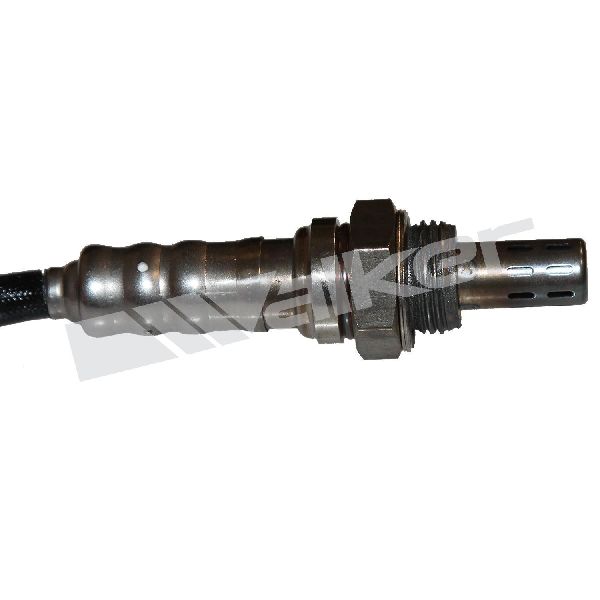
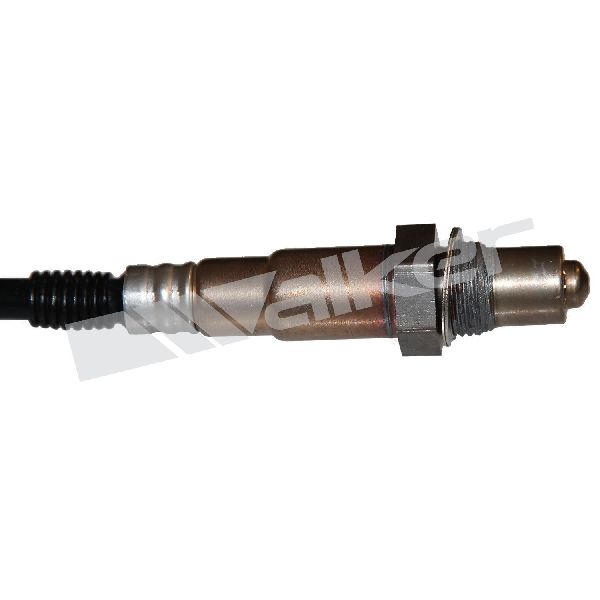
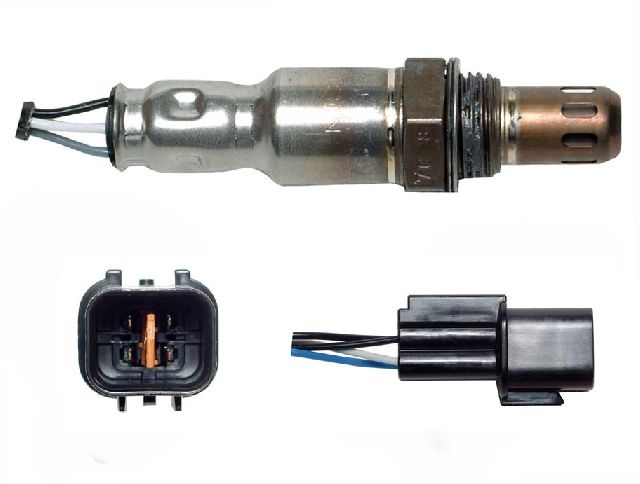
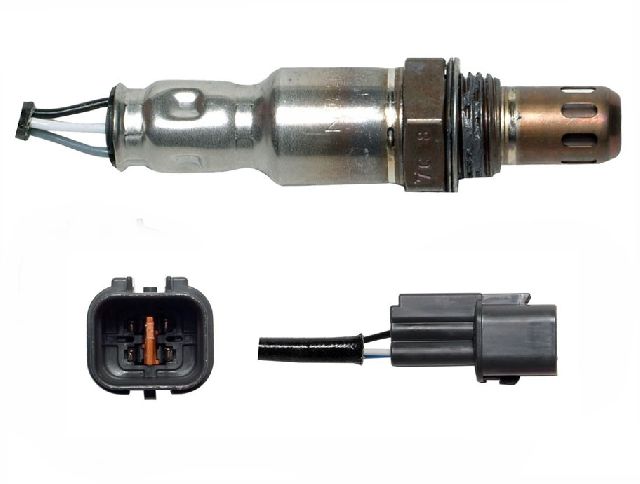
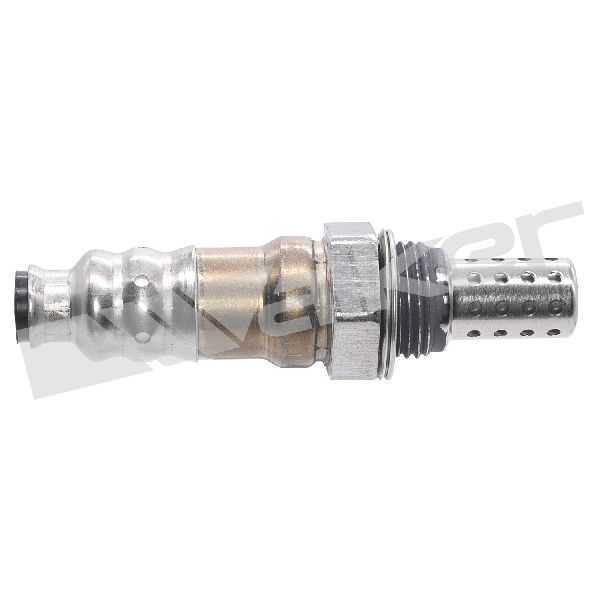
- Upstream Oxygen Sensor (Bank 1, Sensor 1)
(OEM #39210-3CCB0)— This is the most common failure item for code P0132. It is a wear item that directly triggers the code when it fails and sends a constant high voltage signal.
Trusted brands: Hyundai (OEM), Bosch, Denso, NGK/NTK
OEM price range: $150-$250
Aftermarket price range: $60-$120
Related Codes That Often Appear With This One
- P0172 — If the engine is genuinely running rich from another issue (like a leaky injector), you may also see a 'System Too Rich (Bank 1)' code along with P0132.
Technical Service Bulletins (TSBs) & Recalls
- TSB 16-AT-015-1: While not for code P0132, this TSB addresses shift flares and harsh shifting in the 8-speed automatic transmission used in 2013-2016 Genesis Coupes by replacing certain solenoids. It is a notable platform issue for automatic owners.
Platform-Specific Known Issues
- Owner Experience: P0132 and P0152 at 70k miles: A user on the gencoupe.com forums with a 2013 3.8 R-Spec reported getting both P0132 (Bank 1 Sensor 1 High Voltage) and P0152 (Bank 2 Sensor 1 High Voltage) simultaneously at around 70,000 miles. The fix was to replace both upstream O2 sensors. This indicates that when one sensor fails due to age/mileage, the other may not be far behind, and replacing them in pairs can be a good preventative measure.
Mechanic-Grade Diagnostic Values
- O2 Sensor Signal Voltage (B1S1) - Code Trigger Threshold — expected: Fluctuating between ~0.1V and 0.9V. Failure: Voltage remains above 1.3V for a specified time (e.g., 1 to 12.5 seconds).
- O2 Sensor Heater Circuit Resistance — expected: Typically between 3 and 25 Ohms when cold.. Failure: Reading of OL (Open Loop/infinite resistance) or 0 ohms (short circuit).
- O2 Sensor Signal Frequency at Idle (B1S1) — expected: A healthy sensor should switch from lean to rich approximately 3 times per second (3 Hz) at idle once warmed up.. Failure: A flat line or very slow switching frequency.
- High-Pressure Fuel System (GDI) — expected: Can operate up to 150-250 bar.. Failure: While not a direct test for P0132, pressure outside of spec could indicate a rich condition that contributes to the code.
Hidden / Shadow Codes Worth Checking
- Mode 6, Test $01, Component $01: While not a hidden code, dealer-level scanners (like Hyundai GDS) can access Mode 6 data which shows the results of the onboard O2 sensor monitoring tests. This allows a technician to see the raw test values and limits, confirming if the sensor is failing the PCM's internal checks even before a code fully matures. (see via Hyundai GDS (Global Diagnostic System) or advanced professional scan tools with Mode 6 capability.)
Scan Tool Commands That Help
- Hyundai GDS (or equivalent professional scanner): Reset Readiness Monitors / Service Function — After replacing an oxygen sensor or performing other emissions-related repairs, this function is used to clear the status of the onboard diagnostic monitors, allowing the system to re-verify the repair and turn off the Check Engine Light.
Wiring & Ground Locations
- SNSR-1 Fuse (10A) — Located in the Right E/R (Engine Room) Junction Box, in the right rear of the engine compartment.. This fuse provides power to the oxygen sensor circuit. If it blows, it can cause a P0132 or other related sensor codes.
- ECU Ground — A primary ground point for the Engine Control Unit, often located on the chassis near the ECU itself.. A poor ECU ground can cause erratic voltage readings and phantom codes for multiple sensors, including the O2 sensor.
- Intake Manifold Ground — A bolt on the intake manifold serves as a common grounding point for various engine components.. Ensures the engine block and its attached sensors have a solid ground path to the battery/chassis.
- Starter Motor Bolt Ground — A ground wire is often attached to one of the starter motor mounting bolts on the transmission bell housing.. This provides a critical ground path between the engine/transmission assembly and the chassis.
- B1S1 Connector Pinout — The 4-wire connector for the upstream passenger-side O2 sensor.. Technicians need to identify the signal, ground, and two heater circuit wires to perform voltage and resistance tests directly at the connector. The two heater wires are typically the same color (e.g., both black or both white).
Diagnostic Flowchart
Other Known Issues on This Vehicle
Issues unrelated to this code that are worth knowing about as an owner of this generation:
- Manual Transmission Grind / Notchy Shifting 🟠 Medium — Very common complaint, especially shifting into 2nd, 3rd, and 5th gears. Often noticeable when cold. Can be improved with better fluid (e.g., Redline MT-85/MT-LV) and transmission mounts.
- Timing Chain Tensioner Rattle on Cold Start 🔴 High — A well-documented issue where hydraulic tensioners lose oil pressure, causing a 1-3 second rattle on cold starts. If ignored, this can lead to stretched timing chains and guide failure, eventually causing timing codes like P0016.
- Excessive Oil Consumption 🟠 Medium — Some owners report consumption rates as high as 1 quart every 1,000-2,500 miles, potentially related to piston ring design or valve stem seals.
- Automatic Transmission Harsh Shifting / Flares 🟠 Medium — Applies to vehicles with the 8-speed automatic. Shift flares or harshness during 2-3, 3-4, or 4-5 upshifts are common enough to be addressed by a TSB. (Ref: TSB 16-AT-015-1)
- Interior Chrome Finish Peeling 🟡 Low — The matte clear coat over chrome-look plastic on the steering wheel, door handles, and center console is known to flake and peel over time.
Used vs. New Parts: Buying Guide for This Vehicle
When a used part is the smart pick: For an oxygen sensor, a used part is almost never a smart choice. It is a wear-and-tear component with a finite lifespan, and its remaining life is impossible to determine. The labor to install the part is the same, and the risk of a premature failure and getting the P0132 code again is very high.
Donor-vehicle mileage cap: roughly under 20000 miles for the part to have meaningful remaining life.
What to inspect on the donor part:
- If buying used is unavoidable, source from the lowest-mileage vehicle possible.
- Inspect the wiring pigtail for any signs of melting, fraying, or brittleness.
- Ensure the sensor tip is free of heavy carbon buildup or white, chalky deposits which indicate contamination.
OEM-only on this vehicle (don't cheap out):
- While not strictly 'OEM-only', using a proven, high-quality brand is critical for oxygen sensors on this platform. Cheap, unbranded aftermarket sensors are a common cause of repeat failures or new, different codes.
Aftermarket brands forum-validated for this vehicle:
- NGK/NTK
- Denso
- Bosch
- Mando
Brands owners have reported issues with on this vehicle:
- Unbranded, 'white-box' sensors from online marketplaces should be avoided as they often have poor quality control and may not meet the precise switching requirements of the Hyundai ECU.
Real Owner Stories
Aggregated from forums and TSBs cited above. Mileages and costs reflect what owners reported in those sources.
2013 Hyundai Genesis Coupe 3.8L R-Spec — 70000 miles
Symptoms: The owner reported getting both P0132 (Bank 1 Sensor 1 High Voltage) and P0152 (Bank 2 Sensor 1 High Voltage) simultaneously.
What fixed it: Replacing both upstream O2 sensors resolved the issue.
Source hint: gencoupe.com forum thread titled 'P0132 and P0152'
Related OBD-II Codes
Frequently Asked Questions
Which side of the 3.8L V6 engine is Bank 1 for the P0132 code?
What is the correct OEM replacement part number for the upstream O2 sensor on my 2013-2016 Genesis Coupe?
Does TSB 16-AT-015-1 address my P0132 check engine light?
Could a fuse be responsible for the high voltage reading on my O2 sensor?
What tool do I need to remove the Bank 1 Sensor 1 O2 sensor on this vehicle?
Are there other Hyundai or Kia models that share this same O2 sensor issue?
Helpful Videos
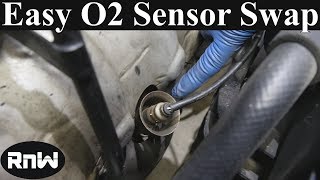
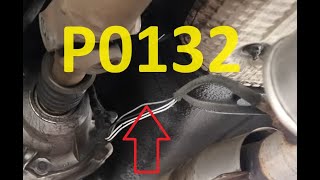
![How to Fix P0132 Engine Code in 3 Minutes [2 DIY Methods / Only $8.78]](https://img.youtube.com/vi/z01JETB0ezI/mqdefault.jpg)
We Have This Part in Stock


The information in this article is provided for general reference and educational purposes only. Vehicle specifications, procedures, and part compatibility can vary by production date, trim level, and region. Always consult your vehicle's factory service manual and verify part numbers before purchasing or performing repairs. Safety-critical components such as airbags, seat belts, and braking systems should be installed by a qualified professional.
- Hyundai Genesis Coupe:
- 🧭 Diagnostic Flowchart
- 🎬 Helpful Videos
- 🛍️ Shop This Part
- What's Unique About the 2013-2016 Hyundai Genesis Coupe
- Symptoms You May Notice
- Most Likely Causes
- Rare But Worth Checking
- Diagnosis Steps
- Parts You'll Likely Need
- Related Codes That Often Appear With This One
- Technical Service Bulletins (TSBs) & Recalls
- Platform-Specific Known Issues
- Mechanic-Grade Diagnostic Values
- Hidden / Shadow Codes Worth Checking
- Scan Tool Commands That Help
- Wiring & Ground Locations
- Other Known Issues on This Vehicle
- Used vs. New Parts: Buying Guide for This Vehicle
- Real Owner Stories
- 2013 Hyundai Genesis Coupe 3.8L R-Spec — 70000 miles
- Related OBD-II Codes
- Frequently Asked Questions
- 🎟️ Get 5% Off