

P0132 on 2001-2007 Volvo V70 2.4L Turbo: Front O2 Sensor High Voltage Causes and Fixes
On a 2001-2007 Volvo V70 Turbo, code P0132 almost always means the front (upstream) oxygen sensor has failed. A classic symptom is a rough idle on cold starts that smooths out after a few minutes. Replacing the sensor with a quality OEM-equivalent part from Bosch or Denso is the typical fix, costing between $80-$180 for the part.
- P0132 on your V70 Turbo points overwhelmingly to a failed front (upstream) oxygen sensor.
- A key symptom is a rough idle when the engine is cold that goes away after a few minutes of warming up.
- The most reliable fix is to replace the sensor with a quality part from Bosch (the original manufacturer) or Denso.
- Be prepared for a challenging repair. While the sensor itself is accessible, its electrical connector is in a very tight spot on the firewall, making this a more difficult DIY job than on many other cars.
What's Unique About the 2001-2007 Volvo V70
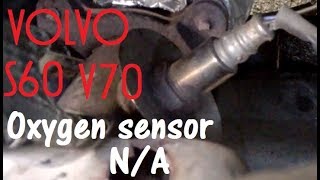
The P2 platform V70 Turbo is known for having difficult-to-access oxygen sensor connectors, which are mounted to a bracket on the firewall, tucked behind the engine and under the charge air pipe. While the sensor itself is in the exhaust manifold, unplugging it is much harder than on non-turbo models where access is clearer. 🎬 Watch: A helpful removal tip for non-turbo front oxygen sensors. A very common owner experience, detailed extensively in forums, is a rough, stumbling idle on cold starts that disappears once the engine warms up after 2-3 minutes. This happens because the sensor's internal heater has failed, and the sensor only begins to provide an accurate, fluctuating voltage signal once it gets hot enough from the exhaust gases.
Symptoms You May Notice
- Check Engine Light is on
- Rough, stumbling, or poor idle, especially when the engine is cold
- Reduced fuel economy
- Engine runs fine after warming up for 2-3 minutes
- Possible black smoke from the exhaust if the engine is running extremely rich
- Hesitation during acceleration
- Strong exhaust or 'rotten egg' smell
- Replacing the rear (downstream) oxygen sensor. This code specifically points to Sensor 1, which is the front/upstream sensor.
- Replacing the catalytic converter. A P0132 code is a cause of converter failure, not a symptom of it.
Most Likely Causes
- Failed Front (Upstream) Oxygen Sensor 🔴 High Probability → Shop Oxygen Sensor The internal heating element of the O2 sensor is a very common failure point on these models. When the heater fails, the sensor cannot provide an accurate reading on a cold engine, causing the ECU to see a static high voltage signal and triggering the code and associated rough idle.
How to confirm: Using a scan tool, observe the live data for 'Bank 1 Sensor 1' voltage at idle from a cold start. If the voltage is stuck high (e.g., >0.9V) and not fluctuating, then begins to switch normally after a few minutes of warming up, the sensor heater has failed. You can also test the resistance of the sensor's heater circuit pins (usually the two same-colored wires); an open circuit (infinite resistance) confirms failure.
Typical fix: Replace the front (upstream) oxygen sensor. 🎬 See this step-by-step walkthrough for replacing the upstream sensor. It is highly recommended to use an OEM-quality brand like Bosch or Denso, as these cars can be sensitive to off-brand sensors.
Est. part cost: $80-$180 - Wiring or Connector Damage 🟡 Medium Probability The wiring harness runs close to hot engine and exhaust components, making it susceptible to melting, chafing, or corrosion. The firewall-mounted connectors can also become brittle and the locking tabs can break, leading to poor connections.
How to confirm: Visually inspect the entire wiring harness from the O2 sensor to the firewall connector. Look for any signs of melted plastic, frayed wires, or corrosion on the connector pins. Perform a continuity test on the signal and heater circuit wires if visual inspection is inconclusive.
Typical fix: Repair the damaged section of wiring or clean/replace the connector. Secure the harness away from the exhaust manifold with high-temp zip ties to prevent future damage.
Est. part cost: $5-$50 - Engine Running Rich ⚪ Low Probability While less common for this specific code, issues like a leaking fuel injector, a faulty fuel pressure regulator, or a failing Mass Airflow (MAF) sensor can cause a genuinely rich condition, which the O2 sensor will accurately report as high voltage.
How to confirm: Check for other trouble codes related to the fuel system (e.g., P0172) or MAF sensor. Check short-term and long-term fuel trims with a scan tool; consistently negative values indicate a rich condition. Test fuel pressure and consider a fuel injector balance test.
Typical fix: Diagnose and replace the faulty component (e.g., fuel injector, fuel pressure regulator, MAF sensor).
Est. part cost: $50-$400
Rare But Worth Checking
- Exhaust Leak Before the O2 Sensor: → Shop Oxygen Sensor An exhaust leak in the manifold or at the turbo flange can introduce outside air, which can sometimes cause erratic sensor readings. While it more commonly causes lean codes (low voltage), a significant leak can disrupt exhaust flow and is worth inspecting for, especially if you hear an exhaust ticking noise when cold.
- Faulty Engine Control Module (ECM): → Shop Engine Control Module (ECM) This is extremely rare. The ECM should only be considered as a potential cause after all other possibilities, including the sensor, wiring, and fuel system, have been thoroughly ruled out.
Diagnosis Steps
- Connect an OBD-II scanner and confirm the P0132 code is present. Note any other codes, especially P0133, P0134, or P0172.
- View live data on the scanner. Watch the voltage for 'O2S11' or 'Bank 1 Sensor 1'. On a fully warm engine at idle, it should fluctuate rapidly between approximately 0.1V and 0.9V. If it is stuck high (e.g., 0.95V), the fault is active.
- If the engine is cold and idling roughly, observe if the idle smooths out and the voltage begins to fluctuate normally after 2-3 minutes. This strongly suggests a bad sensor heater.
- Turn off the engine and allow it to cool. Inspect the oxygen sensor wiring harness for any signs of melting, chafing, or physical damage from the sensor to the firewall.
- Locate the electrical connectors on the firewall bracket, behind the engine. Access may be improved by removing the upper charge air pipe that runs over the engine. Disconnect the front O2 sensor connector (it has a gray locking tab). Inspect for corrosion or damage.
- With the sensor disconnected, test the resistance of the heater element pins on the sensor side (typically the two white wires). A healthy sensor will have low resistance (typically 3-20 Ohms). An infinite resistance reading (OL) means the heater is broken and the sensor must be replaced.
- If the sensor and wiring test good, the issue may be a true rich condition. Investigate the fuel system by checking fuel pressure, inspecting for leaking injectors, and monitoring fuel trims.
- If all else fails, the final and least likely possibility is a fault in the Engine Control Module (ECM).
Parts You'll Likely Need
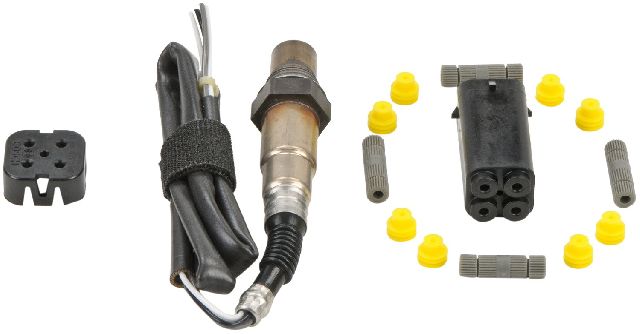
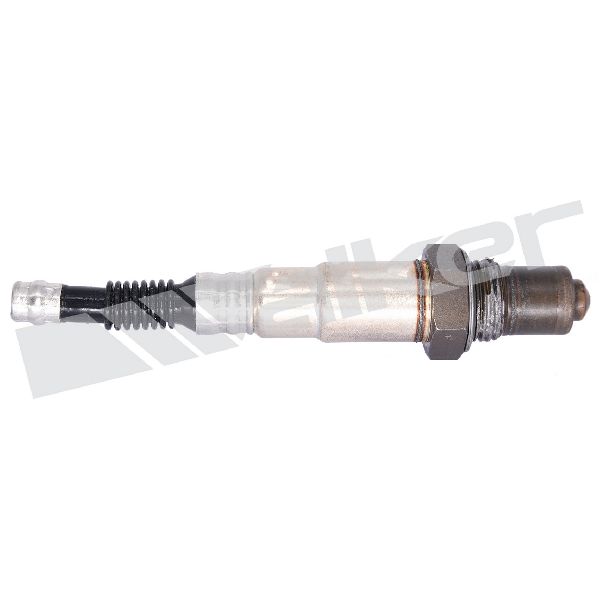
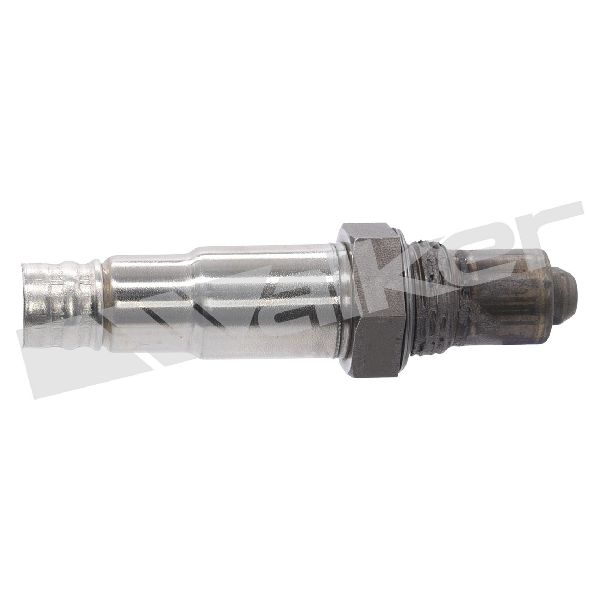
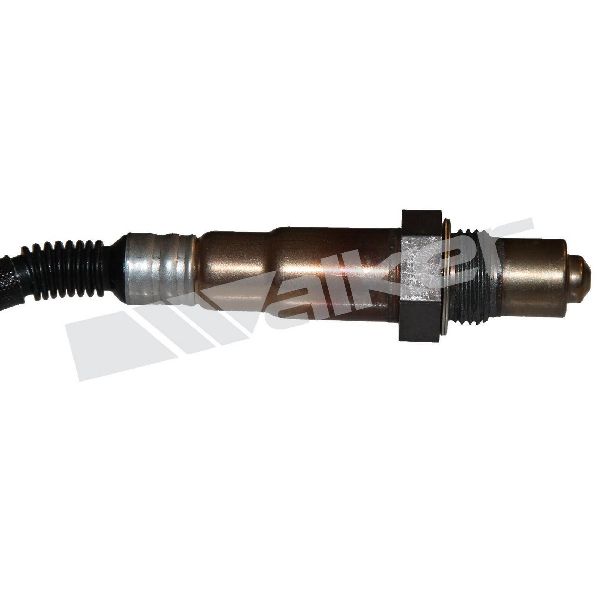
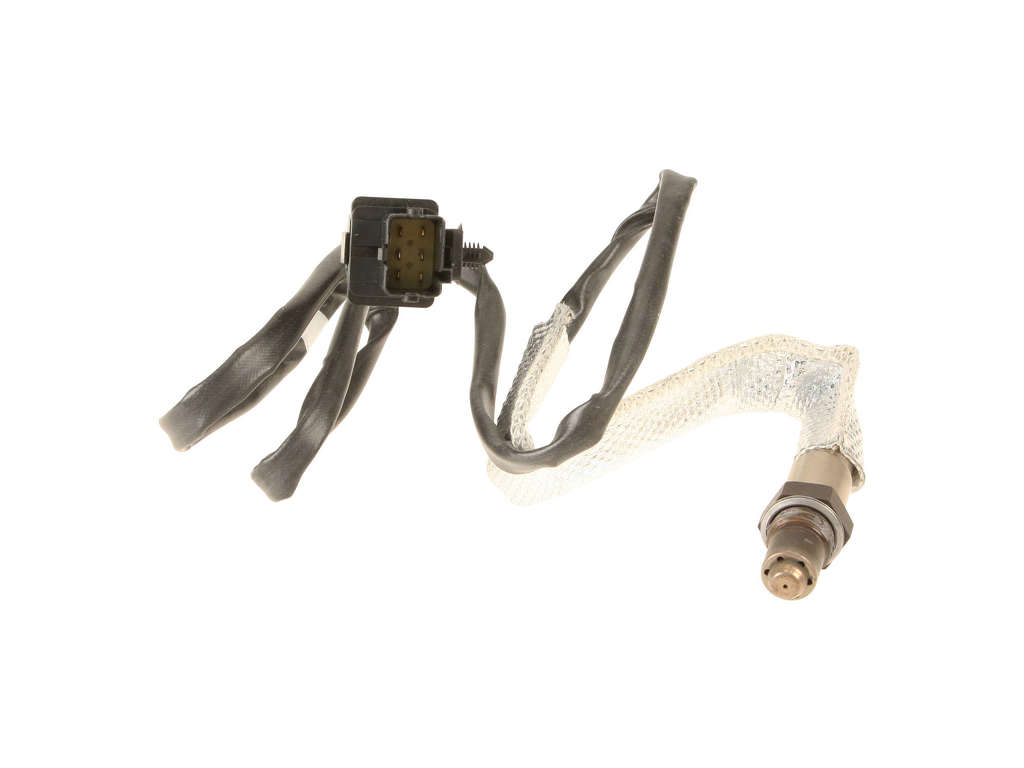
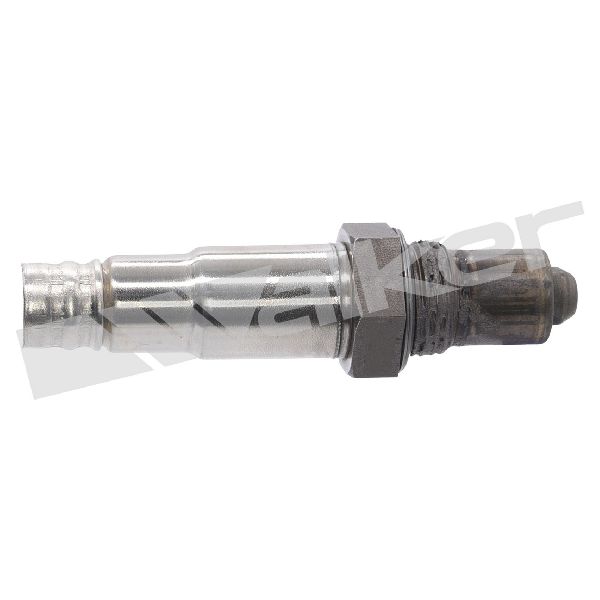
- Front Oxygen Sensor (Upstream)
(OEM #8627750)— This is the most common failure item for code P0132, typically due to a failed internal heater element causing the classic cold-start stumble.
Trusted brands: Bosch (OEM supplier) - Part #17070, Denso - Part #234-9019
OEM price range: $180-$250
Aftermarket price range: $80-$180
Related Codes That Often Appear With This One
- P0133 — P0133 (O2 Sensor Circuit Slow Response) can appear alongside P0132 as they both indicate a failing Bank 1 Sensor 1.
- P0134 — P0134 (O2 Sensor Circuit No Activity Detected) can also be related, pointing to a dead sensor or a complete wiring failure. One owner on volvoXC.com reported their car alternating between P0132 and P0134 with the same rough cold idle symptoms, which were resolved by replacing the front O2 sensor.
- P0172 — P0172 (System Too Rich Bank 1) may be present if the O2 sensor is correctly reporting a high-voltage signal due to an actual rich running condition from another component failure.
Platform-Specific Known Issues
- Accessing the electrical connectors for the oxygen sensors on the 2.4L Turbo engine is notoriously difficult. They are mounted on a bracket on the firewall, behind the engine block. Access often requires removing the upper engine torque mount and the charge air pipe that runs across the top of the engine. Even then, reaching down to release the locking tabs (a gray one for the front sensor 🎬 Watch: How to access those difficult firewall connectors and clips.) is challenging and often done by feel.
Mechanic-Grade Diagnostic Values
- Front O2 Sensor Heater Circuit Resistance — expected: 2 - 20 Ohms across the two same-colored heater pins on the sensor connector.. Failure: An infinite resistance reading (Open Line) on a multimeter indicates a broken heater element and a failed sensor.
- Front O2 Sensor Live Data Voltage (Warm Engine, Idle) — expected: Rapidly fluctuating between ~0.1V and 0.9V.. Failure: Voltage is stuck high, consistently reading >0.9V.
- Fuel Pressure (at fuel rail) — expected: 40 - 44 PSI (approx. 3 Bar) with the engine running or cranking.. Failure: Significantly lower or higher pressure indicates a fuel delivery problem (pump, regulator) that could cause a true rich condition.
- O2 Sensor Heater Circuit Supply Voltage — expected: Approximately 12V (battery voltage) at the supply pin on the vehicle's harness connector with the key on.. Failure: No voltage or significantly low voltage points to a wiring issue, blown fuse, or relay problem upstream of the sensor.
Hidden / Shadow Codes Worth Checking
- ECM-280A: Front Heated Oxygen Sensor (H02S), Signal Too High. This is the Volvo-specific DTC that corresponds directly to the generic P0132 code. (see via This code is read using Volvo's proprietary diagnostic software, VIDA (Volvo Information & Diagnostics for Aftersales). The ECM may store this code if it registers that the signal from the front sensor is above 4.8V for too long, or if the front/rear adaptation values deviate by more than 3%.)
Scan Tool Commands That Help
- VIDA (Volvo Information & Diagnostics for Aftersales): Live Data Monitoring & Fault Tracing — VIDA is used to monitor the front HO2S voltage in real-time to confirm if it is stuck high. It also provides detailed fault tracing steps when ECM-280A is stored, guiding the technician through checks of the sensor, wiring, and related systems. After replacing a component, VIDA can be used to clear codes and reset any learned fuel adaptations.
Wiring & Ground Locations
- Main Engine Ground Strap — A large, braided cable running from the transaxle (transmission housing) to the vehicle's frame/subframe.. This is the primary ground path for the engine block. Corrosion or a loose connection here can create an unstable ground reference for all engine sensors, including the O2 sensor, leading to erratic readings and phantom codes.
- Upper Engine Ground Strap — A smaller ground strap running from the engine valve cover to the firewall.. This ground is critical for the ignition coils and other top-end electronics. A user on Turbobricks fixed multiple bizarre electrical issues, including a CEL, by cleaning the corrosion from this exact ground point.
- Front O2 Sensor Connector Pins (Heater Circuit) — On the 4-wire sensor-side connector, these are the two pins connected to wires of the same color (often white or black).. These specific pins must be probed with a multimeter to test the resistance of the sensor's internal heater element, which is the most common failure point.
- Strut Tower Grounds — Multiple M6 ground points are located on both the driver and passenger side strut towers in the engine bay.. These are central grounding locations for various chassis and engine harness circuits. While not directly for the O2 sensor, poor connections here can contribute to overall electrical instability.
Real Owner Repair Stories
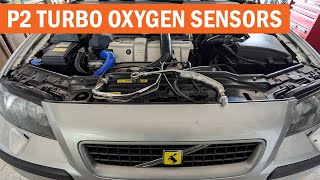
- YouTube channel 'Jamie Cars' (2002 Volvo V70 2.4T) — P0132 code, corresponding ECM-280A in VIDA. Very rough running on cold start that smoothed out after 2-3 minutes of warming up.
❌ Tried (didn't work) The diagnosis was direct, no other parts were replaced.
✅ What actually fixed it Replacing the front (upstream) oxygen sensor. The video documents the extreme difficulty of accessing the firewall-mounted connectors on the turbo model, which is a key piece of information for DIYers. - Turbobricks forum user 'Janspeed' (P2 Volvo V70 (engine swapped, so year not definitive)) — Multiple, inconsistent errors including 'DSTC service needed', weird idle, CEL, cam adjuster error, and weird throttle response. Errors would sometimes disappear on restart.
❌ Tried (didn't work) Initial confusion due to multiple, seemingly unrelated electronic faults.
✅ What actually fixed it The user found heavy corrosion on the valve cover side of the small ground strap that goes from the valve cover to the firewall. Cleaning the connection point and the cable end, then re-securing it with a star washer to ensure a good bite, resolved all the electronic issues.
"I Checked Everything" — The Actual Cause
- A severely clogged PCV (crankcase ventilation) system. This system won't necessarily cause a vacuum leak that a smoke test would find. Instead, it can cause excessive crankcase pressure, leading to oil being forced past seals and into the combustion chamber or intake, fouling the spark plugs and the O2 sensor. An oil-fouled O2 sensor can fail and produce a static high voltage signal, triggering P0132, even though the fuel system and intake are perfectly sealed.
When the Usual Fixes Don't Work
- While the vast majority of P0132 codes on this vehicle are fixed by replacing the front O2 sensor, there are documented cases where the root cause was entirely different. One owner on the Turbobricks forum chased multiple electronic gremlins for an extended period, only to find the solution was cleaning a corroded engine-to-firewall ground strap. This highlights that on an aging European vehicle, foundational electrical issues like poor grounds can manifest as specific sensor codes, fooling both DIY and professional technicians who focus only on the component named in the code.
OEM Part Supersession History
8627750 (Genuine Volvo)→This part number is still widely referenced and available. Some parts catalogs also cross-reference it with 9487147.— Standard part lifecycle and supplier changes.
Heads up: The key is ensuring the replacement is a wideband/A-F sensor compatible with the Bosch ME7 engine management system. Using a generic or incorrect narrowband sensor will not work. The Bosch aftermarket equivalent is often listed as #17070 or #17137.
Model Year Variations Within This Range
- 2001-2007: The engine management system across this entire range is Bosch ME7, making the diagnosis consistent. However, there were engine changes; for example, the 2.4L Turbo (B5244T3) was used in earlier models, while the 2.5L Turbo (B5254T2) was introduced around 2003. While the P0132 fault behaves the same, always confirm part numbers with a VIN, especially for vehicles from 2003-2005, to ensure the correct sensor is ordered.
Diagnostic Flowchart
Other Known Issues on This Vehicle
Issues unrelated to this code that are worth knowing about as an owner of this generation:
- Clogged PCV/Crankcase Ventilation System 🔴 High — Common over 100,000 miles. If neglected, can cause high crankcase pressure, leading to blown seals (like the rear main seal) and oil leaks.
- Electronic Throttle Module (ETM) Failure 🔴 High — Especially common on 1999-2002 models with the yellow-label Magneti Marelli ETM. Symptoms include erratic idle, stalling, and reduced performance. A software update and later-generation Bosch units improved reliability. (Ref: Volvo extended warranty/recall program existed but is now expired.)
- AWD Angle Gear Collar Sleeve Failure 🔴 High — A very common failure on AWD models, typically occurring between 80,000-150,000 miles. The splines on the collar connecting the transmission to the angle gear strip out, resulting in a loss of all-wheel drive. The part was updated in 2006 for better durability.
- Automatic Transmission Valve Body / B4 Servo Cover 🟠 Medium — Common on Aisin-Warner AW55-50/51SN transmissions. Issues with the valve body can cause harsh shifting, flares between gears, or a "neutral-slam" when coming to a stop. The B4 servo cover can also fail, causing issues with the 2-3 shift. (Ref: Several TSBs exist for software updates to address shift quality.)
- ABS Control Module Solder Joint Failure 🟠 Medium — Common across many Volvo models of this era. Cold/cracked solder joints on the module's circuit board cause an intermittent or constant ABS/TRACS warning light and a non-functional speedometer. It is often repairable by re-soldering the joints.
- Upper Engine Torque Mount / Strut Mount Failure 🟡 Low — The rubber bushings in the upper engine torque mount and the front strut spring seats wear out, causing clunking noises over bumps and excess engine vibration.
Used vs. New Parts: Buying Guide for This Vehicle
When a used part is the smart pick: A used part is almost never a smart choice for this repair. However, if the wiring connector on your vehicle's harness is broken, sourcing a used connector pigtail from a junkyard is a viable and cost-effective repair method.
Donor-vehicle mileage cap: roughly under 150000 miles for the part to have meaningful remaining life.
What to inspect on the donor part:
- For a wiring pigtail, ensure the plastic is not brittle.
- Check that the locking tab is intact and functional.
- Inspect for any signs of corrosion on the pins or melting on the housing.
OEM-only on this vehicle (don't cheap out):
- While not strictly 'OEM-only', it is critical to use a sensor from a reputable OEM supplier.
Aftermarket brands forum-validated for this vehicle:
- Bosch (OEM supplier)
- Denso
Brands owners have reported issues with on this vehicle:
- Unnamed 'generic' or 'universal' sensors from online marketplaces like eBay or Amazon. Forum users have reported receiving counterfeit parts that fail to resolve the code.
Real Owner Stories
Aggregated from forums and TSBs cited above. Mileages and costs reflect what owners reported in those sources.
2002 Volvo V70 2.4T
Symptoms: The car experienced a rough cold start and stumbling idle. The owner noted the engine would run fine after warming up for about 2-3 minutes.
What fixed it: Replacement of the front (upstream) oxygen sensor.
Source hint: YouTube: 'New Volvo P2 Turbo Oxygen Sensors After P0132 DTC On V70 2.4T' by Jamie Cars
2004 Volvo XC70 2.5T
Symptoms: Rough cold idle with alternating P0132 and P0134 codes appearing on the scanner.
What fixed it: Replacing the front O2 sensor, as the heater circuit in the original sensor had failed.
Source hint: volvoXC.com: '2004 XC70 P0132/P0134 alternating with rough cold idle'
2001 Volvo V70 T5
Symptoms: P0132 code present along with general rough running issues.
What fixed it: Replacing the front O2 sensor.
Source hint: MatthewsVolvoSite: 'P0132 code 2001 V70 T5'
Related OBD-II Codes
Frequently Asked Questions
Why does my V70 2.4T idle roughly for the first 2-3 minutes and then run fine?
Is there a specific brand of oxygen sensor I should use for my 2001-2007 V70?
I'm having trouble reaching the O2 sensor connector on my 2.4L Turbo; is there a trick?
Can a bad MAF sensor cause a P0132 code on my Volvo?
How can I tell if the sensor itself is bad or if it's just a wiring issue?
Does the P0132 code on my V70 mean I have a recall for the Electronic Throttle Module (ETM)?
Helpful Videos
We Have This Part in Stock

The information in this article is provided for general reference and educational purposes only. Vehicle specifications, procedures, and part compatibility can vary by production date, trim level, and region. Always consult your vehicle's factory service manual and verify part numbers before purchasing or performing repairs. Safety-critical components such as airbags, seat belts, and braking systems should be installed by a qualified professional.
- Volvo V70:
- 🧭 Diagnostic Flowchart
- 🎬 Helpful Videos
- 🛍️ Shop This Part
- What's Unique About the 2001-2007 Volvo V70
- Symptoms You May Notice
- Most Likely Causes
- Rare But Worth Checking
- Diagnosis Steps
- Parts You'll Likely Need
- Related Codes That Often Appear With This One
- Platform-Specific Known Issues
- Mechanic-Grade Diagnostic Values
- Hidden / Shadow Codes Worth Checking
- Scan Tool Commands That Help
- Wiring & Ground Locations
- Real Owner Repair Stories
- "I Checked Everything" — The Actual Cause
- When the Usual Fixes Don't Work
- OEM Part Supersession History
- Model Year Variations Within This Range
- Other Known Issues on This Vehicle
- Used vs. New Parts: Buying Guide for This Vehicle
- Real Owner Stories
- 2002 Volvo V70 2.4T
- 2004 Volvo XC70 2.5T
- 2001 Volvo V70 T5
- Related OBD-II Codes
- Frequently Asked Questions
- 🎟️ Get 5% Off