

P0133 on 2011-2019 Ford Fiesta: Slow O2 Sensor Causes and Fixes
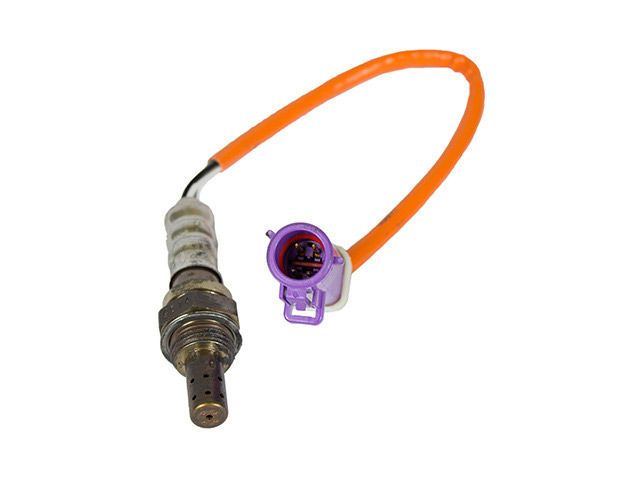
On a 2011-2019 Ford Fiesta, code P0133 is almost always caused by a failing upstream oxygen sensor (Bank 1, Sensor 1). Replacing this sensor is the most common fix. Expect to pay around $60-$100 for an OEM-quality aftermarket sensor and $95-$155 for a Motorcraft part.
- P0133 on a Ford Fiesta almost always points to the upstream oxygen sensor (Bank 1, Sensor 1).
- The most likely fix is replacing the sensor, which is located in the exhaust manifold and is accessible from the top.
- Before replacing the sensor, perform a quick visual inspection for cracks in the exhaust manifold and damage to the sensor's wiring.
- Use a quality OEM or aftermarket brand like Motorcraft (DY-1200), Denso, or NGK for the replacement sensor.
- After the repair, it is critical to clear the PCM's Keep Alive Memory (KAM) so it can properly adapt to the new sensor. Failure to do so may cause the code to return even with a good part.
What's Unique About the 2011-2019 Ford Fiesta
For the 2011-2019 Ford Fiesta, the P0133 code is a fairly straightforward issue without widespread, unique platform-specific problems like software glitches noted on other Ford models. The diagnosis typically follows a standard path, with the primary culprits being a worn-out sensor or an exhaust leak. Some owners have noted that exhaust manifold cracks can be a cause, so a visual inspection is important before replacing parts. A crucial Ford-specific step after any repair is to clear the PCM's Keep Alive Memory (KAM) and adaptive tables to allow the computer to relearn with the new parts.
Symptoms You May Notice
- Check Engine Light is on
- Decreased fuel economy
- Rough or uneven idle
- Hesitation or sluggish acceleration
- Black smoke from the exhaust in some cases
- Replacing the downstream (Bank 1, Sensor 2) oxygen sensor. This code specifically points to Sensor 1, which is the upstream sensor responsible for fuel trim adjustments.
- Replacing the catalytic converter. A P0133 code should be resolved first, as a faulty sensor can provide incorrect data that might lead to a false P0420 (catalyst efficiency) code.
Most Likely Causes
- Failing or Contaminated Upstream Oxygen Sensor 🔴 High Probability → Shop Oxygen Sensor Oxygen sensors are wear items that degrade over time. Contamination from carbon, oil, or fuel additives can slow their response, preventing them from reacting to air/fuel changes within the PCM's expected timeframe.
How to confirm: Use a scan tool with live data capability to graph the Bank 1 Sensor 1 voltage. A healthy sensor's voltage should fluctuate rapidly between approximately 0.1V and 0.9V. A slow sensor will show lazy, infrequent fluctuations. A DIY-friendly video shows the sensor is easily visible from the top of the engine bay, screwed into the exhaust manifold.
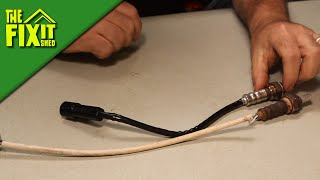
Typical fix: Replace the upstream (pre-catalyst) oxygen sensor. On the Fiesta 1.6L, this sensor is located in the exhaust manifold, accessible from the top of the engine after removing the plastic engine cover. 🎬 Watch: Step-by-step guide to replacing the upstream oxygen sensor.
Est. part cost: $60 - $155 - Exhaust Leak Before the O2 Sensor 🟡 Medium Probability → Shop Oxygen Sensor Cracks in the exhaust manifold or, more commonly, the flexible pipe section of the exhaust can occur, allowing outside air into the exhaust stream. This extra oxygen causes the sensor to send a false 'lean' signal, and the PCM may interpret the sensor's slow reaction to actual mixture changes as a fault.
How to confirm: Visually inspect the exhaust manifold and flex pipe for cracks, especially near welds and flanges. Listen for ticking or hissing sounds from the engine bay, particularly when the engine is cold. A smoke test is the most effective way to pinpoint a small leak.
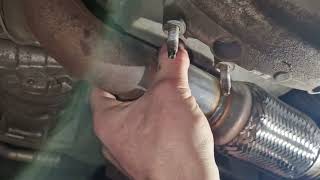
Typical fix: Replace the cracked exhaust manifold or leaking gasket. If the flex pipe is cracked, it can often be cut out and a new section welded in without replacing the entire downpipe assembly. 🎬 See how a cracked flex pipe is professionally repaired.
Est. part cost: $20 (gasket) - $250+ (manifold) - Damaged Sensor Wiring or Connector ⚪ Low Probability The wiring harness is close to the hot exhaust and can become brittle, melted, or frayed over time. The connector itself can also become corroded.
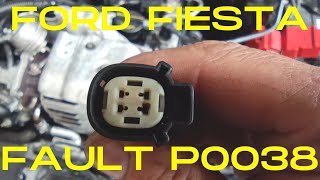
How to confirm: Visually inspect the O2 sensor's wiring harness from the sensor plug back to the main loom. Look for any signs of melting, chafing, or corrosion on the connector pins. The connector for the upstream sensor is a black plug located near the intake hose.
Typical fix: Repair the damaged section of the harness or replace the connector pigtail.
Est. part cost: $15 - $40
Rare But Worth Checking
- Intake or Vacuum Leaks: A significant unmetered air leak after the MAF sensor can lean out the fuel mixture, causing the O2 sensor readings to behave abnormally and potentially trigger a slow-response code.
- Low Fuel Pressure: A weak fuel pump or clogged filter can cause a lean running condition, which can sometimes be misinterpreted by the PCM as a slow sensor response.
- Poor Chassis/Engine Ground: Ford TSB 10-19-6 for the Fiesta discusses issues caused by a poor ground connection from the factory, where paint insulates the main grounding point. While this TSB is often linked to transmission issues, a bad ground can cause a wide array of erratic electrical and sensor problems.
Diagnosis Steps
- Read all diagnostic trouble codes with an OBD-II scanner. Note any other codes present.
- Use the scanner's live data feature to observe the Bank 1 Sensor 1 (B1S1) voltage graph. Confirm if the voltage transitions are slow and lazy compared to a known good sensor.
- Perform a thorough visual inspection of the exhaust manifold and the flex pipe section of the downpipe. Look for black soot trails or listen for audible leaks.
- Inspect the O2 sensor's wiring harness and connector for any signs of melting, chafing, corrosion, or loose connections. The connector is typically black and located near the intake tubing. 🎬 Watch: Troubleshooting Ford Fiesta oxygen sensor faults and connectors.
- If no leaks or wiring damage are found and the sensor is confirmed slow via live data, the sensor itself is the most likely cause.
- If an exhaust leak is suspected but not visible, perform a smoke test on the exhaust system to pinpoint the source.
- After replacing any parts, clear the codes and, crucially for a Ford, reset the Keep Alive Memory (KAM) using a capable scan tool to ensure the PCM relearns fuel trims correctly.
Parts You'll Likely Need
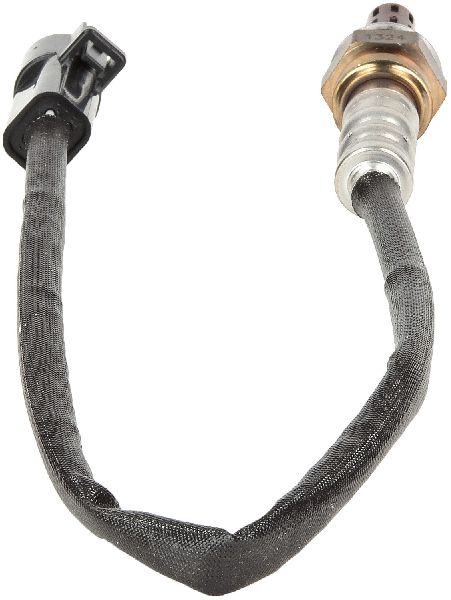
- Upstream Oxygen Sensor
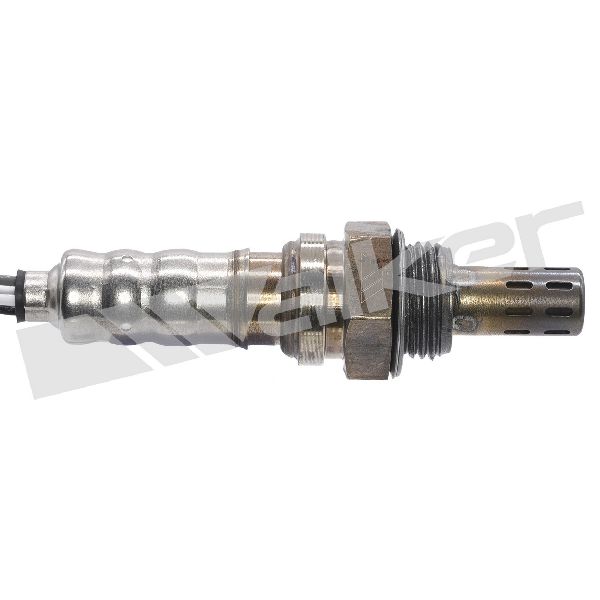
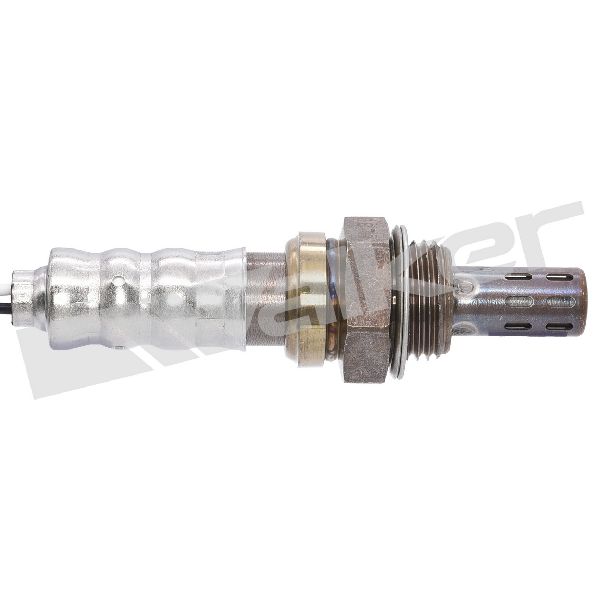
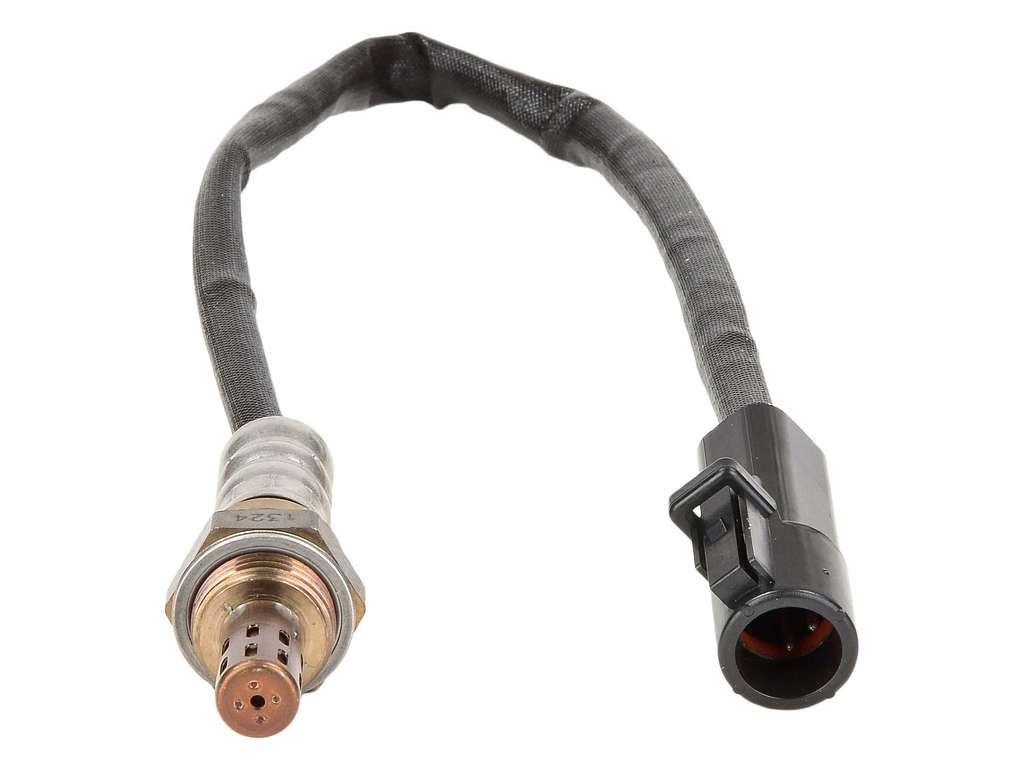
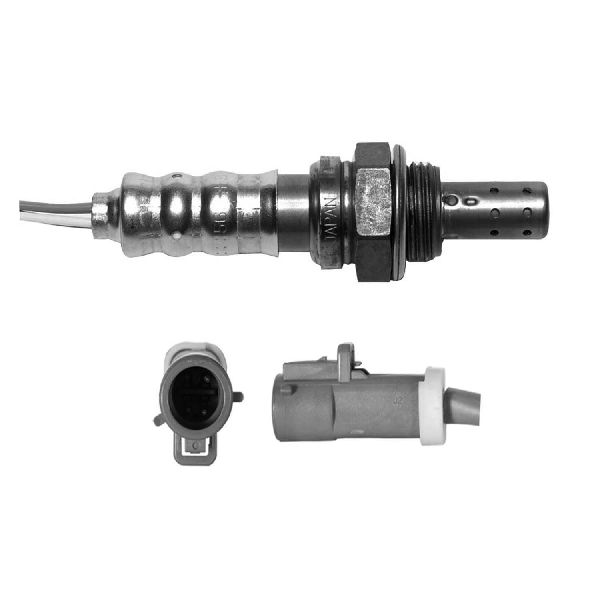
(OEM #DY-1200 (Motorcraft Service Part Number), AE8Z-9F472-B (OEM Part Number, supersedes AE8Z-9F472-A))— This is the most common failure point for code P0133. It is a wear-and-tear component that loses responsiveness over time.
Trusted brands: Motorcraft, Denso, Bosch, NGK
OEM price range: $95 - $155
Aftermarket price range: $60 - $100
Related Codes That Often Appear With This One
- P0171 — If an exhaust or vacuum leak is the root cause, the system will detect a lean condition (too much air), triggering a System Too Lean (Bank 1) code alongside the slow sensor response code.
Technical Service Bulletins (TSBs) & Recalls
- TSB 10-19-6: While not directly for P0133, this bulletin addresses poor ground connections from the factory due to paint on the grounding stud. A bad ground can cause numerous difficult-to-diagnose electrical issues, including erratic sensor behavior that could potentially trigger codes like P0133.
Platform-Specific Known Issues
- Owner Experience: Code Returns After Sensor Replacement: A user on the r/AskMechanics subreddit reported getting a P0133 code on their Ford Fiesta. After replacing the upstream O2 sensor and clearing the code, the Check Engine Light returned within 20 minutes of driving. Another user advised that this is common and recommended checking the exhaust manifold for cracks and ensuring the Keep Alive Memory (KAM) was properly cleared after the repair, as this is a critical step for Fords.
Mechanic-Grade Diagnostic Values
- Mode $06 - HO2S11 Voltage Amplitude — expected: Value should be above the minimum threshold specified by the scan tool.. Failure: A test value below the minimum threshold (often < 0.5 volts) indicates a lazy sensor and will trip the P0133 code.
- Upstream O2 Sensor (HO2S11) Signal Wire Voltage — expected: Rapidly fluctuating between ~0.1V (lean) and ~0.9V (rich) on a live data graph.. Failure: Slow, lazy switching that takes more than 100-200 milliseconds, or a signal that is flatlined or stuck in a specific range.
- Upstream O2 Sensor (HO2S11) Heater Resistance — expected: Refer to a service manual for exact specs, but typically a few ohms when cold.. Failure: An out-of-spec resistance reading can trigger heater circuit codes (like P0053) which can sometimes accompany P0133.
Hidden / Shadow Codes Worth Checking
- Mode $06, TID $01, CID $80: This is the specific monitor test ID for the Bank 1, Sensor 1 (HO2S11) voltage amplitude test. A failing result in this non-continuous monitor is what directly leads to the P0133 DTC being stored. (see via A professional scan tool or software like FORScan that can access OBD-II Mode $06 test results.)
Scan Tool Commands That Help
- FORScan: PCM - "Reset All Adaptations" or "Clear Transmission Adaptive Tables" — This is the Ford-specific procedure to clear the Keep Alive Memory (KAM). It should be performed after replacing the O2 sensor to force the PCM to relearn fuel trims with the new, responsive sensor. Failing to do this can cause the code to return even with a good part.
- Generic OBD-II Scanner: Clear/Erase DTCs — This clears the active P0133 code but may not fully reset the KAM on a Ford. For a complete reset, the FORScan command or a battery disconnect procedure is more effective.
Wiring & Ground Locations
- G103 / G104 — Located on the left front of the engine compartment, near the battery junction box.. These are primary chassis grounds. A poor connection here can introduce electrical noise and voltage drops, affecting sensor readings throughout the engine management system.
- G105 / G106 — Located on the left rear of the engine compartment.. These grounds are critical for the Powertrain Control Module (PCM) and its associated sensors. A loose or corroded ground here can directly impact the O2 sensor's reference voltage and signal integrity.
- HO2S11 Signal Wire (PCM Connector) — The signal wire for the upstream O2 sensor is White/Brown (WHT/BRN) and is located at Pin 22 of the PCM connector C175B.. This is the specific pin to test for continuity or voltage when diagnosing a wiring issue between the sensor and the PCM.
Real Owner Repair Stories
- YouTube video by 'The Fixit Shed' (2011 Ford Fiesta) — Check Engine Light with codes P0053 (heater circuit) and P0420 (catalyst efficiency).
❌ Tried (didn't work) Initially replaced the downstream O2 sensor (Sensor 2) for a different code (P0054), which temporarily cleared the light but it returned with new codes.
✅ What actually fixed it Replacing the upstream O2 sensor (Sensor 1) successfully cleared the P0053 heater code and it did not return after 300+ miles of driving. The P0420 code remained, indicating a separate catalytic converter issue, but the slow/faulty sensor problem was resolved. - YouTube video by 'cairney's car channel' (Ford Fiesta (Mk7, similar chassis/exhaust design)) — Loud exhaust noise, described as sounding like a 'race car'. Often associated with O2 sensor or catalyst codes due to air leaks.
❌ Tried (didn't work) Attempting to clamp the broken pipe was insufficient due to the nature of the break.
✅ What actually fixed it The exhaust flexi pipe, located between the manifold and the catalytic converter, had completely fractured. The final repair involved welding a new flex pipe section into the existing downpipe, which is a common failure point causing pre-sensor exhaust leaks.
OEM Part Supersession History
AE8Z-9F472-A→AE8Z-9F472-B— Standard part revision by Ford. The new part is a direct replacement.
Heads up: There are no known incompatibilities; AE8Z-9F472-B is the correct and current part for the entire 2011-2019 model range.
Diagnostic Flowchart
Other Known Issues on This Vehicle
Issues unrelated to this code that are worth knowing about as an owner of this generation:
- PowerShift (DPS6) Dual-Clutch Automatic Transmission Failure 🔴 High — Extremely common on 2011-2016 models. Symptoms include shuddering, hesitation, rough shifting, and complete transmission failure. Multiple lawsuits and warranty extensions have been issued. (Ref: Multiple TSBs exist, including 10-19-6 which addresses a grounding issue that can exacerbate shifting problems.)
- HVAC Blend Door Actuator Failure 🟠 Medium — Very common across all model years. Manifests as a repetitive clicking or ticking sound from behind the dashboard upon startup. It is caused by stripped plastic gears in the actuator motor.
- Faulty Door Latches 🔴 High — Common on 2011-2014 models, leading to multiple recalls. The latch mechanism can fail, preventing the door from closing properly or causing it to open while the vehicle is in motion. (Ref: Recalls 15S16, 16S30, 18S06, 20S30)
Used vs. New Parts: Buying Guide for This Vehicle
When a used part is the smart pick: A used exhaust manifold can be a cost-effective option if the original is cracked and a new OEM part is too expensive. A used part should only be considered if it comes from a low-mileage, non-corroded donor vehicle.
Donor-vehicle mileage cap: roughly under 60000 miles for the part to have meaningful remaining life.
What to inspect on the donor part:
- For an exhaust manifold: Check for hairline cracks, especially near welds and the flange. Ensure all mounting studs are intact and not stripped.
- For a flex pipe/downpipe: Inspect the woven metal mesh for any signs of fraying, stretching, or tearing. Check flanges for flatness and severe rust.
- Avoid parts from regions with heavy road salt use, as they will have accelerated corrosion.
OEM-only on this vehicle (don't cheap out):
- While not required, using a Motorcraft oxygen sensor is often recommended to avoid potential compatibility issues that can sometimes arise with aftermarket sensors on Ford vehicles.
Aftermarket brands forum-validated for this vehicle:
- NTK (often the OEM supplier), Denso, and Bosch are widely regarded as reliable choices for replacement oxygen sensors.
- Walker is a well-regarded brand for aftermarket exhaust components like flex pipes.
Brands owners have reported issues with on this vehicle:
- Avoid unbranded, 'white-box' oxygen sensors from online marketplaces. These often have a high failure rate and may not meet the required response time, causing the P0133 code to return.
Real Owner Stories
Aggregated from forums and TSBs cited above. Mileages and costs reflect what owners reported in those sources.
2016 Ford Fiesta ST
Symptoms: Check engine light with code P0133 immediately after installing a new cowl intake; the owner noted the car seemed to run fine otherwise.
What fixed it: Commenters suggested checking for vacuum leaks and ensuring the O2 sensor was properly connected, while advising against using a defouler.
Source hint: reddit.com thread titled 'Code P0133' on r/FiestaST
2011-2019 Ford Fiesta
Symptoms: The Check Engine Light returned within 20 minutes of driving even after the upstream O2 sensor was replaced and the code was cleared.
What fixed it: Checking the exhaust manifold for cracks and ensuring the Keep Alive Memory (KAM) was properly cleared using a capable scan tool.
Source hint: r/AskMechanics on Reddit, Thread: 'How to fix P0133 (O2 Sensor Circuit Slow Response (Bank 1 Sensor 1) code'
Related OBD-II Codes
Frequently Asked Questions
Where is the upstream oxygen sensor located on the 1.6L Ford Fiesta?
I replaced my O2 sensor but the P0133 code came back after 20 minutes. What did I miss?
Could a bad ground connection cause sensor codes like P0133 on my Fiesta?
What specific exhaust components should I check for leaks on this model?
Does the Ford Fiesta share this P0133 issue with other models?
What does the O2 sensor voltage look like on a scan tool if it's failing?
Helpful Videos
We Have This Part in Stock

The information in this article is provided for general reference and educational purposes only. Vehicle specifications, procedures, and part compatibility can vary by production date, trim level, and region. Always consult your vehicle's factory service manual and verify part numbers before purchasing or performing repairs. Safety-critical components such as airbags, seat belts, and braking systems should be installed by a qualified professional.
- Ford Fiesta:
- 🧭 Diagnostic Flowchart
- 🎬 Helpful Videos
- 🛍️ Shop This Part
- What's Unique About the 2011-2019 Ford Fiesta
- Symptoms You May Notice
- Most Likely Causes
- Rare But Worth Checking
- Diagnosis Steps
- Parts You'll Likely Need
- Related Codes That Often Appear With This One
- Technical Service Bulletins (TSBs) & Recalls
- Platform-Specific Known Issues
- Mechanic-Grade Diagnostic Values
- Hidden / Shadow Codes Worth Checking
- Scan Tool Commands That Help
- Wiring & Ground Locations
- Real Owner Repair Stories
- OEM Part Supersession History
- Other Known Issues on This Vehicle
- Used vs. New Parts: Buying Guide for This Vehicle
- Real Owner Stories
- 2016 Ford Fiesta ST
- 2011-2019 Ford Fiesta
- Related OBD-II Codes
- Frequently Asked Questions
- 🎟️ Get 5% Off