

P0133 on 2010-2017 GMC Terrain 2.4L: Cracked Manifold & Slow O2 Sensor Fixes
On a 2.4L Terrain, P0133 is most often caused by a cracked exhaust manifold, a very common issue. Before replacing the O2 sensor, inspect the manifold for cracks, especially if you hear a ticking noise when the engine is cold. If the manifold is intact, the upstream O2 sensor is the likely culprit, often fouled by excessive oil consumption, another known issue on this platform.
- P0133 means the upstream O2 sensor (Bank 1, Sensor 1) is responding too slowly.
- On the 2.4L Terrain, DO NOT replace the O2 sensor without first thoroughly inspecting for a cracked exhaust manifold, which is a very common failure that causes this exact code.
- A ticking noise from the engine when cold is a strong indicator of a cracked manifold.
- If no exhaust leaks are found, the upstream O2 sensor is the next most likely cause, often due to age or oil contamination from known consumption issues.
- Driving for an extended time with this fault can ruin your catalytic converter, a much more expensive repair.
What's Unique About the 2010-2017 GMC Terrain
For the 2.4L Ecotec engine in the GMC Terrain and its twin, the Chevrolet Equinox, P0133 is frequently a misleading code. The root cause is often not the oxygen sensor itself, but a cracked exhaust manifold—a widely documented failure on this platform due to thermal stress. This crack allows fresh air to be drawn into the exhaust stream, which slows the O2 sensor's ability to detect changes, mimicking a failed sensor. Additionally, many 2010-2013 models suffer from excessive oil consumption due to faulty piston rings, which can contaminate and ruin the O2 sensor, leading to the same code for a different underlying reason. GM issued several special coverages and TSBs related to this oil consumption issue.
Symptoms You May Notice
- Check Engine Light is on
- Reduced fuel economy
- Rough or poor idle
- Hesitation or slower acceleration
- A ticking or exhaust leak noise from the engine, especially when cold, which may quiet down as the engine warms.
- Smell of exhaust fumes in the engine bay
- Replacing the oxygen sensor without first checking for a cracked exhaust manifold. The code will return if the leak is the true cause.
- Replacing the catalytic converter. P0133 points to the sensor *before* the converter. A bad converter typically sets a P0420 code.
- Replacing the wrong oxygen sensor. This code is for Bank 1, Sensor 1 (upstream), not the downstream sensor (Sensor 2).
Most Likely Causes
- Cracked Exhaust Manifold 🔴 High Probability → Shop Exhaust Manifold This is a very common failure point on the 2.4L Ecotec engine used in the Terrain and its sister vehicle, the Chevy Equinox, due to thermal stress cycles.
How to confirm: Visually inspect the exhaust manifold for cracks, often near the welds, O2 sensor bung, or flange. A common failure point is on the underside. Listen for a distinct ticking or exhaust leak sound from the engine bay, which is more pronounced on a cold start and may quiet down as the engine warms up and the metal expands. A smoke test is the most definitive way to confirm a leak.
Typical fix: Replace the exhaust manifold and associated gaskets. Many aftermarket replacements are an integrated manifold and catalytic converter unit.
Est. part cost: $100-$350 - Failing Upstream Oxygen Sensor (Bank 1, Sensor 1) 🟡 Medium Probability → Shop Oxygen Sensor Sensors fail with age and mileage. On 2010-2013 models, excessive oil consumption can foul the sensor with oil and carbon deposits, causing premature failure. This oil consumption issue was the subject of a class-action lawsuit and several GM special coverages.
How to confirm: If the exhaust manifold is confirmed to have no leaks, the sensor itself is the next logical part to test or replace. A scan tool can graph the sensor's voltage to see if it is switching slowly between approximately 0.1V and 0.9V. A slow or flat reading confirms a bad sensor.
Typical fix: Replace the Bank 1, Sensor 1 oxygen sensor. It is located on the exhaust manifold, behind the engine.
Est. part cost: $45-$90 - Exhaust Leak (other than manifold) ⚪ Low Probability
How to confirm: Check for leaks at the manifold-to-head gasket, donut gasket, or any flanges between the sensor and the engine. Look for black soot marks, which indicate escaping exhaust gases.
Typical fix: Replace the leaking gasket or tighten the loose connection.
Est. part cost: $10-$50
Rare But Worth Checking
- Swapped O2 Sensor Connectors: → Shop Oxygen Sensor GM issued a preliminary bulletin (PIP4699A) noting that if a repair was recently performed, it's possible the upstream and downstream sensor connectors were accidentally swapped, which will cause this code.
- Contaminated or Damaged Sensor Wiring: Check the wiring harness leading to the O2 sensor for any signs of melting, chafing, or oil saturation that could affect the signal. The harness is routed near hot components and is susceptible to damage.
- High Oil Consumption Fouling: On 2010-2013 models with known oil consumption issues, the sensor may be repeatedly failing. The root cause (piston rings) must be addressed for a permanent fix, though this is a major repair covered by GM under special programs for some vehicles.
- Vacuum Leak: A significant vacuum leak from a cracked hose or faulty intake manifold gasket can lean out the fuel mixture, which can sometimes contribute to a slow sensor response code. This is usually accompanied by a P0171 code.
- Clogged PCV Orifice: The PCV orifice integrated into the intake manifold can clog, leading to increased crankcase pressure and oil consumption, which in turn fouls the O2 sensor. This is a known issue, particularly in cold weather, and is referenced in TSBs like 14882.
Diagnosis Steps
- Read the code with an OBD-II scanner and confirm it is P0133. Note any other codes present, especially P0171 (Lean) which strongly suggests a leak.
- Start the engine from cold and listen carefully for any ticking or exhaust leak sounds coming from the engine bay, specifically around the exhaust manifold.
- Perform a thorough visual inspection of the exhaust manifold for cracks. A flashlight and mirror may be necessary. Pay close attention to the area where the pipes merge and the underside.
- If a leak is suspected but not visible, a professional smoke test is the most effective method for confirmation.
- If no cracks or audible leaks are found, inspect the O2 sensor wiring for damage, melting, or corrosion.
- If a recent repair was performed, verify the upstream and downstream O2 sensor connectors are not swapped, per TSB PIP4699A.
- If all inspections pass, the oxygen sensor itself is the most likely culprit. Use a scan tool to observe the live data for Bank 1, Sensor 1. A healthy sensor's voltage should fluctuate rapidly between below 0.2V and above 0.8V. A slow or flat reading indicates a bad sensor.
- Replace the Bank 1, Sensor 1 oxygen sensor if it is confirmed to be faulty.
- Clear the codes and perform a drive cycle to ensure the repair was successful.
Parts You'll Likely Need
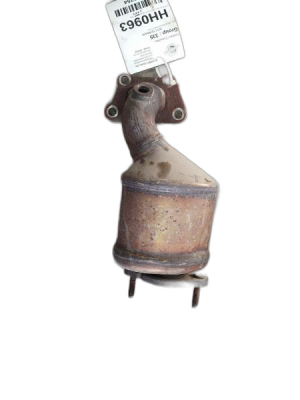
- Exhaust Manifold with Integrated Catalytic Converter
(OEM #12568405)— This is a very common failure point on the 2.4L Ecotec engine that directly causes the P0133 code. The original cast iron manifold is prone to cracking.
Trusted brands: ACDelco, Dorman (p/n 674-841), Walker
OEM price range: $300-$500
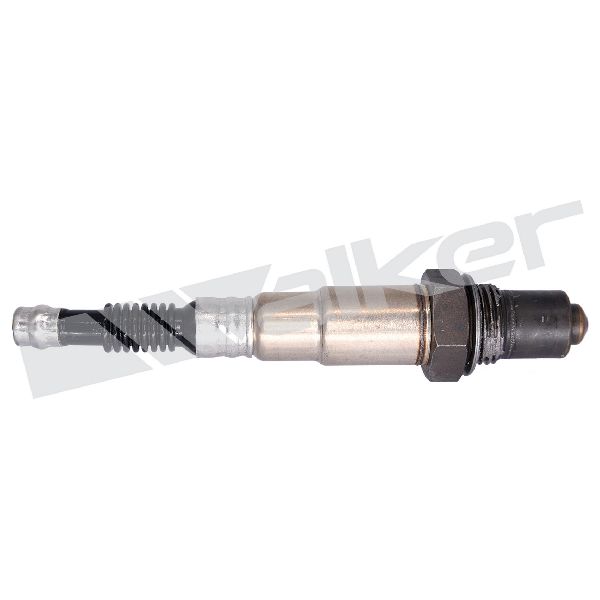
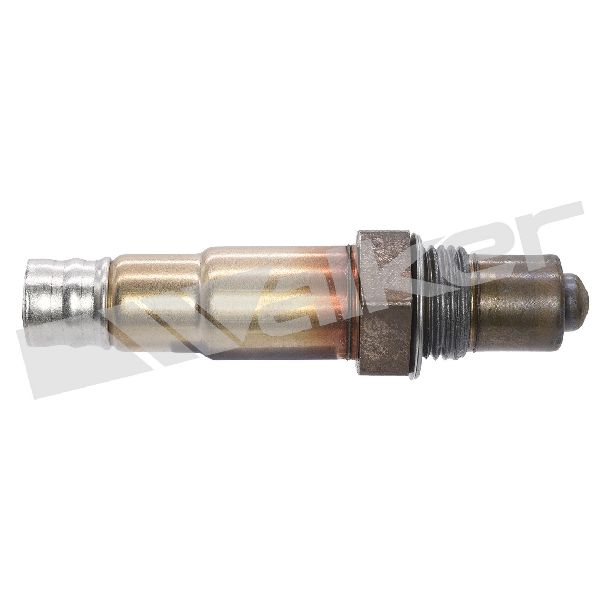
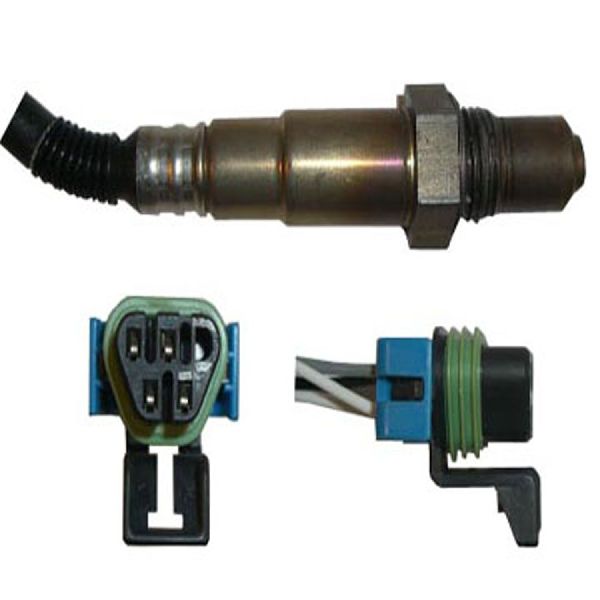
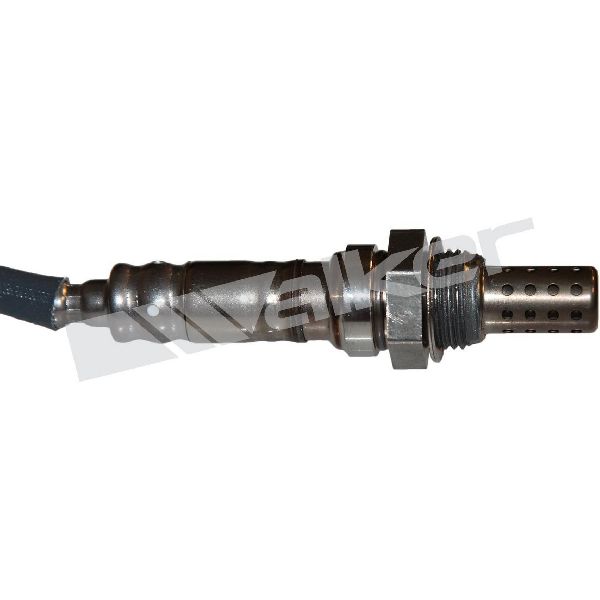
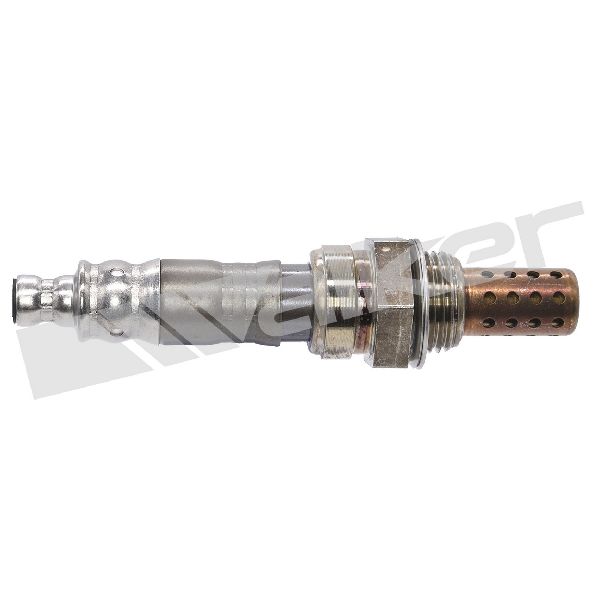
Aftermarket price range: $100-$350 - Upstream Oxygen Sensor (Bank 1, Sensor 1)
(OEM #12639692 (ACDelco p/n 213-4768))— This is the sensor indicated by the code. It is the most likely part to fail IF the exhaust manifold is not cracked. Often fails due to oil fouling from the known oil consumption issue.
Trusted brands: ACDelco, Denso, NTK, Bosch
OEM price range: $80-$150
Aftermarket price range: $45-$90
Related Codes That Often Appear With This One
- P0171 — System Too Lean (Bank 1). A cracked manifold or exhaust leak allows unmetered air into the exhaust, which the ECM interprets as a lean condition.
- P0420 — Catalyst System Efficiency Below Threshold. Can be triggered if a long-term rich/lean condition from the P0133 fault damages the catalytic converter, or if excessive oil consumption fouls both components.
- P1133 — HO2S Insufficient Switching Sensor 1. This is a GM-specific code that is very similar to P0133 and points to the same causes.
Technical Service Bulletins (TSBs) & Recalls
- PIP4699A: Notes the possibility of swapped upstream and downstream oxygen sensor connectors causing this code after a repair.
- 15285C / 14159 / 16118 / N192291100: A series of special coverages and TSBs addressing excessive oil consumption due to piston ring wear on 2010-2013 models, which is a root cause for O2 sensor fouling.
- 19-NA-021: A diagnostic tip for technicians regarding oil leaks from the rear main seal in cold weather, caused by a clogged PCV orifice, another systemic issue with this engine.
- 14882: Addresses a plugged or frozen PCV orifice in the intake manifold, which can increase oil consumption and indirectly lead to O2 sensor fouling.
Platform-Specific Known Issues
- A cracked exhaust manifold is the most significant vehicle-specific issue causing P0133 on the 2.4L Ecotec engine.
- Excessive oil consumption, a known problem with the piston rings on 2010-2013 models, can lead to oil fouling the O2 sensor, causing it to fail. This was addressed by GM under special coverages like 14159, 15285C, 16118, and N192291100.
Mechanic-Grade Diagnostic Values
- Upstream O2 Sensor (B1S1) Voltage Graph — expected: On a fully warmed engine at a steady 2,000-2,500 RPM, the voltage should show a clean sine wave, fluctuating rapidly between approximately 0.1V (lean) and 0.9V (rich).. Failure: A slow, lazy, jagged, or flat-lined wave. The ECM sets P0133 when the transition time from rich-to-lean or lean-to-rich exceeds the calibrated time, often over 100 milliseconds.
- O2 Sensor Heater Circuit Resistance — expected: Typically between 7-25 Ohms when measured across the two heater circuit pins on a disconnected sensor.. Failure: A reading of OL (Over Limit / infinite resistance) indicates an open circuit in the heater. A reading near 0 Ohms indicates a short circuit.
- Long Term Fuel Trim (LTFT) — expected: At warm cruise, fuel trims should be within +/- 10%.. Failure: A high positive fuel trim (e.g., +25%) indicates the ECM is adding a large amount of fuel to compensate for a lean condition, which often accompanies P0133 when an exhaust leak is the cause.
Scan Tool Commands That Help
- GDS2 / Tech2: Fuel Trim Reset — After replacing a cracked exhaust manifold or faulty O2 sensor, the long-term fuel trim values stored in the ECM will be skewed. Performing a fuel trim reset forces the ECM to relearn the fuel strategy immediately with the new, correct sensor data, which can improve performance and confirm the fix more quickly.
Wiring & Ground Locations
- X108 — The electrical connector for the upstream O2 sensor (Bank 1, Sensor 1).. This connector and its wiring are located in a high-heat area near the exhaust manifold and are prone to melting, chafing, or corrosion, which can disrupt the sensor signal and cause a P0133 code.
- Engine Ground Straps (e.g., G103, G107) — Key ground points connecting the engine block to the chassis. Locations vary slightly but are typically found on or near the engine block and frame rails.. A poor engine ground can cause erratic voltage signals for all engine sensors, including the oxygen sensor. While not a primary cause, checking that grounds are clean and tight is a crucial step in diagnosing any electrical fault.
Real Owner Repair Stories
- YouTube user Uriel Rios (2012 Chevy Equinox 2.4L Ecotec) — Check Engine Light with code P0171 (System Too Lean), rough idle, engine shutting off, hissing sound from engine bay.
❌ Tried (didn't work) Initial checks of the oxygen sensor and air intake system revealed no obvious faults.
✅ What actually fixed it The user discovered a completely broken vacuum hose connected to the MAP sensor, located under the plastic engine cover. Replacing this small hose resolved the hissing sound, rough idle, and lean code.
OEM Part Supersession History
12568405 (and others)→19418921 (for some applications)— The original cast iron exhaust manifold/catalytic converter assembly is prone to cracking. Later part numbers may feature design or material improvements to increase durability against thermal stress.
Heads up: Aftermarket manifolds, while cheaper, are sometimes reported to have flange alignment issues or support bracket tabs that do not line up correctly, complicating installation.
Model Year Variations Within This Range
- 2010-2013: These model years were equipped with piston rings prone to premature wear, leading to excessive oil consumption. This is a primary cause of O2 sensor fouling and failure on these specific years.
- 2014-2017: Starting in 2014, GM introduced updated pistons and rings for the 2.4L Ecotec engine to address the oil consumption issue. While not completely immune, these later models are significantly less likely to suffer from the extreme oil consumption that fouls O2 sensors.
Diagnostic Flowchart
Other Known Issues on This Vehicle
Issues unrelated to this code that are worth knowing about as an owner of this generation:
- Excessive Oil Consumption 🔴 High — Very common on 2010-2013 models. Caused by faulty piston ring design. Can lead to engine damage if oil level is not monitored closely. (Ref: Multiple Special Coverages (e.g., 15285C) and a class-action lawsuit.)
- Timing Chain Stretch/Failure 🔴 High — Common around 80,000-120,000 miles. Symptoms include a rattling noise on cold starts. Failure can cause catastrophic engine damage.
- Clogged PCV Orifice / Blown Rear Main Seal 🟠 Medium — The fixed orifice PCV system can clog, especially in cold weather, causing crankcase pressure to build and blow out the rear main seal, leading to a massive oil leak. (Ref: GM Bulletin 14882, Diagnostic Tip 19-NA-021)
- High-Pressure Fuel Pump Failure 🟠 Medium — Can fail prematurely, causing stalling, hesitation, and no-start conditions. (Ref: Subject of recalls and lawsuits on later model years but also a known issue on this generation.)
Used vs. New Parts: Buying Guide for This Vehicle
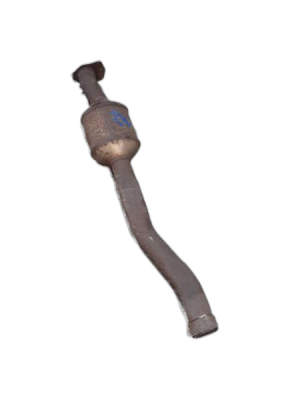
When a used part is the smart pick: A used exhaust manifold/catalytic converter assembly can be a cost-effective option if sourced from a low-mileage, rear-ended donor vehicle. Given the high failure rate of the original part, ensure the donor is a later model year (2014+) if possible.
Donor-vehicle mileage cap: roughly under 60000 miles for the part to have meaningful remaining life.
What to inspect on the donor part:
- Inspect for hairline cracks, especially near welds and the O2 sensor bung.
- Ensure all mounting studs are intact and not excessively rusted.
- Check the catalyst honeycomb (if visible) for signs of melting, clogging, or oil contamination.
- Confirm the part number and that it came from a 2.4L engine, not a V6.
OEM-only on this vehicle (don't cheap out):
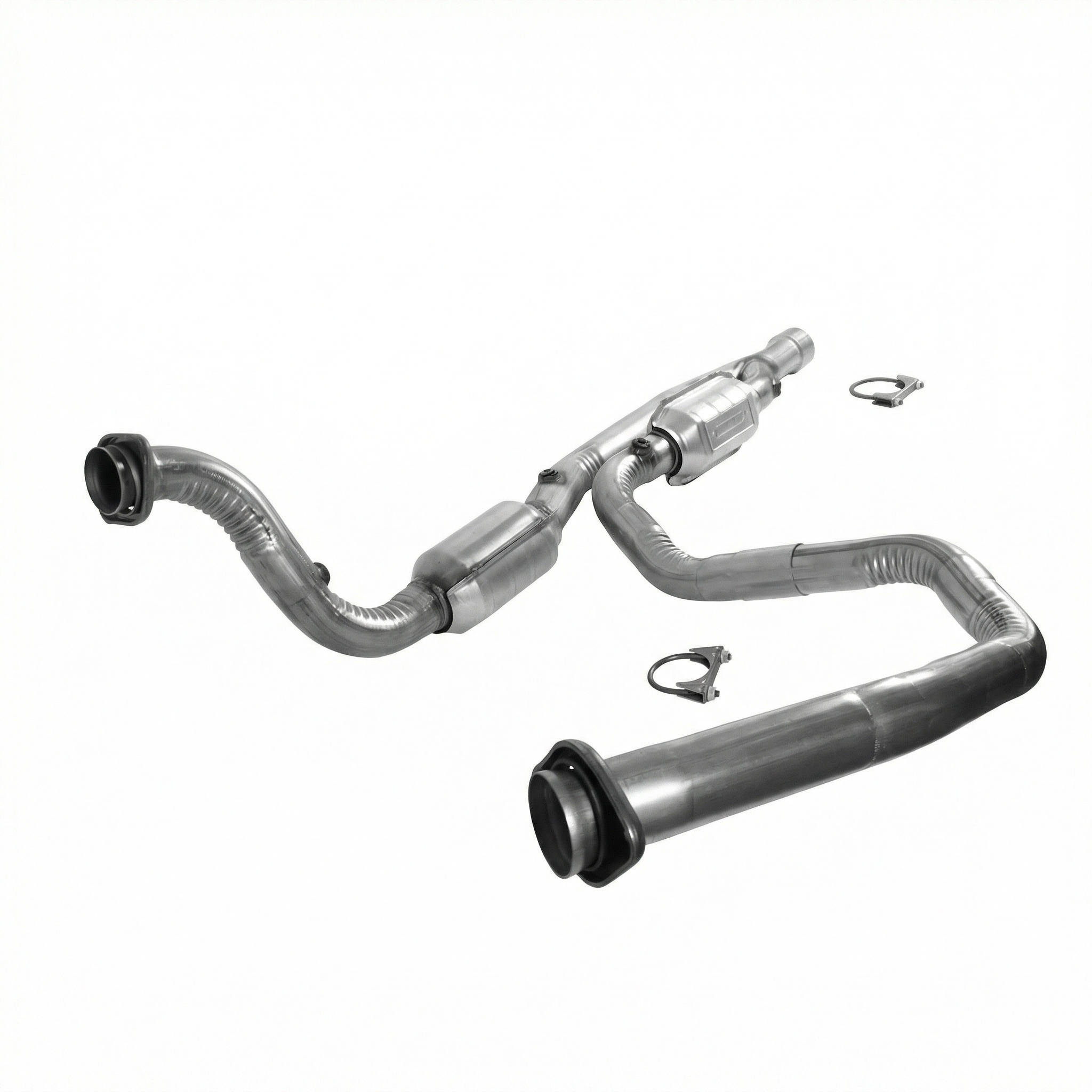
- Catalytic Converter: Many owners report that cheap, non-CARB aftermarket converters fail to meet the ECM's efficiency standards, causing the P0420 code to return shortly after installation. For long-term reliability, an OEM or high-quality aftermarket brand (like MagnaFlow) is recommended.
Aftermarket brands forum-validated for this vehicle:
- Oxygen Sensors: Denso and NTK are widely regarded as OEM suppliers and the most reliable choices. ACDelco (GM's own brand) is also a top choice.
- Exhaust Manifold: Dorman is a common aftermarket choice that often claims an improved design over the original, though fitment should be verified.
Brands owners have reported issues with on this vehicle:
- Unbranded/generic 'universal' oxygen sensors often have incorrect heater resistance or response times, which can fail to fix the P0133 code or cause other codes to appear.
Real Owner Stories
Aggregated from forums and TSBs cited above. Mileages and costs reflect what owners reported in those sources.
2011 GMC Terrain 2.4L
Symptoms: Owner reported P0133 and P0171 codes. They identified a ticking noise coming from the engine bay.
What fixed it: Replacing the cracked exhaust manifold and the oxygen sensor resolved both codes.
Source hint: terrainforum.net user report cited in forum_citations
2014 GMC Terrain 2.4L
Symptoms: The car starts and runs fine, but then it will stall. Codes P0133 and P0140 are present.
What fixed it: The source discusses fuel pressure and mentions a new battery and throttle body were installed, but a final confirmed fix for the P0133/P0140 combination was not reached in the snippet.
Source hint: r/MechanicAdvice owner report
Related OBD-II Codes
Frequently Asked Questions
Is the P0133 code on my 2010-2013 GMC Terrain related to the known oil consumption issue?
I hear a ticking noise from my 2.4L Ecotec engine when it's cold; could this be causing the P0133 code?
Could a recent repair be the reason my Terrain is now showing P0133?
Does the PCV system on the 2.4L Ecotec affect the oxygen sensor?
Is there a specific area on the exhaust manifold I should check for cracks?
Helpful Videos


Used OEM Parts in Stock
New Aftermarket Parts Available


The information in this article is provided for general reference and educational purposes only. Vehicle specifications, procedures, and part compatibility can vary by production date, trim level, and region. Always consult your vehicle's factory service manual and verify part numbers before purchasing or performing repairs. Safety-critical components such as airbags, seat belts, and braking systems should be installed by a qualified professional.
- GMC Terrain:
- 🧭 Diagnostic Flowchart
- 🎬 Helpful Videos
- 🛍️ Shop This Part
- What's Unique About the 2010-2017 GMC Terrain
- Symptoms You May Notice
- Most Likely Causes
- Rare But Worth Checking
- Diagnosis Steps
- Parts You'll Likely Need
- Related Codes That Often Appear With This One
- Technical Service Bulletins (TSBs) & Recalls
- Platform-Specific Known Issues
- Mechanic-Grade Diagnostic Values
- Scan Tool Commands That Help
- Wiring & Ground Locations
- Real Owner Repair Stories
- OEM Part Supersession History
- Model Year Variations Within This Range
- Other Known Issues on This Vehicle
- Used vs. New Parts: Buying Guide for This Vehicle
- Real Owner Stories
- 2011 GMC Terrain 2.4L
- 2014 GMC Terrain 2.4L
- Related OBD-II Codes
- Frequently Asked Questions
- 🎟️ Get 5% Off