

P0133 on 2008-2012 Honda Accord: O2 Sensor Slow Response Causes and Fixes
On a 2008-2012 Honda Accord, code P0133 is most often caused by a failing upstream oxygen sensor (Bank 1, Sensor 1). For 4-cylinder engines, this is an easy fix. For V6 models, this sensor is on the rear bank near the firewall and is difficult to access. Replacing this sensor is the most common fix, with quality aftermarket parts (Denso/NTK) costing $60-$100 and OEM costing $150+.
- P0133 points to a slow-reacting upstream oxygen sensor (Bank 1, Sensor 1).
- The most likely fix is replacing the upstream A/F sensor with a Denso or NTK part.
- On V6 models, be prepared for a difficult repair, as the Bank 1 sensor is on the rear bank against the firewall.
- Before replacing the sensor, check for exhaust leaks between the engine and the sensor and analyze fuel trims, as a leak can also cause the code.
- Ensure you are replacing the correct sensor – it's the one located *before* the catalytic converter. On the V6, it's the one on the firewall side.
What's Unique About the 2008-2012 Honda Accord
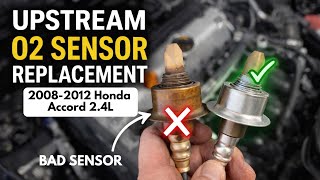
For the 8th generation Honda Accord (2008-2012), this code points directly to the performance of the primary oxygen sensor. While the cause is usually a bad sensor on both engines, the repair differs significantly. On the 4-cylinder (K24 engine), Bank 1 Sensor 1 is easily accessible on the front of the engine. 🎬 Watch: Step-by-step upstream sensor replacement for the 2.4L engine. On the V6 (J35 engine), Bank 1 is the rear cylinder bank, placing the upstream sensor against the firewall in a very tight space, making replacement much more difficult. Unlike some platforms where this code can be triggered by software glitches, on these Accords, it almost always indicates a physical problem like a worn-out sensor, an exhaust leak, or a wiring issue. Both engines use wideband Air/Fuel ratio sensors (not narrow-band O2 sensors) for the upstream position, which are known to degrade over time.
Symptoms You May Notice
- Check Engine Light (Malfunction Indicator Lamp) is on
- Decreased fuel economy
- Rough or uneven idle
- Engine hesitation or sluggish acceleration
- Potential for black smoke from the exhaust
- Failing an emissions test
- Replacing the downstream (Sensor 2) oxygen sensor instead of the upstream (Sensor 1) sensor. The code P0133 specifically refers to Bank 1, Sensor 1.
- Using a cheap, universal, or non-recommended brand of oxygen sensor. Honda ECUs are notoriously sensitive, and many forum users report that only OEM, Denso, or NTK sensors work correctly. Other brands may be dead-on-arrival or fail quickly.
Most Likely Causes
- Failing Upstream Oxygen Sensor (Bank 1, Sensor 1) 🔴 High Probability → Shop Oxygen Sensor Sensors have a finite lifespan (typically 80k-100k miles) and degrade from heat, contaminants, and age. As these vehicles are now over a decade old, original sensors are likely at the end of their service life. Many owners report this code appearing around the 120,000-mile mark.
How to confirm: Use an OBD-II scanner with live data to monitor the Bank 1 Sensor 1 voltage or equivalence ratio. A healthy sensor will show rapid fluctuations. A slow-to-respond sensor will show lazy or delayed changes. Also, monitor Short Term and Long Term Fuel Trims (STFT/LTFT). Consistently high positive trims (e.g., LTFT > +10%) can point towards an exhaust or vacuum leak instead of a bad sensor.
Typical fix: Replace the upstream oxygen sensor (Bank 1, Sensor 1). An offset 22mm (7/8") oxygen sensor socket is essential for this job. Penetrating oil should be applied to the sensor threads while the exhaust is warm (not hot) to aid removal.
Est. part cost: $60-$100 - Exhaust System Leak 🟡 Medium Probability Exhaust components, particularly the manifold gaskets and flex pipe, can degrade from rust and heat cycles. A leak before the O2 sensor can introduce outside air, skewing the sensor's readings and causing the ECM to interpret the signal as 'slow' or lean.
How to confirm: Visually inspect the exhaust manifold and downpipe for cracks or black soot trails indicating a leak. Listen for ticking or hissing noises from the engine bay, especially on a cold start. A smoke test is the most definitive way to pinpoint a leak.
Typical fix: Repair the leak, which may involve replacing a gasket (e.g., exhaust manifold gasket) or welding/replacing a cracked pipe.
Est. part cost: $10-$200 - Damaged Wiring or Connectors ⚪ Low Probability The wiring harness to the sensor is exposed to high heat and road debris. Wires can become brittle, melt on the exhaust manifold, or connectors can become contaminated with oil or dirt.
How to confirm: Visually inspect the oxygen sensor's wiring harness and connector for any signs of damage, melting, corrosion, or loose pins. Check for continuity and resistance using a multimeter; high resistance (>0.5 ohms) in the circuit can slow the signal.
Typical fix: Repair the damaged section of wire or replace the connector pigtail. Ensure the wiring is properly secured away from hot exhaust components.
Est. part cost: $5-$30
Rare But Worth Checking
- Low Fuel Pressure or Clogged Fuel Injectors: If the engine runs lean due to a fuel delivery issue, it can sometimes mimic a slow sensor response. This is less common but worth considering if a new sensor doesn't fix the code. A Honda TSB for older Accords (00-017) noted that fuel injector deposits could cause P0133, requiring injector and sensor replacement.
- Intake Air or Vacuum Leaks: A significant vacuum leak (e.g., from a cracked intake hose or bad PCV valve) can introduce unmetered air, causing a lean condition that may affect the O2 sensor's readings and potentially trigger this code.
- Faulty Powertrain Control Module (PCM): → Shop Engine Control Module (ECM) This is extremely rare. The PCM itself could be failing to read the sensor correctly, but all other possibilities, including wiring and other sensors, should be exhausted before considering PCM replacement.
Diagnosis Steps
- Connect an OBD-II scanner to verify P0133 is present. Note any other codes. Address codes for MAF sensors, fuel system, or misfires first.
- Clear the code and perform a drive cycle to see if it returns, confirming an active fault.
- Use the scanner's live data feature. Observe 'B1S1' (Bank 1 Sensor 1). On a warm, closed-loop engine, the voltage should fluctuate rapidly. A slow, lazy swing or a graph that looks more like a sine wave than a sharp square wave indicates a faulty sensor.
- Monitor Long Term Fuel Trim (LTFT) for Bank 1. If LTFT is high (e.g., +10% or more), it strongly suggests a vacuum or exhaust leak is introducing unmetered air, which should be investigated before replacing the sensor.
- Perform a thorough visual inspection of the exhaust system from the engine manifold back to the catalytic converter. Look for cracks, holes, or black soot that indicates a leak.
- Inspect the wiring and connector for the upstream oxygen sensor. Check for any signs of melting, corrosion, or physical damage.
- If the sensor signal is slow on the scanner, and no leaks or wiring damage are found, the sensor itself is the most likely culprit.
- If a new, quality sensor does not resolve the issue, perform a smoke test to find hidden vacuum/exhaust leaks or investigate fuel pressure.
Parts You'll Likely Need
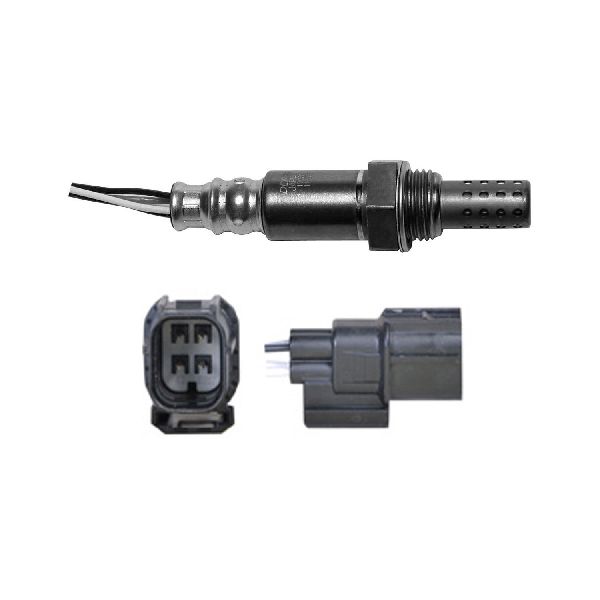
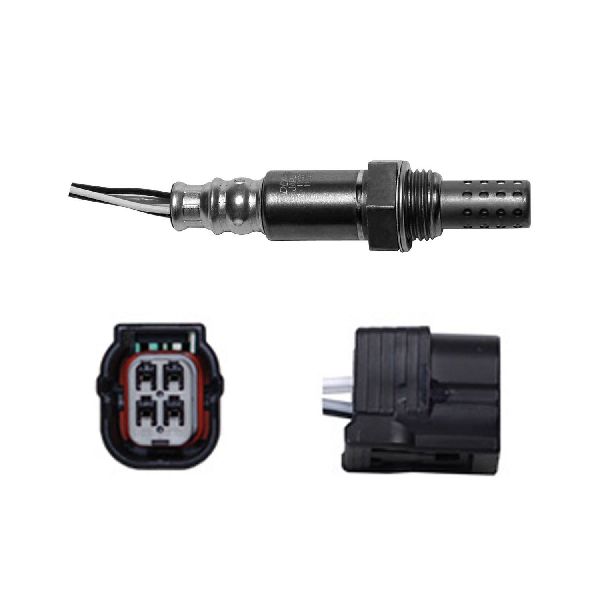
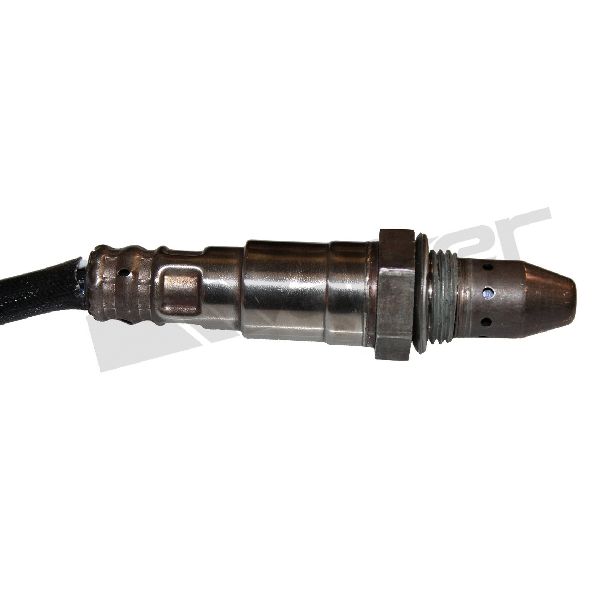
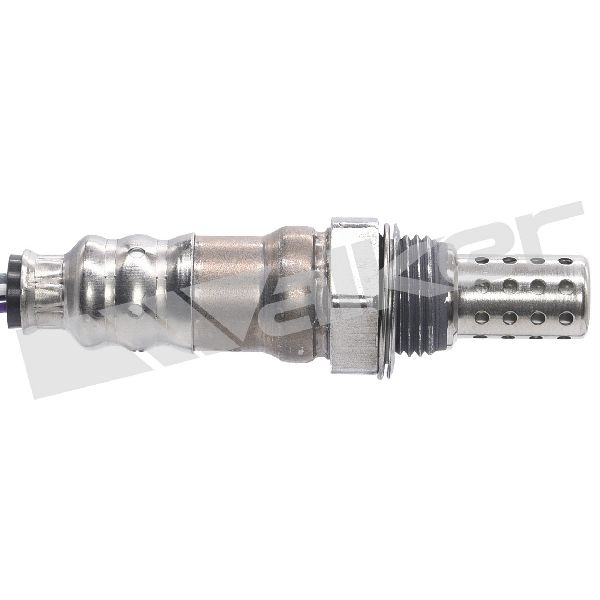
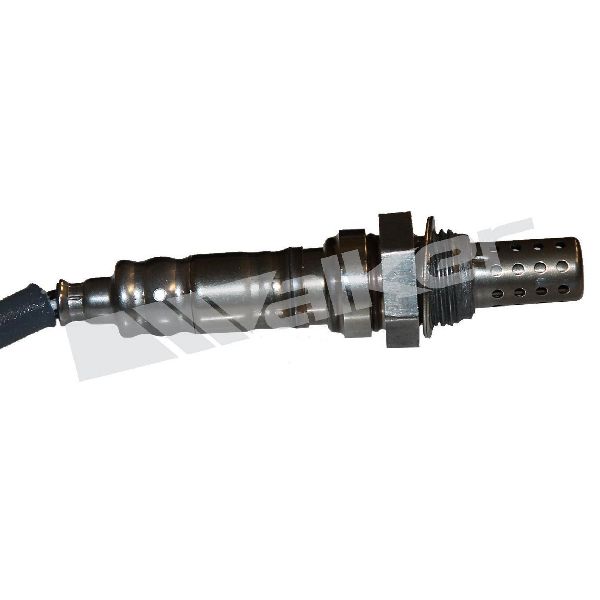
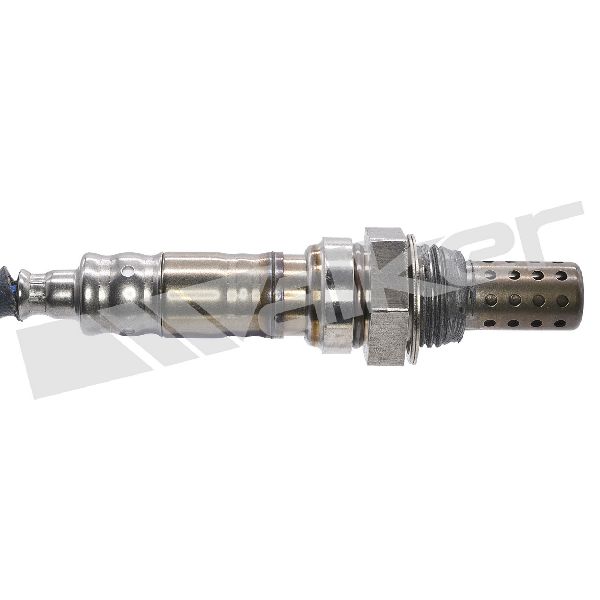
- Upstream Air/Fuel Ratio Sensor (Bank 1, Sensor 1)
(OEM #4-Cylinder (K24): 36531-R40-A01. V6 (J35): 36531-RN0-A01 (Bank 1, Rear))— This is the component directly monitored by the P0133 code. It is a common wear item and the most frequent cause of the fault.
Trusted brands: Denso (OEM manufacturer), NTK
OEM price range: $150-$220
Aftermarket price range: $60-$100
Platform-Specific Known Issues
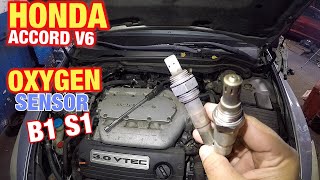
- V6 Bank 1 Sensor Access: On V6 models, Bank 1 is the rear bank against the firewall. The upstream A/F sensor is extremely difficult to access, often requiring removal of the upper strut bar and the use of specialized tools like swivel sockets and long extensions. Many DIYers report this being a frustrating, multi-hour job. 🎬 See the challenging V6 Bank 1 sensor replacement in action.
- Aftermarket Sensor Incompatibility: Numerous owner forums (DriveAccord.net, Honda-Tech) contain threads where users installed a less expensive sensor (often Bosch or other store brands) only for the P0133 code to return immediately or within a few weeks. The consensus is to only use Denso (the OEM supplier) or NTK direct-fit sensors to ensure compatibility with the Honda ECU.
Mechanic-Grade Diagnostic Values
- A/F Sensor (Bank 1, Sensor 1) Heater Circuit Resistance — expected: 2.0 - 2.7 Ω for a genuine Denso sensor at room temperature. General specifications range from 0.9 to 10 Ω.. Failure: A reading that is significantly higher (e.g., into kΩ or MΩ) or an open circuit (OL) indicates a failed heater element within the sensor.
- A/F Sensor Response Time — expected: Less than 100 milliseconds (0.1 seconds) to switch states after a change in air/fuel mixture.. Failure: A response time slower than 100ms, which will appear as a lazy, rounded waveform on a graphing scan tool instead of a sharp, rapid switch.
- A/F Sensor Heater Circuit Current — expected: Between 0.8 Amps and 10 Amps when active.. Failure: While this typically sets heater-specific codes (P0031/P0032), a current at the low end of the acceptable range could indicate a high-resistance connection or failing relay, leading to slow sensor warm-up and triggering P0133.
Scan Tool Commands That Help
- Honda Diagnostic System (HDS): A/F SENSOR (SENSOR 1) MALFUNCTION/SLOW RESPONSE Test — This is the manufacturer-specific test to confirm a P0133 fault. After clearing the code, the technician performs a specific drive cycle (engine warm >70°C, drive <25mph for 5 mins, then >32mph) and the HDS will report a 'PASSED' or 'FAILED' status, which is more definitive than just waiting for the CEL to return.
- Honda Diagnostic System (HDS) or equivalent: PCM IDLE LEARN PROCEDURE — This procedure should be performed after replacing the A/F sensor or clearing codes to reset the engine's learned idle and fuel trim values, ensuring the new sensor's readings are correctly interpreted.
Wiring & Ground Locations
- G101 (K24 4-Cylinder) — On the left side of the engine, typically on the intake manifold plenum near the injectors.. This is a primary ground point for the engine control harness, including the PCM. A corroded or loose G101 ground can introduce electrical noise or voltage offsets, potentially causing the PCM to misinterpret the A/F sensor's signal speed and trigger a P0133.
- G101 (J35 V6) — On the right front of the engine.. Same as the 4-cylinder, this is the main engine harness ground. On the V6, it's in a different location. Poor contact here can affect multiple sensors and is a critical check if a new A/F sensor doesn't fix the code.
- PCM Ground Pins (Connector B & C) — At the PCM connectors. Specifically, pins B1, B10, C44, and C48 are known ground circuits that terminate at G101.. When diagnosing a persistent P0133, a technician can perform a voltage drop test from these specific PCM pins to the battery negative terminal. A voltage drop of more than a few millivolts indicates a poor ground connection at G101 or in the harness, which could be the root cause of the fault.
Real Owner Repair Stories
- YouTube channel 'Daniels Customs' (2008 Honda Accord 4-Cylinder) — Check Engine Light with code P0135 (A/F Sensor Heater Circuit Malfunction).
❌ Tried (didn't work) Checked the FI SUB fuse (Fuse #14, 15A), which was good., Checked the PGM-FI sub-relay, which was also good.
✅ What actually fixed it The technician measured the resistance of the heater circuit on the old sensor and found it was out of specification. A new Denso sensor measured between 2.0 and 2.7 ohms. Replacing the faulty A/F sensor with the new Denso sensor resolved the issue. This demonstrates the importance of testing the component and using a quality replacement part. - NHTSA ODI #10058999 — While reported on a different Honda model (Prelude), this record confirms the manufacturer's long-standing diagnostic history where the Malfunction Indicator Lamp illuminates specifically for trouble code P0133.
Model Year Variations Within This Range
- 2011-2012: The 2011 model year introduced a facelift with cosmetic updates, improved aerodynamics, reduced engine friction, and revised transmission ratios for better fuel economy. However, there are no documented changes to the A/F sensors, engine control logic for P0133, or relevant wiring that would alter the diagnosis or repair compared to 2008-2010 models.
Diagnostic Flowchart
Real Owner Stories
Aggregated from forums and TSBs cited above. Mileages and costs reflect what owners reported in those sources.
2009 Honda Accord V6 — 130000 miles
Symptoms: Scanner showed a slow response from the Bank 1 Sensor 1.
What fixed it: Replaced the Bank 1 sensor with a Denso part. The repair required removing the strut tower brace and using a combination of extensions and a swivel socket to reach the rear bank.
Cost: $60-$100
Source hint: DriveAccord.net thread titled 'P0133 Bank 1 Sensor 1'
8th Gen Honda Accord
Symptoms: Installed a less expensive aftermarket sensor (Bosch/store brand) and the P0133 code returned immediately or within a few weeks.
What fixed it: Replaced the incompatible aftermarket sensor with a direct-fit Denso or NTK OEM-supplier sensor.
Source hint: Honda-Tech.com thread titled '8th Gen Accord P0133 Help'
Related OBD-II Codes
Frequently Asked Questions
Which oxygen sensor is Bank 1 Sensor 1 on my V6 Accord?
Can I use a cheaper aftermarket oxygen sensor to fix P0133 on my 8th Gen Accord?
At what mileage does the upstream oxygen sensor typically fail on the 2008-2012 Accord?
If I have high Long Term Fuel Trims (LTFT) with code P0133, is the sensor definitely bad?
What tools do I need to replace the Bank 1 Sensor 1 on my Accord?
Helpful Videos
We Have This Part in Stock

The information in this article is provided for general reference and educational purposes only. Vehicle specifications, procedures, and part compatibility can vary by production date, trim level, and region. Always consult your vehicle's factory service manual and verify part numbers before purchasing or performing repairs. Safety-critical components such as airbags, seat belts, and braking systems should be installed by a qualified professional.
- Honda Accord:
- 🧭 Diagnostic Flowchart
- 🎬 Helpful Videos
- 🛍️ Shop This Part
- What's Unique About the 2008-2012 Honda Accord
- Symptoms You May Notice
- Most Likely Causes
- Rare But Worth Checking
- Diagnosis Steps
- Parts You'll Likely Need
- Platform-Specific Known Issues
- Mechanic-Grade Diagnostic Values
- Scan Tool Commands That Help
- Wiring & Ground Locations
- Real Owner Repair Stories
- Model Year Variations Within This Range
- Real Owner Stories
- 2009 Honda Accord V6 — 130000 miles
- 8th Gen Honda Accord
- Related OBD-II Codes
- Frequently Asked Questions
- 🎟️ Get 5% Off