

P0133 on 2003-2011 Honda Element: O2 Sensor Slow Response Causes and Fixes
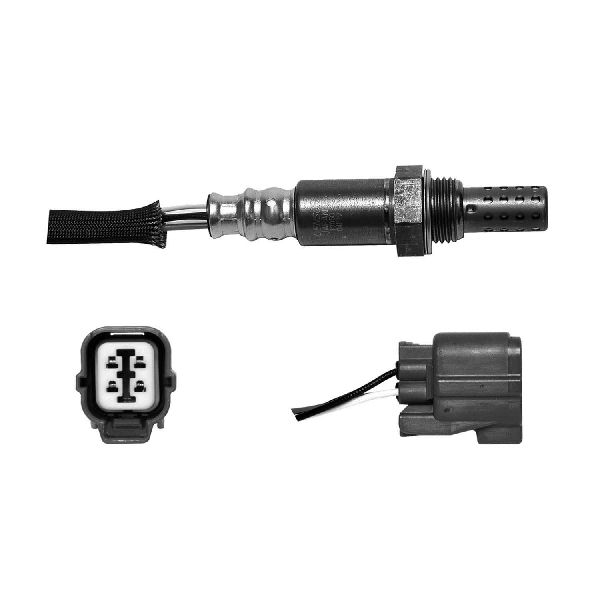
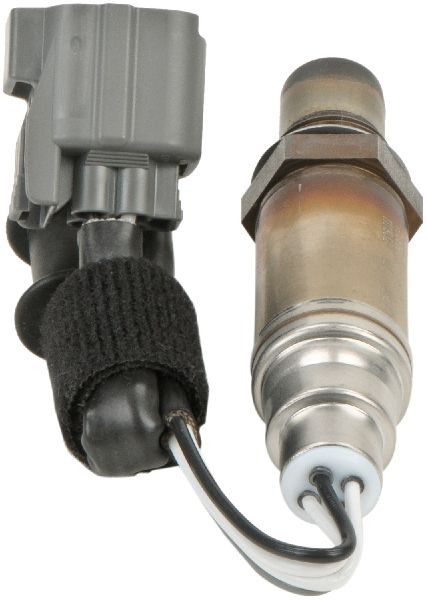
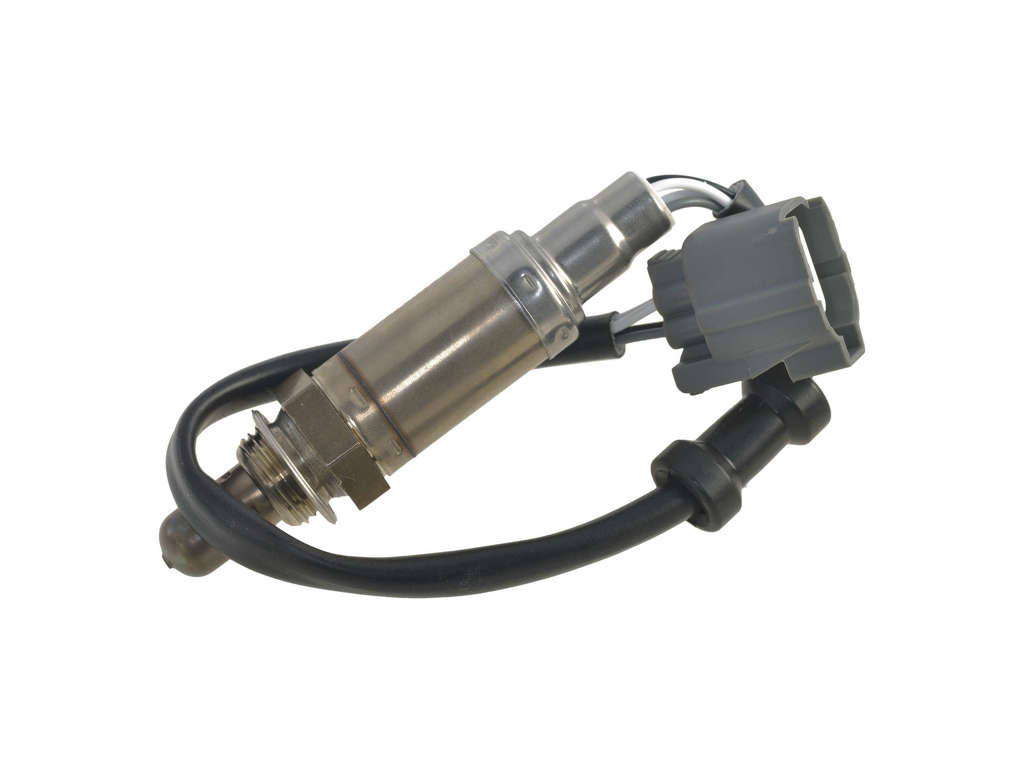
For a 2003-2011 Honda Element, code P0133 almost always means the primary, upstream Air/Fuel (A/F) ratio sensor is old and needs to be replaced. Using an OEM-equivalent Denso sensor is the most reliable fix. Use Denso 234-9064 for 2003-2006 models and Denso 234-9076 for 2007-2011 models. Expect to pay $60-$150 for the part for a DIY repair.
- P0133 on a Honda Element points directly to a slow-responding upstream Air/Fuel (O2) sensor.
- The most common and effective fix is to replace the upstream sensor (Bank 1, Sensor 1).
- You MUST use an OEM Honda or a Denso brand sensor; other brands are known to not work correctly with Honda's engine computer. Use Denso 234-9064 for 2003-2006 and Denso 234-9076 for 2007-2011.
- Before replacing the sensor, perform a quick visual and audible inspection for any obvious exhaust leaks between the engine and the sensor, especially if the catalytic converter was recently replaced.
- Do not replace the downstream (rear) sensor for this code.
What's Unique About the 2003-2011 Honda Element
The Honda Element, sharing its K-series engine platform with the CR-V and Accord, is known for being particularly sensitive to the brand of oxygen sensor used. Owners and mechanics widely report that using aftermarket sensors other than the original equipment manufacturer (Denso) often fails to resolve the P0133 code, or causes it to return quickly. Additionally, due to a high rate of catalytic converter theft on this vehicle, this code can sometimes appear after a replacement if an aftermarket converter is installed or if an exhaust leak was created during the repair. A small leak from a cracked exhaust manifold or a bad gasket is often enough to trigger the code on this sensitive system.
Generation note: The 2003-2011 range covers the entire production of the Honda Element. A key difference is the engine: 2003-2006 models use the K24A4 engine, while 2007-2011 models use the K24A8. While the cause of P0133 is the same for both, they use different specific part numbers for the upstream A/F sensor. Always verify the part number for your specific year.
Symptoms You May Notice
- Check Engine Light is on
- Decreased fuel economy
- Failure to pass an emissions test
- Slightly rough idle or hesitation (less common)
- Smelly exhaust (running rich)
- Replacing the downstream (post-catalyst) O2 sensor. P0133 is specific to the upstream sensor (Sensor 1).
- Using a cheap 'universal' or non-Denso brand oxygen sensor. Many owners report the code returns because the Honda ECU requires the precise response of the OEM sensor.
- Replacing the catalytic converter. A failing converter typically sets a P0420 code, not P0133.
Most Likely Causes
- Failing Upstream Air/Fuel (O2) Sensor 🔴 High Probability Oxygen sensors are wear items that degrade over time. Honda ECUs are very sensitive and will detect a slow-responding sensor that might not trigger a code on other vehicles.
How to confirm: Use an OBD-II scanner with live data to monitor the Bank 1 Sensor 1 voltage or current. A healthy sensor will show rapid fluctuations. A slow, lazy waveform that lags during throttle changes confirms a failing sensor. The response time should be under 100ms.
Typical fix: Replace the upstream (pre-catalyst) Air/Fuel ratio sensor. It is strongly recommended to use an OEM Honda part or a direct-fit Denso replacement. Apply anti-seize compound to the threads of the new sensor before installation.
Est. part cost: $60-$180 - Exhaust Leak 🟡 Medium Probability Leaks can develop at the exhaust manifold gasket or flange connections due to age and heat cycles. A cracked exhaust manifold is also a known issue that can cause P0133. It's also a common issue after a catalytic converter has been replaced (often due to theft), if the new gaskets don't seal perfectly.
How to confirm: Visually inspect the exhaust manifold and all piping before the upstream O2 sensor for black soot marks, which indicate a leak. You may also hear a ticking or hissing sound from the engine bay, especially when the engine is cold. A shop can perform a smoke test to pinpoint the leak's location.
Typical fix: Replace the leaking gasket (e.g., exhaust manifold gasket, donut gasket) or repair/replace the cracked component. A common failure point is the manifold-to-downpipe connection.
Est. part cost: $20-$50 for gaskets, $150+ for manifold - Damaged Wiring or Connector ⚪ Low Probability The sensor wiring is located in a hot, exposed area and can be damaged by road debris or contact with hot exhaust components. The harness can also be damaged during catalytic converter theft.
How to confirm: Visually inspect the wiring harness leading to the upstream O2 sensor for any signs of melting, chafing, corrosion, or breaks. Check the connector for a secure fit and clean contacts.
Typical fix: Repair the damaged section of the wiring harness or clean/replace the connector.
Est. part cost: $10-$30
Rare But Worth Checking
- Aftermarket Catalytic Converter Issues: If the P0133 code appeared shortly after a catalytic converter was replaced, the aftermarket unit's flow characteristics might be different enough to cause issues, or a small leak was introduced during installation. One owner on Reddit reported this exact issue, which persisted even after replacing the O2 sensor with an OEM part twice.
- Faulty Powertrain Control Module (PCM): → Shop Engine Control Module (ECM) This is extremely rare. The PCM should only be considered after all other possibilities, including the sensor, wiring, and exhaust leaks, have been thoroughly ruled out.
Diagnosis Steps
- Read the trouble codes with an OBD-II scanner to confirm P0133 is the only code present.
- Visually inspect the exhaust system from the engine block to the catalytic converter. Look for black soot marks or listen for audible ticking that would indicate an exhaust leak. Pay close attention to the exhaust manifold and spring-loaded bolts at the collector.
- Inspect the wiring and connector for the upstream A/F sensor (Bank 1, Sensor 1). Check for any melting, fraying, or corrosion.
- Using a scan tool with live data, monitor the voltage or A/F value for Bank 1, Sensor 1 with the engine warm. The reading should fluctuate rapidly. Perform a 'throttle snap' test (quick rev); a healthy sensor will respond almost instantly. A slow, lazy response indicates a bad sensor.
- If no exhaust leaks or wiring issues are found and the sensor signal is slow, replace the upstream A/F sensor. A 22mm (or 7/8 inch) slotted O2 sensor socket is required for removal and installation.
- Apply a small amount of anti-seize compound to the new sensor's threads, avoiding the sensor tip.
- After replacement, clear the code and perform a drive cycle to ensure the fix was successful.
Parts You'll Likely Need
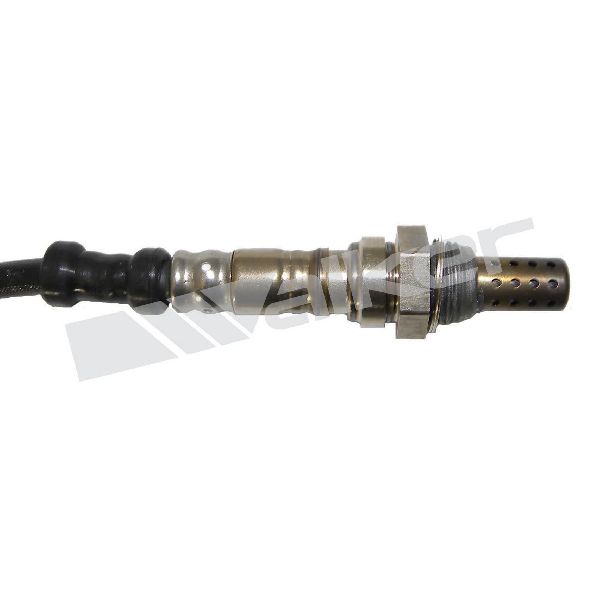
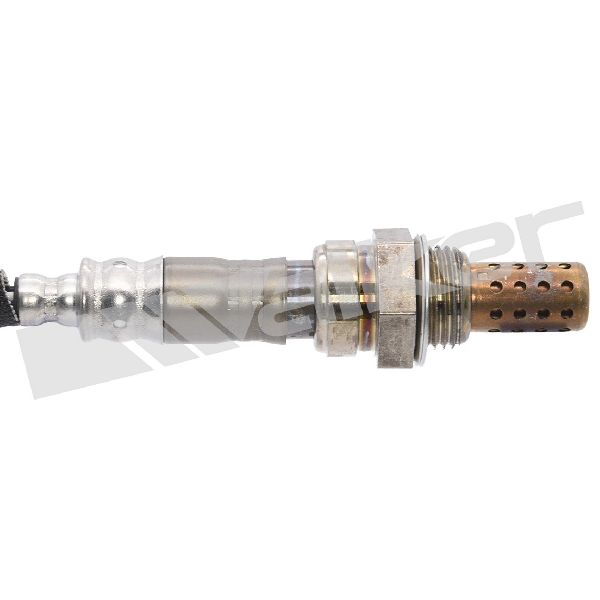
- Upstream Air/Fuel Ratio Sensor (Bank 1, Sensor 1)
(OEM #2003-2006 (K24A4): 36531-PZD-A01. 2007-2011 (K24A8): 36531-RZA-003 (or 36531-RZA-013))— This is the primary component responsible for the measurement that triggers code P0133. It is a normal wear-and-tear item, and replacing it is the most common fix.
Trusted brands: Denso (OEM Manufacturer), Honda (OEM)
OEM price range: $180-$250
Aftermarket price range: $80-$150 (Denso)
Technical Service Bulletins (TSBs) & Recalls
- Honda TSB 14-003: While not for P0133, this TSB addresses a common platform issue where the starter motor intermittently whines and fails to crank, requiring replacement. This is a well-known problem for Element owners.
Platform-Specific Known Issues
- A user on Reddit with a 2007 Element reported a loud exhaust noise that sounded like a stolen catalytic converter, but the code thrown was P0133. The cause ended up being a completely rusted-out and disconnected catalytic converter flange, which created a massive exhaust leak before the sensor.
- Another owner on Reddit detailed a lengthy battle with P0133 after their catalytic converter was stolen and replaced with an aftermarket unit. Even with two new factory O2 sensors, the code persisted, accompanied by an audible exhaust leak and smelly exhaust, pointing to a sealing or flow issue with the aftermarket cat.
Mechanic-Grade Diagnostic Values
- A/F Sensor Signal Wire Voltage (Honda/Denso 4-wire) — expected: With the sensor unplugged, testing the harness-side connector: one signal wire should have 3.3V and the other should have 2.9-3.0V, referenced to battery ground.. Failure: Voltages that are missing, significantly different, or not stable indicate a problem with the wiring or the PCM.
- A/F Sensor Signal Frequency (Live Data) — expected: At a steady 2000 RPM with a warm engine, the sensor signal should oscillate at a frequency of 1-5 Hz, typically 1-2 Hz.. Failure: A frequency below 1 Hz indicates a slow, lazy sensor that needs replacement.
- Engine Valve Clearance (Cold Engine) — expected: Intake: 0.008 - 0.010 in (0.21 - 0.25 mm). Exhaust: 0.011 - 0.013 in (0.28 - 0.32 mm).. Failure: Clearances below the minimum, especially on the exhaust side, indicate tight valves that can affect exhaust flow and sensor readings.
Wiring & Ground Locations
- G101 — Bolted to the thermostat housing on the cylinder head.. This is the primary power and logic ground for the ECU. A poor connection here can cause erratic sensor readings, stalling, and no-start conditions, potentially mimicking a sensor failure.
- Main Engine Ground Strap — Typically runs from the transmission case to the vehicle's chassis/subframe.. A corroded or broken main ground strap forces sensor return paths through incorrect circuits, leading to noisy signals and false codes. This is a common failure point due to age and exposure.
- Valve Cover Ground — A smaller ground wire often running from the valve cover to the chassis.. Ensures the cylinder head and its components are properly grounded. While less critical than G101 or the main strap, a missing or poor connection can contribute to electrical noise.
- A/F Sensor Connector — On the top/back of the engine, where the sensor harness connects to the main engine harness.. This is the primary location for testing harness-side voltages and sensor-side resistance. The pins for a 2007+ model with a Denso 234-9076 are typically: Pin 1 (Black) - Heater Power, Pin 2 (Black) - Heater Ground, Pin 3 (White) - Signal +, Pin 4 (Blue) - Signal -.
Real Owner Repair Stories
- Reddit user on r/HondaElement (2004 Honda Element EX AWD) — Persistent P0133 code, smelly exhaust, and an audible exhaust leak.
❌ Tried (didn't work) Replacing the upstream O2 sensor with a factory part (twice)., Replacing the downstream O2 sensor with a factory part.
✅ What actually fixed it The shop diagnosed the issue as being caused by the aftermarket catalytic converter that was installed after a theft. The aftermarket unit's flow or sealing characteristics were incompatible, and replacing it with a factory Honda catalytic converter was the prescribed final fix. - Reddit user on r/HondaElement (2003 Honda Element) — Multiple CEL codes including P0420, P2A00 (A/F Sensor Performance), and random misfires (P0300, P0301, P0302, P0303), especially at highway speeds.
❌ Tried (didn't work) Initially ignoring the codes as they would sometimes clear themselves.
✅ What actually fixed it The owner performed a valve adjustment and found the exhaust valves were extremely tight. After adjusting all valves to spec and replacing the upstream O2 sensor, the issues were resolved. This suggests the tight valves were a significant contributing factor to the sensor performance codes.
Documented NHTSA Reports
- NHTSA ODI #10058999: Although reported on a different model from the same manufacturer, this record describes a malfunction indicator lamp coming on specifically with diagnostic trouble code P0133.
"I Checked Everything" — The Actual Cause
- In cases where P0133 appears after a catalytic converter replacement and a smoke test reveals no obvious leaks, the root cause can be the aftermarket converter itself. The internal design may alter exhaust gas velocity or create turbulence that the highly sensitive Honda ECU interprets as a slow sensor response, even if there is no traditional 'leak' to the atmosphere.
Model Year Variations Within This Range
- 2003-2006 vs 2007-2011: The primary difference affecting this code is the engine (K24A4 vs K24A8) and the corresponding upstream A/F sensor. 2003-2006 models use Denso 234-9064 (Honda PN 36531-PZD-A01), while 2007-2011 models use Denso 234-9076 (Honda PN 36531-RZA-003 or 36531-RZA-013). The parts are not interchangeable.
Diagnostic Flowchart
Other Known Issues on This Vehicle
Issues unrelated to this code that are worth knowing about as an owner of this generation:
- Intermittent Starter Motor Failure 🟠 Medium — Common on higher-mileage vehicles. Symptoms include a whine or click with no crank, which may be intermittent at first. (Ref: Honda TSB 14-003 describes a condition where the starter pinion does not extend properly, requiring starter replacement.)
- VTEC Solenoid Gasket Oil Leak 🟡 Low — Extremely common. The gasket becomes hard and brittle, causing a persistent oil leak at the rear passenger side of the engine head. It's a cheap part but can make a significant mess.
- Front Lower Control Arm Compliance Bushing Failure 🔴 High — Very common after 100,000 miles. The large rubber bushings crack and tear, causing a clunking or popping noise during braking and going over bumps, and can lead to steering vibration at highway speeds.
- Catalytic Converter Theft 🔴 High — The Element is a prime target for catalytic converter theft due to its high ground clearance and easily accessible converter. This is not a mechanical failure but a major ownership risk.
- Exhaust Cam Lobe Galling/Wear 🟡 Low — A known issue on some K24 engines, particularly the K24A4, where exhaust camshaft lobes can wear prematurely. This is less common but can occur, potentially exacerbated by poor oil quality.
Used vs. New Parts: Buying Guide for This Vehicle
When a used part is the smart pick: For a cracked exhaust manifold, a used part from a reputable auto recycler is a smart, cost-effective choice. For wiring repairs, a used connector pigtail from a junkyard is ideal.
Donor-vehicle mileage cap: roughly under 120000 miles for the part to have meaningful remaining life.
What to inspect on the donor part:
- For a used exhaust manifold, inspect for hairline cracks, especially near the collector flange and O2 sensor bung.
- Ensure all mounting studs are intact and threads are in good condition.
- Prefer parts from vehicles in dry climates to avoid excessive rust and corrosion that can hide cracks.
OEM-only on this vehicle (don't cheap out):
- Air/Fuel Ratio Sensor: The ECU is extremely sensitive to sensor response time. Only a new OEM Honda or OEM-supplier (Denso/NTK) part is recommended to guarantee the code is resolved.
- Catalytic Converter: Forum reports strongly indicate that aftermarket catalytic converters frequently cause persistent P0133 or P0420 codes on this vehicle due to flow differences. An OEM converter is the most reliable, albeit expensive, option.
Aftermarket brands forum-validated for this vehicle:
- Denso (for Air/Fuel sensors)
- NTK / NGK (for Air/Fuel sensors)
Brands owners have reported issues with on this vehicle:
- Unknown or 'universal' brands for oxygen sensors.
- Non-CARB compliant catalytic converters in states where they are required.
Real Owner Stories
Aggregated from forums and TSBs cited above. Mileages and costs reflect what owners reported in those sources.
2007 Honda Element
Symptoms: Loud exhaust noise that sounded like a stolen catalytic converter; the vehicle threw code P0133.
What fixed it: Repairing a completely rusted-out and disconnected catalytic converter flange that created a massive exhaust leak before the sensor.
Source hint: reddit.com/r/HondaElement - Thread: 'Heinous sounds' (Nov 2022)
2003-2011 Honda Element 2.4L
Symptoms: P0133 code persisted even after installing two new factory O2 sensors; accompanied by an audible exhaust leak and smelly exhaust.
What fixed it: Addressing a sealing or flow issue with an aftermarket catalytic converter that was installed after a theft.
Source hint: reddit.com/r/HondaElement - Thread: 'code p0133, aftermarket cat' (Oct 2021)
2003-2011 Honda Element 2.4L
Symptoms: Bank 1 sensor 1 slow response code (P0133).
What fixed it: Replacing a cracked exhaust manifold which was leaking exhaust gases before they reached the O2 sensor.
Source hint: honda-tech.com - Thread: 'P0133 bank 1 sensor 1 slow response' (Oct 2016)
Related OBD-II Codes
Frequently Asked Questions
Does Honda TSB 14-003 address the P0133 code on my Element?
Which brand of replacement oxygen sensor should I use for my 2003-2011 Honda Element?
Can a stolen catalytic converter cause a P0133 code on my Element?
Is a P0133 code always caused by a bad sensor in the K24 engine?
What specific tool do I need to replace the Bank 1 Sensor 1 on my Honda Element?
Helpful Videos
We Have This Part in Stock


The information in this article is provided for general reference and educational purposes only. Vehicle specifications, procedures, and part compatibility can vary by production date, trim level, and region. Always consult your vehicle's factory service manual and verify part numbers before purchasing or performing repairs. Safety-critical components such as airbags, seat belts, and braking systems should be installed by a qualified professional.
- Honda Element:
- 🧭 Diagnostic Flowchart
- 🎬 Helpful Videos
- 🛍️ Shop This Part
- What's Unique About the 2003-2011 Honda Element
- Symptoms You May Notice
- Most Likely Causes
- Rare But Worth Checking
- Diagnosis Steps
- Parts You'll Likely Need
- Technical Service Bulletins (TSBs) & Recalls
- Platform-Specific Known Issues
- Mechanic-Grade Diagnostic Values
- Wiring & Ground Locations
- Real Owner Repair Stories
- Documented NHTSA Reports
- "I Checked Everything" — The Actual Cause
- Model Year Variations Within This Range
- Other Known Issues on This Vehicle
- Used vs. New Parts: Buying Guide for This Vehicle
- Real Owner Stories
- 2007 Honda Element
- 2003-2011 Honda Element 2.4L
- 2003-2011 Honda Element 2.4L
- Related OBD-II Codes
- Frequently Asked Questions
- 🎟️ Get 5% Off