

P0133 on 2007-2012 Lexus ES350: Slow O2 Sensor Response Causes and Fixes
This code almost always means the rear upstream Air/Fuel ratio sensor (Bank 1, Sensor 1) has failed. Due to its location against the firewall, replacement is difficult. Expect to pay $120-$200 for an OEM-quality Denso sensor and 1.5-2.5 hours of labor if done by a shop.
- P0133 on your ES350 points directly to a slow Air/Fuel Ratio sensor on the rear cylinder bank (Bank 1).
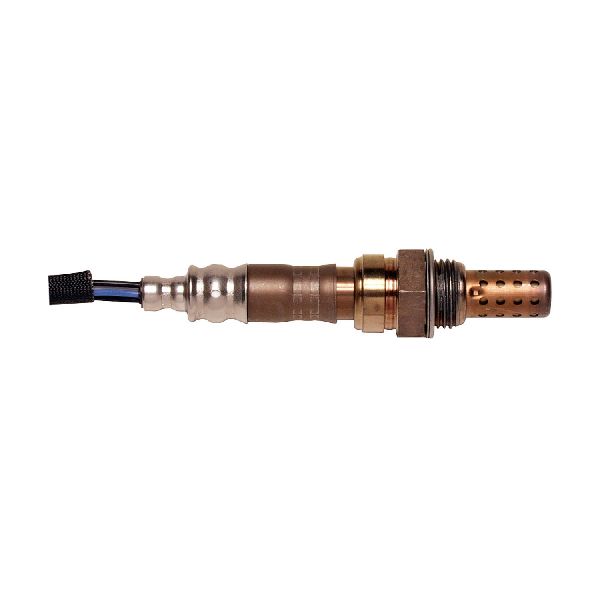
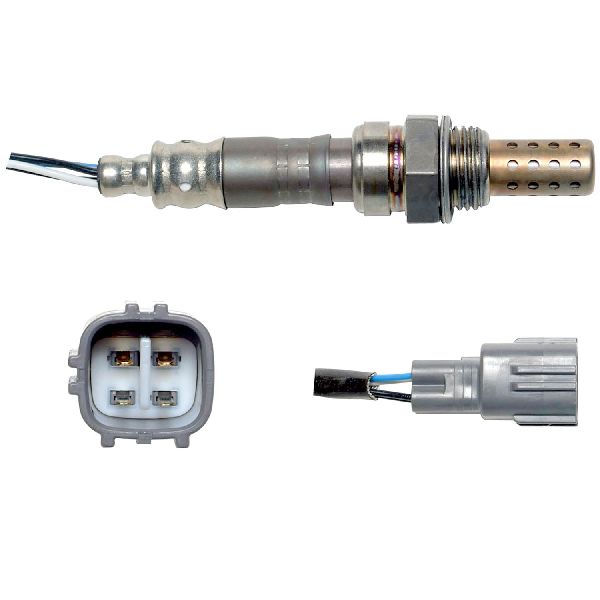
- The most likely fix is to replace this sensor. Using an OEM brand like Denso (part #234-9051) is highly recommended for reliability.
- This is a challenging DIY repair due to the sensor's location against the firewall, requiring patience and special tools.
What's Unique About the 2007-2012 Lexus ES350
On the ES350's transversely mounted 2GR-FE V6 engine, 'Bank 1' is the rear cylinder bank, located against the firewall, making access to its sensors notoriously difficult. 'Sensor 1' is the upstream sensor, which on this Lexus is a wideband Air/Fuel (A/F) ratio sensor, not a conventional oxygen sensor. While functionally similar in purpose, A/F sensors operate on a different principle and are more precise, which is why they are used for primary fuel control.
Symptoms You May Notice
- Check Engine Light is on
- Decreased fuel economy
- Slightly rough idle or hesitation during acceleration
- Failure to pass an emissions test
- Replacing the wrong sensor, such as the easily accessible Bank 2 (front) sensor or the downstream Bank 1, Sensor 2.
- Replacing the catalytic converter when the issue is just a slow sensor.
- Replacing the sensor without checking for an underlying exhaust leak that is the true cause of the code.
Most Likely Causes
- Failing or Aged Bank 1, Sensor 1 Air/Fuel Ratio Sensor 🔴 High Probability → Shop Oxygen Sensor Air/Fuel sensors are wear items that degrade over time from heat cycles and exhaust contaminants. After 100,000+ miles, failure is very common and is the primary cause of P0133.
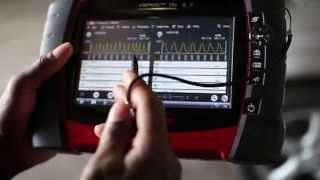
How to confirm: Use an OBD-II scanner with live data graphing. Observe the waveform for 'A/F Sensor B1S1'. A healthy sensor's voltage will change rapidly and oscillate frequently. When you snap the throttle, the response should be nearly instant. A slow, lazy, or flat-lined signal confirms a bad sensor. 🎬 See how to test for slow sensor response using live data.
Typical fix: Replace the Bank 1, Sensor 1 Air/Fuel Ratio sensor. This is the upstream sensor on the rear exhaust manifold, against the firewall.
Est. part cost: $120-$220 - Exhaust Leak 🟡 Medium Probability Gaskets on the exhaust manifold can fail over time, creating leaks.
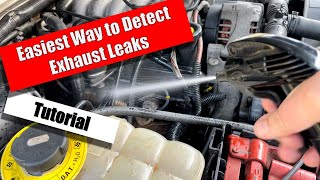
How to confirm: Visually inspect the exhaust manifold and pipes leading to the sensor for cracks or black soot trails indicating a leak. Listen for ticking noises when the engine is cold. A smoke test is the most definitive way to pinpoint small leaks. 🎬 Watch: The easiest way to find hidden exhaust leaks. A leak allows outside oxygen into the exhaust, which can confuse the sensor and cause the ECM to interpret the signal as a slow response.
Typical fix: Repair the leak by replacing the faulty gasket or exhaust component.
Est. part cost: $20-$300 - Damaged Wiring or Connector ⚪ Low Probability The wiring for the rear sensor is in a hot, tight area and can be susceptible to damage from heat or improper servicing.
How to confirm: Visually inspect the wiring harness and connector for the Bank 1, Sensor 1 A/F sensor. Look for any signs of melting, corrosion, chafing, or loose pins. A multimeter can be used to check for continuity and shorts in the harness.
Typical fix: Repair the damaged section of the wiring harness or clean/replace the connector.
Est. part cost: $10-$50
Rare But Worth Checking
- Engine Vacuum Leak: A significant vacuum leak from a source like a cracked hose or bad intake manifold gasket can introduce unmetered air, affecting the air-fuel ratio and potentially causing the O2 sensor to read incorrectly, which the ECU might interpret as a slow response.
- Low Fuel Pressure: Incorrect fuel pressure can lead to a lean condition, which can sometimes manifest as an O2 sensor code. This is less likely than the sensor itself but should be considered if a new sensor doesn't fix the code.
- Contaminated Sensor from Oil/Coolant Leak: An engine oil or coolant leak from a valve cover gasket or the infamous VVT-i oil line can drip onto the sensor or its wiring, causing it to fail prematurely. Check the area around the sensor for signs of fluid leaks.
- Failing Engine Control Module (ECM): → Shop Engine Control Module (ECM) In very rare cases, the fault can be with the ECM's internal circuitry that processes the sensor's signal. This should only be considered after all other possibilities have been exhausted.
Diagnosis Steps
- Connect an OBD-II scanner and confirm that P0133 is the primary code. Note any other codes present.
- Inspect for Exhaust Leaks: Carefully inspect the rear exhaust manifold and the exhaust pipe near the sensor for any signs of cracks, rust holes, or soot trails that indicate a leak.
- Inspect Wiring: Trace the wiring from the Bank 1, Sensor 1 (rear, upstream) to its connector. Look for any visible damage, such as melting on the exhaust, chafing, or corrosion in the connector.
- Analyze Live Data: Using a scan tool, graph the data for 'AFS Voltage B1S1'. At idle on a warm engine, the voltage should fluctuate. When you snap the throttle, the voltage should respond almost instantly. If the signal is lazy, stuck, or does not respond quickly, the sensor is faulty.
- Check Fuel Trims: Observe the short-term and long-term fuel trims for Bank 1. A slow sensor can cause these values to be abnormal as the ECM struggles to maintain the correct mixture.
- If all of the above check out, consider investigating rarer causes like vacuum leaks or fuel pressure issues before suspecting the ECM.
Parts You'll Likely Need
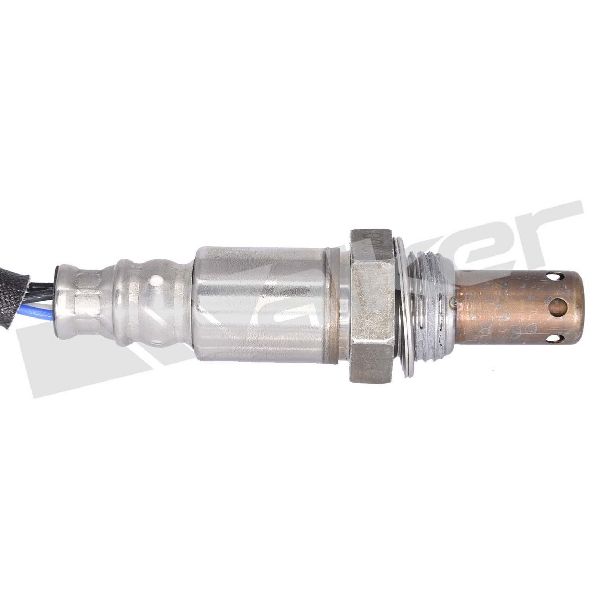
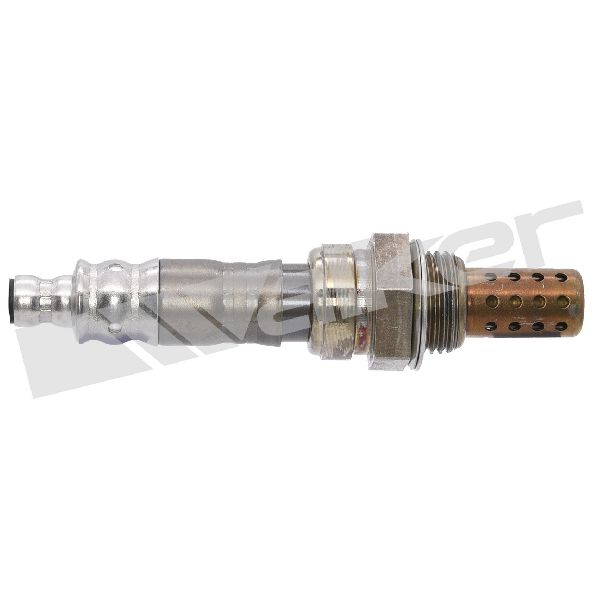
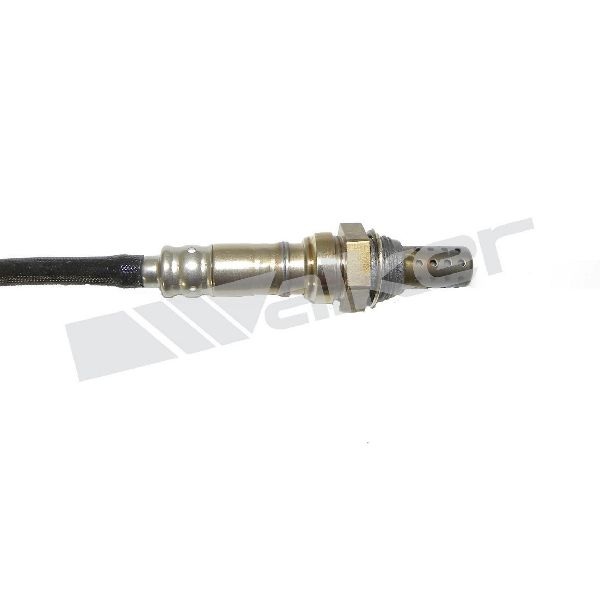
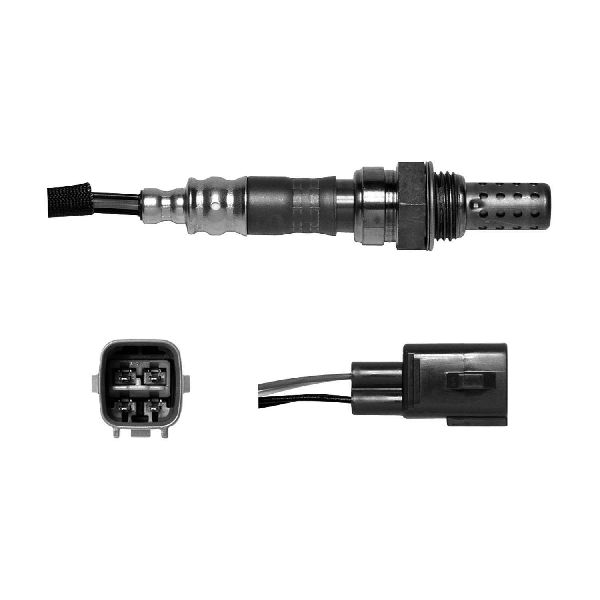
- Air/Fuel Ratio Sensor (Bank 1, Sensor 1)
(OEM #89467-33180)— This is the upstream sensor on the rear cylinder bank. It is the most common failure point for code P0133 on this vehicle. Denso is the original equipment manufacturer.
Trusted brands: Denso (OEM), NTK
OEM price range: $180-$250
Aftermarket price range: $120-$200
Related Codes That Often Appear With This One
- P0171 — If the sensor is slow to report a lean condition, the system may stay lean long enough to trigger a P0171 (System Too Lean Bank 1) code.
- P0135 — This code indicates a malfunction in the heater circuit of the same sensor (Bank 1, Sensor 1). These can occur together if the sensor has an internal failure affecting both functions.
Technical Service Bulletins (TSBs) & Recalls
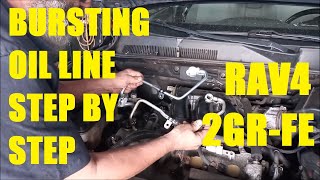
- LSC 9LH / T-SB-0094-10: While not directly for P0133, this Limited Service Campaign addresses the failure of the rubber VVT-i oil line on the 2GR-FE engine. A leak from this line can drip oil onto exhaust components, including the A/F sensor and its wiring, potentially causing contamination and failure that could lead to a P0133 code.
Platform-Specific Known Issues
- The primary issue for this repair is the difficult location of the Bank 1 (rear) A/F sensor. It is tucked between the engine and the firewall, requiring removal of the upper intake manifold support brace and work in a very tight space.
- Owner Experience: A DIYer on YouTube demonstrated that a standard, wide-opening O2 sensor socket was prone to slipping on the seized sensor. He had to purchase a more robust, less-open socket design to successfully apply enough torque without rounding off the sensor.
- Special tools like a 22mm (or 7/8") offset or crow's foot oxygen sensor socket are highly recommended to gain leverage in the tight space.
Mechanic-Grade Diagnostic Values
- A/F Sensor Heater Circuit Resistance — expected: 1.8 to 3.4 Ω at 20°C (68°F). Failure: A reading outside this range indicates a faulty heater element within the sensor.
- A/F Sensor Insulation Resistance — expected: 10 kΩ or higher. Failure: A reading below 10 kΩ between the heater and sensor terminals indicates an internal short.
- A/F Sensor Live Data Voltage (A/FS B1S1) at Idle — expected: Relatively steady, centered around 3.2V - 3.3V. Failure: Voltage is stuck, flat-lined, or does not respond when the throttle is snapped.
- A/F Sensor Live Data Voltage during Techstream Active Test (-12.5% fuel) — expected: Voltage should rise above 3.35V (e.g., ~3.8V). Failure: Voltage fails to rise or responds very slowly, indicating a lazy sensor.
- Mass Air Flow (MAF) Rate at Idle — expected: 1.0 to 3.0 g/sec. Failure: Values significantly outside this range could indicate a vacuum leak or faulty MAF sensor, which can affect A/F readings.
Hidden / Shadow Codes Worth Checking
- Mode $06 Data (TID/CID): The ECM runs self-tests on components and stores the results in Mode $06. For the A/F sensor, this includes tests for response time. A failing value here can precede a full-blown trouble code and confirm a sensor is becoming lazy. (see via A professional scan tool like Toyota's Techstream or an advanced OBD-II scanner capable of displaying Mode $06 test results.)
Scan Tool Commands That Help
- Toyota Techstream: Control the Injection Volume for A/F Sensor — This is the definitive bidirectional test for a P0133. It allows you to command the ECM to run rich (+25%) or lean (-12.5%) and watch the A/F sensor's voltage response on a graph. A healthy sensor responds instantly; a slow sensor will show a delayed, lazy curve, confirming the failure.
- Toyota Techstream: Data List Graphing — Use this to monitor 'AFS Voltage B1S1' in real-time. Graphing the voltage while snapping the throttle provides a clear visual of the sensor's response speed. It can also be used to compare the response of Bank 1's sensor to the healthy Bank 2 sensor.
Wiring & Ground Locations
- Engine Control Module (ECM) — Located in the right rear of the engine compartment.. The ECM is the destination for the A/F sensor's signal. Any corrosion or damage at the ECM connectors could mimic a sensor fault.
- Engine Block Ground — A primary ground point is located on the top, left side of the engine block, often used as the connection point for jump-starting.. A poor engine ground can introduce electrical noise and voltage offsets, potentially corrupting the sensitive A/F sensor signal and causing incorrect readings.
- Engine Room R/B (Relay Block) — Located on the left side of the engine compartment.. This block contains fuses and relays, including potentially the A/F sensor heater circuit relay and fuse (often labeled 'EFI' or similar). A fault in this area could disable the sensor's heater, causing a slow response.
Real Owner Repair Stories
- Reddit user, r/AskMechanics (Dodge Charger (similar principle)) — Persistent P0133 code after replacing the sensor twice.
❌ Tried (didn't work) Replacing the Bank 1, Sensor 1 oxygen sensor two times.
✅ What actually fixed it The user discovered a broken exhaust hanger had allowed a penny-sized hole to form in the exhaust pipe. Welding the hole shut permanently fixed the code. - Reddit user, r/DodgeDakota (Dodge Dakota (demonstrates part compatibility issue)) — After replacing a failed OEM O2 sensor with a Bosch unit, new codes for cold start misfire and 'Bank 1 not reaching closed loop' appeared.
❌ Tried (didn't work) Installing a new Bosch oxygen sensor.
✅ What actually fixed it Live data showed the Bosch sensor took twice as long to warm up and activate compared to the OEM Denso on the other bank. Replacing the new Bosch sensor with a new Denso sensor resolved all the codes and the cold start issue. - ClubLexus user (2011 Lexus ES350) — Check Engine Light with code P0138 (O2 Sensor Circuit High Voltage, Bank 1 Sensor 2).
❌ Tried (didn't work) Initial diagnosis pointed to the downstream O2 sensor.
✅ What actually fixed it Despite the code pointing to the downstream sensor, the actual fix was replacing the upstream Air/Fuel (A/F) ratio sensor. A failing upstream sensor was sending incorrect data that caused the ECM to misinterpret the downstream sensor's signal.
Model Year Variations Within This Range
- 2011-2012: Lexus changed the recommended fuel from premium to regular unleaded. This was accompanied by a slight decrease in factory horsepower rating (272 to 268 hp) and implies different ECU fuel mapping and ignition timing tables compared to the 2007-2010 models.
- 2010-2012: These models received a mid-cycle refresh which included updated exterior styling and interior technology (e.g., hard-drive-based navigation). These changes do not directly affect the P0133 diagnosis but are important for identifying the vehicle generation.
Diagnostic Flowchart
Other Known Issues on This Vehicle
Issues unrelated to this code that are worth knowing about as an owner of this generation:
- Rupturing VVT-i Oil Line 🔴 High — Common on early 2007-2010 models with the original rubber hose. Can fail without warning at any mileage, leading to rapid oil loss and catastrophic engine failure. (Ref: LSC 9LH / T-SB-0094-10. Lexus issued a Limited Service Campaign to replace the rubber/metal hose with an all-metal line. Many vehicles may still have the old part.)
- Melting/Sticky Dashboard 🟠 Medium — Extremely common on 2007-2008 models, especially in warmer climates. The dashboard surface degrades from heat/humidity, becoming shiny, sticky, and prone to cracking. (Ref: Warranty Enhancement Program ZLD. This program offered free replacement for an extended period, but has since expired for most owners, making it a costly out-of-pocket repair now.)
- Timing Cover Oil Leak 🟠 Medium — A well-known oil leak develops from the timing chain cover sealant over time, typically after 100,000 miles. It is a slow, weeping leak but the repair is extremely labor-intensive. (Ref: T-SB-0012-11. While not a recall, this TSB outlines the resealing procedure. The repair can cost thousands as it often requires engine removal in transverse applications like the ES350.)
- Transmission Hesitation/Jerky Shifting 🟡 Low — Many owners of this and later generations report hesitation when accelerating from a slow roll, and occasional jerky or harsh shifts at low speeds. It is often considered a characteristic of the transmission's software logic rather than a mechanical failure.
Used vs. New Parts: Buying Guide for This Vehicle
When a used part is the smart pick: For this specific repair, a used part is never recommended. The A/F sensor is a wear-and-tear component with a finite lifespan. Installing a used sensor is highly likely to result in the same code returning shortly.
What to inspect on the donor part:
- Not applicable, as new parts are required.
OEM-only on this vehicle (don't cheap out):
- Air/Fuel Ratio Sensor
Aftermarket brands forum-validated for this vehicle:
- Denso (is the OEM and the most recommended)
- NTK
Brands owners have reported issues with on this vehicle:
- Bosch: While a quality brand for European vehicles, forum and owner experiences consistently show that Bosch sensors can have different warm-up characteristics that are incompatible with the expectations of Toyota/Lexus ECUs, leading to new codes after installation.
Real Owner Stories
Aggregated from forums and TSBs cited above. Mileages and costs reflect what owners reported in those sources.
2007-2012 Lexus ES350 2GR-FE — ~100000 miles
Symptoms: Check Engine Light on, decreased fuel economy, and a slightly rough idle or hesitation during acceleration.
What fixed it: Replacement of the Bank 1, Sensor 1 Air/Fuel Ratio sensor located on the rear exhaust manifold.
Cost: $120-$220
Source hint: Article Context - common_causes and symptoms
2007-2012 Lexus ES350 2GR-FE
Symptoms: The owner found that a standard, wide-opening O2 sensor socket was prone to slipping on the seized sensor in the tight space by the firewall.
What fixed it: Purchased a more robust, less-open socket design to successfully apply enough torque without rounding off the sensor.
Source hint: YouTube - 'lexus es350 how to replace o2 bank 1 sensor 1 (upstream rear)'
Related OBD-II Codes
Frequently Asked Questions
Where is the Bank 1 Sensor 1 located on my 2007-2012 Lexus ES350?
Can the VVT-i oil line leak mentioned in TSB-0094-10 cause a P0133 code?
Why did my mechanic say the P0133 repair on my ES350 is labor-intensive?
Is there a specific type of O2 sensor socket I should use for this 2GR-FE engine?
Could an exhaust leak be causing my P0133 code instead of a bad sensor?
What is the typical cost for the A/F sensor part for the ES350?
Helpful Videos
We Have This Part in Stock

The information in this article is provided for general reference and educational purposes only. Vehicle specifications, procedures, and part compatibility can vary by production date, trim level, and region. Always consult your vehicle's factory service manual and verify part numbers before purchasing or performing repairs. Safety-critical components such as airbags, seat belts, and braking systems should be installed by a qualified professional.
- Lexus ES350:
- 🧭 Diagnostic Flowchart
- 🎬 Helpful Videos
- 🛍️ Shop This Part
- What's Unique About the 2007-2012 Lexus ES350
- Symptoms You May Notice
- Most Likely Causes
- Rare But Worth Checking
- Diagnosis Steps
- Parts You'll Likely Need
- Related Codes That Often Appear With This One
- Technical Service Bulletins (TSBs) & Recalls
- Platform-Specific Known Issues
- Mechanic-Grade Diagnostic Values
- Hidden / Shadow Codes Worth Checking
- Scan Tool Commands That Help
- Wiring & Ground Locations
- Real Owner Repair Stories
- Model Year Variations Within This Range
- Other Known Issues on This Vehicle
- Used vs. New Parts: Buying Guide for This Vehicle
- Real Owner Stories
- 2007-2012 Lexus ES350 2GR-FE — ~100000 miles
- 2007-2012 Lexus ES350 2GR-FE
- Related OBD-II Codes
- Frequently Asked Questions
- 🎟️ Get 5% Off