

P0133 on 2014-2021 Mazda 6 2.5L: Slow O2 Sensor Causes and Fixes
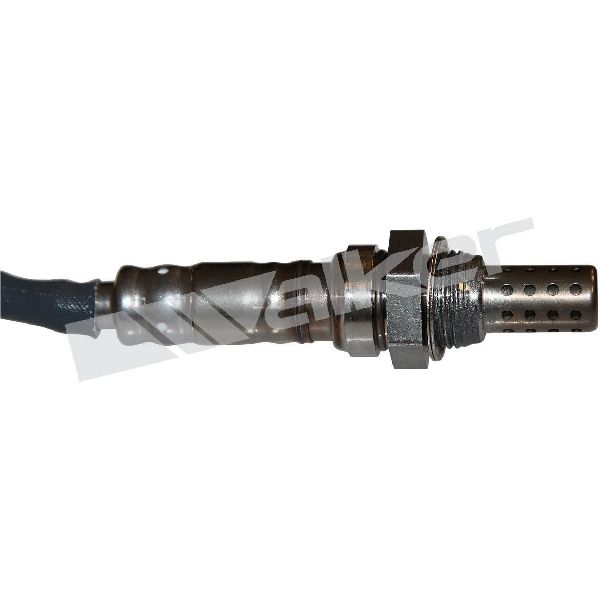
For a 2014-2021 Mazda 6 with the 2.5L SKYACTIV-G engine, code P0133 almost always points to a failing upstream oxygen sensor (also called an Air/Fuel sensor). This is the sensor before the catalytic converter. Expect to pay around $80-$200 for a quality replacement part, with DIY difficulty rated at 2/5.
- P0133 on your Mazda 6 means the upstream oxygen sensor (Bank 1, Sensor 1) is responding too slowly.
- The most likely fix is to replace the upstream oxygen sensor with a quality part like Denso or NTK.
- Before replacing the sensor, always perform a quick visual inspection for exhaust leaks and damaged wiring.
What's Unique About the 2014-2021 Mazda 6
The 2014-2021 Mazda 6 uses the reliable SKYACTIV-G 2.5L engine, which is not inherently prone to major issues causing this code. The problem is typically not a design flaw but rather the natural aging process of the sensor. Unlike some platforms with complex emissions systems, the diagnosis for P0133 on this vehicle is usually straightforward, pointing directly to the sensor itself or a simple exhaust leak. Mazda's SKYACTIV-G engines use a wideband Air/Fuel (A/F) sensor for the upstream position, which outputs a current in milliamps (mA) rather than a simple voltage, providing more precise feedback to the PCM.
Symptoms You May Notice
- Check Engine Light is on
- Reduced fuel economy
- Rough or uneven engine idle, sometimes more noticeable on a cold start
- Slight hesitation or sluggishness during acceleration
- Possible faint smell of gasoline from the exhaust if running rich
- Replacing the downstream (Bank 1, Sensor 2) oxygen sensor. P0133 is specifically for the upstream sensor (Sensor 1).
- Replacing the catalytic converter. A bad converter typically sets codes like P0420 and is a result of a long-term engine issue, not the cause of P0133.
- Replacing the Mass Air Flow (MAF) sensor without proper diagnosis. While a dirty MAF can cause fuel trim issues, it's not a primary cause for a slow O2 sensor response code.
Most Likely Causes
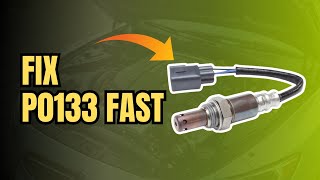
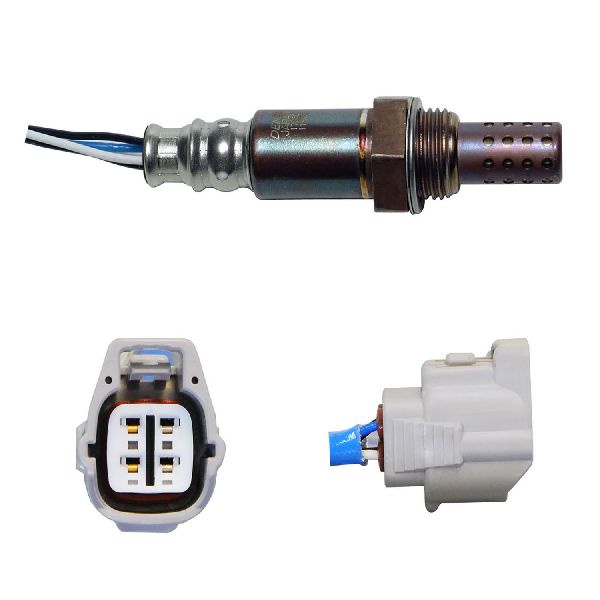
- Failing Upstream Oxygen (A/F) Sensor 🔴 High Probability → Shop Oxygen Sensor Oxygen sensors are wear items. After 80,000-100,000 miles and countless heat cycles, they naturally degrade and lose their ability to react quickly. This is the most common failure for P0133.
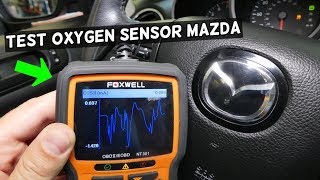
How to confirm: Use an OBD-II scan tool to graph the live data for 'O2S11' or 'Bank 1 Sensor 1'. On Mazda SKYACTIV engines, this is often displayed as a current. A healthy sensor will show rapid fluctuations when the engine is revved and settle near 0 mA at a steady RPM. A failing sensor will show slow, lazy, or flat-lined readings.
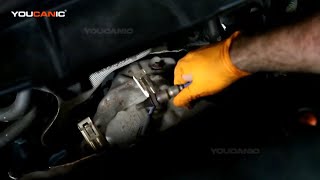
Typical fix: Replace the upstream oxygen sensor (Bank 1, Sensor 1). 🎬 Watch: This step-by-step guide shows how to replace the sensor. The OEM part is Mazda PE21-18-861, which is cross-referenced with Denso 234-5058 or NGK/NTK 24369.
Est. part cost: $80-$200 - Exhaust Leak 🟡 Medium Probability Gaskets on the exhaust manifold or the flex pipe can degrade over time, allowing unmetered air to enter the exhaust stream before the sensor. This outside air 'fools' the sensor, making it appear slow or biased.
How to confirm: Perform a visual inspection of the exhaust manifold and all piping before the O2 sensor for black soot marks, which indicate a leak. Listen for a 'ticking' or 'hissing' sound when the engine is cold. A professional can perform a smoke test to pinpoint hard-to-see leaks. 🎬 Watch: A quick trick to find any exhaust leak easily.
Typical fix: Replace the leaking gasket or repair the cracked exhaust component.
Est. part cost: $20-$150 - Damaged Sensor Wiring or Connectors ⚪ Low Probability The wiring harness is routed near hot exhaust components and is exposed to road debris. Over time, the plastic loom can become brittle and break, exposing wires to chafing or melting.
How to confirm: Visually inspect the entire wiring harness leading to the oxygen sensor for any signs of melting, chafing, or corrosion on the connector pins. Check for a secure connection at the sensor and the main harness.
Typical fix: Repair the damaged section of wire or replace the connector pigtail.
Est. part cost: $15-$50
Rare But Worth Checking
- Engine Vacuum Leak: A significant vacuum leak (e.g., a cracked intake hose) can lean out the air-fuel mixture to a point that it affects the O2 sensor's readings, though it would typically be accompanied by other codes like P0171 (System Too Lean).
- Low Fuel Pressure: Incorrect fuel pressure can alter the air-fuel ratio and cause erratic sensor readings. This would likely present with other performance issues and codes.
- PCM Malfunction: This is extremely rare. The Powertrain Control Module itself could be faulty, but all other possibilities must be exhausted before considering this. Sometimes a PCM software update from the dealer can adjust the sensitivity parameters for the code, but this is not a common fix for P0133 on this platform.
Diagnosis Steps
- Connect an OBD-II scanner and confirm that P0133 is the only code present. If other codes are stored, address them first as they may be the root cause.
- Inspect the exhaust system from the engine block to the catalytic converter. Look for any signs of black soot, which indicates an exhaust leak. Listen for any hissing or ticking sounds with the engine running, especially when cold.
- Visually inspect the wiring and connector for the upstream oxygen sensor (Bank 1, Sensor 1). Look for any signs of damage, melting, or corrosion. Ensure the connector is securely plugged in.
- Using the live data function on your scanner, graph the current (mA) of the Bank 1, Sensor 1 (PID: O2S11). Warm the engine to operating temperature. The graph should show rapid fluctuations when revving and settle near 0 mA at a steady RPM. If the reading is slow, lazy, or flat, the sensor has likely failed.
- If the sensor and wiring appear good and no exhaust leaks are found, consider testing for vacuum leaks or checking fuel pressure, although these are less likely causes.
- If all other tests pass, the most probable cause is the oxygen sensor itself. Replace with a quality OEM or aftermarket part.
Parts You'll Likely Need
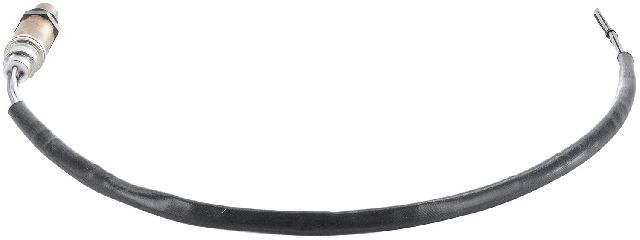
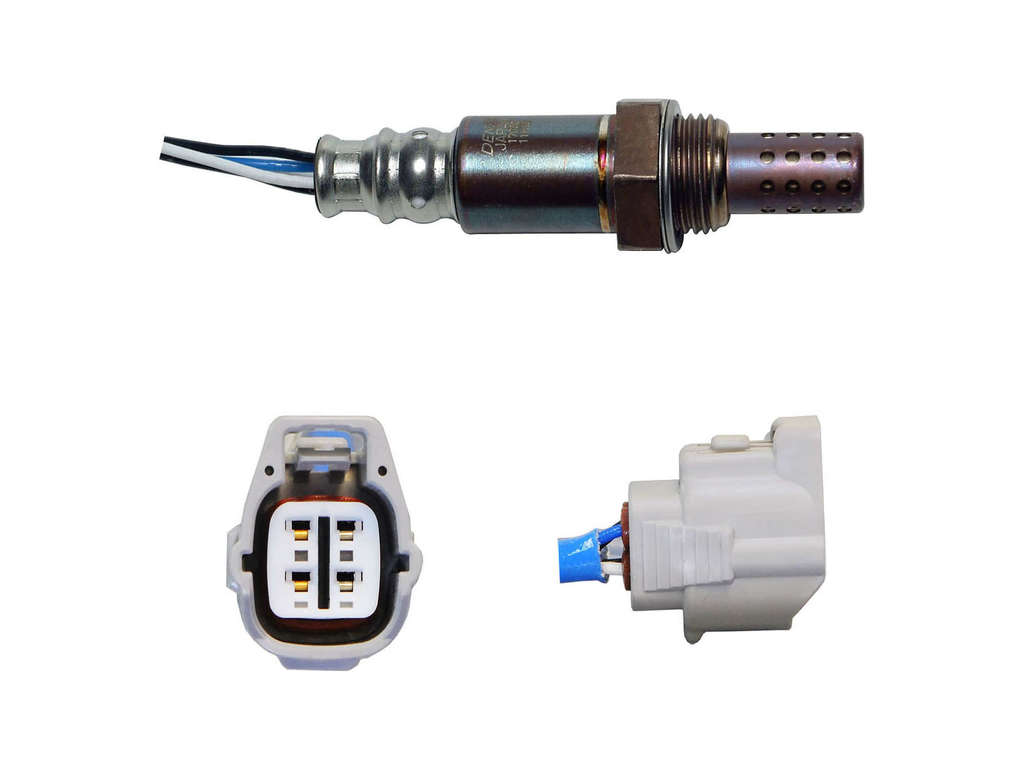
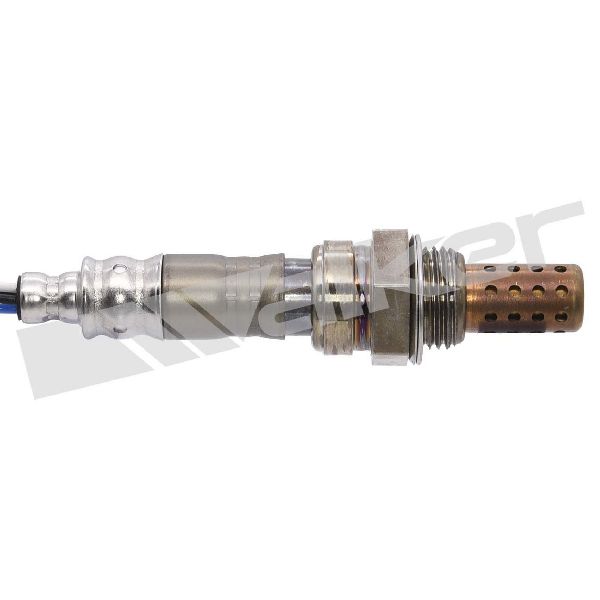
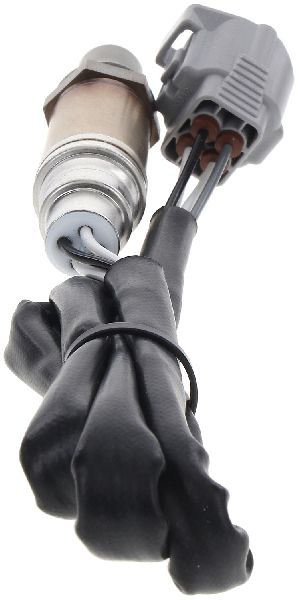
- Upstream Air/Fuel Ratio Sensor
(OEM #PE21-18-861 (or PE01-18-8G1 for earlier models))— This is the most common failure point for code P0133. The sensor's chemical sensing element wears out over time and with exposure to exhaust gases.
Trusted brands: Denso (OEM supplier, P/N: 234-5058 or 234-5059), NGK/NTK (P/N: 24369), Bosch
OEM price range: $150-$250
Aftermarket price range: $80-$180
Technical Service Bulletins (TSBs) & Recalls
- While no specific TSB directly addresses P0133 on this platform, Mazda has issued TSBs for other models like the CX-90 where a P0133 code was caused by improper PCM logic and fixed with a software update via the MDARS tool. This establishes a precedent for software being a potential, though rare, cause.
- Manufacturer TSB Bulletin #01-009-23 notes that some vehicles may exhibit the Check Engine light with DTC P0133:00 stored in memory due to a false error detected by improper error detection logic.
Mechanic-Grade Diagnostic Values
- Upstream A/F Sensor Current (PID: O2S11) — expected: Fluctuates rapidly when revving; settles near 0 mA at a steady, warm idle. Should be approx. -39 µA at idle and approx. 3.84 mA during deceleration fuel cut.. Failure: Signal is slow to respond, flat, or stays at a high/low value and does not return to near-zero at a steady RPM.
- A/F Sensor Heater Resistance — expected: Between 2 and 50 Ohms when measured across the two heater terminals (often same-colored wires) on the disconnected sensor.. Failure: No reading (Open Loop / OL) or a reading outside the specified range indicates a failed heater circuit within the sensor.
- A/F Sensor Heater Duty Cycle (PID: HTR11) — expected: Approximately 40% at a warm idle.. Failure: A value of 0% when the engine is warm may indicate a problem with the heater circuit or PCM command.
Scan Tool Commands That Help
- Mazda M-MDS / MDARS: PCM Reprogramming — In the very rare case that a P0133 is caused by a software logic error. A TSB for a different Mazda model confirms this possibility. This should only be considered after verifying the sensor, wiring, and exhaust are all good. After reprogramming, a 'Battery condition initialization setting' may be required.
Wiring & Ground Locations
- Engine Ground Strap — Commonly found bolted to the passenger side motor mount.. A poor engine ground can introduce electrical noise and voltage offsets, affecting the sensitive readings from the A/F sensor and causing erratic behavior that the PCM may interpret as a slow response.
- Transmission Grounds — There are typically multiple grounds on the transmission case; one large ground near the starter and another on top of the transmission where the harness sits.. The engine and transmission are a single unit, and these grounds are critical for the entire powertrain's electrical system, including the PCM and its sensor inputs.
- Chassis/Frame Ground — A multi-wire ground point is often located on the frame underneath the driver's side headlight area.. This serves as a central grounding point for various components in the engine bay. Corrosion or looseness here can cause widespread, difficult-to-diagnose electrical issues.
"I Checked Everything" — The Actual Cause
- A slightly leaking fuel injector. A minor, intermittent drip can cool the sensor tip or create a localized rich spot in the exhaust flow. This doesn't create a constant misfire but can slow the sensor's reaction time just enough to trigger P0133 under specific load conditions. This is often missed because a smoke test will show no leaks and fuel trims may not be dramatically out of range.
Model Year Variations Within This Range
- 2018-2021: A mid-cycle refresh was introduced for the 2018 model year. While the base 2.5L SKYACTIV-G engine remained (with a minor power bump from 184 to 187 hp), a new 2.5L turbocharged engine became available on higher trims (Grand Touring, Signature). This article specifically covers the non-turbo engine, but owners of 2018+ models should verify which engine they have.
Diagnostic Flowchart
Other Known Issues on This Vehicle
Issues unrelated to this code that are worth knowing about as an owner of this generation:
- Infotainment 'Ghost Touch' and Screen Delamination 🟠 Medium — Very common, especially on 2016-2018 models. Often triggered by heat. The touchscreen may operate itself, changing stations or making calls. (Ref: Mazda issued a warranty extension (CSP13) and service alerts like SA-001/23a. The fix involves replacing the screen/digitizer, not just a software update.)
- Intake Valve Carbon Buildup 🟡 Low — A potential long-term issue for all direct-injection (GDI) engines, but Mazda's SKYACTIV-G design seems less prone than competitors. May become noticeable after 80,000-100,000 miles, especially with frequent short trips.
- Prematurely Worn Rear Brake Calipers 🟡 Low — Some owners report rear brake calipers seizing or wearing out faster than the fronts, a relatively uncommon pattern.
- Ticking Noise from Valve Lash Adjusters 🟡 Low — A ticking sound, particularly on cold starts, that goes away as the engine warms up. It's often linked to hydraulic valve lash adjusters and is more common on higher-mileage vehicles or those with extended oil change intervals.
- Cylinder Deactivation Software Stalls (2018+) 🟠 Medium — A subset of 2018-2019 models were recalled for a PCM software error that could incorrectly shift to cylinder deactivation mode at low speeds, causing the engine to stall. (Ref: NHTSA Recall 19V453000)
Used vs. New Parts: Buying Guide for This Vehicle
When a used part is the smart pick: For this repair, a used part only makes sense for non-wear components like a connector pigtail or a section of the wiring harness if it's damaged. The sensor itself should not be purchased used.
Donor-vehicle mileage cap: roughly under 70000 miles for the part to have meaningful remaining life.
What to inspect on the donor part:
- For a wiring harness/pigtail, inspect for any signs of melting, brittleness, or previous repairs.
- Ensure all connector clips and locking tabs are intact and not broken.
- Check for corrosion on the pins inside the connector.
OEM-only on this vehicle (don't cheap out):
- While not strictly 'OEM-only', it is highly recommended to use an OEM-supplier brand for the upstream Air/Fuel sensor. SKYACTIV engines can be sensitive to sensor inputs, and off-brand sensors may not perform to the required specifications, causing the code to return.
Aftermarket brands forum-validated for this vehicle:
- Denso (often the original supplier to Mazda)
- NGK / NTK (also a known OEM supplier)
- Bosch (direct-fit sensors are a reliable option)
Brands owners have reported issues with on this vehicle:
- Generic, unbranded 'white-box' parts from online marketplaces. While cheaper, they have a high failure rate and may not have the correct response characteristics for the SKYACTIV engine management system.
Real Owner Stories
Aggregated from forums and TSBs cited above. Mileages and costs reflect what owners reported in those sources.
2015 Mazda 6 Skyactiv 2.5L
Symptoms: The user was experiencing a P0133 diagnostic trouble code.
What fixed it: The user requested a software modification to delete the P0133 trouble code from the vehicle's computer (Denso PYAE-188K2-A).
Source hint: MHH AUTO
2014-2021 Mazda 6 2.5L — ~90000 miles
Symptoms: Check engine light came on, code was P0133. I ignored it for a month and my gas mileage dropped by about 4 MPG.
What fixed it: Finally replaced the front O2 sensor (Denso part) and the light went off and mileage came right back.
Source hint: reddit.com/r/mazda6
Related OBD-II Codes
Frequently Asked Questions
What is the specific OEM part number for the upstream oxygen sensor on my 2014-2021 Mazda 6 2.5L?
Is there a TSB for P0133 on the Mazda 6 platform?
Can I ignore the P0133 code if my Mazda 6 still drives fine?
Could my 'Ghost Touch' infotainment issue be related to the P0133 engine code?
Is carbon buildup a common cause for P0133 on the SKYACTIV-G 2.5L engine?
How do I confirm the sensor is bad using a scan tool on a Mazda?
Helpful Videos

![How to Fix P0133 Engine Code in 3 Minutes [2 DIY Methods / Only $8.35]](https://img.youtube.com/vi/Qk7iEApm11M/mqdefault.jpg)
We Have This Part in Stock

The information in this article is provided for general reference and educational purposes only. Vehicle specifications, procedures, and part compatibility can vary by production date, trim level, and region. Always consult your vehicle's factory service manual and verify part numbers before purchasing or performing repairs. Safety-critical components such as airbags, seat belts, and braking systems should be installed by a qualified professional.
- Mazda 6:
- 🧭 Diagnostic Flowchart
- 🎬 Helpful Videos
- 🛍️ Shop This Part
- What's Unique About the 2014-2021 Mazda 6
- Symptoms You May Notice
- Most Likely Causes
- Rare But Worth Checking
- Diagnosis Steps
- Parts You'll Likely Need
- Technical Service Bulletins (TSBs) & Recalls
- Mechanic-Grade Diagnostic Values
- Scan Tool Commands That Help
- Wiring & Ground Locations
- "I Checked Everything" — The Actual Cause
- Model Year Variations Within This Range
- Other Known Issues on This Vehicle
- Used vs. New Parts: Buying Guide for This Vehicle
- Real Owner Stories
- 2015 Mazda 6 Skyactiv 2.5L
- 2014-2021 Mazda 6 2.5L — ~90000 miles
- Related OBD-II Codes
- Frequently Asked Questions
- 🎟️ Get 5% Off