

P0133 on 2007-2012 Nissan Versa: Slow O2 Sensor Response Causes and Fixes
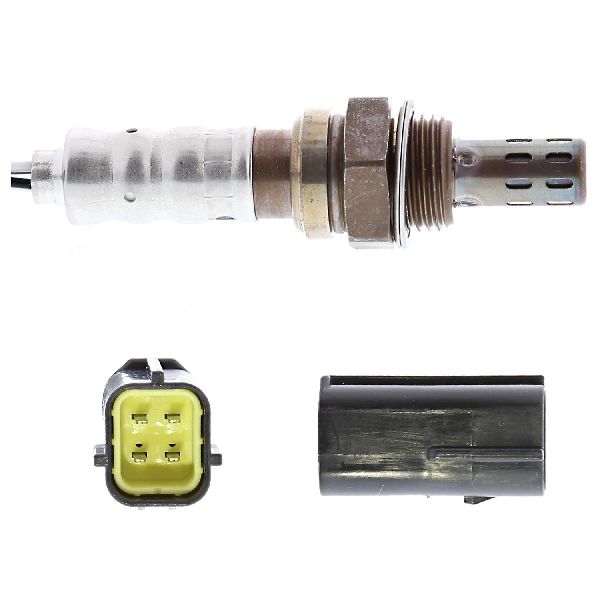
On a 2007-2012 Nissan Versa, code P0133 is most often caused by a failing upstream oxygen sensor (Bank 1, Sensor 1), also known as an Air/Fuel Ratio Sensor. Replacing this sensor is the most common fix, with parts costing between $40 for aftermarket and $100+ for OEM. While not mechanically complex, accessing the sensor is difficult. It's a DIY-friendly job with a difficulty of 2/5, provided you have the right tools.
- P0133 on a 2007-2012 Versa almost always means the upstream oxygen sensor (Bank 1, Sensor 1) is failing.
- Symptoms include a Check Engine Light, poor fuel economy, and potential engine hesitation.
- The biggest challenge of the repair is physical access to the sensor, which is located behind the engine.
- Before replacing the sensor, it is wise to check for exhaust leaks, wiring damage, and a blown heater fuse.
- Using a quality OEM, Denso, or NTK replacement sensor is recommended for a lasting repair.
What's Unique About the 2007-2012 Nissan Versa
For the first-generation Nissan Versa (2007-2012) with the 1.8L MR18DE engine, the P0133 code is a straightforward issue almost always pointing to the upstream O2 sensor. Unlike some vehicles where this code can be triggered by complex software or vacuum leak issues, the Versa's system is relatively simple. The primary challenge for this specific vehicle is not diagnosis, but physical access to the sensor. It is tucked behind the engine block, requiring removal of the battery, battery tray, and sometimes the air filter housing to reach. This difficult location is a common complaint among owners in forums.
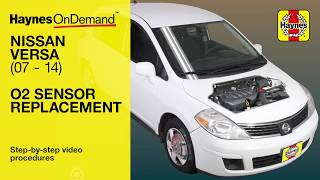
🎬 See this walkthrough for accessing the sensor on a Versa.Generation note: The 2007-2012 range primarily covers the first generation (C11) Versa, which commonly used the MR18DE 1.8L engine. The 2012 model year was an overlap year, with the first-generation hatchback continuing alongside the all-new second-generation sedan. The diagnosis and repair for P0133 are consistent across these first-generation models due to the shared engine and exhaust layout.
Symptoms You May Notice
- Check Engine Light is on
- Reduced fuel economy
- Rough or uneven idle
- Engine hesitation or poor acceleration
- Failing an emissions test
- Black smoke from the exhaust in some cases
- Replacing the downstream (post-catalytic converter) oxygen sensor. The P0133 code specifically refers to Sensor 1, which is the upstream sensor.
- Replacing the catalytic converter. While a failing converter can cause other codes like P0420, it is not a direct cause of P0133.
- Immediately blaming the sensor without checking for exhaust leaks or wiring issues first. An owner on a Reddit forum replaced the sensor only to have the code return, indicating another underlying issue.
Most Likely Causes
- Failing Upstream Oxygen Sensor (Bank 1, Sensor 1) 🔴 High Probability → Shop Oxygen Sensor Oxygen sensors are wear items that degrade over time due to constant exposure to high heat and exhaust gases. Contamination from carbon, oil, or coolant can slow their response, which is a common failure mode.
How to confirm: Use a scan tool to monitor the live voltage data for Bank 1, Sensor 1. A healthy sensor will show voltage fluctuating rapidly between approximately 0.1V and 0.9V. A slow, lazy swing, or one that is stuck, indicates a failing sensor. 🎬 Watch: How to diagnose a slow response O2 sensor code. You can also test the sensor's internal heater circuit with a multimeter; a healthy heater should have a resistance between 5-20 ohms.
Typical fix: Replace the upstream oxygen sensor (also called an Air/Fuel Ratio Sensor). It is highly recommended to use an OEM or high-quality aftermarket brand like Denso or NTK, as some owners report that cheaper sensors fail quickly or do not resolve the code.
Est. part cost: $40-$150 - Exhaust Leak 🟡 Medium Probability Rust and corrosion can cause leaks in the exhaust manifold or the gasket between the manifold and cylinder head, especially on older, high-mileage vehicles. An exhaust leak before the sensor allows unmetered air to enter, which can throw off the sensor's readings and make it appear slow.
How to confirm: Visually inspect the exhaust manifold and surrounding area for black soot trails or cracks. You can also perform a smoke test or listen for a ticking/hissing sound from the engine bay, which is often more noticeable when the engine is cold.
Typical fix: Replace the leaking gasket or repair/replace the cracked exhaust component. The exhaust manifold to head gasket is part number 14036-1KT0A.
Est. part cost: $20-$200 - Damaged Wiring or Connector ⚪ Low Probability The sensor's wiring harness is close to hot exhaust components and can become brittle, melted, or corroded over time. The connector itself can also accumulate dirt and debris.
How to confirm: Visually inspect the wiring and connector leading to the oxygen sensor for any signs of melting, chafing, corrosion, or loose pins. Check for continuity and voltage at the connector using a multimeter to ensure the sensor is receiving power for its heater circuit (should be 12V with key on, engine off).
Typical fix: Repair the damaged section of the harness or clean/replace the connector.
Est. part cost: $5-$50
Rare But Worth Checking
- Dirty or Failing Mass Airflow (MAF) Sensor: → Shop Fuel Injection Air Flow Meter An incorrect reading from the MAF sensor can alter the air/fuel mixture, causing the O2 sensor to operate outside its expected range and appear slow. Cleaning the MAF sensor with a dedicated cleaner is a simple and inexpensive diagnostic step. Some Nissan models of this era had a TSB (NTB12-051j) for a P0101 MAF code that required an ECM reprogram, highlighting the sensitivity of the system.
- Low Fuel Pressure or Leaking Injectors: Incorrect fuel pressure or leaking fuel injectors can create a rich or lean running condition that affects the O2 sensor's readings. This is less common but should be considered if a new O2 sensor doesn't resolve the code.
- Blown O2 Sensor Heater Fuse: → Shop Oxygen Sensor The O2 sensor has a heater circuit to get it to operating temperature quickly. This circuit is protected by a fuse. If the fuse is blown, the sensor will heat up very slowly, causing it to respond sluggishly and trigger P0133. Check the fuse box in the engine compartment for a fuse labeled 'HEATED OXYGEN SENSOR' or similar.
Diagnosis Steps
- Read the code with an OBD-II scanner and confirm P0133 is present. Note any other codes and clear them to see which ones return.
- Use the scanner's live data feature to observe the Bank 1 Sensor 1 voltage. Look for rapid fluctuations between ~0.1V and ~0.9V. If the voltage is slow to change or flat, the sensor is likely faulty.
- Perform a cold engine visual and auditory inspection of the exhaust manifold for any signs of cracks or black soot, and listen for ticking sounds that indicate an exhaust leak.
- Carefully inspect the oxygen sensor's wiring harness and connector for any signs of melting, corrosion, or physical damage.
- Check the O2 sensor heater circuit fuse in the engine bay fuse box.
- If the sensor and wiring appear good, consider cleaning the Mass Airflow (MAF) sensor with a dedicated cleaner as a low-cost diagnostic step.
- If all other possibilities are ruled out, the most likely cause is the oxygen sensor itself. Replace with a quality OEM or Denso/NTK part.
Parts You'll Likely Need
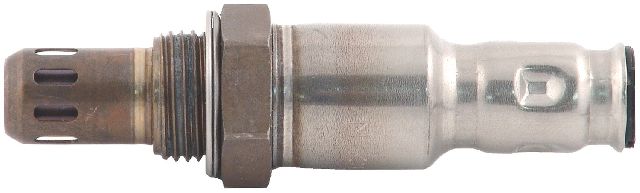
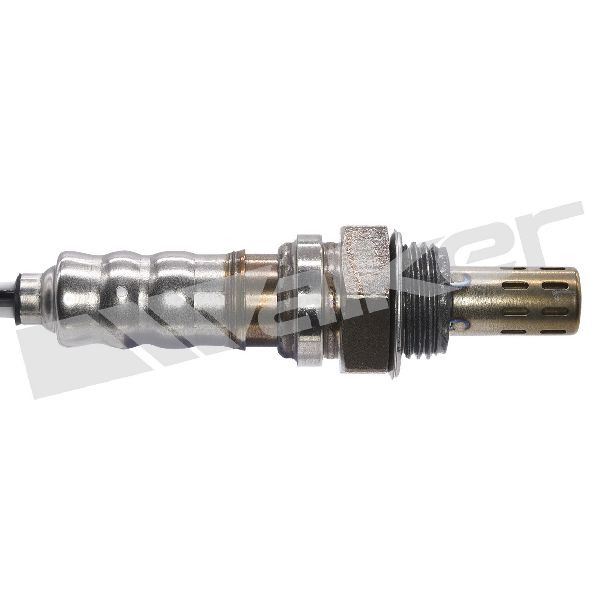
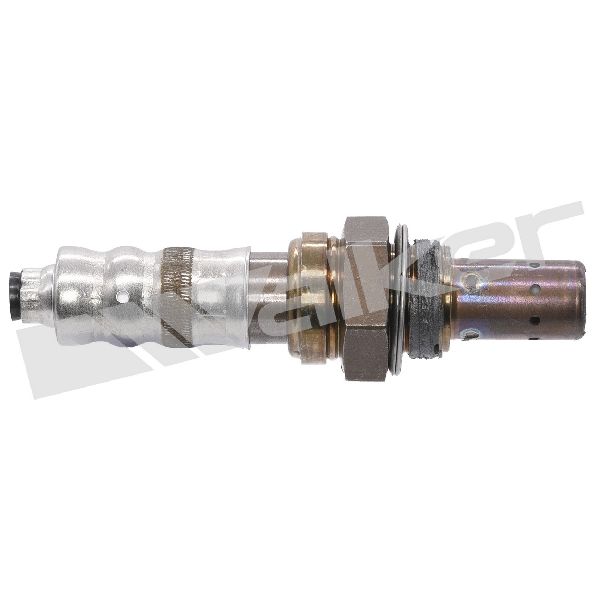
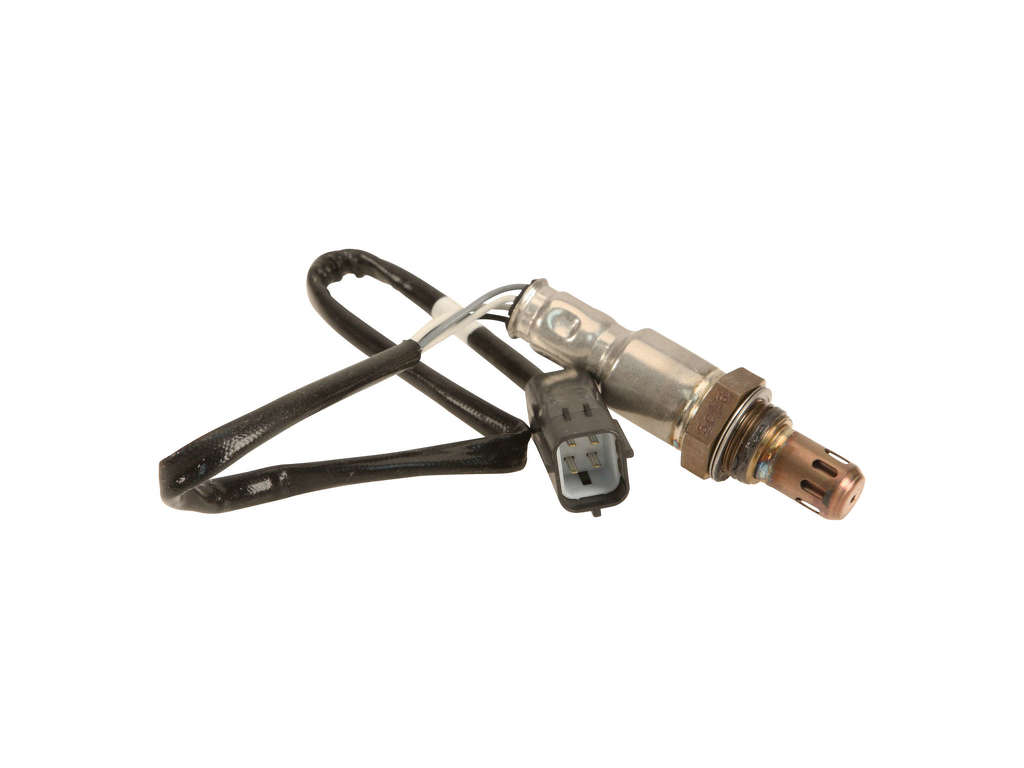
- Upstream Oxygen Sensor / Air-Fuel Ratio Sensor
(OEM #22693-1KT0A)— This is the primary component responsible for the signal that the ECM is flagging as slow. It is a common wear-and-tear item.
Trusted brands: Denso (e.g., 234-9099), NGK/NTK, Bosch (e.g., 17217)
OEM price range: $100-$150
Aftermarket price range: $40-$90
Related Codes That Often Appear With This One
- P0171 — A System Too Lean (Bank 1) code can appear if an exhaust leak before the O2 sensor is introducing unmetered air, causing both codes.
- P2A00 — This is a more specific Nissan code for O2 Sensor Circuit Range/Performance (Bank 1, Sensor 1). It often points to the same root cause as P0133 and may appear alongside it.
- P0101 — A Mass Air Flow (MAF) sensor circuit code can sometimes accompany P0133 if the MAF sensor is dirty or failing, as this directly impacts the air/fuel mixture the O2 sensor is monitoring.
Technical Service Bulletins (TSBs) & Recalls
- While no TSB directly addresses P0133 on the Versa, Nissan issued TSB NTB12-051j (and later revisions like NTB12-051k) for various 2011-2012 models, including the Versa, for a P0101 MAF sensor code. The fix was an ECM reprogram. This is relevant as a faulty MAF reading can indirectly cause O2 sensor codes.
Platform-Specific Known Issues
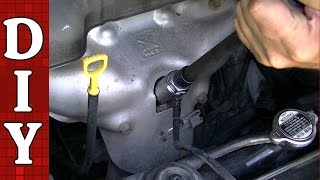
- Access to the upstream O2 sensor on the 2007-2012 Versa is notoriously tight. Mechanics and DIYers often need to remove the battery, battery tray, and air filter housing assembly to gain adequate access to the sensor and its connector.
- A special slotted oxygen sensor socket (7/8" or 22mm) is required for removal and installation. Due to the tight access, a combination of extensions and a swivel joint may also be necessary.
- Owners on forums like NICOclub sometimes report that using lower octane fuel can trigger a temporary P0133 code, which may resolve after returning to the recommended octane and clearing the code.
Mechanic-Grade Diagnostic Values
- Upstream Air/Fuel Ratio (A/F) Sensor 1 Voltage — expected: Approximately 2.2V at stoichiometric (ideal air/fuel ratio). Unlike a traditional O2 sensor, this voltage does not fluctuate rapidly.. Failure: A voltage that is stuck, does not respond to changes in engine load, or deviates significantly from the 2.2V baseline without a corresponding change in lambda values indicates a potential issue.
- Downstream Heated Oxygen Sensor (HO2S) Voltage — expected: A steady reading around 0.45V to 0.8V on a warm engine at steady RPM. This indicates the catalytic converter is working correctly.. Failure: If the downstream sensor voltage mimics the rapid switching of an upstream sensor (on other vehicles) or is stuck low/high, it could indicate a catalytic converter issue, not necessarily a P0133 fault.
- A/F Sensor Heater Circuit Resistance — expected: Between 2 and 16 ohms, depending on the specific sensor version. Check the service manual for the exact specification for your part.. Failure: An open circuit (infinite resistance) or a short (zero resistance) means the heater element has failed and the entire sensor must be replaced.
Scan Tool Commands That Help
- Nissan CONSULT: A/F Alpha / Self-Learn Control — After replacing a sensor or fixing a leak, a technician can use the CONSULT tool to view the 'A/F Alpha' value (long-term fuel trim) and perform a 'Self-Learn Control' reset. This forces the ECM to relearn the base fuel trim values immediately, which can confirm if the P0133 fault condition is resolved without waiting for a full drive cycle.
Wiring & Ground Locations
- E15 (Connector) — Located on the left side of the engine compartment, this is a main harness connector that routes signals from the engine sensors, including the A/F sensor, toward the ECM.. Corrosion or a loose pin in this connector can interrupt the A/F sensor signal, mimicking a sensor failure. It's a critical point to check for damage if the sensor and its pigtail appear healthy.
- GND-O2 (Ground) — The wiring diagram for the 1.8L engine shows a dedicated ground path for the oxygen sensors. While the exact physical location isn't specified in the diagram, these grounds are typically located on the engine block or cylinder head near the sensor to ensure a clean signal.. A poor ground connection can cause erratic or biased voltage readings, leading the ECM to incorrectly flag the sensor as slow or faulty. Verifying this ground is clean and secure is a crucial step in diagnosing persistent P0133 codes.
Real Owner Repair Stories
- NICOclub Forum (2007 Nissan Versa) — Check Engine Light with P0133 code. Owner noted excellent fuel economy (38-39 mpg) despite the code.
❌ Tried (didn't work) The owner was monitoring the sensor and was reluctant to have a dealer replace parts because the car was running well.
✅ What actually fixed it The discussion concluded that for this specific Air/Fuel type sensor, a steady voltage around 0.45V at idle and cruise was actually normal behavior, contrary to the rapid 0.1V-0.9V switching expected from older O2 sensor types. The issue in these cases is often the sensor's response time degrading, not the voltage pattern itself. The ultimate fix remains replacing the aged sensor.
OEM Part Supersession History
22693-1KT5A→22693-1KT0A— Standard part revision by Nissan. The new part number is the currently supplied service part.
Heads up: While physically interchangeable, some owners report that using non-OEM or budget aftermarket sensors can cause the P0133 code to return quickly or not resolve at all. Sticking to OEM (Nissan) or known high-quality OE suppliers like Denso and NTK is highly recommended.
Model Year Variations Within This Range
- 2009-2012: In 2009, a smaller 1.6L HR16DE engine was introduced as a base option alongside the 1.8L MR18DE. While the P0133 diagnosis is similar, it's critical to ensure you are purchasing the correct A/F sensor for the specific engine installed in the vehicle, as part numbers may differ.
Diagnostic Flowchart
Real Owner Stories
Aggregated from forums and TSBs cited above. Mileages and costs reflect what owners reported in those sources.
Nissan Versa
Symptoms: Check Engine Light illuminated with DTC P0133.
What fixed it: Followed a diagnostic order of checking for intake/exhaust leaks, cleaning the MAF sensor, and finally replacing the O2 sensor.
Source hint: NICOclub Forum - "Check Engine Light DTC P0133 ?"
Nissan Versa
Symptoms: P0133 slow response error code appeared after using lower octane fuel.
What fixed it: Cleared the code and returned to higher octane fuel before replacing any parts.
Source hint: NICOclub Forum - "P0133 code slow response error"
Related OBD-II Codes
Frequently Asked Questions
Is the upstream O2 sensor easy to replace on my 2007-2012 Nissan Versa?
I have a 2011 Versa with a P0133 code. Does TSB NTB12-051k apply to my car?
Can using cheap gas in my Nissan Versa cause a P0133 code?
What is the part number for the exhaust manifold gasket if I have an exhaust leak causing this code?
Which brand of oxygen sensor should I buy for my Versa?
My Versa shares an engine with the Nissan Cube. Will the diagnosis be the same?
Helpful Videos
We Have This Part in Stock


The information in this article is provided for general reference and educational purposes only. Vehicle specifications, procedures, and part compatibility can vary by production date, trim level, and region. Always consult your vehicle's factory service manual and verify part numbers before purchasing or performing repairs. Safety-critical components such as airbags, seat belts, and braking systems should be installed by a qualified professional.
- Nissan Versa:
- 🧭 Diagnostic Flowchart
- 🎬 Helpful Videos
- 🛍️ Shop This Part
- What's Unique About the 2007-2012 Nissan Versa
- Symptoms You May Notice
- Most Likely Causes
- Rare But Worth Checking
- Diagnosis Steps
- Parts You'll Likely Need
- Related Codes That Often Appear With This One
- Technical Service Bulletins (TSBs) & Recalls
- Platform-Specific Known Issues
- Mechanic-Grade Diagnostic Values
- Scan Tool Commands That Help
- Wiring & Ground Locations
- Real Owner Repair Stories
- OEM Part Supersession History
- Model Year Variations Within This Range
- Real Owner Stories
- Nissan Versa
- Nissan Versa
- Related OBD-II Codes
- Frequently Asked Questions
- 🎟️ Get 5% Off