

P0133 on 2015-2016 Ram ProMaster: O2 Sensor Slow Response Causes and Fixes
On a 2015-2016 ProMaster with the 3.6L V6, code P0133 means the upstream O2 sensor is slow. The first step is to check if a crucial software update (TSB #18-033-16 Rev. A) has been performed by a dealer. If the software is current, the most likely cause is a failing Bank 1, Sensor 1 O2 sensor, which costs about $40-$90 for a quality aftermarket part.
- First, check if your ProMaster needs the software update from TSB #18-033-16 Rev. A. This is a known issue and may fix the problem without replacing parts.
- If the software is current, the most likely cause is a failed Bank 1, Sensor 1 (upstream) oxygen sensor.
- Bank 1 on the 3.6L V6 is the rear cylinder bank, closer to the firewall. Make sure you are diagnosing the correct, more difficult-to-access sensor.
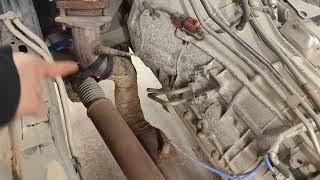
- Before replacing the sensor, always check for exhaust leaks between the engine and the sensor, as this can also trigger the code.
- Replacing an O2 sensor is a manageable DIY job with the right tool (an O2 sensor socket), but having the PCM updated requires a trip to a dealer or qualified shop with a wiTECH tool.
What's Unique About the 2015-2016 Ram PROMASTER
For the 2015-2016 Ram ProMaster with the 3.6L Pentastar engine, a P0133 code has a very specific history. Ram issued Technical Service Bulletin #18-033-16 Rev. A, indicating that the original PCM software could incorrectly set this code, often along with P0153 (the other bank's O2 sensor). Therefore, unlike many other vehicles where P0133 almost always points to a bad sensor, on this specific platform, an outdated PCM software is a primary suspect and should be checked first. Forum discussions are filled with owners who confirmed the software flash fixed the issue permanently after mechanics had needlessly replaced sensors.
Diagnostic Flowchart
Tap your situation to follow the diagnostic path that matches what you're seeing on this vehicle.
Symptoms You May Notice
- Check Engine Light is on
- Reduced fuel economy
- Rough or uneven idle
- Engine hesitation or sluggish acceleration
- Replacing the oxygen sensor immediately without first checking if the PCM software update from TSB #18-033-16 Rev. A is required. Many owners report the code returns until the software is flashed.
- Replacing the wrong oxygen sensor. P0133 specifically refers to Bank 1, Sensor 1, which is the upstream sensor on the rear cylinder bank (closer to the firewall).
- Replacing the sensor when the true cause is a small, hard-to-see exhaust manifold leak.
Most Likely Causes
- Outdated Powertrain Control Module (PCM) Software 🔴 High Probability → Shop Engine Control Module (ECM) Manufacturer TSB #18-033-16 Rev. A explicitly identifies a software improvement to address false P0133 and P0153 codes on this vehicle and engine.
How to confirm: A Ram dealer or a well-equipped independent shop with a wiTECH scan tool can check the vehicle's software version against your VIN to determine if the update is needed.
Typical fix: Update the PCM software (reflashing). This must be performed by a dealer or qualified shop. The cost for this service is typically between $100 and $200, 🎬 Watch: How a professional PCM reflash is performed with wiTECH representing about an hour of shop labor.
Est. part cost: $0 - Failing Upstream Oxygen Sensor (Bank 1, Sensor 1) 🔴 High Probability → Shop Oxygen Sensor Oxygen sensors are wear-and-tear items that degrade over time, typically lasting 60,000 to 100,000 miles. Their ability to react quickly to exhaust gas changes diminishes with age and exposure to contaminants.
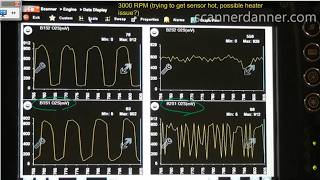
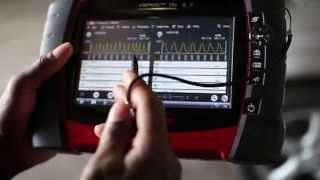
How to confirm: After confirming the PCM software is up-to-date, use a scan tool to graph the sensor's voltage. A healthy sensor switches rapidly between ~0.1V and ~0.9V. A slow sensor will show lazy, rounded-off wave patterns. 🎬 Watch: How to check for slow response using a scan tool
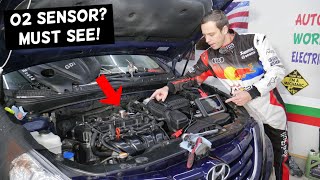
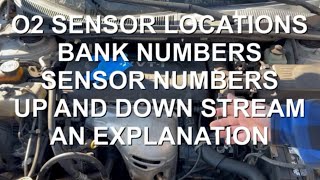
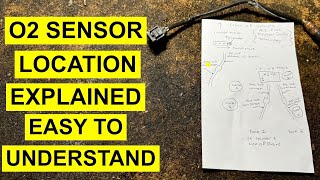
Typical fix: Replace the Bank 1, Sensor 1 oxygen sensor. On the 3.6L V6 in the ProMaster, Bank 1 is the rear cylinder bank, closer to the firewall and is more difficult to access than Bank 2. 🎬 See this guide to identifying Bank 1 Sensor 1 locations
Est. part cost: $40-$90 - Exhaust Leak 🟡 Medium Probability
How to confirm: Listen for a ticking or hissing sound from the engine bay, especially on a cold start, which may quiet down as the metal expands. Visually inspect the exhaust manifold and pipes leading to the O2 sensor for cracks or black soot trails. A smoke test is the most definitive way to find a small leak.
Typical fix: Repair the leak by replacing the gasket or the cracked exhaust component.
Est. part cost: $20-$300+ - Wiring or Connector Issue ⚪ Low Probability The wiring harness can be susceptible to heat damage from the exhaust components.
How to confirm: Visually inspect the O2 sensor's wiring harness and connector for any signs of melting, chafing, corrosion, or loose pins. Check for continuity with a multimeter.
Typical fix: Repair the damaged section of the harness or clean/replace the connector.
Est. part cost: $10-$50
Rare But Worth Checking
- Contaminated Sensor: If the sensor tip is coated in white residue (coolant from an internal leak) or black, oily soot (oil consumption), it indicates a more significant engine problem that must be addressed first. Simply replacing the sensor will not solve the root cause.
Diagnosis Steps
- Connect an OBD-II scanner to verify that P0133 is the active code and check for any other codes.
- Contact a Ram dealer with your VIN to determine if Technical Service Bulletin #18-033-16 Rev. A has been performed on your vehicle. If not, this is the first and most crucial step.
- If the software is up-to-date, perform a thorough visual and auditory inspection of the Bank 1 exhaust manifold for any signs of leaks (soot, cracks, or a ticking noise on cold start).
- Inspect the Bank 1 Sensor 1 oxygen sensor wiring and connector for any physical damage, melting, or corrosion.
- Using a scan tool with live data, graph the voltage of the Bank 1 Sensor 1. Compare its switching frequency to Bank 2 Sensor 1. If it is visibly slower or has a 'lazy' waveform compared to the other bank, the sensor has likely failed.
- If the sensor signal is slow and all other checks pass, replace the Bank 1 Sensor 1 oxygen sensor. A 22mm (or 7/8") oxygen sensor socket is highly recommended for this job.
Parts You'll Likely Need
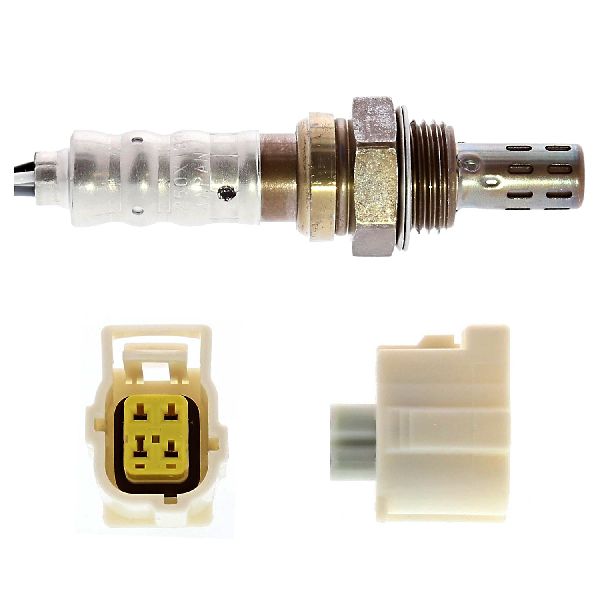
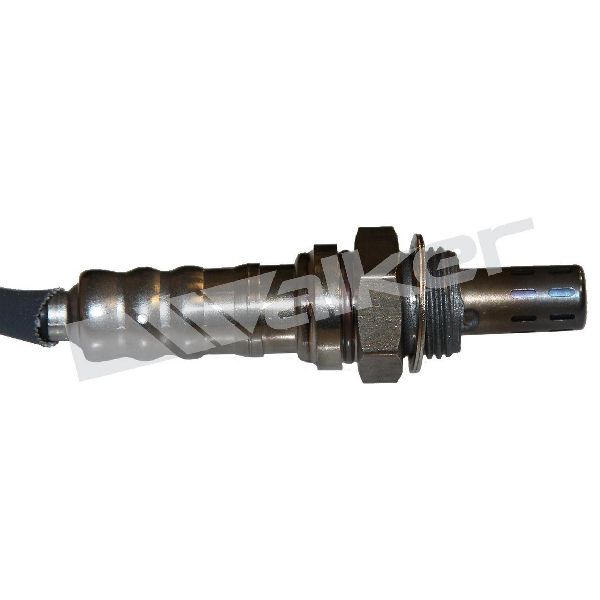
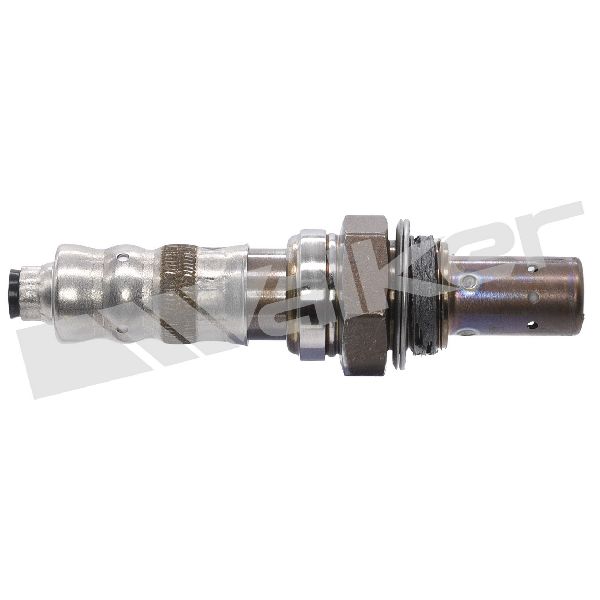
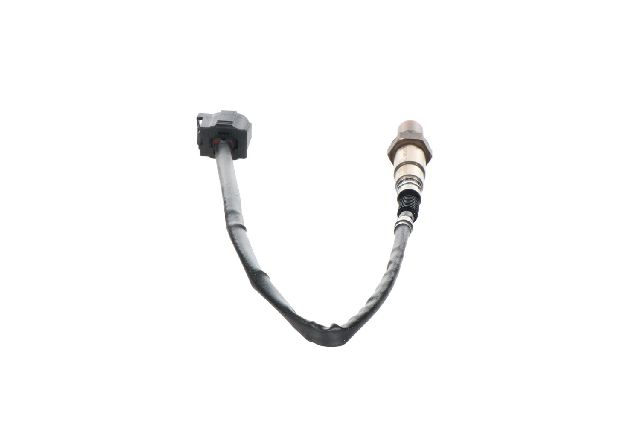
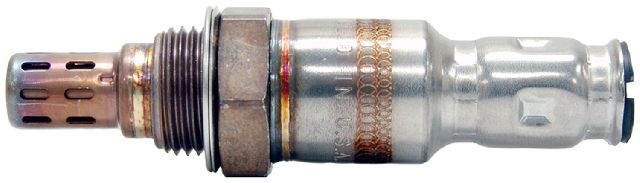
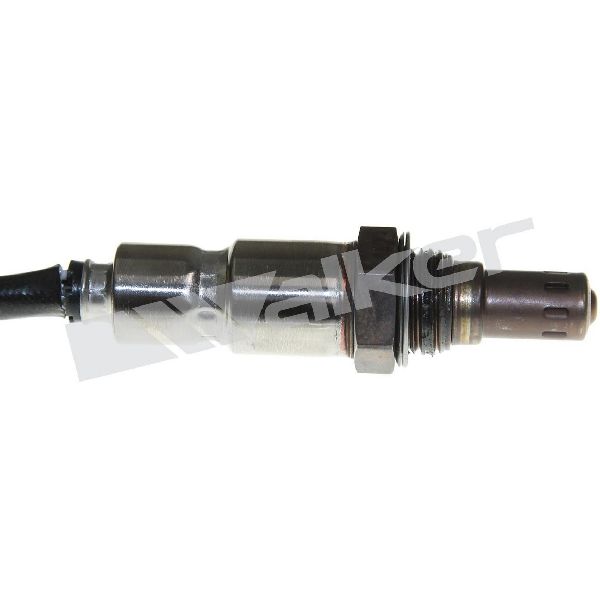
- Upstream Oxygen Sensor (Bank 1, Sensor 1)
(OEM #68144248AA)— This is the sensor that the code directly points to. It is a common wear-and-tear item and the most frequent hardware failure for this code after the software TSB is addressed. NTK is the original equipment manufacturer (OEM) for Mopar.
Trusted brands: Mopar, NTK (OEM supplier, P/N: 23159), Denso, Bosch
OEM price range: $100-$160
Aftermarket price range: $40-$90
Related Codes That Often Appear With This One
- P0153 — This is the same 'slow response' code for the other cylinder bank (Bank 2). TSB #18-033-16 Rev. A mentions both codes, suggesting the software update addresses them together.
- P0335 — This Crankshaft Position Sensor code is mentioned in other related PCM software update TSBs (like #18-030-16 for the ProMaster City), suggesting that PCM software glitches can sometimes trigger a cluster of seemingly unrelated codes.
- P0171 — System Too Lean (Bank 1). A slow-responding O2 sensor or an exhaust leak can provide inaccurate data to the PCM, causing it to incorrectly flag a lean condition.
- P0420 — Catalyst System Efficiency Below Threshold (Bank 1). If a P0133 code is ignored for an extended period, the consistently incorrect air/fuel mixture can degrade the catalytic converter, leading to this more serious and expensive code.
Technical Service Bulletins (TSBs) & Recalls
- TSB #18-033-16 Rev. A: Addresses MIL illumination for DTCs P0133 and P0153 on 2014-2016 Ram ProMaster with 3.6L engine, providing a software update fix.
- TSB #18-030-16: While for the ProMaster City 2.4L, it also lists P0133 as a code fixed by a PCM reflash, showing a pattern of software sensitivity for this code family.
Platform-Specific Known Issues
- A PCM software update is available under TSB #18-033-16 Rev. A that specifically addresses false P0133 and P0153 codes. This should be the first item checked before replacing any parts.
Mechanic-Grade Diagnostic Values
- Upstream O2 Sensor Signal Voltage (Live Data) — expected: Rapidly fluctuating sine wave between ~0.1V (lean) and ~0.9V (rich) at operating temperature. The switch should take less than 100 milliseconds.. Failure: A slow, lazy wave, or a signal that is stuck at a specific voltage (e.g., flat-lined at 0.45V).
- O2 Sensor Heater Circuit Resistance — expected: Typically between 4 and 30 ohms when measured across the two heater circuit pins on the disconnected sensor.. Failure: An infinite resistance reading (open circuit) or zero resistance (short circuit) indicates a failed heater element.
- O2 Sensor Heater Circuit Voltage — expected: Approximately battery voltage (~12V) should be present at the heater power wire in the harness connector with the key on, engine off.. Failure: No voltage suggests a problem with the power supply from the PCM, fuse, or relay.
- Wiring Harness Resistance (Signal to PCM) — expected: Less than 0.5 Ω.. Failure: Resistance greater than 0.5 Ω can dampen the voltage signal enough to be interpreted by the PCM as a slow response.
Scan Tool Commands That Help
- wiTECH or equivalent professional scan tool: O2 Sensor Heater Actuation Test — This bidirectional command allows a technician to manually turn the O2 sensor's internal heater on and off. It is used to verify the integrity of the heater circuit (wiring, fuse, relay, and PCM driver) independently of the sensor itself, which helps isolate a wiring fault from a failed sensor heater.
Wiring & Ground Locations
- Primary Engine Ground Strap — A braided ground strap that connects the transmission case to a bolt on the top of the driver's side transmission mount, near the chassis. It is accessible after removing the driver's side headlight assembly.. This is the primary ground for the engine and transmission. A corroded or loose connection here can create an unstable ground reference for all engine sensors, including the oxygen sensors, potentially causing erratic readings and fault codes like P0133.
OEM Part Supersession History
68144248AA→68144248AD— Standard part revision by the manufacturer for improvements or supplier changes.
Heads up: The new part number 68144248AD is the correct service replacement for the original and is fully compatible.
Model Year Variations Within This Range
- 2016: For the 2016 model year, FCA introduced an updated version of the 3.6L Pentastar engine. Changes included a higher compression ratio (11.3:1 vs 10.2:1), cooled EGR, and two-stage variable valve lift (VVL). While the fundamental P0133 diagnosis remains the same (check TSB first), these engine changes mean that diagnostics related to fuel trim or engine breathing could differ slightly from the 2015 models. The flex-fuel capability was also removed for the 2016 update.
Helpful Videos
We Have This Part in Stock

The information in this article is provided for general reference and educational purposes only. Vehicle specifications, procedures, and part compatibility can vary by production date, trim level, and region. Always consult your vehicle's factory service manual and verify part numbers before purchasing or performing repairs. Safety-critical components such as airbags, seat belts, and braking systems should be installed by a qualified professional.
- Ram PROMASTER:
- 🧭 Diagnostic Flowchart
- 🎬 Helpful Videos
- 🛍️ Shop This Part
- What's Unique About the 2015-2016 Ram PROMASTER
- Symptoms You May Notice
- Most Likely Causes
- Rare But Worth Checking
- Diagnosis Steps
- Parts You'll Likely Need
- Related Codes That Often Appear With This One
- Technical Service Bulletins (TSBs) & Recalls
- Platform-Specific Known Issues
- Mechanic-Grade Diagnostic Values
- Scan Tool Commands That Help
- Wiring & Ground Locations
- OEM Part Supersession History
- Model Year Variations Within This Range
- 🎟️ Get 5% Off