

P0133 on 2002-2007 Subaru Impreza 2.0L: Slow O2 Sensor Causes and Fixes
On a 2002-2007 Subaru Impreza, P0133 almost always means the front oxygen (A/F) sensor is failing. Before replacing it, check for exhaust leaks at the manifold gaskets, a common Subaru issue that also causes this code. A new Denso sensor (the OEM manufacturer) is the recommended fix and costs around $100-$150.
- P0133 on your Impreza points to a slow front oxygen sensor.
- The most likely fix is replacing the front O2 sensor, but you MUST check for exhaust leaks first.
- Look for black soot around the exhaust manifolds or listen for a 'cold start tick' as a tell-tale sign of a leak.
- Use a quality replacement sensor from a brand like Denso (P/N 234-9011 is common for 2002-2005 models) or NGK/NTK to avoid repeat failures.
- If the code appeared right after a battery change, perform a full drive cycle before replacing parts, as it could be a temporary ECU relearn issue.
What's Unique About the 2002-2007 Subaru Impreza
For the EJ20 engine in this generation of Impreza, the P0133 code is extremely common and is frequently caused by one of two issues: a genuinely failed front O2 sensor or an exhaust leak. Subarus are particularly known for developing small leaks from the exhaust manifold gaskets where they meet the cylinder heads. This leak introduces outside air, which 'fools' the sensor and mimics a slow response, so it's crucial to check for leaks before buying a new sensor. Additionally, Subaru issued a service program (WXW-80) for front O2 sensors in this era that were prone to cracking and failure, though it was not a government-mandated recall. A poor ground connection to the intake manifold, where the ECU gets its ground reference, can also cause strange electrical issues and is a known weak point on Subarus.
Generation note: This guide covers the entire second generation (GD/GG) of the Subaru Impreza, which includes the 'Bugeye' (2002-2003), 'Blobeye' (2004-2005), and 'Hawkeye' (2006-2007) models. The causes and fixes for P0133 are consistent across these model years for the 2.0L naturally aspirated engine. However, be aware that the ECU architecture changed from a 16-bit to a 32-bit processor around 2005-2006, which can affect advanced diagnostics, but does not change the primary causes for this code.
Symptoms You May Notice
- Check Engine Light is on
- Reduced fuel economy
- Rough or unstable idle
- Slight hesitation during acceleration
- Failing an emissions test
- A faint smell of gasoline or 'rotten eggs' from the exhaust if running rich
- Immediately replacing the oxygen sensor without checking for exhaust leaks. An exhaust leak will cause the new sensor to read incorrectly and the P0133 code will return.
- Using a cheap, universal oxygen sensor instead of a direct-fit, OEM-quality sensor (like Denso). This often leads to the code returning shortly after the repair.
- Mistaking a temporary 'false positive' P0133 code that appears immediately after disconnecting the battery. The ECU resets its learned fuel trims and runs strict self-tests, which can flag a borderline sensor that was previously compensated for. It's best to complete a full drive cycle before diagnosing if the code appeared after a battery change.
Most Likely Causes
- Failing Front Oxygen (A/F) Sensor 🔴 High Probability → Shop Oxygen Sensor The original sensors are now 15-20+ years old and simply wear out. Contamination from oil or carbon can coat the sensor element, slowing its reaction time. A Subaru service program (WXW-80) was also issued for sensors prone to cracking. Owner forums strongly advise against using cheaper aftermarket sensors (like some Bosch models for this specific application), as they can fail quickly or not perform to OEM spec, causing the code to return.
How to confirm: Use a scan tool to graph the live data of 'Bank 1, Sensor 1'. A healthy sensor will show a rapid, sharp wave pattern, fluctuating roughly once per second between ~0.1V and ~0.9V. A failing sensor will show a slow, lazy, or rounded wave that takes longer than 100-200ms to respond. A more advanced test involves forcing the engine rich then lean (e.g., by creating a temporary vacuum leak) and measuring the sensor's rise and fall time with an oscilloscope; a response slower than 100ms indicates failure. 🎬 Watch: How to test and replace a slow oxygen sensor
Typical fix: Replace the front oxygen sensor. Use a quality brand like Denso, which is an OEM supplier for Subaru. The commonly cited part is Denso 234-9011.
Est. part cost: $100-$180 - Exhaust Leak Before the O2 Sensor 🟡 Medium Probability → Shop Oxygen Sensor The boxer engine design uses two separate exhaust manifolds, doubling the number of gaskets that can fail. Leaks at the manifold-to-head gaskets are a well-documented issue on EJ engines, often presenting as a distinct 'ticking' or 'puffing' sound when the engine is cold.
How to confirm: With the engine cold, start the car and listen for a 'ticking' sound from the engine bay that may quiet down as the engine warms up and the metal expands. Visually inspect the exhaust manifold gaskets for black soot trails, which are a clear sign of a leak. A professional smoke test is the most definitive way to pinpoint small leaks.
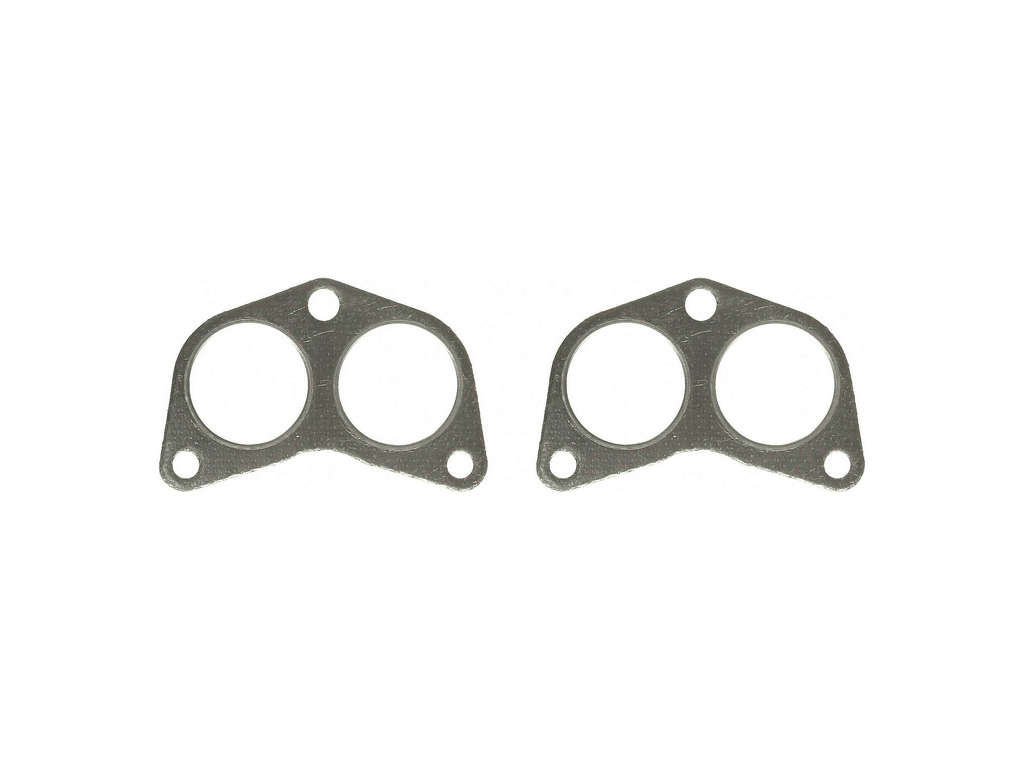
Typical fix: Replace the leaking exhaust manifold gasket(s). The OEM part number is 14038AA000. 🎬 Watch: How to fix a Subaru exhaust leak for cheap This is often more labor-intensive than replacing the sensor itself.
Est. part cost: $20-$50 - Damaged Sensor Wiring or Connector ⚪ Low Probability The wiring harness is routed near hot exhaust components and can be exposed to road debris.
How to confirm: Visually inspect the wiring harness leading to the front O2 sensor. Look for any signs of melting, chafing, corrosion on the connector pins, or breaks in the wire. Pay close attention to where the harness is secured and if it's making contact with the engine or exhaust.
Typical fix: Repair the damaged section of the harness or clean the connector. If damage is severe, a new connector pigtail may need to be spliced in.
Est. part cost: $15-$30
Rare But Worth Checking
- Vacuum Leak: A significant vacuum leak from a cracked hose or bad intake gasket can lean out the air-fuel mixture to a point that it affects O2 sensor readings, but this will usually be accompanied by other codes like P0171 (System Too Lean).
- Low Fuel Pressure: A failing fuel pump or clogged filter can cause a lean condition that might contribute to this code, but it's not a primary cause and would likely present with other drivability issues and potentially other codes.
- Poor ECU Ground Connection: The ECU on many Subarus gets its primary ground reference from a connection on the intake manifold. If this ground is corroded or loose (especially after work like replacing TGV deletes or intake gaskets), it can cause erratic sensor readings, including a P0133. This is often overlooked.
Diagnosis Steps
- Scan for any other stored trouble codes. Address other codes first if they are present.
- Using a scan tool with live data capabilities, graph the voltage for 'Bank 1, Sensor 1'. The engine must be fully warmed up.
- Observe the waveform. A healthy sensor should fluctuate rapidly between approximately 0.1V and 0.9V. A slow, lazy wave indicates a problem. The response time from rich-to-lean or lean-to-rich should be under 100ms.
- Perform a thorough visual inspection of the exhaust system from the cylinder heads to the front O2 sensor. Check for black soot marks around the manifold gaskets, which indicate a leak.
- With the engine cold, start the car and listen carefully for any ticking or puffing sounds near the exhaust manifolds that could signal a leak.
- For a definitive leak test, introduce smoke into the exhaust system (a 'smoke test') and look for where it escapes before the O2 sensor.
- Inspect the O2 sensor's wiring harness and connector for any signs of physical damage, melting, or corrosion.
- Check the sensor's internal heater circuit resistance with a multimeter. A typical value for the front A/F sensor heater is between 0-50 Ohms. An open circuit or very high resistance means the heater has failed, which will cause a slow response on startup.
- If an exhaust leak is found, repair it first. Clear the codes and drive the vehicle to see if P0133 returns.
- If no leaks or wiring issues are found and the sensor waveform is slow, replace the Bank 1, Sensor 1 (front) oxygen sensor with a quality part.
- After the repair, clear the code and perform a drive cycle to confirm the fix. Note that the ECU may take some time to 're-learn' and confirm the fix is complete. A full ECU reset procedure may speed this up. 🎬 See this comprehensive guide on fixing P0133 sensor codes
Parts You'll Likely Need
- Front Oxygen (A/F) Sensor
(OEM #22641AA27A (verify by VIN))— This is the most common part to fail and directly cause the P0133 code. Age and contamination are the primary reasons for failure.
Trusted brands: Denso (P/N: 234-9011), NGK/NTK
OEM price range: $150-$220
Aftermarket price range: $100-$160 - Exhaust Manifold Gasket
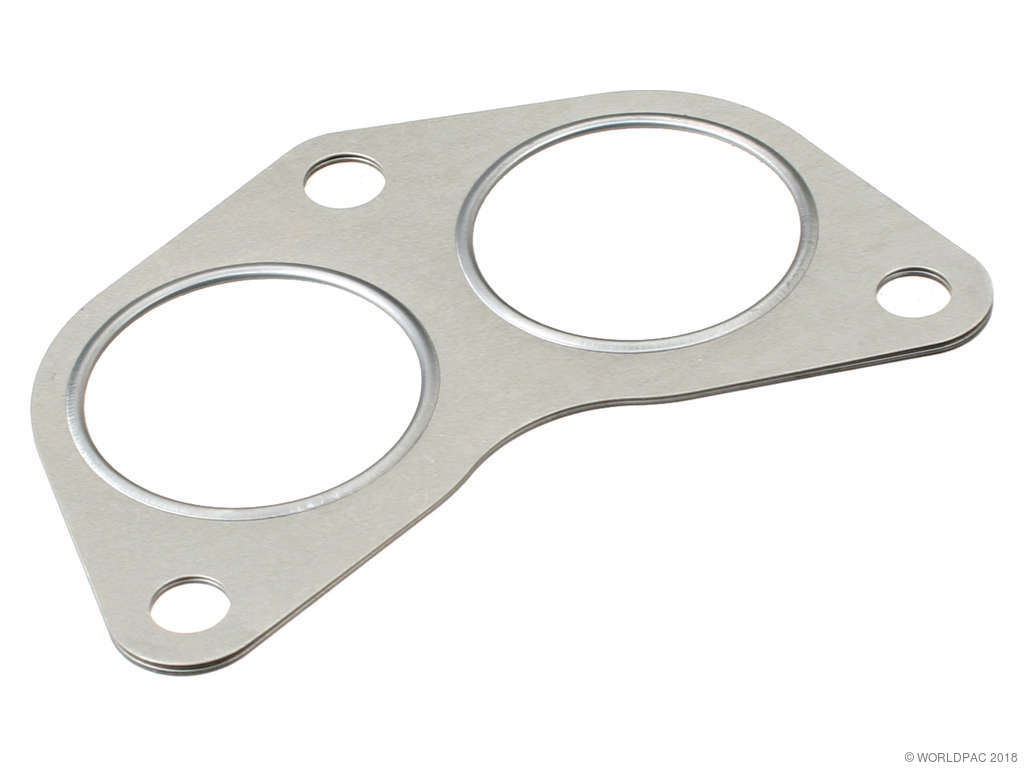
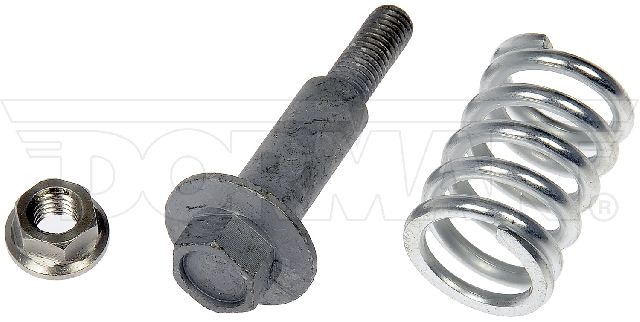
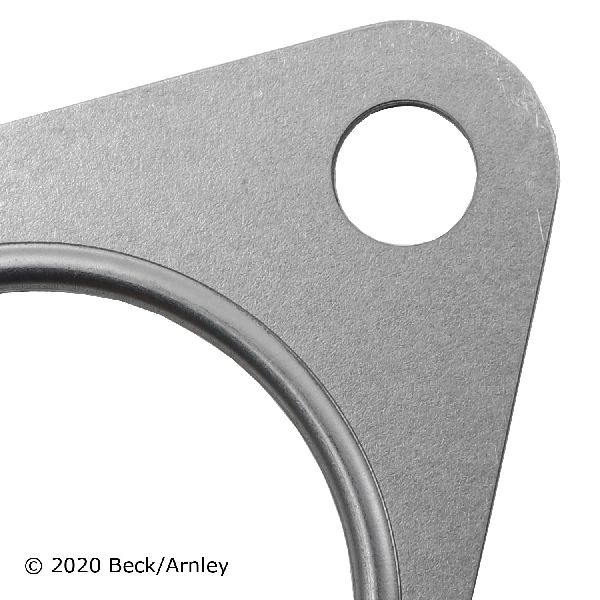
(OEM #14038AA000)— If an exhaust leak is the root cause, this part will be needed for the repair. It's a common failure point on Subaru EJ engines. Two are required to do both sides.
Trusted brands: Subaru OE, Fel-Pro, Mahle
OEM price range: $15-$25
Aftermarket price range: $10-$20
Related Codes That Often Appear With This One
- P1137 —
Technical Service Bulletins (TSBs) & Recalls
- WXW-80 (Subaru Service Program, not a formal TSB)
Platform-Specific Known Issues
- Subaru Service Program WXW-80 was a voluntary campaign to replace front oxygen sensors that were found to be susceptible to cracking and premature failure. This was not a safety recall but an acknowledgement of a quality issue.
- The boxer engine design makes exhaust manifold gasket leaks a more common cause for this code compared to inline or V-type engines, often identified by a 'cold start tick'.
- Owners consistently report that Denso or OEM sensors provide the most reliable fix, while other aftermarket brands may not resolve the code long-term.
- The ECU grounding point on the intake manifold is a known weak spot. If recent work was done on the intake, checking this ground is critical as a poor connection can cause this code.
Mechanic-Grade Diagnostic Values
- Front Oxygen (A/F) Sensor Heater Circuit Resistance — expected: 0 - 50 Ω. Failure: An open circuit (infinite resistance) or resistance outside the specified range indicates a failed internal heater, which will cause a slow response code.
- Front Oxygen (A/F) Sensor Rich/Lean Response Time — expected: < 100 milliseconds (ms). Failure: If the time to switch from a forced lean condition (~0.1V) to a forced rich condition (~0.9V) is greater than 100ms, the sensor is considered slow and should be replaced.
- Subaru ECU Enable Condition: Time After Engine Start — expected: ≥ 120,000 ms (2 minutes). Failure: This is not a failure indicator, but a required condition for the ECU to run the P0133 diagnostic test. The test will not run until the engine has been running for at least 2 minutes and other conditions are met.
Scan Tool Commands That Help
- Subaru Select Monitor (SSM) or equivalent: Current Data Display > A/F Sensor #11 (mA) — While voltage is used for traditional O2 sensors, the front sensor on this Impreza is a wideband Air/Fuel sensor. Monitoring the current in milliamps (mA) provides a more precise view of its operation. A healthy sensor will show rapid changes in current corresponding to throttle inputs.
- Subaru Select Monitor (SSM) or equivalent: Read Freeze Frame Data — When P0133 is set, the ECU stores a snapshot of engine parameters (engine speed, coolant temp, load, etc.) at the moment the fault occurred. This data is invaluable for understanding the conditions under which the sensor failed its response test.
Wiring & Ground Locations
- ECU Main Ground — On the top of the intake manifold.. The Subaru ECU receives its primary ground reference through bolts on the intake manifold. If this connection is loose or corroded (often after intake manifold work), it can create a floating ground, causing erratic readings from all engine sensors, including the front A/F sensor, leading to a P0133 code.
- Main Chassis Ground — The negative battery cable connects directly to the chassis near the battery.. A poor main ground connection can cause widespread electrical issues. Upgrading the 'Big 3' grounds (battery to chassis, chassis to engine block, alternator to battery) is a common reliability modification for Subarus to prevent such problems.
- Front O2 Sensor Connector — Typically clipped to a bracket on the top right side (passenger side in LHD) of the transmission bellhousing, near the firewall.. This is the primary point to inspect for corrosion, melted plastic, or damaged pins when diagnosing a sensor circuit issue. Its proximity to the hot turbo (on WRX models) or exhaust makes it susceptible to heat damage.
Real Owner Repair Stories
- Subaru Impreza Owners Club Forum (2004 Subaru Impreza WRX (similar EJ20 engine family and wiring)) — Persistent P0133 code, even after replacing the front O2 sensor with a new Denso unit.
❌ Tried (didn't work) Replacing the front O2 sensor., Clearing the code multiple times.
✅ What actually fixed it The owner had recently installed TGV (Tumble Generator Valve) deletes, which are plastic spacers between the intake manifold and the engine block. This interrupted the ECU's primary ground path through the manifold. The fix was to install a dedicated grounding wire from the intake manifold directly to the chassis, restoring a solid ground for the ECU and resolving the sensor code. - YouTube Mechanic Channel (Subaru with P0133) — Check Engine Light with P0133 immediately appeared after replacing a dead battery.
❌ Tried (didn't work) Clearing the code, only for it to return quickly.
✅ What actually fixed it The issue was a 'false positive'. Disconnecting the battery resets the ECU's learned adaptive fuel trims. During the subsequent readiness monitor tests, the ECU uses very strict parameters and can flag a sensor that is slightly worn but was previously being compensated for. The fix was to perform several complete drive cycles, allowing the ECU to relearn the fuel trims, after which the code did not return. No parts were replaced.
"I Checked Everything" — The Actual Cause
- A common scenario is a clean smoke test but the P0133 code persists. In this case, the cause is often a failing internal heater circuit in the O2 sensor itself. The heater is required to get the sensor to operating temperature (around 600°F) quickly. If the heater is weak or failed, the sensor will warm up too slowly from exhaust heat alone, failing the ECU's response time test during the initial warm-up phase. This can be confirmed by measuring the heater circuit resistance at the sensor connector when cold.
OEM Part Supersession History
22641AA042→22641AA27A (and others, verify by VIN)— Standard part evolution and supplier changes.
Heads up: The Denso 234-9011 is the widely accepted direct-fit aftermarket replacement for 2002-2005 models. Using a generic or 'universal' sensor is highly discouraged as they often have different heater characteristics or response curves, leading to the code returning.22641AA140→22641AA280— Part update for later models in the generation.
Heads up: While physically similar, sensors for later 2.5L models may have different calibrations. It is critical to use the part number specified for the 2.0L EJ20 engine. The part for a 2.5L Impreza (like 22641AA280) may not work correctly.
Model Year Variations Within This Range
- 2002-2005 vs 2006-2007: Subaru transitioned from a 16-bit ECU to a 32-bit ECU during this generation. While the fundamental causes of P0133 remain the same (bad sensor, exhaust leak), the later 32-bit ECUs have more processing power and may have slightly different thresholds or available data parameters on a dealer-level scan tool like the Subaru Select Monitor.
- 2002-2005: The recommended Denso aftermarket part number 234-9011 is specifically listed for the 2002-2005 Impreza 2.0L. Owners of 2006-2007 models should double-check the part number against their VIN, as a different sensor may have been used in the 'Hawkeye' models, even with the same engine.
Diagnostic Flowchart
Other Known Issues on This Vehicle
Issues unrelated to this code that are worth knowing about as an owner of this generation:
- Head Gasket Failure (Oil/Coolant Leaks) 🔴 High — More common on the 2.5L EJ25, but the EJ20 can still experience external oil and coolant leaks from the head gaskets, typically after 80,000-120,000 miles.
- Rear Quarter Panel and Wheel Arch Rust 🟠 Medium — Extremely common, especially in regions that use road salt. Foam and a rubber trim piece in the rear wheel wells trap moisture, accelerating rust.
- Oil Leaks from Valve Cover Gaskets & Oil Separator Plate 🟡 Low → Shop Engine Valve Cover — Very common on higher mileage engines. The boxer design can cause valve cover gaskets to weep oil over time. The plastic oil separator plate on the back of the engine can also become brittle and leak.
- Front Lower Control Arm Corrosion 🔴 High — Common in rust-belt states, leading to a safety recall. (Ref: NHTSA Campaign ID: 11V464000)
- Premature Wheel Bearing Failure 🟠 Medium — Often reported on higher-mileage examples. A humming noise that changes with speed is the primary symptom.
Used vs. New Parts: Buying Guide for This Vehicle
When a used part is the smart pick: For this repair, a used part is almost never a smart choice for the oxygen sensor itself. It is a wear item with a finite lifespan, and a used sensor may fail soon after installation. However, obtaining a used OEM exhaust manifold from a low-mileage donor car to fix a cracked manifold can be a cost-effective alternative to a new part.
Donor-vehicle mileage cap: roughly under 80000 miles for the part to have meaningful remaining life.
What to inspect on the donor part:
- For an exhaust manifold: check for hairline cracks, especially near the collector and flanges.
- Ensure all mounting studs are intact and not stripped.
- Look for excessive rust that could compromise the sealing surfaces.
- For a sensor connector/pigtail: ensure the plastic is not brittle or cracked, and the locking tab is intact. Check for clean, corrosion-free pins.
OEM-only on this vehicle (don't cheap out):
- While not strictly 'OEM-only', using an OEM-quality brand for the front A/F sensor is critical. Denso (the original manufacturer) or NGK/NTK are the only consistently recommended brands. Cheap, no-name, or universal sensors are a common cause of repeat failures.
Aftermarket brands forum-validated for this vehicle:
- Denso (specifically P/N 234-9011 for 2002-2005 models)
- NGK / NTK
Brands owners have reported issues with on this vehicle:
- Universal-fit oxygen sensors
- Unbranded or 'white-box' parts from online marketplaces
- Some forum users report issues with certain Bosch sensors intended for other applications being incorrectly cross-referenced for this vehicle.
Real Owner Stories
Aggregated from forums and TSBs cited above. Mileages and costs reflect what owners reported in those sources.
2002-2007 Subaru Impreza EJ20
Symptoms: The owner experienced a P0133 code and noted that the front O2 sensor was failing to respond quickly enough to changes in the air/fuel mixture.
What fixed it: Replacement of the front oxygen sensor with a Denso unit (Part #234-9011).
Cost: $100-$180
Source hint: NASIOC (North American Subaru Impreza Owners Club) thread discussing P0133 and P0420 fixes
2005 Subaru Forester EJ20 NA
Symptoms: Owner reported issues after swapping to an EJ20 N/A engine, despite having recent NGK plugs and wires.
What fixed it: The context suggests checking the front O2 sensor (Bank 1, Sensor 1) and ensuring no exhaust leaks exist at the manifold gaskets.
Source hint: r/MechanicAdvice
Related OBD-II Codes
Frequently Asked Questions
Is there a Subaru service program for the front oxygen sensor on my 2002-2007 Impreza?
I hear a ticking sound when I start my EJ20 cold; could this be related to the P0133 code?
Can I use a cheaper aftermarket Bosch sensor to fix this code?
Could a recent intake manifold repair cause a P0133 code on my Subaru?
How can I tell if the sensor is actually slow without just guessing?
Does the P0133 code mean I have a head gasket failure?
Helpful Videos
We Have This Part in Stock

The information in this article is provided for general reference and educational purposes only. Vehicle specifications, procedures, and part compatibility can vary by production date, trim level, and region. Always consult your vehicle's factory service manual and verify part numbers before purchasing or performing repairs. Safety-critical components such as airbags, seat belts, and braking systems should be installed by a qualified professional.
- Subaru Impreza:
- 🧭 Diagnostic Flowchart
- 🎬 Helpful Videos
- 🛍️ Shop This Part
- What's Unique About the 2002-2007 Subaru Impreza
- Symptoms You May Notice
- Most Likely Causes
- Rare But Worth Checking
- Diagnosis Steps
- Parts You'll Likely Need
- Related Codes That Often Appear With This One
- Technical Service Bulletins (TSBs) & Recalls
- Platform-Specific Known Issues
- Mechanic-Grade Diagnostic Values
- Scan Tool Commands That Help
- Wiring & Ground Locations
- Real Owner Repair Stories
- "I Checked Everything" — The Actual Cause
- OEM Part Supersession History
- Model Year Variations Within This Range
- Other Known Issues on This Vehicle
- Used vs. New Parts: Buying Guide for This Vehicle
- Real Owner Stories
- 2002-2007 Subaru Impreza EJ20
- 2005 Subaru Forester EJ20 NA
- Related OBD-II Codes
- Frequently Asked Questions
- 🎟️ Get 5% Off