

P0133 on 2012-2017 Toyota Camry 2.5L: Slow O2 Sensor Causes and Fixes
On a 2012-2017 Camry with the 2.5L engine, code P0133 almost always means the upstream oxygen sensor (Air/Fuel Ratio Sensor) is old and slow. Replacing this sensor with a Denso equivalent is a common, straightforward DIY fix that resolves the issue in most cases. Before replacing, owners of 2012-2013 models should check for a relevant TSB regarding an ECM update.
- P0133 on this Camry almost always points to a failing upstream Air/Fuel Ratio sensor (Bank 1, Sensor 1).
- For 2012-2013 models, first verify that TSB T-SB-0023-13 (an ECM update) has been performed, as it can also cause this code.
- This is a DIY-friendly repair. The sensor is located on the front of the engine in the exhaust manifold and is easy to access.
- Before replacing the sensor, perform a quick visual inspection for exhaust leaks (soot marks) around the manifold and check the sensor's wiring for obvious damage.
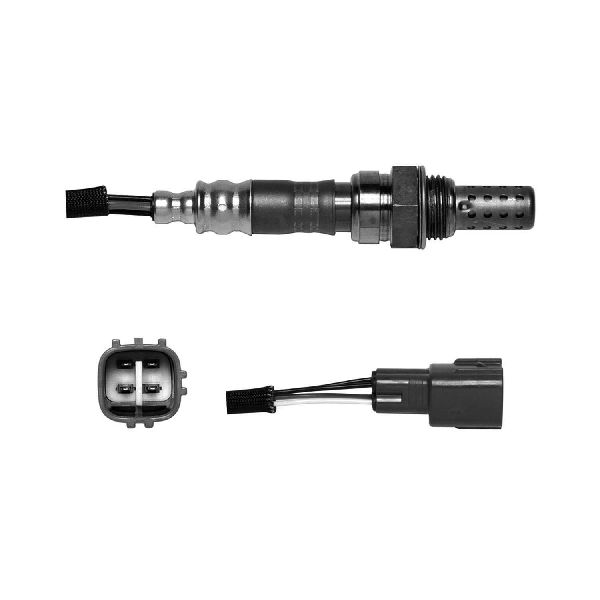
- Use a quality replacement sensor. Denso is the OEM supplier, and their aftermarket part #234-9128 is a proven, reliable fix.
What's Unique About the 2012-2017 Toyota Camry
The 2012-2017 Toyota Camry (XV50 generation) with the 2AR-FE engine has a very reliable powertrain. Unlike some other Toyota engines where a P0133 code is often paired with a P0171 (System Too Lean) code pointing to a vacuum leak from an intake manifold gasket, this is not a common pattern on this specific Camry platform. However, Toyota did issue a Technical Service Bulletin (T-SB-0023-13) for 2012-2013 models where an ECM software update was needed to address logic that could falsely trigger P0133, sometimes with P0171. Outside of this specific TSB, the P0133 code is most frequently a straightforward case of the upstream A/F sensor simply wearing out after 100,000+ miles.
Symptoms You May Notice
- Check Engine Light is on
- Decreased fuel economy
- Rough or unstable idle
- Hesitation during acceleration
- Failing an emissions test
- Black smoke from the exhaust in some cases
- Rotten egg smell from exhaust if the catalytic converter is affected
- Replacing the downstream (Bank 1, Sensor 2) oxygen sensor. This code specifically points to the upstream sensor (Sensor 1).
- Replacing the catalytic converter. A P0133 code indicates a problem with the sensor's response time, not the efficiency of the converter itself. A bad converter would typically trigger a P0420 code.
Most Likely Causes
- Failing Upstream Air/Fuel Ratio (O2) Sensor 🔴 High Probability → Shop Oxygen Sensor Oxygen sensors are wear-and-tear items. They become contaminated by carbon, fuel, and oil residue over time, which slows their response. They typically have a service life of around 100,000-150,000 miles.
How to confirm: Use an OBD-II scan tool with live data to graph the Bank 1, Sensor 1 voltage or current. A healthy sensor shows rapid, sharp fluctuations between approximately 0.1V (lean) and 0.9V (rich). A slow sensor will have lazy, rounded-off waveforms that struggle to switch quickly. The response time from rich to lean should be under 0.8 seconds.
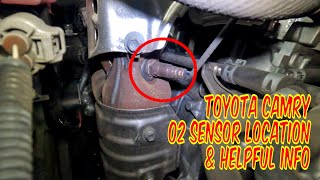
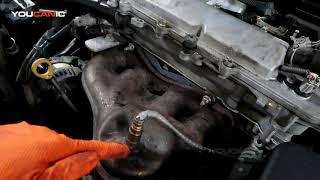
Typical fix: Replace the Bank 1, Sensor 1 Air/Fuel Ratio sensor. It is located on the front of the engine in the exhaust manifold, making it relatively easy to access with an O2 sensor socket and extension.
Est. part cost: $100-$180 - Exhaust Leak 🟡 Medium Probability Gaskets and welds in the exhaust manifold can develop small leaks over time due to heat cycles and vibration. A leak before the sensor introduces unmetered oxygen, fooling the sensor into sending slow or biased lean signals.
How to confirm: Visually inspect the exhaust manifold and the gasket between it and the cylinder head for black soot trails, which indicate a leak. You can also perform a smoke test to pinpoint the source of the leak. A leak allows outside oxygen into the exhaust, which skews the sensor's readings.
Typical fix: Replace the leaking exhaust manifold gasket or repair the cracked manifold.
Est. part cost: $20-$50 for a gasket - Damaged Wiring or Connector ⚪ Low Probability
How to confirm: Visually inspect the wiring harness and connector for the upstream A/F sensor. Look for any signs of melting from contact with the exhaust, chafing, corrosion, or loose pins. The harness is visible at the front of the engine bay. 🎬 Watch: Locate the Bank 1 Sensor 1 on your Camry
Typical fix: Repair the damaged section of the wiring harness or clean/replace the connector.
Est. part cost: $10-$30 for repair materials
Rare But Worth Checking
- Outdated ECM Software (2012-2013 Models): Toyota TSB T-SB-0023-13 addresses an issue on 2012-2013 Camry and RAV4 models where the ECM logic could improperly set a P0133. The fix is a software update performed by a dealer. This should be investigated before replacing parts on these specific model years.
- Contaminated Sensor: If the vehicle has recently run out of fuel, or has a known issue with burning oil or coolant, the sensor can become contaminated, causing it to respond slowly. A diagnostic document for Toyota notes that running out of fuel can sometimes trigger this code.
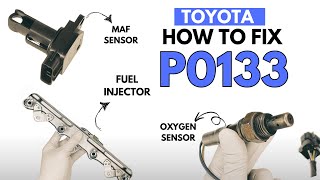
- MAF Sensor or Fuel System Issue: → Shop Fuel Injection Air Flow Meter While less common for this specific code, a dirty Mass Air Flow (MAF) sensor or incorrect fuel pressure can affect the overall air-fuel mixture, which could indirectly contribute to a slow sensor response code. These should be investigated if a new O2 sensor does not fix the problem.
Diagnosis Steps
- Read the code with an OBD-II scanner to confirm P0133 is present and note 🎬 See how to read codes and replace the sensor any other codes.
- For 2012-2013 models, check with a Toyota dealer if TSB T-SB-0023-13 (ECM update) is applicable and has been performed on your vehicle's VIN.
- Visually inspect the exhaust manifold (located at the front of the engine) for any signs of black soot, indicating an exhaust leak before the sensor.
- Inspect the wiring and connector for the upstream A/F sensor. It is easily accessible on the front of the engine. Check for any signs of damage, melting, or corrosion.
- Use a scan tool with live data capabilities to monitor the voltage of 'Bank 1, Sensor 1'. At idle on a warm engine, the voltage should fluctuate rapidly. If the graph shows slow, lazy waves, the sensor is bad.
- If the sensor, wiring, and exhaust system appear to be in good condition, and the ECM is up to date, the sensor itself is the most likely failure point and should be replaced.
- After replacement, clear the codes and perform a drive cycle to ensure the code does not return.
Parts You'll Likely Need
- Upstream Air/Fuel Ratio Sensor (Bank 1, Sensor 1)
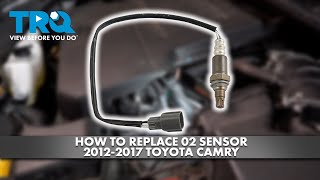
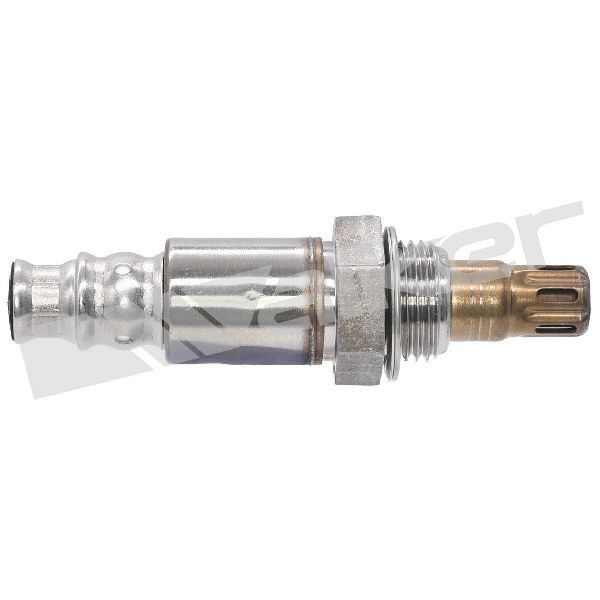
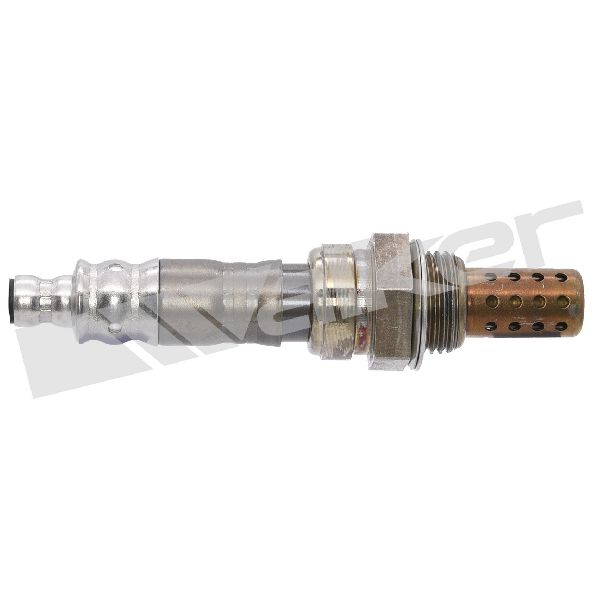
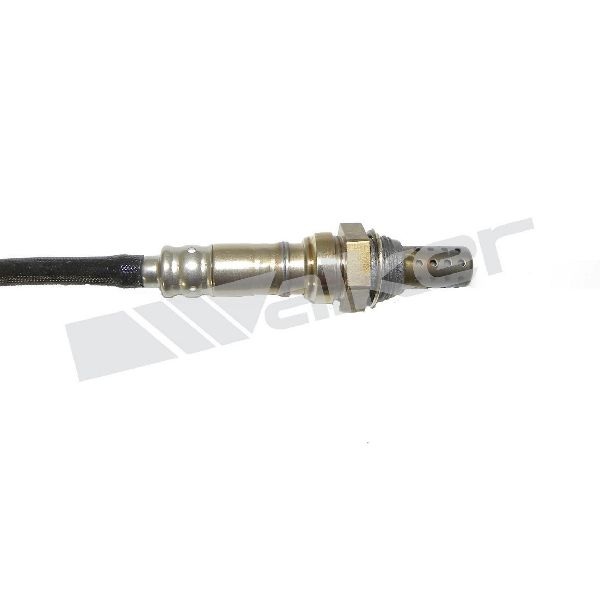
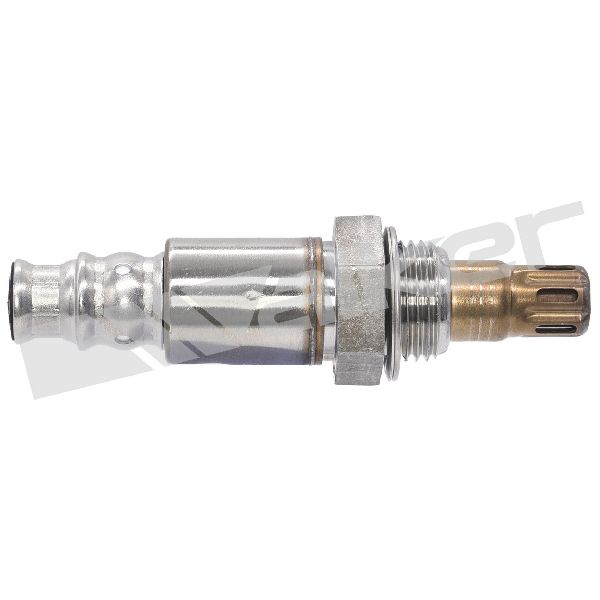
(OEM #89467-06160 (may be superseded by 89467-06240))— This is the primary component that fails and causes the P0133 code. It wears out over time and becomes slow to respond. Denso is the original equipment manufacturer (OEM), and using their aftermarket part is a reliable and cost-effective fix. 🎬 Watch: Step-by-step guide to replacing the upstream O2 sensor
Trusted brands: Denso (OEM), NGK/NTK
OEM price range: $150-$220
Aftermarket price range: $90-$140
Technical Service Bulletins (TSBs) & Recalls
- T-SB-0023-13: ECM Calibration for P0133/P0171 on 2012-2013 Camry/RAV4
Mechanic-Grade Diagnostic Values
- A/F Sensor Heater Resistance — expected: 1.8 - 3.4 Ohms at 68°F (20°C). Failure: Resistance outside of this range indicates a faulty internal heater, which will cause slow sensor warm-up and trigger P0133.
- Mode $06, Test ID $01, Component ID $01 — expected: Value should be below the maximum threshold specified by the ECU (e.g., a value of 80 with a max of 128).. Failure: A test value that exceeds the specified maximum limit indicates the sensor's response time is too slow, confirming the P0133 fault condition.
Scan Tool Commands That Help
- Toyota Techstream: Active Test: 'A/F Control' — This is a definitive bidirectional test to confirm a slow sensor. The software commands the engine to run rich (+25% fuel) and then lean (-12.5% fuel). A healthy sensor's voltage will change immediately on the live data graph, while a failing sensor will show a sluggish, delayed reaction, directly confirming the P0133 condition.
Wiring & Ground Locations
- A/F Sensor Connector — On the front of the engine, attached to a bracket just above the exhaust manifold.. This connector is the primary point for testing. You can check for voltage and heater circuit resistance here. The terminals for the heater circuit are typically labeled +B and HT on wiring diagrams.
- Engine Ground Points (e.g., 'EA', 'EB') — Bolted to the cylinder head and engine block on the front and driver's side of the engine bay.. A poor engine ground can introduce electrical noise and voltage offsets, potentially affecting the A/F sensor's signal to the ECM. While not a common cause for P0133 specifically, verifying clean and tight grounds is a best practice if wiring issues are suspected.
Real Owner Repair Stories
- Tacoma World forum user (2002 Toyota Tacoma 3RZ 2.7L (similar Denso sensor logic)) — Check Engine Light with P0141, then P0171 and P0125 after repair attempt.
❌ Tried (didn't work) Replacing the original sensor with a cheap, universal 'Denso-style' sensor from eBay that required splicing wires.
✅ What actually fixed it The user identified the cheap sensor as a counterfeit copy. The fix implies replacing it with a genuine Denso or high-quality aftermarket part. The user noted the counterfeit part had thinner, stiffer wires, lacked gold-plated terminals, and had a different font on the laser etching.
OEM Part Supersession History
89467-06160→89467-06240— Standard part number update by Toyota. The parts are functionally identical.
Heads up: The Denso aftermarket equivalent, 234-9128, is cross-compatible with both OEM part numbers for the 2012-2017 Camry 2.5L.
Model Year Variations Within This Range
- 2015-2017: The Camry received a significant exterior and interior redesign (facelift) for the 2015 model year. However, the core powertrain, including the 2AR-FE 2.5L engine and its emissions components like the A/F sensor, remained unchanged from the 2012-2014 models. Therefore, the causes and fixes for P0133 are identical across the entire 2012-2017 range.
Diagnostic Flowchart
Other Known Issues on This Vehicle
Issues unrelated to this code that are worth knowing about as an owner of this generation:
- Torque Converter Shudder (U760E Transmission) 🟠 Medium — Common between 80,000-120,000 miles. Feels like driving over rumble strips at 25-50 mph under light acceleration. (Ref: Multiple TSBs exist, including T-SB-0034-14 and T-SB-0312-17, which involve ECM updates, fluid changes, or torque converter replacement.)
- Sticky / Melting Dashboard 🟡 Low — Widespread issue in high heat/humidity climates. The dashboard surface becomes shiny, sticky, and can crack. (Ref: Covered by Toyota's Warranty Enhancement Program ZJB/ZE6, though the program's coverage period may have expired for many vehicles.)
- Cold Start-up Engine Rattle 🟠 Medium — A brief rattle noise for a few seconds on a cold engine start, particularly on earlier models. (Ref: T-SB-0041-13 points to a potential issue with the VVT-i Camshaft Timing Gear Assembly.)
- Musty A/C Smell 🟡 Low — Common complaint of a moldy or musty smell from the HVAC vents upon startup. (Ref: T-SB-0142-13 provides procedures for cleaning the evaporator and recommends using a charcoal cabin air filter.)
Used vs. New Parts: Buying Guide for This Vehicle
When a used part is the smart pick: For a P0133 code, buying a used part is almost never recommended for the sensor itself. However, if the root cause is a cracked exhaust manifold, a used manifold from a low-mileage, accident-damaged vehicle is a very cost-effective and viable repair.
Donor-vehicle mileage cap: roughly under 75000 miles for the part to have meaningful remaining life.
What to inspect on the donor part:
- For an exhaust manifold: check for hairline cracks, especially around the welds and flanges.
- Ensure all mounting studs are intact and not broken off.
- Verify the flange surface is flat and not warped.
OEM-only on this vehicle (don't cheap out):
- Air/Fuel Ratio Sensor: While not strictly 'OEM-only', using the OEM manufacturer (Denso) or a top-tier OEM supplier (NGK/NTK) is critical. Toyota ECUs are sensitive and often reject or perform poorly with signals from budget or off-brand sensors.
Aftermarket brands forum-validated for this vehicle:
- Denso (OEM manufacturer)
- NGK / NTK
Brands owners have reported issues with on this vehicle:
- Universal sensors requiring wire splicing.
- Unbranded parts from non-reputable online marketplaces like eBay and Amazon, which are known to have counterfeit parts in circulation.
- Bosch sensors can be hit-or-miss in Toyota applications; while a quality brand, forum consensus often reports better compatibility with Denso or NTK.
Real Owner Stories
Aggregated from forums and TSBs cited above. Mileages and costs reflect what owners reported in those sources.
2013 Toyota Camry SE 2.5L — 135000 miles
Symptoms: Check engine light with code P0133.
What fixed it: Replacing the upstream A/F sensor with a Denso part.
Source hint: ToyotaNation Forum - 'P0133 Code on 2013 Camry SE'
2014 Toyota Camry 2.5L — 140000 miles
Symptoms: Check engine light (P0133).
What fixed it: Replaced the Bank 1 Sensor 1 with a Denso 234-9128 using an O2 sensor socket and extension. The repair took under 30 minutes.
Source hint: Reddit r/Camry - 'P0133 at 140k miles'
Related OBD-II Codes
Frequently Asked Questions
Does TSB T-SB-0023-13 apply to my 2012-2013 Toyota Camry?
Which specific replacement sensor should I use for my 2014 Camry to fix P0133?
Is the P0133 code related to the transmission shudder I feel in my 2012 Camry?
Can an exhaust leak cause a P0133 code on the 2AR-FE engine?
Where is the Bank 1, Sensor 1 located on my 2.5L Camry?
How can I tell if my A/F sensor is actually 'lazy' as the code suggests?
Helpful Videos
We Have This Part in Stock


The information in this article is provided for general reference and educational purposes only. Vehicle specifications, procedures, and part compatibility can vary by production date, trim level, and region. Always consult your vehicle's factory service manual and verify part numbers before purchasing or performing repairs. Safety-critical components such as airbags, seat belts, and braking systems should be installed by a qualified professional.
- Toyota Camry:
- 🧭 Diagnostic Flowchart
- 🎬 Helpful Videos
- 🛍️ Shop This Part
- What's Unique About the 2012-2017 Toyota Camry
- Symptoms You May Notice
- Most Likely Causes
- Rare But Worth Checking
- Diagnosis Steps
- Parts You'll Likely Need
- Technical Service Bulletins (TSBs) & Recalls
- Mechanic-Grade Diagnostic Values
- Scan Tool Commands That Help
- Wiring & Ground Locations
- Real Owner Repair Stories
- OEM Part Supersession History
- Model Year Variations Within This Range
- Other Known Issues on This Vehicle
- Used vs. New Parts: Buying Guide for This Vehicle
- Real Owner Stories
- 2013 Toyota Camry SE 2.5L — 135000 miles
- 2014 Toyota Camry 2.5L — 140000 miles
- Related OBD-II Codes
- Frequently Asked Questions
- 🎟️ Get 5% Off