

P0134 on 2002-2005 Chevrolet Cavalier 2.2L: Causes and Fixes for O2 Sensor Inactivity
On a 2002-2005 Cavalier with the 2.2L Ecotec, code P0134 is most often a failed upstream oxygen sensor (Bank 1, Sensor 1). Before replacing it, check the O2 sensor fuse and inspect the wiring for melting. A quality aftermarket sensor costs about $40-$80, and it's a DIY-friendly repair. If a new sensor doesn't fix it, the next step is to clean the engine ground on the back of the block.
- P0134 on your Cavalier almost always points to the upstream O2 sensor (in the exhaust manifold) or its circuit.
- The most likely fix is replacing the upstream O2 sensor, but don't skip diagnosis.
- Before buying parts, check the O2 sensor fuse and visually inspect the sensor's wiring for any melting or obvious damage.
- If a new sensor doesn't fix the code, the next most likely culprit is a bad engine ground wire on the back of the block, a known quirk of this engine.
- Use a quality OEM-equivalent brand like ACDelco, Denso, or NGK/NTK for the replacement sensor.
What's Unique About the 2002-2005 Chevrolet Cavalier
The 2.2L Ecotec engine, shared with other GM vehicles like the Saturn Vue and Chevy Cobalt, has a known vulnerability that can cause P0134. While a failed sensor is common, these engines can also suffer from a poor engine ground connection, which mimics sensor failure. This specific ground is located in a hard-to-see spot on the back of the engine block, often leading to misdiagnosis if a new sensor doesn't fix the problem. Owners and mechanics on forums frequently recommend using Denso or ACDelco sensors, as these platforms can be sensitive to other aftermarket brands.
Symptoms You May Notice
- Check Engine Light is on
- Decreased fuel economy
- Rough or unstable idle
- Engine hesitation during acceleration
- Failing an emissions test
- Possible rotten egg or sulfur smell from the exhaust
- Replacing the oxygen sensor multiple times without first checking for a blown fuse, damaged wiring, or a bad engine ground.
- Assuming the new aftermarket O2 sensor is good. Some Ecotec engines are reportedly sensitive to non-OEM brands, leading to persistent or new codes.
Most Likely Causes
- Failed Upstream Oxygen Sensor (Bank 1, Sensor 1) 🔴 High Probability → Shop Oxygen Sensor Oxygen sensors are wear-and-tear items with a finite lifespan, typically 80,000 miles or more. The internal heater element is a common point of failure, which is required to bring the sensor to operating temperature quickly.
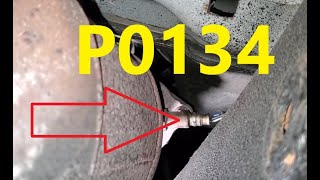
How to confirm: Using a scan tool, monitor the live voltage data for 'B1S1 O2 Sensor'. A healthy sensor will show voltage fluctuating rapidly between approximately 0.1V and 0.9V. A failed sensor will show a flat, unchanging voltage (often stuck around 0.45V), confirming the 'no activity' condition. 🎬 Watch: A breakdown of P0134 causes and how to fix them.
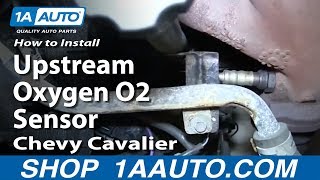
Typical fix: Replace the upstream oxygen sensor. It is located at the front of the engine in the exhaust manifold. An O2 sensor socket is recommended for removal. 🎬 See this walkthrough on how to replace the upstream sensor.
Est. part cost: $40-$90 - Damaged O2 Sensor Wiring or Connector 🟡 Medium Probability → Shop Oxygen Sensor The sensor wiring is routed close to the hot exhaust manifold, making it susceptible to melting, chafing, and becoming brittle over time. Forum members have specifically noted the harness can get damaged near the transmission dipstick tube.
How to confirm: Visually inspect the wiring harness from the O2 sensor to where it connects to the main engine harness. Look for any signs of melting, frayed wires, or damage to the connector. Pay close attention to areas where the harness is close to hot components.
Typical fix: Repair or replace the damaged section of the wiring harness or the connector. Use heat-shrink tubing to protect repairs.
Est. part cost: $10-$50 - Blown O2 Sensor Heater Fuse ⚪ Low Probability → Shop Oxygen Sensor A short in the O2 sensor's internal heater or its wiring can cause the corresponding fuse to blow, cutting power to the circuit. In some Chevrolet models, manufacturer service bulletin TSB Bulletin #PIT5336 notes that technicians may find the Emission 1 Fuse is open when diagnosing P0134 and related O2 sensor codes.
How to confirm: Locate the fuse box in the engine bay. On the Cavalier, the fuse for the O2 sensor heater may be labeled 'O2 HTR' or tied into an emissions or ignition circuit. A visual inspection or a multimeter/test light can confirm if the fuse is blown.
Typical fix: Replace the blown fuse. If the new fuse blows immediately, it indicates a persistent short circuit in the wiring or the sensor itself that must be found and fixed.
Est. part cost: $1-$5
Rare But Worth Checking
- Poor Engine Ground Connection: This is a known issue on the L61 Ecotec engine platform. A corroded or loose ground on the back of the engine block can cause sensor communication issues, perfectly mimicking a failed sensor. Forum users and repair guides pinpoint a 10mm bolt with ground terminals located under the #4 intake runner. If a new sensor doesn't fix the code, this should be your next check. Cleaning this connection to bare metal often resolves the issue. 🎬 Watch: How to find and fix hidden electrical ground issues.
- Exhaust Leak: A crack or leak in the exhaust manifold or a bad gasket before the O2 sensor can allow outside air into the exhaust stream. This skews the sensor's readings, which the PCM can interpret as a lack of activity. A ticking or puffing noise when the engine is cold is a common symptom.
- Faulty Powertrain Control Module (PCM): → Shop Engine Control Module (ECM) This is extremely rare. The PCM itself can fail, but all other possibilities should be exhaustively ruled out before considering PCM replacement.
Diagnosis Steps
- Read all stored trouble codes with an OBD-II scanner. Note any other codes that appear alongside P0134, especially P0135.
- Check the fuse for the oxygen sensor heater circuit in the under-hood fuse box (may be labeled 'O2 HTR' or part of the 'EMIS' or 'PCM' circuit). Replace if blown.
- Perform a thorough visual inspection of the upstream O2 sensor's wiring harness and connector. Look for any signs of melting, chafing, or corrosion, especially near the exhaust and transmission dipstick.
- With a scan tool, view the live data for the Bank 1 Sensor 1 voltage with the engine warm and running. The voltage should fluctuate rapidly between ~0.1V and ~0.9V.
- If the voltage is stuck or flat (e.g., ~0.45V), the sensor has likely failed. If the voltage is at or near 0V, suspect a wiring issue (open/short) or bad ground.
- If you replace the sensor and the code returns, the next step is to inspect and clean the engine ground connections, especially the known problematic one on the rear of the engine block under the #4 intake runner.
- Check for exhaust leaks between the cylinder head and the O2 sensor. A hissing or ticking sound from the exhaust manifold is a common sign.
Parts You'll Likely Need
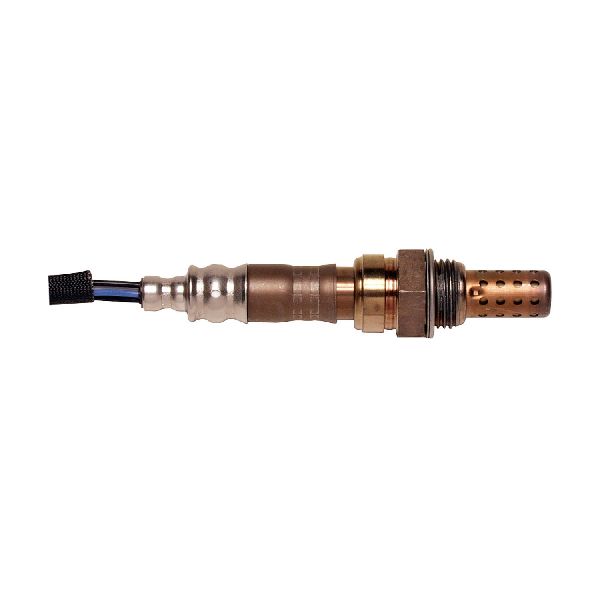
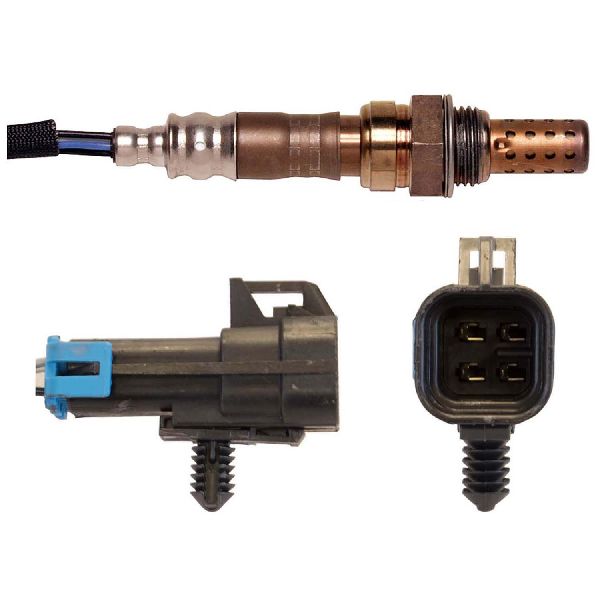
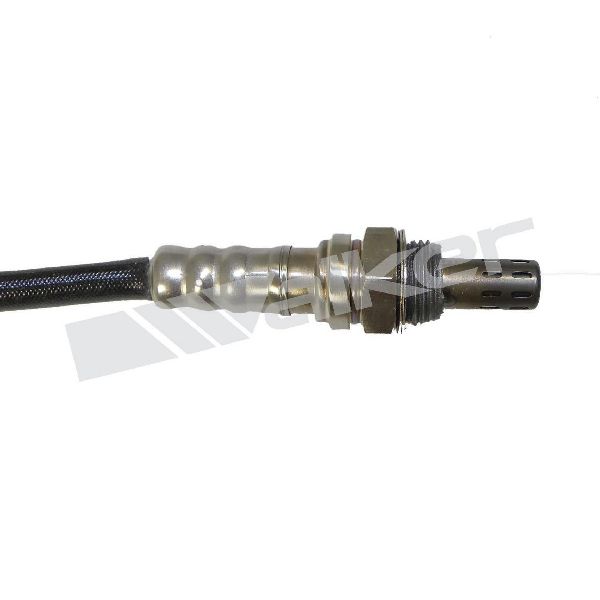
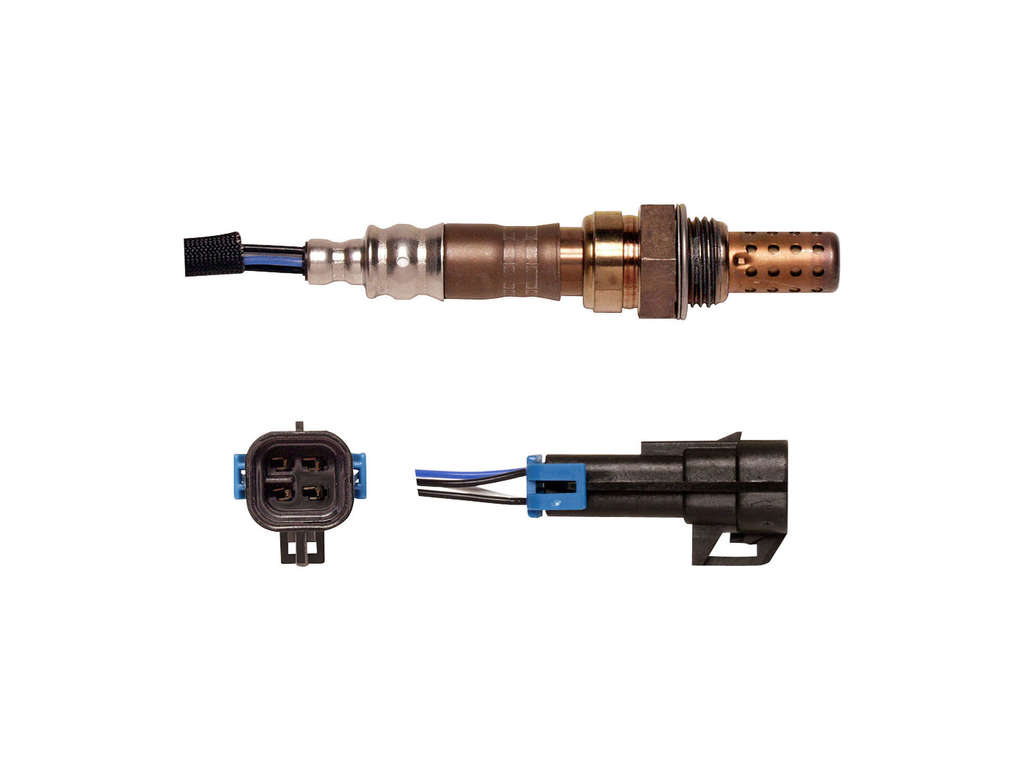
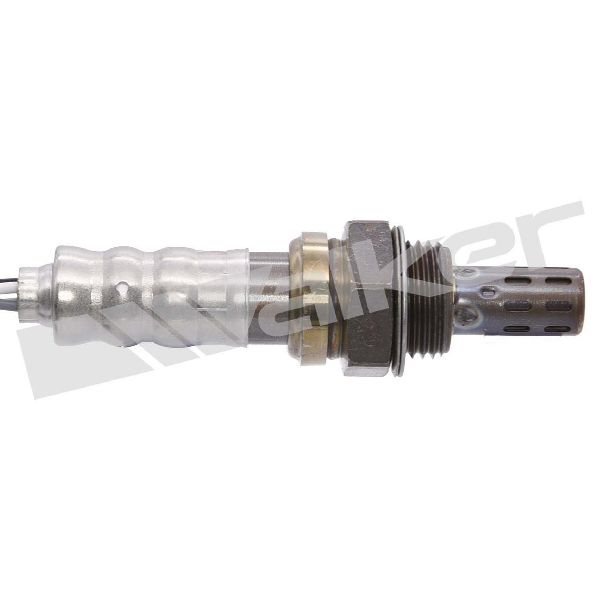
- Upstream Oxygen Sensor (Bank 1, Sensor 1)
(OEM #ACDelco 213-2843 (supercedes 213-968))— This is the most common failure point for code P0134. The sensor's internal heating element fails or the sensing element wears out over time.
Trusted brands: ACDelco, Denso (P/N: 234-4652), NTK
OEM price range: $80-$120
Aftermarket price range: $40-$80 - Oxygen Sensor Socket — A specialized socket with a cutout for the wire is needed to easily remove and install the oxygen sensor without damaging the harness.
Trusted brands: Lisle, OEMTools
Aftermarket price range: $10-$20
Related Codes That Often Appear With This One
- P0135 — This code indicates a fault in the O2 sensor's heater circuit. Since a failed heater prevents the sensor from working, P0134 and P0135 often appear together. A GM TSB for the L61 engine platform groups these codes.
- P0130 — This is a more general O2 sensor circuit malfunction code. It can be triggered by the same root causes as P0134, such as wiring faults or complete sensor failure.
- P0171 — This code means 'System Too Lean'. An exhaust leak before the O2 sensor can cause both a P0134 (due to erratic readings) and a P0171 because the extra oxygen makes the computer think the engine is running lean.
Technical Service Bulletins (TSBs) & Recalls
- GM TSB 03-06-04-033 addresses DTCs P0130, P0134, P0135, P0171, and P0172 on 2002-2003 Cavaliers with the L61 engine, often after engine or transmission work. It points to a damaged O2 sensor harness as a likely cause, instructing technicians to inspect for chafing or melting.
- TSB Bulletin #PIT5336, while referencing other Chevrolet models, notes that P0134 can be accompanied by an open Emission 1 Fuse, which technicians should verify during the diagnostic process.
Platform-Specific Known Issues
- A known issue on the 2.2L Ecotec engine is a poor ground connection on the rear of the engine block. This ground can become corroded or loose, causing a P0134 code even with a perfectly good oxygen sensor.
- The L61 Ecotec can be sensitive to the brand of replacement O2 sensor. Owners on forums for Cavalier, Cobalt, and Ion models report the best success with ACDelco or Denso parts to avoid recurring codes.
Mechanic-Grade Diagnostic Values
- O2 Sensor Heater Element Resistance — expected: 3 to 20 Ohms, measured across the two heater wires (often same color, e.g., two black wires) on the sensor connector.. Failure: An infinite resistance reading (Open Loop / OL) indicates a burned-out heater element. A reading of 0 Ohms indicates a short.
- O2 Sensor Heater Power Supply Voltage — expected: 12V (battery voltage) at the Pink/Black wire on the vehicle-side harness connector with the key on, engine off.. Failure: 0V or significantly low voltage indicates a blown fuse, relay issue, or wiring fault upstream of the sensor.
- O2 Sensor Signal Wire Voltage (Active) — expected: Rapidly fluctuating sine wave between ~0.1V and ~0.9V with the engine at operating temperature. At 2,000 RPM, it should cross the 0.45V threshold more than 3 times per second.. Failure: A flat, non-flufluctuating voltage (often stuck near 0.45V) indicates no activity and will set P0134.
- O2 Sensor Signal Wire (PCM Connector) — expected: The Tan wire (signal low) and Purple wire (signal high) at the PCM connector should show the same fluctuating voltage as at the sensor, confirming harness integrity.. Failure: If voltage fluctuates at the sensor but is flat/absent at the PCM, the wiring harness between them is faulty.
Hidden / Shadow Codes Worth Checking
- Mode $06, TID $01, CID $01: This is not a trouble code but a raw data report from the PCM's self-test of the Bank 1 Sensor 1 oxygen sensor. It allows a technician to see the measured sensor switch time and compare it against the PCM's minimum and maximum allowable thresholds. A value close to the failure threshold can indicate a lazy sensor even before the P0134 code is set. (see via A professional scan tool with Mode $06 capability. The data is presented in hexadecimal and may require conversion or a tool that translates it automatically.)
Scan Tool Commands That Help
- Tech 2 / GDS2 / Professional Scan Tool: HO2S Heater Resistance Learn Reset — This function MUST be performed after replacing an O2 sensor on this platform. The PCM learns the resistance of the heater on a cold start. Failing to reset this can cause the PCM to use incorrect data, potentially leading to a new code or damage to the new sensor. Clearing all DTCs (even if none are present) often performs the same reset.
- Tech 2 / Professional Scan Tool: Engine Output Controls > O2 Heater On/Off — To manually command the O2 sensor heater circuit on and off to verify the PCM driver, relay (if applicable), and wiring are functioning correctly. This helps isolate a bad sensor from a control-side problem.
Wiring & Ground Locations
- G110 — On the rear of the engine block/cylinder head, often under the #4 intake runner.. This is the primary engine ground point that provides the ground reference for the PCM and multiple sensors, including the O2 sensor circuit. Corrosion or looseness at this 10mm bolt is a very common cause of P0134 on the L61 Ecotec after a sensor replacement fails to fix the issue.
- B1S1 HO2S Connector — A 4-pin connector attached to a bracket near the front of the valve cover, connecting the sensor pigtail to the main engine harness.. This connector is a common point of failure. Pins can corrode or the plastic can become brittle and break. The typical wire colors on the harness side are Pink/Black (Heater Power), Black (Heater Control/Ground), Tan (Signal Low), and Purple (Signal High).
- S171 — A factory splice point located in the engine harness, approximately 4 cm from the G110 ground breakout.. While not a common failure point, a problem at this splice could affect multiple components that share the G110 ground path, leading to confusing diagnostic symptoms.
Real Owner Repair Stories
- j-body.org forum user (2004 Chevrolet Cavalier 2.2L Ecotec) — Check Engine Light on with code P0134. Car had slightly rough idle and poor gas mileage.
❌ Tried (didn't work) Replaced the upstream O2 sensor with a new Bosch sensor. Code came back within a day., Cleared the code, it returned., Replaced the Bosch sensor with a more expensive ACDelco sensor. Code still returned.
✅ What actually fixed it The owner found a forum thread describing a bad ground. They located the G110 ground point on the back of the engine block. The bolt was tight, but upon removal, the terminal ends and the block surface were found to be dull and slightly corroded. The owner cleaned the ground terminals and the engine block mating surface with a wire brush until shiny, applied dielectric grease, and reinstalled the bolt securely. The P0134 code did not return after clearing.
"I Checked Everything" — The Actual Cause
- A common scenario for P0134 on the L61 Ecotec is when a technician replaces the sensor, checks for exhaust leaks with a smoke test (which comes back clean), and verifies wiring continuity, yet the code persists. The root cause is often the corroded G110 ground connection on the back of the engine. This ground provides the reference for the sensor signal, and high resistance at this point makes a good sensor appear inactive to the PCM. A smoke test will not identify this electrical fault.
When the Usual Fixes Don't Work
- While a failed sensor is the most common cause, a significant number of owners report that replacing the sensor does not fix the P0134 code on the 2.2L Ecotec. In these cases, the problem is almost always secondary. The most frequent 'actual fix' after a failed sensor replacement is cleaning the G110 engine ground on the rear of the block. The second most common fix is finding and repairing a section of the O2 sensor wiring harness that has melted or chafed on a hot engine or transmission component.
OEM Part Supersession History
ACDelco 213-968→ACDelco 213-2843— Part has been updated or revised by the manufacturer for improved performance, reliability, or to consolidate parts.
Heads up: Both parts are functionally interchangeable for this application, but using the latest part number (213-2843) is always recommended to get the most current revision.
Diagnostic Flowchart
Other Known Issues on This Vehicle
Issues unrelated to this code that are worth knowing about as an owner of this generation:
- Timing Chain Tensioner Failure 🔴 High — Common on 2002-2004 models. A rattling noise on cold startup is the primary symptom. Failure to address can lead to chain jumping time and catastrophic engine damage. (Ref: No recall, but GM released an updated tensioner design (P/N: 12608580).)
- Ignition Switch Failure 🔴 High — Subject to a major GM recall. The switch can move out of the 'run' position while driving, causing the engine to shut off and disabling airbags. (Ref: GM Safety Recall 14V047 and others.)
- Fuel Pump Module Failure 🟠 Medium — A common failure item leading to long crank times, stalling, or a no-start condition. Often preceded by a whining noise from the fuel tank area.
- Dirty Electronic Throttle Body 🟡 Low — Carbon buildup in the throttle body is common and can cause an unstable or high idle, sometimes setting a P0507 code.
- Rusting of Fuel and Brake Lines 🔴 High — Common in regions that use road salt. Lines under the vehicle can corrode to the point of leaking, causing a loss of fuel or braking ability. (Ref: NHTSA investigations and recalls for some model years in specific states.)
Used vs. New Parts: Buying Guide for This Vehicle
When a used part is the smart pick: A used part is only recommended for the wiring harness connector (pigtail). If your factory connector is melted or the locking tab is broken, cutting off a connector with several inches of wire from a donor vehicle at a junkyard is a cost-effective and reliable repair.
Donor-vehicle mileage cap: roughly under 150000 miles for the part to have meaningful remaining life.
What to inspect on the donor part:
- For a connector pigtail, ensure the plastic is not brittle or cracked.
- Check that the locking tab is intact and functional.
- Inspect the metal pins inside the connector for any signs of green or white corrosion.
- Ensure the wires are flexible and the insulation is not cracked or melted.
OEM-only on this vehicle (don't cheap out):
- Oxygen Sensor
Aftermarket brands forum-validated for this vehicle:
- Denso (often the original OEM manufacturer)
- NTK/NGK
Brands owners have reported issues with on this vehicle:
- Unbranded or 'white-box' sensors from online marketplaces. Forum consensus strongly indicates these Ecotec engines are sensitive to sensor quality, and cheap sensors often fail quickly or are dead-on-arrival.
Real Owner Stories
Aggregated from forums and TSBs cited above. Mileages and costs reflect what owners reported in those sources.
2003 Chevrolet Cavalier 2.2L L61
Symptoms: Check engine light is on; OBD code says the O2 circuit is inactive (Bank 1 Sensor 1).
What fixed it: The owner was seeking a fix after two sensor replacements failed; the context suggests the fix for this specific 2CarPros report involves checking for a blown fuse or circuit/harness issue.
Source hint: 2CarPros.com
2004 Chevrolet Cavalier 2.2L L61
Symptoms: P0134 code persisted even after replacing the O2 sensor twice.
What fixed it: Repairing a section of the sensor's wiring harness that had melted against the engine block.
Source hint: cavalierforums.com
2002-2005 Chevrolet Cavalier 2.2L L61
Symptoms: P0134 code (O2 circuit no activity detected) remained after sensor replacement.
What fixed it: Finding and cleaning the main engine ground on the back of the head/engine block.
Source hint: j-body.org: Multiple threads discuss P0134
Related OBD-II Codes
Frequently Asked Questions
Is there a specific TSB for the 2002-2003 Chevrolet Cavalier regarding the P0134 code?
I've replaced my O2 sensor twice on my 2003 Cavalier but the P0134 code keeps coming back. What else should I check?
Which brand of oxygen sensor is recommended for the 2.2L Ecotec engine to avoid recurring codes?
Where is the O2 sensor heater fuse located on a 2002-2005 Cavalier?
Could an exhaust leak cause a P0134 code on my Cavalier?
Does the Pontiac Sunfire share this same P0134 issue?
Helpful Videos
We Have This Part in Stock


The information in this article is provided for general reference and educational purposes only. Vehicle specifications, procedures, and part compatibility can vary by production date, trim level, and region. Always consult your vehicle's factory service manual and verify part numbers before purchasing or performing repairs. Safety-critical components such as airbags, seat belts, and braking systems should be installed by a qualified professional.
- Chevrolet Cavalier:
- 🧭 Diagnostic Flowchart
- 🎬 Helpful Videos
- 🛍️ Shop This Part
- What's Unique About the 2002-2005 Chevrolet Cavalier
- Symptoms You May Notice
- Most Likely Causes
- Rare But Worth Checking
- Diagnosis Steps
- Parts You'll Likely Need
- Related Codes That Often Appear With This One
- Technical Service Bulletins (TSBs) & Recalls
- Platform-Specific Known Issues
- Mechanic-Grade Diagnostic Values
- Hidden / Shadow Codes Worth Checking
- Scan Tool Commands That Help
- Wiring & Ground Locations
- Real Owner Repair Stories
- "I Checked Everything" — The Actual Cause
- When the Usual Fixes Don't Work
- OEM Part Supersession History
- Other Known Issues on This Vehicle
- Used vs. New Parts: Buying Guide for This Vehicle
- Real Owner Stories
- 2003 Chevrolet Cavalier 2.2L L61
- 2004 Chevrolet Cavalier 2.2L L61
- 2002-2005 Chevrolet Cavalier 2.2L L61
- Related OBD-II Codes
- Frequently Asked Questions
- 🎟️ Get 5% Off