

P0134 on 2008-2015 Mitsubishi Lancer Evolution X: No Activity From Front O2 Sensor
This code almost always means the front oxygen (O2) sensor has failed. It's a common wear item on the Evo X, often failing between 60,000 and 100,000 miles. Replacing it with an OEM or Denso equivalent usually solves the problem. Expect to pay $150-$250 for a quality sensor, with DIY difficulty rated at 2/5.
- P0134 on an Evo X points directly to the front air-fuel ratio sensor (Bank 1, Sensor 1).
- The most likely cause by a wide margin is a failed sensor, which is a common wear item.
- Before buying a new sensor, perform a quick visual inspection of the wiring harness for any obvious melting or damage, as it's located near hot exhaust parts.
- Use a scan tool to watch the sensor's live data; a flat line confirms a dead sensor.
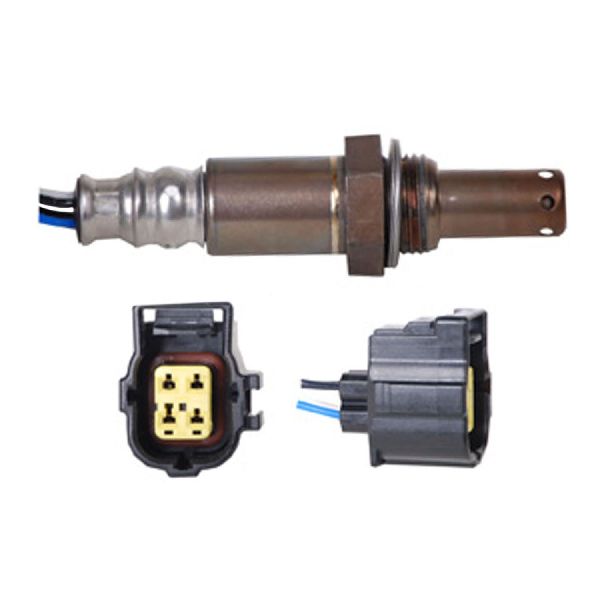
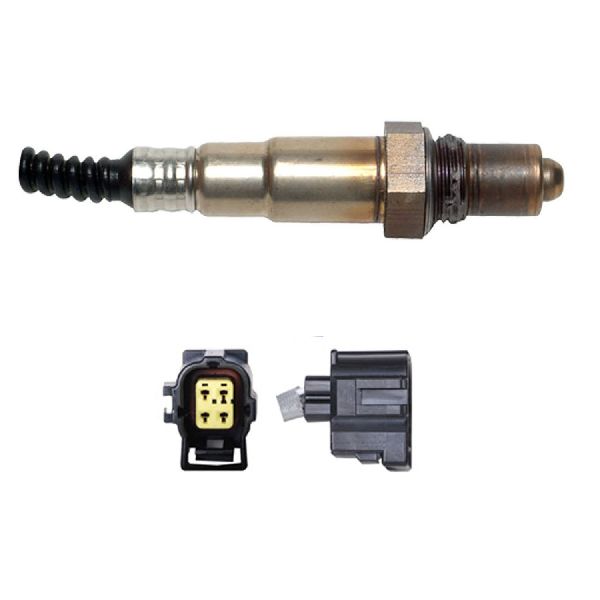
- The correct OEM part number is 1588A141. Using the direct Denso replacement (part number 234-5052) is a reliable and cost-effective alternative to the genuine Mitsubishi part.
What's Unique About the 2008-2015 Mitsubishi Lancer Evolution
The Lancer Evolution X uses a 4B11T inline-four engine, so it only has one cylinder bank, making "Bank 1" the only bank. "Sensor 1" is the crucial upstream (pre-catalytic converter) wideband air-fuel sensor that directly controls the air-fuel ratio. Owners on forums like EvolutionM.net frequently report this code as a straightforward sign of a failed front A/F sensor, often due to age, heat cycles from the turbocharger, or damage during other exhaust work. While wiring or ECU issues are possible, they are far less common than the sensor itself failing. Some owners have noted the code appearing after running the wrong fuel on an ethanol tune, which resolves after correcting the fuel and tune.
Symptoms You May Notice
- Check Engine Light is on
- Poor fuel economy and smell of unburnt fuel
- Rough, unstable, or surging idle.
- Hesitation or bucking during acceleration or cruising.
- Engine seems to run rich (you may smell fuel).
- AFR (Air/Fuel Ratio) gauge reads incorrectly, often showing dashes ('---') or a maxed-out lean value after a short period of normal operation.
- Replacing the rear (downstream) O2 sensor. The P0134 code specifically refers to Sensor 1, the front sensor. The rear sensor (Sensor 2) monitors catalytic converter efficiency and will not fix this code.
Most Likely Causes
- Failed Front Oxygen (A/F) Sensor 🔴 High Probability → Shop Oxygen Sensor Oxygen sensors are wear-and-tear components with a finite lifespan, typically 60,000-100,000 miles. The high exhaust temperatures on a turbocharged engine like the 4B11T accelerate this wear. The sensor's internal heater can also fail, which will prevent it from becoming active.
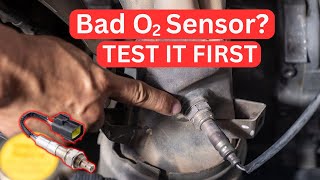
How to confirm: Use a scan tool to monitor the live data for 'O2 Sensor Bank 1 Sensor 1'. A healthy sensor's voltage should fluctuate rapidly. If the voltage is flat, stuck (often near 0.45V), or shows no activity, the sensor has failed. You can also test the resistance of the sensor's internal heater circuit with a multimeter; an open circuit indicates a failed heater. 🎬 Watch: A step-by-step guide to testing your O2 sensor
Typical fix: Replace the front oxygen sensor. It is located in the exhaust manifold or O2 housing, before the catalytic converter. 🎬 Watch: How to replace the upstream oxygen sensor on Evo X Soaking the sensor threads with penetrating oil before removal is highly recommended.
Est. part cost: $150-$250 - Damaged O2 Sensor Wiring or Connector 🟡 Medium Probability → Shop Oxygen Sensor The wiring harness is close to hot exhaust components and can become brittle, melt, or get damaged, especially during installation or removal of other parts like the turbo, downpipe, or during a clutch replacement. Oil leaks from the valve cover can also saturate the harness and sensor connector, potentially causing issues.
How to confirm: Visually inspect the entire wiring harness from the O2 sensor to the main engine harness on the firewall. Look for frayed wires, melted insulation, or corrosion in the connector pins. Check for continuity with a multimeter from the sensor connector to the ECM pins.
Typical fix: Repair the damaged section of the wire or replace the connector pigtail. Ensure the harness is properly secured away from heat sources and is not contaminated with oil.
Est. part cost: $10-$50 - Exhaust Leak Before the O2 Sensor ⚪ Low Probability → Shop Oxygen Sensor Leaks can develop at the exhaust manifold-to-head gasket or the turbo-to-downpipe gasket, especially on modified vehicles with aftermarket components. This allows outside air to enter the exhaust stream, skewing sensor readings and potentially causing the ECU to interpret it as a sensor fault.
How to confirm: Listen for ticking or hissing sounds from the engine bay, especially when the engine is cold. You may see black soot marks around the leaking gasket. A smoke test is the most definitive way to find a small leak.
Typical fix: Replace the faulty gasket and ensure all mounting hardware is torqued to factory specifications.
Est. part cost: $20-$60
Rare But Worth Checking
- Faulty Engine Control Module (ECM): → Shop Engine Control Module (ECM) This is extremely rare. Before condemning the ECM, all other possibilities (sensor, wiring, fuses, exhaust leaks) must be exhaustively ruled out. A dealership or specialist shop with advanced diagnostic tools is needed to confirm an ECM failure.
Diagnosis Steps
- Read the code with an OBD-II scanner to confirm P0134 is present.
- Use the scanner's live data function to observe the voltage of 'O2S B1S1' (Bank 1, Sensor 1). A healthy sensor will show voltage fluctuating rapidly. If the reading is flat, unresponsive, or stuck, the sensor is likely bad.
- If the sensor shows no activity, the next step is to inspect the wiring. Turn off the engine and visually inspect the O2 sensor's wiring harness for any signs of melting, chafing, oil contamination, or physical damage from the sensor connector back to the main engine harness.
- Check the fuse for the O2 sensor heater circuit in the fuse box. A failed heater will prevent the sensor from reaching operating temperature and becoming active, causing this code.
- Inspect for exhaust leaks between the cylinder head and the front O2 sensor. Check the exhaust manifold gasket and turbo/downpipe connections for soot trails or audible leaks.
- If wiring, fuses, and the exhaust system are confirmed good, the front O2 sensor is the culprit. Before attempting removal, spray the sensor's threads with a quality penetrating oil and let it soak to make removal easier. A special 22mm (or 7/8") slotted O2 sensor socket is required for removal and installation.
- After replacement, clear the code with the scanner and perform a drive cycle to ensure the Check Engine Light does not return.
Parts You'll Likely Need
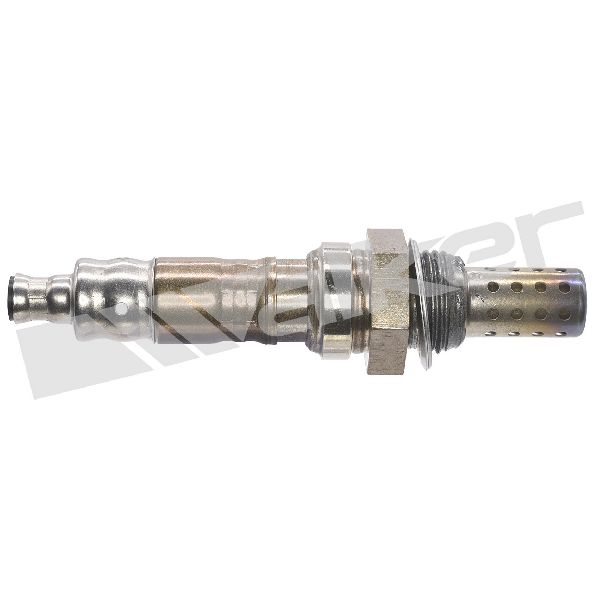
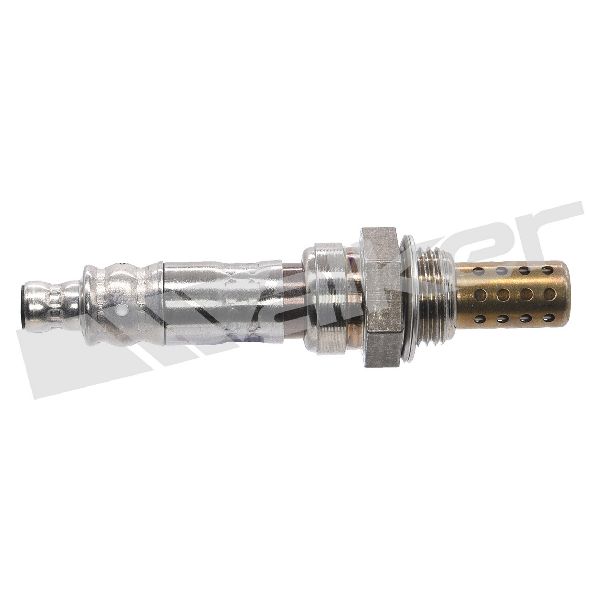
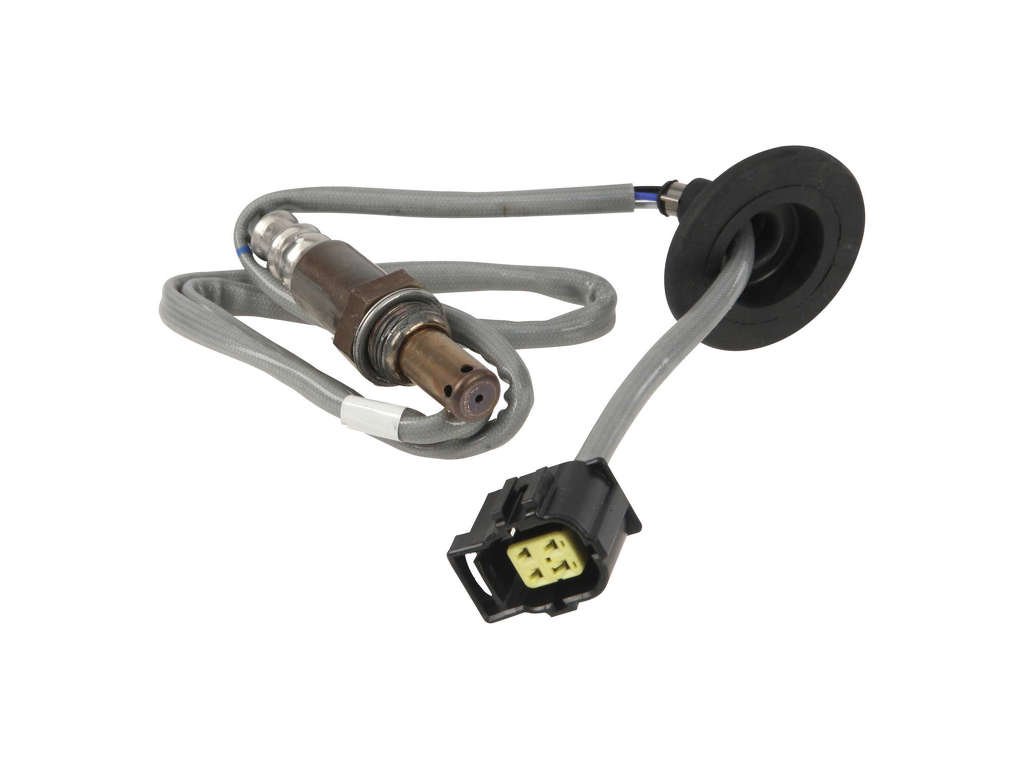
- Front Oxygen Sensor (Air/Fuel Ratio Sensor)
(OEM #1588A141)— This is the primary sensor responsible for the signal that the ECM is reporting as inactive. It is the most common point of failure for this code.
Trusted brands: Mitsubishi Genuine, Denso (OEM Supplier), NTK
OEM price range: $180-$250
Aftermarket price range: $120-$180 - O2 Sensor Socket — A special slotted socket (size 22mm or 7/8") is required to remove and install the sensor without damaging its wire.
Trusted brands: Lisle, OEMTOOLS, GearWrench
Aftermarket price range: $10-$25
Related Codes That Often Appear With This One
- P0171 — If a significant exhaust leak is present before the sensor, the excess unmetered oxygen can make the ECU believe the engine is running lean, triggering a 'System Too Lean' code.
- P0172 — When the sensor fails to send a signal, the ECM often defaults to a rich fuel mixture as a fail-safe strategy, which can trigger a 'System Too Rich' code.
Platform-Specific Known Issues
- Sensor Seizure in O2 Housing: Due to extreme heat cycles from the turbocharger, the front O2 sensor can become seized in the threads of the O2 housing or exhaust manifold. It is highly recommended to apply penetrating oil generously and let it soak before attempting removal to avoid damaging the threads. Some owners have had to use a mallet on the wrench to break it loose. 🎬 See this O2 sensor replacement walkthrough for the GSR model
- Incorrect Fuel on E85 Tune: At least one owner on EvolutionM reported that the P0134 code appeared after filling up with 93 octane gasoline while the car was tuned for E85. The code reportedly disappeared after the car was retuned for the correct fuel, without needing to replace the sensor.
Mechanic-Grade Diagnostic Values
- Front O2 Sensor Heater Resistance — expected: 10.5 - 13.5 Ω at 20°C (68°F). Failure: An open circuit (infinite resistance) or a reading outside of this range indicates a failed heater element within the sensor.
- Front O2 Sensor Signal Voltage (Live Data) — expected: Rapidly fluctuating between approximately 0.1V and 0.9V once the engine is in closed loop.. Failure: A flat, unchanging voltage (often stuck near 0.45V) or a complete lack of signal (0V) indicates no activity.
- ECU Logic for P0134 Trigger — expected: The ECU expects the front O2 sensor signal to cross 0.5 volts within 30 seconds of entering closed loop.. Failure: If the signal does not cross the 0.5V threshold in that time, the code is set.
Wiring & Ground Locations
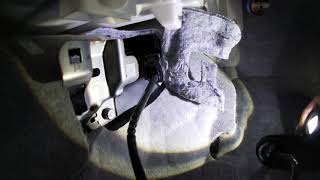
- Front O2 Sensor Connector (Harness Side) — The connector is located on a bracket attached to the firewall, near the center, behind the engine.. This is the primary connection point for testing the sensor and vehicle-side wiring. Damage or corrosion here will cause a P0134. A forum post provides the pinout looking into the harness connector with the locking tab on top: Pin 1 (Top-Left): Red/Yellow, Pin 2 (Top-Right): Black, Pin 3 (Bottom-Left): Blue/Red, Pin 4 (Bottom-Right): White.
- ECM Connector B-108 — The Engine Control Module (ECM) is located in the engine bay, driver's side, near the firewall.. This is where the O2 sensor signals terminate. It is the final point for checking continuity from the sensor. For the front O2 sensor, the signal wire is Pin 38 (Red wire in a twisted pair) and the internal ground is Pin 39.
- Engine Bay Ground Points — Key grounds are located on the left and right front chassis rails, the intake manifold, and the cylinder head.. A poor engine or sensor ground can cause erratic voltage readings or a complete loss of signal, mimicking a failed sensor. Ensuring these grounds are clean and tight is a critical diagnostic step if a new sensor doesn't fix the code.
Real Owner Repair Stories
- EvolutionM.net user 'neonglh' (Evo X (year not specified)) — P0134 and P0171 codes. Using EvoScan, the user observed the front O2 sensor signal was stuck at 0.0V, occasionally jumping to 0.020V.
❌ Tried (didn't work) Replacing the front O2 sensor with a used, known-good sensor from another car.
✅ What actually fixed it The user was in the process of diagnosing a potential wiring issue or the rare case of having two bad sensors. The thread highlights the diagnostic process of using live data to confirm the lack of signal and points towards checking wiring after a replacement sensor fails to resolve the issue. The final resolution was not posted, but the diagnostic path is valuable.
OEM Part Supersession History
1588A141→N/A— This is the current and primary OEM part number for the front O2 sensor for the 2008-2015 Evo X.
Heads up: While not a supersession, it's critical to note that the Denso 234-5052 is the direct aftermarket equivalent from the OEM supplier. Using other brands like Bosch has been reported to work by some, but many forum veterans and tuners strongly recommend sticking to Mitsubishi Genuine or the direct Denso part to avoid compatibility issues.
Diagnostic Flowchart
Used vs. New Parts: Buying Guide for This Vehicle
When a used part is the smart pick: For this specific repair, a used part almost never makes sense. Oxygen sensors are a wear-and-tear item with a finite lifespan determined by heat cycles and mileage. A used sensor has an unknown amount of life left and could fail shortly after installation, wasting time and money.
Donor-vehicle mileage cap: roughly under 20000 miles for the part to have meaningful remaining life.
What to inspect on the donor part:
- If forced to use a used part in an emergency, source it from the lowest-mileage vehicle possible.
- Inspect the sensor tip for heavy carbon fouling, white deposits (coolant contamination), or physical damage.
- Ensure the wiring and connector are completely intact with no brittleness or signs of melting.
OEM-only on this vehicle (don't cheap out):
- Front Air/Fuel Ratio Sensor (strongly recommended)
Aftermarket brands forum-validated for this vehicle:
- Denso (specifically part number 234-5052, the OEM supplier)
- NTK/NGK
Brands owners have reported issues with on this vehicle:
- Generic or unbranded 'universal' sensors that require splicing are frequently reported as problematic. While brands like Bosch are reputable, the Evo X ECU can be sensitive, and community consensus heavily favors Denso or OEM.
Real Owner Stories
Aggregated from forums and TSBs cited above. Mileages and costs reflect what owners reported in those sources.
2012 Lancer Evolution X MR — 34000 miles
Symptoms: Check Engine Light with code P0134. The car did not run terribly because of it.
What fixed it: The owner reported that replacing the sensor did NOT solve the problem and suspected a wiring issue was the actual cause.
Source hint: EvolutionM.net - CEL code: P0134
Mitsubishi Lancer Evolution X
Symptoms: The P0134 code kept returning even after replacing the front O2 sensor with a new Denso part.
What fixed it: A tuner recommended using a genuine Mitsubishi part, suggesting the vehicle's ECU is sensitive to aftermarket sensors.
Source hint: EvolutionM.net - Thread: 'Front o2 keeps failing P0134, Help!'
Mitsubishi Lancer Evolution
Symptoms: The P0134 code appeared after filling up with 93 octane gasoline while the car was tuned for E85.
What fixed it: The code reportedly disappeared after the car was retuned for the correct fuel, without needing to replace the sensor.
Source hint: Vehicle Specific Issue: Incorrect Fuel on E85 Tune
Mitsubishi Lancer Evolution X
Symptoms: Surging idle and erratic AFR gauge readings, especially during cold starts, along with the P0134 code.
What fixed it: The forum thread confirms this is a common issue typically resolved by replacing the front oxygen sensor.
Source hint: EvolutionM.net - Thread: 'O2 sensor symptoms? P0134, crazy idle'
Related OBD-II Codes
Frequently Asked Questions
My front O2 sensor seems stuck in the exhaust housing on my Evo X. Is this common and how can I get it out?
I have an E85 tune on my Lancer Evolution and just got a P0134 code after filling up with regular gasoline. Could this be related?
I replaced the front O2 sensor on my Evo X with an aftermarket one, but the P0134 code came back. What should I do?
Besides the sensor itself, what's a common cause for P0134 on the Lancer Evolution that I should check?
Does the Lancer Ralliart have the same P0134 sensor issue as the Evolution?
How can I test the front O2 sensor on my 2010 Lancer Evolution without just replacing it?
Helpful Videos
We Have This Part in Stock

The information in this article is provided for general reference and educational purposes only. Vehicle specifications, procedures, and part compatibility can vary by production date, trim level, and region. Always consult your vehicle's factory service manual and verify part numbers before purchasing or performing repairs. Safety-critical components such as airbags, seat belts, and braking systems should be installed by a qualified professional.
- Mitsubishi Lancer Evolution:
- 🧭 Diagnostic Flowchart
- 🎬 Helpful Videos
- 🛍️ Shop This Part
- What's Unique About the 2008-2015 Mitsubishi Lancer Evolution
- Symptoms You May Notice
- Most Likely Causes
- Rare But Worth Checking
- Diagnosis Steps
- Parts You'll Likely Need
- Related Codes That Often Appear With This One
- Platform-Specific Known Issues
- Mechanic-Grade Diagnostic Values
- Wiring & Ground Locations
- Real Owner Repair Stories
- OEM Part Supersession History
- Used vs. New Parts: Buying Guide for This Vehicle
- Real Owner Stories
- 2012 Lancer Evolution X MR — 34000 miles
- Mitsubishi Lancer Evolution X
- Mitsubishi Lancer Evolution
- Mitsubishi Lancer Evolution X
- Related OBD-II Codes
- Frequently Asked Questions
- 🎟️ Get 5% Off