

P0134 on 2004-2007 Saturn Vue 3.5L V6: O2 Sensor No Activity Causes and Fixes
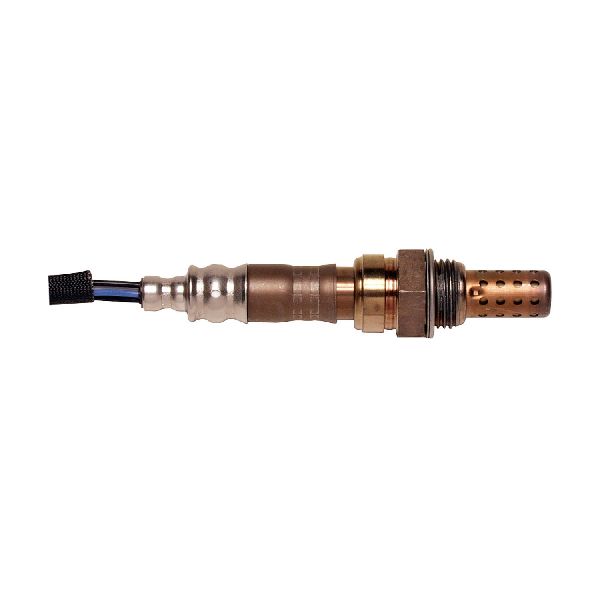
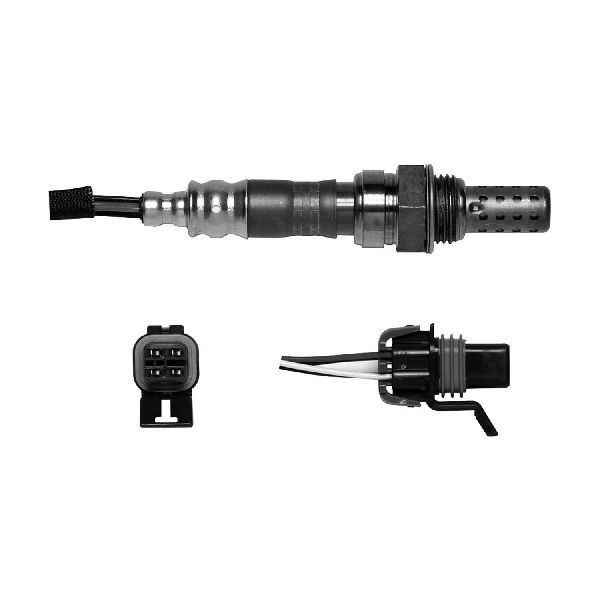
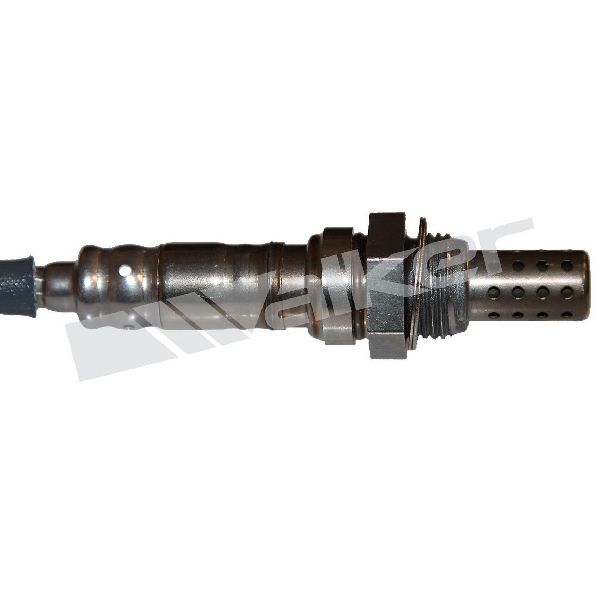
This code almost always means the upstream oxygen sensor on the firewall side of the engine has failed. Replacing the Bank 1, Sensor 1 O2 sensor is the most common fix. Before replacing, check the 15A fuse labeled 'EMISS' or 'PWR TRAIN' in the underhood fuse box. Expect to pay $40-$90 for a quality aftermarket sensor (Denso P/N: 234-9040 or NTK P/N: 24667 are recommended) and it's a DIY-friendly job, though access is tight.
- P0134 on this specific Vue points to the upstream O2 sensor on the firewall side of the Honda V6 engine.
- The most likely fix is replacing the sensor with a Denso (234-9040) or NTK (24667) part. Before you buy one, check the 15A 'EMISS' or 'PWR TRAIN' fuse in the underhood fuse box.
- Thoroughly inspect the sensor's wiring for any melting or damage, as this can mimic a sensor failure.
- Be aware of this platform's critical maintenance need: the timing belt must be replaced every 7 years or ~100k miles to prevent catastrophic engine failure.
What's Unique About the 2004-2007 Saturn Vue
The 2004-2007 Saturn Vue with the 3.5L V6 uses a Honda J35A3 engine and a Honda 5-speed automatic transmission. This is significant because part choices, failure patterns, and maintenance items (like the timing belt) align with Honda/Acura vehicles (Pilot, Odyssey, MDX) rather than other GM products of the era. For this engine, Bank 1 is the cylinder bank located against the firewall, which makes accessing the sensor more difficult than on an inline-4 engine. Using OEM-equivalent sensor brands for Honda, like Denso or NTK, is highly recommended for a lasting repair and to avoid compatibility issues.
Symptoms You May Notice
- Check Engine Light is on
- Reduced fuel economy
- Rough or unstable idle
- Engine hesitation or running rough
- Failed emissions test
- Replacing the O2 sensor without first checking the fuse. If the heater fuse is blown, a new sensor will not work either. 🎬 See how to check the O2 sensor heater fuses
- Replacing the wrong sensor. P0134 is specifically for Bank 1 (firewall side) and Sensor 1 (upstream/pre-catalyst). Replacing the radiator-side sensor (Bank 2) or the downstream sensor (Sensor 2) will not fix this code.
Most Likely Causes
- Failed Bank 1, Sensor 1 Oxygen Sensor 🔴 High Probability → Shop Oxygen Sensor The internal heating element of the sensor, which is required to bring it to operating temperature quickly, is a common failure point. Without a working heater, the sensor cannot produce a signal on a cold engine, leading to an inactivity code. These sensors have a finite lifespan and simply wear out over time.
How to confirm: After checking fuses and wiring, use a scan tool to watch the B1S1 O2 sensor voltage. If it remains flat (often stuck near 0.45V) and does not fluctuate between approximately 0.1V and 0.9V on a warm engine, the sensor has failed. You can also test the heater circuit resistance at the sensor connector; a healthy sensor should read between 5 and 20 ohms when cold.
Typical fix: Replace the upstream oxygen sensor (also called an Air/Fuel Ratio Sensor) on the firewall-side exhaust manifold. A 22mm (or 7/8") slotted oxygen sensor socket is recommended for removal and installation.
Est. part cost: $40-$90 - Damaged Wiring or Connector 🟡 Medium Probability The sensor harness is routed near hot exhaust components and moving engine parts. Wires can become brittle, melt, or get contaminated by oil leaks from components like the rear valve cover, causing a short or open circuit.
How to confirm: Visually inspect the entire length of the sensor's wiring harness and its connector for signs of melting, chafing, corrosion, or oil saturation. Check for continuity with a multimeter if visual inspection is inconclusive.
Typical fix: Repair the damaged section of wire or replace the connector pigtail. Clean any oil from the connection.
Est. part cost: $10-$30 - Blown Fuse for O2 Sensor Heater ⚪ Low Probability → Shop Oxygen Sensor A short circuit in the heater element of the O2 sensor or its wiring can cause the corresponding fuse to blow, cutting power to the sensor's heater.
How to confirm: Check the underhood fuse box for a blown fuse. It is often a 15A fuse labeled 'EMISS', 'O2 HTR', or 'PWR TRAIN'.
Typical fix: Replace the blown fuse. If it blows again immediately, it indicates a short circuit in the wiring or the sensor itself that must be diagnosed.
Est. part cost: $1-$5 - Exhaust Leak ⚪ Low Probability Leaks from a cracked exhaust manifold or a failed gasket near the sensor can introduce fresh air into the exhaust stream. This can cause the sensor to give a false, flat reading that the ECM interprets as inactivity.
How to confirm: Listen for a ticking or hissing sound from the engine bay, especially when cold. A smoke test is the most effective way to pinpoint the location of an exhaust leak.
Typical fix: Replace the failed exhaust manifold gasket or repair the cracked manifold.
Est. part cost: $20-$100
Rare But Worth Checking
- Faulty Powertrain Control Module (PCM): → Shop Engine Control Module (ECM) This is extremely rare. The PCM should only be considered after all other possibilities, including the sensor, wiring, and fuses, have been exhaustively tested and ruled out.
- Poor Engine Ground Connection: While more common on the 2.2L Vue, a corroded or loose engine ground strap can cause a variety of electrical issues, including mimicking a failed O2 sensor. It's worth checking that the main ground connections from the engine to the chassis are clean and tight, specifically G105 and G107 at the rear of the engine.
Diagnosis Steps
- Read all fault codes stored in the ECM. Note any other codes that may be present.
- Check the underhood fuse box for a blown 15A fuse related to the emissions system or O2 sensors (often labeled 'EMISS', 'O2 HTR', or 'PWR TRAIN').
- Perform a thorough visual inspection of the Bank 1, Sensor 1 O2 sensor's wiring and connector, located on the rear (firewall side) exhaust manifold. Look for any signs of melting, corrosion, chafing, or oil contamination.
- Inspect the exhaust manifold and downpipe near the sensor for any signs of black soot, which would indicate an exhaust leak.
- If you have a scan tool with live data, start the engine and monitor the voltage for 'O2S B1S1'. On a warm engine, it should fluctuate rapidly between ~0.1 and ~0.9 volts. If the voltage is stuck or flat (often near 0.45V), the sensor is not working.
- If the voltage is flat, use a multimeter to test the heater circuit at the sensor's connector. Check for 12V power and ground with the key on. Also, check the resistance of the heater element within the sensor itself. A healthy sensor should measure between 5 and 20 ohms. An open circuit (infinite resistance) means the heater has failed.
- If the fuse, wiring, and heater circuit are all good, the oxygen sensor itself is faulty and should be replaced.
Parts You'll Likely Need
- Oxygen Sensor (Bank 1, Sensor 1)
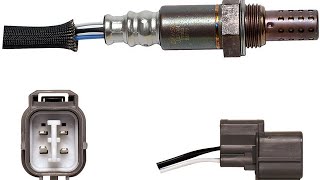
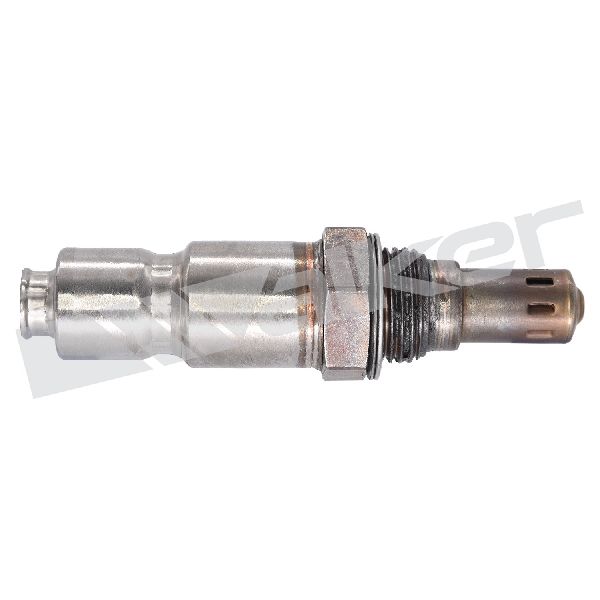
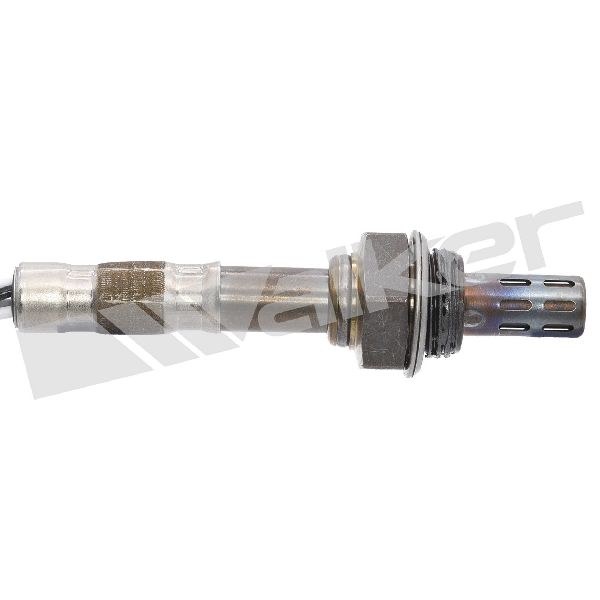
(OEM #Denso 234-9040, NTK 24667)— This is the upstream sensor on the firewall side, also called an Air/Fuel Ratio Sensor. Its internal heater or sensing element fails over time, which is the most frequent cause of P0134.
Trusted brands: Denso, NTK
OEM price range: $90-$150
Aftermarket price range: $40-$90
Related Codes That Often Appear With This One
- P0135 — P0135 indicates a malfunction in the sensor's heater circuit. Since a failed heater is a primary cause of the sensor not showing activity, these two codes frequently appear together.
Platform-Specific Known Issues
- Access to the Bank 1 Sensor 1 is tight. It is located on the rear exhaust manifold against the firewall. 🎬 Watch: Upstream O2 sensor replacement on a Honda V6 Access is typically from underneath the vehicle, and may require long extensions and a swivel joint for your ratchet.
- Owners on forums for the Vue and its Honda platform-mates strongly advise against using universal or budget-brand O2 sensors, as they frequently cause persistent codes and performance issues due to incompatibility with the Honda-based ECU.
Mechanic-Grade Diagnostic Values
- O2 Sensor Heater Element Resistance — expected: 5 to 20 ohms, measured across the two same-colored wires at the sensor connector when the sensor is at ambient temperature.. Failure: A reading of OL (Open Loop/infinite resistance) indicates a burned-out heater. A reading significantly outside the expected range can also indicate a problem.
- O2 Sensor Heater Circuit Current Draw — expected: 0.4 to 1.0 Amps when the heater is active (KOEO or idling).. Failure: 0 Amps indicates an open circuit (blown fuse, bad wiring, or failed heater). Higher than 1.0 Amp may indicate a short. This is viewable on a capable scan tool.
- B1S1 O2 Sensor Voltage (Live Data) — expected: Rapidly fluctuating between approximately 0.1V and 0.9V on a warm, closed-loop engine.. Failure: A flat, unchanging voltage, often stuck near the 0.45V reference voltage, for an extended period.
- Heater Circuit Power Supply at Harness — expected: Approximately 12V (battery voltage) with Key On, Engine Off.. Failure: 0V indicates a blown fuse, faulty relay, or an open in the power supply wire.
Scan Tool Commands That Help
- Honda HDS (or equivalent advanced scanner): Active Test: A/F CONTROL — Use this function to manually command the fuel injection volume richer or leaner while observing the B1S1 voltage. If you command a change and the sensor voltage remains flat, it provides strong evidence that the sensor itself is unresponsive and has failed.
Wiring & Ground Locations
- EMISS Fuse — In the underhood fuse block. It is typically a 15A fuse.. This fuse provides power to the oxygen sensor's internal heater circuit. If it blows, the sensor cannot heat up and will not show activity, directly causing a P0134 code.
- G105 / G107 — Located at the left rear and rear of the engine, respectively.. These are critical engine ground points. Since Bank 1 is on the firewall side, these grounds are physically close and provide the ground path for the sensor circuit. Corrosion or looseness here can cause erratic or no signal from the O2 sensor, mimicking a sensor failure.
- B1S1 Connector Pins (Heater) — On the sensor-side of the 4-pin connector, these are the two wires that are the same color (often both black or both white).. These are the specific pins to probe with a multimeter to measure the resistance of the sensor's internal heater element. An open circuit here confirms heater failure.
Real Owner Repair Stories
- Go-Parts Repair Database / SaturnFans.com user experience (2007 Saturn Vue V6) — Check engine light with code P0135 (Heater Circuit Malfunction), which is functionally related to P0134.
❌ Tried (didn't work) Initial testing of the original O2 sensor showed a resistance of 4.5 ohms, which was considered within the acceptable range.
✅ What actually fixed it Despite the 'good' cold resistance reading, the code returned after 10 minutes of driving. This pointed to an intermittent failure that only occurred when the sensor reached full operating temperature. Replacing the Bank 1, Sensor 1 oxygen sensor resolved the issue permanently.
When the Usual Fixes Don't Work
- While a failed oxygen sensor is the most common cause of P0134, a simple cold resistance test is not always conclusive. As documented in a real repair story, a sensor can test within the correct ohm range when cold but still be faulty, failing only when it reaches full operating temperature. Furthermore, before replacing the sensor, it is critical to rule out simpler electrical issues. A blown 15A 'EMISS' fuse in the underhood fuse block or a corroded G105/G107 ground point at the rear of the engine can produce the exact same 'no activity' code and are much cheaper to fix.
OEM Part Supersession History
36531-RCA-A01→36531-RCA-A02— Standard part revision by Honda.
Heads up: The two parts are interchangeable, with the A02 being the later revision. The recommended aftermarket Denso (234-9040) and NTK (24667) sensors are direct replacements for both Honda part numbers.
Model Year Variations Within This Range
- 2006-2007: The Vue received a facelift for the 2006 model year, including new front/rear fascias and a redesigned interior. While the J35A3 engine and its emissions components are identical to 2004-2005 models, wiring harness routing near the updated bumper areas could potentially differ slightly.
Diagnostic Flowchart
Other Known Issues on This Vehicle
Issues unrelated to this code that are worth knowing about as an owner of this generation:
- Timing Belt and Water Pump Replacement 🔴 High — Required service interval is every 7 years or 60,000-105,000 miles. Failure is catastrophic.
- Automatic Transmission Failure 🔴 High — Commonly reported between 80,000 and 120,000 miles, particularly in 2004 models. (Ref: While Honda issued recalls and extended warranties for similar transmissions, GM/Saturn did not for the Vue.)
- Failed Front Engine Mount 🟠 Medium — Very common failure point, often noticeable by 100,000 miles.
- Leaking Valve Cover Gaskets 🟡 Low → Shop Engine Valve Cover — Leaks often start to appear after 100,000 miles.
Used vs. New Parts: Buying Guide for This Vehicle
When a used part is the smart pick: For this specific repair, a used part is NOT recommended for the oxygen sensor itself, as it is a wear item with a finite lifespan. However, if the wiring connector (pigtail) is damaged, sourcing a used pigtail from a junkyard is a cost-effective and viable repair strategy.
Donor-vehicle mileage cap: roughly under 150000 miles for the part to have meaningful remaining life.
What to inspect on the donor part:
- For a connector pigtail: ensure the plastic is not brittle or cracked.
- Check that the locking tab is intact and functional.
- Inspect the wire insulation for at least a few inches back from the connector; it should be flexible, not cracked or melted.
- Look at the metal pins inside the connector; they should be clean and free of green or white corrosion.
OEM-only on this vehicle (don't cheap out):
- While not strictly 'OEM-only', using an OEM-equivalent brand for the oxygen sensor is critical. The Honda-based ECU is sensitive and does not tolerate generic or universal sensors well.
Aftermarket brands forum-validated for this vehicle:
- Denso (P/N: 234-9040)
- NTK (P/N: 24667)
Brands owners have reported issues with on this vehicle:
- Universal sensors (that require splicing wires)
- No-name or generic 'budget' brands found on online marketplaces
Real Owner Stories
Aggregated from forums and TSBs cited above. Mileages and costs reflect what owners reported in those sources.
2004 Saturn Vue 3.5L V6
Symptoms: The owner experienced a P0130 and P0134 code that persisted even after typical checks.
What fixed it: Cleaning a corroded ground point located on the back of the engine block.
Source hint: SaturnFans.com Forum Post on P0130/P0134: A user details a hidden cause related to a corroded ground point on the back of the engine block
2004 Saturn Vue 3.5L V6 — ~100000 miles
Symptoms: Sudden transmission failure, slipping, and harsh shifting.
What fixed it: The source notes that a lube valve update kit used by Honda for recalls could address the inadequate cooling and lubrication issues, though many owners faced total failure.
Source hint: CarComplaints.com - 2004 Saturn Vue Transmission Failure
Related OBD-II Codes
Frequently Asked Questions
Where is the Bank 1 Sensor 1 located on my 3.5L V6 Saturn Vue?
Can I use a universal oxygen sensor to fix the P0134 code on my Vue?
Is there a specific fuse I should check for the O2 sensor heater on the 2004-2007 models?
What is the correct resistance for a healthy O2 sensor heater on this engine?
Did GM offer a recall for the transmission issues often mentioned alongside engine codes on the 2004 Vue?
Could an oil leak cause my P0134 code?
Helpful Videos
We Have This Part in Stock


The information in this article is provided for general reference and educational purposes only. Vehicle specifications, procedures, and part compatibility can vary by production date, trim level, and region. Always consult your vehicle's factory service manual and verify part numbers before purchasing or performing repairs. Safety-critical components such as airbags, seat belts, and braking systems should be installed by a qualified professional.
- Saturn Vue:
- 🧭 Diagnostic Flowchart
- 🎬 Helpful Videos
- 🛍️ Shop This Part
- What's Unique About the 2004-2007 Saturn Vue
- Symptoms You May Notice
- Most Likely Causes
- Rare But Worth Checking
- Diagnosis Steps
- Parts You'll Likely Need
- Related Codes That Often Appear With This One
- Platform-Specific Known Issues
- Mechanic-Grade Diagnostic Values
- Scan Tool Commands That Help
- Wiring & Ground Locations
- Real Owner Repair Stories
- When the Usual Fixes Don't Work
- OEM Part Supersession History
- Model Year Variations Within This Range
- Other Known Issues on This Vehicle
- Used vs. New Parts: Buying Guide for This Vehicle
- Real Owner Stories
- 2004 Saturn Vue 3.5L V6
- 2004 Saturn Vue 3.5L V6 — ~100000 miles
- Related OBD-II Codes
- Frequently Asked Questions
- 🎟️ Get 5% Off