

P0134 on 2004-2009 Toyota Prius: A/F Sensor No Activity Causes and Fixes
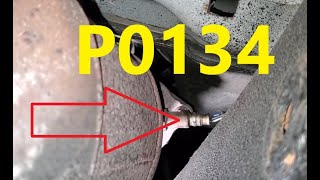
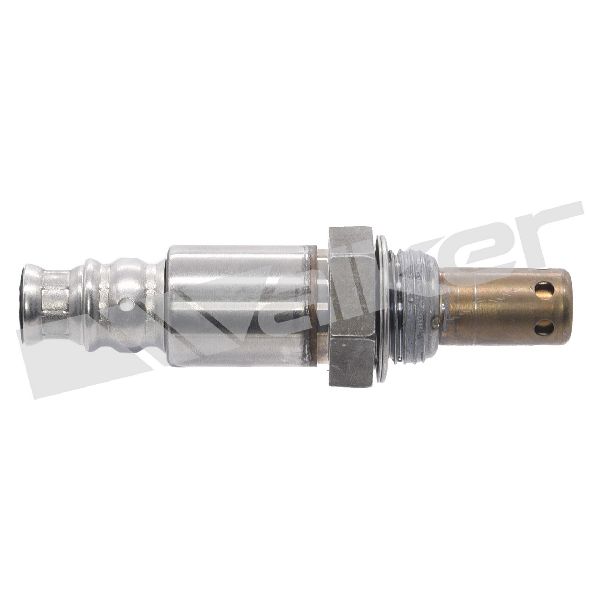
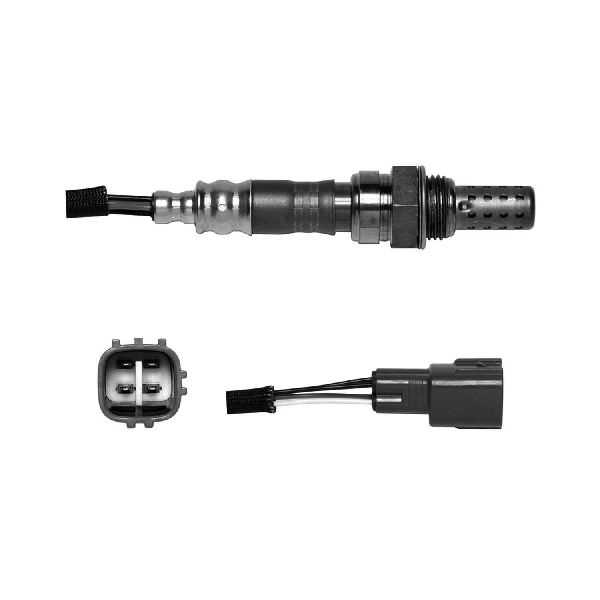
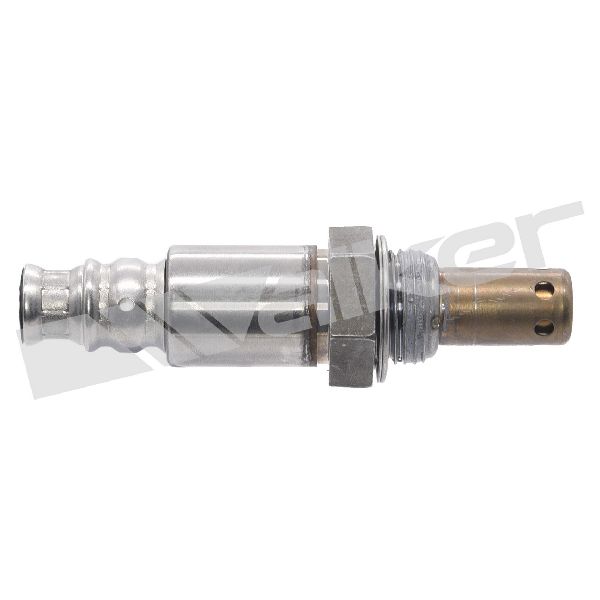
This code almost always means the upstream Air/Fuel (A/F) Ratio Sensor (Bank 1, Sensor 1) has failed. The internal heater circuit is the most common failure point. Replacing it with a quality OEM-equivalent part like a Denso (p/n 234-9056) costs around $120-$150, and it's a DIY-friendly job with the right tools, specifically an offset 22mm oxygen sensor socket.
- P0134 on a 2004-2009 Prius points directly to a problem with the upstream Air/Fuel Ratio Sensor (Bank 1, Sensor 1).
- The most likely cause is that the sensor's internal heater has failed, preventing it from becoming active. The sensor itself needs to be replaced.
- You can continue to drive the car, but you will experience poor fuel economy and risk damaging your catalytic converter over time.
- This is a manageable DIY repair for many home mechanics, provided you have an offset 22mm oxygen sensor socket and penetrating oil.
What's Unique About the 2004-2009 Toyota Prius
The 2004-2009 Prius uses a wideband Air/Fuel (A/F) Ratio Sensor, not a traditional narrowband oxygen sensor, in the upstream (Bank 1, Sensor 1) position. These sensors are more precise but also more sensitive to age and contamination. The frequent on-and-off cycling of the gasoline engine in a hybrid system can also contribute to wear and tear on exhaust components like the A/F sensor over the vehicle's lifespan. The 1NZ-FXE engine in the Prius also operates on a simulated Atkinson cycle, which prioritizes fuel efficiency and has unique emissions characteristics managed by this specific sensor.
Symptoms You May Notice
- Check Engine Light is on
- Decreased fuel economy
- Rough or uneven idling
- Hesitation during acceleration
- Failure to pass an emissions test
- Excessive smoke from exhaust in some cases
- Replacing the downstream oxygen sensor (Bank 1, Sensor 2). This code specifically points to the upstream sensor (Sensor 1), which is the A/F Ratio Sensor.
- Replacing the Mass Airflow (MAF) sensor. While some generic repair guides mention the MAF, a faulty MAF sensor on this car is not a direct cause of the P0134 'no activity' code. It would typically set lean/rich codes like P0171 first.
Most Likely Causes
- Failed Air/Fuel Ratio Sensor (Bank 1, Sensor 1) 🔴 High Probability → Shop Oxygen Sensor A/F sensors have a finite lifespan, and the internal heater element is a very common point of failure. When the heater fails, the sensor cannot reach its required operating temperature quickly, leading the ECU to register 'no activity'. Age and constant heat cycles from the hybrid system's engine operation are the primary causes of failure.
How to confirm: Use an OBD-II scanner with live data to monitor the 'A/F Sensor B1S1' voltage or current. A healthy sensor's readings will fluctuate rapidly once the engine is warm. If the reading is stuck (often around 3.3V for these sensors on some scan tools) and does not change with engine RPM, the sensor is bad. You can also test the resistance of the heater circuit on the sensor itself; an open circuit (infinite resistance) confirms a failed heater.
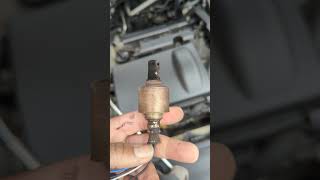
Typical fix: Replace the Air/Fuel Ratio Sensor located in the exhaust manifold. Using a 22mm offset oxygen sensor socket and penetrating oil on the threads is highly recommended. 🎬 Watch: A clever trick for easier sensor removal and replacement.
Est. part cost: $120-$260 - Damaged Wiring or Connector 🟡 Medium Probability The wiring harness is exposed to significant heat from the exhaust manifold. Wires can become brittle and break, or the connector itself can be damaged or filled with corrosion. The damage is often found right at the connector due to engine vibration and heat.
How to confirm: Visually inspect the entire wiring harness from the sensor to where it connects to the main engine harness. Check for melted plastic, frayed wires, or green/white corrosion on the connector pins. Check for continuity on the heater circuit wires from the ECU connector to the sensor connector.
Typical fix: Repair the damaged section of wire or replace the connector pigtail.
Est. part cost: $15-$50 - Exhaust Leak ⚪ Low Probability Rust can cause leaks at the exhaust manifold gasket or cracks in the manifold itself, especially in regions that use road salt. An exhaust leak upstream of the sensor can introduce outside oxygen, causing the sensor readings to be skewed and potentially flatline.
How to confirm: Listen for a ticking or puffing sound from the engine bay, especially when the engine is cold. You can also use a smoke machine to pressurize the exhaust and look for visible smoke escaping near the manifold or its gasket.
Typical fix: Replace the leaking exhaust manifold gasket or repair/replace the cracked manifold.
Est. part cost: $20-$300
Rare But Worth Checking
- Faulty Engine Control Module (ECM): → Shop Engine Control Module (ECM) This is extremely rare. The ECM should only be considered after all other possibilities (sensor, wiring, exhaust leaks) have been definitively ruled out.
- Blown EFI Fuse or Relay: The sensor's heater circuit receives power through the EFI (Electronic Fuel Injection) relay and fuse. While uncommon, if this fuse is blown or the relay fails, the heater will not receive power, triggering a P0134. This would likely be accompanied by other engine running issues.
Diagnosis Steps
- Read the code with an OBD-II scanner to confirm P0134 is present and note any other codes, especially P0135 or P0171.
- Use a scan tool to observe live data for 'A/F Sensor B1S1'. Start the engine and let it warm up. A healthy sensor will show rapidly fluctuating voltage/current readings. A flat, unchanging reading confirms a lack of activity.
- Visually inspect the Air/Fuel Ratio sensor, which is located on the front of the engine in the exhaust manifold. Look for obvious signs of damage or contamination.
- Inspect the sensor's wiring harness and connector for any burns, breaks, or corrosion. Pay close attention to the area right at the connector.
- With the engine cold, check for signs of an exhaust leak around the manifold, such as black soot trails or an audible ticking sound on startup.
- If the live data reading is flat, turn the engine off. Disconnect the sensor and use a multimeter to test the heater circuit resistance on the sensor side (usually the two wires of the same color, often black). An open circuit (infinite resistance, 'OL') means the heater is bad and the sensor must be replaced.
- If the sensor's heater circuit tests good, check for power (battery voltage) and ground at the vehicle's harness connector with the key in the 'ON' position. Check the EFI fuse and relay if power is absent.
- If all wiring and power checks out and the sensor signal remains inactive, the Air/Fuel Ratio sensor is internally faulty and should be replaced.
Parts You'll Likely Need
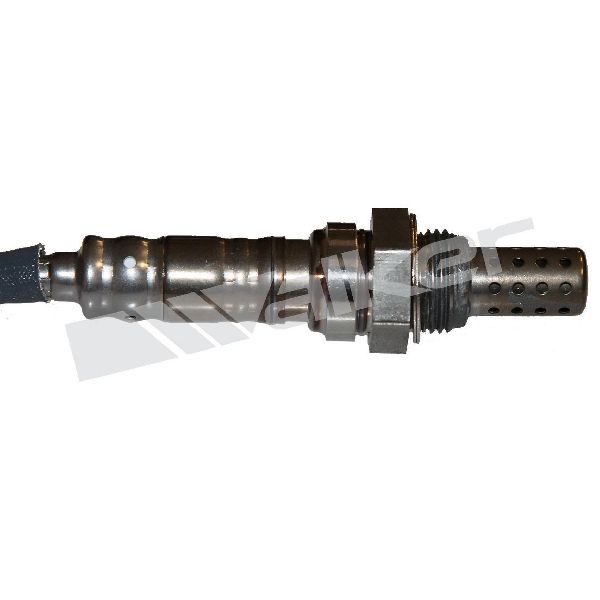
- Air/Fuel Ratio Sensor (Bank 1, Sensor 1)
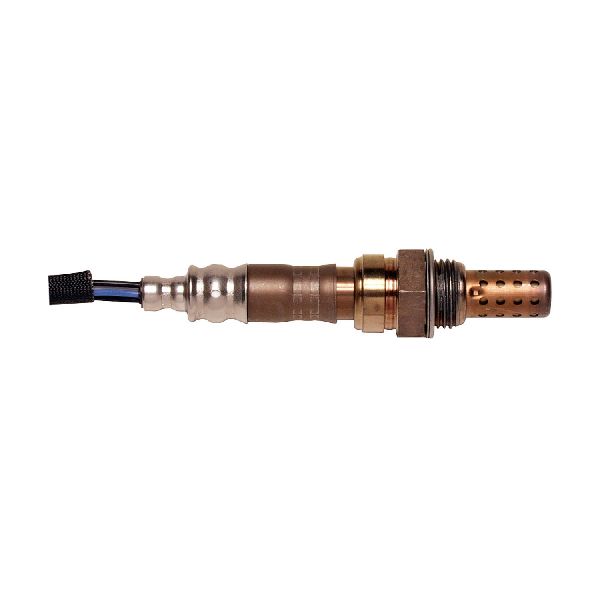
(OEM #89467-47010)— This is the primary component that fails, triggering the P0134 code. Its internal heater element burns out or the sensing element degrades over time.
Trusted brands: Denso (OEM supplier), NGK/NTK
OEM price range: $180-$260
Aftermarket price range: $120-$170 - Oxygen Sensor Socket — A special tool is required to remove and install the sensor without damaging its wire. A 22mm (or 7/8") offset socket with a slit for the wire is necessary for this job.
Trusted brands: Lisle, OEMTOOLS
Aftermarket price range: $10-$25
Related Codes That Often Appear With This One
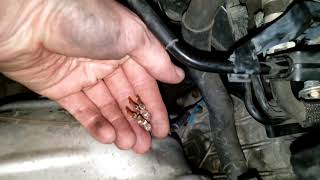
- P0135 — P0135 indicates a fault in the heater circuit of the same sensor. Since a failed heater is the most common reason a sensor becomes inactive, these two codes frequently appear together. 🎬 See how to diagnose the related P0135 heater circuit code.
- P0171 — If the sensor fails in a way that it reads a constant lean condition, or if there is a vacuum leak causing a lean condition, the ECM might set a P0171 (System Too Lean) code before the P0134 inactivity code appears.
- P0A0F — This code, 'Engine Failed to Start', can sometimes appear alongside fuel control codes like P0134 if the incorrect air/fuel mixture prevents the gasoline engine from starting smoothly during its on-off cycles.
Technical Service Bulletins (TSBs) & Recalls
- TSB EG045-07: While not for the Prius specifically, this TSB for the 1ZZ-FE engine in Corollas and Matrixes discusses how a vacuum leak at the intake manifold gasket in sub-freezing temperatures can cause lean codes (P0171) and slow O2 sensor response (P0133), which is related to the P0134 inactivity code. This highlights that a vacuum leak is a plausible, though less common, cause.
Platform-Specific Known Issues
- Access to the upstream A/F sensor on the 2nd generation Prius can be tight. While it doesn't always require removing the cowl (the plastic panel below the windshield wipers), doing so can make access significantly easier.
- The sensor can be very difficult to remove due to rust. It is highly recommended to apply a quality penetrating oil (like PB Blaster or Kroil) to the threads and let it soak, preferably while the exhaust is warm, before attempting removal.
- Many owners report success with the Denso 234-9056 aftermarket sensor, which is the OEM supplier and a direct fit, often at a lower cost than the Toyota-branded part.
Diagnostic Flowchart
Other Known Issues on This Vehicle
Issues unrelated to this code that are worth knowing about as an owner of this generation:
- Combination Meter Failure 🔴 High — Very common. The dashboard display can go completely blank, often intermittently at first, especially in cold weather. Failure can occur at any mileage, but is frequent over 100,000 miles. (Ref: Toyota issued a Warranty Enhancement Program (ZEP) to cover repairs for 9 years from the date of first use. Many owners now use independent repair services that replace a specific capacitor on the circuit board.)
- Inverter Coolant Pump Failure 🔴 High — Common failure item, typically between 100,000 and 200,000 miles. A failed pump will cause the hybrid system to overheat and shut down, potentially leaving the vehicle stranded. (Ref: Subject of a Limited Service Campaign (LSC 90E) and later recalls for some models. Triggers trouble code P0A93.)
- Brake Actuator Assembly Failure 🔴 High — A frequent and expensive failure, usually occurring after 100,000 miles. Symptoms include a loud, frequent buzzing/pumping noise from the engine bay and multiple brake-related warning lights. (Ref: Toyota issued a Warranty Enhancement Program (ZG1) extending coverage for this part.)
- Excessive Oil Consumption 🟠 Medium — More common on higher-mileage examples (150,000+ miles). Some engines may begin to consume a quart of oil every 1,000-2,000 miles due to piston ring wear.
- Hybrid Battery (HV) Degradation 🔴 High — Inevitable wear item. Lifespan is typically 10-15 years or 150,000-200,000 miles. Failure is indicated by the P0A80 code and a master warning light.
- Catalytic Converter Theft 🟠 Medium — Extremely common across all years of this generation due to the high value of precious metals and easy access to the converter under the vehicle.
Real Owner Stories
Aggregated from forums and TSBs cited above. Mileages and costs reflect what owners reported in those sources.
2004-2009 Toyota Prius 1.5L Hybrid
Symptoms: The owner noted the code was almost always solved by replacing the front sensor and recommended using an offset O2 sensor socket and penetrating oil for the job.
What fixed it: Replacement of the front A/F sensor with part number Denso 234-9056.
Source hint: PriusChat (priuschat.com) Gen 2 (2004-2009) forum
Toyota Vehicle (1NZ-FE/FXE platform)
Symptoms: Code P0134 occurred during highway trips; symptoms included a potential faulty heater circuit or broken wires.
What fixed it: Diagnostic path identified checking for heater circuit failure, broken wires, corrosion, or vacuum leaks.
Source hint: IH8MUD.com thread discussing P0134 on a Toyota vehicle
Related OBD-II Codes
Frequently Asked Questions
Does TSB EG045-07 apply to my 2004-2009 Toyota Prius?
Is there a specific aftermarket sensor recommended by other Prius owners for P0134?
Do I need to remove the windshield wiper cowl to replace the A/F sensor on my Gen 2 Prius?
Can a rust-related exhaust leak cause this code on my Prius?
Is the P0134 code related to the common Prius dashboard display failure?
Helpful Videos

We Have This Part in Stock


The information in this article is provided for general reference and educational purposes only. Vehicle specifications, procedures, and part compatibility can vary by production date, trim level, and region. Always consult your vehicle's factory service manual and verify part numbers before purchasing or performing repairs. Safety-critical components such as airbags, seat belts, and braking systems should be installed by a qualified professional.
- Toyota Prius:
- 🧭 Diagnostic Flowchart
- 🎬 Helpful Videos
- 🛍️ Shop This Part
- What's Unique About the 2004-2009 Toyota Prius
- Symptoms You May Notice
- Most Likely Causes
- Rare But Worth Checking
- Diagnosis Steps
- Parts You'll Likely Need
- Related Codes That Often Appear With This One
- Technical Service Bulletins (TSBs) & Recalls
- Platform-Specific Known Issues
- Other Known Issues on This Vehicle
- Real Owner Stories
- 2004-2009 Toyota Prius 1.5L Hybrid
- Toyota Vehicle (1NZ-FE/FXE platform)
- Related OBD-II Codes
- Frequently Asked Questions
- 🎟️ Get 5% Off