

P0135 on 2015-2022 Chevrolet Colorado 2.5L: O2 Sensor Heater Causes and Fixes
For a 2015-2022 Colorado with the 2.5L engine, code P0135 almost always means the internal heater in the upstream oxygen sensor has failed. The fix is to replace the sensor (Bank 1, Sensor 1), which is a DIY-friendly job costing between $45 for an OEM part and $85+ for aftermarket brands. Before replacing, a quick check of fuse F47 is recommended.
- P0135 on your 2.5L Colorado almost certainly means the upstream oxygen sensor (on the exhaust manifold) needs to be replaced.
- Before buying parts, perform a quick 5-minute check: ensure fuse F47 (15A) in the under-hood fuse box isn't blown and inspect the sensor's wiring for obvious damage.
- You can confirm the sensor has failed with a multimeter. A good sensor's heater circuit will have a resistance of 3-10 ohms; a bad one will read much higher or be an open circuit.
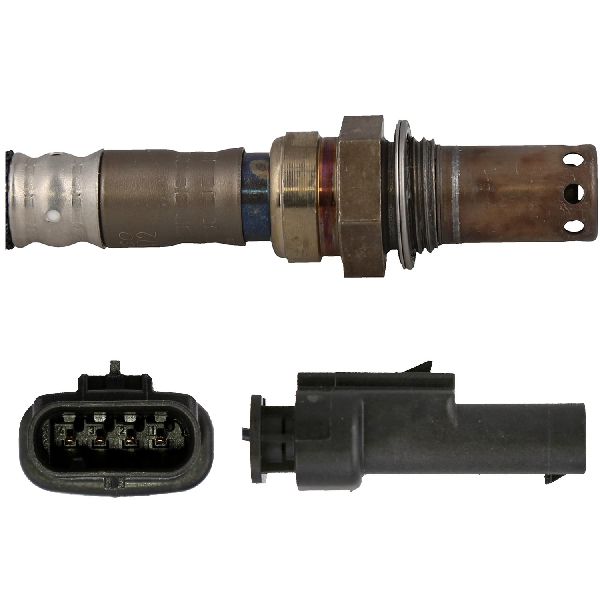
- The correct OEM part is ACDelco 12643707. A reliable aftermarket alternative is Denso 234-8080.
- This is a very DIY-friendly repair that can be completed in under an hour with a 22mm (7/8") O2 sensor socket.
What's Unique About the 2015-2022 Chevrolet Colorado
On the Chevrolet Colorado with the 2.5L LCV engine, the P0135 code is a very common and straightforward issue. Because the four-cylinder engine has a single exhaust bank, "Bank 1" is the only bank, and "Sensor 1" is the easily accessible upstream sensor on the exhaust manifold. The failure is almost always internal to the sensor itself, making for a confident diagnosis. While wiring issues are possible, owner experiences overwhelmingly point to the sensor's heating element simply wearing out from thousands of heat cycles.
Symptoms You May Notice
- Check Engine Light is on
- Reduced fuel economy
- Rough idling or poor performance, especially during cold starts.
- Failing a vehicle emissions test.
- Bad smell from exhaust or black smoke during warm-up.
- Replacing the downstream (post-catalyst) oxygen sensor. P0135 is specific to the upstream sensor's heater (Sensor 1).
- Replacing the catalytic converter. This code relates to the sensor's internal heater, not the performance of the converter itself (which would typically be a P0420 code).
- Assuming a new aftermarket sensor is good. Some owners report issues with cheap, unbranded sensors failing prematurely or being dead-on-arrival. One documented case showed a 1-year-old aftermarket sensor failing.
Most Likely Causes
- Failed Upstream (Bank 1, Sensor 1) Oxygen Sensor 🔴 High Probability → Shop Oxygen Sensor The internal heater element is a common wear-and-tear component that is subjected to thousands of heat cycles and eventually burns out. This is the most frequent cause of P0135 on this platform.
How to confirm: Disconnect the sensor and measure the resistance between the two heater circuit pins (usually the two same-colored wires, often black) on the sensor's connector. A good sensor will have a low resistance, typically between 3-10 ohms. A real-world test on a new sensor showed 6 ohms, while the failed sensor read 227 ohms. A reading of infinity/OL (open circuit) or a very high resistance confirms the heater element has failed.
Typical fix: Replace the Bank 1, Sensor 1 oxygen sensor located on the exhaust manifold. A 22mm (or 7/8") slotted oxygen sensor socket is required for removal and installation.
Est. part cost: $45-$90 - Blown O2 Sensor Heater Fuse ⚪ Low Probability → Shop Oxygen Sensor
How to confirm: Check fuse F47 (a 15A mini fuse labeled 'O2 HTR 1') in the under-hood fuse box to ensure it is not blown. If it is, suspect a short in the wiring or the sensor itself.
Typical fix: Replace the fuse after inspecting the wiring and sensor for shorts. Do not simply replace the fuse without checking for the underlying cause, as it will likely blow again.
Est. part cost: $1-$5
Rare But Worth Checking
- Damaged Wiring or Connector: The O2 sensor wiring harness is routed near hot exhaust components and can chafe or melt. GM issued TSB 18-NA-307 regarding the engine harness potentially chafing against the camshaft cover or cylinder head, which could cause a short or open circuit in various systems, including the O2 sensor heater. Always inspect the wiring visually before replacing parts.
- Faulty Engine Control Module (ECM): → Shop Engine Control Module (ECM) This is extremely rare. The driver circuit within the ECM that controls the O2 sensor heater can fail. This should only be considered after all other possibilities (sensor, fuse, wiring) have been definitively ruled out by a professional.
Diagnosis Steps
- Read the code with an OBD-II scanner to confirm P0135 is present.
- Locate the Bank 1, Sensor 1 O2 sensor. On the 2.5L engine, it is on the passenger side, screwed into the exhaust manifold before the catalytic converter. 🎬 Watch: Step-by-step guide to replacing your upstream oxygen sensors.
- Visually inspect the wiring harness and connector going to the sensor for any signs of melting, chafing, or corrosion. Pay close attention to where the harness passes near the camshaft cover, as noted in TSB 18-NA-307.
- Check fuse F47 (15A) in the under-hood fuse box to ensure it is not blown.
- Disconnect the O2 sensor's electrical connector.
- Using a multimeter set to Ohms (Ω), measure the resistance between the two same-colored (usually black) wires on the SENSOR side of the connector.
- A good sensor should have a low resistance, typically between 3-10 ohms. A reading of infinity/OL (open circuit) or a very high resistance (e.g., over 200 ohms) confirms the heater element has failed.
- If the sensor resistance is good, check for power at the HARNESS side of the connector. With the ignition on (engine off), use a multimeter to verify that battery voltage (~12V) is present at the heater power pin. On the 2.5L, this is typically the second pin from the end when the connector's white tab is facing you.
- If the sensor tests bad, replace it. If the sensor tests good but there is no power at the harness, the problem is in the vehicle's wiring or the ECM.
Parts You'll Likely Need
- Upstream Oxygen Sensor (Bank 1, Sensor 1)
(OEM #12643707)— This is the most common failure point for code P0135. The internal heating element wears out over time.
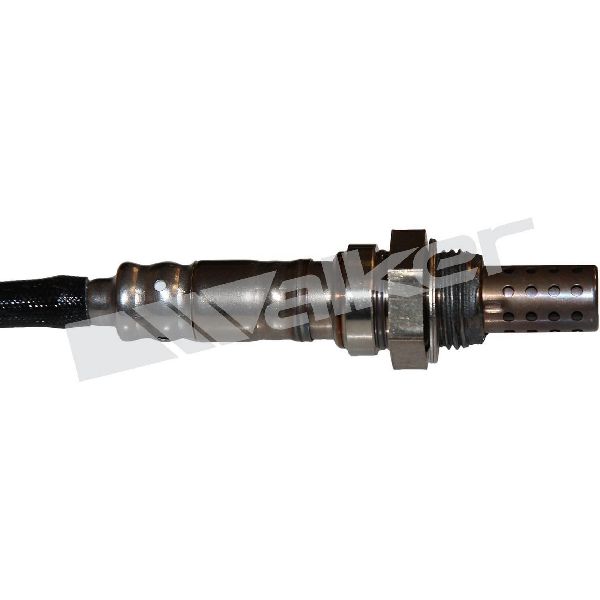
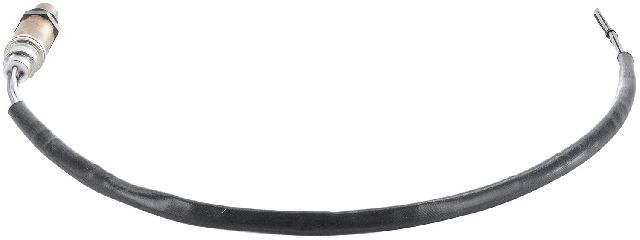
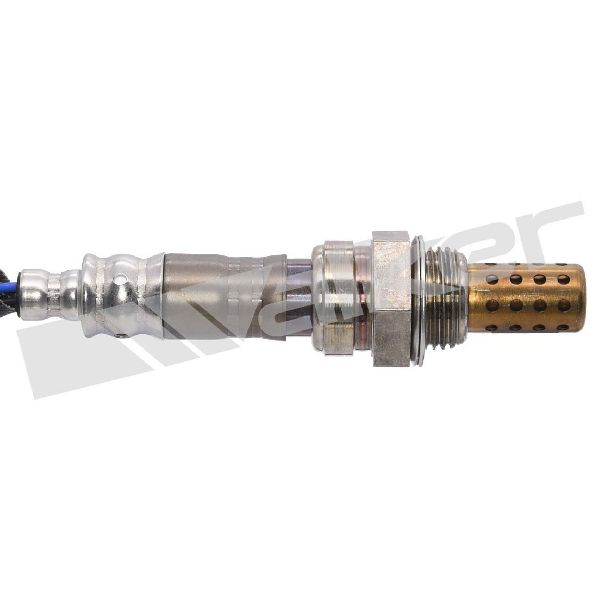
Trusted brands: ACDelco (GM Original Equipment) #12643707, Denso #234-8080, Bosch, Walker
OEM price range: $45-$70
Aftermarket price range: $50-$90
Related Codes That Often Appear With This One
- P0030 — This is a more generic code for the HO2S Heater Control Circuit for Bank 1 Sensor 1. They often appear together as they both point to a fault in the same heater circuit.
- P0031 — This code for 'HO2S Heater Control Circuit Low' can also appear with P0135, indicating a low voltage condition in the same heater circuit.
- P0132 — This code for 'O2 Sensor Circuit High Voltage' can sometimes appear with P0135 if the heater failure also impacts the sensor's signal output, indicating a more comprehensive internal failure of the sensor.
Technical Service Bulletins (TSBs) & Recalls
- 18-NA-307: Potential for engine wiring harness to chafe against engine components, causing shorts.
- PIP5529B: Discusses multiple DTCs (including P0171, P0131, P0137) that can be caused by loose intake manifold bolts on the 2.5L LCV engine.
Platform-Specific Known Issues
- TSB 18-NA-307: Engine Harness Chafing: This bulletin notes that the engine wiring harness can chafe against the camshaft cover or cylinder head. This can cause a short or open in various circuits, including those for camshaft position sensors (P0365, P0366) and potentially the O2 sensor heater, making a wiring inspection important.
- TSB PIP5529B: Loose Intake Manifold Bolts: While not a direct cause for an isolated P0135, this TSB notes that loose intake manifold bolts on the 2.5L engine can cause vacuum leaks, leading to a variety of O2 sensor and air/fuel mixture codes like P0171 (System Too Lean), P0131, and P0137. This is worth noting if P0135 appears with other lean or sensor range codes. The fix involves re-torquing the bolts with threadlocker.
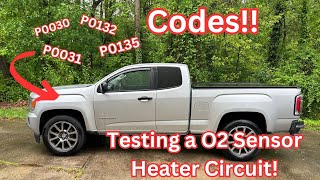
- Real Owner Experience: A 2018 GMC Canyon 2.5L owner experienced severe stumbling and near-stalling with codes P0030, P0031, P0132, and P0135. A multimeter test on the original sensor's heater circuit showed 227 ohms. Replacing the sensor with a new ACDelco unit (which tested at 6 ohms before installation) resolved all issues.
Mechanic-Grade Diagnostic Values
- O2 Sensor Heater Circuit Resistance — expected: 3 - 10 Ohms at room temperature. A new ACDelco sensor often measures around 6 Ohms.. Failure: A reading of infinity/OL (Open Loop) or very high resistance (e.g., >200 Ohms) indicates a failed heater element.
- O2 Sensor Heater Circuit Voltage Supply — expected: ~12V (Battery Voltage) with Key On, Engine Off.. Failure: 0V or significantly low voltage at the heater power supply pin on the harness connector indicates a problem with the fuse, relay, or wiring, not the sensor.
- O2 Sensor Heater Circuit Current Draw — expected: 0.5 - 2.0 Amps when active.. Failure: Current draw that is higher or lower than the specified range indicates a fault in the heater or circuit.
- Mode 6, Test ID $81 — expected: A 'Pass' status.. Failure: A 'Fail' status for this monitor ID on a Mode 6 capable scan tool confirms the heater circuit test is what triggered the P0135 code.
Wiring & Ground Locations
- HO2S B1S1 Connector — On the passenger side of the engine, connecting the upstream O2 sensor to the main engine harness.. This is the primary test point. The two same-colored wires (usually black) are for the heater circuit. With the connector's white locking tab facing you, Pin 1 is the heater ground and Pin 2 is the 12V power supply from the fuse.
- G103 — Typically found on the lower left (driver's) side of the engine block.. This is a primary engine block ground point. The ECM and its sensors, including the O2 sensor heater circuit, rely on a clean engine-to-chassis ground. A corroded or loose ground at G103 can cause intermittent and difficult-to-diagnose electrical faults across multiple systems.
Real Owner Repair Stories
- YouTube channel 'Doing Dave Stuff' (2018 GMC Canyon 2.5L I4) — Severe engine stumbling, near-stalling, and multiple Check Engine Light codes (P0030, P0031, P0132, P0135).
❌ Tried (didn't work) Initial diagnosis was confusing due to the number of codes.
✅ What actually fixed it The upstream O2 sensor's heater had failed. The old sensor measured 227 Ohms. Replacing it with a new OEM ACDelco sensor (P/N 12643707), which measured 6 Ohms before installation, resolved all codes and driveability issues. - Go-Parts Repair Database citing a YouTube video (2018 GMC Canyon 2.5L I4) — Engine stumbling, stalling, and multiple heater circuit codes including P0135.
❌ Tried (didn't work) The owner was initially confused as the O2 sensor had been replaced only one year prior.
✅ What actually fixed it The one-year-old aftermarket sensor (Walker brand) had failed prematurely. Its heater resistance measured 227 Ohms. Replacing the failed aftermarket part with a new OEM ACDelco sensor fixed the problem, highlighting the potential for poor quality in non-OEM sensors. - NHTSA ODI #11632222 — An owner reported a "Reduced Propulsion" message on the dash along with P0135 and several other codes. A technician found a blown fuse (F03) for the EGR valve, suggesting that a stuck EGR valve could potentially impact shared circuits.
- NHTSA ODI #10156207 — A driver noted that a computer check revealed P0135 along with codes P1189 and C1216. Although the dealer initially tested the items per the trouble tree and found them good, the warning lights returned the following day.
When the Usual Fixes Don't Work
- If the F47 (or 'Misc 2') fuse blows repeatedly, do not continue to replace the O2 sensor. This indicates a persistent short to ground in the wiring harness. The most likely location for this short is where the harness may have chafed against the engine, as described in TSB 18-NA-307. A thorough inspection of the harness path is required before further part replacement.
OEM Part Supersession History
12643707→12686342 (ACDelco 213-4764)— Standard part evolution and potential supplier changes.
Heads up: While 12643707 is still widely sold and confirmed to work on models up to 2018, some databases suggest 12686342 is the newest number. Always verify the correct part number with a VIN at a GM dealer to ensure compatibility, as running changes can occur.
Model Year Variations Within This Range
- 2018 and potentially newer: While fuse F47 (15A) is the commonly cited fuse for the O2 heater, some 2018 models may have the circuit powered by a 10A 'Misc 2' fuse that is shared with other components like the EVAP purge solenoid and thermostat heater. This changes the diagnostic path if multiple specific codes are present.
Diagnostic Flowchart
Other Known Issues on This Vehicle
Issues unrelated to this code that are worth knowing about as an owner of this generation:
- 8-Speed Automatic Transmission Shudder (V6 Models) 🟠 Medium — Very common on 2017-2019 V6 models. Feels like driving over rumble strips at light throttle between 25-80 mph. (Ref: TSB 18-NA-355. The fix involves a specialized fluid flush procedure to replace the original factory fluid with a new formulation of Mobil 1 Synthetic LV ATF HP.)
- Thermostat Failure / Cooling System Issues 🟠 Medium — Owners report intermittent overheating, temperature gauge fluctuations, or the engine failing to reach operating temperature. This can be caused by a stuck thermostat or air in the cooling system.
- Frame Wax Coating Peeling / Corrosion 🟡 Low — Affects some full-size GM trucks and SUVs, but the Colorado uses a painted frame, not a wax coating, making this less of a direct issue for this specific model, though frame rust is still a concern in salt-belt regions. (Ref: TSB 19-NA-255 addresses this for other GM trucks by removing the wax and applying a new coating.)
Used vs. New Parts: Buying Guide for This Vehicle
When a used part is the smart pick: Almost never for this repair. A used part may be considered for a damaged wiring harness connector pigtail if a new one is unavailable, but the sensor itself should always be new.
What to inspect on the donor part:
- For a connector pigtail: ensure plastic is not brittle, locking tabs are intact, and there is no corrosion on the pins.
OEM-only on this vehicle (don't cheap out):
- Oxygen Sensor: While not strictly 'OEM-only', using an OEM (ACDelco) or original supplier (Denso) sensor is very strongly recommended. Aftermarket sensors have a documented history of premature failure on this platform.
Aftermarket brands forum-validated for this vehicle:
- Denso: Widely reported to be the original manufacturer for ACDelco sensors.
- NTK/NGK: Generally considered a high-quality alternative with good performance on GM vehicles.
Brands owners have reported issues with on this vehicle:
- Unbranded sensors from online marketplaces (Amazon, eBay).
- Walker: One specific repair story documents a Walker sensor failing within one year.
- Bosch: Some forum discussions suggest avoiding Bosch sensors for this specific GM application, citing potential incompatibility.
Real Owner Stories
Aggregated from forums and TSBs cited above. Mileages and costs reflect what owners reported in those sources.
2018 GMC Canyon 2.5L
Symptoms: Severe stumbling and near-stalling with multiple codes including P0030, P0031, P0132, and P0135.
What fixed it: Replacing the failed upstream O2 sensor (which tested at 227 ohms) with a new ACDelco unit (tested at 6 ohms).
Source hint: YouTube - 'Testing Heater Circuit in O2 Sensor 2015-2022 GMC Canyon Chevy Colorado' by Doing Dave Stuff
NHTSA Reported Incident
Symptoms: An owner reported a list of CEL codes including P0030, P0031, and P0135, noting this as a common failure pattern in certain Chevrolet propulsion systems.
What fixed it: NHTSA ODI #11681144 describes this extensive list of codes appearing simultaneously during a system failure.
NHTSA Reported Incident
Symptoms: A vehicle experienced an "engine offline" message on the console with error codes P0031, P0030, and P0135 present.
What fixed it: NHTSA ODI #11448862 documented these codes occurring on a vehicle with very low mileage.
NHTSA Reported Incident
Symptoms: A technician hooked up an OBDII scanner which read a failure code of P0135.
What fixed it: NHTSA ODI #10207750 notes the owner purchased and installed the part following the scan.
Related OBD-II Codes
Frequently Asked Questions
Where is the Bank 1, Sensor 1 oxygen sensor located on my 2.5L Colorado?
Could my P0135 code be caused by the wiring harness chafing mentioned in TSB 18-NA-307?
Which fuse should I check for the O2 sensor heater circuit on a 2015-2022 Colorado?
What resistance reading should I see when testing a healthy O2 sensor for this vehicle?
Can loose intake manifold bolts cause O2 sensor codes on the 2.5L LCV engine?
Are there specific O2 sensor brands I should avoid for my Chevy Colorado?
Helpful Videos
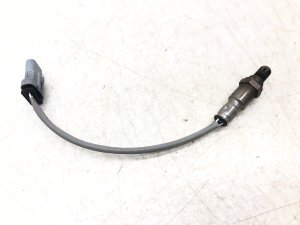
Used OEM Parts in Stock
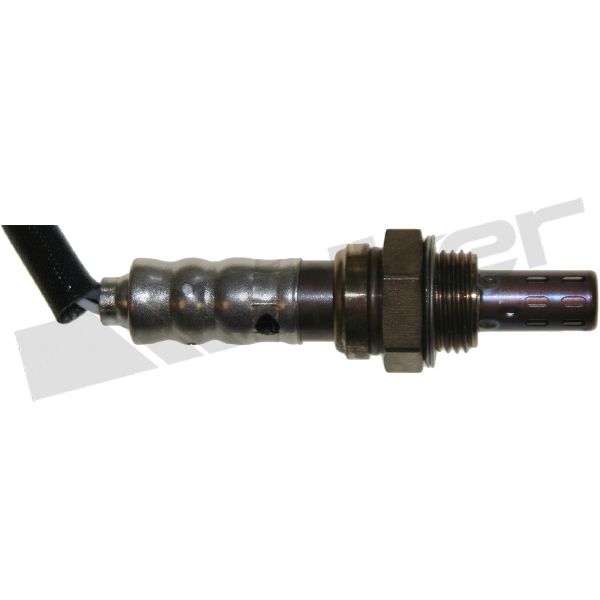
New Aftermarket Parts Available
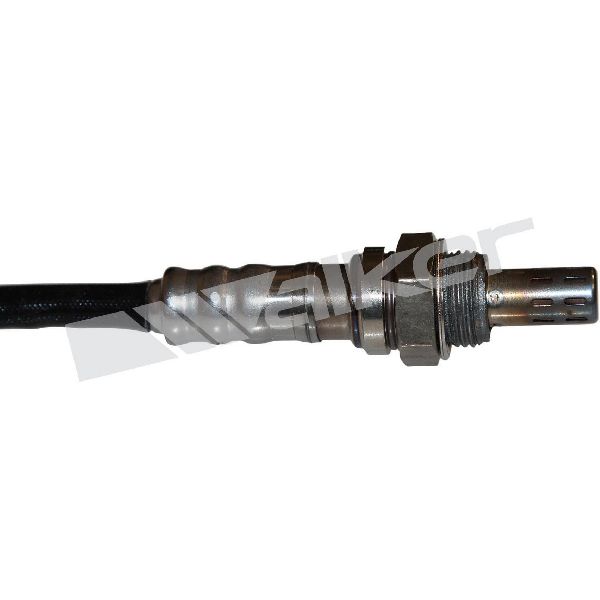

The information in this article is provided for general reference and educational purposes only. Vehicle specifications, procedures, and part compatibility can vary by production date, trim level, and region. Always consult your vehicle's factory service manual and verify part numbers before purchasing or performing repairs. Safety-critical components such as airbags, seat belts, and braking systems should be installed by a qualified professional.
- Chevrolet Colorado:
- 🧭 Diagnostic Flowchart
- 🎬 Helpful Videos
- 🛍️ Shop This Part
- What's Unique About the 2015-2022 Chevrolet Colorado
- Symptoms You May Notice
- Most Likely Causes
- Rare But Worth Checking
- Diagnosis Steps
- Parts You'll Likely Need
- Related Codes That Often Appear With This One
- Technical Service Bulletins (TSBs) & Recalls
- Platform-Specific Known Issues
- Mechanic-Grade Diagnostic Values
- Wiring & Ground Locations
- Real Owner Repair Stories
- When the Usual Fixes Don't Work
- OEM Part Supersession History
- Model Year Variations Within This Range
- Other Known Issues on This Vehicle
- Used vs. New Parts: Buying Guide for This Vehicle
- Real Owner Stories
- 2018 GMC Canyon 2.5L
- NHTSA Reported Incident
- NHTSA Reported Incident
- NHTSA Reported Incident
- Related OBD-II Codes
- Frequently Asked Questions
- 🎟️ Get 5% Off