

P0135 on 2012-2016 Kia Soul 1.6L GDI: O2 Sensor Heater Failure Causes and Fixes
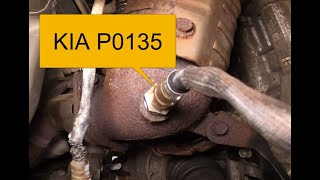
On a 2012-2016 Kia Soul 1.6L, code P0135 almost always means the upstream oxygen sensor (Bank 1, Sensor 1) has failed. Replacing the sensor is the fix. Before you buy, check the 15A 'SENSOR 1' fuse in the engine bay fuse box. Expect to pay ~$60-$120 for an aftermarket sensor and ~$150-$230 for OEM.
- P0135 on this Kia Soul almost always means you need a new upstream (pre-catalytic converter) oxygen sensor.
- The part number is different for 2012-2013 models versus 2014-2016 models. Verify you are buying the correct one for your year.
- Before replacing the sensor, always check the 15A 'SENSOR 1' fuse in the engine bay fuse box.
What's Unique About the 2012-2016 Kia Soul
The entire 2012-2016 Kia Soul range with the 1.6L GDI engine is subject to a critical safety recall (SC176) for high exhaust gas temperatures that can damage the catalytic converter. If the catalytic converter is damaged, particles can enter the engine's combustion chamber, causing abnormal combustion, piston damage, and eventual engine failure. While this recall directly addresses code P0420, the excessive heat it describes can cause the O2 sensor's internal heater to fail prematurely, leading to code P0135. Owners should check with a Kia dealer to see if the recall's ECU update has been performed on their vehicle, as this underlying condition could cause repeat sensor failures.
Generation note: This range covers two generations of the Kia Soul: the first generation (AM) from 2012-2013 and the second generation (PS) from 2014-2016. The upstream oxygen sensor part number is the same for the 1.6L GDI engine across both generations.
Symptoms You May Notice
- Check Engine Light is on
- Reduced fuel economy
- Vehicle may fail an emissions test
- Rough idle, especially on cold starts
- Engine knocking or ticking noises (if related to underlying SC176 recall issue)
- Replacing the downstream (Sensor 2) oxygen sensor. P0135 specifically refers to Sensor 1, the upstream sensor before the catalytic converter.
Most Likely Causes
- Failed Upstream Oxygen Sensor 🔴 High Probability → Shop Oxygen Sensor The internal heater element is a common wear-and-tear item. The issue may be accelerated by the high exhaust gas temperatures noted in Kia's safety recall SC176.
How to confirm: Disconnect the sensor and measure the resistance between the two heater circuit pins (usually the two wires of the same color). According to service information, it should be between 2.4 and 4.0 Ohms at 20°C (68°F). An open circuit (infinite resistance) or a reading outside this range confirms the heater has failed.
Typical fix: Replace the upstream (Bank 1, Sensor 1) oxygen sensor. An owner on a forum confirmed that replacing a failed sensor with an aftermarket part resolved their P0135 code.
Est. part cost: $60-$180 - Blown O2 Sensor Heater Fuse 🟡 Medium Probability → Shop Oxygen Sensor
How to confirm: Locate the fuse box in the engine compartment. Check the fuse labeled 'SENSOR 1' (typically 15A). A visual inspection or a multimeter continuity test will confirm if it's blown.
Typical fix: Replace the blown fuse. If the new fuse blows immediately, it indicates a short circuit in the wiring that must be found and repaired.
Est. part cost: $1-$5 - Damaged Wiring or Connector ⚪ Low Probability The wiring harness runs close to hot exhaust components and can become brittle, melted, or corroded over time. One owner on a forum suspected a persistent short in the harness was the cause of their recurring P0135 code.
How to confirm: Visually inspect the wiring harness and connector leading to the upstream O2 sensor for any signs of melting, chafing, corrosion, or broken wires. Check for power and ground at the connector with a multimeter.
Typical fix: Repair the damaged section of wiring or replace the connector pigtail.
Est. part cost: $10-$40
Rare But Worth Checking
- Faulty Engine Control Module (ECM): → Shop Engine Control Module (ECM) This is very rare. The ECM's internal driver for the heater circuit can fail. This should only be considered after all other possibilities (sensor, fuse, wiring) have been definitively ruled out.
Diagnosis Steps
- Scan the vehicle for any other trouble codes to get a full picture.
- Locate the engine compartment fuse box, usually next to the battery. Find the fuse for the O2 sensors (often labeled 'SENSOR 1' and rated at 15A) and check if it is blown.
- Visually inspect the wiring and electrical connector for the upstream O2 sensor. The connector is located near the back of the engine, below the plastic engine cover. Look for any signs of melting, corrosion, or physical damage.
- If the fuse and wiring are good, disconnect the sensor. Use a multimeter set to Ohms to measure the resistance across the two heater pins on the sensor itself (typically the two wires of the same color). A healthy sensor should read a low resistance, generally between 2.4 and 4.0 Ohms. A reading of infinite resistance (OL) means the heater is broken and the sensor must be replaced.
- If the sensor resistance is good, check for power at the harness connector. With the key on (engine off), one pin should have battery voltage. The heater circuit receives power from the main relay, which is energized when the ignition is on.
- If all checks pass but the code persists, the issue may be in the wiring between the connector and the ECM, or a rare ECM failure.
Parts You'll Likely Need
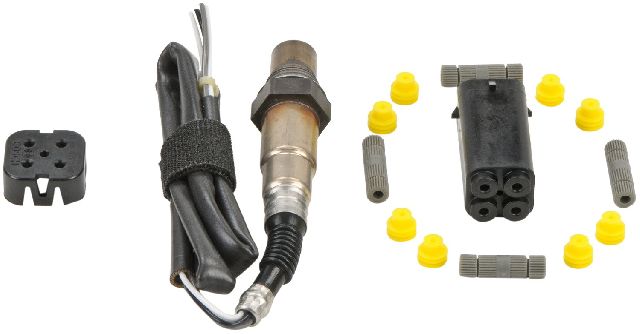
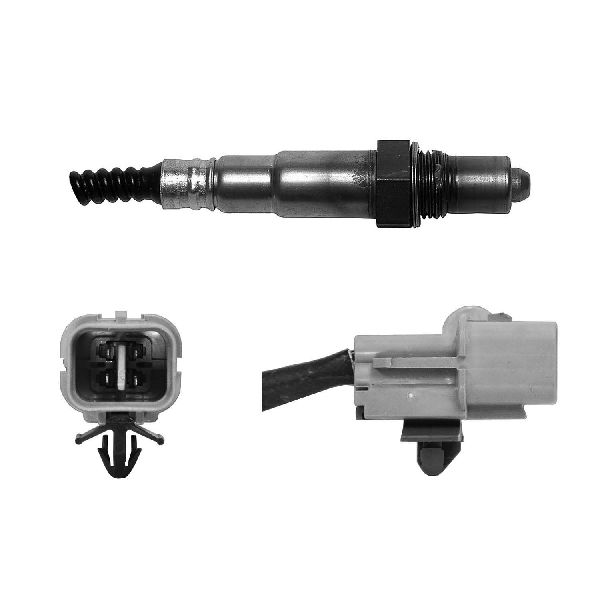
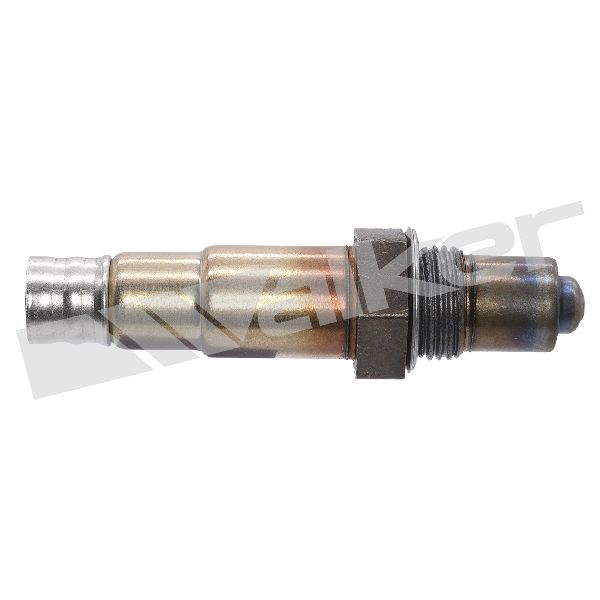
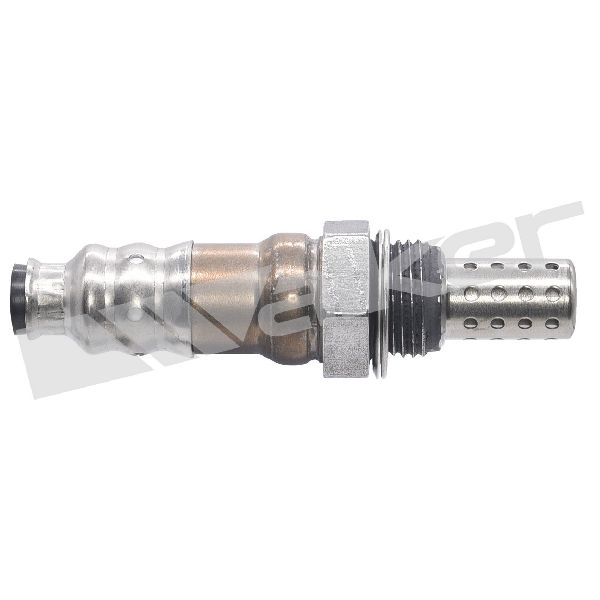
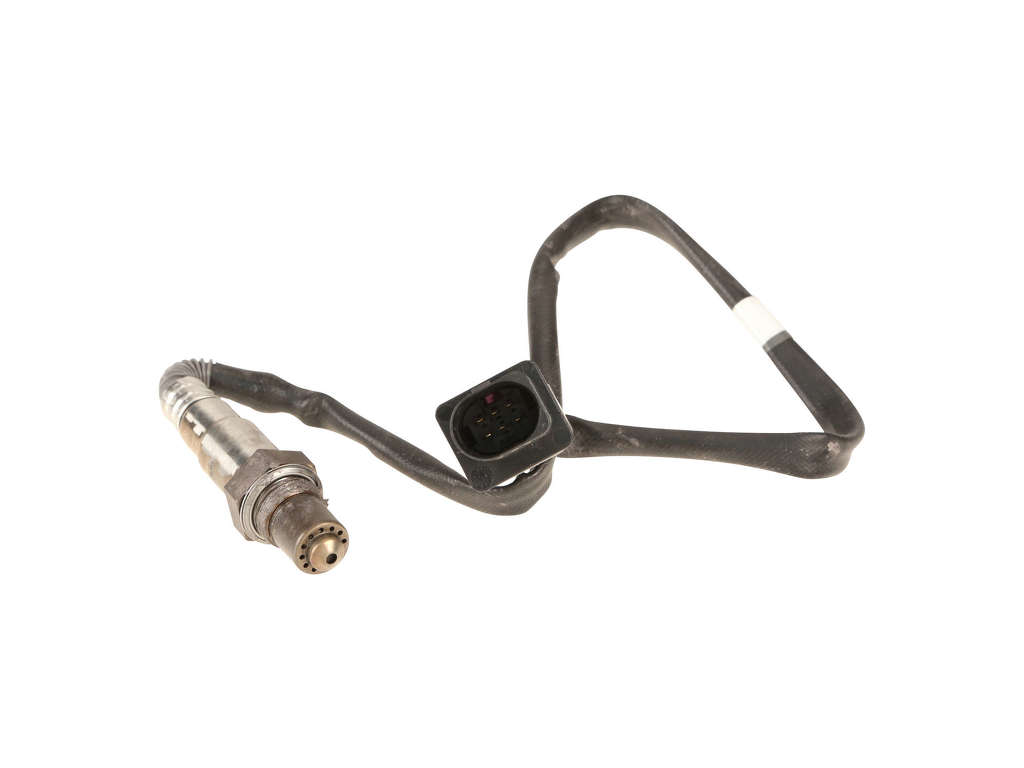
- Upstream Oxygen Sensor
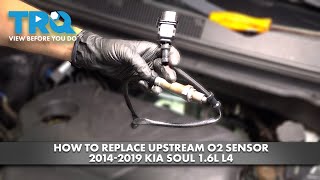
(OEM #39210-2B210)— Fits 2012-2013 models with the 1.6L GDI engine. The internal heater element fails, which is the most common cause of P0135. 🎬 See this walkthrough for replacing the upstream oxygen sensor. Aftermarket cross-references include Denso 234-5055 and NGK/NTK.
Trusted brands: Kia (OEM), Bosch, Denso, NGK/NTK, Walker Products
OEM price range: $160-$230
Aftermarket price range: $60-$130
Related Codes That Often Appear With This One
- P0133 — If the heater fails (P0135), the sensor can be slow to reach operating temperature, which can trigger the 'Slow Response' code P0133 for the same sensor.
- P0420 — The underlying condition of high exhaust heat addressed by recall SC176 often causes the P0420 'Catalyst Efficiency' code. It's possible to see both if the sensor heater fails and the catalytic converter is also degraded.
- P030x (e.g., P0301, P0302) — The TSB for recall SC176 notes that if catalyst particles damage the engine, it can lead to abnormal combustion and trigger cylinder-specific misfire codes.
Technical Service Bulletins (TSBs) & Recalls
- SC176 / NHTSA 19V120000: Recall for Catalytic Overheating Protection logic update. While primarily for DTC P0420, the underlying condition of excessive exhaust heat is relevant to P0135 sensor failures and potential engine destruction.
Platform-Specific Known Issues
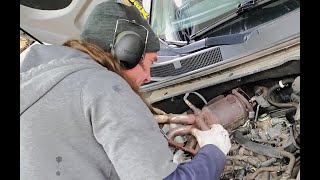
- Safety Recall SC176: Affects all 2012-2016 Kia Souls with the 1.6L GDI engine. High exhaust gas temperatures can damage the catalytic converter. If the converter degrades, particles can be ingested into the engine, causing scoring of the cylinder walls, piston damage, and potentially catastrophic engine failure or fire. The fix involves a dealer-installed ECU software update to better manage temperatures, and inspection/replacement of the catalytic converter 🎬 Watch: How to replace the catalytic converter on this model. and/or engine if damage is found, free of charge.
Mechanic-Grade Diagnostic Values
- Upstream O2 Sensor (B1S1) Heater Resistance — expected: 2.4 - 4.0 Ω at 20°C (68°F). Failure: A reading of OL (open circuit/infinite resistance) or a value significantly outside the specified range.
- Downstream O2 Sensor (B1S2) Heater Resistance — expected: Approx. 9.0 Ω at 21°C (70°F). Failure: An open circuit or significant deviation. While not the cause of P0135, this is a useful reference value when working on the exhaust system.
- O2 Sensor Heater Power Supply Voltage — expected: Battery voltage (approx. 12V) with Key On, Engine Off.. Failure: 0V or significantly low voltage, indicating a blown fuse, bad relay, or wiring issue upstream of the sensor.
- ECM Ground Pins Voltage Drop — expected: Max. 50mV. Failure: Higher voltage indicates a poor ground connection at the ECM, which can cause various sensor errors.
Scan Tool Commands That Help
- Kia GDS (Global Diagnostic System): DTC Analysis — To read manufacturer-specific fault codes and get more detailed descriptions than a generic OBD-II scanner can provide.
- Kia GDS (Global Diagnostic System): Actuation Test: O2 Sensor Heater — To manually command the O2 sensor heater circuit on and off. This directly tests the ECM's driver, the wiring, and the heater element itself, confirming the entire circuit's integrity from the computer to the sensor.
- Kia GDS (Global Diagnostic System): Current Data / Live Data — To monitor the O2 sensor voltage and heater duty cycle in real-time. This helps confirm if the sensor is responding correctly after a repair.
Wiring & Ground Locations
- Upstream O2 Sensor Connector — On a bracket at the rear of the engine, near the firewall and high-pressure fuel pump. For 2014+ models, it's mounted next to the downstream sensor connector.. This is the primary point for testing sensor resistance and checking for power/ground from the harness. Corrosion or damage here is a common failure point.
- ECM Pin 5 (Connector C100-MA) — At the Engine Control Module (ECM) in the engine bay.. This is the specific pin for the 'Heated Oxygen Sensor (HO2S) [Bank 1/Sensor 1] heater control output'. A technician can test for a control signal directly at this pin to isolate a faulty ECM from a wiring problem.
- Engine Ground Strap — A primary ground strap connects the engine block (often near the side or rear) to the chassis frame rail, typically near the strut tower or battery tray area.. A corroded or loose main engine ground can cause a variety of electrical issues, including erratic sensor readings and codes like P0135. Verifying this connection is tight and clean is a crucial step in diagnosing persistent electrical faults.
- Fuse 'SENSOR 1' (15A) — In the engine compartment fuse and relay box, usually located next to the battery.. This fuse provides power to the O2 sensor heater circuit. If it's blown, the heater will not operate and P0135 will be set.
OEM Part Supersession History
39210-2B210→N/A— This part number is specific to the 2012-2013 Kia Soul 1.6L GDI.
Heads up: This part does not fit 2014-2016 models. The 2014-2016 Kia Soul 1.6L GDI uses part number 39210-2B410 for the upstream sensor.
Model Year Variations Within This Range
- 2012-2013: Uses upstream oxygen sensor part number 39210-2B210.
- 2014-2016: Part of the second generation (PS). Uses a different upstream oxygen sensor, part number 39210-2B410. The electrical connectors for both upstream and downstream sensors are mounted together on a single bracket at the back of the engine.
Diagnostic Flowchart
Other Known Issues on This Vehicle
Issues unrelated to this code that are worth knowing about as an owner of this generation:
- Catastrophic Engine Failure (SC176 Recall) 🔴 High — Widespread enough to trigger a safety recall (SC176/19V120000) affecting ~379,000 vehicles. Can occur at mileages typically between 70,000-100,000 miles. (Ref: SC176 / NHTSA 19V120000)
- Excessive Oil Consumption 🔴 High — Common issue on Kia/Hyundai GDI engines. Owners report needing to add a quart of oil every 1,000-3,000 miles. Can lead to engine damage if not monitored.
- Steering Coupler Noise 🟠 Medium — A very common problem where a flexible rubber coupler in the steering column wears out, causing a distinct clicking or clunking sound when turning the wheel. Typically occurs around 70,000 miles. (Ref: Some related TSBs like ENG123 exist for other models, but no specific recall for the Soul.)
- Intake Valve Carbon Buildup 🟡 Low — An inherent issue with GDI engines where oil deposits bake onto the intake valves over time, as fuel no longer cleans them. Can cause rough idle and reduced performance, typically noticeable after 40,000-60,000 miles.
Used vs. New Parts: Buying Guide for This Vehicle
When a used part is the smart pick: A used part is generally not recommended for the oxygen sensor itself, as it is a wear item with a finite lifespan. However, sourcing a used connector pigtail from a junkyard is a smart choice if only the connector or a short section of wiring is damaged.
Donor-vehicle mileage cap: roughly under 80000 miles for the part to have meaningful remaining life.
What to inspect on the donor part:
- For a wiring pigtail, inspect for any signs of melting, brittleness, or corrosion on the pins.
- Ensure the locking tab on the connector is intact and clicks securely.
- Verify the donor vehicle has not suffered an engine fire or major fluid leaks in the connector area.
OEM-only on this vehicle (don't cheap out):
- Engine Control Module (ECM) - Due to programming requirements, a new or professionally refurbished OEM unit is necessary if the ECM is diagnosed as faulty.
Aftermarket brands forum-validated for this vehicle:
- Denso
- NGK / NTK
- Bosch
Brands owners have reported issues with on this vehicle:
- No-name, unbranded sensors from online marketplaces should be avoided, as they have a high failure rate and may not meet OEM specifications for heater performance and sensor accuracy.
Real Owner Stories
Aggregated from forums and TSBs cited above. Mileages and costs reflect what owners reported in those sources.
2012 Kia Soul 1.6L GDI
Symptoms: Check Engine Light with codes P0135 and P2243; owner noted the wiring and fuses appeared okay despite previous sensor and catalytic converter replacements.
What fixed it: Replaced the upstream O2 sensor with an aftermarket part.
Cost: $40
Source hint: Reddit r/KiaSoulClub - 'Engine Code Help' thread
2012-2016 Kia Soul 1.6L GDI — ~85000 miles
Symptoms: Engine knocking or ticking noises, potential engine failure or fire risk due to catalytic converter degradation from high exhaust temperatures.
What fixed it: Dealer-installed ECU software update to manage temperatures and inspection/replacement of the catalytic converter under recall SC176.
Source hint: Safety Recall SC176 / NHTSA 19V120000
Hyundai 1.6L GDI (Platform Mate)
Symptoms: Check Engine Light with code P0135.
What fixed it: Replacement of the upstream oxygen sensor.
Source hint: AliExpress Review / Repair Story
Related OBD-II Codes
Frequently Asked Questions
Does the SC176 safety recall for the 2012-2016 Kia Soul 1.6L GDI relate to my P0135 code?
What is the specific resistance specification for the O2 sensor heater on my 1.6L Gamma engine?
Which fuse should I check for a P0135 code on my Kia Soul?
Where is the upstream oxygen sensor connector located on the 1.6L GDI engine?
Can I use an aftermarket sensor to fix P0135, or do I need the OEM Kia part?
Could my Soul's oil consumption issue be related to the O2 sensor failure?
Helpful Videos

We Have This Part in Stock


The information in this article is provided for general reference and educational purposes only. Vehicle specifications, procedures, and part compatibility can vary by production date, trim level, and region. Always consult your vehicle's factory service manual and verify part numbers before purchasing or performing repairs. Safety-critical components such as airbags, seat belts, and braking systems should be installed by a qualified professional.
- Kia Soul:
- 🧭 Diagnostic Flowchart
- 🎬 Helpful Videos
- 🛍️ Shop This Part
- What's Unique About the 2012-2016 Kia Soul
- Symptoms You May Notice
- Most Likely Causes
- Rare But Worth Checking
- Diagnosis Steps
- Parts You'll Likely Need
- Related Codes That Often Appear With This One
- Technical Service Bulletins (TSBs) & Recalls
- Platform-Specific Known Issues
- Mechanic-Grade Diagnostic Values
- Scan Tool Commands That Help
- Wiring & Ground Locations
- OEM Part Supersession History
- Model Year Variations Within This Range
- Other Known Issues on This Vehicle
- Used vs. New Parts: Buying Guide for This Vehicle
- Real Owner Stories
- 2012 Kia Soul 1.6L GDI
- 2012-2016 Kia Soul 1.6L GDI — ~85000 miles
- Hyundai 1.6L GDI (Platform Mate)
- Related OBD-II Codes
- Frequently Asked Questions
- 🎟️ Get 5% Off