

P0135 on 2003-2008 Mazda 6: O2 Sensor Heater Malfunction Causes and Fixes
This code indicates a failed heater circuit in the upstream oxygen sensor (Bank 1, Sensor 1). On the 2003-2008 Mazda 6, this almost always means the sensor itself has failed and needs replacement. On the V6, Bank 1 is the sensor on the firewall side. Expect to pay $50-$120 for an aftermarket sensor and about 30 minutes (I4) to 1.5 hours (V6) for DIY replacement.
- P0135 means the heater inside the Bank 1 upstream O2 sensor has failed.
- The most probable fix is to replace the sensor itself. This is a common wear-and-tear item.
- Before buying a new sensor, perform a quick visual check of the wiring and the corresponding 'HEGO' fuse to rule out a simpler issue.
- Ensure you are replacing the correct sensor: for the 2.3L I4, it's the only upstream sensor; for the 3.0L V6, it's the upstream sensor on the firewall side.
What's Unique About the 2003-2008 Mazda 6
For the first-generation Mazda 6, the P0135 code is a straightforward and common issue, typically pointing directly to the failure of the sensor's internal heating element. There are no widespread, unique platform-related issues like specific PCM software glitches that commonly cause this code. The key challenge is locating and accessing the correct sensor. On the 2.3L 4-cylinder engine, it's easily found on the front of the exhaust manifold. However, on the 3.0L V6, 'Bank 1' is the cylinder bank against the firewall, making 'Sensor 1' notoriously difficult to access without getting under the car. The wiring harness for this sensor on the V6 is also known to be susceptible to melting if it sags onto hot exhaust components.
Symptoms You May Notice
- Check Engine Light is on
- Decreased fuel economy, especially during short trips
- Failing a vehicle emissions test
- Rough or unstable idle on a cold start
- Black smoke from the exhaust on startup in some cases
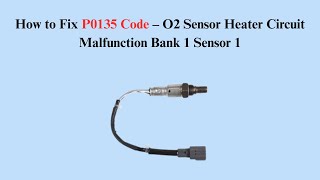
- Replacing the wrong oxygen sensor (e.g., the downstream Sensor 2, or the sensor on Bank 2 for the V6). This code is specific to Bank 1, Sensor 1. 🎬 See this guide on fixing the Bank 1 Sensor 1 circuit
- Replacing the catalytic converter. This code relates to an electrical circuit fault, not the efficiency of the converter. A bad converter would trigger a different code, such as P0420.
Most Likely Causes
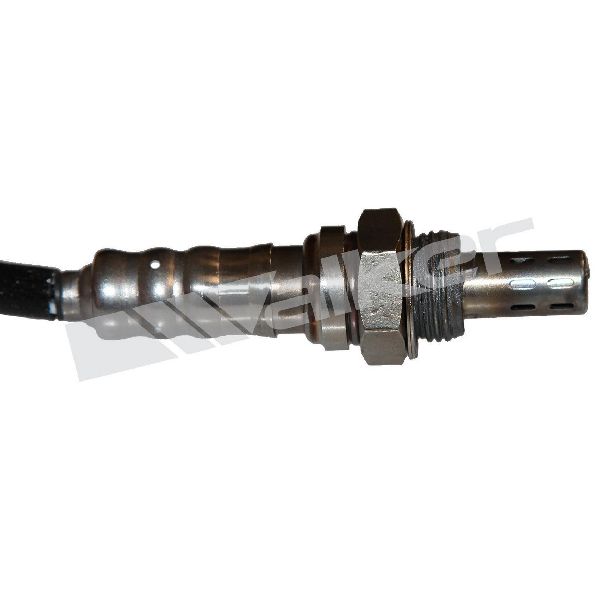
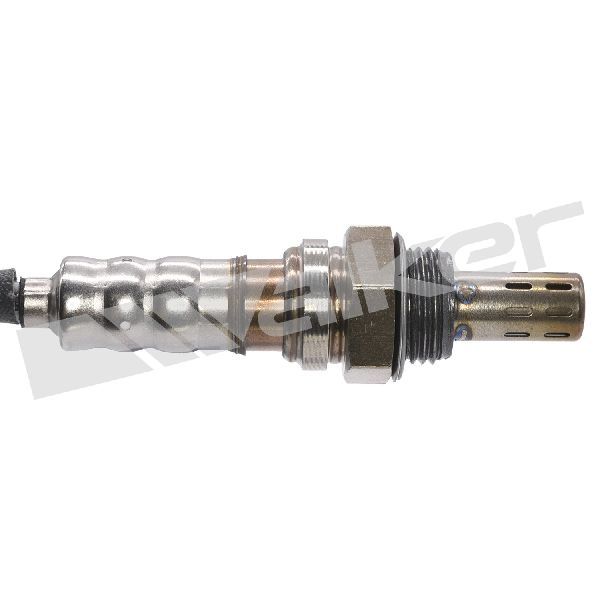
- Failed Bank 1, Sensor 1 Oxygen Sensor 🔴 High Probability → Shop Oxygen Sensor The internal heating element is a common failure point in oxygen sensors as they age due to constant thermal cycling.
How to confirm: Disconnect the sensor and measure the resistance between the two heater circuit wires (usually the two wires of the same color, often white or black). A good heater will have a low resistance, typically between 4 and 10 ohms when cold for Denso/NGK style sensors. A failed heater will show infinite resistance (open circuit) or zero resistance (short circuit) on a multimeter. 🎬 Watch: How to test and replace a P0135 sensor
Typical fix: Replace the Bank 1, Sensor 1 oxygen sensor.
Est. part cost: $50 - $120 - Blown O2 Sensor Heater Fuse ⚪ Low Probability → Shop Oxygen Sensor
How to confirm: Locate the fuse box in the engine compartment. Check the fuse designated for the O2 sensor heaters, often labeled 'HEGO' (Heated Exhaust Gas Oxygen). On related platforms, this is a 15A fuse. If the fuse is blown, inspect the O2 sensor wiring harnesses for a short circuit to ground before replacing the fuse, as a short is the likely cause.
Typical fix: Replace the blown fuse after repairing any underlying short circuit in the wiring.
Est. part cost: $1 - $5 - Damaged Wiring or Connector ⚪ Low Probability
How to confirm: Visually inspect the wiring harness and connector leading to the oxygen sensor for any signs of melting, fraying, corrosion, or loose pins. On the V6, pay special attention to the harness routing near the rear exhaust manifold, as it can sag and melt.
Typical fix: Repair the damaged section of the wiring harness or replace the connector pigtail.
Est. part cost: $10 - $40
Rare But Worth Checking
- Powertrain Control Module (PCM) Fault: → Shop Engine Control Module (ECM) This is extremely rare. All other possibilities, especially the sensor itself and its wiring, should be exhaustively ruled out before considering a PCM issue.
Diagnosis Steps
- Scan the vehicle to confirm P0135 is the only code present. If other heater codes (P0141, P0155, P0161) are also present, suspect a common blown 'HEGO' fuse first.
- Locate the correct sensor. For the 2.3L I4, it is the upstream sensor in the exhaust manifold, easily visible from the front. For the 3.0L V6, it is the upstream sensor on the rear cylinder bank (near the firewall). Access is best from underneath the vehicle.
- Visually inspect the sensor's electrical connector and wiring for any obvious damage, such as melting on the exhaust, corrosion in the connector, or frayed wires. Pay close attention to the V6 harness routing.
- If the wiring appears intact, check the fuse for the oxygen sensor heater circuit (likely labeled 'HEGO') in the engine compartment fuse box.
- If the fuse is good, disconnect the sensor and test the resistance of the heater circuit using a multimeter. An open circuit (infinite resistance) or short (near-zero resistance) confirms the sensor's internal heater has failed. A good reading is typically 4-10 ohms.
- If the sensor's heater tests good, check for 12V power and ground at the sensor's harness connector (with the key on, engine off) to verify the integrity of the circuit from the PCM and fuse box.
- If all tests pass but the code returns, the most likely cause is a faulty sensor. Replace the Bank 1, Sensor 1 oxygen sensor.
Parts You'll Likely Need
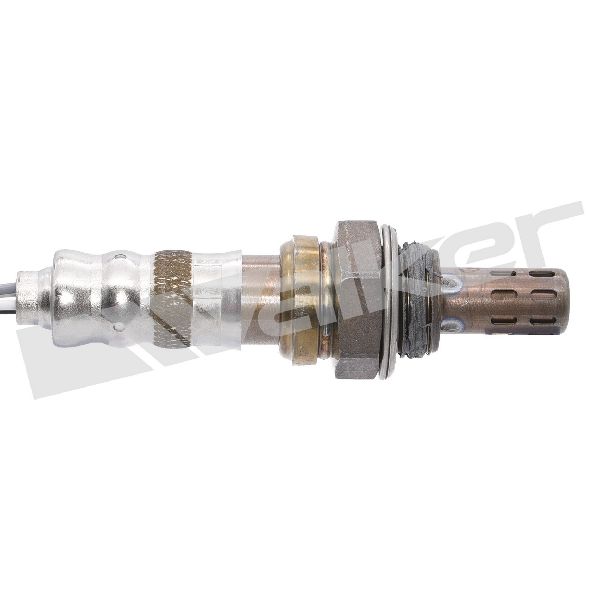
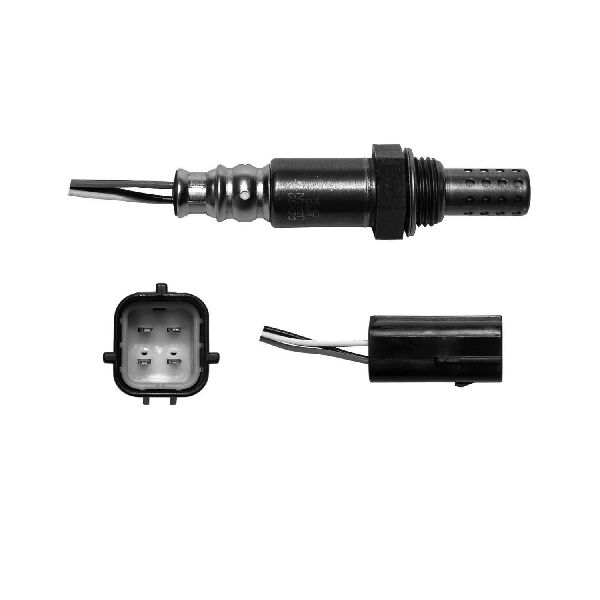
- Upstream Oxygen Sensor (Bank 1, Sensor 1) - 3.0L V6
(OEM #AJ57-18-861B)— This is the sensor located on the rear bank (Bank 1) of the 3.0L V6 engine. Its internal heater is the most common failure point for code P0135. Access is difficult.
Trusted brands: Denso (OEM supplier), NGK/NTK, Bosch
OEM price range: $120-$180
Aftermarket price range: $60-$120 - Upstream Oxygen Sensor (2.3L I4)
(OEM #L3H5-18-861B)— This is the sensor for the 2.3L 4-cylinder engine. Its internal heater is the most common failure point for code P0135.
Trusted brands: Denso (OEM supplier), NGK/NTK, Bosch
OEM price range: $110-$170
Aftermarket price range: $50-$100
Platform-Specific Known Issues
- V6 Bank 1 Sensor Access Difficulty: On the 3.0L V6 engine, Bank 1 is the cylinder bank against the firewall. Replacing the upstream Sensor 1 is considered difficult by many DIYers as it requires reaching up between the engine and firewall, often working by feel. Accessing it from below after removing splash shields is the recommended method.
Mechanic-Grade Diagnostic Values
- Bank 1 Sensor 1 Heater Circuit Resistance — expected: 5 to 6 Ohms when cold.. Failure: An open circuit (infinite resistance on a multimeter) or a direct short (near zero resistance) indicates a failed heater element. Readings significantly outside the 5-6 Ohm range also indicate a problem.
- Voltage at Heater Power Wire (Harness Side) — expected: Battery voltage (approx. 12V) with Key On, Engine Off.. Failure: 0V or significantly low voltage indicates a problem upstream, such as a blown fuse, bad relay, or corroded fuse box terminal.
Wiring & Ground Locations
- G15 (3.0L V6) — Located on the left rear of the engine.. This is a primary engine ground. A poor connection here can cause various electrical faults, including incorrect sensor readings or heater circuit voltage problems.
- G108 (Shared Platform 3.0L V6) — Located on the left rear of the engine compartment, near the firewall.. This is a key chassis ground point near the Bank 1 sensor. Corrosion or a loose connection here can directly impact the O2 sensor circuit's integrity.
- J/C G-02 — A joint connector located behind the left end of the dashboard.. This is a junction for multiple circuits. While less likely to be the primary cause, a fault here could interrupt signals or power related to the emissions system.
Real Owner Repair Stories
- Escape-City.com Forums (Ford Escape with shared 3.0L V6) (Ford Escape 3.0L V6 (platform mate to Mazda Tribute, shares engine with Mazda 6 V6)) — Check engine light with six codes simultaneously: P0135, P0141, P0155, P0161, P0443, and P0403.
❌ Tried (didn't work) Initially suspecting multiple component failures.
✅ What actually fixed it A single wiring harness for the Bank 1, Sensor 2 (downstream) oxygen sensor had melted against the exhaust pipe. This created a short that blew the 15A fuse shared by all four O2 sensor heaters and the EVAP canister purge valve, triggering all the codes at once. The fix was to repair the melted wires and replace the fuse.
OEM Part Supersession History
AJ57-18-861A→AJ57-18-861B— Standard part revision by the manufacturer.N/A→N/A— N/A
Heads up: Be cautious with aftermarket or other Mazda part numbers like LFH1-18-861B, as they may not be compatible. Different sensors can have different internal heater resistances, which will cause the ECU to reject the sensor and continue to set the P0135 code even with a new part.
Diagnostic Flowchart
Other Known Issues on This Vehicle
Issues unrelated to this code that are worth knowing about as an owner of this generation:
- Automatic Transmission Failure/Harsh Shifting (Jatco 5F31J / AWTF-80 SC) 🔴 High — Common, particularly in earlier 2003-2005 models. Owners report jerky shifts, hesitation, grinding noises when cold, and complete failure.
- Pre-Catalytic Converter (Pre-Cat) Failure (2.3L L3-VE) 🔴 High — A well-documented issue where the ceramic material in the upstream catalytic converter (integrated into the exhaust manifold) breaks apart and can be ingested into the engine, causing catastrophic engine failure. Often occurs without warning.
- Oil Leaks (3.0L V6) 🟠 Medium — Commonly occurs from the valve cover gaskets, especially where the cover meets the timing chain cover.
- Ignition Coil Failure (3.0L V6) 🟠 Medium — Ignition coils, particularly for the rear bank (cylinders 1-2-3), are a common failure item leading to misfire codes (e.g., P0301, P0302, P0303). Replacement requires removing the intake manifold.
- Cooling Fan Control Module Failure 🟠 Medium — The fan control module is a widely reported failure point, causing fans to run constantly or not at all, leading to overheating at idle.
- Takata Airbag Inflator Recalls 🔴 High — Affects all model years. Multiple recalls (e.g., NHTSA 19V781, 17V474) were issued for dangerous airbag inflators that could rupture. (Ref: NHTSA Recall: 19V781000)
Used vs. New Parts: Buying Guide for This Vehicle
When a used part is the smart pick: A used part is a reasonable choice for a wiring harness connector pigtail if the original is melted or corroded. A complete used fuse box from a junkyard is also a viable, cost-effective fix if the original has internal corrosion.
Donor-vehicle mileage cap: roughly under 50000 miles for the part to have meaningful remaining life.
What to inspect on the donor part:
- For wiring: Ensure the insulation is flexible, not brittle or cracked. Check connector pins for any green/white corrosion or signs of being bent.
- For a fuse box: Look for a vehicle that doesn't show signs of flood damage. Inspect the terminals for corrosion or discoloration.
OEM-only on this vehicle (don't cheap out):
- Oxygen Sensor: While not strictly 'OEM-only', it is highly recommended to use either a genuine Mazda part or one from a known OEM supplier (Denso, NTK) to avoid compatibility issues with the ECU.
Aftermarket brands forum-validated for this vehicle:
- Denso
- NTK / NGK
Brands owners have reported issues with on this vehicle:
- Unbranded 'white-box' sensors
- Generic parts store brands with poor reviews
- Bosch (Some forum users report issues when using Bosch sensors on Japanese vehicles that were originally equipped with Denso or NTK parts).
Real Owner Stories
Aggregated from forums and TSBs cited above. Mileages and costs reflect what owners reported in those sources.
2005 Mazda Tribute 3.0L V6
Symptoms: Check engine light on with multiple heater circuit codes (P0135, P0141, P0155, P0161) and others (P0403, P0443).
What fixed it: Replacing a blown fuse in the engine compartment fuse box, which was likely caused by a shorted O2 sensor wire.
Source hint: mazda-forum.com thread titled 'hego fuse keeps blowing'
2006 Mazda 6 3.0L V6
Symptoms: Difficulty locating the correct sensor for a P0135 code on the V6 engine.
What fixed it: Confirmed Bank 1 Sensor 1 is on the firewall side (rear bank) and accessed it from the bottom of the vehicle.
Source hint: mazda-forum.com thread titled 'location o2 sensors 2006 mazda 6'
Related OBD-II Codes
Frequently Asked Questions
Where is the Bank 1 Sensor 1 located on my Mazda 6 with the 3.0L V6 engine?
I have P0135 along with P0141, P0155, and P0161. Did all my sensors fail at once?
What is the correct resistance for a new O2 sensor heater on the 2.3L I4 engine?
Is there a specific fuse I should check for the P0135 code on the Mazda 6?
Could my P0135 code be related to the Takata airbag recall?
Why does my V6 Mazda 6 keep blowing the HEGO fuse?
Helpful Videos


We Have This Part in Stock


The information in this article is provided for general reference and educational purposes only. Vehicle specifications, procedures, and part compatibility can vary by production date, trim level, and region. Always consult your vehicle's factory service manual and verify part numbers before purchasing or performing repairs. Safety-critical components such as airbags, seat belts, and braking systems should be installed by a qualified professional.
- Mazda 6:
- 🧭 Diagnostic Flowchart
- 🎬 Helpful Videos
- 🛍️ Shop This Part
- What's Unique About the 2003-2008 Mazda 6
- Symptoms You May Notice
- Most Likely Causes
- Rare But Worth Checking
- Diagnosis Steps
- Parts You'll Likely Need
- Platform-Specific Known Issues
- Mechanic-Grade Diagnostic Values
- Wiring & Ground Locations
- Real Owner Repair Stories
- OEM Part Supersession History
- Other Known Issues on This Vehicle
- Used vs. New Parts: Buying Guide for This Vehicle
- Real Owner Stories
- 2005 Mazda Tribute 3.0L V6
- 2006 Mazda 6 3.0L V6
- Related OBD-II Codes
- Frequently Asked Questions
- 🎟️ Get 5% Off