

P0135 on 2007-2013 Mitsubishi Outlander: O2 Sensor Heater Circuit Causes and Fixes
On the 2007-2013 Mitsubishi Outlander, code P0135 almost always means the heater inside the upstream oxygen sensor (Bank 1, Sensor 1) has failed. Replacing the sensor is the most common fix. Expect to pay $50-$120 for an aftermarket part and $150-$250 for an OEM sensor. It is a DIY-friendly job, though access is tighter on the V6.
- P0135 points directly to a problem with the heater in the Bank 1, Sensor 1 oxygen sensor.
- The most likely fix is replacing the sensor itself. Using a quality aftermarket brand like Denso or NTK is a reliable, cost-effective option.
- The repair is straightforward on the 2.4L I4 but significantly more difficult on the 3.0L V6 due to the sensor's location near the firewall.
- While you can drive with this code, it will cause poor fuel economy on cold starts and will result in a failed emissions test.
What's Unique About the 2007-2013 Mitsubishi Outlander
For the Outlander, the key difference for this code is the location of Bank 1 based on the engine. On the 2.4L 4-cylinder engine, 'Bank 1' is the only cylinder bank, and the sensor is easily accessible on the front of the exhaust manifold. On the 3.0L V6 engine, 'Bank 1' is the rear cylinder bank, located near the firewall, which makes accessing the sensor more challenging. While the code's cause is standard, the repair difficulty varies significantly between the two engines due to this access difference.
Generation note: The 2007-2013 year range covers the end of the second generation (2007-2012) and the first year of the third generation (2013). However, for the P0135 code, the cause, diagnosis, and repair procedure are consistent across these generations, with the primary difference being engine type (2.4L vs. 3.0L) rather than model year.
Symptoms You May Notice
- Check Engine Light is on
- Decreased fuel economy
- Vehicle may fail an emissions test
- Rough running or unstable idle, particularly during the first minute of a cold start
- Slight hesitation on initial acceleration when the engine is cold
- Replacing the wrong oxygen sensor. The 3.0L V6 has four sensors; P0135 specifically refers to the upstream sensor on the rear bank (Bank 1). Replacing any other sensor will not resolve the code.
- Assuming a new sensor is good. A user on Reddit reported replacing the sensor twice without success, highlighting the importance of verifying the wiring and fuse before assuming the new part is also faulty (or if a cheap part was used).
Most Likely Causes
- Failed Oxygen Sensor Heater Element 🔴 High Probability → Shop Oxygen Sensor The internal heater element is a common point of failure due to age and constant heat cycles. It is considered a wear-and-tear component. This is the most frequent cause for P0135.
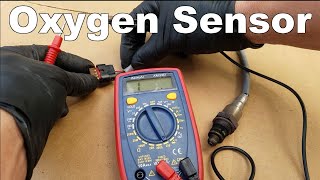
How to confirm: Disconnect the sensor and use a multimeter to measure the resistance 🎬 Watch: How to test the O2 sensor heater circuit between the two heater wires (often the same color, e.g., two black wires). A good sensor will have a low resistance (typically 4.5-8.0 Ohms for the 4B12 engine), while a failed sensor will show infinite resistance (open circuit).
Typical fix: Replace the Bank 1, Sensor 1 oxygen sensor. On the 2.4L, this is the upstream sensor on the exhaust manifold. On the 3.0L, it is the upstream sensor on the rear (firewall side) exhaust manifold. It is highly recommended to use an OEM, Denso, or NTK branded sensor, as cheap unbranded sensors are known to fail quickly or have incorrect resistance values.
Est. part cost: $50-$250 - Damaged Wiring or Connector 🟡 Medium Probability The sensor wiring is located in a high-heat engine bay, which can make wires brittle or cause them to melt if they contact the exhaust. The connector can also suffer from corrosion or loose pins.
How to confirm: Visually inspect the wiring harness leading to the sensor for any signs of melting, fraying, or breaks. Unplug the connector and check for corrosion, moisture, or bent pins. A 'wiggle test' of the harness while monitoring sensor data can sometimes reveal an intermittent fault.
Typical fix: Repair the damaged section of wire. If the connector is damaged, it may need to be cleaned with electrical contact cleaner or replaced with a new pigtail connector.
Est. part cost: $5-$30 - Blown Heater Circuit Fuse ⚪ Low Probability
How to confirm: Consult the owner's manual or the fuse box diagram to locate the fuse for the O2 sensor or A/F heater circuit. On some related Mitsubishi models, this may be labeled 'Engine management system' fuse #9 (20A) or be tied to the MFI relay. Visually inspect the fuse to see if it is blown.
Typical fix: Replace the blown fuse. If the new fuse blows immediately, it indicates a short circuit in the wiring or the sensor's heater element that must be diagnosed and repaired.
Est. part cost: $1-$5
Rare But Worth Checking
- Faulty Powertrain Control Module (PCM): → Shop Engine Control Module (ECM) This is extremely rare. The PCM is the last item to suspect after all other possibilities, including the sensor, wiring, and fuses, have been thoroughly checked and ruled out.
Diagnosis Steps
- Scan the vehicle's computer to confirm P0135 is the active code and check for any other related codes.
- Locate the Bank 1, Sensor 1 oxygen sensor. For the 2.4L engine, it's on the front exhaust manifold. For the 3.0L V6, it's on the rear manifold near the firewall.
- Perform a thorough visual inspection of the sensor's wiring harness and connector. Look for any signs of melting, chafing, corrosion, or loose connections.
- Check the fuse box for a blown fuse related to the O2 sensor heater circuit (often labeled 'A/F Heater' or similar). Power for the heater is typically supplied via the MFI relay.
- If the wiring and fuse are okay, disconnect the sensor. Use a multimeter set to Ohms to test the resistance across the two heater circuit pins on the sensor side. A reading outside the manufacturer's specification (e.g., 4.5-8.0 Ohms for the 4B12 engine) or an open circuit (infinite resistance) indicates a failed sensor.
- If the sensor resistance is good, check for battery voltage at the corresponding heater circuit pins on the harness side of the connector (with the key on, engine off). Lack of voltage points to a problem upstream in the circuit, such as the fuse or MFI relay.
- If voltage is present and the sensor's resistance is good, there may be an issue with the ground side of the circuit, which is controlled by the PCM. This is an advanced step and may require a wiring diagram.
- Based on the findings, replace the faulty component, which is most often the oxygen sensor itself.
Parts You'll Likely Need
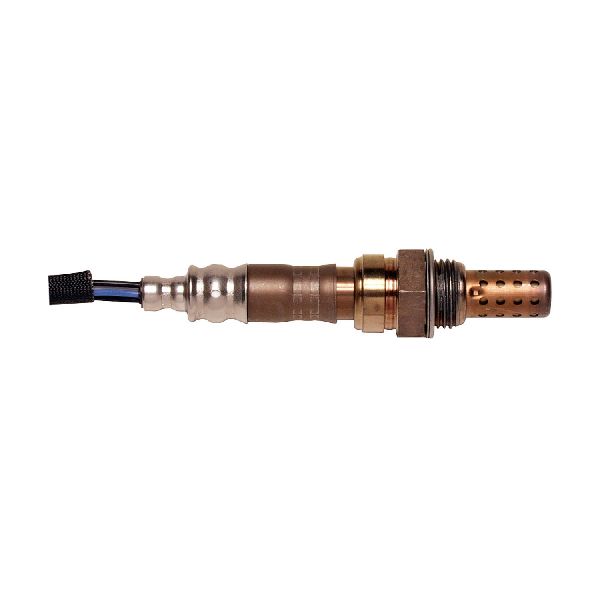
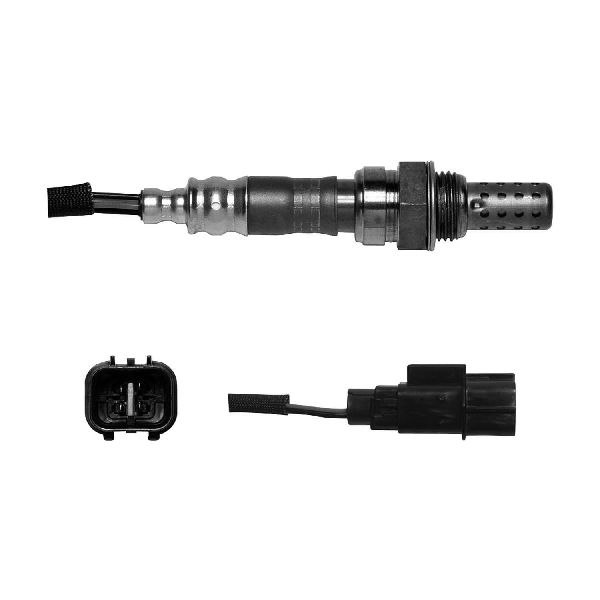
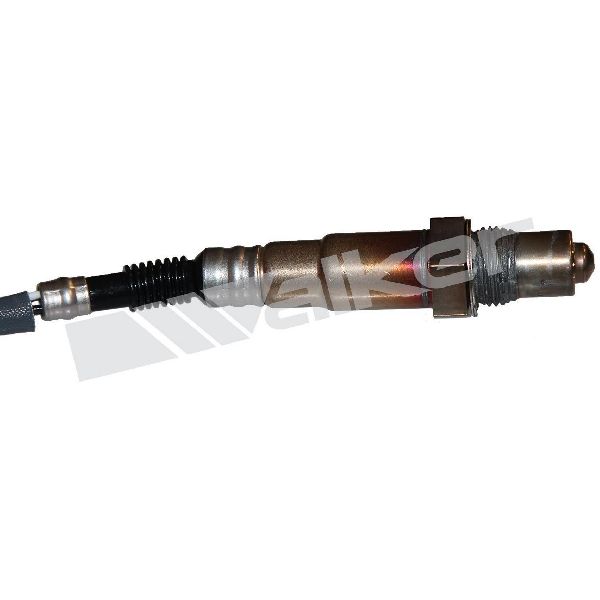
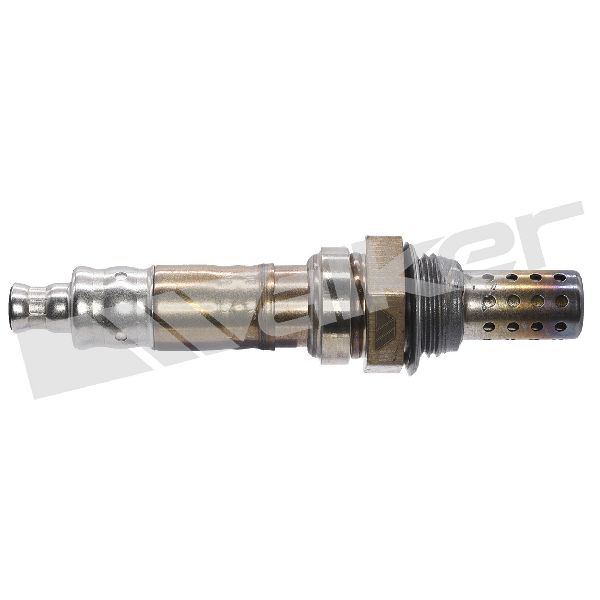
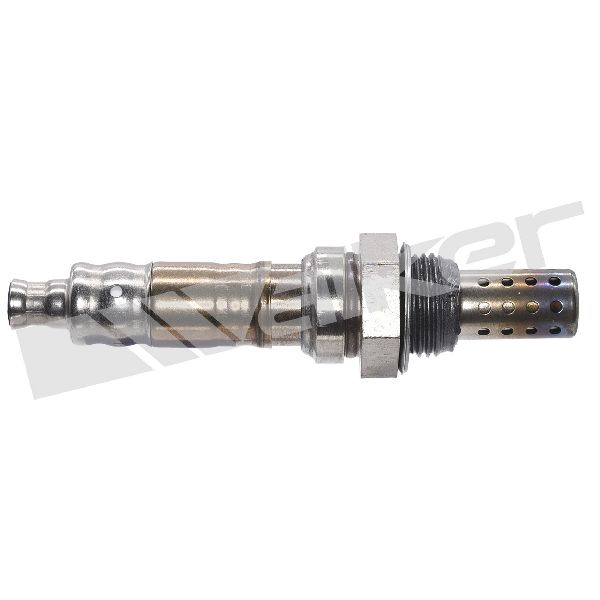
- Upstream Oxygen Sensor (Bank 1, Sensor 1)
(OEM #1588A195 (for 4B12 2.4L), 1588A141 (for 6B31 3.0L))— This is the most common failure for code P0135, as the internal heater element burns out over time.
Trusted brands: Denso (often OEM), NGK/NTK, Bosch
OEM price range: $150-$250
Aftermarket price range: $50-$120
Related Codes That Often Appear With This One
- P0134 — P0134 indicates 'No Activity' from the same sensor. If the heater fails (P0135), the sensor can't warm up properly to produce a signal, which can trigger a P0134 code simultaneously.
Technical Service Bulletins (TSBs) & Recalls
- Recall for Drive Belt Automatic Tensioner: Mitsubishi recalled 2008-2012 Outlanders with the 4B12 engine because the drive belt automatic tensioner flange could crack, causing the belt to detach and a loss of power steering. While not directly related to P0135, it's a relevant engine-specific recall for the platform.
Platform-Specific Known Issues
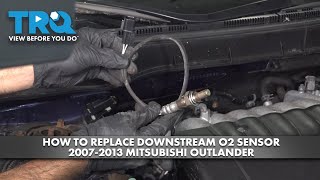
- Owner Experience: Intermittent Code Still Means a Bad Sensor: A post on the EvolutionM forums for the related Lancer platform highlights a common experience where the P0135 code may appear and then disappear. One user explained that this is because once the engine's exhaust is hot enough, it can heat the sensor to operating temperature, temporarily masking the failed internal heater. The consensus was clear: an intermittent P0135 code still points to a failing heater element and replacing the sensor is the correct permanent fix. 🎬 See this step-by-step O2 sensor replacement walkthrough
Mechanic-Grade Diagnostic Values
- O2 Sensor Heater Resistance (4B12 Engine) — expected: 4.5 - 8.0 Ω at 20°C (68°F). Failure: Resistance deviates from the standard value, is infinite (open), or near-zero (short).
- O2 Sensor Heater Resistance (General) — expected: 5 - 30 Ω at 20°C (68°F). Failure: Resistance is outside this range.
- Heater Circuit Current Draw — expected: Between 0.16 A and 7.5 A. Failure: Current is lower than 0.16 A or higher than 7.5 A for 4 seconds.
- Heater Circuit Power Supply Voltage — expected: Battery positive voltage (11 - 16.5 V). Failure: Voltage is not present at the sensor harness connector with the key on, engine off.
Scan Tool Commands That Help
- Mitsubishi MUT-II / MUT-III: Actuation Test for O2 Sensor Heater — This dealer-level function manually commands the O2 sensor heater circuit on and off. It is used to verify if the PCM's driver is functional and to observe the current draw on live data without waiting for the normal warm-up cycle. This helps definitively isolate a faulty PCM driver from a wiring or sensor issue.
Wiring & Ground Locations
- MFI Relay — Located in the engine compartment relay box.. The Multi-Function Injection (MFI) relay supplies power to the oxygen sensor heater circuit. A fault with this relay can cut power and trigger P0135.
- Sensor Connector C-45 (4B12) / B-04 (6B31) — This is the main electrical connector for the Bank 1 Sensor 1 oxygen sensor.. All diagnostic tests (resistance, voltage) are performed at this connector. It's the primary point for isolating the fault between the sensor, wiring, and ECU.
- PCM Heater Control Pin — A specific pin on the Powertrain Control Module (PCM) connector. For example, on some related models, it is Pin 3, 4, or 60.. The PCM controls the ground side of the heater circuit to turn it on and off. A break in the wire between this pin and the sensor connector will prevent the heater from working, even if power is present.
Diagnostic Flowchart
Other Known Issues on This Vehicle
Issues unrelated to this code that are worth knowing about as an owner of this generation:
- CVT Transmission Failure/Hesitation (4-Cylinder Models) 🔴 High — Common, especially on vehicles with over 60,000 miles where fluid changes were not performed every 30,000 miles. Symptoms include whining, shuddering, and loss of power. (Ref: A TSB was issued for some models describing a shudder/surge condition due to hydraulic pressure circuit issues.)
- 6B31 V6 Timing Belt Replacement 🔴 High — This is a critical maintenance item, not a defect. The belt must be replaced at the manufacturer's interval, typically 105,000 miles or 10 years. Failure is catastrophic and will destroy the engine.
- ETACS ECU Malfunctions 🟠 Medium — Failures of the Electronic Total Activity Control System (ETACS) are reported, causing bizarre electrical issues like non-functional wipers, lights, or door locks. Replacement can be costly and requires programming. (Ref: TSB-18-54-003 was issued for 2007-2013 Outlanders to reprogram the ETACS for a dome light flickering issue.)
- Worn Front Lower Control Arm Bushings 🟡 Low — A very common issue causing squeaking or rattling noises from the front suspension, especially over bumps. It's a frequent wear item. (Ref: A recall was issued for some model years in salt-belt states for control arm detachment due to cross-member corrosion.)
- Clear Coat / Paint Peeling 🟡 Low — Some owners report premature peeling of the clear coat and paint, particularly on the hood and roof.
- Corroding Rear Liftgate Gas Struts 🟠 Medium — Common enough to trigger a major recall, especially in states that use road salt. Struts can corrode, lose pressure, and cause the liftgate to fall unexpectedly or even rupture. (Ref: Recall numbers SR-25-002 and SR-26-001 (NHTSA 25V5700).)
Used vs. New Parts: Buying Guide for This Vehicle
When a used part is the smart pick: For this repair, purchasing a used oxygen sensor is not recommended. The heater element is a wear item, and a used sensor has an unknown amount of remaining life. It is a false economy that often leads to doing the job twice. Used parts are only viable for replacing a damaged connector pigtail or a faulty MFI relay.
What to inspect on the donor part:
- For a connector pigtail, ensure the wiring is not brittle and the locking tabs are intact.
- For a relay, look for a donor vehicle with no signs of electrical fire or water damage in the fuse box.
Aftermarket brands forum-validated for this vehicle:
- Denso (often the original equipment manufacturer)
- NGK / NTK (also a frequent OEM supplier)
- Bosch (generally reliable, though some forum users prefer Denso/NTK for Japanese vehicles)
Brands owners have reported issues with on this vehicle:
- Unbranded, 'economy' or no-name sensors from online marketplaces. These are frequently cited in forums as having incorrect resistance values, failing quickly, or being dead on arrival.
Real Owner Stories
Aggregated from forums and TSBs cited above. Mileages and costs reflect what owners reported in those sources.
2008 Mitsubishi Lancer 4B12
Symptoms: The P0135 code would appear and then disappear intermittently.
What fixed it: Replacing the oxygen sensor. Owners noted that once the exhaust is hot enough, it masks the failed internal heater, but the sensor still requires replacement for a permanent fix.
Source hint: EvolutionM.net - 'Help P0135' thread
2007-2013 Mitsubishi Outlander
Symptoms: Engine light code P0135 persisted even after the owner replaced the sensor twice.
What fixed it: The experience highlighted the necessity of checking the fuses and wiring harness rather than just replacing the sensor, as a blown fuse or wiring issue can prevent a new sensor from working.
Source hint: Reddit.com /r/mitsubishi - 'I have engine light code: P0135...'
Related OBD-II Codes
Frequently Asked Questions
Where is the Bank 1 Sensor 1 located on my 3.0L V6 Outlander?
I have a 2.4L 4B12 engine; what is the specific resistance I should look for when testing the O2 sensor heater?
Which fuse should I check for the P0135 code on my Mitsubishi?
Is there a specific brand of oxygen sensor recommended for the Outlander to avoid repeat failures?
Does the drive belt tensioner recall (2008-2012 models) cause the P0135 code?
Why does my P0135 code disappear after the car has been driving for a while?
Helpful Videos
We Have This Part in Stock


The information in this article is provided for general reference and educational purposes only. Vehicle specifications, procedures, and part compatibility can vary by production date, trim level, and region. Always consult your vehicle's factory service manual and verify part numbers before purchasing or performing repairs. Safety-critical components such as airbags, seat belts, and braking systems should be installed by a qualified professional.
- Mitsubishi Outlander:
- 🧭 Diagnostic Flowchart
- 🎬 Helpful Videos
- 🛍️ Shop This Part
- What's Unique About the 2007-2013 Mitsubishi Outlander
- Symptoms You May Notice
- Most Likely Causes
- Rare But Worth Checking
- Diagnosis Steps
- Parts You'll Likely Need
- Related Codes That Often Appear With This One
- Technical Service Bulletins (TSBs) & Recalls
- Platform-Specific Known Issues
- Mechanic-Grade Diagnostic Values
- Scan Tool Commands That Help
- Wiring & Ground Locations
- Other Known Issues on This Vehicle
- Used vs. New Parts: Buying Guide for This Vehicle
- Real Owner Stories
- 2008 Mitsubishi Lancer 4B12
- 2007-2013 Mitsubishi Outlander
- Related OBD-II Codes
- Frequently Asked Questions
- 🎟️ Get 5% Off