

P0135 on 2011-2018 Porsche Cayenne: O2 Sensor Heater Failure Causes and Fixes
This code indicates a failure in the heater circuit of the upstream oxygen sensor on Bank 1. The most common fix is to replace the Bank 1, Sensor 1 O2 sensor itself. Before replacing the sensor, it's wise to check the corresponding fuse, which is a known common point of failure due to water intrusion.
- P0135 points to a problem with the heater in the passenger-side, pre-catalytic converter O2 sensor.
- The most likely cause is a failed O2 sensor, but always check the fuse in the plenum E-box for corrosion/water damage first, as this is a very common and cheaper fix.
- You can continue to drive, but expect poor fuel mileage and fix the issue promptly to avoid potential catalytic converter damage.
- While the diagnosis is simple, replacing the sensor can be challenging due to tight access, especially on V8 models.
What's Unique About the 2011-2018 Porsche Cayenne
For the 2011-2018 Porsche Cayenne (958 generation) and its platform mates (VW Touareg, Audi Q7), the P0135 code is a straightforward electrical fault that has a specific, notorious cause beyond the sensor itself. The fuse powering the O2 sensor heaters is located in an electronics box in the plenum chamber (at the base of the windshield), an area where the drains are prone to clogging with leaves and debris. When clogged, this area fills with water, submerging the fuse box and causing corrosion on the fuse terminals, leading to an open circuit that triggers P0135. Physical access to the Bank 1 (passenger side) sensor can be tight, especially on V8 models, often requiring the removal of heat shields and the airbox. A crucial first step is checking the O2 sensor heater fuse for corrosion, which can save significant time and expense.
Symptoms You May Notice
- Check Engine Light is on
- Reduced fuel economy
- Potential for a rough idle, especially on cold starts
- Failing a vehicle emissions test
- Replacing the O2 sensor without first checking the fuse and its holder for water damage/corrosion. A simple corroded fuse is a very common cause on this platform.
- Replacing the wrong sensor. P0135 is specifically for Bank 1, Sensor 1 (pre-catalyst, passenger side on LHD models). Ensure you are diagnosing and replacing the correct sensor.
Most Likely Causes
- Failed O2 Sensor Heater Element 🔴 High Probability → Shop Oxygen Sensor The internal heating element is a common failure point in O2 sensors from any brand due to repeated heat cycles and age.
How to confirm: Disconnect the sensor and use a multimeter to measure the resistance between the two heater circuit wires (often the same color). A reading of 'OL' (Open Loop) or infinite resistance means the heater has failed. A good sensor will have a low resistance, typically between 2 and 20 ohms.
Typical fix: Replace the Bank 1, Sensor 1 oxygen sensor.
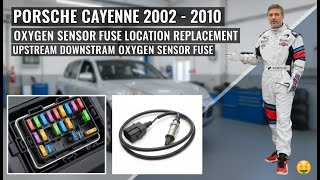
Est. part cost: $80-$200 - Blown or Corroded Fuse 🟡 Medium Probability The fuse for the O2 sensor heaters is located in the engine compartment plenum E-box. The plenum drains are known to clog, causing water to submerge the fuse box, leading to corrosion and blown fuses. This is a very common issue on the Cayenne/Touareg/Q7 platform.
How to confirm: Locate the fuse box in the engine compartment plenum (under the cowl near the windshield). Check the 15A fuse for the O2 sensor heaters. Visually inspect for a blown fuse filament and, more importantly, for green or white corrosion on the fuse legs and terminals.
Typical fix: Replace the blown/corroded fuse and clean the terminals in the fuse holder. Crucially, clear the plenum drains of leaves and debris to prevent a recurrence. If the new fuse blows immediately, it indicates a short circuit in the wiring or a failed O2 sensor that needs to be replaced.
Est. part cost: $1-$5 - Damaged Wiring or Connector ⚪ Low Probability
How to confirm: Visually inspect the wiring harness leading to the O2 sensor for any signs of melting, chafing against the engine or exhaust, or breaks. Check the electrical connector for corrosion, moisture, or bent/broken pins.
Typical fix: Repair the damaged section of wiring or replace the connector pigtail.
Est. part cost: $15-$50
Rare But Worth Checking
- Faulty Engine Control Module (DME): → Shop Engine Control Module (ECM) This is extremely rare. The DME should only be considered a potential cause after all other possibilities (sensor, fuse, wiring) have been exhaustively tested and ruled out.
Diagnosis Steps
- Confirm the code P0135 is present using an OBD-II scanner.
- Locate and check the fuse for the O2 sensor heater circuit in the engine bay plenum E-box. Check for both a blown filament and signs of corrosion. Replace if blown and clean terminals if corroded.
- If the fuse is good, visually inspect the wiring and connector for the Bank 1, Sensor 1 O2 sensor. Look for any signs of melting, corrosion, or physical damage.
- Disconnect the sensor's electrical connector. Use a multimeter to test the resistance of the heater circuit on the sensor side. A normal reading is typically between 2-20 Ohms. Infinite resistance (OL) indicates a failed heater element.
- With the key on and engine off, check for battery voltage at the heater power wire on the vehicle's harness connector.
- If voltage and wiring are good, and the sensor's heater resistance is infinite, the O2 sensor has failed and needs to be replaced.
- After repair, clear the plenum drains to prevent water intrusion into the fuse box.
- If the sensor and wiring test good, the issue could be with the DME, but this is highly unlikely.
Parts You'll Likely Need
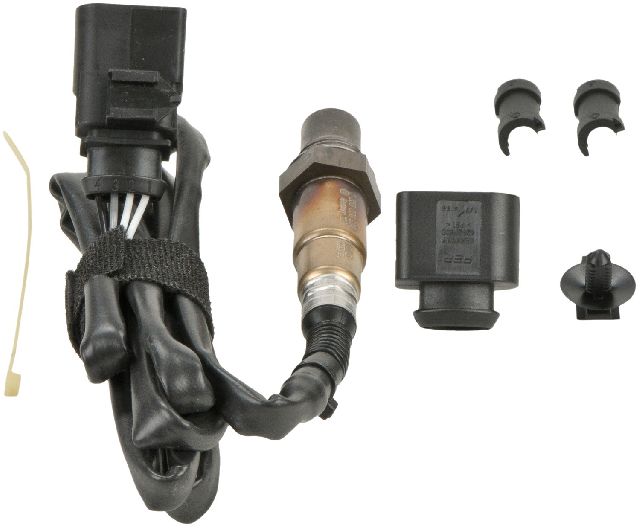
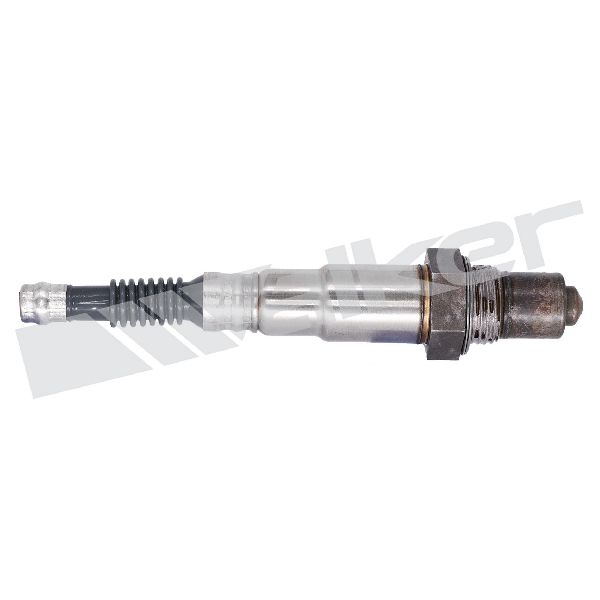
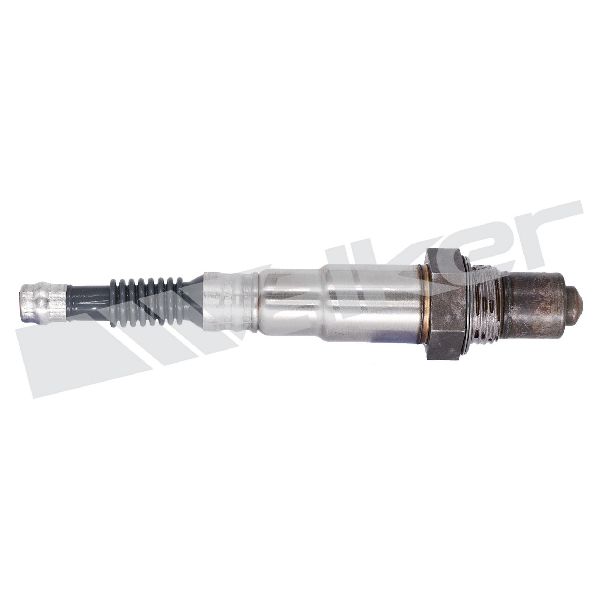
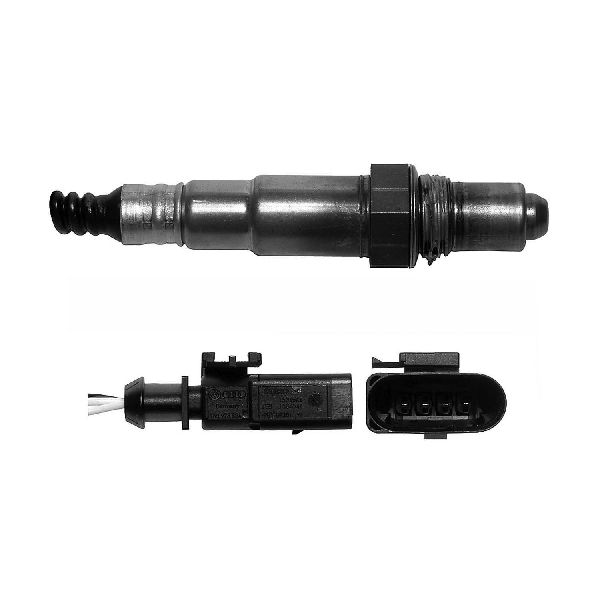
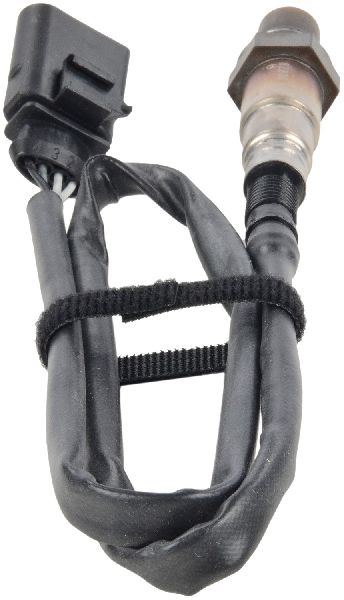
- Oxygen Sensor (Bank 1, Sensor 1)
(OEM #958-906-262-S (for 3.6L V6, supersedes 95860612800, 95860612801))— The internal heater element within the sensor is the most frequent point of failure for this code.
Trusted brands: Bosch, Denso, NTK
OEM price range: $180-$250
Aftermarket price range: $80-$150
Related Codes That Often Appear With This One
- P0172 — System Too Rich (Bank 1). If the O2 sensor isn't heating up, the DME may stay in 'open loop' mode and run a default rich fuel mixture for too long, triggering this code.
- P0134 — O2 Sensor Circuit No Activity Detected (Bank 1, Sensor 1). If the heater fails, the sensor might not reach a high enough temperature to start generating a signal, leading the DME to report no activity.
- P0155 — O2 Sensor Heater Circuit Malfunction (Bank 2, Sensor 1). If both P0135 and P0155 are present, it strongly suggests the shared fuse or its power supply is the culprit, rather than two sensors failing simultaneously.
Platform-Specific Known Issues
- Access to the Bank 1 (passenger side) upstream O2 sensor on V8 models can be difficult due to tight space and the presence of heat shields that must be removed. A Rennlist user described the process as removing the air cleaner housing and two heat shields to gain access.
- The electrical connectors for the O2 sensors are typically mounted to the firewall and are color-coded to prevent mix-ups during replacement.
- The fuse for the O2 sensor heaters is located in the plenum E-box, which is highly susceptible to water damage from clogged cowl drains, a very common platform issue.
Mechanic-Grade Diagnostic Values
- O2 Sensor Heater Element Resistance — expected: 4 to 10 Ohms (for Bosch sensors when cold). Failure: Infinite resistance (OL) indicates an open circuit; near-zero resistance indicates a short circuit.
- Voltage at Heater Circuit Power Pin (Harness Side) — expected: ~12V (Battery Voltage) with key on, engine off.. Failure: 0V or significantly low voltage points to a problem upstream (fuse, relay, or wiring).
Scan Tool Commands That Help
- PIWIS (Porsche Integrated Workshop Information System): Short Test / Readiness Check — A PIWIS tester can be used to check the readiness status of all emissions components, including the O2 sensor and its heater. While it may not force a P0135 test directly, it can confirm if the DME sees the component as 'ready' or 'not ready', which can be useful if generic OBD-II scanners provide conflicting information.
- Durametric: Activations / Drive Links — A Porsche-specific tool like Durametric may allow a technician to manually command the O2 sensor heater circuit on to test its function and current draw, helping to isolate the fault between the sensor, wiring, and DME.
Wiring & Ground Locations
- O2 Sensor Heater Wires — Within the O2 sensor's own wiring pigtail leading to the main harness connector.. On many Bosch sensors, the two heater wires are the same color (often white). These are the wires to probe when checking resistance. The heater circuit is not polarized, so it doesn't matter which wire is power and which is ground.
- O2 Sensor Heater Fuse (Upstream) — For the related 955/957 generation, this was fuse #17 (15A) in the engine bay fuse box on the driver's side. While the exact number may differ for the 958, the location is the same engine bay fuse box, not the plenum E-box. This fuse powers both upstream sensor heaters.. This is a critical, shared power source. If both P0135 (Bank 1) and P0155 (Bank 2) are present, this fuse is the most likely culprit. The plenum water issue mentioned in Pass 2 is a major problem for Cayennes, but it typically affects wiring splices under the carpet or the plenum E-box, not this specific fuse.
- Heater Circuit Ground — The heater circuit is typically grounded through the DME (Engine Control Module), which pulses the ground connection to control heater operation.. This means a simple continuity-to-chassis-ground test on the ground wire may not be conclusive. The DME actively controls the ground path, so testing requires checking for voltage drop or using a scan tool to command the heater on.
Real Owner Repair Stories
- Rennlist Forum User (2014 Porsche Cayenne S) — Check Engine Light with codes P0135, P0155, P2A00, and P2A03. Codes would return a couple of days after being cleared.
❌ Tried (didn't work) Clearing the codes.
✅ What actually fixed it The user was advised that having both heater codes (P0135 and P0155) simultaneously strongly points to a common power supply issue, such as a fuse, rather than two sensors failing at the same time. The final fix was not posted, but the diagnosis points directly to the shared fuse.
OEM Part Supersession History
95860612800, 95860612801→958-906-262-S— Standard part evolution and supplier updates for the 3.6L V6 engine.
Heads up: Always verify the part number with the vehicle's VIN, as different engines (V6, V8, Turbo, Diesel, Hybrid) used different sensors. While physically similar, their calibration and connectors can vary.
Model Year Variations Within This Range
- 2011-2014 (958.1) vs 2015-2018 (958.2): The primary difference affecting this repair is the engine lineup. The 958.1 Cayenne S used a 4.8L V8, while the 958.2 Cayenne S switched to a twin-turbo 3.6L V6. This changes the physical location and access procedure for the O2 sensors, as well as the specific part numbers required. The facelift also brought an updated PCM (Porsche Communication Management) system and cosmetic changes, but the fundamental electrical system for the O2 heaters remained similar.
Diagnostic Flowchart
Other Known Issues on This Vehicle
Issues unrelated to this code that are worth knowing about as an owner of this generation:
- Transfer Case Failure 🔴 High — Very common, often manifests as shuddering or hesitation during low-speed acceleration and turns. Can occur at various mileages, sometimes as low as 30k-60k miles. (Ref: Porsche has an extended warranty on the transfer case for many vehicles.)
- Camshaft Adjuster Bolt Failure (V8 engines) 🔴 High — Affects early 958 models (approx. 2011-2012) with the 4.8L V8. Aluminum bolts can shear, causing sudden loss of engine power and potentially brake assist, leading to catastrophic engine damage if bolt heads are not recovered. (Ref: Subject of US/Canada safety recall AH08 (NHTSA 17V-368).)
- Coolant Pipe Adhesive Failure (V8 engines) 🔴 High — Affects V8 models where coolant pipes are glued into the thermostat housing. The adhesive fails after repeated heat cycles, causing a sudden and massive coolant leak, which can lead to engine overheating and failure. (Ref: Subject of a class-action lawsuit; no formal recall, but a known issue. Aftermarket solutions involve pinning or welding the pipes.)
- Valve Lift Solenoid/Actuator Failure (V8 engines) 🟠 Medium — Can cause a Check Engine Light with codes like P1372. The issue can be the solenoid itself, wiring, or clogged oil passages.
- Cracked Crankcase Vent (Breather) Lines (V8 Bi-Turbo) 🟠 Medium — A diaphragm in the breather line can crack, causing a rough running engine, whistling noise, and lean condition fault codes (e.g., P227900). (Ref: Porsche Advanced Technical Information Bulletin #2304 exists for this issue.)
Used vs. New Parts: Buying Guide for This Vehicle
When a used part is the smart pick: For this repair, a used part only makes sense for the fuse box or a connector pigtail if it has been damaged by corrosion or heat. Never buy a used oxygen sensor.
Donor-vehicle mileage cap: roughly under 50000 miles for the part to have meaningful remaining life.
What to inspect on the donor part:
- For a fuse box or connector, inspect for any signs of green or white corrosion.
- Ensure plastic housings are not brittle or cracked.
- Verify wiring insulation is flexible and not melted or frayed.
OEM-only on this vehicle (don't cheap out):
- While not strictly 'OEM-only', it is highly recommended to use the OEM supplier (Bosch) for the oxygen sensor. Avoid unbranded 'universal' sensors that require splicing wires, as improper connections can cause resistance issues and lead to incorrect readings or persistent codes.
Aftermarket brands forum-validated for this vehicle:
- Bosch (OEM supplier)
- NTK
- Denso
Brands owners have reported issues with on this vehicle:
- Unbranded, no-name sensors from online marketplaces.
- Universal sensors that require cutting and splicing the vehicle's harness.
Real Owner Stories
Aggregated from forums and TSBs cited above. Mileages and costs reflect what owners reported in those sources.
2013 Porsche Cayenne S V8
Symptoms: The vehicle threw codes P2A00 and P0135 for the bank 1 pre-cat sensor. The owner cleared the codes multiple times, but they eventually returned. Replacing spark plugs had no effect on the issue.
What fixed it: The owner replaced the Bank 1 pre-cat oxygen sensor.
Source hint: Rennlist owner report for 2013 Porsche Cayenne S V8
2012 Porsche Cayenne S V8
Symptoms: Owner needed to replace the Bank 1 Sensor 1 oxygen sensor on a LHD vehicle.
What fixed it: Accessing the sensor required removing the airbox and two heat shields to reach the passenger side (Bank 1) upstream sensor.
Source hint: Rennlist.com thread: 'Anyone replaced a Bank 1 Sensor 1 oxygen sensor'
2014 Porsche Cayenne S
Symptoms: The vehicle reported codes P0135 and P0155 simultaneously, along with P2A00 and P2A03.
What fixed it: Because two sensors reported heater circuit failures at the same time, the issue pointed toward a shared electrical fault, such as a fuse in the plenum E-box.
Source hint: Rennlist.com forum citation
Related OBD-II Codes
Frequently Asked Questions
Where is the fuse for the O2 sensor heater located on my 2011-2018 Cayenne?
I have a V8 Cayenne S; why is it so difficult to reach the Bank 1 Sensor 1 O2 sensor?
Could my P0135 code be caused by water damage even if the sensor is fine?
Is there a recall for engine issues that might be related to my 2011-2012 Cayenne V8?
How can I tell if the O2 sensor heater itself has actually failed?
Are there any other common Cayenne issues I should check while fixing this?
Helpful Videos
We Have This Part in Stock


The information in this article is provided for general reference and educational purposes only. Vehicle specifications, procedures, and part compatibility can vary by production date, trim level, and region. Always consult your vehicle's factory service manual and verify part numbers before purchasing or performing repairs. Safety-critical components such as airbags, seat belts, and braking systems should be installed by a qualified professional.
- Porsche Cayenne:
- 🧭 Diagnostic Flowchart
- 🎬 Helpful Videos
- 🛍️ Shop This Part
- What's Unique About the 2011-2018 Porsche Cayenne
- Symptoms You May Notice
- Most Likely Causes
- Rare But Worth Checking
- Diagnosis Steps
- Parts You'll Likely Need
- Related Codes That Often Appear With This One
- Platform-Specific Known Issues
- Mechanic-Grade Diagnostic Values
- Scan Tool Commands That Help
- Wiring & Ground Locations
- Real Owner Repair Stories
- OEM Part Supersession History
- Model Year Variations Within This Range
- Other Known Issues on This Vehicle
- Used vs. New Parts: Buying Guide for This Vehicle
- Real Owner Stories
- 2013 Porsche Cayenne S V8
- 2012 Porsche Cayenne S V8
- 2014 Porsche Cayenne S
- Related OBD-II Codes
- Frequently Asked Questions
- 🎟️ Get 5% Off