

P0135 on 2000-2004 Volvo S40 1.6L: O2 Sensor Heater Fault Causes and Fixes
This code means the heater inside the front oxygen sensor has failed. The most common fix is to replace the front (upstream) oxygen sensor. Before buying parts, always check fuse F18 in the engine bay fuse box first. Expect to pay $60-$120 for a quality aftermarket sensor.
- P0135 on this Volvo points to a problem with the front O2 sensor's internal heater.
- **Always check fuse F18 (10A) in the engine bay fuse box before buying any parts.**
- The most likely fix is replacing the front (upstream) oxygen sensor with a quality part from a brand like Bosch or Denso.
- This is a DIY-friendly repair that requires a special 22mm (7/8") oxygen sensor socket.
- Ignoring this code will lead to poor fuel mileage and can eventually damage the more expensive catalytic converter.
What's Unique About the 2000-2004 Volvo S40
On the first-generation Volvo S40 (chassis VS), this code is straightforward and almost always points to a failed sensor heater or its power supply. A key piece of platform-specific advice from owners is to check the fuse for the oxygen sensor heater circuit before replacing the sensor itself. A simple blown fuse can trigger this code and is a much cheaper fix. The vehicle's electrical system for this component is relatively simple, making diagnosis logical. The platform was a joint venture with Mitsubishi, sharing a chassis with the Mitsubishi Carisma, which can also exhibit the same P0135 fault with similar root causes.
Symptoms You May Notice
- Check Engine Light is on
- Noticeably worse fuel economy, potentially by 10-15%.
- Failing a vehicle emissions test.
- Slightly rough idle or hesitation, especially when the engine is cold.
- Engine may take longer to enter 'closed-loop' operation.
- Replacing the oxygen sensor without first checking fuse F18. This can lead to the new sensor also not working and the code returning immediately.
- Replacing the wrong sensor. P0135 specifically refers to Bank 1, Sensor 1, which is the upstream sensor before the catalytic converter.
Most Likely Causes
- Failed Front Oxygen Sensor 🔴 High Probability → Shop Oxygen Sensor The internal heater element within the oxygen sensor is a common failure point due to age and constant, rapid heat cycles from cold start to operating temperature.
How to confirm: After confirming fuse F18 is good, disconnect the sensor and measure the resistance between the two heater circuit wires (often two white wires on a Bosch sensor, or two black wires on others). A reading of 'OL' or infinite resistance means the heater is burned out. A good sensor should have a low resistance; forum users report values between 4 and 6 Ohms as typical for this vehicle.
Typical fix: Replace the front (upstream) oxygen sensor. An O2 sensor socket is highly recommended for removal.
Est. part cost: $60 - $150 - Blown Oxygen Sensor Heater Fuse 🟡 Medium Probability → Shop Oxygen Sensor An electrical short in the sensor's internal heater element or its wiring harness can cause the protective fuse to blow as a safety measure.
How to confirm: Locate the fuse box in the engine compartment, near the driver's side strut tower. Check fuse F18, which is a 10-amp fuse designated for the 'Oxygen sensor heater'. If it is blown, replace it.
Typical fix: Replace the 10-amp fuse. If it blows again immediately, this strongly indicates a short circuit in the O2 sensor's wiring or the sensor itself. The sensor should be replaced before the fuse is tried again.
Est. part cost: $1 - $5 - Damaged Wiring or Connector ⚪ Low Probability
How to confirm: Visually inspect the wiring harness leading to the front O2 sensor for any signs of melting from contact with the exhaust manifold, chafing against engine components, or corrosion in the connector pins. Check for 12V at the harness connector (with ignition on) to confirm power is reaching the sensor.
Typical fix: Repair the damaged section of the wiring harness using heat-shrink butt connectors or replace the connector pigtail. Secure the harness away from heat sources.
Est. part cost: $10 - $50
Rare But Worth Checking
- Faulty Engine Control Module (ECM): → Shop Engine Control Module (ECM) This is extremely rare. The ECM's driver for the heater circuit can fail, but all other potential causes (fuse, wiring, sensor) should be exhaustively ruled out before considering the ECM as the problem.
Diagnosis Steps
- Read the trouble codes with an OBD-II scanner to confirm P0135 is present and to check for any other codes.
- Locate the fuse box in the engine compartment, near the driver's side strut tower.
- Find fuse F18 and check if the 10A fuse is blown. If it is, replace it, clear the codes, and see if the fault returns. If it blows again, suspect a short in the wiring or sensor.
- If the fuse is good, locate the front oxygen sensor. It is screwed into the exhaust manifold, visible from the top of the engine, before the catalytic converter.
- Inspect the sensor's wiring harness and connector for any visible damage, melting, or corrosion. Ensure the connector is securely plugged in.
- Disconnect the sensor and test the resistance of the heater circuit pins on the sensor side. On a typical Bosch replacement, these are the two white wires. A reading of infinite resistance (Open Loop) confirms the heater has failed. A good heater should read between 4-10 Ohms; owners specifically report 4-6 Ohms as a good value.
- If the sensor's resistance is within specification, the next step is to check for 12V power and a good ground at the vehicle's harness connector with the ignition on (engine off).
- If all wiring and fuses are good, and the sensor's heater circuit is open (infinite resistance), replace the front oxygen sensor. A 22mm or 7/8" oxygen sensor socket is required.
- After replacement, clear the code with a scanner. The light should stay off.
Parts You'll Likely Need
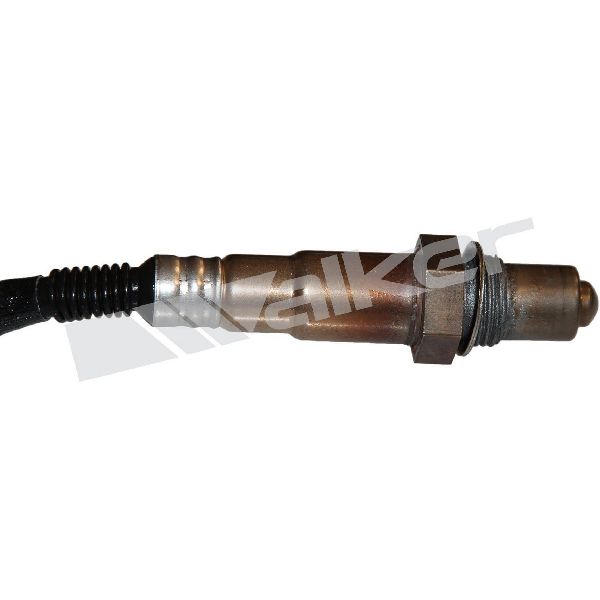
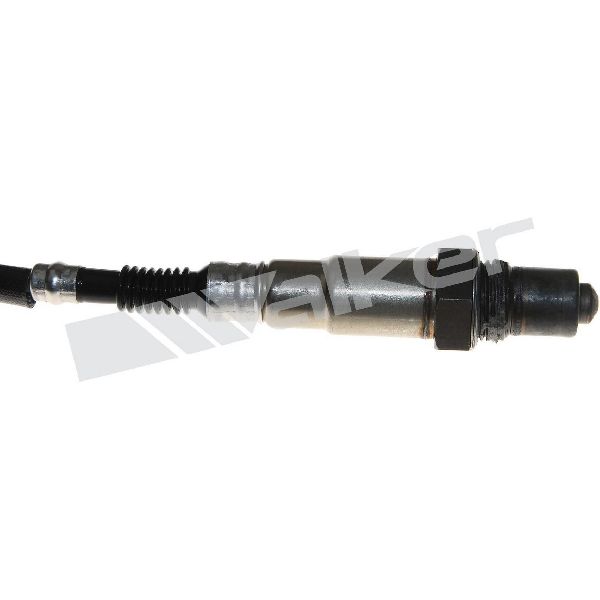
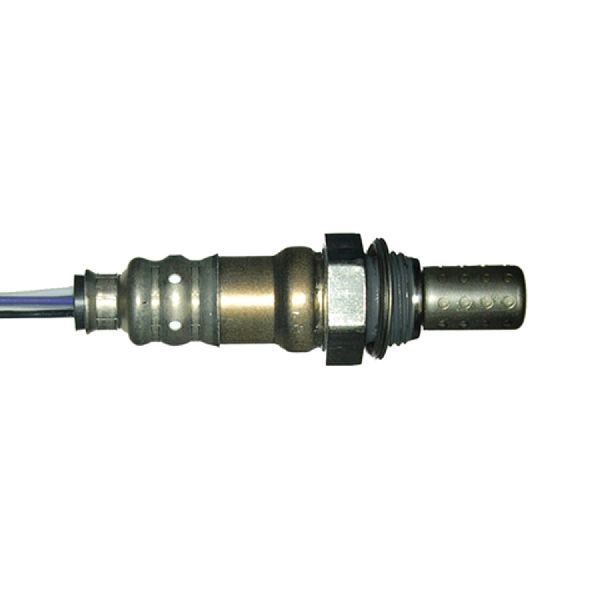
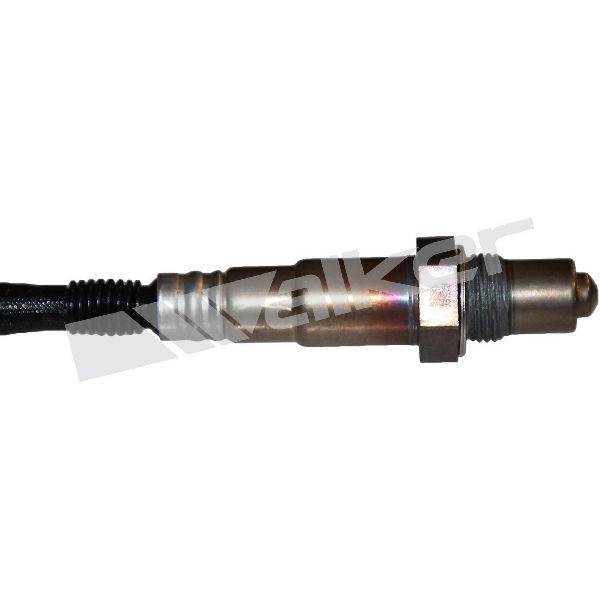
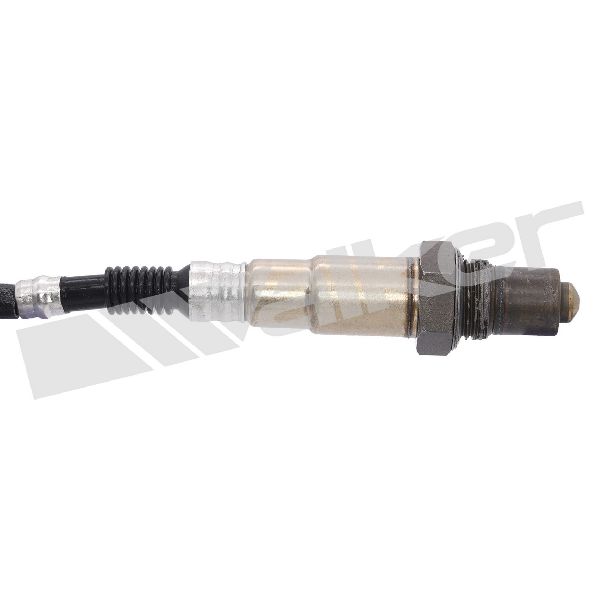
- Front Heated Oxygen Sensor
(OEM #30630130)— This is the Bank 1, Sensor 1 component whose internal heater circuit is reported as faulty by the P0135 code. The heater element failing from age is the most common cause.
Trusted brands: Bosch (e.g., 15733 - Universal, requires splicing; or a direct-fit model), Denso (e.g., 234-4668), NGK/NTK
OEM price range: $150-$180
Aftermarket price range: $60-$120
Technical Service Bulletins (TSBs) & Recalls
- No specific Technical Service Bulletins (TSBs) directly addressing the P0135 code on the 1.6L S40 were found in public databases. The issue is typically handled as a standard diagnostic procedure.
Platform-Specific Known Issues
- Fuse F18 is Critical: Multiple owner forums emphasize checking the 10A fuse at position F18 in the engine bay fuse box as the first step. It is a common point of failure and a much cheaper fix than a sensor.
- Connector Location: The electrical connector for the front O2 sensor is located on the firewall, and can sometimes be tricky to disconnect without pressing the release tab firmly.
Mechanic-Grade Diagnostic Values
- Front O2 Sensor Heater Element Resistance — expected: 4.5 - 6 Ohms. Failure: Infinite resistance (Open Loop / 'OL' on multimeter) or a value significantly outside the expected range.
- Voltage at O2 sensor harness connector (heater power pin to ground) — expected: 11-14V with ignition on, engine off (battery voltage).. Failure: 0V or significantly low voltage indicates a problem upstream (fuse, relay, wiring, or ECM).
- Voltage between heater power and heater ground wires at connector (engine running) — expected: A user reported an abnormal reading of 9.4V, suspecting it should be closer to 12V. This suggests that a voltage drop test is a valuable diagnostic step if the code persists with a new sensor.. Failure: A significant drop from battery voltage (e.g., more than 0.5V) points to high resistance in the circuit.
Scan Tool Commands That Help
- Volvo VIDA: Vehicle Readout & Fault Tracing — When diagnosing a P0135, VIDA (Volvo's official diagnostic software) provides step-by-step fault tracing procedures. It matches the Diagnostic Trouble Code (DTC) with potential causes and guides the technician through specific tests, providing more detail than a generic OBD-II scanner.
Wiring & Ground Locations
- Front O2 Sensor Connector — Located on the firewall, near the top of the engine.. This is the primary access point for testing both the sensor side and the vehicle harness side of the heater circuit. Corrosion or damage here is a potential cause of the P0135 code.
- Heater Circuit Wiring (at connector) — On a 2002 1.6L model, a user identified the heater circuit wires as Red-Black (heater positive) and Green-White (heater ground, controlled by ECM).. Knowing the specific wire colors for the heater circuit is essential for accurate resistance and voltage testing at the connector, preventing misdiagnosis.
- Engine Block Ground — A primary ground strap is typically located between the engine block and the chassis. Specific location can vary slightly, but it's essential for all engine sensor circuits.. While the heater circuit is often grounded through the ECM, the entire system relies on a solid engine-to-chassis ground. A poor ground can cause floating voltages and intermittent electrical issues, including heater circuit faults.
Real Owner Repair Stories
- Volvo Owners Club Forum user (2002 Volvo S40 1.6L) — P0135 DTC, failing MOT (emissions test).
❌ Tried (didn't work) The previous owner had already replaced the O2 sensor with a new Bosch unit. The user initially assumed the new sensor was faulty.
✅ What actually fixed it The user performed detailed electrical checks. They measured the sensor's heater resistance (which was good at 4.5-6 Ohms) and checked voltages at the connector. Although the user did not post the final 'what fixed it', their detailed diagnostic process (measuring 9.4V on the heater circuit while running, questioning the voltage) strongly points towards a wiring or ECM driver issue rather than a sensor failure. This story is valuable because it shows that even with a new sensor, the code can persist if the underlying electrical fault isn't found.
OEM Part Supersession History
30630130→N/A— This remains the primary OEM part number for the front O2 sensor on this vehicle.
Heads up: While this is the correct part number, aftermarket parts catalogs show that fitment applies from chassis number 8000054 onwards for 2002-2004 models. Vehicles before this chassis number may use a different sensor, so verifying by VIN is crucial.
Model Year Variations Within This Range
- 2002-2004: According to parts suppliers, there is a chassis number split (from 8000054) for the correct front O2 sensor (part 30630130). While the P0135 code applies broadly, using the wrong physical sensor for a pre-split vehicle could potentially cause issues, even if it seems to fit.
Diagnostic Flowchart
Real Owner Stories
Aggregated from forums and TSBs cited above. Mileages and costs reflect what owners reported in those sources.
2002 Volvo S40 1.6L
Symptoms: P0135 DTC present, needed to verify O2 sensor wiring and resistance.
What fixed it: Diagnosed by measuring resistance; confirmed expected values of 4.5-6 Ohms and verified wiring colors.
Source hint: Volvo Owners Club Forum (volvoforums.com): A thread titled 'S40 -02 issue with O2 sensor/wiring? P0135 DTC'
2001 Volvo S40
Symptoms: Triggered both P0135 and P0141 O2 sensor heater circuit malfunction codes.
What fixed it: Resolved both codes by replacing the single 10A fuse at position F18.
Source hint: SwedeSpeed Forums (swedespeed.com): In a thread titled 'P0135 and P0141 O2 sensor heater circuit malfunction'
1999 Mitsubishi Carisma 1.6L
Symptoms: High fuel consumption and an intermittent check engine light.
What fixed it: Community identified the O2 sensor as the likely culprit due to shared platform issues.
Source hint: Mitsubishi Forums (mitsubishi-forums.com): A thread titled 'Lambda/oxygen sensor....'
Related OBD-II Codes
Frequently Asked Questions
Where is the fuse for the oxygen sensor heater on my 2000-2004 Volvo S40?
I have code P0135 on my S40 1.6L. What resistance reading should a good front O2 sensor have?
Are there any specific Technical Service Bulletins (TSBs) for the P0135 code on the 1.6L Volvo S40?
Where is the front oxygen sensor connector located on the S40, and is it hard to remove?
Can a blown fuse cause code P0135 on my Volvo S40?
Does the Mitsubishi Carisma share this P0135 issue with the Volvo S40?
We Have This Part in Stock


The information in this article is provided for general reference and educational purposes only. Vehicle specifications, procedures, and part compatibility can vary by production date, trim level, and region. Always consult your vehicle's factory service manual and verify part numbers before purchasing or performing repairs. Safety-critical components such as airbags, seat belts, and braking systems should be installed by a qualified professional.
- Volvo S40:
- 🧭 Diagnostic Flowchart
- 🛍️ Shop This Part
- What's Unique About the 2000-2004 Volvo S40
- Symptoms You May Notice
- Most Likely Causes
- Rare But Worth Checking
- Diagnosis Steps
- Parts You'll Likely Need
- Technical Service Bulletins (TSBs) & Recalls
- Platform-Specific Known Issues
- Mechanic-Grade Diagnostic Values
- Scan Tool Commands That Help
- Wiring & Ground Locations
- Real Owner Repair Stories
- OEM Part Supersession History
- Model Year Variations Within This Range
- Real Owner Stories
- 2002 Volvo S40 1.6L
- 2001 Volvo S40
- 1999 Mitsubishi Carisma 1.6L
- Related OBD-II Codes
- Frequently Asked Questions
- 🎟️ Get 5% Off