

P0135 on 2007-2014 Volvo XC90 3.2L: O2 Sensor Heater Malfunction Causes and Fixes
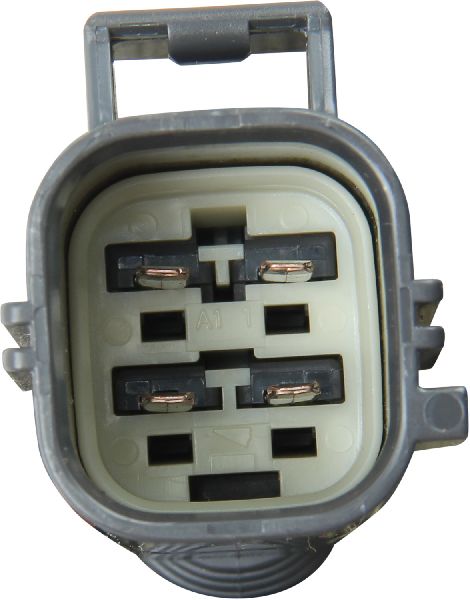
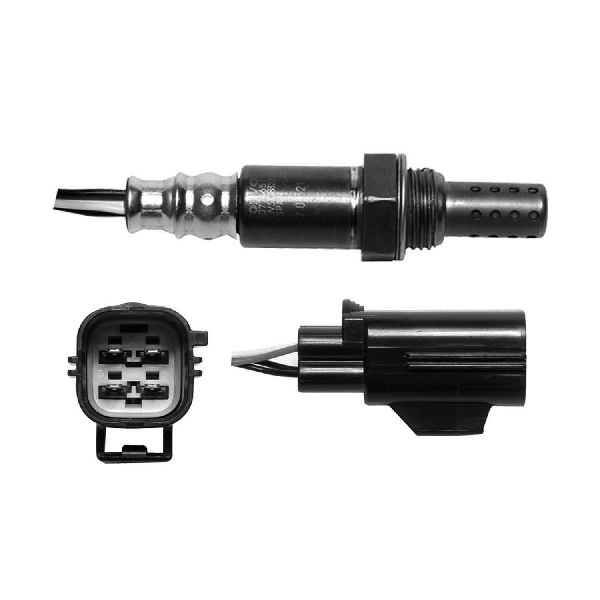
This code indicates a failure in the heater circuit of the front oxygen sensor. The most common fix is to replace the front (upstream) O2 sensor. Before replacing, check fuse #23 in the engine bay fuse box. Expect to pay between $70 for an aftermarket part (Denso 234-9151) and over $300 for an OEM sensor (Volvo 30756121).
- P0135 on your XC90 3.2L points directly to a problem with the heater inside the single front (upstream) oxygen sensor.
- The most probable solution is to replace the front oxygen sensor (OEM P/N: 30756121, Denso P/N: 234-9151).
- Before buying parts, always perform two simple checks: inspect the sensor's wiring/connector for damage and check fuse #23 (15A) in the engine bay fuse box.
- This repair is manageable for a DIYer with the right tools, primarily a special 22mm slotted socket for oxygen sensors and basic tools to remove the air intake pipe for access.
What's Unique About the 2007-2014 Volvo XC90
On the 3.2L short inline-6 (SI6) engine, there is only one cylinder bank, so 'Bank 1' is the entire engine and there is only one 'Sensor 1' (upstream sensor). This sensor is located on the exhaust manifold before the catalytic converter. While the code itself is common, owners report that ensuring the electrical connector is fully seated and the retaining bracket is secure is a key step, as loose connections can mimic a failed sensor.
Symptoms You May Notice
- Check Engine Light is on.
- Reduced fuel economy.
- Rough idle or poor engine performance, particularly when the engine is cold.
- Failing a vehicle emissions test.
- Replacing the wrong oxygen sensor (e.g., the downstream sensor instead of the upstream one). P0135 specifically refers to the upstream 'Sensor 1'.
- Replacing the sensor without first checking for a blown fuse or damaged wiring.
Most Likely Causes
- Failed Front (Upstream) Oxygen Sensor 🔴 High Probability → Shop Oxygen Sensor The internal heater element of the oxygen sensor is a common failure point over time due to constant heat cycles.
How to confirm: Disconnect the sensor and measure the resistance across the two heater circuit pins with a multimeter. 🎬 Watch how to test the heater circuit and save money. A healthy sensor should typically read between 5-15 Ohms when cool. An open circuit (infinite resistance) or a reading far outside this specification confirms the heater has failed.
Typical fix: Replace the front (upstream) oxygen sensor. On the 3.2L I6, there is only one upstream sensor.
Est. part cost: $70-$335 - Damaged Wiring or Loose Connector 🟡 Medium Probability The wiring harness and connector are exposed to high heat and potential road debris, which can cause them to become brittle, corroded, or damaged.
How to confirm: Visually inspect the wiring leading to the O2 sensor for any signs of melting, chafing, or breaks. Check that the electrical connector is clean, free of corrosion, and securely fastened. A forum user reported that a loose or broken connector bracket caused an insecure connection, triggering the code.
Typical fix: Repair the damaged section of wiring or clean/replace the electrical connector. Secure the connector bracket if it is loose.
Est. part cost: $10-$50 - Blown Fuse for the Heater Circuit ⚪ Low Probability
How to confirm: Check the fuse boxes for the O2 sensor heater circuit. For 2008-2014 models, this is typically fuse #23 (15A) located in the fuse box in the engine compartment. Visually inspect the fuse to see if it is blown.
Typical fix: Replace the blown fuse. If the fuse blows again, it indicates a short circuit in the wiring or the sensor itself that needs to be diagnosed.
Est. part cost: $1-$5
Rare But Worth Checking
- Engine Control Module (ECM) Fault: → Shop Engine Control Module (ECM) This is very rare. The ECM's internal driver circuit for the O2 sensor heater can fail. This should only be considered after all other possibilities (sensor, wiring, fuses) have been exhaustively ruled out by a professional.
Diagnosis Steps
- Read the code with an OBD-II scanner to confirm P0135 is present.
- Check the fuse for the O2 sensor heater circuit. On 2008-2014 models, this is typically fuse #23 (a 15A fuse) in the engine compartment fuse box. Replace if blown.
- Visually inspect the wiring and electrical connector for the front (upstream) oxygen sensor. Look for any signs of melting, fraying, or corrosion. Ensure the connector is securely plugged in.
- If the wiring looks good, disconnect the sensor and test the resistance of the heater circuit using a multimeter. The two wires for the heater are typically the same color. A reading between 5-15 Ohms is expected on a good sensor. A reading of infinite resistance (open loop) means the heater element has failed.
- If a known-good resistance value is found, use a multimeter to check for battery voltage at the heater circuit power wire in the harness connector (with the key on, engine off).
- If voltage and wiring are good, and the sensor's resistance is within spec, the issue may be more complex, potentially involving the ECM. However, the most likely cause remains a failed sensor.
- If the sensor's heater circuit has failed, replace the Bank 1 Sensor 1 oxygen sensor.
- Clear the trouble code with the OBD-II scanner and perform a drive cycle to ensure the code does not return.
Parts You'll Likely Need
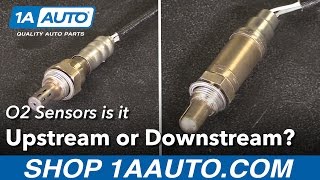
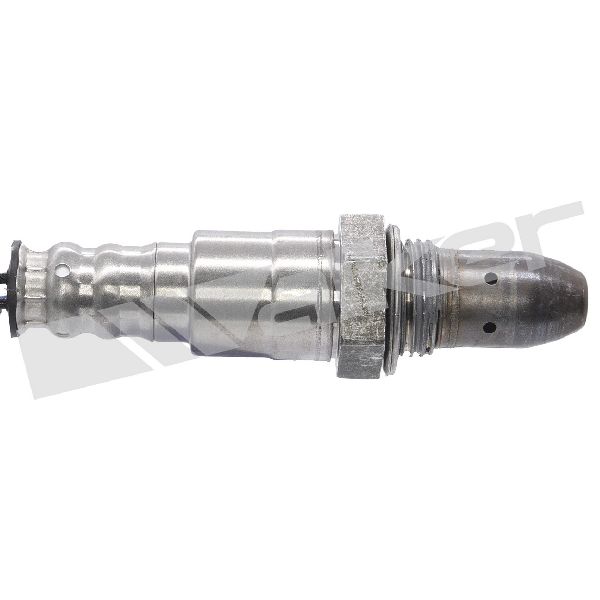
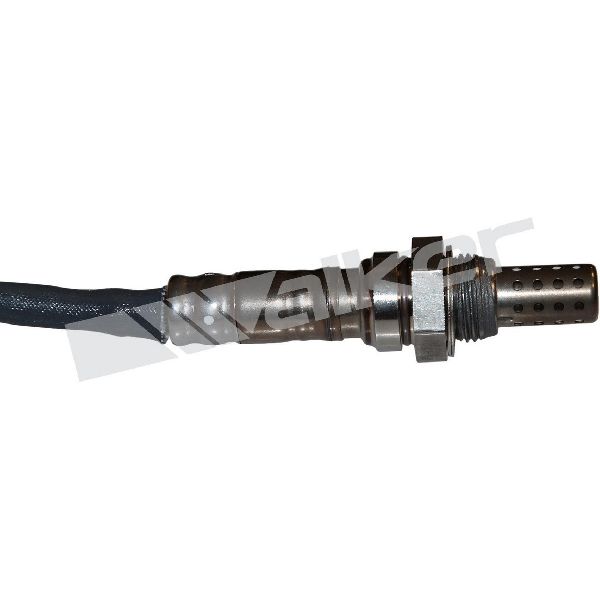
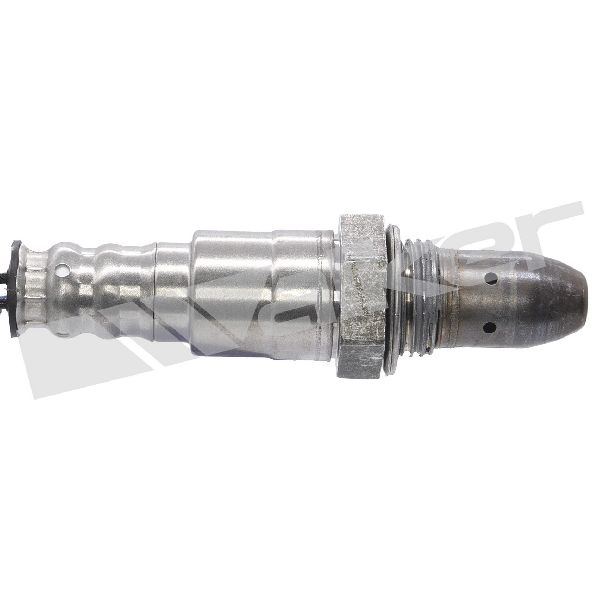
- Front (Upstream) Oxygen Sensor
(OEM #30756121)— The internal heater element fails from age and heat cycles, which is the direct cause of the P0135 code.
Trusted brands: Bosch, Denso (OEM supplier), NGK/NTK
OEM price range: $330-$345
Aftermarket price range: $70-$150
Related Codes That Often Appear With This One
- P0130 — P0130 indicates a general malfunction in the O2 sensor circuit. A faulty heater can sometimes trigger this code as well, as the sensor fails to produce the expected signal.
- ECM-2810 — This is the Volvo-specific code for 'Front heated oxygen sensor (HO2S), bank 1, heating - Signal too low'. It is the direct equivalent of P0135 and will be seen when using Volvo's VIDA/DiCE diagnostic software.
Platform-Specific Known Issues
- Access to the upstream O2 sensor requires removing the upper air intake pipe that runs over the top of the engine to gain adequate clearance. While not difficult, it adds a step compared to more exposed sensor locations. 🎬 Watch this step-by-step Volvo XC90 O2 sensor replacement guide.
Mechanic-Grade Diagnostic Values
- O2 Sensor Heater Circuit Power (Harness Side) — expected: 11-14 Volts (Battery Voltage). Failure: 0V or significantly lower voltage indicates a problem with the power supply from the fuse or relay, or a break in the wire.
- O2 Sensor Heater Circuit Ground (Harness Side) — expected: Good ground continuity to chassis (near 0 Ohms).. Failure: High or infinite resistance indicates a broken ground wire.
- O2 Sensor Heater Element Resistance (Sensor Side) — expected: 5-15 Ohms when the sensor is cool.. Failure: Infinite resistance (open circuit) or zero resistance (short circuit) confirms the heater element has failed.
Hidden / Shadow Codes Worth Checking
- ECM-2810: Front heated oxygen sensor (HO2S), bank 1, heating - Signal too low. This is the direct Volvo-specific equivalent of the generic P0135 code. (see via Volvo's VIDA/DiCE diagnostic software.)
- Mode $06, Monitor ID $41, Test ID $85: This is a non-continuous monitor test result for the 'Bank1 Sensor1 heater power test'. A failure here can indicate an intermittent problem with the heater circuit power even before a persistent DTC like P0135 is set. (see via An advanced OBD-II scanner capable of displaying Mode $06 test results.)
Wiring & Ground Locations
- Engine Ground Strap — There is a primary ground strap connecting the engine block to the vehicle's chassis/frame.. While not a common cause, a corroded or loose main engine ground strap can create unstable voltage and ground references for all engine sensors, including the O2 sensor. This can lead to erratic sensor behavior and trigger various fault codes, including heater circuit codes. It's a worthwhile check if multiple, seemingly unrelated electrical faults are present.
- O2 Sensor Connector (Harness Side) — The connector for the front O2 sensor is located near the top of the exhaust manifold, accessible after removing the upper air intake pipe.. This is where voltage and ground tests are performed. The heater circuit power wire (check for battery voltage) and ground wire (check for continuity to chassis) must be confirmed here before condemning the sensor.
Real Owner Repair Stories
- AliExpress User Experience (2012 Volvo XC70 (similar 3.2L platform)) — Check Engine Light with code P0135, fuel economy dropped from 24 mpg to 19 mpg.
✅ What actually fixed it Replacing the front oxygen sensor (P/N 31380995, a related part) resolved the code immediately after a drive cycle, and fuel economy returned to normal within 50 miles.
OEM Part Supersession History
30713864→30756121— Standard part revision and update by Volvo.
Model Year Variations Within This Range
- 2007: The 3.2L I6 engine was introduced in the 2007 model year facelift for the XC90, replacing the previous 2.5L 5-cylinder base engine. While the P0135 diagnosis is consistent from 2007-2014, the 2007 model year represents the first year of this engine in this chassis, and may have early-production variations in harness routing, though no specific part differences for this code are documented.
Diagnostic Flowchart
Other Known Issues on This Vehicle
Issues unrelated to this code that are worth knowing about as an owner of this generation:
- PCV / Oil Trap Diaphragm Failure 🟠 Medium — Very common, typically occurs over 80,000 miles. Symptoms include a loud whistling or squealing noise at idle that stops when the oil dipstick is pulled.
- Brake Vacuum Pump Oil Leak 🟠 Medium — Very common. The seals in the pump housing become brittle, causing oil to leak onto the top of the transmission and the driver's side of the engine bay.
- Rear End Accessory Drive (READ) Unit Failure 🔴 High — Less common, but a very expensive repair. Bearings inside the unit fail, causing a loud grinding/whining from the transmission-side of the engine and a 'Power System Service Urgent' warning. (Ref: Volvo TSB 21-9)
- Excessive Oil Consumption 🔴 High — Primarily reported on 2010-2012 models due to piston ring issues. Can lead to low oil levels and related engine fault codes. (Ref: Volvo Technical Journal (TJ) 29871)
Used vs. New Parts: Buying Guide for This Vehicle
When a used part is the smart pick: For this repair, buying a used oxygen sensor is almost never a smart choice. O2 sensors are wear items with a finite lifespan of 60,000 to 100,000 miles. The cost savings of a used part are minimal compared to the high risk of premature failure and the labor required for replacement.
Donor-vehicle mileage cap: roughly under 30000 miles for the part to have meaningful remaining life.
What to inspect on the donor part:
- Verify the part came from a low-mileage, accident-damaged vehicle, not a high-mileage end-of-life car.
- Inspect the electrical connector for any corrosion, cracks, or broken locking tabs.
- Ensure the wiring pigtail has not been cut, stretched, or melted.
- Avoid sensors with heavy carbon deposits or physical damage to the sensor tip.
Aftermarket brands forum-validated for this vehicle:
- Denso (often the original OEM supplier for Volvo electronics).
- NTK (another highly-regarded OEM supplier).
- Bosch (generally reliable, though some forum users prefer Denso/NTK for Japanese or Denso-managed vehicles).
Brands owners have reported issues with on this vehicle:
- Unnamed or generic 'white-box' brands from online marketplaces. While they may work initially, they have a high reported failure rate and may not have the same response characteristics as the OEM sensor, potentially affecting fuel trim and performance.
Real Owner Stories
Aggregated from forums and TSBs cited above. Mileages and costs reflect what owners reported in those sources.
2008-2014 Volvo XC90 3.2L
Symptoms: Check Engine Light on with code P0135; discussions confirm this is almost always resolved by the front sensor after a fuse check.
What fixed it: Replacing the front O2 sensor with a high-quality OEM-supplier part like Denso.
Source hint: Swedespeed & Matthews Volvo Site
2007-2014 Volvo XC90 3.2L
Symptoms: The electrical connector was insecure, triggering the code.
What fixed it: Securing a loose or broken connector bracket to ensure a solid electrical connection.
Source hint: forum_citations: Swedespeed & Matthews Volvo Site
2007-2014 Volvo XC90 3.2L
Symptoms: General electrical fault symptoms; importance of checking simple connections first to avoid misdiagnosis.
What fixed it: Cleaning or replacing the electrical connector and checking for corrosion or loose brackets.
Source hint: VolvoForums
Related OBD-II Codes
Frequently Asked Questions
Where is the fuse for the O2 sensor heater circuit located on my 2011 Volvo XC90 3.2L?
Do I need to remove any parts to reach the upstream oxygen sensor on the 3.2L I6 engine?
Which brand of replacement sensor is recommended by the Volvo community for the XC90?
How many upstream oxygen sensors does my 3.2L I6 XC90 have?
Can a mechanical issue like the READ unit failure mentioned in TSB 21-9 cause a P0135 code?
What resistance should I see when testing the O2 sensor on my XC90?
Helpful Videos


![Bad O2 Sensor Symptoms Downstream & Upstream [Oxygen Sensor Failure and Causes] How to fix & Replace](https://img.youtube.com/vi/b-xxdBlikSA/mqdefault.jpg)
We Have This Part in Stock


The information in this article is provided for general reference and educational purposes only. Vehicle specifications, procedures, and part compatibility can vary by production date, trim level, and region. Always consult your vehicle's factory service manual and verify part numbers before purchasing or performing repairs. Safety-critical components such as airbags, seat belts, and braking systems should be installed by a qualified professional.
- Volvo XC90:
- 🧭 Diagnostic Flowchart
- 🎬 Helpful Videos
- 🛍️ Shop This Part
- What's Unique About the 2007-2014 Volvo XC90
- Symptoms You May Notice
- Most Likely Causes
- Rare But Worth Checking
- Diagnosis Steps
- Parts You'll Likely Need
- Related Codes That Often Appear With This One
- Platform-Specific Known Issues
- Mechanic-Grade Diagnostic Values
- Hidden / Shadow Codes Worth Checking
- Wiring & Ground Locations
- Real Owner Repair Stories
- OEM Part Supersession History
- Model Year Variations Within This Range
- Other Known Issues on This Vehicle
- Used vs. New Parts: Buying Guide for This Vehicle
- Real Owner Stories
- 2008-2014 Volvo XC90 3.2L
- 2007-2014 Volvo XC90 3.2L
- 2007-2014 Volvo XC90 3.2L
- Related OBD-II Codes
- Frequently Asked Questions
- 🎟️ Get 5% Off