

P0136 on 2011-2017 BMW X3: O2 Sensor Circuit Malfunction Causes and Fixes
This code indicates a fault with the downstream oxygen sensor (Bank 1, Sensor 2). The most common fix is replacing the sensor itself, which costs about $80-$200 for the part. It's a manageable DIY job for those with basic tools, but check for wiring damage first.
- P0136 on your X3 points to a problem with the oxygen sensor located after the catalytic converter.
- The most likely cause is a failed sensor, which is a standard wear item. The correct OEM part number for the N20 engine is 11787589122 and for the N55 is 11787589475.
- Before buying a new sensor, always inspect the wiring harness for heat damage or corrosion, as this is a common issue.
- This is a DIY-friendly repair with the right tools, primarily an oxygen sensor socket and tools to remove an underbody panel.
- Do not ignore this code, as it will cause you to fail an emissions test and can lead to reduced fuel economy and potential long-term damage to the catalytic converter.
What's Unique About the 2011-2017 BMW X3
The 2011-2017 BMW X3 (F25 generation) was primarily offered with the N20 4-cylinder and N55 6-cylinder turbocharged engines. For both, 'Bank 1' is the only or primary bank, so this code always refers to the same exhaust stream. 🎬 Watch: How to locate Bank 1 on your BMW Sensor 2 is the post-catalytic converter (downstream) sensor. While the sensor itself is a common failure point, the wiring harness is routed near hot exhaust components, making it susceptible to heat damage, which can mimic sensor failure. The plastic clips holding the harness can also become brittle and break, allowing the wires to contact hot surfaces. Always inspect the wiring before replacing the part.
Symptoms You May Notice
- Check Engine Light is on
- Failed emissions test
- Decreased fuel efficiency
- Rough idling or engine hesitation in some cases
- In some instances with related heater circuit faults, the car may exhibit surging at low RPM.
- Replacing the catalytic converter. While a bad converter can cause other codes, P0136 specifically points to a fault in the sensor's *circuit*, making the sensor or its wiring the primary suspect. 🎬 Watch: How to diagnose and fix code P0136
- Replacing the incorrect oxygen sensor. These vehicles have at least two sensors (pre-cat and post-cat). P0136 is for Sensor 2, the one *after* the catalytic converter.
Most Likely Causes
- Faulty Downstream Oxygen Sensor (Bank 1, Sensor 2) 🔴 High Probability → Shop Oxygen Sensor Oxygen sensors are wear-and-tear items that degrade over time due to constant exposure to high temperatures and exhaust gases. After 80,000-100,000 miles, failure is common.
How to confirm: Use a scan tool to monitor live data for the Bank 1 Sensor 2 voltage. A healthy sensor will show a relatively stable voltage. A flatlined, stuck, or erratic voltage reading points to a bad sensor.
Typical fix: Replace the Bank 1, Sensor 2 oxygen sensor. An oxygen sensor socket is required.
Est. part cost: $80-$200 - Damaged Wiring or Connector 🟡 Medium Probability The sensor wiring is routed near the hot exhaust system. Over time, heat can make the wiring brittle and insulation can crack, leading to shorts or open circuits. The plastic clips holding the harness can also fail, allowing wires to touch the exhaust. Connectors can also become corroded or filled with debris.
How to confirm: Visually inspect the entire wiring harness from the O2 sensor to its connection point on the main harness. Look for any signs of melting, chafing, cracking, or corrosion on the connector pins. Check that the harness is properly secured in its clips away from the exhaust.
Typical fix: Repair the damaged section of wire or replace the connector pigtail. Secure the wiring away from heat sources.
Est. part cost: $20-$50 - Exhaust Leak ⚪ Low Probability Corrosion or failed gaskets can cause leaks in the exhaust system. A leak upstream of the sensor can allow outside air to enter the exhaust, skewing the sensor's readings.
How to confirm: Listen for an audible ticking or hissing sound from the exhaust, especially when the engine is cold. A visual inspection may reveal black soot marks around the leak. A smoke test is the most definitive way to find small leaks.
Typical fix: Replace the leaking gasket or repair the cracked exhaust pipe. This may involve welding.
Est. part cost: $10-$300
Rare But Worth Checking
- Faulty Digital Motor Electronics (DME/ECU): This is extremely rare. Before condemning the DME, all other possibilities, including the sensor, wiring, and exhaust system, must be thoroughly ruled out. A DME failure might also present with multiple other seemingly unrelated codes. Some mechanics may suggest this as a last resort after failing to diagnose the true cause.
Diagnosis Steps
- Read the code with an OBD-II scanner to confirm P0136 is the primary code present. Check for any accompanying codes, such as P0036 (O2 Sensor Heater Control Circuit), which can point more directly to a sensor or wiring failure.
- Visually inspect the Bank 1, Sensor 2 oxygen sensor and its wiring harness. Look for any signs of physical damage, melting on the exhaust, or corrosion in the connector. Ensure the wiring is properly secured in its clips.
- Use a scan tool with live data capability. Observe the voltage from Bank 1, Sensor 2. A healthy downstream sensor should show a relatively steady voltage (typically between 0.5V and 0.8V) when the engine is warm and at a steady RPM. If the voltage is stuck low (near 0.1V), high (near 0.9V), or is completely flat, the sensor or wiring is likely faulty.
- Check for exhaust leaks between the engine and the downstream O2 sensor. Listen for unusual noises and look for soot trails.
- If the wiring appears intact, test the sensor's heater circuit for proper resistance using a multimeter. An open or shorted heater circuit will cause the sensor to function improperly and often triggers a separate heater circuit code.
- If the sensor and wiring test good, the issue could be an exhaust leak. If no leak is found, the possibility of a faulty DME should be considered, though it is highly unlikely.
Parts You'll Likely Need
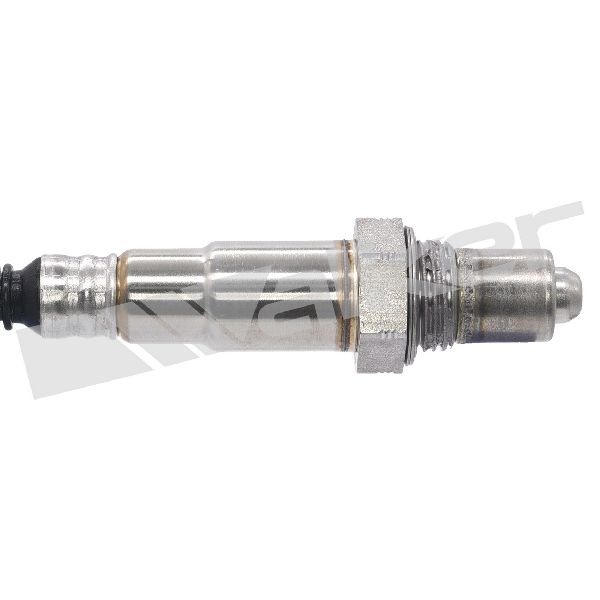
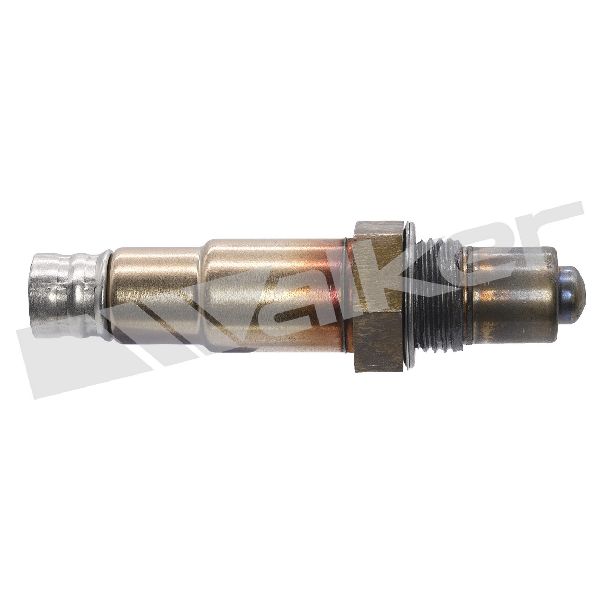
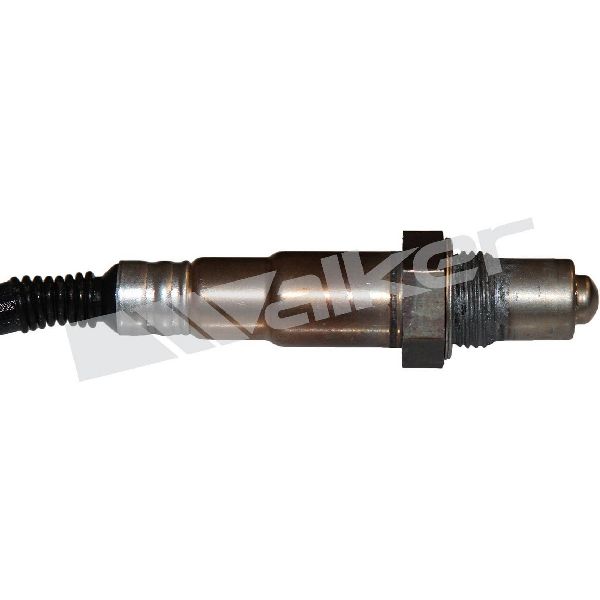
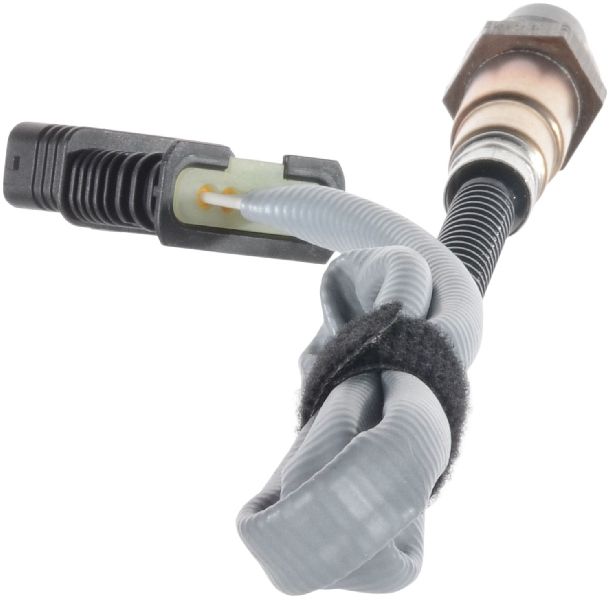
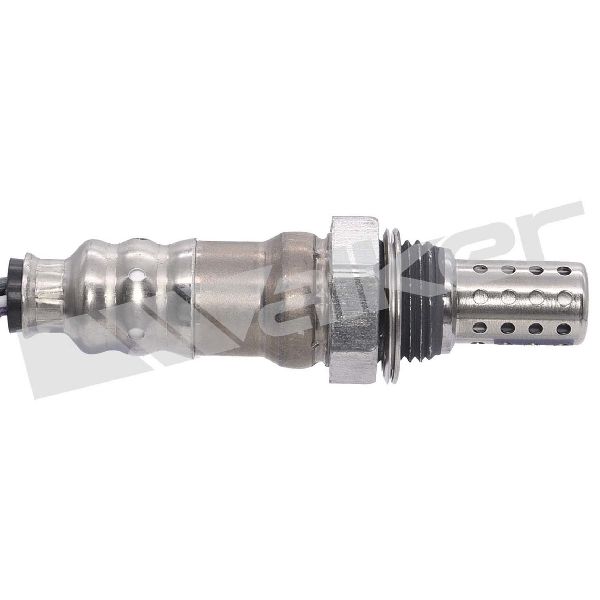
- Downstream Oxygen Sensor (Bank 1, Sensor 2)
(OEM #N20 Engine: 11787589122 (Bosch is OEM supplier) | N55 Engine: 11787589475 (Note: 690mm wire length))— This is the component being monitored by the DME, and it is a common wear item that fails most frequently, directly causing the P0136 code.
Trusted brands: Bosch, NTK, Denso
OEM price range: $150-$220
Aftermarket price range: $80-$150
Technical Service Bulletins (TSBs) & Recalls
- SIB 11 03 17: A Technical Service Bulletin related to a limited warranty extension for the N20 engine's timing chain and oil pump drive chain, which is a major known issue for this platform but not directly related to P0136.
- Voluntary Emissions Recall Campaign 13E-A03: For some 2011-2013 X3 models with the N20 engine, a DME software error could prevent proper O2 sensor diagnostics. The fix is a DME software update at a dealership.
Platform-Specific Known Issues
- DIY Access and Replacement: Replacing the downstream sensor requires raising the vehicle and removing a plastic underbody access panel with several 8mm screws. The sensor's electrical connector is clipped to the vehicle body, and the wiring is routed alongside other cables. It's important to route the new sensor wire correctly to avoid contact with the driveshaft or exhaust. 🎬 See this step-by-step F25 oxygen sensor replacement walkthrough A special slotted oxygen sensor socket (22mm or 7/8") is essential for removal and installation.
Mechanic-Grade Diagnostic Values
- Downstream O2 Sensor (B1S2) Voltage - Live Data — expected: A healthy downstream sensor should show a relatively stable voltage, typically fluctuating slowly between 0.5V and 0.8V on a warm engine at steady cruise.. Failure: Voltage is stuck low (near 0.1V), stuck high (near 0.9V), is completely flat, or switches rapidly like an upstream sensor.
- O2 Sensor Heater Circuit Resistance — expected: Between 2 and 25 Ohms when measured across the two heater pins (often same-colored wires) on the sensor's connector. A common reading for Bosch sensors is around 3-9 Ohms at room temperature.. Failure: A reading of infinity (Open Loop) or near zero Ohms (short circuit) indicates a failed heater element, requiring sensor replacement.
Hidden / Shadow Codes Worth Checking
- 2C9D: BMW-specific fault code for "Oxygen sensor 2 behind catalytic converter, electrical: Line fault". This is a common shadow code that directly corresponds to P0136 and points to a circuit issue (wiring or sensor). (see via BMW-specific diagnostic tools like ISTA, INPA, or advanced scanners (e.g., Foxwell, Autel, BimmerLink).)
- 12B104: Hexadecimal fault code for "Post-catalyst oxygen sensor, coasting check: Sensor signal for too long lean". This indicates the DME is not seeing the expected rich condition during deceleration fuel cut. (see via Advanced diagnostic tools capable of reading BMW-specific hexadecimal codes, such as ISTA/D.)
Scan Tool Commands That Help
- ISTA (Rheingold): Service Function > Power train > Engine Electronics > Adjustment functions > Delete engine adaptation value — After replacing an oxygen sensor or other major engine component, it is recommended to reset the engine's learned fuel trim and other adaptations. This forces the DME to re-learn values with the new component, ensuring optimal performance and preventing the old, incorrect adaptations from causing issues.
Wiring & Ground Locations
- DME Sensor Ground (KL 31e) — The sensor ground is provided internally by the Digital Motor Electronics (DME) module, not a direct chassis ground point. The DME is located in the engine bay, typically in a plastic box on the passenger side.. The O2 sensor is grounded through the DME. A faulty DME or a high-resistance internal ground (KL 31e) can cause erratic sensor readings and trigger P0136 even with a good sensor and wiring. This is a rare but critical diagnostic path if all else fails.
- O2 Sensor Connector (Post-Cat) — The connector for the downstream sensor is clipped to the vehicle's underbody, above the plastic splash shield that must be removed for access.. This connector is exposed to road debris, moisture, and heat. Corrosion or damage to the pins within this connector can cause an open or short in the circuit, directly triggering P0136. It should be inspected carefully before condemning the sensor.
Real Owner Repair Stories
- Bimmerpost user 'UncleRashid' (2014 BMW 550i (N63TU engine, similar DME logic to F25)) — Persistent P0136 Check Engine Light, sometimes accompanied by P0141.
❌ Tried (didn't work) Replaced the O2 sensor (Bank 1, Sensor 2) twice., Updated the DME software., Inspected for cracks in air intake ducts.
✅ What actually fixed it The user noted that another owner with similar issues resolved them by replacing the Mass Air Flow (MAF) sensors. A faulty MAF can cause incorrect air readings, leading the DME to misinterpret the O2 sensor data downstream.
OEM Part Supersession History
N/A→11787589122— This is the current, widely used part number for the N20 engine's downstream sensor.
Heads up: Always verify fitment with a VIN. While this part number is correct for most N20-equipped F25s, using a sensor with a different wire length or from a different engine (e.g., N55) will cause connection issues or trigger faults.
Model Year Variations Within This Range
- 2011-2013: Models with the N20 engine in this range may be affected by a DME software bug that incorrectly triggers O2 sensor codes. BMW issued a voluntary recall (13E-A03) to reprogram the DME. If you have a vehicle in this range with a persistent P0136, verifying the DME software is up-to-date is a crucial step.
Diagnostic Flowchart
Other Known Issues on This Vehicle
Issues unrelated to this code that are worth knowing about as an owner of this generation:
- N20 Engine Timing Chain Guide Failure 🔴 High — Common on models produced before 2015, typically between 60,000-100,000 miles. Characterized by a distinct whining noise from the front of the engine. (Ref: BMW issued a limited warranty extension under TSB SIB 11 03 17.)
- Electric Water Pump Failure (N20 & N55) 🔴 High — Considered a common wear item, with failure often occurring between 60,000 and 100,000 miles. Failure will cause rapid overheating and trigger limp mode.
- Oil Filter Housing Gasket Leak 🟠 Medium — Extremely common source of oil leaks on both N20 and N55 engines as they age. The rubber gasket becomes hard and brittle from heat cycles, causing oil to seep down the side of the engine.
- Sunroof Drain Clogging and Leaks 🟡 Low — The panoramic sunroof's drainage channels can become clogged with debris, causing water to leak into the cabin, potentially damaging electronics in the trunk/hatch area.
- Parasitic Battery Drain 🟡 Low — Owners report batteries draining overnight or after a few days of sitting. This is often linked to a faulty Intelligent Battery Sensor (IBS) or other electronic modules failing to enter sleep mode.
Used vs. New Parts: Buying Guide for This Vehicle
When a used part is the smart pick: Almost never. Oxygen sensors are consumable wear-and-tear items with a finite lifespan (typically 80k-100k miles). Installing a used sensor is highly likely to result in premature failure, wasting time and labor. The only exception might be for a very low-mileage donor vehicle as a temporary diagnostic part.
Donor-vehicle mileage cap: roughly under 20000 miles for the part to have meaningful remaining life.
What to inspect on the donor part:
- Verify the part number matches exactly.
- Inspect the wiring for any signs of brittleness, melting, or cracking.
- Check the connector for corrosion or bent pins.
- Ensure the sensor tip is not physically damaged or heavily coated in soot/oil.
OEM-only on this vehicle (don't cheap out):
- While not strictly 'OEM-only', using the original equipment supplier (Bosch for this vehicle) is strongly recommended. Cheap, unbranded sensors are notorious for failing quickly or providing inaccurate readings, causing the code to return.
Aftermarket brands forum-validated for this vehicle:
- Bosch (OEM supplier)
- NTK/NGK
- Denso
Brands owners have reported issues with on this vehicle:
- Unbranded 'universal' sensors that require splicing wires. The wiring resistance and signal integrity are critical, and splicing can introduce problems.
Real Owner Stories
Aggregated from forums and TSBs cited above. Mileages and costs reflect what owners reported in those sources.
2011-2017 BMW X3 (F25) — ~90000 miles
Symptoms: Check Engine Light on; oxygen sensors degraded due to constant exposure to high temperatures and exhaust gases.
What fixed it: Replace the Bank 1, Sensor 2 oxygen sensor using an oxygen sensor socket.
Source hint: common_causes section regarding faulty Downstream Oxygen Sensor
BMW X3 (F25) with N47 diesel
Symptoms: Required access to the rear O2 sensor which is located behind a plastic underbody panel secured by 8mm screws.
What fixed it: DIY replacement of the rear O2 sensor using an 8mm nut driver and a specific Lisle O2 sensor socket.
Source hint: Bimmerpost.com - An owner provides a detailed DIY walkthrough for replacing the rear O2 sensor on an F25 (N47 diesel, but physical access is similar). URL: https://x3.bimmerpost.com/forums/showthread.php?t=2031174
BMW X3 (F25)
Symptoms: Heater circuit codes (P0036/P0038) for the post-cat sensor; mechanics struggled to identify the sensor and suggested an unnecessary ECU replacement.
What fixed it: Proper diagnosis of the post-cat sensor (Bank 1, Sensor 2) rather than replacing the ECU.
Source hint: Bimmerpost.com - F25 X3 owner with P0036/P0038 (heater circuit codes for the same sensor) details a frustrating diagnostic process. URL: https://x3.bimmerpost.com/forums/showthread.php?t=1955140
Related OBD-II Codes
Frequently Asked Questions
Is there a recall for my 2011-2013 BMW X3 with the N20 engine regarding O2 sensor diagnostics?
Does the timing chain issue mentioned in TSB SIB 11 03 17 cause the P0136 code?
What tools do I need to replace the Bank 1 Sensor 2 oxygen sensor on my F25 X3?
Where is the Bank 1 Sensor 2 located on my BMW X3 with the N55 engine?
Can I just repair the wiring instead of buying a new sensor for my X3?
Helpful Videos
We Have This Part in Stock


The information in this article is provided for general reference and educational purposes only. Vehicle specifications, procedures, and part compatibility can vary by production date, trim level, and region. Always consult your vehicle's factory service manual and verify part numbers before purchasing or performing repairs. Safety-critical components such as airbags, seat belts, and braking systems should be installed by a qualified professional.
- BMW X3:
- 🧭 Diagnostic Flowchart
- 🎬 Helpful Videos
- 🛍️ Shop This Part
- What's Unique About the 2011-2017 BMW X3
- Symptoms You May Notice
- Most Likely Causes
- Rare But Worth Checking
- Diagnosis Steps
- Parts You'll Likely Need
- Technical Service Bulletins (TSBs) & Recalls
- Platform-Specific Known Issues
- Mechanic-Grade Diagnostic Values
- Hidden / Shadow Codes Worth Checking
- Scan Tool Commands That Help
- Wiring & Ground Locations
- Real Owner Repair Stories
- OEM Part Supersession History
- Model Year Variations Within This Range
- Other Known Issues on This Vehicle
- Used vs. New Parts: Buying Guide for This Vehicle
- Real Owner Stories
- 2011-2017 BMW X3 (F25) — ~90000 miles
- BMW X3 (F25) with N47 diesel
- BMW X3 (F25)
- Related OBD-II Codes
- Frequently Asked Questions
- 🎟️ Get 5% Off