

P0136 on 2008-2012 Chevrolet Malibu 2.4L: O2 Sensor Circuit Causes and Fixes
On a 2008-2012 Malibu with the 2.4L engine, code P0136 almost always means the downstream oxygen sensor (Bank 1, Sensor 2) has failed. It's a straightforward DIY replacement, with aftermarket sensors costing between $30 and $80. However, be aware that this engine's known oil consumption and cracked exhaust manifold issues can cause the sensor to fail repeatedly if the root cause isn't addressed.
- P0136 on a 2008-2012 Malibu 2.4L almost always points to a bad downstream O2 sensor.
- Before replacing the sensor, perform a thorough inspection for a cracked exhaust manifold, which is a very common failure on this engine and a direct cause of this code.
- This is a DIY-friendly repair that can be done with basic hand tools and an O2 sensor socket.
- Be aware that this engine has a known oil consumption issue, which can cause the O2 sensor to fail prematurely. Check your oil level regularly.
What's Unique About the 2008-2012 Chevrolet Malibu
The 2.4L Ecotec engine in this generation of Malibu is known for issues that can indirectly affect the downstream O2 sensor. These engines can suffer from excessive oil consumption due to piston ring problems, which can lead to oil fouling the sensor and causing it to fail prematurely. Additionally, many owners have reported issues with cracking cast iron exhaust manifolds, which can create exhaust leaks that allow outside air to enter the exhaust stream, skewing sensor readings and triggering this code.
Symptoms You May Notice
- Check Engine Light is on
- Vehicle may fail an emissions test
- Potentially a slight decrease in fuel economy
- Exhaust smell in the cabin, especially on a cold start with the HVAC on (if caused by a cracked manifold).
- Replacing the upstream (Bank 1, Sensor 1) oxygen sensor. The code P0136 is specific to the downstream (Sensor 2) sensor.
- Replacing the catalytic converter. A P0420 code is the primary indicator of a bad converter. P0136 points to the sensor that monitors the converter, not the converter itself. Always fix P0136 before addressing a P0420 code.
Most Likely Causes
- Failed Downstream Oxygen Sensor (Bank 1, Sensor 2) 🔴 High Probability → Shop Oxygen Sensor General wear and tear is the primary reason. However, the 2.4L Ecotec's known oil consumption issues can foul the sensor with burnt oil, causing it to fail prematurely. Contamination from coolant or other fluids can also cause failure.
How to confirm: Use an OBD-II scanner to monitor the live data from the downstream O2 sensor. A healthy sensor's voltage should be relatively stable, typically between 0.5V and 0.8V on a warm engine. If the voltage is stuck low (near 0.1V), high (near 0.9V), or is not changing, the sensor is likely bad. You can also visually inspect the sensor for heavy carbon buildup or oil contamination.
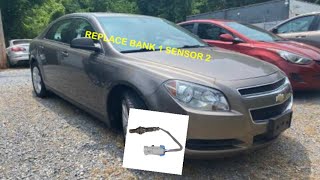
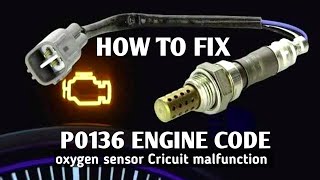
Typical fix: Replace the downstream oxygen sensor. This sensor is located on the exhaust pipe after the catalytic converter. Using an O2 sensor socket is highly recommended for removal. 🎬 Watch: Step-by-step downstream O2 sensor replacement walkthrough Prefer ACDelco or Denso/NTK branded sensors, as some owners report issues with generic aftermarket parts.
Est. part cost: $30-$80 - Exhaust Leak 🟡 Medium Probability The cast iron exhaust manifold on the 2.4L Ecotec is a well-documented, common failure point, frequently developing cracks that cause leaks. Gaskets can also fail over time, allowing outside air to enter the exhaust stream before the sensor.
How to confirm: Visually inspect the exhaust manifold for cracks or black soot trails indicating a leak. A ticking or hissing noise from the engine bay, especially when cold, is a strong indicator. An exhaust smell in the cabin is another common symptom. A smoke machine test is the most definitive diagnostic method.
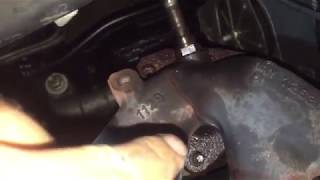
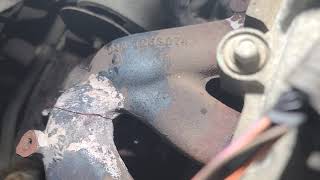
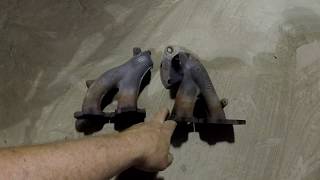
Typical fix: Repair the source of the leak. This almost always involves replacing the cracked exhaust manifold. 🎬 See how to replace the cracked exhaust manifold Aftermarket replacements (e.g., Dorman) are available, but using genuine GM gaskets is often recommended for a better seal.
Est. part cost: $70-$300 - Damaged Wiring or Connectors ⚪ Low Probability The wiring harness is located under the vehicle and is exposed to road debris, moisture, and heat from the exhaust, which can cause damage over time. Oil from engine leaks can also wick down the harness and contaminate the connector pins.
How to confirm: Visually inspect the wiring and connector for the downstream O2 sensor. Look for any signs of burning, melting, chafing, or corrosion on the pins. Perform a continuity test on the wiring with a multimeter if a visual inspection is inconclusive.
Typical fix: Repair the damaged section of wiring or replace the connector pigtail.
Est. part cost: $15-$50
Rare But Worth Checking
- Faulty Engine Control Module (ECM): This is very rare. All other possibilities, especially the sensor, wiring, and exhaust leaks, should be thoroughly ruled out before considering the ECM as the cause.
Diagnosis Steps
- Scan for Codes: Use an OBD-II scanner to confirm that P0136 is the only code present. If other codes exist, especially heater circuit codes like P0141, address them first as they can cause P0136.
- Inspect Wiring: Visually inspect the downstream O2 sensor's wiring harness and connector for any signs of damage, melting, or corrosion. Ensure the connector is securely plugged in.
- Check for Exhaust Leaks: With the engine cool, start the car and listen for any hissing or ticking sounds from the exhaust system, particularly around the exhaust manifold. A visual inspection for cracks or soot can also identify leaks. An exhaust smell in the cabin is also a key indicator.
- Analyze Live Data: Use a scan tool to observe the voltage from Bank 1 Sensor 2. A properly functioning downstream O2 sensor on a warm, running engine should show a relatively steady voltage, typically between 0.5 and 0.8 volts. If the voltage is stuck low (near 0.1V), high (near 0.9V), or is flatlined, the sensor is likely faulty.
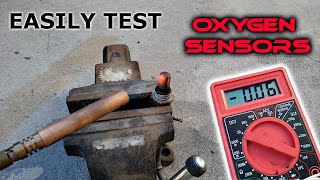
- Test the Sensor: If you have access to a multimeter, you can test the sensor's heater circuit for proper resistance. If the heater circuit is open or shorted, the sensor needs to be replaced. 🎬 Watch: How to test O2 sensor resistance and voltage
- Replace the Sensor: If the sensor is determined to be faulty, replace it. The downstream sensor is located on the exhaust pipe after the catalytic converter. Use penetrating oil on the threads and an O2 sensor socket for easier removal.
Parts You'll Likely Need
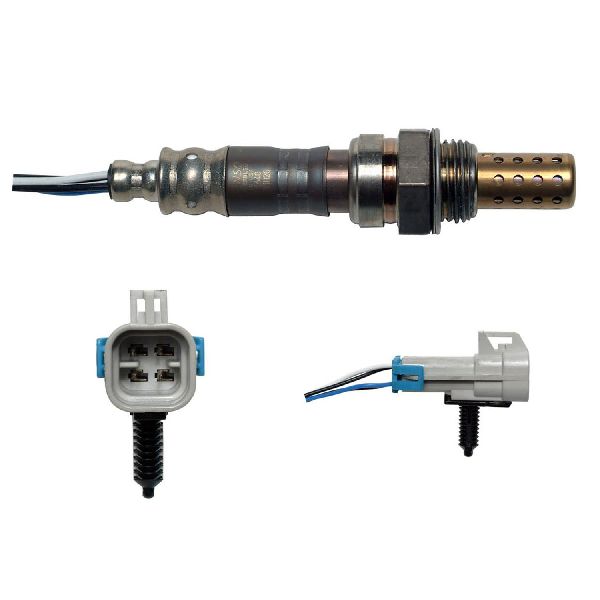
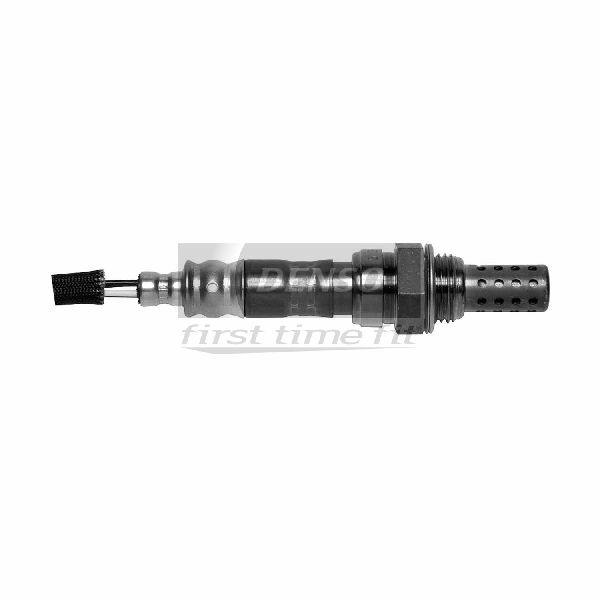
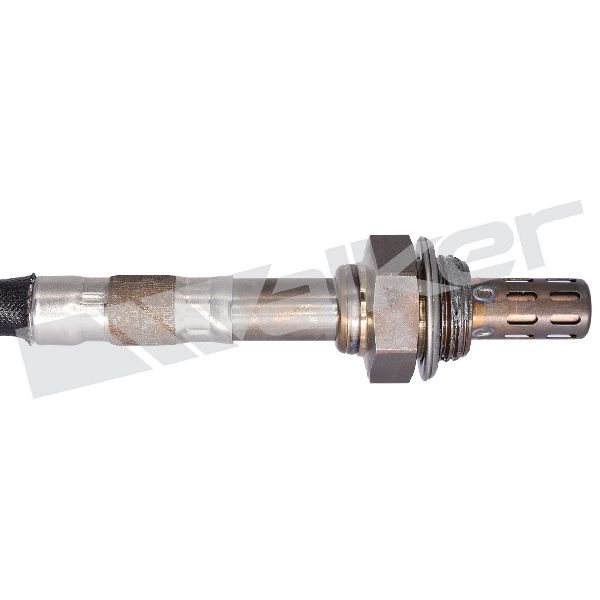
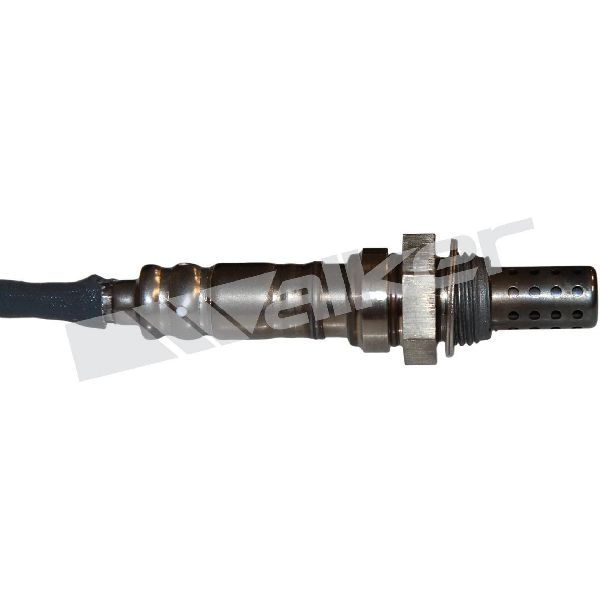
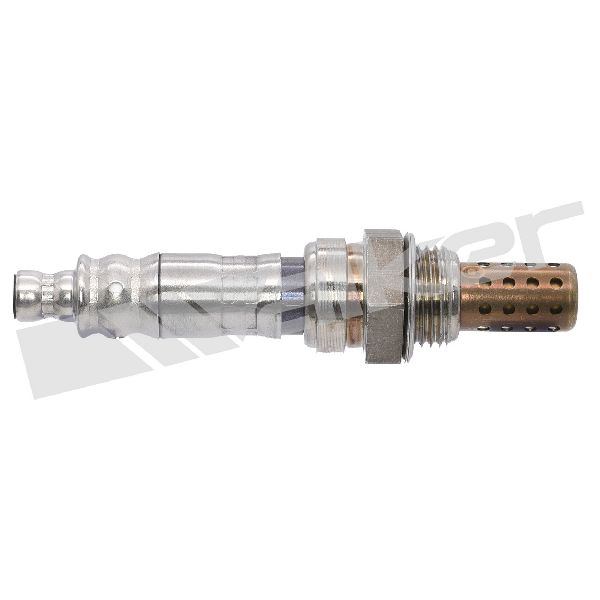
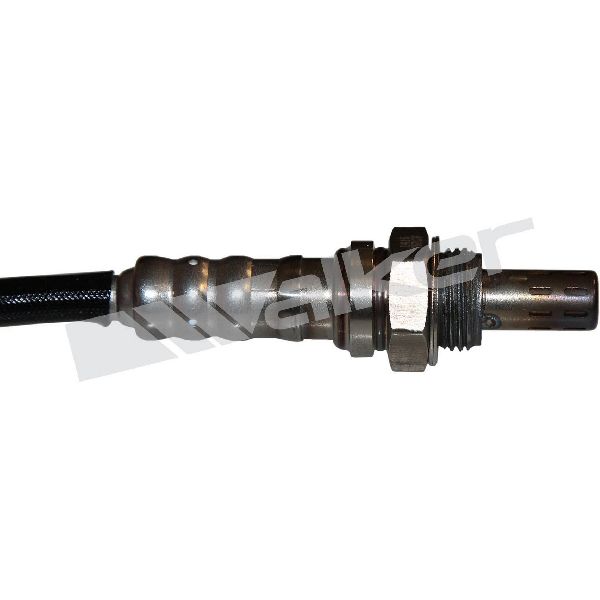
- Downstream Oxygen Sensor (Bank 1, Sensor 2)
(OEM #12643707)— This is the most common failure point for a P0136 code. The sensor wears out over time or can be fouled by contaminants like burnt engine oil from the Ecotec's known consumption issues.
Trusted brands: ACDelco (GM Genuine), Denso, Bosch, NGK/NTK
OEM price range: $70-$120
Aftermarket price range: $30-$80
Related Codes That Often Appear With This One
- P0137 (O2 Sensor Circuit Low Voltage)
- P0138 (O2 Sensor Circuit High Voltage)
- P0141 (O2 Sensor Heater Circuit Malfunction)
- P0420 (Catalyst System Efficiency Below Threshold) may appear if the P0136 fault is ignored long-term or if oil consumption has damaged the converter.
Technical Service Bulletins (TSBs) & Recalls
- While no TSB is specific to P0136, TSB 10-06-01-008I and related special coverage adjustments address the root cause of excessive oil consumption in some GM engines, which is a primary contributor to O2 sensor failure on this platform.
Platform-Specific Known Issues
- The 2.4L Ecotec engine in this generation of Malibu is known for excessive oil consumption due to piston ring design. This can cause oil to foul the oxygen sensors, leading to premature failure. While GM issued TSBs and special coverage programs for this, many vehicles may still be affected.
- The cast iron exhaust manifold is extremely prone to cracking, causing an exhaust leak that directly triggers O2 sensor codes like P0136. This is a very common repair on this platform.
Mechanic-Grade Diagnostic Values
- Downstream O2 Sensor (B1S2) Voltage - Live Data — expected: Relatively stable voltage between 0.6V and 0.8V on a fully warmed-up engine at a steady RPM.. Failure: Voltage is stuck low (near 0.1V), stuck high (near 0.9V), or fluctuates rapidly like the upstream sensor.
- O2 Sensor Heater Element Resistance — expected: Typically between 3 and 15 Ohms at ambient temperature.. Failure: A multimeter reading of OL (Over Limit / infinite resistance) indicates an open circuit. A reading near 0 Ohms indicates a short circuit.
- Heater Circuit Power Supply at Connector — expected: Battery voltage (approximately 12V) with Key On, Engine Off.. Failure: No voltage or significantly low voltage indicates a problem with the fuse or wiring upstream of the sensor.
Wiring & Ground Locations
- EMISSIONS 1 Fuse — Slot #6 in the underhood fuse box.. This 10A fuse provides power to the O2 sensor's heater circuit. If this fuse is blown, it will often set a P0141 heater circuit code, but it can also cause general circuit malfunctions like P0136. It should be checked before replacing any parts.
- G107 — On the engine block, near the starter motor area.. This is a primary engine ground point. A poor connection at G107 can cause a variety of sensor reading errors and communication issues with the ECM, potentially leading to incorrect codes like P0136.
- Downstream O2 Sensor Connector — Located under the vehicle, attached to the wiring harness near the exhaust pipe, after the catalytic converter.. This is the primary point for electrical testing of the sensor and its circuit. The four wires typically include two for the heater (power and ground) and two for the sensor signal (signal and ground).
OEM Part Supersession History
12627139→12643707— Standard part number update by the manufacturer.
Heads up: The new part number (12643707) is the correct service replacement for the original. However, parts listings for 12643707 often describe it as an upstream/front sensor for newer vehicles (2013+), which can cause confusion. For the 2008-2012 Malibu 2.4L, it is used in the downstream position.
Model Year Variations Within This Range
- 2008 (mid-year) - 2012: Partway through the 2008 model year, a six-speed automatic transmission was introduced to pair with the 2.4L Ecotec engine, replacing the four-speed automatic. This change does not directly affect the cause or diagnosis of P0136 but is a key differentiator within the generation.
Diagnostic Flowchart
Other Known Issues on This Vehicle
Issues unrelated to this code that are worth knowing about as an owner of this generation:
- Excessive Oil Consumption 🔴 High — Very common, especially on 2010-2013 model year engines. Can start as early as 60,000 miles. Caused by faulty piston ring design. (Ref: GM Special Coverage 14882; TSB 10-06-01-008I)
- Timing Chain Stretch/Failure 🔴 High — Common failure point, often exacerbated by low oil levels from oil consumption. Can lead to catastrophic engine damage. Noise on startup is a key warning sign. (Ref: Special Coverage Adjustment 12313C (for balance chain on some 2.4L engines))
- Cracked Exhaust Manifold 🟠 Medium — A very common issue for the 2.4L Ecotec, causing exhaust leaks, noise, and fumes in the cabin.
- Faulty Throttle Body 🟠 Medium — Prone to failure, causing 'Reduced Engine Power' mode, stalling, and rough idle. Often triggers codes like P2135. (Ref: Special Coverage Adjustment #14329)
- Failed Camshaft Position Actuator Solenoids 🟡 Low — Common failure item after 75,000 miles, leading to rough idle, poor performance, and timing-related codes like P0011 or P0014.
- Coolant Leaks 🟡 Low — Leaks from the water pump and various gaskets are commonly reported.
Used vs. New Parts: Buying Guide for This Vehicle
When a used part is the smart pick: For the cracked exhaust manifold, a used, inspected part from a low-mileage donor vehicle is a very sensible and cost-effective repair. For the oxygen sensor itself, a used part is never recommended as it is a wear-and-tear item with a finite lifespan.
Donor-vehicle mileage cap: roughly under 80000 miles for the part to have meaningful remaining life.
What to inspect on the donor part:
- For an exhaust manifold, inspect thoroughly for any hairline cracks, especially around the collector and flange welds.
- Ensure all mounting studs are intact and not broken off.
- Check for excessive rust or pitting that could compromise the gasket sealing surface.
OEM-only on this vehicle (don't cheap out):
- While not the primary cause of P0136, if the catalytic converter needs replacement, using an OEM or EPA-compliant high-quality aftermarket unit is strongly advised. Cheap aftermarket converters often fail to meet emissions standards on this platform, leading to a recurring P0420 code.
Aftermarket brands forum-validated for this vehicle:
- For O2 Sensors: ACDelco (OEM), Denso, and NTK (also known as NGK) are consistently recommended by owners and mechanics for reliable performance on GM vehicles.
- For Exhaust Manifold: Dorman is a widely available aftermarket option (e.g., part #674-841), though some users report mixed quality. It is often considered a budget-friendly alternative to OEM.
Brands owners have reported issues with on this vehicle:
- Generic, unbranded 'universal' oxygen sensors from online marketplaces should be avoided. Many forum users report that these parts are often out of spec, fail quickly, or do not resolve the trouble code.
Real Owner Stories
Aggregated from forums and TSBs cited above. Mileages and costs reflect what owners reported in those sources.
2010 Chevy Malibu LT 4-Cyl 2.4L
Symptoms: The engine was making a ticking noise and the exhaust was noticeably loud.
What fixed it: Repairing the cracked exhaust manifold, which is a common failure point for this engine.
Source hint: Reddit r/mechanicadvice - Thread titled '2010 Chevy Malibu LT 4-Cyl 2.4L engine ticking and loud exhaust'
2011 Chevrolet Malibu 2.4L
Symptoms: Owner experienced a strong exhaust smell inside the cabin.
What fixed it: Replacement of the cracked cast iron exhaust manifold.
Source hint: CarComplaints.com - '2011 Chevrolet Malibu Cracked Exhaust Manifold'
Related OBD-II Codes
Frequently Asked Questions
Is there a TSB for the oil consumption issue that keeps fouling my O2 sensors on my 2.4L Malibu?
I hear a ticking noise from the engine and smell exhaust in the cabin; could this be related to P0136?
Which brand of downstream O2 sensor should I buy for my 2008-2012 Malibu?
Can I just replace the O2 sensor if I have a P0141 code as well?
Is the cracked exhaust manifold a common issue for other cars with this engine?
How can I confirm if my Malibu's P0136 is a sensor failure or a wiring issue?
Helpful Videos
We Have This Part in Stock

The information in this article is provided for general reference and educational purposes only. Vehicle specifications, procedures, and part compatibility can vary by production date, trim level, and region. Always consult your vehicle's factory service manual and verify part numbers before purchasing or performing repairs. Safety-critical components such as airbags, seat belts, and braking systems should be installed by a qualified professional.
- Chevrolet Malibu:
- 🧭 Diagnostic Flowchart
- 🎬 Helpful Videos
- 🛍️ Shop This Part
- What's Unique About the 2008-2012 Chevrolet Malibu
- Symptoms You May Notice
- Most Likely Causes
- Rare But Worth Checking
- Diagnosis Steps
- Parts You'll Likely Need
- Related Codes That Often Appear With This One
- Technical Service Bulletins (TSBs) & Recalls
- Platform-Specific Known Issues
- Mechanic-Grade Diagnostic Values
- Wiring & Ground Locations
- OEM Part Supersession History
- Model Year Variations Within This Range
- Other Known Issues on This Vehicle
- Used vs. New Parts: Buying Guide for This Vehicle
- Real Owner Stories
- 2010 Chevy Malibu LT 4-Cyl 2.4L
- 2011 Chevrolet Malibu 2.4L
- Related OBD-II Codes
- Frequently Asked Questions
- 🎟️ Get 5% Off