

P0136 on 2001-2007 Ford Escape 2.0L: O2 Sensor Circuit Malfunction Causes and Fixes
This code almost always means the downstream oxygen sensor (Bank 1, Sensor 2) has failed. On the 2.0L I4 engine, this is the sensor located after the catalytic converter. Replacing the sensor is the most common fix, with aftermarket parts costing between $40 and $80. Before replacing, quickly inspect the wiring for melting or damage, as its proximity to the exhaust makes it vulnerable.
- P0136 on a 2001-2004 Escape 2.0L points to an issue with the downstream oxygen sensor circuit.
- The most common cause by far is a failed oxygen sensor, which is a standard wear item.
- Before replacing the sensor, always perform a quick visual inspection of the wiring harness for obvious damage like melting or fraying.
- This is a DIY-friendly repair that can be done with basic hand tools and an O2 sensor socket, but be prepared for the sensor to be seized.
- Ignoring this code will cause you to fail an emissions test and may slightly reduce fuel economy over time.
What's Unique About the 2001-2007 Ford Escape
The first-generation Ford Escape with the 2.0L Zetec engine (2001-2004) is a straightforward vehicle for this repair. Unlike the V6 models which have four sensors and a more cramped engine bay, the I4 has only two sensors that are relatively easy to access. The Mazda Tribute is a mechanical twin to the Escape, so diagnostic and repair information for one often applies to the other. This issue is common across both platforms.
Symptoms You May Notice
- Check Engine Light is on
- Failure to pass an emissions/smog test
- Slightly reduced fuel economy
- Rough or hesitant idle (less common)
- Replacing the upstream oxygen sensor (Sensor 1) instead of the downstream one (Sensor 2).
- Replacing the catalytic converter when the actual issue is a faulty downstream O2 sensor giving an incorrect reading. P0136 is a circuit code, not a converter efficiency code (like P0420).
Most Likely Causes
- Failed Downstream Oxygen Sensor (Bank 1, Sensor 2) 🔴 High Probability → Shop Oxygen Sensor Oxygen sensors are wear-and-tear items that degrade over time from heat and contaminants in the exhaust. On older, higher-mileage vehicles like the 2001-2004 Escape, sensor failure is very common and is the most frequent cause of P0136.
How to confirm: Use a scan tool to observe the live data for the B1S2 O2 sensor. A healthy downstream sensor should show a relatively stable voltage, typically between 0.5V and 0.8V, once the engine is warm. If the voltage is stuck low (near 0.1V), high (near 0.9V), or fluctuates wildly like an upstream sensor, it has likely failed.
Typical fix: Replace the Bank 1, Sensor 2 oxygen sensor. 🎬 Watch this step-by-step guide to replacing the Bank 1 Sensor 2. It is highly recommended to use a special O2 sensor socket and apply penetrating oil if the sensor is seized in the exhaust pipe. Ensure the new sensor has anti-seize compound on the threads before installation.
Est. part cost: $40-$80 - Damaged Wiring or Connector 🟡 Medium Probability The sensor and its wiring are located under the vehicle and are exposed to road debris, moisture, and extreme heat from the exhaust system. This can cause wires to melt on the exhaust pipe, chafe against the frame, or break over time. The connector pins can also corrode, leading to a poor signal.
How to confirm: Visually inspect the entire wiring harness from the O2 sensor to its connection point. Look for any signs of melting, frayed wires, or corrosion on the connector pins. A user on 2CarPros.com with a 2003 Escape found a worn wire on the sensor was the initial cause of their P0136 fault. Perform a wiggle test on the harness while monitoring sensor voltage on a scan tool to see if the reading changes.
Typical fix: Repair the damaged section of the wiring harness. If the connector is corroded, it may need to be cleaned or replaced with a new pigtail.
Est. part cost: $10-$30 - Exhaust Leak ⚪ Low Probability On older vehicles, especially those in regions where road salt is used (the "Salt Belt"), rust can cause leaks at exhaust flanges or create cracks in the exhaust pipe before the O2 sensor. This introduces outside oxygen, which confuses the sensor.
How to confirm: Listen for a ticking or hissing sound from the exhaust system, especially when the engine is cold. You can also use a shop rag to briefly block the tailpipe (use caution) to increase pressure and make leaks more audible. Visually inspect the exhaust pipes and gaskets for black soot trails, which indicate a leak.
Typical fix: Repair the leak by replacing the faulty gasket or section of pipe. Small cracks can sometimes be sealed with exhaust putty or by welding.
Est. part cost: $10-$150
Rare But Worth Checking
- Faulty Powertrain Control Module (PCM): This is very rare. Before condemning the PCM, all other possibilities, including the sensor, wiring, and exhaust system, must be thoroughly ruled out. A faulty PCM is more likely if the vehicle has been flooded.
- Blown HEGO Fuse: The Heated Exhaust Gas Oxygen (HEGO) sensor has a heater circuit that is protected by a fuse. While a failure here typically sets a P0141 heater circuit code, a short in the circuit could potentially cause erratic sensor readings and trigger P0136. On 2001-2004 models, this is often a 15A fuse in the under-hood fuse box.
- Internal Engine Issues: While less common for this specific circuit code, severe engine malfunctions can trigger multiple sensor faults. For instance, in a cross-manufacturer reference, NHTSA ODI #11539323 describes a Ford vehicle where P0136 was retrieved alongside other codes after it was determined that coolant had intruded into the engine block.
Diagnosis Steps
- Connect an OBD-II scanner and confirm that P0136 is the active code. Note any other codes present.
- Using the scanner's live data function, monitor the voltage for 'O2S12' (Oxygen Sensor, Bank 1, Sensor 2). A healthy sensor should show a steady voltage, typically between 0.5V and 0.8V, when the engine is at operating temperature and at a steady RPM. A reading that is stuck low (e.g., <0.2V) or high (e.g., >0.9V) suggests a problem.
- Perform a thorough visual inspection of the downstream O2 sensor's wiring harness and connector. Look for any signs of melting, chafing against the chassis or exhaust, or corrosion in the connector.
- Inspect the exhaust system for leaks between the engine and the downstream O2 sensor. Listen for unusual noises and look for black soot marks around gaskets and pipe connections.
- Check the fuse for the HEGO (Heated Exhaust Gas Oxygen) sensor in the under-hood fuse box.
- If the wiring, fuse, and exhaust system are intact, the most likely cause is a failed oxygen sensor.
- To confirm a wiring issue, you can use a multimeter to test for continuity and shorts on the signal, ground, and heater circuit wires between the PCM and the sensor connector.
- If all tests point away from the sensor and wiring, the final diagnostic step would be to check for issues with the PCM, though this is extremely uncommon.
Parts You'll Likely Need
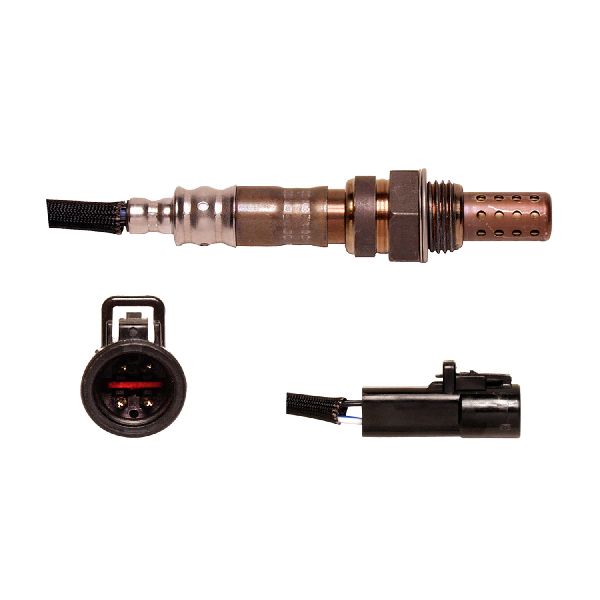
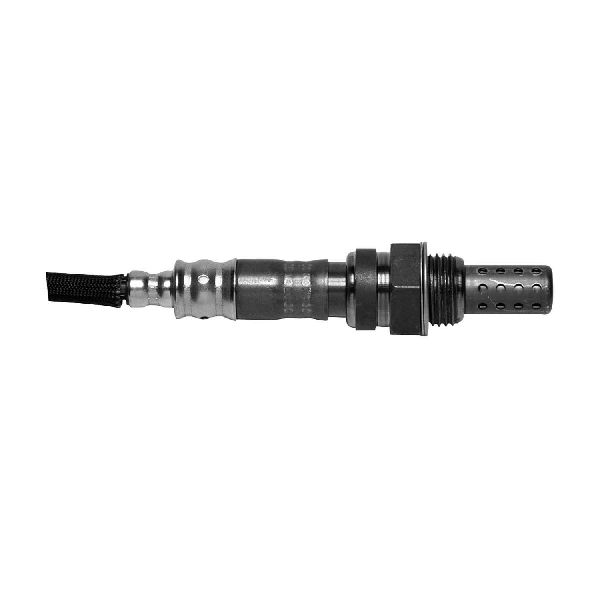
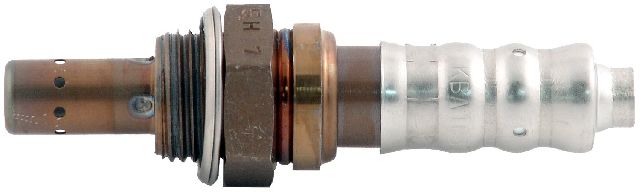
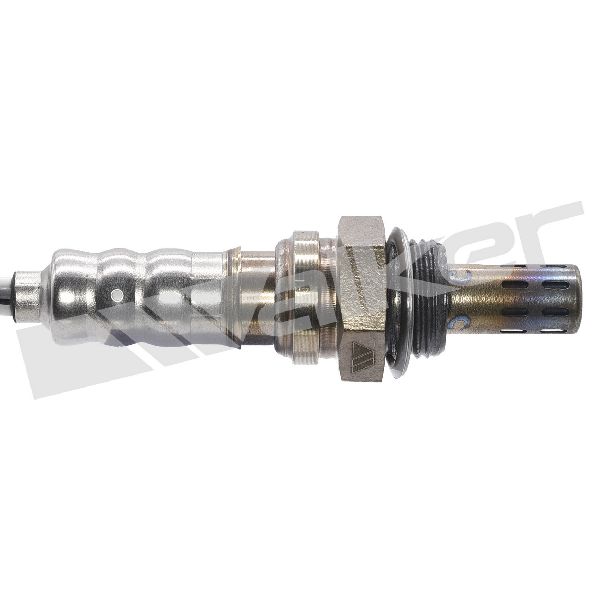
- Downstream Oxygen Sensor (Bank 1, Sensor 2)
(OEM #Motorcraft DY1193)— This sensor is the most frequent point of failure for the P0136 code due to its exposure to high temperatures and exhaust gases over many miles.
Trusted brands: Motorcraft, Denso, Bosch, NGK/NTK
OEM price range: $80-$150
Aftermarket price range: $40-$80
Related Codes That Often Appear With This One
- P0137 — Indicates O2 Sensor Circuit Low Voltage, which is a more specific version of the general P0136 circuit malfunction.
- P0138 — Indicates O2 Sensor Circuit High Voltage, the opposite condition of P0137 but points to the same component and circuit.
- P0141 — Indicates a malfunction in the heater circuit for the same O2 sensor. The heater and signal wires are in the same harness, so damage can affect both.
Platform-Specific Known Issues
- Seized O2 Sensor: → Shop Oxygen Sensor Due to age and rust, the oxygen sensor can become seized in the exhaust pipe bung. It is critical to soak the sensor threads with a quality penetrating oil (like PB Blaster or CRC Freeze-Off) before attempting removal. Applying heat from a torch may be necessary in severe cases. Using the wrong tool or too much force can strip the threads, requiring a much more expensive exhaust pipe repair. A dedicated O2 sensor socket is highly recommended.
Mechanic-Grade Diagnostic Values
- Downstream O2 Sensor (B1S2) Live Data Voltage — expected: Relatively stable voltage between 0.5V and 0.8V when the engine is warm and at a steady RPM.. Failure: Voltage is stuck low (near 0.1V), stuck high (near 0.9V), or does not change.
- O2 Sensor Heater Element Resistance — expected: Between 3 and 30 Ohms when the sensor is at room temperature.. Failure: An open circuit (infinite resistance) or a dead short (near zero resistance) indicates a failed heater element within the sensor.
Wiring & Ground Locations
- Engine Block Ground Strap — A braided strap or thick wire running from the engine block or cylinder head to the firewall or frame rail.. A corroded or loose main engine ground can create electrical noise and voltage offsets, causing erratic behavior in sensitive sensor circuits like the O2 sensor, even if the sensor and its dedicated wiring are good.
Real Owner Repair Stories
- 2CarPros Forum (2003 Ford Escape (Engine not specified, but principles apply)) — Check Engine Light with P0136 and a misfire code.
❌ Tried (didn't work) Initially repaired a worn wire on the O2 sensor., Replaced the downstream oxygen sensor (actually, both downstream sensors).
✅ What actually fixed it The code persisted after sensor replacement. A consulting mechanic suggested the next step was to check fuse F1.5 in the under-hood fuse block, indicating the problem was likely in the power supply to the heater circuit, not the new sensor itself.
When the Usual Fixes Don't Work
- While a failed sensor is the most common cause, it is not the only cause. A notable case involved a 2003 Escape where the P0136 code persisted even after replacing the sensor. The initial fault was a worn wire, but after replacement, the underlying issue was suspected to be a blown fuse for the heater circuit. This highlights the importance of verifying the entire circuit's integrity (power and ground) before and after replacing the component, as the new part will not work without proper power.
OEM Part Supersession History
YL8Z-9F472-AA→Current Motorcraft equivalent may vary. Verify with dealer.— This is the likely OEM part number for the 2001-2004 2.0L model's downstream sensor.
Heads up: The part number DY1193, previously listed, is specified for much newer Ford trucks and is incorrect for this application. Using the wrong sensor, even if it physically fits, can result in persistent codes due to different heater resistances or signal characteristics.
Diagnostic Flowchart
Other Known Issues on This Vehicle
Issues unrelated to this code that are worth knowing about as an owner of this generation:
- Front Subframe Corrosion and Lower Control Arm Separation 🔴 High — Very common in regions with road salt (the "Salt Belt"). Can occur at any mileage. (Ref: NHTSA Recall 14V-165000 (Ford Recall 14S02).)
- Alternator Failure 🟠 Medium — Common failure item, often occurring after 80,000 miles. Symptoms include a battery warning light, dimming/flickering lights, and a whining or grinding noise from the engine.
- Idle Air Control (IAC) Valve Failure 🟡 Low — A frequent cause of rough idle, stalling at stops, and erratic idle speed. The valve can get stuck or fail electronically.
- Automatic Transmission (CD4E) Failure 🔴 High — The CD4E automatic transmission is a known weak point, with failures reported well under 100,000 miles. Symptoms include harsh shifting, slipping, and complete loss of movement.
- Ignition Coil Failure 🟠 Medium — Common on the 2.0L Zetec engine, leading to misfires (P030x codes), rough running, and hesitation.
Used vs. New Parts: Buying Guide for This Vehicle
When a used part is the smart pick: A used part only makes sense for the wiring connector (pigtail). If the original connector is cracked, melted, or corroded, a clean one from a junkyard is a cost-effective repair. The oxygen sensor itself should always be purchased new.
Donor-vehicle mileage cap: roughly under 120000 miles for the part to have meaningful remaining life.
What to inspect on the donor part:
- For a pigtail connector: ensure the plastic is not brittle or cracked.
- Check that locking tabs are intact.
- Inspect connector pins for any green or white corrosion.
- Ensure the attached wires are flexible and the insulation is not cracked or peeling.
OEM-only on this vehicle (don't cheap out):
- None for this repair. High-quality aftermarket sensors are reliable and widely available.
Aftermarket brands forum-validated for this vehicle:
- NTK (NGK)
- Denso
- Bosch
Real Owner Stories
Aggregated from forums and TSBs cited above. Mileages and costs reflect what owners reported in those sources.
2003 Ford Escape 2.0L I4
Symptoms: The owner experienced a persistent Check Engine Light with code P0136. Upon inspection, a worn wire was found on the sensor.
What fixed it: The initial fix involved addressing the worn wire, though the owner also had to verify fuses and ensure correct part numbers were used for the sensor replacement.
Source hint: 2CarPros - 2003 Ford Escape Check Engine Code P0136
2004 Ford Escape 2.0L I4
Symptoms: The vehicle triggered a P0136 code. There was concern that a 400°F catalytic converter reading indicated a failure.
What fixed it: The diagnosis was steered away from the catalytic converter (which was operating at a normal temperature) and back toward the sensor circuit, wiring, or a potential exhaust leak.
Source hint: Car Talk Community - 2004 Ford Escape P0136
Documented NHTSA Reports
Ford Manufacturer Reference
Symptoms: In a report involving a different Ford model, NHTSA ODI #11539323 describes a situation where the check engine light illuminated and several codes, including P0136, P0756, P1450, and P0102, were retrieved.
What fixed it: In that specific instance, the dealer determined that coolant had intruded into the engine block and the engine required replacement, illustrating how P0136 can sometimes be part of a much larger mechanical failure.
Source hint: NHTSA ODI #11539323
Related OBD-II Codes
Frequently Asked Questions
Is there a recall for the 2001-2007 Ford Escape that might cause exhaust or sensor issues?
Where is the Bank 1, Sensor 2 oxygen sensor located on my 2.0L I4 Escape?
Can I use a used oxygen sensor from a salvage yard to fix P0136?
I see a 400°F reading on my catalytic converter; does this mean it's failing and causing the code?
What should the voltage reading be for 'O2S12' on my scan tool?
Is there a specific fuse I should check for the P0136 code?
Does the Mazda Tribute have the same P0136 issues as my Ford Escape?
Helpful Videos
We Have This Part in Stock


The information in this article is provided for general reference and educational purposes only. Vehicle specifications, procedures, and part compatibility can vary by production date, trim level, and region. Always consult your vehicle's factory service manual and verify part numbers before purchasing or performing repairs. Safety-critical components such as airbags, seat belts, and braking systems should be installed by a qualified professional.
- Ford Escape:
- 🧭 Diagnostic Flowchart
- 🎬 Helpful Videos
- 🛍️ Shop This Part
- What's Unique About the 2001-2007 Ford Escape
- Symptoms You May Notice
- Most Likely Causes
- Rare But Worth Checking
- Diagnosis Steps
- Parts You'll Likely Need
- Related Codes That Often Appear With This One
- Platform-Specific Known Issues
- Mechanic-Grade Diagnostic Values
- Wiring & Ground Locations
- Real Owner Repair Stories
- When the Usual Fixes Don't Work
- OEM Part Supersession History
- Other Known Issues on This Vehicle
- Used vs. New Parts: Buying Guide for This Vehicle
- Real Owner Stories
- 2003 Ford Escape 2.0L I4
- 2004 Ford Escape 2.0L I4
- Documented NHTSA Reports
- Ford Manufacturer Reference
- Related OBD-II Codes
- Frequently Asked Questions
- 🎟️ Get 5% Off