

P0136 on 2010-2017 GMC Terrain 2.4L: O2 Sensor Circuit Fixes and Causes
This code indicates a fault with the downstream oxygen sensor (Bank 1, Sensor 2). The most common fix is to replace the sensor itself, which costs about $40-$80 for an aftermarket part. However, on this specific engine, sensor failure is often a symptom of excessive oil consumption which contaminates the sensor. Always check the engine oil level before replacing any parts.
- P0136 means the downstream O2 sensor (after the catalytic converter) has a circuit problem.
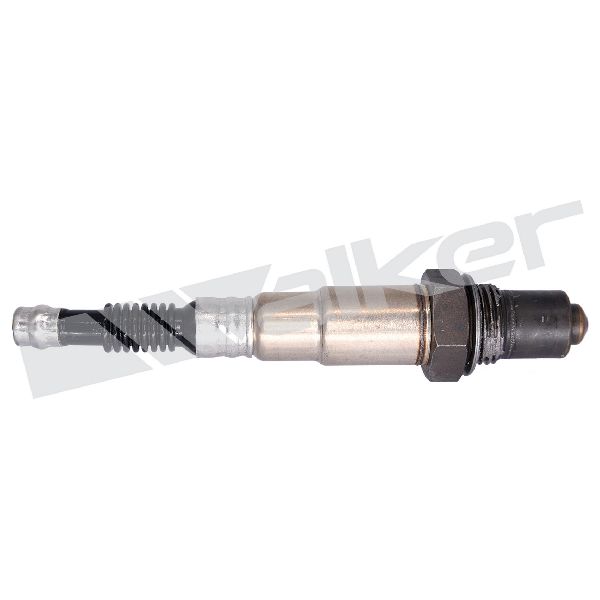
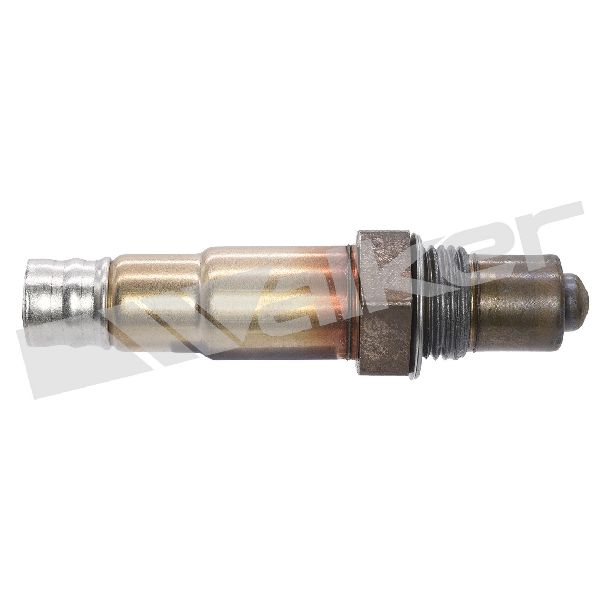
- The most likely fix is replacing the downstream O2 sensor (Part #12639692).
- Before replacing any parts, check your engine oil level. Excessive oil consumption is a known issue on this engine and is often the root cause of O2 sensor failure.
- If you own a 2012-2013 model, check with a GM dealer about Special Coverage N192287100, which may cover the repair for free if tied to oil consumption.
- Always inspect the sensor's wiring and connector for damage before replacing the sensor.
What's Unique About the 2010-2017 GMC Terrain
For the 2010-2017 Terrain with the 2.4L engine, P0136 is often more than just a simple sensor failure. This engine is widely known for a design flaw involving low-tension piston rings that leads to excessive oil consumption, an issue so prevalent it prompted GM to issue special coverage programs like N192291100 to replace the pistons and rings on some model years. This burnt oil travels down the exhaust, contaminating and eventually destroying both the oxygen sensors and the catalytic converter. Therefore, while P0136 points to the O2 sensor, it can be an early warning sign of this much larger underlying engine problem.
🎬 Watch: Learn more about the 2.4L Ecotec's common reliability issues.Symptoms You May Notice
- Check Engine Light is on
- Failing an emissions test
- Slightly reduced fuel economy
- Rough idle or engine misfires (less common)
- Visible blue or white smoke from the exhaust if oil consumption is severe.
- Replacing the catalytic converter. P0136 specifically points to a sensor circuit issue, not converter efficiency (which typically triggers P0420). While the converter may also be bad due to oil contamination, it is not the direct cause of a P0136 fault.
Most Likely Causes
- Faulty Downstream Oxygen Sensor 🔴 High Probability → Shop Oxygen Sensor These sensors are frequently contaminated by burnt oil due to the engine's common oil consumption issue. The oil coats the sensor element, preventing it from reading correctly. They also fail from normal wear and tear over time.
How to confirm: Use a scan tool to monitor the live voltage of Bank 1 Sensor 2 with the engine warm and at a steady 2,000 RPM. A healthy sensor shows a relatively stable voltage (e.g., 0.6V - 0.8V). If the voltage is stuck low (near 0.1V), stuck high (near 0.9V), or inactive, the sensor has likely failed.
Typical fix: Replace the Bank 1, Sensor 2 oxygen sensor. 🎬 See this walkthrough on how to replace the downstream sensor. Before replacing, check the engine oil level. If it is low, you have the underlying oil consumption problem.
Est. part cost: $40-$120 - Damaged Wiring or Connector 🟡 Medium Probability The sensor and its wiring are located under the vehicle, exposed to road debris, water, and extreme heat from the exhaust, which can cause wires to melt or break, and connectors to corrode.
How to confirm: Visually inspect the wiring harness leading to the downstream O2 sensor. Look for any signs of melting, chafing, or broken wires. Unplug the connector and check for corrosion or damage on the pins.
Typical fix: Repair the damaged section of the wiring harness or replace the connector pigtail.
Est. part cost: $15-$50 - Exhaust Leak ⚪ Low Probability The exhaust manifold on the 2.4L Ecotec, which integrates the primary catalytic converter, is known to develop cracks. A leak anywhere before the downstream O2 sensor can introduce outside oxygen, causing the sensor to send an inaccurate (typically low voltage) signal to the ECM.
How to confirm: Listen for a ticking or hissing noise from the exhaust, especially when the engine is cold. A mechanic can perform a smoke test on the exhaust system to pinpoint the location of any leaks.
Typical fix: Replace the leaking exhaust gasket or replace the cracked exhaust manifold/catalytic converter assembly. 🎬 Watch: How to replace a cracked exhaust manifold on this engine.
Est. part cost: $20-$500+ - Blown O2 Sensor Heater Fuse ⚪ Low Probability → Shop Oxygen Sensor
How to confirm: Locate the fuse box and identify the fuse for the oxygen sensor heater circuit (often labeled HO2S or similar). Visually inspect the fuse to see if it is blown. This may also be accompanied by heater circuit codes like P0141 or P0036.
Typical fix: Replace the blown fuse. If it blows again, there is a short in the heater circuit that must be diagnosed.
Est. part cost: $1-$5
Rare But Worth Checking
- Faulty Powertrain Control Module (PCM): This is very uncommon, but the PCM (also called ECM) on this platform is known for a specific failure mode. Leaking VVT solenoids or oil pressure sensors can allow engine oil to wick up through the wiring harness and into the PCM's electrical connectors, shorting out internal circuits. Before suspecting the PCM, inspect its connectors for any signs of oil intrusion. This should only be considered after all other possibilities are ruled out.
Diagnosis Steps
- Check Engine Oil Level: Before any other step, check the engine oil dipstick. If the oil level is low, it strongly suggests the known oil consumption issue is the root cause of the O2 sensor contamination.
- Scan for Codes: Use an OBD-II scanner to confirm P0136 and check for any other related codes, such as P0420, P0137, P0138, or timing codes (P0010, P0011, P0013, P0014).
- Inspect Wiring and Connector: Raise the vehicle safely. Visually inspect the entire wiring harness for the downstream O2 sensor. Look for melted plastic, frayed wires, or loose connections. Disconnect the sensor and check the connector pins for corrosion or damage.
- Check the Fuse: Locate the fuse for the O2 sensor heater circuit in the vehicle's fuse box and verify it is not blown.
- Analyze Live Data: With the engine fully warmed up, use a scan tool with live data capability. Graph the voltage for 'O2 Bank 1 Sensor 2'. At a steady 2,000-2,500 RPM, the voltage should be relatively stable, typically above 0.5V. If the voltage is flatlined near zero, stuck high, or fluctuating wildly like the upstream sensor, it confirms a problem with the sensor or its circuit.
- Test for Exhaust Leaks: With the engine running, carefully listen for any hissing or ticking sounds from the exhaust manifold or pipes. A professional smoke test is the most effective way to find small leaks.
- Replace the Sensor: If the wiring is good, the fuse is intact, and the live data points to a sensor issue, replace the downstream O2 sensor.
Parts You'll Likely Need
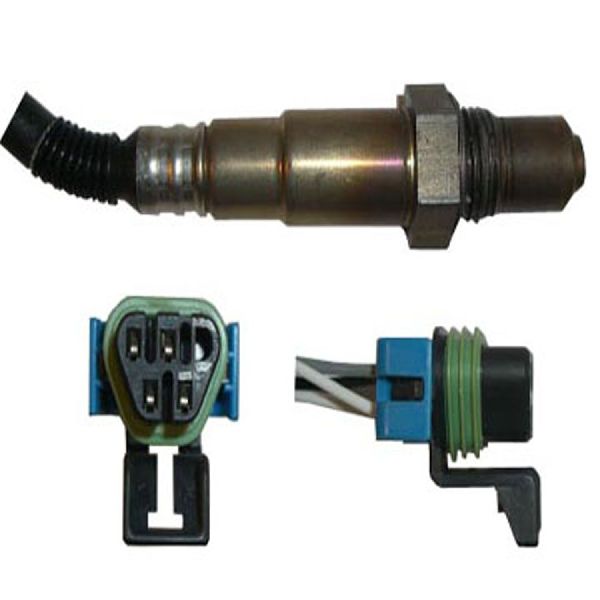
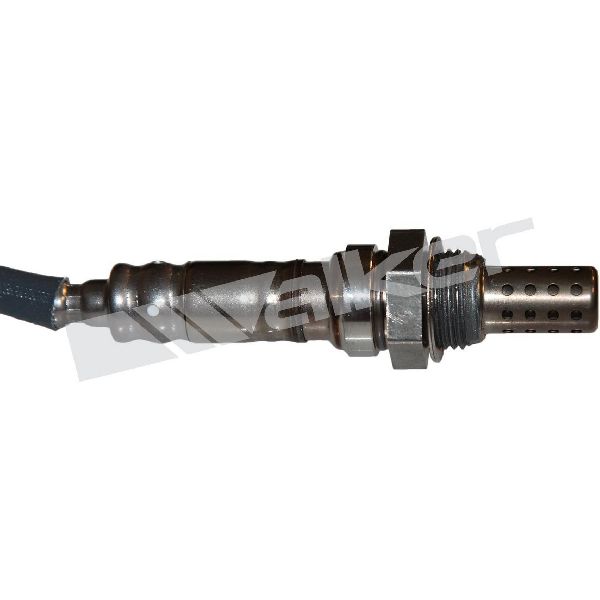
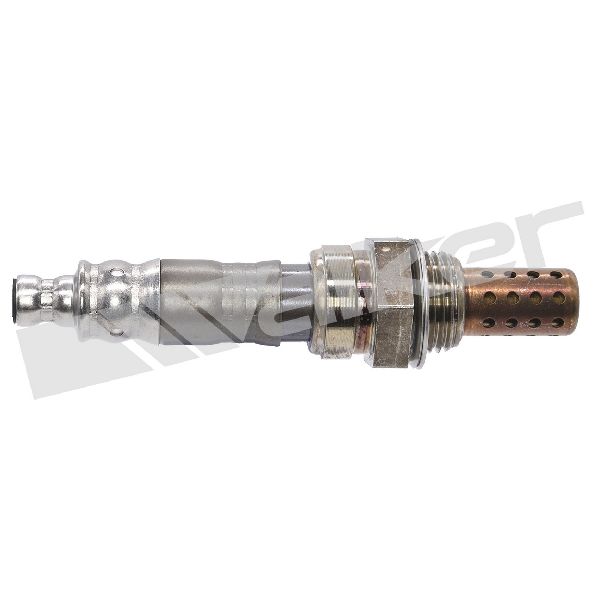
- Downstream Oxygen Sensor (Bank 1, Sensor 2)
(OEM #12639692)— This is the most common component to fail, either from age or contamination from oil consumption, directly causing the P0136 code.
Trusted brands: ACDelco (OEM), Denso (234-4531), Bosch, NGK/NTK
OEM price range: $90-$150
Aftermarket price range: $40-$80
Related Codes That Often Appear With This One
- P0420 — P0420 (Catalyst System Efficiency Below Threshold) is extremely common on this vehicle due to oil consumption destroying the catalytic converter. A failing converter or the oil contamination itself can sometimes cause erratic readings from the downstream O2 sensor, triggering P0136 as well.
- P0137 — P0137 (O2 Sensor Circuit Low Voltage) is a more specific version of P0136, indicating the sensor signal is stuck low. They share the same causes and diagnostic steps.
- P0138 — P0138 (O2 Sensor Circuit High Voltage) is another specific version of P0136, indicating the signal is stuck high. They share the same causes.
Technical Service Bulletins (TSBs) & Recalls
- N192287100: Special Coverage for some 2012-2013 models addressing catalytic converter and oxygen sensor degradation caused by excessive engine oil consumption.
- N192291100: Special Coverage for 2013 models extending the warranty to cover the piston and ring replacement needed to fix excessive oil consumption.
- 15810: Special Coverage extending the warranty on the catalytic converter for 2010-2011 models to 10 years/120,000 miles.
Platform-Specific Known Issues
- Excessive Oil Consumption: The 2.4L Ecotec engine in 2010-2017 models is known for bad piston rings causing oil to burn. This oil contaminates and ruins O2 sensors and catalytic converters. Check your oil level frequently. If you are losing a quart in under 2,000 miles, you have this underlying issue.
- Special Coverage N192287100: For 2012-2013 models, GM issued a special coverage program to replace the catalytic converters and oxygen sensors at no charge if the failure is a result of diagnosed excessive oil consumption (less than 2,000 miles per quart).
- Special Coverage 15810: For 2010-2011 models, GM offered an extended warranty on the catalytic converter for 10 years/120,000 miles due to thermal damage, often related to the engine's underlying issues.
Mechanic-Grade Diagnostic Values
- Downstream O2 Sensor (HO2S B1S2) Voltage — expected: Relatively stable voltage between 0.6V and 0.8V on a fully warmed-up engine at a steady RPM.. Failure: Voltage is stuck low (near 0.1V), stuck high (near 0.9V), or fluctuates rapidly like the upstream sensor.
- O2 Sensor Heater Element Resistance — expected: Typically 6 to 9 Ohms at 68°F (20°C). A general acceptable range is often cited as 3-25 Ohms.. Failure: A multimeter reading of OL (Over Limit / infinite resistance) indicates an open circuit. A reading near 0 Ohms indicates a short circuit.
- O2 Sensor Heater Circuit Power Supply — expected: Battery voltage (approximately 12V) at the harness connector's power feed pin with the key on, engine off.. Failure: Zero or significantly low voltage points to a blown fuse or a break in the power wire from the fuse box.
Scan Tool Commands That Help
- GDS2 / Tech2: A/F Control Active Test — This function allows a technician to command the fuel mixture to be rich or lean. While observing the downstream O2 sensor's reaction, a technician can determine if the sensor is responding correctly to changes in exhaust oxygen content, helping to differentiate a lazy or dead sensor from other issues.
Wiring & Ground Locations
- Fuse #41 — In the under-hood fuse block. It is a 15A fuse.. This specific fuse provides power to the post-catalytic converter (downstream) O2 sensor. If this fuse is blown, the sensor's heater will not function, which can lead to or accompany a P0136 code.
- G112 — Located on the left rear of the engine.. This is a primary engine ground point. A loose or corroded G112 ground can cause erratic behavior and incorrect voltage readings from various engine sensors, including the oxygen sensors, leading to false trouble codes.
- X411 Connector — Under the rear of the vehicle, located behind the fuel tank.. While not directly for the O2 sensor, this connector is a major communication junction. TSB PIT5427B identifies it as a common point of corrosion that can disrupt network communication, potentially causing a variety of codes, including communication loss with the ECM which processes the O2 sensor signal.
Real Owner Repair Stories
- Go-Parts Analysis of U0100 on 2.4L Terrain/Equinox (2010-2017 GMC Terrain 2.4L (and Chevy Equinox)) — Loss of communication with ECM (U0100), but the root cause can also manifest as other sensor codes.
❌ Tried (didn't work) Replacing the battery, Cleaning main ground straps, Replacing the ECM without fixing the oil leak
✅ What actually fixed it The root cause was engine oil leaking from the VVT solenoids, wicking up the wiring harness, and contaminating the ECM connector. The final repair required replacing the leaking VVT solenoids, thoroughly cleaning the harness connectors with electrical contact cleaner, and replacing the oil-damaged ECM.
OEM Part Supersession History
Unknown→12639692— Part has likely been updated over the vehicle's production run to improve reliability or address known issues.
Heads up: Part number 12639692 is the specified downstream sensor for 2011-2017 models. Using other sensors may result in incorrect readings. Some sources note this part may require programming or special setup procedures.
Model Year Variations Within This Range
- 2010-2013: These earlier model years are most commonly cited for the severe oil consumption issue due to piston ring design. While the problem can exist across the range, the most notorious engines were in the initial years, leading to TSBs and special coverage programs focused on these models.
- 2012-2013: GM issued Voluntary Emissions Recall N192268180 specifically for these model years to replace the downstream oxygen sensor due to inaccurate readings that could cause the vehicle to exceed emission standards.
Diagnostic Flowchart
Other Known Issues on This Vehicle
Issues unrelated to this code that are worth knowing about as an owner of this generation:
- Excessive Oil Consumption 🔴 High — Extremely common, especially on 2010-2013 models. Caused by low-tension piston rings that allow oil past, often consuming over 1 quart per 2,000 miles. (Ref: Special Coverage N192291100 for 2013 models extended the warranty for piston ring replacement.)
- Timing Chain Stretch and Guide Failure 🔴 High — Common, especially on engines that have run low on oil due to consumption. Symptoms include a rattling noise on cold startup. Failure can cause catastrophic engine damage.
- High-Pressure Fuel Pump (HPFP) Failure 🔴 High — Common on 2010-2011 models. The pump can fail and leak fuel directly into the engine oil, causing a strong gas smell on the dipstick and potential engine damage. (Ref: GM Voluntary Emission Recall 43180)
- Frozen PCV System & Blown Rear Main Seal 🟠 Medium — Occurs in cold climates (below 0°F / -18°C). Moisture freezes in the PCV orifice in the intake manifold, causing excessive crankcase pressure that blows out the rear main seal, leading to a massive oil leak. (Ref: TSB 14882 / PIP5093B)
Used vs. New Parts: Buying Guide for This Vehicle
When a used part is the smart pick: For this repair, buying a used oxygen sensor is not recommended. They are wear items with a finite lifespan, and a used part from a junkyard carries a high risk of being already contaminated or near the end of its life. The cost savings are minimal compared to the labor and likelihood of a repeat failure.
What to inspect on the donor part:
- Not applicable as used O2 sensors are not recommended.
OEM-only on this vehicle (don't cheap out):
- While not strictly 'OEM-only', using a reputable OEM-supplier brand is critical. The ECM is calibrated for the specific performance curve of the original sensor.
Aftermarket brands forum-validated for this vehicle:
- ACDelco (OEM)
- Denso
- NGK/NTK
- Bosch
Brands owners have reported issues with on this vehicle:
- No-name, unbranded 'universal' sensors often sold on online marketplaces. These frequently lack the correct heater resistance or response curve, leading to persistent codes or poor performance even if they physically fit.
Real Owner Stories
Aggregated from forums and TSBs cited above. Mileages and costs reflect what owners reported in those sources.
2014 GMC Terrain 2.4L Ecotec
Symptoms: Owner found metal shavings on VVT solenoids, which is a symptom of timing chain wear often seen in these engines alongside other failures.
What fixed it: A full timing chain replacement job.
Source hint: Reddit - r/MechanicAdvice - '2014 GMC Terrain 2.4l Ecotech Timing Chain Replacement'
2014 GMC Terrain 2.4L Ecotec
Symptoms: Extreme looseness of the chains causing a startup rattle.
What fixed it: Replacement of the timing and balance chains.
Source hint: YouTube - 'GMC Terrain 2.4 | Timing & Balance Chain Replacement | Step by step'
Related OBD-II Codes
Frequently Asked Questions
Is there a special warranty for the catalytic converter and O2 sensor on my 2012 GMC Terrain 2.4L?
My 2010 Terrain has a P0136 code; is there any extended coverage for the exhaust system?
Why does my 2.4L Ecotec keep fouling the downstream oxygen sensor?
Can a cracked exhaust manifold cause the P0136 code on a GMC Terrain?
Does GM offer any help for the oil consumption issue that causes these sensor failures?
What should I check first on my Terrain before replacing the Bank 1 Sensor 2 oxygen sensor?
Helpful Videos
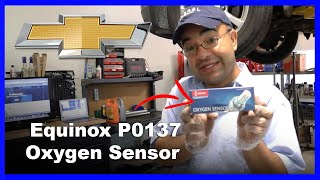

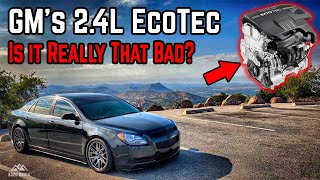
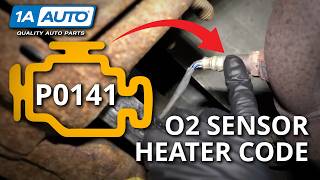
We Have This Part in Stock
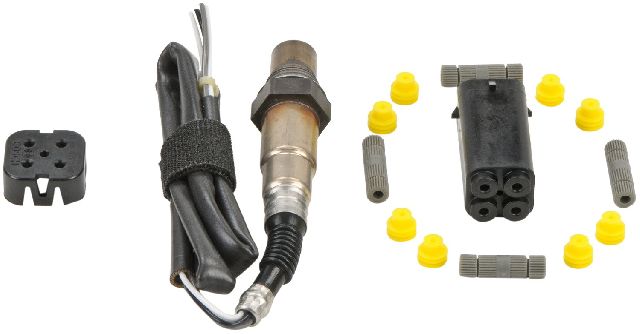

The information in this article is provided for general reference and educational purposes only. Vehicle specifications, procedures, and part compatibility can vary by production date, trim level, and region. Always consult your vehicle's factory service manual and verify part numbers before purchasing or performing repairs. Safety-critical components such as airbags, seat belts, and braking systems should be installed by a qualified professional.
- GMC Terrain:
- 🧭 Diagnostic Flowchart
- 🎬 Helpful Videos
- 🛍️ Shop This Part
- What's Unique About the 2010-2017 GMC Terrain
- Symptoms You May Notice
- Most Likely Causes
- Rare But Worth Checking
- Diagnosis Steps
- Parts You'll Likely Need
- Related Codes That Often Appear With This One
- Technical Service Bulletins (TSBs) & Recalls
- Platform-Specific Known Issues
- Mechanic-Grade Diagnostic Values
- Scan Tool Commands That Help
- Wiring & Ground Locations
- Real Owner Repair Stories
- OEM Part Supersession History
- Model Year Variations Within This Range
- Other Known Issues on This Vehicle
- Used vs. New Parts: Buying Guide for This Vehicle
- Real Owner Stories
- 2014 GMC Terrain 2.4L Ecotec
- 2014 GMC Terrain 2.4L Ecotec
- Related OBD-II Codes
- Frequently Asked Questions
- 🎟️ Get 5% Off