

P0136 on 2014-2016 Jaguar F-TYPE: Causes and Fixes for O2 Sensor Circuit Fault
On a 2014-2016 Jaguar F-TYPE, code P0136 almost always points to a faulty downstream oxygen sensor on the passenger side (Bank 1). However, before replacing the sensor, check for a required software update per TSB JTB-00392-NAS-3, which was released to fix this exact issue. If the software is current, replacing the sensor is the most common fix. Expect to pay $70-$150 for an aftermarket sensor (Bosch/Denso) and $200+ for an OEM part.
- P0136 on your F-TYPE means the oxygen sensor on the passenger side, after the catalytic converter, has a problem.
- CRITICAL: Check if TSB JTB-00392-NAS-3 applies to your car; a simple software update may fix the issue without replacing any parts.
- If software is current, the most likely fix is to replace the Bank 1, Sensor 2 oxygen sensor.
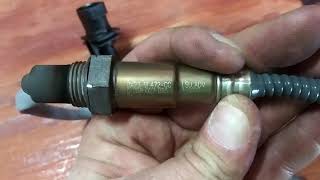
- You can save significant money by purchasing the Bosch-branded sensor (the likely OEM) instead of the Jaguar-branded one.
- Before buying parts, always perform a visual inspection of the sensor's wiring for obvious damage.
What's Unique About the 2014-2016 Jaguar F-TYPE
Jaguar issued multiple Technical Service Bulletins (TSBs) for this issue. Crucially, TSB JTB-00392-NAS-3 from 2016 states the cause for a wide range of post-catalyst HO2S codes, including P0136, is likely a "post-catalyst heated oxygen sensor (HO2S) software error". The prescribed fix is to first update the Powertrain Control Module (PCM) software. Only if the code returns after the update should the sensor itself be replaced. This indicates the issue is often not the hardware itself, but the software logic monitoring it, making a software check a critical first step before replacing parts. The Jaguar SDD diagnostic tool may even recommend this TSB software update before suggesting pinpoint tests.
Diagnostic Flowchart
Tap your situation to follow the diagnostic path that matches what you're seeing on this vehicle.
Symptoms You May Notice
- Check Engine Light is on
- Failing an emissions test
- Slight decrease in fuel economy
- In rare cases, a rough idle or engine hesitation
- Replacing the oxygen sensor without first checking if a PCM software update is available and required per TSB JTB-00392-NAS-3.
- Replacing the upstream (Bank 1, Sensor 1) oxygen sensor, which is used for fuel trim, not catalyst monitoring.
- Replacing the catalytic converter when the actual fault is just the sensor 🎬 Watch: How to diagnose and replace faulty catalytic converters. that monitors it or the software reading it.
Most Likely Causes
- Outdated Powertrain Control Module (PCM) Software 🔴 High Probability Jaguar explicitly identified a software error as the cause for P0136 and other related codes in TSB JTB-00392-NAS-3. Dealerships were instructed to update the PCM software as the primary solution.
How to confirm: A Jaguar dealer or a specialist with the appropriate diagnostic tool (like SDD or Pathfinder) can check the current software version of the PCM and determine if the update from the TSB has been applied.
Typical fix: Update the PCM software using a Jaguar-approved diagnostic tool. The TSB specifies that the diagnostic tool must be loaded with DVD146.00 v.241 or later to perform the update.
Est. part cost: $0 - Faulty Bank 1, Sensor 2 Oxygen Sensor 🔴 High Probability → Shop Oxygen Sensor As evidenced by multiple TSBs (SSM72477, JTB-00392-NAS-3), these vehicles had known issues with oxygen sensors, either from hardware failure or software sensitivity. Forum discussions confirm that sensor failure is a common occurrence.
How to confirm: Use a scan tool to monitor the live data for the B1S2 O2 sensor. A healthy downstream sensor should show a relatively stable voltage, typically between 0.6V and 0.8V. If the voltage is stuck low (near 0.1V), high (near 0.9V), or not reading at all, it has likely failed.
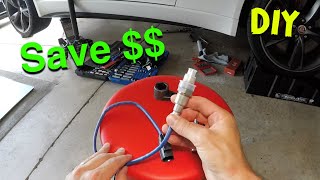
Typical fix: Replace the Bank 1, Sensor 2 oxygen sensor. This is a common DIY repair. 🎬 Watch: This DIY walkthrough shows how to replace the sensor. One owner documented the process on YouTube, noting that the OEM sensor is a Bosch and can be purchased directly from Bosch for a fraction of the dealer price.
Est. part cost: $70-$250 - Damaged Wiring or Connector 🟡 Medium Probability The sensor wiring is routed under the vehicle and near hot exhaust components, making it susceptible to damage from road debris, heat, and corrosion.
How to confirm: Visually inspect the wiring harness leading to the sensor for any signs of melting, fraying, chafing, or corrosion in the connector pins. Perform a continuity test on the wires with a multimeter if a visual inspection is inconclusive.
Typical fix: Repair the damaged section of wiring or replace the connector pigtail.
Est. part cost: $15-$50 - Exhaust Leak ⚪ Low Probability
How to confirm: Listen for hissing or ticking sounds from the exhaust system, especially when the engine is cold. Visually inspect the exhaust manifold, gaskets, and pipes near the sensor for black soot marks, which indicate a leak. A smoke test can definitively identify the source of a leak.
Typical fix: Replace the leaking gasket or repair the cracked exhaust component.
Est. part cost: $20-$300
Rare But Worth Checking
- Faulty Powertrain Control Module (PCM): This is very uncommon. While a software update is a common fix, complete hardware failure of the PCM is rare. All other possibilities, especially the sensor, its wiring, and the software itself, should be exhaustively ruled out before considering PCM replacement.
Diagnosis Steps
- Scan for Codes: Use an OBD-II scanner to confirm P0136 is present. Note any other codes, especially those listed in TSB JTB-00392-NAS-3.
- Check for TSBs / Software Updates: This is the most critical step for this platform. Have a dealer or specialist check if TSB JTB-00392-NAS-3 is applicable and if the PCM software has been updated. If not, this should be the first action taken.
- Visual Inspection: Safely raise the vehicle. Visually inspect the Bank 1, Sensor 2 (passenger side, post-catalyst) O2 sensor. Check its wiring harness for any signs of melting, cracking, or physical damage. Ensure the connector is securely plugged in and free of corrosion.
- Check for Exhaust Leaks: Start the engine when it's cold and listen for any unusual ticking or hissing sounds from the exhaust system. Inspect the area around the sensor for soot trails that would indicate a leak.
- Analyze Live Data: With a capable scanner, access the live data stream for the O2 sensors. Warm up the engine. Observe the voltage for 'B1S2'. It should be relatively steady, typically holding between 0.6V and 0.8V. If it's stuck low (around 0.1V), stuck high (above 0.9V), or fluctuating rapidly like an upstream sensor, the sensor is likely bad.
- Test the Sensor Circuit: If the sensor reading is suspect and the wiring looks good, disconnect the sensor and use a multimeter to check for proper reference voltage (typically around 5V) and ground at the connector coming from the PCM. This confirms the issue is the sensor itself and not the wiring.
- Replace the Sensor: If the software is up-to-date and the sensor is determined to be faulty, replace it. An O2 sensor socket (22mm) is required. 🎬 See this video for a step-by-step sensor replacement guide. A DIY video for the F-Type shows access is tight but manageable.
- Clear Codes and Test Drive: After the repair, clear the trouble codes with the scanner and perform a test drive, including varied driving conditions, to ensure the code does not return.
Parts You'll Likely Need
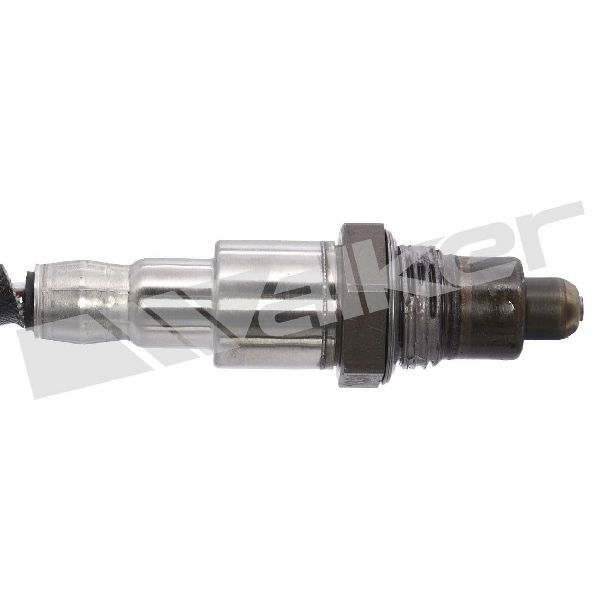
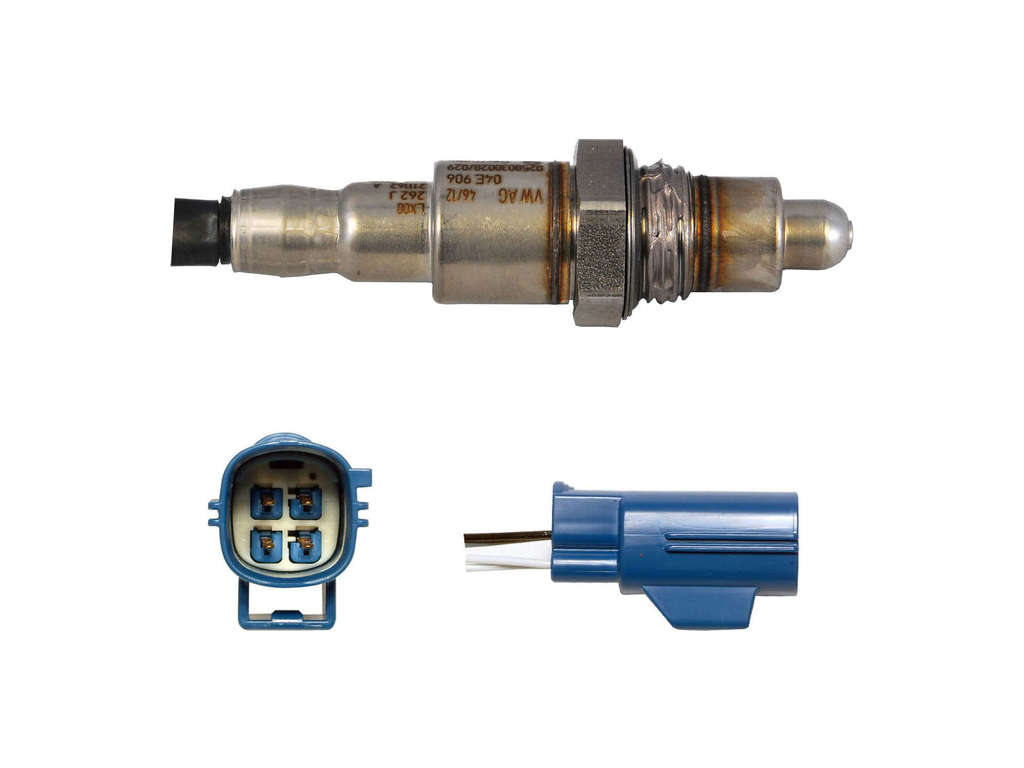
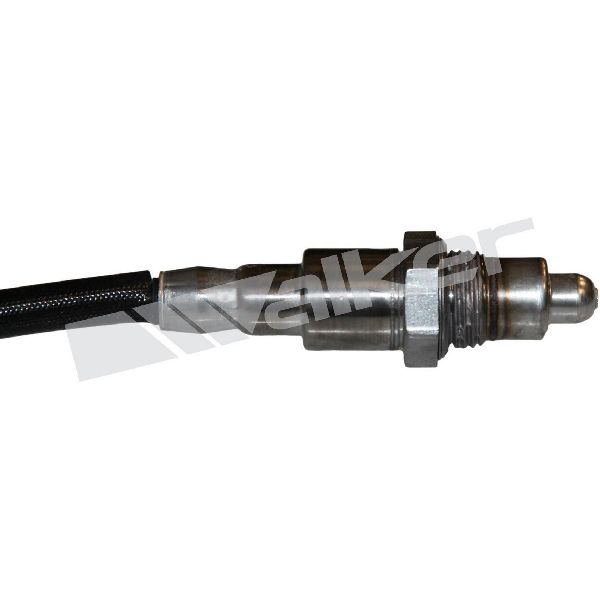
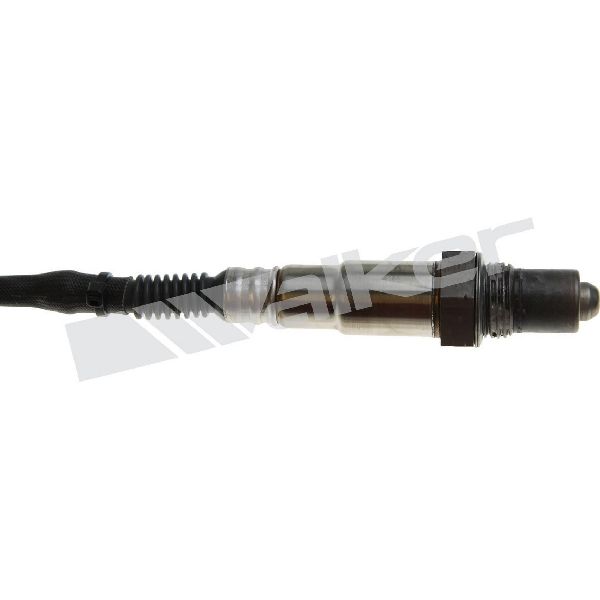
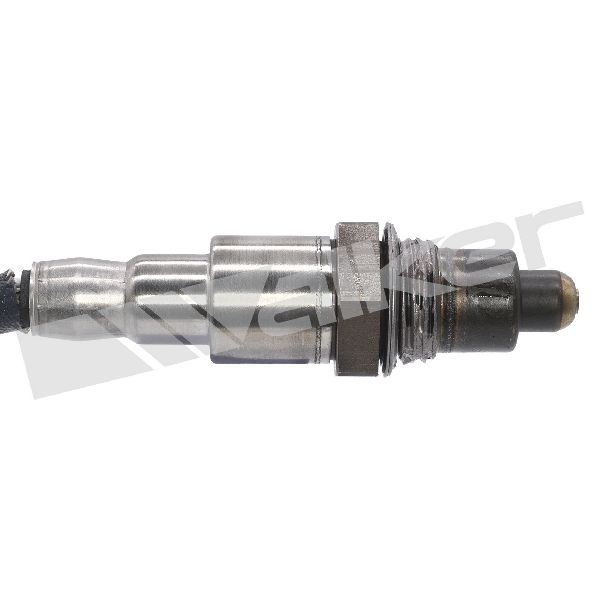
- Oxygen Sensor (Bank 1, Sensor 2)
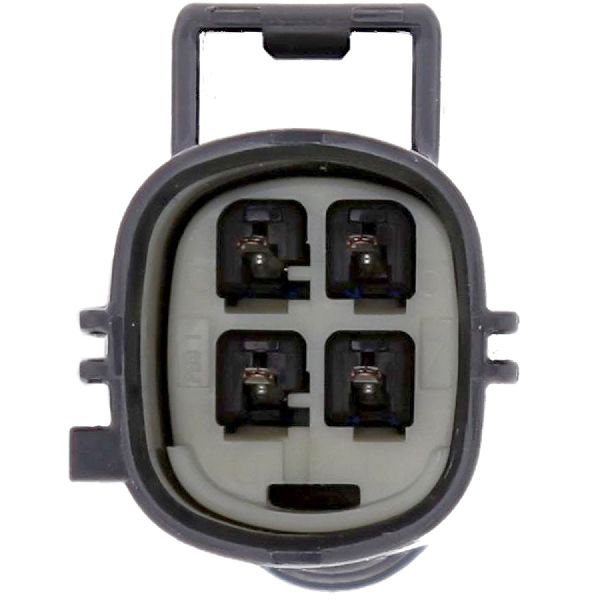
(OEM #T2R57039)— This is the component that the P0136 code directly identifies as malfunctioning. After a software update, this is the most common failure point. This part number supersedes previous numbers T2R26123, T2R54610, and T2R7732.
Trusted brands: Jaguar (OEM), Bosch (Often the OEM manufacturer), Denso, NGK/NTK
OEM price range: $200-$250
Aftermarket price range: $70-$150
Related Codes That Often Appear With This One
- P0141 — P0141 refers to a malfunction in the heater circuit of the same sensor (Bank 1, Sensor 2). These codes often appear together if the sensor has an internal failure affecting both its reading and heating element.
- P0036, P0037, P0038, P013A, P013E, P0142, etc. — TSB JTB-00392-NAS-3 lists a large group of post-catalyst HO2S codes that are all addressed by the same PCM software update. Seeing any of these other codes alongside P0136 strongly points to the software issue.
Technical Service Bulletins (TSBs) & Recalls
- JTB-00392-NAS-3: The most critical TSB, identifying a software error as the root cause for P0136 and instructing technicians to update PCM software before replacing parts.
- SSM72477: An earlier bulletin acknowledging a high volume of HO2S codes, including P0136, indicating a known issue with the sensors or their monitoring system.
Platform-Specific Known Issues
- TSB JTB-00392-NAS-3: Software Error: Jaguar released this TSB for 2014-2015 F-TYPE, XF, and XJ models, stating that a range of HO2S codes, including P0136, may be caused by a software error. The fix is to update the PCM software and only replace the sensor if the code returns.
- Owner Experience: DIY Replacement: A YouTube video by user 'Gelo's Garage' titled 'Jaguar F Type Oxygen Sensor DIY Replacement!' details the process for replacing the sensor. The owner confirms the OEM part is a Bosch and was able to buy the same sensor from Bosch directly for $76, compared to the dealer's quote of over $300. This highlights a significant cost-saving opportunity for DIYers.
- Forum Consensus: Common Failure: On JaguarForums.com, multiple owners in threads discussing reliability confirm that O2 sensor failures are common. One user notes, 'Bad O2 sensors are pretty common with this car. I've had 2 replaced.' Another states, 'Had one replaced under warranty: bank 2, sensor 3. I think there was even a bulletin out on earlier cars.' This corroborates the TSBs and indicates a high failure rate.
Mechanic-Grade Diagnostic Values
- Downstream O2 Sensor (B1S2) Live Data Voltage — expected: Relatively stable voltage between 0.35V and 0.8V after the engine is warm.. Failure: Voltage is stuck low (near 0.1V), stuck high (near 0.9V), or fluctuates rapidly like an upstream sensor.
- O2 Sensor Heater Circuit Resistance — expected: Between 5 and 15 ohms when measured across the two heater circuit pins (often same-colored wires) at ambient temperature.. Failure: An open circuit (infinite resistance) or a dead short (near zero ohms) indicates a failed heater element within the sensor.
- Ground Point Voltage Drop Test — expected: Well under 0.5V (500mV) when measured between the ground point and the battery negative terminal while cranking the engine.. Failure: A reading higher than 0.5V indicates a poor ground connection, which can cause erratic sensor behavior.
Scan Tool Commands That Help
- Jaguar SDD (Symptom Driven Diagnostics): Recommendations Tab / Data Logger — After an initial code scan, the 'Recommendations' tab will often guide the technician to relevant TSBs, like the software update for P0136. The 'Data Logger' function within this tab is used to view live sensor data, such as the B1S2 voltage, to confirm if it's operating within the expected range.
- Jaguar SDD (Symptom Driven Diagnostics): Pinpoint Tests — If a software update is performed and the code returns, SDD will then recommend specific 'Pinpoint Tests'. For P0136, this would involve guided steps to check the wiring integrity and connector voltage between the PCM and the O2 sensor, helping to differentiate a wiring fault from a sensor fault.
- Jaguar SDD (Symptom Driven Diagnostics): Configure existing powertrain control module — This is the specific function used to apply the software update as prescribed by TSB JTB-00392-NAS-3. It is found under the 'Service Functions' or 'Extras' tab after the TSB has been identified as a recommended action.
Wiring & Ground Locations
- Main Engine-to-Chassis Ground — On the left-hand side (USA driver's side), there is a critical ground strap from the engine to the lower chassis rail, bolting first to the subframe.. A poor main engine ground can introduce electrical noise and voltage offsets, potentially causing the PCM to misinterpret sensor readings and set false codes like P0136. A voltage drop test is recommended to verify its integrity.
- Firewall Ground Posts — There are two ground posts on the firewall, one on each side, approximately level with the wiper grille area.. These are major grounding points for various engine bay systems. Corrosion or looseness here can lead to intermittent and hard-to-diagnose electrical faults, including sensor circuit issues.
- Bank 1 Sensor 2 Connector — The connector for the B1S2 sensor is located on the passenger side, typically clipped to the side or bottom of the transmission. The sensor itself is located in the catalytic converter.. This is the primary connector to inspect for physical damage, corrosion, or moisture intrusion when diagnosing a P0136 circuit code.
Real Owner Repair Stories
- YouTube channel 'Maverick L' (2014 Jaguar F-Type) — Check Engine Light with O2 sensor fault codes (P0030, P2231).
❌ Tried (didn't work) The initial software update recommended by the TSB did not resolve the issue; the Check Engine Light returned with the same codes.
✅ What actually fixed it After the software update failed to fix the problem, the Jaguar SDD software then recommended pinpoint tests for the sensor wiring. Following the diagnostic procedure ultimately led to replacing the faulty Bank 1 Sensor 1 oxygen sensor. This story highlights the importance of following the dealer-level diagnostic path: 1) Check for TSBs/Software, 2) If that fails, perform guided pinpoint tests, 3) Replace the part only when tests confirm it's faulty.
OEM Part Supersession History
T2R26123, T2R54610, T2R7732→T2R57039— Part revision and consolidation by Jaguar.
Heads up: While multiple part numbers exist, T2R57039 is the latest revision for this application. Using an older, superseded part is not recommended.
Model Year Variations Within This Range
- 2014-2016: The F-Type uses three O2 sensors per bank: Sensor 1 (pre-cat), Sensor 2 (in-cat), and Sensor 3 (post-cat). P0136 specifically refers to Sensor 2, which is physically located in the middle of the catalytic converter, not after it as in many other vehicles. This can cause confusion during diagnosis and replacement.
Helpful Videos
We Have This Part in Stock

The information in this article is provided for general reference and educational purposes only. Vehicle specifications, procedures, and part compatibility can vary by production date, trim level, and region. Always consult your vehicle's factory service manual and verify part numbers before purchasing or performing repairs. Safety-critical components such as airbags, seat belts, and braking systems should be installed by a qualified professional.
- Jaguar F-TYPE:
- 🧭 Diagnostic Flowchart
- 🎬 Helpful Videos
- 🛍️ Shop This Part
- What's Unique About the 2014-2016 Jaguar F-TYPE
- Symptoms You May Notice
- Most Likely Causes
- Rare But Worth Checking
- Diagnosis Steps
- Parts You'll Likely Need
- Related Codes That Often Appear With This One
- Technical Service Bulletins (TSBs) & Recalls
- Platform-Specific Known Issues
- Mechanic-Grade Diagnostic Values
- Scan Tool Commands That Help
- Wiring & Ground Locations
- Real Owner Repair Stories
- OEM Part Supersession History
- Model Year Variations Within This Range
- 🎟️ Get 5% Off