

P0136 on 2013-2016 Jaguar XJ: O2 Sensor Circuit Malfunction Causes and Fixes
P0136 indicates a fault in the Bank 1, Sensor 2 oxygen sensor circuit. This is the middle O2 sensor on the passenger side (US models), located within the catalytic converter itself. The most common fix is replacing the sensor, but a known software glitch is a frequent cause. Jaguar issued a Technical Service Bulletin (JTB-00392-NAS-3) stating that a Powertrain Control Module (PCM) software update is often required. The official procedure is to test and replace the sensor if it has failed, and th
- P0136 on a 2013-2016 Jaguar XJ refers to the middle oxygen sensor on the passenger side (US).
- While a faulty sensor is a common cause, a known software glitch can also trigger this code. Check for available PCM updates, especially if a new sensor doesn't fix the problem.
- Bank 1 is the passenger side (US models), and Sensor 2 is the 'mid-catalyst' sensor, not the final sensor in the exhaust stream.
- Diagnosis involves checking the sensor's live data with a scan tool and inspecting the wiring for damage.
- Do not ignore this code, as it will cause a failed emissions test and can lead to more expensive catalytic converter damage over time.
What's Unique About the 2013-2016 Jaguar XJ
The 2013-2016 Jaguar XJ (X351 generation) and its platform mates use a complex exhaust system with three oxygen sensors per bank, unlike the more common two-sensor setup. The sensors are designated: Sensor 1 (Upstream/Pre-catalyst), Sensor 2 (Mid-catalyst), and Sensor 3 (Downstream/Post-catalyst). P0136 specifically points to the 'mid-catalyst' sensor (B1S2). Jaguar has issued Technical Service Bulletins (TSBs), notably JTB-00392-NAS-3, acknowledging that this code, along with many other O2 sensor codes, can be triggered by a software error in the Powertrain Control Module (PCM). This makes diagnosis more complex, as simply replacing the sensor will not fix the root cause if the software is not updated.
Diagnostic Flowchart
Tap your situation to follow the diagnostic path that matches what you're seeing on this vehicle.
Symptoms You May Notice
- Check Engine Light is on.
- Failure to pass an emissions test.
- Potentially reduced fuel economy.
- In some cases, a rough or unstable idle.
- A rotten egg or sulfur smell from the exhaust is possible, indicating an overly rich fuel mixture that the catalytic converter is struggling to process.
- Replacing the wrong O2 sensor. These vehicles have six O2 sensors in total. P0136 is for Bank 1 (passenger side US) and Sensor 2 (the middle one on the catalytic converter). 🎬 Watch: Quickly locate the Bank 1 Sensor 2 position.
- Replacing the O2 sensor when the actual cause is a PCM software error. If the software is not updated per TSB JTB-00392-NAS-3, the code may return even with a new sensor.
- Assuming the sensor is bad when an upstream exhaust leak is introducing oxygen and causing an inaccurate reading.
Most Likely Causes
- Faulty Mid-Catalyst Oxygen Sensor (Bank 1, Sensor 2) 🔴 High Probability → Shop Oxygen Sensor Jaguar acknowledged premature failure rates of the original equipment Bosch sensors and issued extended warranties (Service Action K309), which may now be expired for these model years. Thermal shock from water contacting the hot sensor is a suspected cause of failure.
How to confirm: Use an OBD-II scanner to monitor the live voltage data from the B1S2 sensor. A healthy mid-stream sensor will show a relatively steady voltage. If the voltage is stuck (often low, near 0.1V), erratic, or shows no signal, the sensor is likely faulty. The sensor's internal heater circuit can also be tested with a multimeter for resistance.
Typical fix: Replace the Bank 1, Sensor 2 oxygen sensor. This is the middle sensor on the passenger-side (US) exhaust. It is highly recommended to apply penetrating oil to the sensor threads before attempting removal.
Est. part cost: $70-$180 - Powertrain Control Module (PCM) Software Error 🟡 Medium Probability Jaguar Technical Service Bulletin JTB-00392-NAS-3 explicitly states that a software error can cause P0136 and over 30 other related codes due to incorrect diagnostic parameters for the mid and post-catalyst sensors.
How to confirm: This can only be confirmed by a Jaguar dealer or a qualified independent shop with access to Jaguar's diagnostic software (SDD or Pathfinder). They can check the current software version against the updates recommended in the TSB.
Typical fix: Update the Powertrain Control Module (PCM) software. The TSB instructs technicians to replace the sensor if it's confirmed faulty *and then* perform the software update to prevent the code from returning. A software update alone may cost between $75 and $250.
Est. part cost: $0 (if only software) - Damaged Wiring or Connector ⚪ Low Probability The wiring is located under the vehicle and is exposed to heat, moisture, and road debris, which can cause corrosion in the connector pins or physical damage to the harness insulation.
How to confirm: Visually inspect the wiring harness and connector for the Bank 1, Sensor 2 O2 sensor. Look for any signs of melting, chafing, corrosion, or broken wires. A multimeter can be used to check for continuity and voltage at the connector.
Typical fix: Repair the damaged section of the wiring harness or replace the connector pigtail. Cleaning corroded pins with a contact cleaner may sometimes resolve the issue.
Est. part cost: $20-$50 - Exhaust System Leak ⚪ Low Probability
How to confirm: Listen for hissing or ticking sounds from the exhaust, especially when the engine is cold. Look for black soot marks around exhaust pipe connections or flanges upstream of the B1S2 sensor. A shop can perform a smoke test to pinpoint hard-to-see leaks.
Typical fix: Repair the leak. This may involve replacing a gasket, tightening flanges, or welding a crack. Using exhaust putty can be a temporary fix for small holes.
Est. part cost: $10-$300
Rare But Worth Checking
- Faulty Powertrain Control Module (PCM): This is very rare. All other possibilities, including the software update, should be exhausted before considering PCM replacement, as it is expensive ($2,300+) and requires programming by a dealer or specialist.
- Blown Fuse or Faulty Relay: Multiple O2 sensor codes appearing at once (e.g., P0131, P0151) can sometimes point to a shared power supply issue, such as a blown fuse or a faulty HO2S relay, rather than multiple failed sensors.
Diagnosis Steps
- Read all stored Diagnostic Trouble Codes (DTCs) with an OBD-II scanner. Note any other codes present, especially other O2 sensor codes.
- Check with a Jaguar dealer or specialist using your VIN for open service actions or required TSBs, specifically JTB-00392-NAS-3. This may inform subsequent steps.
- Visually inspect the Bank 1, Sensor 2 (passenger side, middle sensor) wiring and connector for obvious damage, melting, or corrosion.
- Use the live data function on a scan tool to observe the voltage from the Bank 1, Sensor 2. It should be relatively stable. If it's stuck, erratic, or shows no signal, the sensor is likely faulty.
- Inspect the exhaust system for leaks between the engine and the B1S2 sensor. Listen for noise and look for soot trails.
- If the sensor and wiring appear good, the issue is likely the PCM software. The vehicle should be taken to a dealer or qualified shop for the software update as described in TSB JTB-00392-NAS-3.
- If diagnostics confirm a faulty sensor, replace the Bank 1, Sensor 2 oxygen sensor. Afterwards, it is still recommended to have the PCM software updated to prevent recurrence.
- After repairs, clear the codes and perform a drive cycle to ensure the code does not return.
Parts You'll Likely Need
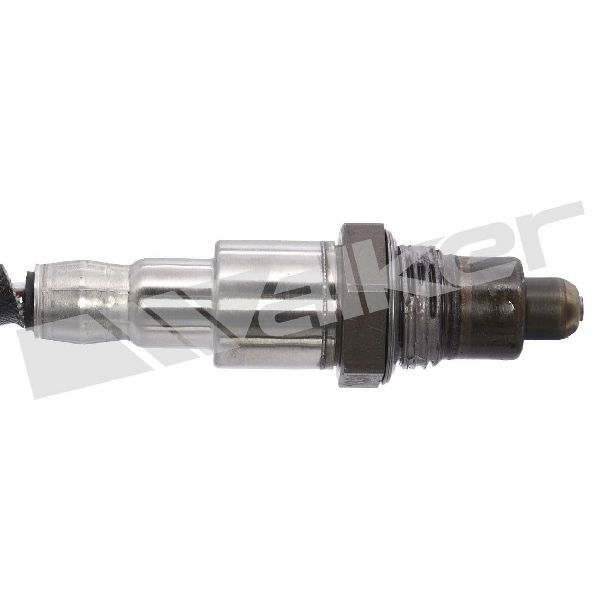
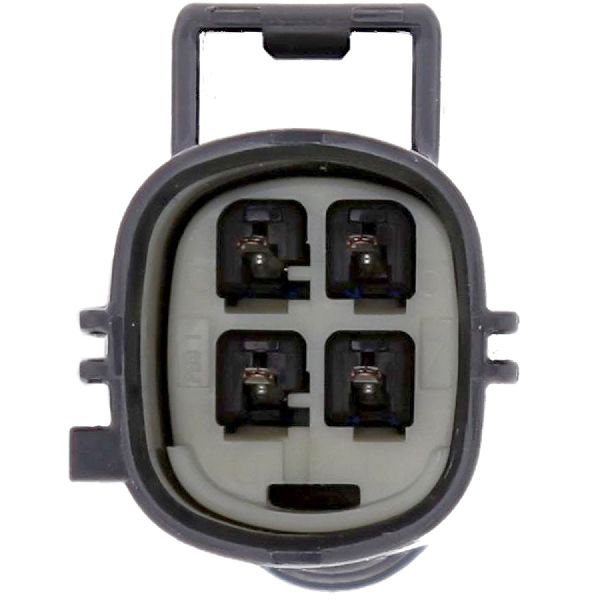
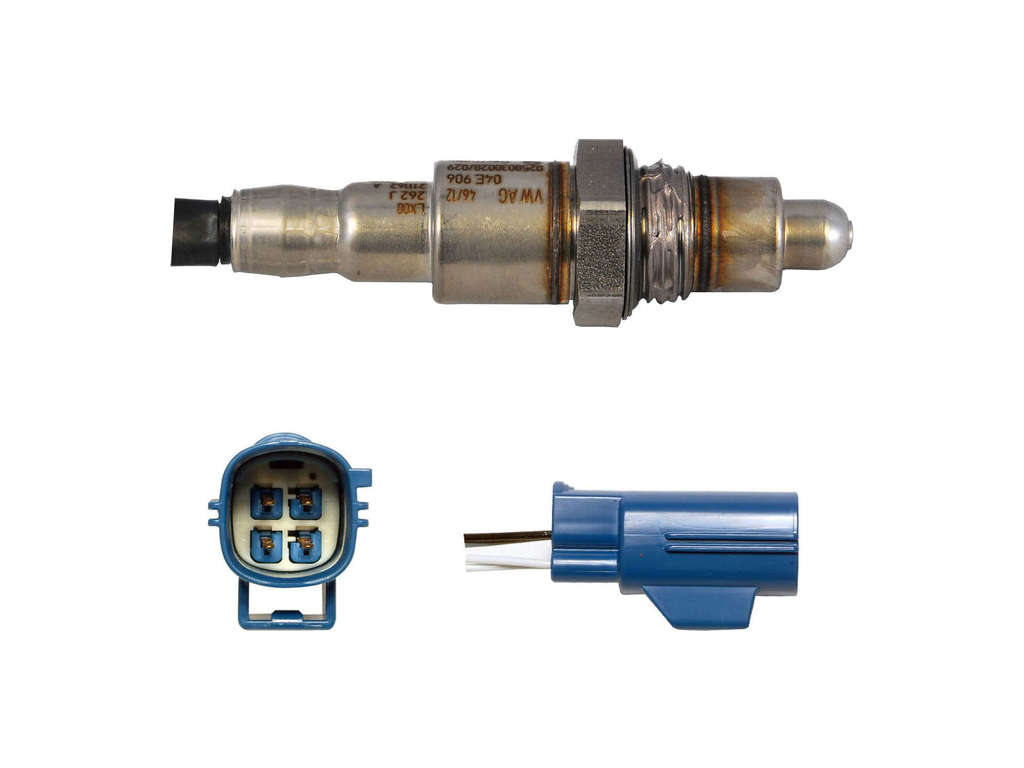
- Oxygen Sensor (Bank 1, Sensor 2)
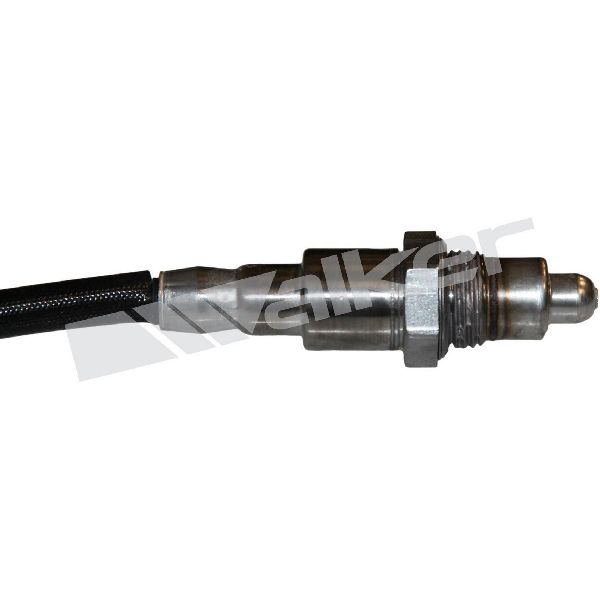
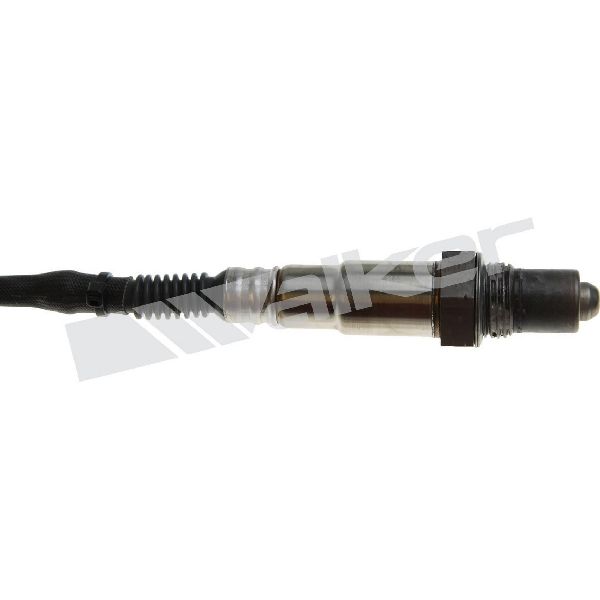
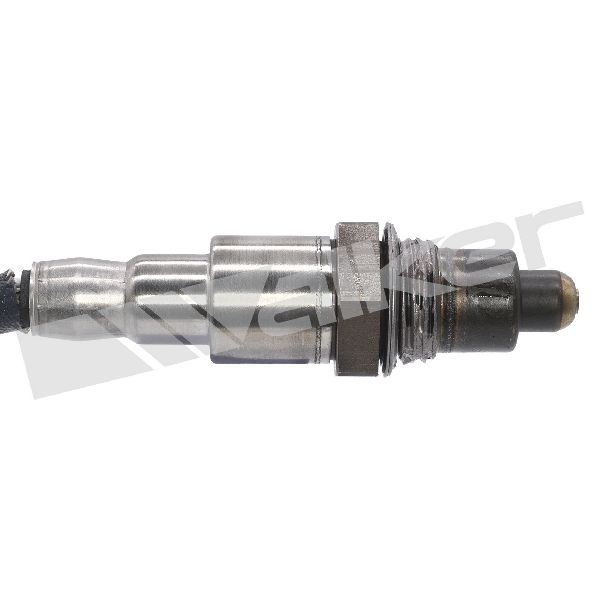
(OEM #C2D17259 (superseded by C2D39892))— This is the specific mid-catalyst sensor that triggers the P0136 code. It is the most common point of failure.
Trusted brands: Bosch (OEM), Denso, NTK, Walker
OEM price range: $150-$220
Aftermarket price range: $70-$150
Related Codes That Often Appear With This One
- P0141 — This code is for the 'O2 Sensor Heater Circuit Malfunction (Bank 1, Sensor 2)'. Both P0136 and P0141 are listed in the same TSBs and often point to the same failed sensor, as the heater is an integral part of the sensor.
- P0036 — This is another heater circuit control code for the same sensor (Bank 1, Sensor 2). It is also listed in the Jaguar TSBs alongside P0136 as being potentially caused by the software glitch.
- P013A, P013C, P013E — These codes relate to slow sensor response for the mid and post-catalyst sensors. They are also included in TSB JTB-00392-NAS-3, indicating they share the same potential software-related cause.
Technical Service Bulletins (TSBs) & Recalls
- JTB-00392-NAS-3: The key document for this issue. States the engine MIL may illuminate with P0136 (and 30+ other codes) due to a software error. The fix is to replace the sensor if it has failed and then update the PCM software.
- SSM72477: A general service message that lists P0136 among dozens of codes related to pre, mid, or post catalyst heated oxygen sensors, indicating a widespread category of faults. [NHTSA]
- JTB00392NAS1: An earlier version of the TSB, also listing P0136 as a potential code caused by a software issue.
- Service Action K309: A non-US campaign that corroborates the software issue, instructing dealers to update the PCM software on affected 2013-2016 XJ, XF, and F-Type models to ensure 'correct operation of the Oxygen (O2) Sensors'.
Platform-Specific Known Issues
- A Jaguar Technical Service Bulletin (JTB-00392-NAS-3) was issued for 2013-2015 XJ, XF, and F-Type models with the 3.0L V6 and 5.0L V8 engines for a range of O2 sensor codes, including P0136. The bulletin states the cause may be a 'post-catalyst heated oxygen sensor (HO2S) software error' and instructs technicians to replace the faulty sensor (if indicated by diagnostics) and then reconfigure the PCM with updated software.
Mechanic-Grade Diagnostic Values
- Downstream (Sensor 2) O2 Sensor Voltage — expected: Relatively stable voltage fluctuating slowly, averaging between 500-700 mV (0.5-0.7V) on a warm engine at steady cruise.. Failure: Voltage is stuck (e.g., near 0.1V), does not switch, or does not go below 0.21V or above 0.59V during active fuel control tests.
- O2 Sensor Heater Circuit Resistance — expected: Typically between 4 and 25 Ohms when measured across the two same-colored wires on the sensor connector with the sensor disconnected and cold.. Failure: A reading of OL (infinite resistance) indicates an open/broken heater circuit. A reading outside the typical range may also indicate a fault.
Hidden / Shadow Codes Worth Checking
- N/A (Procedural Note): While no specific shadow codes are documented, related fault codes for O2 sensors may not appear under 'Related Events' in the Jaguar SDD diagnostic software if the technician does not select the correct symptoms at the start of the session. (see via Check under the 'Unrelated Events' tab within a Jaguar SDD diagnostic session to ensure no codes are missed.)
Scan Tool Commands That Help
- Jaguar SDD / Pathfinder: Live Data Monitoring / Datalogger — Use this function to observe the real-time voltage and current of the Bank 1 Sensor 2. A non-responsive or flatlined sensor reading indicates a failure. To access this function, you may first need to select multiple engine performance symptoms in the service menu.
- Jaguar SDD / Pathfinder: OBDII Readiness Tests — After a repair and clearing codes, this function within 'Diagnostics > Recommendations' can be used to monitor the status of the drive cycle monitors to confirm the fix is complete and the system is ready for an emissions test.
Wiring & Ground Locations
- Engine Compartment Fuse Box Fuses F43, F44 — Located in the main fuse box in the engine compartment.. For a 2015 XJ, fuses F43 and F44 are listed as powering 'Oxygen sensors Bank A/ Engine management sensors'. A blown fuse here would cut power to the Bank 1 sensor heater circuit, potentially triggering P0136 and related heater codes like P0141.
- G2D185BS — A ground point located at the center of the dash area.. Multiple sensors and modules share common ground points. A corroded or loose ground here can cause erratic voltage readings for various components, including O2 sensors, leading to incorrect fault codes.
- Engine Block Ground Stud — A primary ground connection on the engine block, often near the dipstick tube stud on some models.. This is a critical ground point for many engine sensors, including the O2 sensor. A poor connection here can cause a wide range of driveability issues and sensor fault codes.
Real Owner Repair Stories
- JaguarForums user 'Jaag Driva' (2013 Jaguar XJL Supersport (5.0L V8) with over 100,000 miles) — Roughness at idle, poor fuel mileage, and an intermittent O2 sensor heater circuit code for Bank 1 Sensor 1.
❌ Tried (didn't work) Standard O2 sensor sockets had difficulty accessing the upstream sensors.
✅ What actually fixed it Replaced all six oxygen sensors. The owner noted the sensors tend to seize in the exhaust bungs, requiring significant effort and a homemade tool to remove, even after soaking them in penetrating oil overnight. This resolved the running issues. - JaguarForums user 'XJR_hunter' (Jaguar XJR (model year not specified, but uses SDD)) — No specific DTCs were being thrown, but live data on both Torque app and Jaguar SDD showed flatlined, unresponsive readings from the O2 sensors.
❌ Tried (didn't work) The car had O2 sensors that had been previously replaced.
✅ What actually fixed it The owner discovered the previous owner had installed very cheap, non-OEM sensors from eBay. Replacing them with genuine Denso units was the prescribed fix to restore proper sensor activity. This highlights the risk of using low-quality aftermarket parts which may not function correctly even when new.
OEM Part Supersession History
C2D17259→C2D39892— Likely an updated design to improve reliability and address premature failures that led to extended warranty coverage on the original sensors.
Heads up: While the parts may be physically interchangeable, it is critical to use the latest superseded part number (C2D39892) for all repairs to ensure compatibility and longevity.
Model Year Variations Within This Range
- 2013-2015: These model years are specifically called out in TSB JTB-00392-NAS-3 regarding the potential for a PCM software error to cause P0136 and other O2 sensor codes. While 2016 models may also be affected, the TSB was issued prior to the end of the 2016 model year.
- 2015: The OEM part number for the oxygen sensor was superseded during this period. Vehicles with a VIN before V65202 were originally fitted with part C2D17259, while vehicles from V65202 and later were fitted with C2D39892.
Helpful Videos

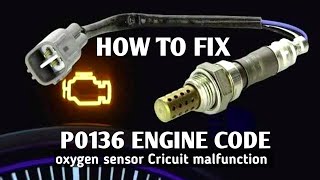

We Have This Part in Stock

The information in this article is provided for general reference and educational purposes only. Vehicle specifications, procedures, and part compatibility can vary by production date, trim level, and region. Always consult your vehicle's factory service manual and verify part numbers before purchasing or performing repairs. Safety-critical components such as airbags, seat belts, and braking systems should be installed by a qualified professional.
- Jaguar XJ:
- 🧭 Diagnostic Flowchart
- 🎬 Helpful Videos
- 🛍️ Shop This Part
- What's Unique About the 2013-2016 Jaguar XJ
- Symptoms You May Notice
- Most Likely Causes
- Rare But Worth Checking
- Diagnosis Steps
- Parts You'll Likely Need
- Related Codes That Often Appear With This One
- Technical Service Bulletins (TSBs) & Recalls
- Platform-Specific Known Issues
- Mechanic-Grade Diagnostic Values
- Hidden / Shadow Codes Worth Checking
- Scan Tool Commands That Help
- Wiring & Ground Locations
- Real Owner Repair Stories
- OEM Part Supersession History
- Model Year Variations Within This Range
- 🎟️ Get 5% Off