

P0136 on 2007-2009 Saturn Aura 2.4L: O2 Sensor Circuit Malfunction Causes and Fixes
This code indicates a problem with the downstream oxygen sensor (Bank 1, Sensor 2). The most common fix is replacing the sensor itself, which is a straightforward DIY job. However, on the 2.4L Ecotec, this failure is often a symptom of excessive oil consumption fouling the sensor. Always check the engine oil level first. Expect to pay between $30 and $80 for a quality aftermarket sensor like a Denso or Bosch.
- P0136 on a 2007-2009 Saturn Aura 2.4L points to an issue with the downstream oxygen sensor circuit.
- The most probable cause is a failed oxygen sensor, which is a common maintenance item often fouled prematurely by this engine's known oil consumption issues.
- Always check the engine oil level first as a key diagnostic step for this specific platform.
What's Unique About the 2007-2009 Saturn Aura
The Saturn Aura shares its GM Epsilon platform and 2.4L Ecotec powertrain with vehicles like the Chevrolet Malibu and Pontiac G6, making repairs and issues very similar. A key issue with this engine family is a known tendency for excessive oil consumption due to piston ring design. This burnt oil can travel down the exhaust and contaminate, or 'foul', the downstream oxygen sensor, causing it to fail prematurely and set a P0136 code. Therefore, a P0136 code on this platform can be an early indicator of the more significant oil consumption problem.
Symptoms You May Notice
- Check Engine Light is illuminated
- Vehicle may fail an emissions test
- Potential for slightly reduced fuel economy over time
- Rough idling or engine hesitation
- Possible sulfur (rotten egg) smell from the exhaust if the catalytic converter is affected
- Replacing the upstream oxygen sensor (Bank 1, Sensor 1) instead of the downstream sensor (Bank 1, Sensor 2).
- Replacing the catalytic converter when the actual issue is a faulty downstream O2 sensor providing incorrect readings. This is a costly mistake.
- Replacing the O2 sensor without checking for underlying causes like oil consumption or exhaust leaks, leading to the new sensor failing prematurely.
Most Likely Causes
- Faulty Downstream Oxygen Sensor (Bank 1, Sensor 2) 🔴 High Probability → Shop Oxygen Sensor Oxygen sensors are wear-and-tear items that degrade over time. On the 2.4L Ecotec engine, this process is often accelerated by excessive oil consumption, a known issue where burnt oil contaminates and fouls the sensor element, leading to premature failure.
How to confirm: Use a scan tool to observe the live data from the O2 sensor. A healthy downstream sensor should show a relatively steady voltage, typically between 0.6V and 0.8V, once the engine is warm and in closed loop. If the voltage is fluctuating wildly like the upstream sensor, is stuck low (below 0.2V), stuck high (above 0.9V), or shows no activity, the sensor is likely bad. You can also test the sensor's internal heater circuit with a multimeter; an open circuit indicates a failed sensor.
Typical fix: Replace the Bank 1, Sensor 2 oxygen sensor. This sensor is located in the exhaust pipe after the catalytic converter.
Est. part cost: $30-$80 - Damaged Wiring or Connectors 🟡 Medium Probability The wiring for the downstream O2 sensor is located under the vehicle and is exposed to road debris, moisture, and extreme heat from the exhaust, which can lead to damage, melting, or corrosion over time.
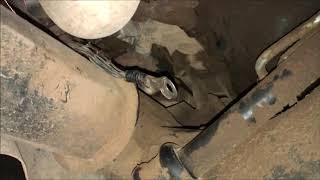
How to confirm: Visually inspect the wiring harness and connector leading to the downstream O2 sensor. Look for any signs of fraying, melting, corrosion, or loose connections. Pay close attention to where the harness might rub against the chassis or heat shields. Perform a continuity test on the wires if a visual inspection is inconclusive. 🎬 See how to find a shorted wire causing low O2 sensor voltage
Typical fix: Repair the damaged section of the wiring harness or replace the connector pigtail.
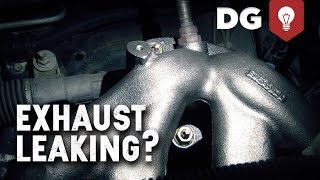
Est. part cost: $15-$40 - Exhaust Leak ⚪ Low Probability While any exhaust component can fail, the 2.4L Ecotec engine family is known for developing cracks in the cast iron exhaust manifold. 🎬 Watch: How to find and fix an Ecotec exhaust manifold leak A leak before the downstream sensor can introduce oxygen into the exhaust stream, causing inaccurate readings and potentially triggering a P0136 or other O2-related codes.
How to confirm: Listen for an audible ticking or hissing sound from the exhaust system, especially when the engine is cold, as the noise may diminish as the metal expands with heat. A visual inspection may reveal black soot around a crack or failed gasket. A smoke machine test is the most definitive way to find small leaks.
Typical fix: Replace the leaking gasket or repair/replace the damaged section of the exhaust pipe. If the manifold is cracked, it must be replaced.
Est. part cost: $20-$250
Rare But Worth Checking
- Faulty Engine Control Module (ECM): This is extremely rare. All other possibilities, especially the sensor and wiring, should be thoroughly ruled out before considering the ECM as the cause.
- Failing Catalytic Converter: → Shop Catalytic Converter For 2008 models specifically, GM issued Special Coverage #10134 for catalytic converter issues that could mimic O2 sensor failure. While rare, a failing converter can sometimes cause erratic downstream sensor readings.
Diagnosis Steps
- Check the engine oil level. A low oil level is a strong indicator that the engine's known oil consumption issue may have fouled the O2 sensor.
- Connect an OBD-II scanner and confirm that P0136 is the primary code. Note any other codes present.
- Use the scanner's live data function to monitor the voltage from the Bank 1, Sensor 2 O2 sensor. A healthy sensor will have a relatively stable voltage reading (typically between 0.6V and 0.8V) when the engine is at operating temperature and in closed-loop. A faulty sensor may show erratic fluctuations, be stuck high or low, or have no reading at all.
- Perform a thorough visual inspection of the downstream O2 sensor, its connector, and its wiring harness. Look for any signs of physical damage, melting, corrosion, or oil contamination.
- If wiring appears damaged, test for continuity and proper voltage/ground at the sensor connector using a multimeter.
- Inspect the exhaust system for any leaks between the engine and the downstream O2 sensor. Listen for unusual ticking noises when the engine is cold, paying close attention to the exhaust manifold.
- If the oil level is good, and the wiring and exhaust system are intact, the most likely cause is a faulty O2 sensor. Replace the Bank 1, Sensor 2 O2 sensor.
- After replacement, clear the trouble codes with the scanner and perform a drive cycle to ensure the code does not return.
Parts You'll Likely Need
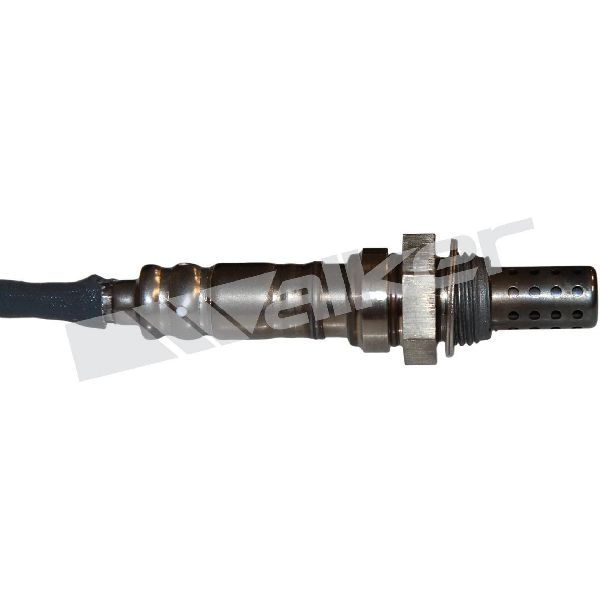
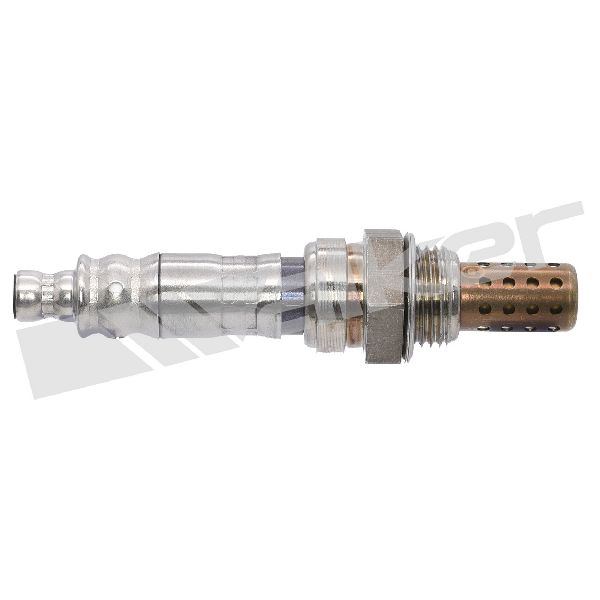
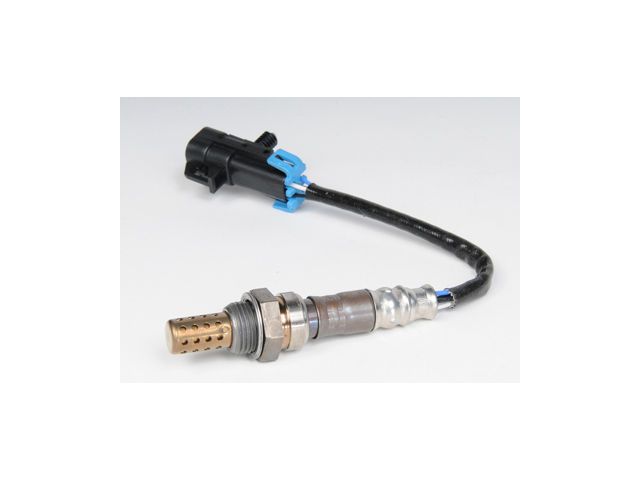
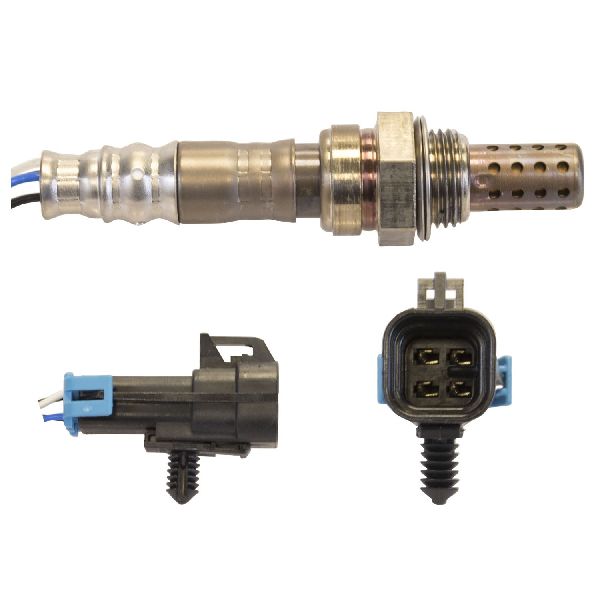
- Downstream Oxygen Sensor (Bank 1, Sensor 2)
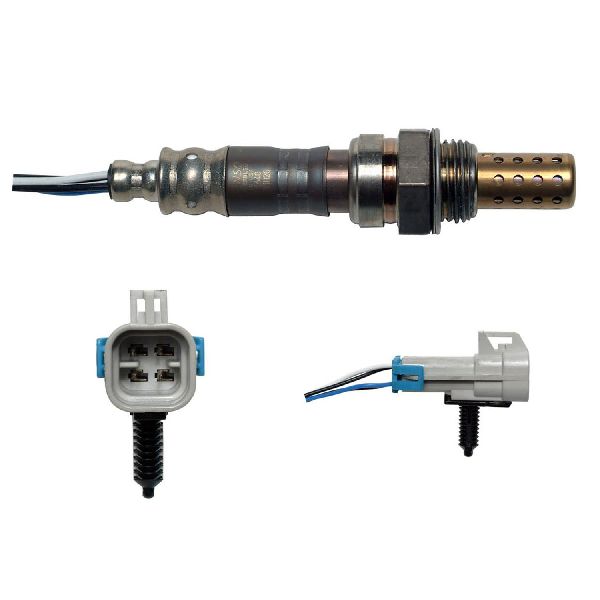
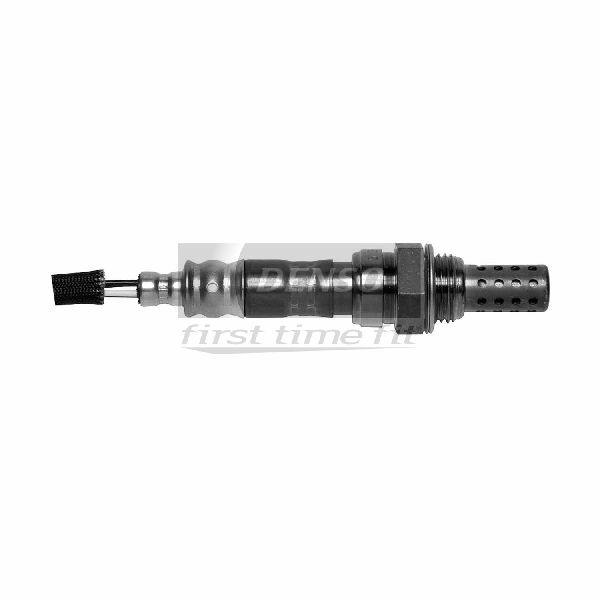
(OEM #The OEM part number can vary by year. A reliable aftermarket part like Denso 234-4294 is a common fit. Note: GM part number 12606671 is for the upstream (Position 1) sensor and should not be used for this repair.)— This sensor is the most frequent point of failure for the P0136 code, often due to age and contamination from the 2.4L Ecotec's known oil consumption issues.
Trusted brands: ACDelco, Denso, Bosch, Walker Products, NGK/NTK
OEM price range: $60-$100
Aftermarket price range: $30-$80
Related Codes That Often Appear With This One
- P0137 — This code indicates low voltage in the same O2 sensor circuit, pointing directly to a failing sensor or wiring issue.
- P0141 — This code indicates a malfunction in the heater circuit of the Bank 1, Sensor 2 O2 sensor. Since the heater is part of the sensor assembly, this code almost always means the sensor needs to be replaced.
- P0420 — If the downstream O2 sensor is failing, it may incorrectly report that the catalytic converter is inefficient, triggering a P0420 code. It's crucial to diagnose the O2 sensor first before replacing an expensive catalytic converter.
Technical Service Bulletins (TSBs) & Recalls
- GM Special Coverage #10134: Addresses a potential catalytic converter issue on 2008 models with the 2.4L engine that could cause symptoms similar to a failed O2 sensor.
Platform-Specific Known Issues
- For 2008 Saturn Aura models with the 2.4L engine, be aware of GM Special Coverage #10134, which addressed a potential catalytic converter issue. A failing converter could be misdiagnosed as a bad O2 sensor, so it's worth considering if a new sensor doesn't fix the code on this specific model year.
Mechanic-Grade Diagnostic Values
- Downstream O2 Sensor (B1S2) Live Data Voltage — expected: Relatively stable voltage between 0.6V and 0.8V on a fully warmed-up engine at a steady RPM.. Failure: Voltage is stuck low (near 0.1V), stuck high (near 0.9V), or fluctuates rapidly like the upstream sensor.
- Downstream O2 Sensor (B1S2) Heater Element Resistance — expected: Typically between 3 to 15 Ohms at ambient temperature.. Failure: A multimeter reading of OL (Over Limit / infinite resistance) indicates an open circuit. A reading near 0 Ohms indicates a short circuit.
Wiring & Ground Locations
- G105 — For 2007-2008 2.4L models, it's located under the left intake manifold, on the rear of the cylinder head. For 2009 2.4L models, it moved to the left front of the engine.. This is a primary ground for the Engine Control Module (ECM). A poor connection here can cause a variety of erratic sensor readings and engine control issues, including O2 sensor codes.
- G106 — On the 2.4L engine, this ground is located at the rear of the engine, near the park/neutral position (PNP) switch.. This ground point is shared by several engine components. Corrosion or a loose connection can create voltage drops that may affect sensor performance.
- G107 — Located at the right front of the engine for 2009 models.. A poor ground at this location can cause intermittent electrical issues for various engine compartment circuits, potentially affecting sensor readings.
Real Owner Repair Stories
- Reddit user in r/MechanicAdvice (Vehicle with P0136, sensor had been replaced 10k miles prior.) — Check engine light with code P0136. Scan tool showed downstream O2 sensor voltage stuck around 0.0V, occasionally hitting 0.05V when revved.
❌ Tried (didn't work) The sensor had been replaced previously, but the code returned.
✅ What actually fixed it Replacing the downstream oxygen sensor again resolved the issue. The owner noted the old sensor was 'super black' and suspected fouling from using a fuel additive (Marvel Mystery Oil) in every tank, which they decided to stop using as frequently.
Model Year Variations Within This Range
- 2009: The location of engine ground G105 was moved from the rear of the cylinder head (on 2007-2008 models) to the left front of the engine.
- 2007: The 2.4L LE5 engine received updates for the 2007 model year, including a strengthened 'Gen II' engine block and redesigned pistons with an optimized skirt profile for smoother operation.
Diagnostic Flowchart
Other Known Issues on This Vehicle
Issues unrelated to this code that are worth knowing about as an owner of this generation:
- 6-Speed Auto (6T70) Broken 3-5-R Wave Plate 🔴 High — Very common failure, often occurring between 70,000 and 120,000 miles, resulting in loss of 3rd, 5th, and Reverse gears. (Ref: GM Special Coverage 14404B (expired))
- 2.4L Ecotec Excessive Oil Consumption 🔴 High — Widespread issue due to low-tension piston rings. Can begin as early as 60,000 miles and leads to fouled spark plugs and oxygen sensors. (Ref: Multiple TSBs and special coverage programs on other GM models with this engine.)
- 2.4L Ecotec Timing Chain Stretch/Failure 🔴 High — Common after 100,000 miles, often accelerated by low oil levels from oil consumption. Can cause rattling noises and, if it fails, catastrophic engine damage.
- Loss of Electric Power Steering (EPS) Assist 🟠 Medium — A sudden loss of power steering assist can occur at any time while driving. (Ref: NHTSA Recall 14V152000 (GM #14116))
- Faulty Camshaft Position Actuator Solenoids 🟡 Low — Very common failure point on the 2.4L Ecotec. Clogged screens on the solenoids lead to rough idle, poor performance, and codes like P0011/P0014.
- Brake Apply Sensor (BAS) Fluctuation 🟡 Low — Increased resistance in the Body Control Module (BCM) can cause brake lights to behave erratically or affect cruise control and stability systems. (Ref: NHTSA Recall 14V252000 (GM #13036))
Used vs. New Parts: Buying Guide for This Vehicle
When a used part is the smart pick: Due to the low cost of new aftermarket oxygen sensors and their nature as a wear-and-tear item, using a part from a junkyard is not recommended. The risk of getting a sensor that is already near the end of its service life is high, especially on an engine known for oil consumption that fouls these parts.
Donor-vehicle mileage cap: roughly under 50000 miles for the part to have meaningful remaining life.
What to inspect on the donor part:
- Check the sensor tip for heavy, black, oily soot, which indicates it came from an engine with severe oil consumption.
- Inspect the wiring and connector for any signs of melting, fraying, or corrosion.
- Avoid sensors from vehicles that show signs of coolant leaks (crusty residue) or major engine failure.
OEM-only on this vehicle (don't cheap out):
- While not strictly OEM-only, using a reputable brand for the catalytic converter is critical if it needs replacement. Cheap aftermarket converters often fail to meet emissions standards and can trigger a P0420 code shortly after installation.
Aftermarket brands forum-validated for this vehicle:
- Denso
- Bosch
- NGK/NTK
- ACDelco (often the OEM supplier)
Brands owners have reported issues with on this vehicle:
- Unnamed, no-brand 'white box' sensors from online marketplaces should be avoided as their quality, calibration, and longevity are often poor.
Real Owner Stories
Aggregated from forums and TSBs cited above. Mileages and costs reflect what owners reported in those sources.
2008 Saturn Aura 2.4L
Symptoms: Check engine light on; symptoms similar to a failed O2 sensor.
What fixed it: The issue was identified as a potential catalytic converter failure covered under GM Special Coverage #10134.
Source hint: GM Special Coverage #10134
2010 Chevrolet Equinox 2.4L Ecotec — ~110000 miles
Symptoms: O2 sensor codes and audible ticking from the engine bay.
What fixed it: Replacement of a cracked exhaust manifold, a common issue for this engine family.
Source hint: BobIsTheOilGuy.com forum discussions
Related OBD-II Codes
Frequently Asked Questions
Could my 2008 Saturn Aura's P0136 code actually be a catalytic converter problem covered by GM?
Is the P0136 code on my 2.4L Ecotec related to my car's high oil consumption?
I hear a ticking sound when my Aura is cold; could this cause the P0136 code?
Should I buy a used O2 sensor from a junkyard to save money?
Are there any recalls for the 2007-2009 Saturn Aura that I should check while fixing this?
Helpful Videos
We Have This Part in Stock

The information in this article is provided for general reference and educational purposes only. Vehicle specifications, procedures, and part compatibility can vary by production date, trim level, and region. Always consult your vehicle's factory service manual and verify part numbers before purchasing or performing repairs. Safety-critical components such as airbags, seat belts, and braking systems should be installed by a qualified professional.
- Saturn Aura:
- 🧭 Diagnostic Flowchart
- 🎬 Helpful Videos
- 🛍️ Shop This Part
- What's Unique About the 2007-2009 Saturn Aura
- Symptoms You May Notice
- Most Likely Causes
- Rare But Worth Checking
- Diagnosis Steps
- Parts You'll Likely Need
- Related Codes That Often Appear With This One
- Technical Service Bulletins (TSBs) & Recalls
- Platform-Specific Known Issues
- Mechanic-Grade Diagnostic Values
- Wiring & Ground Locations
- Real Owner Repair Stories
- Model Year Variations Within This Range
- Other Known Issues on This Vehicle
- Used vs. New Parts: Buying Guide for This Vehicle
- Real Owner Stories
- 2008 Saturn Aura 2.4L
- 2010 Chevrolet Equinox 2.4L Ecotec — ~110000 miles
- Related OBD-II Codes
- Frequently Asked Questions
- 🎟️ Get 5% Off