

P0136 on 2014-2018 Subaru Forester: Rear O2 Sensor Circuit Malfunction Causes and Fixes
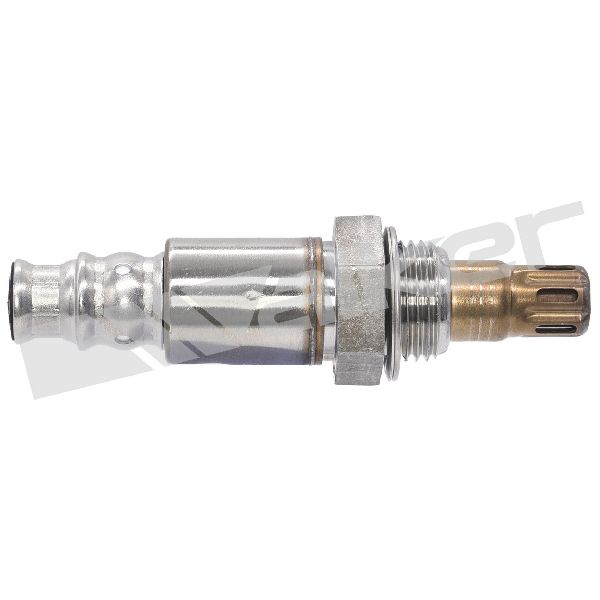
This code almost always points to a failed rear (downstream) oxygen sensor. On the 2014-2018 Forester, this is a common DIY fix, with a quality aftermarket sensor (like Denso 234-4445) costing around $60-$90 and an OEM part (Subaru #22690AA960) costing $150-$200.
- P0136 on your Forester almost certainly means the rear oxygen sensor on the passenger side has failed.
- Do not confuse this with the front sensor (Air/Fuel Ratio sensor), which is a different part.
- This is a DIY-friendly repair for most, but the sensor can be difficult to remove if it's rusted in place. Use a proper 22mm (7/8") O2 sensor socket and penetrating oil.
- Always resolve a P0136 code before considering replacing a catalytic converter for a P0420 code, as the faulty sensor may be the root cause of both.
- Stick with OEM (Subaru #22690AA960) or a reputable OEM supplier like Denso (#234-4445) for the replacement part to avoid compatibility issues.
What's Unique About the 2014-2018 Subaru Forester
For the 2014-2018 (SJ generation) Forester with the FB25 engine, the P0136 code is a straightforward and common issue, typically resolved by replacing the rear O2 sensor. Unlike some vehicles where this code can be a sign of more complex issues, on this platform, it's most often just a sensor that has reached the end of its service life. Owners on forums like subaruforester.org consistently report that using a quality OEM-equivalent brand like Denso or NTK is crucial, as cheaper generic sensors can sometimes fail to resolve the code or may fail prematurely.
Symptoms You May Notice
- Check Engine Light is on
- Cruise control is disabled (a common Subaru feature when a CEL is active)
- Failure to pass an emissions inspection
- Slight decrease in fuel economy
- Possible rough idle or engine hesitation in rare cases
- Replacing the front oxygen sensor (Air/Fuel Ratio Sensor) instead of the rear one.
- Replacing the catalytic converter. While a failing converter can sometimes cause O2 sensor codes, P0136 specifically points to a circuit malfunction, which is more likely the sensor or its wiring. Always fix P0136 before addressing a P0420 code.
Most Likely Causes
- Failed Rear Oxygen Sensor 🔴 High Probability → Shop Oxygen Sensor Oxygen sensors are wear items that operate in a harsh exhaust environment. They have a finite lifespan and typically fail due to age, contamination from oil/coolant, or internal heater circuit failure.
How to confirm: Using a scan tool, observe the live data for Bank 1 Sensor 2. A healthy downstream sensor will show a relatively stable voltage (usually between 0.5V and 0.8V) on a warm engine at a steady RPM. A faulty sensor may show a voltage that is stuck low (near 0.1V), stuck high (near 0.9V), or not generating a signal at all.
Typical fix: Replace the rear oxygen sensor. It is located on the passenger side of the exhaust system, after the catalytic converter. A 22mm or 7/8" oxygen sensor socket is required.
Est. part cost: $60-$200 - Damaged Wiring or Connector 🟡 Medium Probability The sensor wiring is routed under the vehicle and can be damaged by road debris, corrosion, or melting from contact with hot exhaust components. The connector itself is located inside the cabin in the passenger-side footwell and can be dislodged or damaged.
How to confirm: Visually inspect the entire wiring harness from the sensor to where it passes through the floor. Unplug the connector in the passenger footwell and check for corrosion, bent pins, or moisture.
Typical fix: Repair the damaged section of the wiring harness or clean/replace the connector.
Est. part cost: $5-$50 - Exhaust Leak ⚪ Low Probability Gaskets and welds in the exhaust system, particularly at the flanges before the rear O2 sensor, can degrade over time, allowing outside air to leak in and skew sensor readings.
How to confirm: Listen for hissing or ticking sounds from the exhaust, especially when the engine is cold. A mechanic can perform a smoke test to pinpoint the exact location of a leak. Visually inspect the gaskets and flanges near the O2 sensor for black soot trails, which indicate a leak.
Typical fix: Replace the leaking exhaust gasket or repair the cracked pipe.
Est. part cost: $20-$100
Rare But Worth Checking
- Faulty Engine Control Module (ECM): This is extremely rare. The ECM should only be considered as the cause after all other possibilities, including the sensor, wiring, and exhaust system, have been thoroughly tested and ruled out.
- Blown O2 Sensor Heater Circuit Fuse: → Shop Oxygen Sensor The oxygen sensor has an internal heater to bring it to operating temperature quickly. This heater is on a fused circuit. While uncommon, a blown fuse can cause a P0136 code. Check the fuse box diagram for a fuse labeled 'A/F Heater' or similar.
Diagnosis Steps
- Verify the code with an OBD-II scanner. Check for any other pending or active codes.
- Visually inspect the rear oxygen sensor (Bank 1, Sensor 2) on the passenger side exhaust pipe. Check for physical damage to the sensor itself.
- Inspect the sensor's wiring harness for any signs of melting, chafing, or breaks. Follow it from the sensor to the grommet on the passenger floor pan.
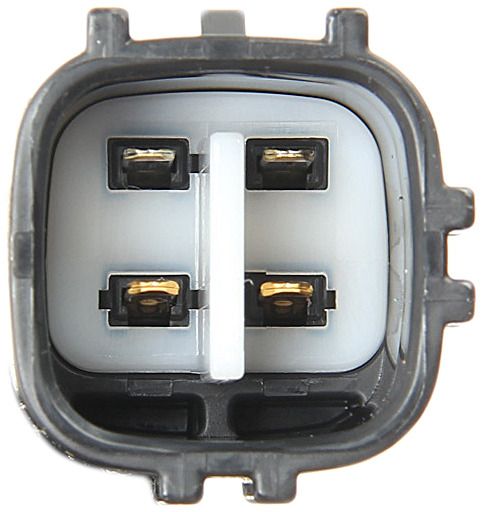
- Locate the sensor's electrical connector inside the cabin. It is typically found in the passenger footwell, under the carpet near the firewall or kick panel. Disconnect it and inspect for corrosion or damage.
- Check for any exhaust leaks between the engine and the rear O2 sensor. Look for black soot marks around gaskets and flanges.
- Using a scan tool with live data capabilities, monitor the voltage from Bank 1, Sensor 2. With the engine fully warmed up and at a steady 2500 RPM, the voltage should be relatively stable between 0.5V and 0.8V. If it's stuck near 0V, near 1V, or fluctuating wildly, the sensor is likely bad.
- If the sensor and wiring appear to be in good condition, and the live data is inconclusive, the most probable cause is a failed sensor.
- Before removal, apply penetrating oil to the sensor threads and let it soak to prevent seizing. Use a 22mm or 7/8" O2 sensor socket for removal and installation.
- Replace the rear oxygen sensor, ensuring the new sensor's wire is routed away from hot exhaust components.
Parts You'll Likely Need
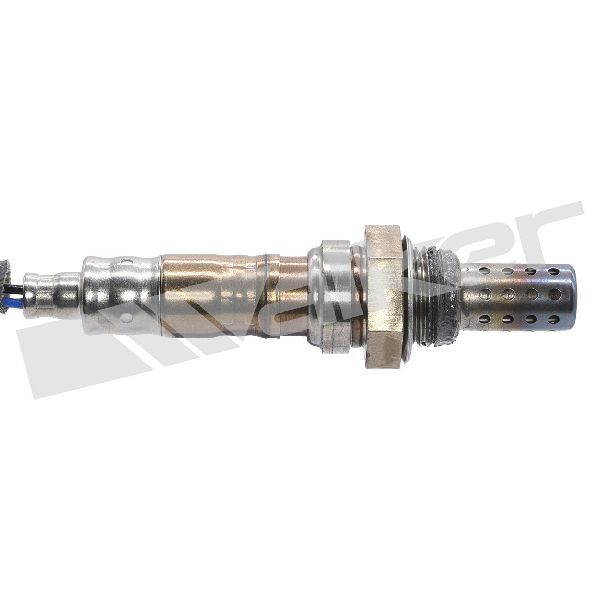
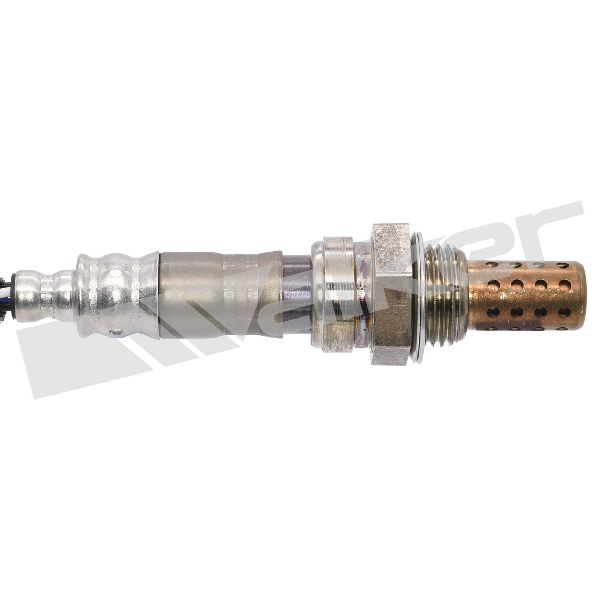
- Rear Oxygen Sensor (Downstream)
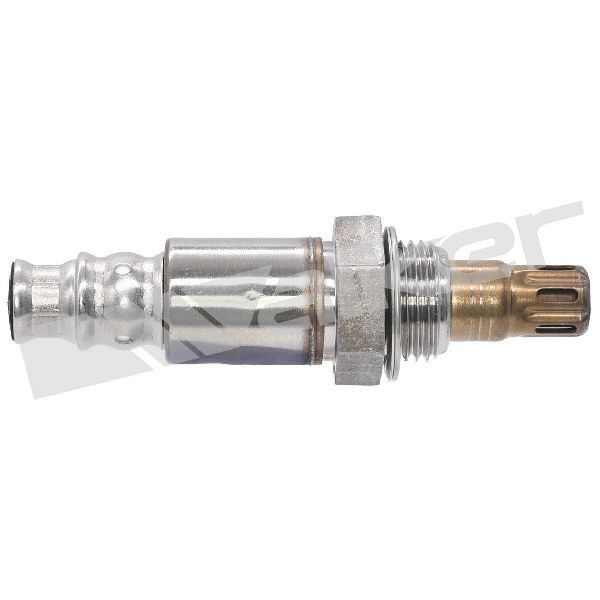
(OEM #22690AA960)— This is the most common failure point for a P0136 code. The sensor degrades over time and stops sending a correct voltage signal to the ECM.
Trusted brands: Denso (OEM supplier) - Part #234-4445, NTK
OEM price range: $150-$200
Aftermarket price range: $60-$90
Related Codes That Often Appear With This One
- P0137 — P0137 (O2 Sensor Circuit Low Voltage) is a more specific version of P0136 and often points directly to a failed sensor or a short in the wiring.
- P0420 — While P0136 is a circuit code, it can sometimes appear alongside P0420 (Catalyst System Efficiency Below Threshold). If the O2 sensor is providing inaccurate readings, the ECM may incorrectly flag the catalytic converter as inefficient. It is wise to resolve the P0136 code first, clear the codes, and see if P0420 returns.
Technical Service Bulletins (TSBs) & Recalls
- While no TSB is specifically for P0136 on this model, TSB 09-115-24 was released for newer models (2019+ Forester) regarding an updated rear O2 sensor design to prevent internal shorts, indicating Subaru is aware of O2 sensor reliability issues.
Platform-Specific Known Issues
- Seized O2 Sensor: → Shop Oxygen Sensor Due to its location in the exhaust and exposure to heat cycles and moisture, the rear O2 sensor frequently seizes in the exhaust pipe bung. It is highly recommended to apply a generous amount of penetrating oil and let it soak for an extended period before attempting removal to avoid stripping the threads.
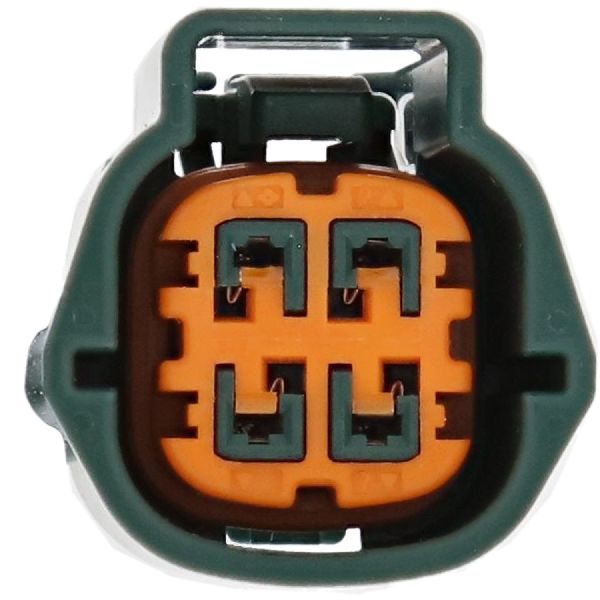
- In-Cabin Connector Location: Unlike many vehicles where the connector is under the car, the 2014-2018 Forester routes the sensor wire through a grommet into the passenger compartment. The connector is located under the carpet in the passenger footwell, which protects it from the elements but requires interior trim removal to access.
Mechanic-Grade Diagnostic Values
- Rear O2 Sensor Heater Circuit Resistance — expected: 5 to 15 Ohms. Failure: A reading of infinite resistance (Open Loop/OL) or near 0 Ohms (short circuit) indicates a failed heater element.
- Rear O2 Sensor Signal Voltage (Live Data) — expected: Relatively stable voltage between 0.5V and 0.8V on a fully warm engine at steady RPM.. Failure: Voltage stuck near 0.1V (lean), stuck near 0.9V (rich), or not producing a signal.
- Voltage at Heater Circuit Power Pin (at harness connector) — expected: ~12V (Battery Voltage) with key on, engine off.. Failure: No voltage or significantly low voltage points to a problem with the fuse, relay, or wiring, not the sensor itself.
Scan Tool Commands That Help
- Subaru Select Monitor (SSM) or equivalent: Current Data Display / Live Data Monitoring — Used to monitor the 'Rear O2 Sensor' voltage in real-time to determine if it is switching correctly or is stuck, which is the primary method for confirming a failed sensor for code P0136.
Wiring & Ground Locations
- E25 — This is the wiring diagram identifier for the rear oxygen sensor plug itself.. Knowing this identifier helps in locating the correct connector and its pinout on a factory wiring diagram for advanced circuit testing, such as checking for continuity to the ECM or verifying power and ground signals at the correct pins.
- A/F Heater Fuse — Located in the engine bay fuse box, near the battery.. Although P0136 is a general circuit code, it can be triggered by a failure in the heater circuit. A blown 'A/F Heater' fuse will cut power to the heater, causing the sensor to operate incorrectly and potentially trigger this code. It's a quick check to perform before replacing the sensor.
- Engine and Chassis Grounds — Key grounds are located from the battery negative terminal to the chassis, from the engine block to the chassis, and on the intake manifold (which is critical for ECU grounding).. A poor or corroded ground connection can cause a variety of electrical issues, including erratic sensor readings. While not a primary cause for P0136, verifying that the main engine-to-chassis ground straps are clean and tight is a good practice, as a bad ground can cause voltage drops and intermittent sensor faults.
Real Owner Repair Stories
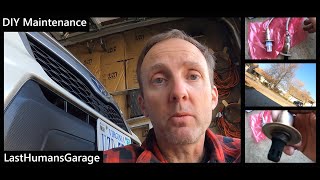
- YouTube - LastHumansGarage (2015 Subaru Forester XT (FA20 DIT engine, but sensor function and location are analogous to FB25)) — Check Engine Light with an O2 sensor-related code.
❌ Tried (didn't work) The owner did not report trying other fixes first; went straight to diagnosis and replacement.
✅ What actually fixed it Replaced the rear (downstream) oxygen sensor. The video confirms the location after the catalytic converter and shows the replacement process. The OEM part number mentioned was 22690AB010 for the XT model.
OEM Part Supersession History
22690AA960→22690AA96A— This appears to be a standard part number revision by the manufacturer. No specific reason for the change is publicly documented, but it often relates to minor improvements in manufacturing, materials, or internal components.
Heads up: The parts are interchangeable. 22690AA96A is the newer, currently supplied version for the original 22690AA960.
Diagnostic Flowchart
Other Known Issues on This Vehicle
Issues unrelated to this code that are worth knowing about as an owner of this generation:
- Excessive Oil Consumption 🔴 High — Common in early FB25 engines (especially 2011-2014), caused by faulty piston rings. Subaru considers consumption up to 1 quart per 1200 miles as potentially normal. (Ref: A class-action lawsuit led to warranty extensions and short block replacements for some 2011-2014 models. TSB 02-157-14R details the procedure change from piston ring replacement to short block assembly replacement for verified cases.)
- CVT Transmission Issues & Warranty Extension 🟠 Medium — Owners report shuddering, hesitation, or outright failure. Most prevalent in 2014-2015 models. (Ref: Subaru extended the CVT warranty to 10 years/100,000 miles for 2014-2018 Foresters (and other models) in response to complaints. See TSB 16-107-17R.)
- A/C Compressor Clutch/Assembly Failure 🟠 Medium — A very common failure where the A/C blows warm air, especially when the engine bay is hot. Often caused by an excessive air gap in the compressor clutch or a failed clutch relay. (Ref: TSB 10-84-16R was issued for faulty A/C compressor clutches on 2014-2016 models.)
- Premature Wheel Bearing Failure 🟡 Low — Owners report droning or humming noises that change with vehicle speed, indicating wheel bearing failure earlier than expected.
- Rear Suspension Spring Failure 🟡 Low — Some vehicles, particularly the 2014 model year, were prone to broken rear coil springs. (Ref: Subaru issued a recall for certain 2014-2016 Foresters to address this issue.)
Used vs. New Parts: Buying Guide for This Vehicle
When a used part is the smart pick: For this repair, buying a used oxygen sensor is NOT recommended. O2 sensors are wear-and-tear items with a finite lifespan, similar to spark plugs or brake pads. A used sensor from a junkyard will have unknown remaining life and may fail shortly after installation, forcing you to do the job twice. The only time a used part might be considered is for the wiring pigtail/connector if yours is damaged, but never for the sensor itself.
What to inspect on the donor part:
- Not applicable, as a used sensor is not advised.
Aftermarket brands forum-validated for this vehicle:
- Denso (often the Original Equipment Manufacturer)
- NTK
Brands owners have reported issues with on this vehicle:
- Unnamed, 'white box', or ultra-cheap generic brands found on online marketplaces. These often use lower-quality sensing elements and heaters, leading to premature failure or an inability to clear the check engine light.
Real Owner Stories
Aggregated from forums and TSBs cited above. Mileages and costs reflect what owners reported in those sources.
2017 Subaru Forester FB25
Symptoms: Check Engine Light active with codes P0136 and P0137.
What fixed it: Replaced the rear O2 sensor with a Denso part; confirmed the connector was located inside the passenger footwell.
Source hint: subaruforester.org - Thread: 'P0136 and P0137 rear o2 sensor'
2016 Subaru Forester FB25
Symptoms: Received a P0136 code.
What fixed it: Replacement of the sensor with Denso part #234-4445.
Source hint: subaruforester.org - Thread: 'P0136 code on 2016 Forester'
Related OBD-II Codes
Frequently Asked Questions
Where is the rear oxygen sensor connector located on my 2014-2018 Forester?
Why did my cruise control stop working when the P0136 code appeared?
Is there a specific replacement part recommended for the P0136 code on this model?
Does TSB 09-115-24 apply to my 2014-2018 Forester?
What tools do I need to replace the Bank 1 Sensor 2 myself?
Can oil consumption issues on my FB25 engine cause this sensor to fail?
Helpful Videos
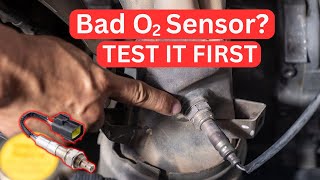
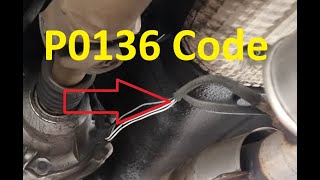
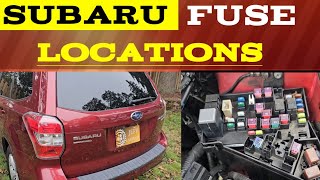
We Have This Part in Stock

The information in this article is provided for general reference and educational purposes only. Vehicle specifications, procedures, and part compatibility can vary by production date, trim level, and region. Always consult your vehicle's factory service manual and verify part numbers before purchasing or performing repairs. Safety-critical components such as airbags, seat belts, and braking systems should be installed by a qualified professional.
- Subaru Forester:
- 🧭 Diagnostic Flowchart
- 🎬 Helpful Videos
- 🛍️ Shop This Part
- What's Unique About the 2014-2018 Subaru Forester
- Symptoms You May Notice
- Most Likely Causes
- Rare But Worth Checking
- Diagnosis Steps
- Parts You'll Likely Need
- Related Codes That Often Appear With This One
- Technical Service Bulletins (TSBs) & Recalls
- Platform-Specific Known Issues
- Mechanic-Grade Diagnostic Values
- Scan Tool Commands That Help
- Wiring & Ground Locations
- Real Owner Repair Stories
- OEM Part Supersession History
- Other Known Issues on This Vehicle
- Used vs. New Parts: Buying Guide for This Vehicle
- Real Owner Stories
- 2017 Subaru Forester FB25
- 2016 Subaru Forester FB25
- Related OBD-II Codes
- Frequently Asked Questions
- 🎟️ Get 5% Off