

P0136 on 2008-2013 Toyota Highlander 3.5L: O2 Sensor Circuit Malfunction Causes and Fixes
This code indicates a problem with the Bank 1, Sensor 2 oxygen sensor, which is the downstream sensor on the rear cylinder bank (near the firewall). The most common fix is replacing the sensor itself. Expect to pay $60-$90 for an aftermarket Denso sensor or $160-$250 for an OEM Toyota part. It's a DIY-friendly job for those comfortable working under the vehicle, though the sensor can sometimes be seized by rust.
- P0136 on a 2008-2013 Highlander almost always points to a bad rear oxygen sensor on the cylinder bank near the firewall.
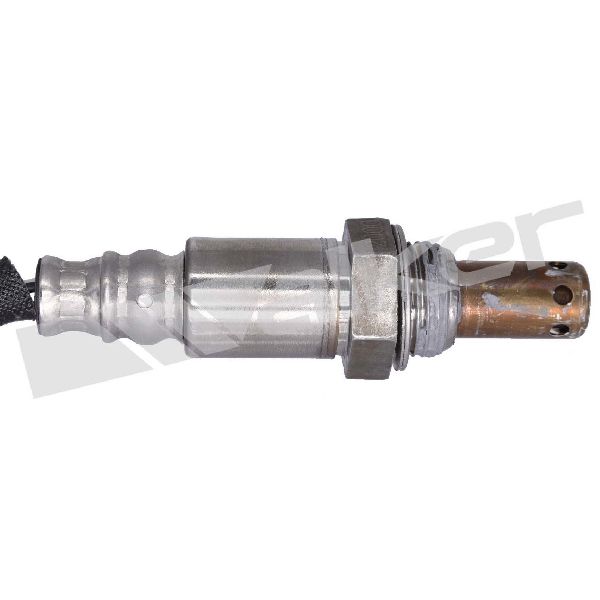
- The most likely fix is to replace the Bank 1, Sensor 2 O2 sensor. Using an OEM part (Toyota 89465-0E030) or an OEM-equivalent (Denso 234-4261) is highly recommended.
- Before buying parts, perform a quick visual inspection of the sensor's wiring and connector for obvious damage like melting or corrosion.
- This is not a critical issue, and you can continue to drive the vehicle, but you should get it fixed to ensure your emissions system is working correctly and to pass any required inspections.
What's Unique About the 2008-2013 Toyota Highlander
For the 2008-2013 Highlander with the 2GR-FE engine, this code is straightforward. The O2 sensors are a common wear item, and Denso is the original equipment manufacturer (OEM). There are no widespread, unique design flaws that cause this code; it's typically just a sensor that has reached the end of its service life. The location of Bank 1 (rear bank) makes access slightly more challenging than for Bank 2, but it is still a manageable repair. The main difficulty can be rust seizing the sensor in the exhaust pipe, which may require significant force or heat to remove.
Symptoms You May Notice
- Check Engine Light is on
- Inability to pass an emissions/smog test
- Slight decrease in fuel economy over time (uncommon)
- Rough idle or poor acceleration (very rare, usually indicates other problems)
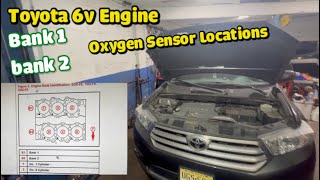
- Replacing the wrong oxygen sensor (e.g., replacing the Bank 2 sensor or the upstream Bank 1 sensor). Bank 1 is the rear bank on the 2GR-FE. 🎬 Watch: Identify Bank 1 and Bank 2 sensor locations
- Replacing the catalytic converter when the actual fault is just the downstream O2 sensor that monitors it.
- Immediately replacing the sensor without first checking the wiring and connector for obvious damage, which is a much cheaper fix.
Most Likely Causes
- Failed Bank 1, Sensor 2 Oxygen Sensor 🔴 High Probability → Shop Oxygen Sensor Oxygen sensors are a normal wear-and-tear component with a finite lifespan, typically failing due to age and exposure to hot exhaust gases. Contamination from silicone, fuel, or water can also degrade the sensor element.
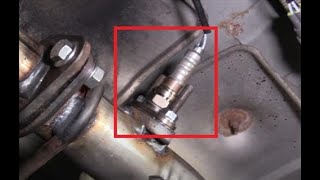
How to confirm: Visually inspect the sensor for physical damage. Use a scan tool to monitor the voltage from Bank 1, Sensor 2. A healthy downstream sensor should show a relatively steady voltage (e.g., 0.6V-0.8V) on a warm engine at a steady RPM. A flatlined, erratic, or absent voltage reading points to a failed sensor. 🎬 See this breakdown of P0136 causes and fixes A sensor that is stuck consistently low (near 0V) or high (near 1V) is a clear indicator of failure.
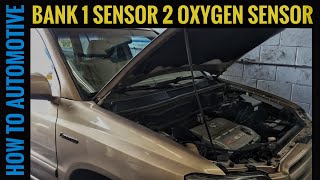
Typical fix: Replace the Bank 1, Sensor 2 oxygen sensor. It is located on the rear exhaust manifold, after the catalytic converter. Applying penetrating oil before removal can help with rust. 🎬 Watch: Step-by-step Bank 1 Sensor 2 replacement walkthrough
Est. part cost: $60 - $250 - Damaged Wiring or Connector 🟡 Medium Probability The wiring harness is located under the vehicle and is exposed to road debris, moisture, and heat from the exhaust, which can cause corrosion in the connector pins, melted insulation, or physical damage from impacts.
How to confirm: Visually inspect the entire wiring harness from the O2 sensor to its connection point. Look for frayed wires, melted insulation, corrosion in the connector pins, or a loose connection. Check for continuity and shorts to ground using a multimeter.
Typical fix: Repair the damaged section of the wiring harness or clean/replace the connector.
Est. part cost: $5 - $50 - Exhaust Leak ⚪ Low Probability Gaskets and exhaust pipe welds can fail over time due to rust and constant heat cycles, allowing outside air to enter the exhaust stream.
How to confirm: Listen for a ticking or hissing sound from the exhaust system, especially when the engine is cold. A visual inspection may reveal black soot marks around a flange or crack, indicating a leak. The leak must be upstream of the Sensor 2 for it to affect the reading and cause this code.
Typical fix: Replace the leaking gasket or repair the cracked section of the exhaust pipe.
Est. part cost: $20 - $150
Rare But Worth Checking
- Faulty Engine Control Module (ECM): This is extremely rare. The ECM should only be considered after all other possibilities, including the sensor, wiring, and exhaust system, have been thoroughly ruled out.
Diagnosis Steps
- Read the code with an OBD-II scanner to confirm P0136 is the only code present. If other codes are present, address them first.
- Visually inspect the Bank 1, Sensor 2 oxygen sensor, its connector, and wiring harness. Bank 1 is the rear bank, near the firewall. Look for any signs of melting, corrosion, or physical damage to the wires.
- Check for exhaust leaks between the engine and the catalytic converter. Listen for unusual noises and look for soot trails, especially around gaskets.
- Use a scan tool with live data capability to monitor the voltage of 'O2S B1 S2'. With the engine fully warmed up and held at a steady 2,500 RPM, the voltage should be relatively stable, typically above 0.5V.
- If the voltage is stuck low (near 0V), stuck high (near 1V), not reading at all, or fluctuating wildly like an upstream sensor, and the wiring is confirmed to be good, the sensor itself has likely failed.
- If you suspect a wiring issue, use a multimeter to check for 12V at the heater circuit and check for continuity on the signal wires back to the ECM.
- If the sensor and wiring are good, the issue could be a significant exhaust leak or, in very rare cases, a problem with the ECM.
Parts You'll Likely Need
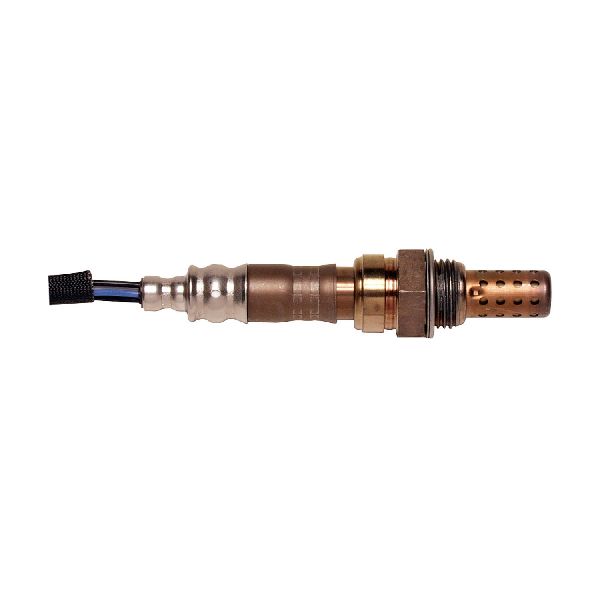
- Oxygen Sensor (Bank 1, Sensor 2)
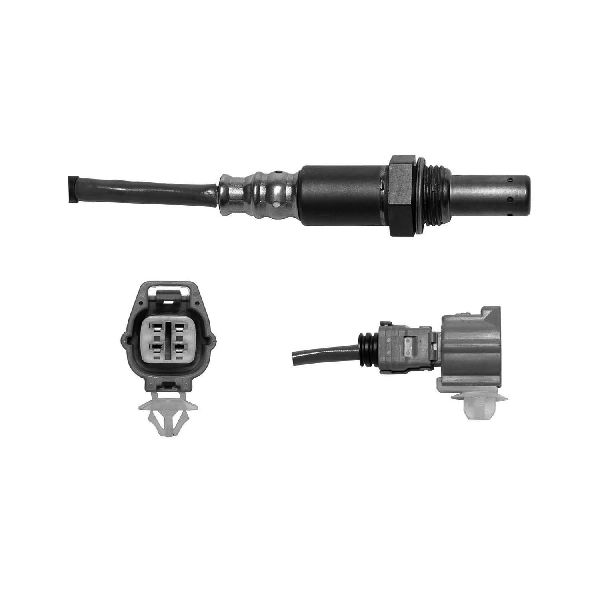
(OEM #89465-0E030)— This is the most common failure point for a P0136 code. It is a standard maintenance part that wears out over time. Denso is the OEM supplier, and their aftermarket part is a reliable, cost-effective alternative.
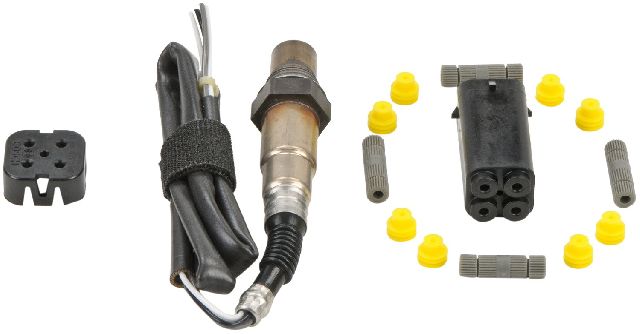
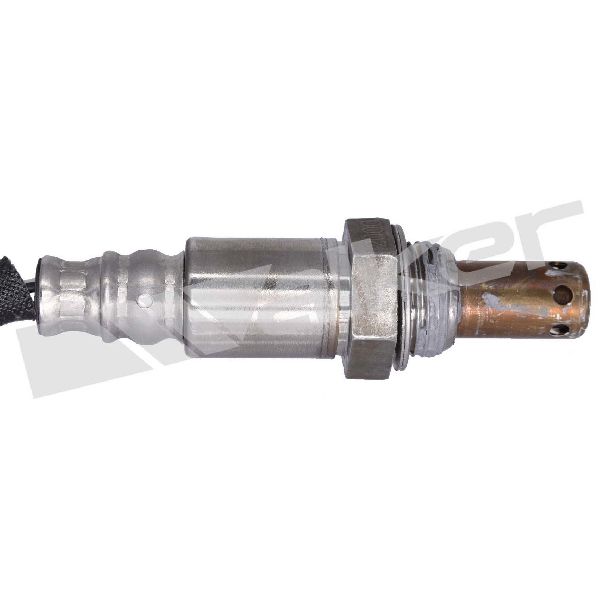
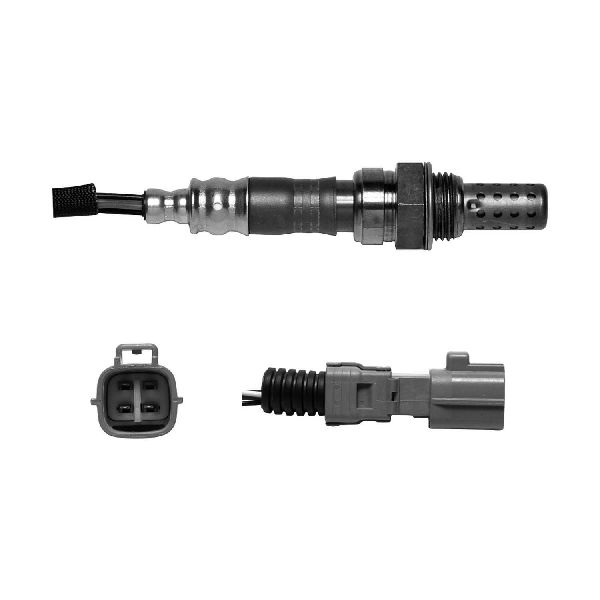
Trusted brands: Denso (OEM, Part No. 234-4261), Toyota (OEM), Bosch, Walker
OEM price range: $160-$250
Aftermarket price range: $60-$90
Platform-Specific Known Issues
- Owner Experience: Simple Sensor Swap: A Reddit user with a 2002 Highlander (similar V6 setup) confirmed the location of Bank 1 Sensor 2 and noted that while not strictly necessary to replace for the car to run, it's required to clear the check engine light for inspections.
- Owner Experience: Repeated Code After Replacement: In a forum thread, an owner of a 2005 Toyota Sequoia with a P0136 code replaced the sensor with a correct Denso part, but the code returned. This highlights the importance of checking for other potential causes like exhaust leaks or wiring issues even after replacing the most likely component.
Mechanic-Grade Diagnostic Values
- Heated Oxygen Sensor Heater Resistance (B1S2) — expected: 11 to 16 Ω at room temperature. Failure: Resistance outside of this range indicates a faulty internal heater element.
- HO2 Sensor Voltage during Active Air-Fuel Ratio Control Test — expected: Voltage should fluctuate, dropping below 0.21V and rising above 0.59V.. Failure: If the sensor voltage fails to drop below 0.21V or rise above 0.59V during the test, the ECM determines the sensor output is abnormal and sets P0136.
- Downstream O2 Sensor (B1S2) Voltage at steady cruise — expected: Relatively stable voltage between 0.6V and 0.8V on a fully warmed-up engine.. Failure: Voltage stuck near 0V, near 1V, or fluctuating rapidly like an upstream sensor.
Hidden / Shadow Codes Worth Checking
- Mode 6, TID $05, CID $02: This refers to the On-Board Diagnostic Monitor for the Bank 1, Sensor 2 oxygen sensor. It tracks the sensor's response time and voltage thresholds during diagnostic tests. A failing test result here can precede a P0136 code or confirm a sensor performance issue. (see via A professional scan tool capable of displaying Mode 6 data. Look for 'O2S EVAL' in the Readiness Monitor status; if it's 'INCMPL' (incomplete) or fails, it points to an issue with the sensor monitor.)
Scan Tool Commands That Help
- Toyota Techstream: Active Test: 'Control the injection volume A/F sensor' — This function allows the technician to manually force the engine's air-fuel ratio rich (+25%) or lean (-12.5%). By doing this and observing the live data for the B1S2 voltage, a technician can confirm if the sensor is responding correctly to changes in exhaust oxygen content. A lazy or non-responsive sensor will fail this test.
Wiring & Ground Locations
- ECM (Engine Control Module) — Behind the right side of the dashboard.. The ECM is the termination point for the O2 sensor wiring. Any connection issues at the ECM connectors (e.g., A9, B30) could mimic a sensor or wiring fault.
- E1 (ECM Ground) — This is the designation for the ECM's primary power ground to the chassis.. A poor ground connection at this point can cause a variety of unpredictable issues with sensor readings, including the O2 sensor circuit. Verifying continuity from the ECM connector (Pin 81 on connector B30) to the chassis ground (less than 1 Ω) is a valid diagnostic step for persistent, unexplained electrical issues.
Real Owner Repair Stories
- Reddit r/Cartalk user (2002 Toyota Highlander V6) — P0136 Check Engine Light.
✅ What actually fixed it The user confirmed the location of Bank 1 as the firewall side, which is a common point of confusion. The implication is that identifying the correct sensor is the key to the fix. - NHTSA ODI #10194123 — An owner of a similar Toyota model reported a P0136 oxygen sensor malfunction where the dealer advised a replacement cost of $230.00 to resolve the check engine light.
- NHTSA ODI #11377970 — A report involving a Toyota vehicle noted a persistent P0136 Bank 1 Sensor 2 error code where mechanics replaced the downstream O2 sensor to address the fault.
OEM Part Supersession History
89465-48110→89465-0E030— Standard part revision or supplier change.
Heads up: None. The new part number is a direct replacement for the old one.
Model Year Variations Within This Range
- 2011-2013: The Highlander received a mid-cycle refresh for the 2011 model year, which included a revised front fascia, hood, fenders, and lights. However, the 3.5L 2GR-FE engine and its associated emission control system were not changed in any way that affects the diagnosis or repair of a P0136 code. The causes and parts are consistent from 2008-2013.
Diagnostic Flowchart
Other Known Issues on This Vehicle
Issues unrelated to this code that are worth knowing about as an owner of this generation:
- Rupturing VVT-i Oil Line (Rubber Section) 🔴 High — Common on early 2GR-FE engines (approx. 2006-2010). Can fail without warning, leading to rapid oil loss and catastrophic engine failure. (Ref: Limited Service Campaign (LSC) issued by Toyota to replace the rubber/metal line with an all-metal line (e.g., Part No. 15772-31030).)
- Water Pump Failure 🟠 Medium — A known failure point. Often presents as a coolant leak from the sweep hole or a grinding/whining noise from the pulley bearing.
- Steering Intermediate Shaft Clunk/Rattle 🟡 Low — Commonly reported issue causing a clunk, pop, or rattle from the steering column when turning, especially at low speeds. It's an annoyance rather than a critical safety failure. (Ref: T-SB-0034-13 describes the issue and replacement of the intermediate shaft (Part No. 45220-48170) to fix it.)
- Timing Cover Oil Leak 🟠 Medium — Slow oil seepage can develop from the timing cover seal over time, particularly on 2008-2010 models. It is an expensive repair due to the high labor involved.
- Door Lock Actuator Failure 🟡 Low — Individual door lock actuators have a higher-than-average failure rate, causing a single door to fail to lock or unlock electronically.
Used vs. New Parts: Buying Guide for This Vehicle
When a used part is the smart pick: For this repair, a used part is NOT recommended. Oxygen sensors are wear-and-tear components with a limited service life. Installing a used sensor is likely to result in the same code returning in a short amount of time.
What to inspect on the donor part:
- Not applicable as used parts are not advised.
OEM-only on this vehicle (don't cheap out):
- While not strictly 'OEM-only', using an OEM (Toyota) or the original equipment manufacturer (Denso) part is very strongly recommended. Cheaper, unbranded sensors have a high rate of failure or can be improperly calibrated, leading to the code returning.
Aftermarket brands forum-validated for this vehicle:
- Denso (This is the OEM supplier to Toyota)
Brands owners have reported issues with on this vehicle:
- Generic, unbranded, or 'no-name' sensors from online marketplaces are frequently reported by mechanics to be dead-on-arrival or fail prematurely.
Real Owner Stories
Aggregated from forums and TSBs cited above. Mileages and costs reflect what owners reported in those sources.
2002 Toyota Highlander V6
Symptoms: Check engine light was on; the owner noted the car ran fine but needed the light cleared for vehicle inspections.
What fixed it: Confirmed the location of Bank 1 Sensor 2 and performed a sensor swap.
Source hint: Reddit r/ToyotaHighlander - 'P0136 bad oxygen sensor' (2021-05-23)
2005 Toyota Sequoia
Symptoms: P0136 code persisted even after the sensor was replaced with the correct Denso part.
What fixed it: The story highlights that simply replacing the sensor may not work if there are underlying exhaust leaks or wiring issues.
Source hint: Forum thread cited in vehicle_specific_issues: 'Owner Experience: Repeated Code After Replacement'
Toyota Owner Report (NHTSA ODI #10194123)
Symptoms: The check engine light illuminated, and a dealer diagnostic report confirmed a P0136 oxygen sensor malfunction.
What fixed it: The dealer advised that the sensor should be replaced at a cost of $230.00 to resolve the issue.
Toyota Owner Report (NHTSA ODI #11377970)
Symptoms: The vehicle repeatedly triggered a P0136 Bank 1 Sensor 2 error code.
What fixed it: The owner took the vehicle to several mechanics who switched the downstream O2 sensor to address the fault.
Related OBD-II Codes
Frequently Asked Questions
Where is the Bank 1 Sensor 2 oxygen sensor located on my 2GR-FE Highlander?
Is there a specific brand of oxygen sensor I should use for my Highlander to avoid the code returning?
My Highlander has a clunking sound in the steering; is this related to the P0136 code?
Can I still drive my Highlander with a P0136 code?
Are there any critical engine issues I should check while fixing this O2 sensor on my 2008-2010 Highlander?
Could an exhaust leak cause P0136 even if the sensor is good?
Helpful Videos
We Have This Part in Stock

The information in this article is provided for general reference and educational purposes only. Vehicle specifications, procedures, and part compatibility can vary by production date, trim level, and region. Always consult your vehicle's factory service manual and verify part numbers before purchasing or performing repairs. Safety-critical components such as airbags, seat belts, and braking systems should be installed by a qualified professional.
- Toyota Highlander:
- 🧭 Diagnostic Flowchart
- 🎬 Helpful Videos
- 🛍️ Shop This Part
- What's Unique About the 2008-2013 Toyota Highlander
- Symptoms You May Notice
- Most Likely Causes
- Rare But Worth Checking
- Diagnosis Steps
- Parts You'll Likely Need
- Platform-Specific Known Issues
- Mechanic-Grade Diagnostic Values
- Hidden / Shadow Codes Worth Checking
- Scan Tool Commands That Help
- Wiring & Ground Locations
- Real Owner Repair Stories
- OEM Part Supersession History
- Model Year Variations Within This Range
- Other Known Issues on This Vehicle
- Used vs. New Parts: Buying Guide for This Vehicle
- Real Owner Stories
- 2002 Toyota Highlander V6
- 2005 Toyota Sequoia
- Toyota Owner Report (NHTSA ODI #10194123)
- Toyota Owner Report (NHTSA ODI #11377970)
- Related OBD-II Codes
- Frequently Asked Questions
- 🎟️ Get 5% Off