

P0136 on 2006-2012 Toyota RAV4 3.5L V6: O2 Sensor Circuit Causes and Fixes
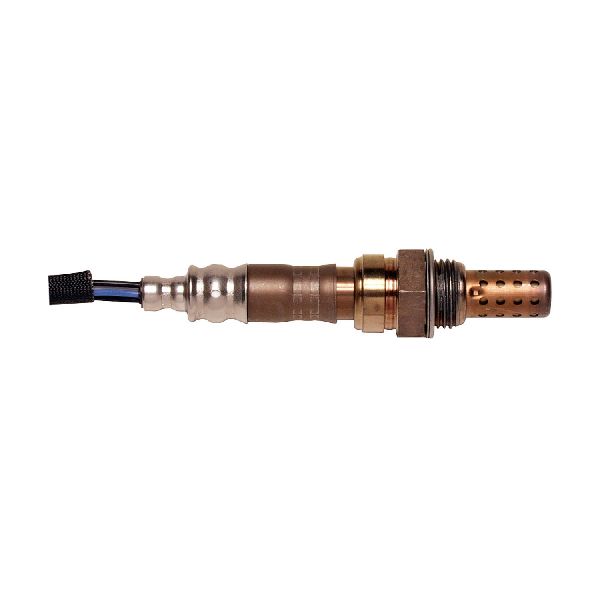
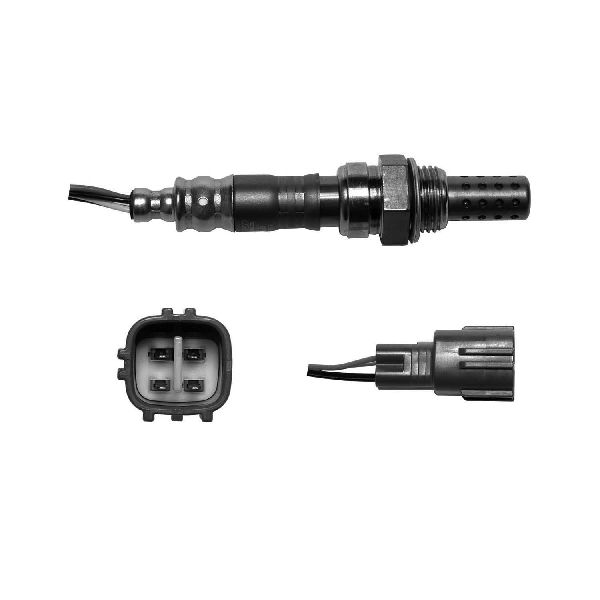
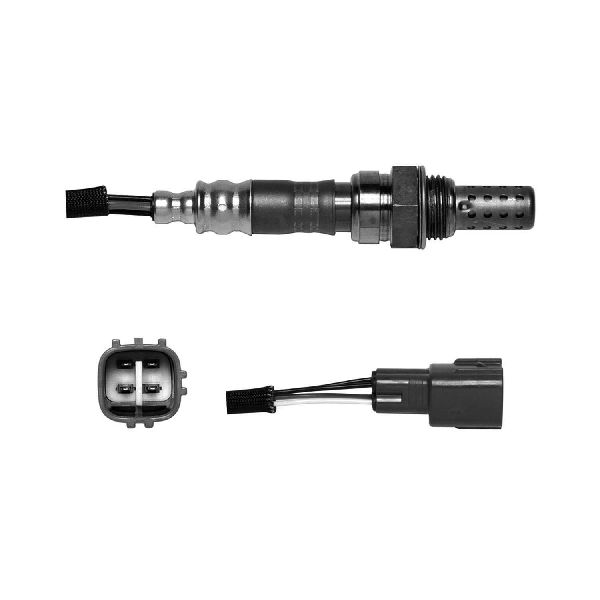
This code points to a malfunction in the rear oxygen sensor on the firewall side (Bank 1, Sensor 2). Most often, the fix is to replace the sensor itself. Use a Denso sensor (part #234-4261) for best results. Expect to pay $50-$70 for an aftermarket part or $130-$200 for an OEM sensor. DIY difficulty is 2/5, but the sensor can be seized in the exhaust and is difficult to access on the rear bank.
- P0136 on your V6 RAV4 means there's a problem with the downstream oxygen sensor on the firewall side of the engine.
- The most likely fix is replacing the sensor itself. Using an OEM-spec brand like Denso (part #234-4261) is highly recommended to avoid compatibility issues.
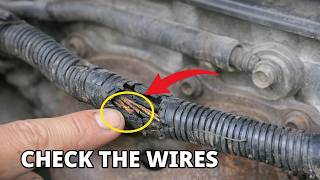
- Before buying parts, perform a careful visual inspection of the sensor's wiring harness for any signs of melting or damage, as this is a common failure point.
- The sensor can be difficult to remove due to rust and its location on the rear of the engine. Soaking it with penetrating oil beforehand is advised.
What's Unique About the 2006-2012 Toyota RAV4
For this RAV4 V6, the P0136 code is straightforward, usually pointing to a failed sensor. However, Toyota's engine computers are notably sensitive to the specific electrical characteristics of the oxygen sensors. Using cheaper, universal, or non-OEM-spec sensors can sometimes cause the code to return. Denso is the original equipment manufacturer, making it the preferred replacement. Additionally, the wiring for this sensor runs close to hot exhaust components, making it susceptible to heat damage over time, which can mimic the symptoms of a failed sensor.
Symptoms You May Notice
- Check Engine Light is on
- Decreased fuel economy
- Failure to pass an emissions test
- Rough idle or engine misfiring in some cases
- Replacing the oxygen sensor without first checking the wiring harness for heat damage.
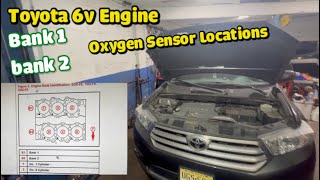
- Replacing the wrong sensor (e.g., replacing the Bank 2 sensor 🎬 Watch: How to identify Bank 1 and Bank 2 sensor locations or the upstream Bank 1 Air/Fuel sensor).
- Replacing the catalytic converter when the actual fault lies with the downstream monitoring sensor.
Most Likely Causes
- Failed Downstream Oxygen Sensor (Bank 1, Sensor 2) 🔴 High Probability → Shop Oxygen Sensor Oxygen sensors are wear-and-tear items that degrade over time from heat and contaminants in the exhaust stream. They are a common failure point on many vehicles, including the RAV4.
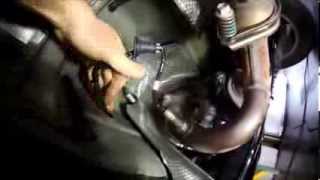
How to confirm: Using a scan tool with live data, observe the voltage for O2 Bank 1, Sensor 2. A healthy downstream sensor should show a relatively stable voltage (typically between 0.5V and 0.8V) when the engine is at operating temperature and holding a steady RPM. If the voltage is stuck, flat-lined near zero, or fluctuating wildly like an upstream sensor 🎬 See a real-world diagnosis and fix for the P0136 code, it has likely failed. The ECM specifically looks for a failure to vary outside the 0.21V - 0.59V range during its diagnostic tests.
Typical fix: Replace the Bank 1, Sensor 2 oxygen sensor. This is the downstream sensor on the rear (firewall side) exhaust manifold. Be prepared for the sensor to be seized and for difficult access.
Est. part cost: $50-$200 - Damaged Wiring or Connector 🟡 Medium Probability The sensor wiring is routed near the hot exhaust system and can become brittle, melted, or corroded over time, leading to a short or open circuit. Road debris can also physically damage the harness.
How to confirm: Visually inspect the entire wiring harness from the O2 sensor to its connection point. Look for any signs of melting, chafing, or corrosion on the pins of the connector. Perform a continuity test with a multimeter on the harness wires (with the sensor and ECM disconnected) to check for opens or shorts to ground/power.
Typical fix: Repair the damaged section of the wiring harness or replace the connector pigtail.
Est. part cost: $15-$50 - Exhaust System Leak ⚪ Low Probability
How to confirm: Visually inspect the exhaust manifold, catalytic converter, and pipes upstream of the sensor for cracks or loose flange bolts. You may hear a ticking noise when the engine is cold or see black soot around the leak. A smoke test can definitively identify the location of a leak. An exhaust leak can allow outside oxygen to enter the exhaust stream, skewing the sensor's readings.
Typical fix: Replace the leaking exhaust gasket or repair the cracked pipe.
Est. part cost: $20-$100
Rare But Worth Checking
- Faulty Engine Control Module (ECM): This is very uncommon. The ECM should only be considered after all other possibilities, including the sensor, wiring, and exhaust leaks, have been thoroughly ruled out.
Diagnosis Steps
- Read the code with an OBD-II scanner and check for any other pending or active codes. Note the freeze frame data.
- Visually inspect the Bank 1, Sensor 2 oxygen sensor (rear bank, after the catalytic converter) and its wiring harness. Look for any obvious signs of damage, such as melted wires or a corroded connector.
- Inspect the exhaust system for any leaks between the engine and the O2 sensor. Listen for ticking sounds and look for soot trails.
- Use a scan tool with live data capability to monitor the voltage of the Bank 1, Sensor 2. A healthy sensor should show a fairly steady voltage above 0.5V. If it's stuck low (near 0V), stuck high, or not responding, the sensor is likely bad.
- If the sensor signal looks odd, check the freeze frame data. Per Toyota TSB T-SB-0001-10, if you also have a P0138 and see A/F Sensor voltage (B1S1) between 3.35-3.70V and O2 Sensor voltage (B1S2) between 0.70-0.90V, the problem may actually be the upstream Air/Fuel sensor.
- If the wiring looks good and the sensor voltage is suspect, test the circuit. Disconnect the sensor and check for proper voltage and ground at the connector coming from the ECM. Check the sensor's internal heater resistance with a multimeter; it should be within a specific range (typically 2-30 ohms).
- If the circuit and heater test good, the oxygen sensor itself is the most probable cause of the fault. Replace it.
- If the sensor and wiring are confirmed to be good, the final and least likely possibility is a fault within the Engine Control Module (ECM).
Parts You'll Likely Need
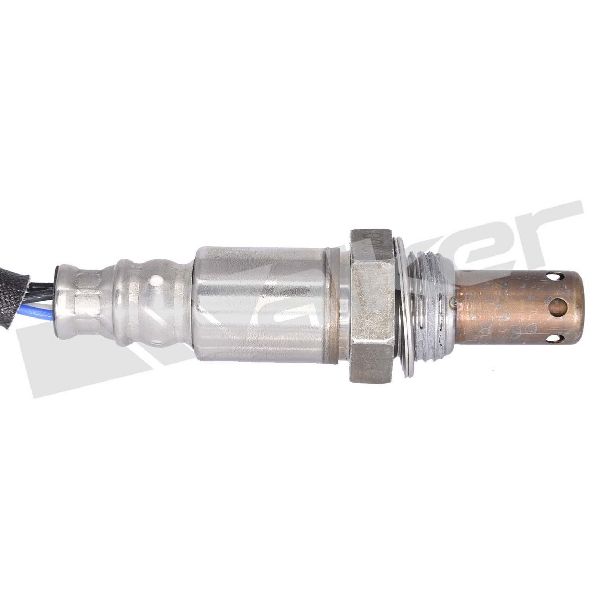
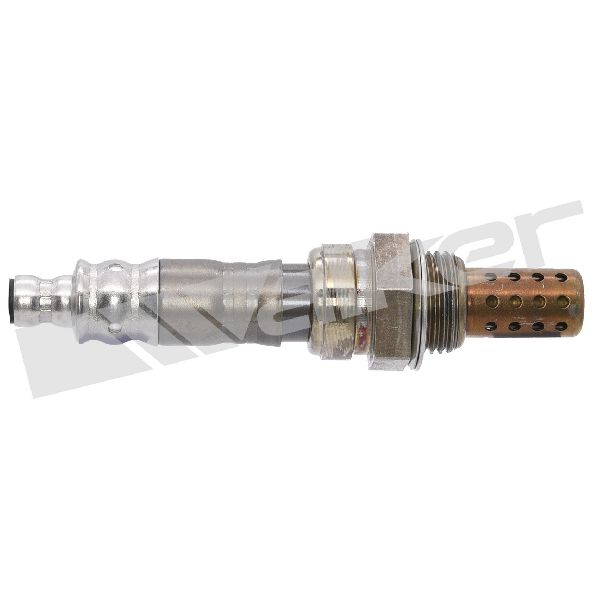
- Downstream Oxygen Sensor (Bank 1, Sensor 2)
(OEM #89465-0R030)— This is the most common failure item for code P0136. It is a wear item that eventually fails from heat and contamination.
Trusted brands: Denso (OEM Supplier), NGK, Bosch, Walker
OEM price range: $130-$200
Aftermarket price range: $50-$90 - Oxygen Sensor Socket — A specialized 22mm (or 7/8") socket with a cutout for the wire is required to properly remove and install the oxygen sensor, especially if it is seized.
Trusted brands: OEM Tools, Lisle, GearWrench
OEM price range: $10-$25
Aftermarket price range: $10-$25
Related Codes That Often Appear With This One
- P0138 — This code indicates 'O2 Sensor Circuit High Voltage' for the same sensor. A related Toyota TSB (T-SB-0001-10) suggests that a P0138 can sometimes be caused by a faulty *upstream* Air/Fuel ratio sensor, not the downstream O2 sensor. While P0136 is a general malfunction, it can be related to the conditions that cause P0138.
Technical Service Bulletins (TSBs) & Recalls
- T-SB-0001-10 Rev1: While this TSB directly addresses P0138/P0158 (High Voltage), it provides valuable diagnostic insight. It notes that on some 2006-2010 RAV4s, a high voltage reading from the downstream O2 sensor can be caused by an incorrect response from the *upstream* Air/Fuel Ratio sensor. It advises checking freeze frame data for specific voltage ranges (A/F sensor at 3.35-3.70V and O2 sensor at 0.70-0.90V) before replacing the downstream O2 sensor.
Platform-Specific Known Issues
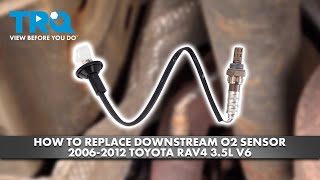
- Difficult Access to Bank 1 Sensor: Owners and mechanics report that the Bank 1 (rear, firewall side) sensors are significantly harder to access than the Bank 2 (front, radiator side) sensors due to the tight space between the engine and the firewall. While possible for a DIY repair, it requires patience and potentially universal joint socket adapters. 🎬 Watch: Step-by-step walkthrough for replacing the Bank 1 Sensor 2
- Use of Denso Sensors Recommended: Forum users across multiple Toyota platforms strongly recommend using Denso-branded sensors, as Denso is the original equipment manufacturer. Some have reported issues with codes returning after using other brands. The correct Denso part is often identical to the Toyota-branded part but at a lower cost.
Mechanic-Grade Diagnostic Values
- Heated Oxygen Sensor (B1S2) Heater Resistance — expected: 2-30 Ohms. Failure: A reading below 1 Ohm indicates a short, and infinite resistance (OL) indicates an open circuit.
- HO2S Voltage during Active Air-Fuel Ratio Control Test — expected: Voltage should fluctuate, dropping below 0.21V and rising above 0.59V.. Failure: If the voltage fails to go below 0.21V or above 0.59V during the test, the ECM determines the sensor output is abnormal and sets P0136.
- Mode $06 - Minimum oxygen sensor output voltage — expected: Varies by test, value must be compared against ECM's min/max limit.. Failure: The reported value is outside the acceptable range defined in the Test Limit.
- Mode $06 - Maximum oxygen sensor output voltage — expected: Varies by test, value must be compared against ECM's min/max limit.. Failure: The reported value is outside the acceptable range defined in the Test Limit.
Hidden / Shadow Codes Worth Checking
- Mode $06, Test ID $02, Component ID $07/$08: These correspond to the minimum and maximum oxygen sensor output voltage tests. A failure here can provide an early warning or confirm a P0136 fault by showing the raw test data that the ECM uses to set the code. (see via An advanced OBD-II scan tool capable of displaying Mode $06 data.)
Scan Tool Commands That Help
- Toyota Techstream: Active Test: 'Control the Injection Volume A/F Sensor' — This function allows a technician to force the air-fuel ratio rich or lean (-12.5% or +25%). While observing the live data for the B1S2 O2 sensor, a healthy sensor's voltage should respond to these commands. If the voltage remains static or responds slowly, it confirms a problem with the sensor or its circuit.
Wiring & Ground Locations
- Ground Point B1 / B3 — On the rear of the engine (firewall side). This is a crucial ground point for the engine harness.. The O2 sensor circuit relies on a clean ground path. A corroded or loose ground at this location can introduce electrical noise or voltage offsets, causing the ECM to misinterpret the sensor's signal and set a P0136 code.
- ECM Connector C55 (2GR-FE) — At the Engine Control Module, located in the engine compartment.. For circuit testing, you need to know the pins for Bank 1 Sensor 2. Pin 88 (OX1B) is the signal wire, Pin 48 (HT1B) is the heater control, and Pin 65 (EX1B) is the sensor ground reference at the ECM.
- EFI MAIN Relay and A/F Fuse — In the engine room relay block.. The O2 sensor's heater circuit receives power via the EFI MAIN relay and is protected by the A/F (Air/Fuel) fuse. A fault in either of these components can disable the heater, leading to slow sensor response and triggering codes like P0136, especially on cold starts.
Real Owner Repair Stories
- Tacoma World forum user (Toyota Tacoma (similar 2GR-FE V6 platform)) — Check Engine Light with code P0136, which returned after replacing catalytic converters and O2 sensors.
❌ Tried (didn't work) Replacing catalytic converters, Replacing O2 sensors with non-Denso aftermarket parts
✅ What actually fixed it The user was advised that aftermarket sensors often do not work well with Toyota ECUs. The implied fix, echoed by other users, was to use a genuine Denso sensor to resolve the returning code. - Toyota Owner (NHTSA ODI #10194123) — An owner reported a check engine light where the dealer diagnostic report showed a failure code of P0136 Oxygen Sensor Malfunction. The dealer advised that the sensor should be replaced at a cost of $230.00.
- Toyota Owner (NHTSA ODI #11377970) — A report describes a persistent P0136 Bank 1 Sensor 2 error code where the owner took the vehicle to several mechanics and had the downstream O2 sensor switched.
OEM Part Supersession History
89465-42160→89465-0R030— Standard part number update/revision by Toyota.
Heads up: The new part number (89465-0R030) is the correct and current replacement for the original. There are no known incompatibility issues when using the superseded part.
Diagnostic Flowchart
Other Known Issues on This Vehicle
Issues unrelated to this code that are worth knowing about as an owner of this generation:
- VVTi Oil Line Rupture 🔴 High — Common on 2006-2009 models not yet updated. A rubber section of the Bank 1 VVT-i oil line can degrade and burst, causing rapid and catastrophic oil loss, leading to engine seizure. (Ref: LSC 90K was a Limited Service Campaign to replace the rubber hose with an all-metal line (part 15772-31030). Many vehicles may still have the original part.)
- Intermediate Steering Shaft Clunk 🟠 Medium — Very common on 2006-2008 models. A clunking or knocking noise is heard and felt through the steering wheel when turning. Caused by premature wear in the intermediate steering shaft. (Ref: T-SB-0318-08 Rev2 addresses this issue with an improved replacement part (45260-42090).)
- Water Pump Failure 🟠 Medium — Reported on earlier 2006-2009 V6 models. The water pump can leak or fail, leading to coolant loss and potential overheating. Replacement is labor-intensive due to tight packaging.
- Ignition Coil Failure 🟡 Low — Fairly common across all years. A failing ignition coil will cause a misfire (engine shaking, flashing check engine light) and is typically isolated to a single cylinder.
Used vs. New Parts: Buying Guide for This Vehicle
When a used part is the smart pick: For this repair, buying a used part is strongly discouraged. The primary failure component is the oxygen sensor itself, which is a wear-and-tear item with a finite lifespan. A used sensor from a junkyard has unknown remaining life and may fail shortly after installation, wasting time and money.
What to inspect on the donor part:
- Not applicable as used sensors are not recommended.
OEM-only on this vehicle (don't cheap out):
- While not strictly 'OEM-only', the oxygen sensor for this vehicle should be sourced from the Original Equipment Manufacturer, Denso. Using the Toyota-branded part from a dealer or the equivalent Denso part (e.g., 234-4261) is critical.
Aftermarket brands forum-validated for this vehicle:
- Denso (OEM)
- NGK/NTK
Brands owners have reported issues with on this vehicle:
- Generic, unbranded, or 'universal' oxygen sensors that require splicing wires are frequently reported to cause codes to return on Toyota vehicles due to mismatched heater resistance or response characteristics.
Real Owner Stories
Aggregated from forums and TSBs cited above. Mileages and costs reflect what owners reported in those sources.
2006-2012 Toyota RAV4 3.5L V6
Symptoms: Owners reported the Bank 1 (rear, firewall side) sensors are significantly harder to access than the front sensors, requiring universal joint socket adapters for the repair.
What fixed it: Replacement of the Bank 1, Sensor 2 oxygen sensor using a Denso-branded part.
Source hint: vehicle_specific_issues section regarding 'Difficult Access to Bank 1 Sensor' and 'Use of Denso Sensors Recommended'
2006-2010 Toyota RAV4
Symptoms: High voltage readings from the downstream O2 sensor (B1S2) between 0.70-0.90V.
What fixed it: Replacing the upstream Air/Fuel Ratio sensor (B1S1) rather than the downstream sensor, based on freeze frame data showing A/F voltage between 3.35-3.70V.
Source hint: T-SB-0001-10 Rev1
Toyota V6 (2GR-FE platform)
Symptoms: Code returning after using non-OEM sensor brands.
What fixed it: Switching to a Denso-branded sensor, which is the original equipment manufacturer part.
Source hint: Tacoma World - 'Toyota OEM V6 O2 sensors versus Denso, part number discrepancy.'
Related OBD-II Codes
Frequently Asked Questions
Which specific oxygen sensor is causing the P0136 code on my RAV4 V6?
Is there a specific brand of sensor I should use for my 2006-2012 RAV4?
Could a high voltage reading on my downstream sensor actually be caused by the upstream sensor?
How difficult is it to replace the Bank 1 sensor on the 3.5L V6 model?
What should the voltage reading look like for a healthy Bank 1, Sensor 2 on this vehicle?
Can an exhaust leak cause a P0136 on my RAV4?
Helpful Videos
We Have This Part in Stock


The information in this article is provided for general reference and educational purposes only. Vehicle specifications, procedures, and part compatibility can vary by production date, trim level, and region. Always consult your vehicle's factory service manual and verify part numbers before purchasing or performing repairs. Safety-critical components such as airbags, seat belts, and braking systems should be installed by a qualified professional.
- Toyota RAV4:
- 🧭 Diagnostic Flowchart
- 🎬 Helpful Videos
- 🛍️ Shop This Part
- What's Unique About the 2006-2012 Toyota RAV4
- Symptoms You May Notice
- Most Likely Causes
- Rare But Worth Checking
- Diagnosis Steps
- Parts You'll Likely Need
- Related Codes That Often Appear With This One
- Technical Service Bulletins (TSBs) & Recalls
- Platform-Specific Known Issues
- Mechanic-Grade Diagnostic Values
- Hidden / Shadow Codes Worth Checking
- Scan Tool Commands That Help
- Wiring & Ground Locations
- Real Owner Repair Stories
- OEM Part Supersession History
- Other Known Issues on This Vehicle
- Used vs. New Parts: Buying Guide for This Vehicle
- Real Owner Stories
- 2006-2012 Toyota RAV4 3.5L V6
- 2006-2010 Toyota RAV4
- Toyota V6 (2GR-FE platform)
- Related OBD-II Codes
- Frequently Asked Questions
- 🎟️ Get 5% Off