

P0137 on 2010-2015 Chevrolet Camaro: O2 Sensor Low Voltage Causes and Fixes
Code P0137 on a 2010-2015 Camaro most often means the downstream oxygen sensor on the passenger side (Bank 1, Sensor 2) has failed. Before replacing it, check for exhaust leaks and damaged wiring. An OEM ACDelco sensor costs around $50-$90, with DIY replacement being straightforward for those with basic tools.
- P0137 on your Camaro points to the passenger-side, post-catalytic converter O2 sensor.
- The most likely fix is replacing the sensor itself, which is a common wear item.
- Before buying parts, always perform a quick visual check for damaged wires and listen for obvious exhaust leaks, as these can also cause the code.
- If you have aftermarket headers, the code is likely due to the modification and may require a custom engine tune, not a new sensor.
- This is a DIY-friendly repair; the sensor is accessible from under the car and requires a special O2 sensor socket.
What's Unique About the 2010-2015 Chevrolet Camaro
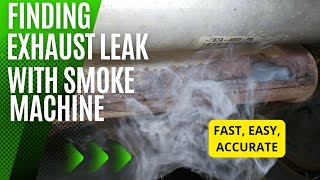
For the fifth-generation Camaro (2010-2015), the P0137 code is a common and typically straightforward fault. While the cause is often a simple sensor failure due to age, these cars can also be prone to exhaust leaks, especially around manifold gaskets or aftermarket header installations, which can mimic a bad sensor. A GM technical service bulletin (TSB) acknowledges that hard-to-find exhaust or intake leaks can trigger this code, recommending a smoke test for accurate diagnosis. 🎬 Learn how to find hidden exhaust leaks using a smoke machine. Owners who have installed long-tube headers frequently report this code if the rear sensors are not properly accounted for in a custom engine tune. In some cases, even if the rear O2 sensors are disabled in the tune, they must also be physically unplugged to prevent codes from appearing.
Symptoms You May Notice
- Check Engine Light is on.
- Failed emissions test.
- Slightly reduced fuel economy.
- In some cases, no noticeable symptoms other than the Check Engine Light.
- Sulphuric or 'rotten egg' smell from the exhaust in some instances, indicating an incorrect air/fuel mixture.
- Replacing the catalytic converter when the issue is just a cheap sensor or a small exhaust leak.
- Replacing the O2 sensor without first checking for exhaust leaks or wiring damage, leading to the code returning.
- Assuming the tune is correct after installing headers without verifying that the rear O2 sensors have been properly disabled in the software.
Most Likely Causes
- Failed Bank 1, Sensor 2 Oxygen Sensor 🔴 High Probability → Shop Oxygen Sensor Oxygen sensors are wear-and-tear items that degrade over time and with exposure to exhaust gases, typically having a finite lifespan of around 100,000 miles.
How to confirm: Using a scan tool with live data, observe the voltage for Bank 1 Sensor 2. A healthy downstream sensor should show a relatively stable voltage (e.g., 0.4V - 0.8V) when the engine is warm and at a steady RPM. If the voltage is stuck below 0.2V and does not fluctuate, the sensor is likely bad.
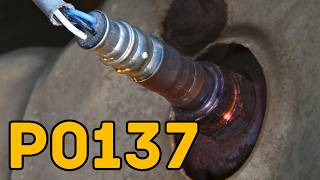
Typical fix: Replace the Bank 1, Sensor 2 oxygen sensor. This is the downstream sensor on the passenger side. 🎬 Watch: Step-by-step guide to removing the Bank 1 Sensor 2 on a V6.
Est. part cost: $40-$90 - Exhaust Leak 🟡 Medium Probability Leaks can develop at exhaust manifold gaskets, collector flanges, or weld seams, especially on higher-mileage vehicles or those with aftermarket exhaust systems. A user on the Camaro5 forums traced their P0137 to a poorly sealed clamp on an aftermarket exhaust.
How to confirm: Visually inspect the exhaust system from the engine to the catalytic converter for soot marks or physical cracks. A common method is to use a smoke machine to introduce smoke into the exhaust and watch for leaks. You can also have a helper cover the tailpipe with a rag while the engine is running and listen for hissing sounds.
Typical fix: Repair the leak by replacing the faulty gasket, re-seating clamps, or welding the cracked component.
Est. part cost: $10-$100 - Damaged Wiring or Connector ⚪ Low Probability The sensor wiring is routed near hot exhaust components and can become brittle, melted, or chafed over time, leading to a short or open circuit.
How to confirm: Visually inspect the oxygen sensor's wiring harness and connector for any signs of melting, corrosion, or physical damage. Check for continuity and voltage at the connector with a multimeter using a wiring diagram for reference. Pay close attention to where the harness may be routed near the driveshaft or exhaust pipes.
Typical fix: Repair the damaged section of the wiring harness or replace the connector pigtail.
Est. part cost: $15-$50
Rare But Worth Checking
- Blown O2 Sensor Heater Fuse: → Shop Oxygen Sensor The sensor needs its internal heater to function correctly, especially at startup. A blown fuse will prevent it from reaching operating temperature, causing incorrect readings. Check the fuse box in the engine bay; forum members report this can be a simple, overlooked fix, especially after installing headers which may cause wires to burn and short.
- Improper Tune After Installing Aftermarket Headers: If you have installed aftermarket long-tube headers, the stock tune may not be compatible with the new exhaust flow and sensor positions. This often requires a custom tune to adjust or disable the rear O2 sensor monitoring. One user on Camaro5 noted that even after disabling the rear O2 sensors in the tune, the code persisted until they were physically unplugged.
- Dirty Mass Airflow (MAF) Sensor: A dirty MAF sensor can provide incorrect airflow readings to the PCM, leading to a lean running condition that can trigger a P0137 code, sometimes along with P0157 for the other bank. A user on LS1Tech reported fixing both codes by cleaning their MAF sensor.
Diagnosis Steps
- Read the Code: Use an OBD-II scanner to confirm P0137 is the active code and check for any other related codes.
- Check for TSBs: Be aware of GM TSB MC-10219266-0001 (also known as 20-NA-065), which suggests that hard-to-find leaks can cause this code and recommends using a smoke machine like the GE-52250 for diagnosis.
- Inspect the Fuse: Locate and check the fuse for the O2 sensor heater circuits in the under-hood fuse panel. Forum users confirm this is a common failure point, especially after exhaust work.
- Visual Inspection: Carefully inspect the Bank 1, Sensor 2 (passenger side, downstream) oxygen sensor, its connector, and its wiring for any obvious damage, melting, or corrosion.
- Check for Exhaust Leaks: With the engine cool, start the car and listen/feel for any leaks between the engine and the sensor. A smoke test is the most effective way to find small leaks. A user on Camaro5 found their P0137 was caused by a small leak at a clamp.
- Analyze Live Data: Use a capable OBD-II scanner to monitor the live voltage of the Bank 1, Sensor 2. If the voltage is stuck low (e.g., <0.2V) and does not respond when the engine is revved, it points towards a faulty sensor or a significant leak.
- Test the Sensor Circuit: If the sensor appears unresponsive, unplug it and use a multimeter to check for reference voltage and ground at the connector to rule out a wiring issue before condemning the sensor.
- Replace the Sensor: If the wiring and fuses are good and no leaks are found, the sensor itself is the most likely culprit. Replace it. Using an OEM sensor is recommended for reliability.
Parts You'll Likely Need
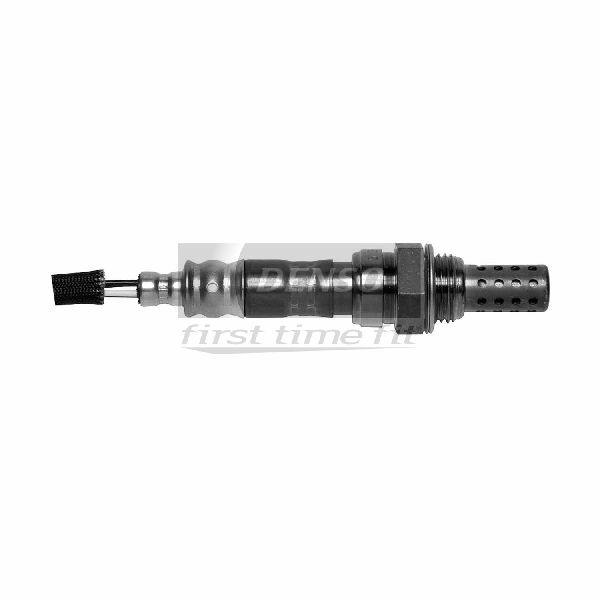
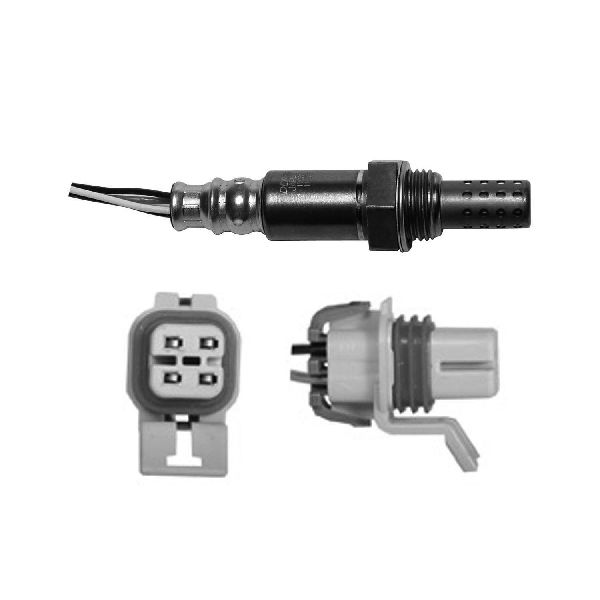
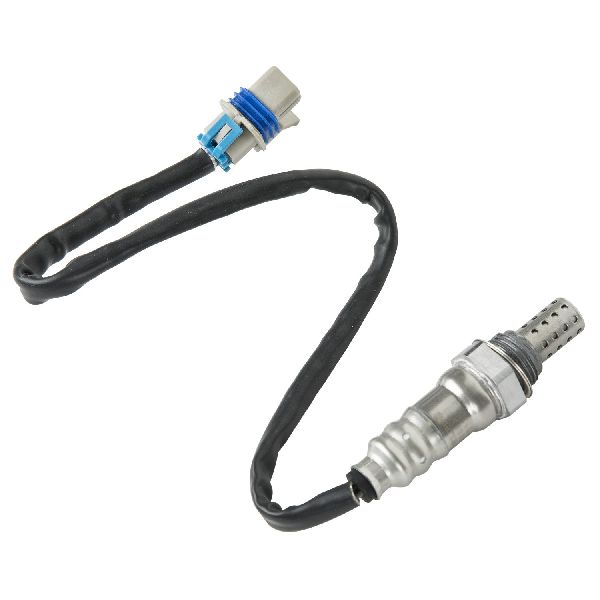
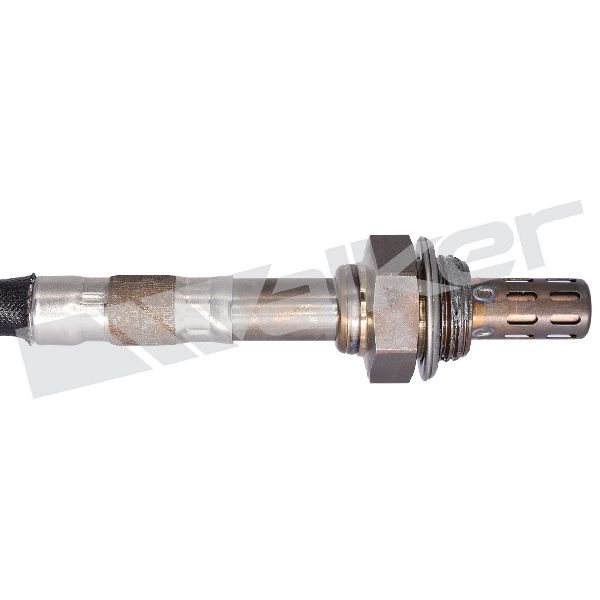
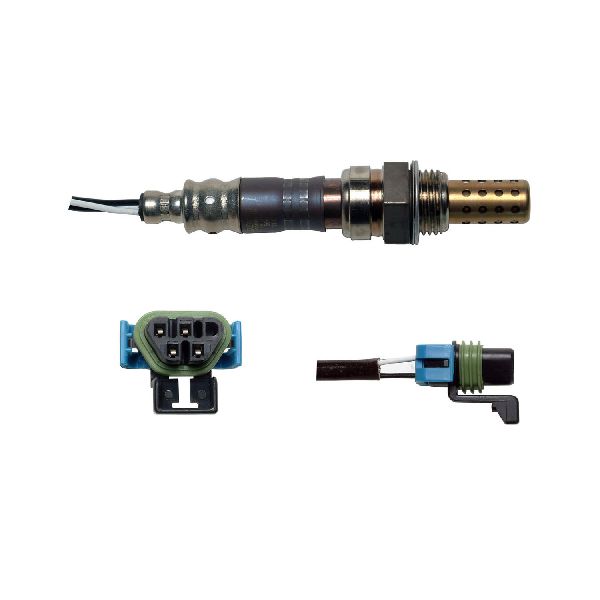
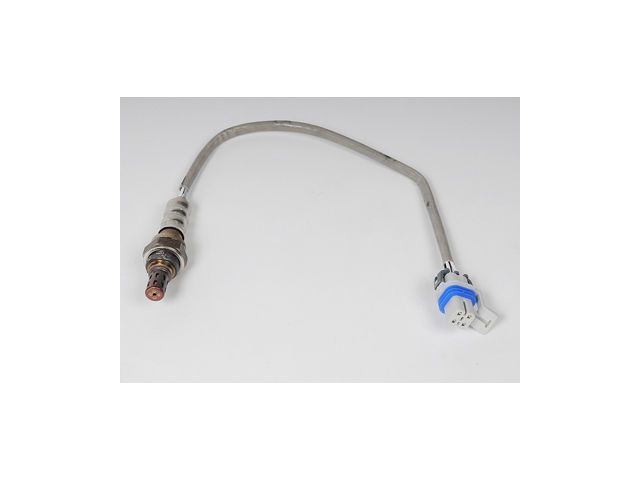
- Oxygen Sensor (Bank 1, Sensor 2)
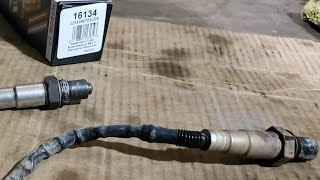
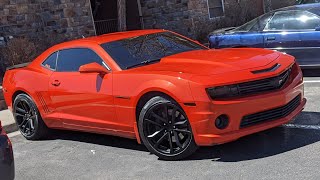
(OEM #V6 (LLT/LFX): 12634063 (ACDelco 213-4575); V8 (LS3/L99): 12609457 (ACDelco 213-4229))— This is the most common failure part for this code. It is the downstream sensor on the passenger side. Part numbers differ between V6 and V8 engines, 🎬 See this walkthrough for changing O2 sensors on a Camaro SS V8. so always verify fitment.
Trusted brands: ACDelco, Bosch, Denso, Walker
OEM price range: $50-$90
Aftermarket price range: $40-$70
Related Codes That Often Appear With This One
- P0157 — This is the same low voltage error but for Bank 2, Sensor 2 (driver's side). Seeing both codes together could point to a systemic issue like a shared blown fuse, a tuning problem, or a dirty MAF sensor affecting the overall air/fuel mixture.
- P0420 — P0420 indicates 'Catalyst System Efficiency Below Threshold (Bank 1)'. A failing O2 sensor can sometimes provide incorrect data that leads the PCM to mistakenly flag the catalytic converter as inefficient.
- P2096 — This code means 'Post Catalyst Fuel Trim System Too Lean Bank 1'. It often appears with P0137 as it indicates the computer is seeing a lean condition based on the downstream O2 sensor's low voltage reading.
Technical Service Bulletins (TSBs) & Recalls
- MC-10219266-0001 (replaces PIP4925B, also listed as 20-NA-065): Diagnostic tip for multiple engine codes, including P0137, that may be caused by difficult-to-detect intake or exhaust leaks, recommending a smoke test with specific tools like the GE-52250 Variable Pressure Leak Detector.
- TSB Bulletin #PIP5529B: A manufacturer service bulletin notes that P0137 may occur in combination with other codes like P0068, P0101, and P0171, and provides guidance to assist in resolving malfunction indicator lamp illumination.
- TSB Bulletin #PIP5529A: This bulletin provides technical details to assist in resolving a malfunction indicator lamp illumination due to any combination of diagnostic trouble codes including P0137 and P0324.
Platform-Specific Known Issues
- Aftermarket Header Installation: A very common trigger for P0137 on modified Camaros. The new sensor position and exhaust flow characteristics often require a custom tune to disable the rear O2 sensor monitoring. In a Camaro5 forum thread, a user with long tube headers and a tune still got the code until they physically unplugged the sensors.
- Exhaust Clamp Leaks: Even small leaks from improperly tightened or seated exhaust clamps can introduce enough oxygen to trigger a P0137. A Camaro5 user installed long tubes and high-flow cats and traced their code to a small gap left by a clamp that had bunched up the tubing instead of sealing it.
Mechanic-Grade Diagnostic Values
- Downstream O2 Sensor (B1S2) Voltage — expected: Relatively stable voltage between 0.1V and 0.9V when warm and at steady RPM.. Failure: Voltage is stuck consistently low, below 0.21 volts, for a sustained period.
- O2 Sensor Heater Circuit Resistance — expected: Typically 4 to 6 ohms when measured across the two heater circuit pins on the sensor side of the connector.. Failure: An ohmmeter shows infinite resistance (Open Loop or 'OL'), indicating a broken internal heater element.
Wiring & Ground Locations
- Engine Block Ground (Driver Side) — On the back of the engine block, located behind the last ignition coil pack on the driver's side.. A poor ground at the engine block can affect the reference for multiple sensors, including the O2 sensors, potentially causing incorrect voltage readings.
- Engine Block Ground (Passenger Side) — On the side of the passenger head near the oil dipstick tube.. This is a primary ground point for the passenger side of the engine (Bank 1). Corrosion or looseness here can directly impact the Bank 1 O2 sensor readings.
- G103 — Located in the engine compartment on the cowl, above the brake booster.. This ground serves the Body Control Module (BCM) and the Data Link Connector (DLC). While not a direct engine ground, a fault here can cause bizarre communication issues during diagnosis.
- O2 Sensor Connector (V8) — The 4-pin connector for the O2 sensor harness.. Technicians can perform continuity tests from the sensor connector pins to the corresponding pins at the ECM to verify harness integrity. For example, on some models, Pin A on the sensor connector corresponds to ECM pin 56.
- Supplemental Ground Path (Forum Fix) — A user-added ground strap running from a bolt on the engine block behind the alternator to the chassis ground point on the frame, across from the steering shaft knuckle.. In cases of persistent, hard-to-diagnose electrical issues (like floating voltages), adding a redundant ground path has proven to be a definitive fix for some owners, suggesting the factory grounds can become insufficient over time.
Real Owner Repair Stories
- Camaro5 Forum user 'Pkeen' (2010 Camaro SS) — Persistent hot start issue, a common symptom of poor grounding which can also cause sensor voltage problems.
❌ Tried (didn't work) Multiple unspecified attempts over a period of years to resolve the issue.
✅ What actually fixed it Adding a new, supplementary ground cable from a location on the engine block behind the alternator to a ground point on the frame near the steering shaft knuckle. The user also emphasized cleaning all ground points to bare metal. - LS1Tech Forum user 'LS6427' (LS-powered vehicle (specific model not mentioned, but common platform)) — Spitting, backfiring, sputtering, and stalling when using Bosch O2 sensors.
❌ Tried (didn't work) Installing new Bosch O2 sensors.
✅ What actually fixed it Replacing the Bosch sensors with Denso or factory GM/ACDelco sensors, which caused the engine to run perfectly. The user claims Denso sensors are superior for this platform.
OEM Part Supersession History
GM 12609457→ACDelco 213-4229— Part consolidation and potential design updates over time.
Heads up: This is the correct downstream sensor for V8 models (LS3/L99). Ensure you are purchasing for the downstream position, as upstream sensors have different part numbers.
Model Year Variations Within This Range
- 2010-2011 (LLT) vs. 2012-2015 (LFX) V6 Engines: The 2012+ LFX engine has integrated exhaust manifolds cast directly into the cylinder heads, making aftermarket header installation impossible. The 2010-2011 LLT has traditional bolt-on manifolds. The LFX also uses a composite intake manifold (vs. aluminum on LLT) and a different ECU (Delphi vs. Bosch). These changes mean exhaust parts and engine tunes are generally not cross-compatible.
Diagnostic Flowchart
Other Known Issues on This Vehicle
Issues unrelated to this code that are worth knowing about as an owner of this generation:
- Premature Timing Chain Wear (V6 LLT/LFX) 🔴 High — Common on earlier 2010-2012 models, typically appearing between 30,000-80,000 miles. Can lead to catastrophic engine failure if ignored. (Ref: Multiple TSBs exist, but no universal recall. Repair involves replacing chains, guides, and tensioners.)
- Torque Converter Shudder (A8 Automatic) 🟠 Medium — Widespread issue causing a vibration or shudder at steady speeds (25-80 mph), often feeling like driving over rumble strips. (Ref: TSB 18-NA-355 recommends a specific transmission fluid flush with Mobil 1 Synthetic LV ATF HP fluid. If not resolved, torque converter replacement may be needed.)
- Ignition Switch Defect / Recall 🔴 High — Affects all 2010-2014 models. A driver's knee can bump the key fob, knocking the ignition out of 'run' and shutting off the engine, power steering, and disabling airbags. (Ref: GM Recall #14294. The fix involves separating the key from the fob.)
- AFM Lifter Failure (V8 L99) 🟠 Medium — The Active Fuel Management (AFM) lifters on the L99 (automatic SS models) can collapse or fail, causing a ticking noise, misfires, and poor performance. (Ref: A known issue, though no specific recall. The common fix is to replace the AFM lifters, or perform an 'AFM delete' which requires new lifters, camshaft, and a tune.)
- Passenger Airbag Sensor Mat Failure 🟠 Medium — Common on 2010-2011 models, the passenger seat occupancy sensor mat can tear, causing the airbag light to illuminate and disabling the passenger airbag. (Ref: No recall, but a common complaint. Repair requires replacing the sensor mat in the seat cushion.)
- Heat Soak / Slow Start When Hot 🟡 Low — Some owners report the engine cranks slowly or refuses to start after a long drive, especially on hot days. This is often attributed to the starter motor getting heat-soaked from the nearby exhaust manifold. (Ref: No TSB. Solutions include installing a better heat shield for the starter or an aftermarket 'mini' starter.)
Used vs. New Parts: Buying Guide for This Vehicle
When a used part is the smart pick: For this specific repair, a used part is NEVER recommended. Oxygen sensors are a wear-and-tear item with a finite lifespan. Installing a used sensor is highly likely to result in the same code returning in a short period.
What to inspect on the donor part:
- Not applicable. Do not buy a used oxygen sensor.
OEM-only on this vehicle (don't cheap out):
- While not strictly 'OEM-only', using the OEM ACDelco part or a direct OE supplier like Denso or NTK is strongly advised for reliability and to avoid compatibility issues.
Aftermarket brands forum-validated for this vehicle:
- ACDelco (OEM)
- Denso (Often the OE manufacturer, highly recommended on forums)
- NTK (Also a known OE supplier)
Brands owners have reported issues with on this vehicle:
- Bosch (Has numerous reports of premature failure, causing poor running conditions, or being incompatible with the GM engine management system on these cars, despite being a common parts store offering)
Real Owner Stories
Aggregated from forums and TSBs cited above. Mileages and costs reflect what owners reported in those sources.
2010-2015 Chevrolet Camaro
Symptoms: The owner experienced a P0137 code after installing long tube headers and high-flow catalytic converters.
What fixed it: The issue was traced to a small gap left by an exhaust clamp that had bunched up the tubing instead of sealing it properly.
Source hint: camaro5.com forum user mentioned in 'Exhaust Clamp Leaks' section
2010-2015 Chevrolet Camaro SS (V8)
Symptoms: The Check Engine Light remained on for P0137 even after the vehicle received a custom tune to account for long tube headers.
What fixed it: The owner had to physically unplug the rear O2 sensors to resolve the persistent code issues.
Source hint: camaro5.com forum thread mentioned in 'Aftermarket Header Installation' section
2012-2017 Cadillac CTS (3.6L LFX)
Symptoms: Check Engine Light with code P0137; this platform mate shares the Camaro's LFX engine and emissions architecture.
What fixed it: Replacement of the failed oxygen sensor with part number 12634063 or repairing exhaust leaks.
Source hint: Platform mates section regarding 3.6L LFX engine shared with Cadillac CTS
Related OBD-II Codes
Frequently Asked Questions
Which oxygen sensor is responsible for the P0137 code on my Camaro?
Is there a Technical Service Bulletin for P0137 on the 2010-2015 Camaro?
I just installed long tube headers on my SS and got a P0137. Is this common?
Could a blown fuse cause this O2 sensor code?
What specific sensor part should I use for a V8 Camaro replacement?
Can a dirty MAF sensor cause this code on my Camaro?
Helpful Videos
We Have This Part in Stock

The information in this article is provided for general reference and educational purposes only. Vehicle specifications, procedures, and part compatibility can vary by production date, trim level, and region. Always consult your vehicle's factory service manual and verify part numbers before purchasing or performing repairs. Safety-critical components such as airbags, seat belts, and braking systems should be installed by a qualified professional.
- Chevrolet Camaro:
- 🧭 Diagnostic Flowchart
- 🎬 Helpful Videos
- 🛍️ Shop This Part
- What's Unique About the 2010-2015 Chevrolet Camaro
- Symptoms You May Notice
- Most Likely Causes
- Rare But Worth Checking
- Diagnosis Steps
- Parts You'll Likely Need
- Related Codes That Often Appear With This One
- Technical Service Bulletins (TSBs) & Recalls
- Platform-Specific Known Issues
- Mechanic-Grade Diagnostic Values
- Wiring & Ground Locations
- Real Owner Repair Stories
- OEM Part Supersession History
- Model Year Variations Within This Range
- Other Known Issues on This Vehicle
- Used vs. New Parts: Buying Guide for This Vehicle
- Real Owner Stories
- 2010-2015 Chevrolet Camaro
- 2010-2015 Chevrolet Camaro SS (V8)
- 2012-2017 Cadillac CTS (3.6L LFX)
- Related OBD-II Codes
- Frequently Asked Questions
- 🎟️ Get 5% Off